Finding Brave 163: Everything You Wish Successful Entrepreneurs Would Talk About Honestly, Alli Webb
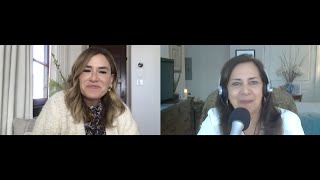
Alli Webb, founder of Drybar and Squeeze, talks about the anxiety entrepreneurs hide: the real costs of scaling a business, family money in the mix, and how she missed time with her kids. She built Drybar to 150 locations starting with her brother's $250,000 investment in 2010.
Questions this video answers
2010
150
$250,000
Raising the Bar
They were 3 and 5 when Drybar started; at time of interview they were 13 and 15.
Chapters
Hello everybody. Welcome to another episode of Finding Brave. I'm so excited today to have our amazing guest, Ali Webb, who you know, I'm cutting to the chase. Founder of a lot of things but Dry Bar and Squeeze, right? And you know, I remember hearing about Drybar from my sister in law who has the curliest hair ever and how, when did you found Dry Bar? What an idea. When?
2010. 10 years ago.
Brilliant, brilliant, brilliant. And Ali's got so much going on. And a reiteration of her amazing podcast, Raising the Bar. I want to tell you about Allie, but what I'm so excited about is, you know, anyone watching this podcast, Finding Brave. It's about bravery and authenticity and transparency and it's about cutting through all the nonsense that we hear, all the veneer, all the. Yeah, it's all good. It's not all good when you're launching and starting and scaling a business. And we're going to get to really the heart of what we wish we heard from successful entrepreneurs and in my case particularly female entrepreneurs that we're just not hearing people aren't being honest about. So grab your pen and pencil people. But I want to tell you about Allie. Ali Webb is a New York Times bestselling author and founder of Dry Bar. As we said in Squeeze. You know, I didn't know about about this till I read all this. Ali has been named one of the 100 most creative people in business by Fast Company, Featured on Fortune magazine's 40 under 40 list. Marie Claire's most fascinating women, covered in Ink magazine's How I did this issue. It goes on and on. Recently, Inc magazine recognized Ali as one of the 100 Women Building America's most innovative and ambitious businesses. Also been featured as guest shark on ABC Shark Tank. I'm sure that's a story and a half. She just launched season two of her podcast Raising the Bar, as we said with executive coach and boyfriend Adrian Kohler. Am I pronouncing that correctly?
Taylor. But it looks like Kohler. Taylor.
Oh, I would not have said that. Thank you for correcting me. Hate it when I get names wrong and where they pull back the curtain on the the things entrepreneurs really want to know. So thank you for taking time now we were just chatting before. You know, I hear from and work with a lot of entrepreneurial women and you know, to look at what are the things we wish we knew that successful entrepreneurs weren't talking about. It's probably could fill, it could fill 20 volumes of work of books. But can we start Ali with from Your experience, the top three things that you're trying to teach. And it can be female entrepreneurs. Anyone? Anyone you want. But what. We're not hearing enough of that we need to hear. Can we start there?
Yeah, for sure. And thank you for the. The wonderful introduction. It's always funny hearing those things because it's like, oh, yeah. Oh, yeah.
Oh, that's pretty freaking amazing, girl.
But, yeah, you know, I think that is. That is largely what we're talking about or trying to talk to you on. On Raising the Bar, which is, like, the things that people aren't talking about. There is this, like, propensity to just say the good stuff. And in my case, there's a lot of good stuff. I mean, we obviously did a lot of things right with DryBar for it to become what it has, but it doesn't mean it was easy and not full of heartache and full of, like, lots of things that people don't see or hear. And we don't tend to talk about those things.
We don't.
And I think for me personally, after going through a divorce and being pretty public about it, I think that that also kind of, you know, I think a new version of myself kind of emerged, and it's like, I don't really want to talk about things that aren't completely authentic. Like, I just want to be as real as possible. And. And so, you know, I think that. To answer your question, I think that we. You know what? We're not. We don't. We're not. It's so funny. We just finished. I just came from recording Raising the Bar, and we were talking to a really great guest, Steve Ma, and.
Oh, my goodness.
And he was really honest. And we related to each other so much because, you know, it's like, it's so stressful. It's so hard. As creative people, I think that your brain is just going in so many different directions, and you're not. In what you want to be happening, isn't always happening. And then the problem is that you're not talking about it to anybody. And so it just festers and it comes out sideways, and you end up, you know, being an asshole to your kids or the person that is working really hard for you because you're frustrated about this other thing. And, you know, and then, not to mention the fact that, like, you're supposed to have all the answers and you're supposed to know all the things because you're the founder and you're at the helm of this company, but you don't. And Nobody ever told you those things, you know, and so, you know, to answer your question before we came on about, you know, what are the things and the fear and the stuff that we're not talking about? I think it's that it's like, we're all pretty scared. We're all, like, worried we're going to mess the thing up. We're all pretty nervous that we don't have all the answers. And I think that was the thing that I was very afraid to tell anybody ever that I didn't know what I didn't know. And I think, I mean, part of it is just figuring out your way with all of that. And, you know, I can remember, especially in the early days, being in meetings and there being big questions on the table and, like, nobody really knew, but everybody was looking at me, but I didn't know, but I was like, well, I guess I just have to make a decision. And sometimes they were right and sometimes they were wrong. But that anxiety and pressure is a lot, isn't it? You know, and it's like, it's okay. We all have it. It's just like, let's just. Let's just be honest and talk. Talk about it, you know, and it's just I look at other, you know, other, you know, founders and people who've started companies, and I. And I don't think that they feel like I do. It's probably easier for them. They must be smarter than me and know more than I do, you know, but then you hear them on an interview like this, and they're talking about how they were really scared, didn't know it either. And then I think it starts to level the playing field. And also, it's really empowering to see, like, oh, if, you know, if she did it and she stressed and worried about it, then I can probably do it, too. And I think that's what more of my mission is probably today is to help other entrepreneurs, which is why, you know, we're doing the podcast and I'm doing a couple other things that really help me give back to other entrepreneurs so we can kind of, you know, pull back the curtain, so to speak, on, like, that. You know, this is not.
I love it.
This is not as easy and glamorous as you might think.
Do you feel, though, that. Well, you know, Let me share. Share this. I was talking to a colleague of mine, Justin Brady, and he did a poll recently asking, have you ever considered, yes or no. Misleading people about how your business is doing? And I used to do market research So I said, you're not going to get real answers to that. You need to rephrase it. Have you ever. It was. Have you ever misled someone? And I said, I think you better change it. And here's how I would change it. Yes. No, maybe. Have you considered it? No. He got answers.
He got answers.
And you would be shocked at how many people admitted that they've misled. But what I'm coming out with here is no judgment. It's almost like, especially if you haven't hit the level you've hit, like, well, let me finish the sentence. If you've had the success you've had, I think it's one thing to say, look, I struggled. I didn't know I had imposter syndrome. I don't know if you had that. But when people are still struggling, they haven't scaled to what they consider whether that's 1 million, 10 million, they're really scared to let on because they don't want to broadcast any kind of insecurity that people should invest in them. Or would you agree with that? Like, is it a little easier now to say, yeah, I struggled because you are so successful? Yeah.
I mean, even, like today, you know, it's like we are, you know, obviously, like so many, many businesses are struggling because we can't be open and we can't run at the capacity that we run at. And that's bad, you know, and, you know, and no, I'm not going to publicly talk about the ins and outs of that, but, you know, that's a thing. That's real. And yes, over the years, in the last 10 years, when, you know, we were having problems at the business and we have had tons of problems, Tons of things have gone wrong. We've been sued. We've had, like, it's like so much. But no, I don't talk about that stuff super publicly. But if. If someone were to ask me, like, have you ever misled people and said, like, things are great when they're not. Yes, 100%, I've done that. Because, you know, you are. You do want to present a certain facade. And, you know, for my case, it's like, mostly true. I mean, drybar has been pretty successful, but that doesn't mean we haven't had our, you know, our problems and our issues and things that have gone terribly wrong in the business. But no, that's not the kind of thing that we broadcast. But, but there's. There's so much more at stake. You know, it's like there's there's, it's not even like, if I were to talk about, like, oh, you know, we're not doing really well, business is down, business is bad. It doesn't just impact, right. So many people and so many things. It's like we have almost 4,000 people that work for us. If we, you know, if I start talking about it's bad instead of perpetuating what is good, you know, it has like a ripple effect and affects a lot of. So, you know, for me, it doesn't feel necessarily inauthentic. It's just, you know, you want to, you want to highlight. Which is, which is, you know, I get. It's like when you think about, like Instagram, it's like we want to highlight the good stuff to create excitement and momentum and keep things moving forward. But there are certainly, you know, there's. It's. The bad stuff is there. Right.
And maybe I want to reframe it. I think if people purposefully lie, that's bad. It's going to come back to bite you. It never works. Well, maybe it does for some, but I can't sleep at night. But when we say misleading, I think it can also be what I learned as a therapist, a positive reframe that it fits the facts equally well, but it allows for as much expansion. So in other words, you're going to focus on the things that have gone well, you're going to focus on how you have been resilient and what you have changed during the pandemic. And no, you're not going to talk about the revenue numbers. You know, so I think there's a differentiation, people that. Are you leading with the wish to help people, not the wish to deceive people? I think that's a difference. Right?
Yeah.
Can you talk honestly about, you know, I was sharing earlier my book on the seven damaging power gaps. And, you know, it's, it's research based. It's from my research and others, working with thousands of professional women that I do think we have these gaps. And there's reasons we have them. It's some of our social training, our cultural training, you know, that it's sometimes hard for us to ask for what we deserve. It's sometimes hard for us to speak about what we're great at because we're taught. You're not supposed to be a bragger. You're not supposed to highlight, you know, all sorts of reasons. Can you talk honestly about the differences you see in female entrepreneurs and male entrepreneurs, or if that's not comfortable to talk about, you know, any challenges you've had specifically because you're a female.
Well, I feel like this is something that comes up a lot. And I've always had the good fortune of being surrounded by really sensitive, kind, strong men. You know, obviously, first and foremost, my brother. Well, first and foremost my dad, who you know is. My parents were entrepreneurs. My dad. My parents ran their own business. And my dad and mom were pretty equal. You know, my dad did things than my mom, but they were pretty equal. And then, you know, my brother, who we've always been so close, you know, he's just a really good guy. He's a good man, as is my father, you know. And then even my ex husband and dry bar was started with Cameron, my ex husband, and Michael, my brother. And Cam is an amazing man, you know. And so I, like I said, I've certainly been around men that are, you know, chauvinistic and not great, but I've never gotten very close to men like that. So, you know, I've been able to, I was gonna say escape it, but I think I just had the good sense of like, you know what I. This is not the kind of guy I want to be around or in business with or dating or whatever it was. And so I think that there is this like, I hear that and I know that there are. I do think there's a. I think there's a difference between, you know, that men in over. Over generalizing. I think that men come off a little more. They're more like brass and they're more like going to say what they think and do what they think. And they're not afraid of what people think. The way women overgeneralizing tend to be like more worried about what they're saying and how they appear and what they're doing. And yeah, I think a lot of that is society that like, oh, you shouldn't say this, you shouldn't talk about money, you shouldn't talk about this and that. And I do think that's true. But I also like. It doesn't even like hit my radar personally. And maybe that is because of the relationships that I've had with men. And then even before my brother and my husband and I've worked for a lot of men. I was a personal assistant to the guy who ran the music department at Rogers and Cowan when I lived in New York. And the guy who taught me how to cut hair was a man. And so I've always been around really great men. So I've never had that lens that is, you know, is more prevalent that you hear about more now. So I've just never, like. I don't know if fallen prey is the right way to say it, but, like, I've never experienced that divide. I'm not saying it's not there.
I get it. Maybe you didn't spend time in the corporate world.
Not really. I did.
I think it's rampant there, Allie. You know, it's rampant.
And it's like, that's probably part of why that world has always been very unattractive to me. So you're right. I can't really speak of that too much. The only time I worked in the corporate world was when I worked for Rogers and Cowan, which is a pretty. It's a PR firm, but it's pretty big one. And I did work for a guy, and I've. And I've seen it, and I've. I've experienced it. I've never been close enough to it, but I've. You know, when we were, like, raising money for Dry Bar, we were talking to, like, all these big PE firms that, you know, it was always, like, these men in suits. And, you know, they. I think they thought I was a little crazy, and they didn't really get the concept of what we were doing. And. And I was this, like, hairstylist who had this idea, and I don't think that they took me very seriously, but I was like, well, I don't really want your money if you don't really. If you don't get me and get what we're doing. So, you know, so again, I guess for me, it's not been a thing, but. And I think that because I'm pretty, like, strong in who I am. And again, I know I sound like a broken record here, but I think the fact that I was, you know, brought up around such strong men who let me have my own voice and have my own say, you know, which is why I think it is really important to, you know, for women who are running companies to still partner with great men. You know, it's like there is place for that because there's so many. There are really so many great men out there, and those are the men that we should be highlighting and talking about, the ones who are, you know, sensitive to all of it, you know, and. And I think that that's. That's, you know, it's getting more men, you know, to. To. To be on the level playing field with women is. Is really kind of more what it's about. So I see it. But I just, I, I don't like subscribe to it, I guess.
Wow, that's fascinating. So interesting. What was the business of your parents, can I ask?
Yeah, they, I grew up in South Florida and they had what was known as the schmata business. People don't know that word, but it's like kind of like older ladies, like sports clothes, sportswear, like Mumu's and elastic pants. And my parents were super smart. I mean they opened these little old lady clothing stores in retirement communities in South Florida where before that they were open, you know, I mean everybody, like everyone's parents retires. Your grandparents are in South Florida, like Boca and Delray beach. And that's where I grew up. And before Flips, which is what my parents store was called, which is my father's nickname, you know, women were going, having to go to the mall and shop at like, you know, the department stores and they were expensive and it was like not a good experience. But my dad had, his father was in the clothing business too and he was like, we should open where these women are coming every single day. They're taking the trolley over from the retirement community and there's the bagel shop and the hair salon and the little pharmacy and all the things that they do when they get dropped off. And my dad was like, surely they want to buy clothes. They are women, you know. And you know, my dad was brilliant. He would set up like little chairs for the men at the front of the shop and he'd bring them coffee and bagels in the newspaper because husbands are happy, their wives will shop more, they'll buy more clothes, and the business will be more successful. So I mean, talk about like, you know, and like adapter and you know, and there was nothing like flips. It was like, you know, Chico's. I'm sure you heard of the. Yes, which my mom always loved that store. But this was like pre Chico's, like that Chico's is like an upscale version of what my parents store was. But that didn't, none of that stuff existed. So my parents were really at the forefront. Even though, you know, it was this little mom and pop business and they, you know, had the cash registers that you type things in. They went to computer.
All right, question for you. Now let's getting back to what we wish we knew. You know, I interviewed years ago in my Forbes blog, Susan Sabat, who was then the Amex Open president, president of Amex Open. And I said to her, what do you think are the biggest differences, Differences between male and female Entrepreneurs. And she said a few amazing things. Number one, she said, when you ask a guy, why. Why did you found this business? He said, to make money, you know, to generate revenue. When you ask a woman, it's usually about not all women. This is not painting everybody with the same brush, but it's about kind of a passion story or a story emerging from them, you know. Secondly, if you say, great idea, do you think you can scale it? The man says, oh, yeah. The woman says, I'm not sure. Yeah, I'm not 100% sure. And thirdly, you ask about the numbers. And I see this every day, even when I'm talking to women who are making a million millions, not necessarily entrepreneurs, but in other arenas, consulting, etc. They don't know what's coming in and they don't. What's that? They don't know what's going out. They, in my view, they often don't have a really strong relationship with money that's empowered.
But.
But if you ask men, you know, what are your numbers? They know it. They know the numbers. The women say, hey, I'm not so good with the numbers. I have someone else do the numbers. And that bears out in a lot of conversations I have with women. Can you tell me. I mean, I think those three things are going to hold you back. If you're really wanting to scale a business and you don't think you can or you don't feel you have the wherewithal, and if you don't know the numbers, would you, would you agree with any of that?
Yeah, I mean, I'd probably agree with all of that. You know, I mean, I think that I. You're, you know, you're right. Like numbers don't. I. I'm not good at the numbers either, and I do.
You're a creative, you know, right. You have the ideas, you have the vision.
And I, you know, and I think there's, you know, I think there's something to be said for like, you know, asking a guy, a man, if why he must do this business. And his response is like, I want to make money. And girls is like, I'm passionate about this because that was for me. And I actually think that that's an advantage is, is wanting to do it for the, not just for the money. And in fact, like, money didn't really enter my mind when we were starting DryBar, I was like, I wanted to do something that made me feel fulfilled. That was, that was the big driver, you know, the money. That was like a really nice like, bonus and the gravy. Like, oh, shit, we're gonna make a lot of money from this too. You know, like, that wasn't on.
That wasn't on your. Was it on your husband, your. The brother's mind?
My brother, yes. It was more my brother that he was like, how do we make. But initially, you know, Michael, my brother, put up the first 250,000 to start this business. I had sweat equity, which I didn't know back then what that term meant. And ironically, I'm starting a new business now where I'm. I'm providing the money and somebody else is getting this, what, equity.
Wow.
Yeah.
I have to be in that situation.
But, yeah, I mean, you know, so Michael put up that money and he always, like, joked around, still jokes around, like, that was $250,000 I thought I'd never see again. You know, obviously he did, but he was really doing it more to like, help his little sister out. He thought there might be something here, and he thought that there might be a business. We really didn't realize how big Dry Bar, but he wanted me to have, you know, my. My own, like, livelihood and my own thing. And that's really what I thought it was going to be. You know, I thought I was going to run these, the shop. Maybe we'd open a few, but I'd.
Be able to pick up.
My kids were 3 and 5 when we started dry bar. They're 13 and 15 now. And we thought that, you know, I'd be able to like, you know, run this shop, pick up my kids from school and like, I would make a little bit of money. My husband at the time, my ex husband was in advertising and he, he did pretty well. So, like, this would be like a nice lifestyle for us if we could get a couple of shops off the ground and that, you know, and. And I didn't have like, grandiose ideas of like, whatever. Then I just thought, you know, I was going to be able to like, have a nice life. And then, you know.
How many, how many locations do you have now?
150.
All over the country, right?
All over the country, yeah. Yeah. And so the money part of it was like a really like, holy, holy.
Like, look at this. But, but in your case, you're very fortunate that in your sphere you had someone who loved you, had your best interest, but also seemed to be good with the finances. Right?
Yeah.
And you need.
You really do need that. That person, those people around you that you trust and that, you know, that, know what they're doing in that. In that sense, which really, I mean, really wasn't me back then and is. And is sort of me now, but not, you know, it's still like, not my strong suit. And I, you know, I. But I know plenty of women who it is, you know, they are finance people. They do understand that. They do like that. You know, it's like it just depends on who you are.
And back to your passion issue. What I see, and I feel it in my own business, when you have that connected heart, passion for it, you're more resilient and you're going to hang in there. You're going to hang in there when the bumps are so hard because it's. It's a bit of a part of you. It's like a child, you know, I think. What do you think?
I mean, I say that all the time, that it's like another baby and. Yeah, I mean, it's. Because it really is. I mean, it's all consumed like a child is. You don't ever get to stop thinking about it like your children, you know, you're constantly nurturing it, you're frustrated at it, but you love it. You know, it is exactly like a child. And I have, you know, and I've said that a million times in a million interviews. Like, it is, like, you have to really love it to put that kind of blood, sweat and tears into it.
I think so.
You know, I almost think it's good that we don't even realize how much it's going to be until we're in it. Because I think if, like, it's also like, going through divorce. Like, if I knew how painful that was going to be, I don't know. You know, it's one of those things where ignorance is kind of bliss and you just, you go in it and you dive in and you hope for the best and, you know, and then you very quickly realize you're gonna get, like, punched in the face a bunch, and then you get back up and you keep going and. And yeah, I mean, you know, I know that I'm fortunate and I was going to say lucky, but I don't think I'm lucky. You know, it's obviously that we worked really hard, but fortunate for sure. And, you know, could have never have imagined. I mean, what's funny too, is my family is like, my brother was the overachiever of the family. You'll get this reference to Alex P. Keaton.
Yes.
Not everybody does, but, you know, that was my brother, you know, the, like, super ambitious Michael's going to do amazing things whatever he does. And he did. And he, he, he did. He sold like a company to Yahoo back in the day when it was like his like mentor, Seth, go in like, he's a pretty guy, my brother. So when we joined forces and did this together, you know, my family was like, hoping I was going to marry well, you know, and it was like there, everyone's like, who knew that like little Ali was going to, you know, was going to do all of this. So it's been, it's been really, you know, fun for me because I never would have imagined that I'd, you know, you know, be where I am or I never would imagine that people would consider me like a business woman because I was always like, head in the clouds, creative and just like everything happens for a reason and things will just go the way they're supposed to. And so to, you know, hone in, you know, my skills and find this thing in me has been a pretty like, crazy.
So inspiring. Ally, I got another question for you. These are different questions, I hope, than you hear all the time. I grew up, my, My parents were second generation immigrants. Greek, Greek mom, Italian dad. Dad was brilliant and got a job at ge, you know, seven patents. Amazing.
Wow.
He, I grew up, I kind of was the son he never had, you know, the, the second of two daughters. And, and I think through osmosis I watched how he loved corporate life. And through osmosis I had this idea that a good, happy, successful career in life is you work for a very reputable firm for 30 did for GE. Ugh. I mean, from the minute I started corporate life, I hated it. I'm like, this is the dumbest thing. Why are we meeting? 50 people meeting at 8 in the morning every Monday. And I remember even thinking, why can't we do this like from home remotely 20 years ago? I mean, nobody had heard of such a thing. But anyway, I do, I do see in the people that I work with. When you're raised in a certain tradition, like you had an entrepreneurial lineage, I'm guessing, maybe even from the old country. I don't know what the old country is. Is that true?
Yes. Yeah.
Yeah. So I think that you already have. Not that. And I hear your distinction when we say lucky versus fortune. And I think lucky people, gosh, is lucky meaning you didn't work, you didn't deserve it.
Right.
You're fortunate, you're blessed and it, you know, but it isn't that you didn't kill yourself in the process. But I think that people that have had been immersed in entrepreneurialism have a whole different way of looking at things. And I, you know, I'm not trying to blame anyone but I didn't have it. And I remember one of the biggest lessons I learned after leaving corporate life, becoming a therapist in this coaching was just because you're good at marketing in the corporate world doesn't mean, you know, bleep about the entrepreneurial world.
Yeah.
Does that resonate with you?
Yeah, it's a totally different ballgame, you know and I think I learned that because you know, we were a very entrepreneurial like founder led company and we were meeting people who had these really big impressive jobs at big firms, big companies and they were, you know, they, they especially like the higher exec roles, they would come in and they'd be expecting to have like a team under them. You know, we had to have a lot of level setting conversations and really we learned to do this in the interview process and say like you're not going to have a team, you're going to, you're going to have to be scrappy.
You mean like head of marketing or head of whatever you were interviewing and they were like woohoo. I used to run a, you know.
Team of 30 or whatever dry bar. And you think like we have all these like things and we don't, you know, we were pretty, we've been pretty small and scrappy for a long, long time. We still are to a certain degree. And yeah, I mean there is that like and it's not for everybody. I mean we've had people who've come through dry bar and realize that like this is not where they want to be. They want to, to be, you know, like your father in corporate America. They like that better. They like the structure, they like that. You know, they're in here and they're out there. You know when you're working in a founder led organization or entrepreneurial organization, it's like all hands on deck. You're expected to do all sorts of different jobs, not just the one you were hired for, which is like how I grew up and to me like there's no other way. You know, it's like I like that I don't have to do or I don't do one thing all the time. I like that I'm, I like new challenges, I like new stuff and you have to have that like that makeup that to do that or you can't be in an organization like you know, like, like a, like a dry bar. Because that's just, you know, how it is. And it's okay that it's not for everybody. I mean, it's great that it's not for everybody. It makes the world go around. You know, we do need those corporate jobs and, you know, some people just thrive in that kind of environment and some people don't. But yes, my background and how I was raised was in that environment of like, you know, and I remember even like my. One of my first jobs was like at. In retail mall. It was like express, remember? Oh yeah, you're bringing up names in that job. And I literally remember this was like a gajillion years ago. The people who, when I started, the people saying, like, why are you working so hard, like, you're making us all look bad or, you know, something like that. Because my parents just taught me and I don't even know if they taught me. I just saw osmosis for sure. You just work and work and work and you don't stop and you just keep going. And it's not like. And so that was very much embedded to me. And I think that's largely part of, like, our success, my personal success was that kind of attitude of like, you know, I'm such a worker bee, you know, I'm such a, like just, you know, even like, I, you know, now I'm in a very different stage of my life and one of my best friends runs a small shop here in town and she's really busy and stressed and I was like, do you want me to come help you this weekend? You know, it's like, I don't, I don't work for her, but I'm like, I'll come help you do whatever. Just because, like, that's my mentality is to want to just, you know, stay busy and help people do what I can. So it is definitely a mindset, you know.
So let me ask in, in our remaining time, can I talk about boundaries? So, you know, what are those? Well, what's funny is what you. How do I put this? What you described, taken to an extreme, is what I call perfectionistic over functioning, which is doing more than is. EVERYONE LAUGHS. Every woman knows what that is. Almost every successful woman is it. I'm a recovering perfectionistic over functioner. What it means, people, is if you haven't listened to the 20 podcasts I mentioned it, doing more than is healthy, appropriate, necessary, and trying to get an A plus in all of it when a C would do in half of it. You know? You know what I mean? So it seems like you have this really healthy relationship with giving out, giving, doing the work. But there's two questions I want to ask you. Has it ever been where you've crushed yourself in the process of being successful? And number two, boundaries are a essential when you're in a family business. Yeah, like, it can get messy as all get out, but you grew up seeing that your mother, your father, I'm sure, maybe cousins. Can you talk about the boundaries that are essential in working with your loved ones? Your boyfriend, your husband, your brother. And also, have you ever been crushed down by your. By perfectionistic, over functioning, trying to do too much and can't be with your kids, too exhausted, getting sick, any of that?
Yeah.
I mean, if you said no, I think, oh my God, you're too perfect to be on this podcast.
All of that, you know, I mean, I think that like, you know, as much as I loved growing the brand and working so hard and working all but literally felt like all the time even. But my kids were really little and you know, my mom was really able to help so much with the kids that that kind of gave me a little bit of like a, you know, buffer to it. But I, you know, I worked myself into the ground for sure, like many entrepreneurs do, and I, you know, I burn out and all of that stuff. And I, But I would say the biggest, like, you know, repercussions of that time and working, you know, was like, you know, I miss a lot with my kids. And on one hand I think it was great. Just like my parents, my kids have seen how hard we work for our success and for all the things, and that's like, really great. But, you know, there's also been a lot of fallout. You know, my, my older son, who's 15 now, he's like, I got divorced over two years ago, but. And it was just sort of really bad time for him for us to get divorced. And he started to go through some stuff and then, you know, long story short, he spent the last year in treatment. He's much better now and he's doing well and he's giving me the green light to publicly talk about it, which I have just a little bit. But, you know, I think a lot of what I've learned more from him over the last year was like, all the things that I missed when I, when I was, you know, because his whole life has been dry bar. He's 15. You know, I started dry bar when he was five. So I missed a lot as a mom.
That's honest.
Yeah, I Mean, would I do it again differently? Yeah, there'd definitely be things that I would do again differently. But I was. I did the best I could. Then I thought, you know, and I still feel like this way, like, I need to do what I need to do to be fulfilled so I can be a good person, a good mom. But I think that I wasn't paying attention to the right things all the time, which you can't possibly know until after the fact, you know, and now I know that. Now I get that. So I think that was a lot of the fallout for me was that, you know, it's like, it's just so hard. And then, of course, I got divorced, so my marriage, you know, suffered too. And I think that drybar was a really great and amazing distraction from my marriage, that I wasn't dealing with the things that were going on there. But, you know, long, very, very long story short, you know, I'm probably happier now in my life than I've ever, ever been, you know, so I think it all worked out the way it was supposed to. My son is better than he's ever been. You know, my relationship, my ex husband is really fantastic. It wasn't for a long, long time, but it is now, you know, so it's like, while you can look back and, like, with, like, regret and shame, which of course I have some of that I more look forward of, like, wow, look where we all are. You know, it's not perfect, but it's. But it's like. Like I said, I'm happier than I've ever been. And because of what my son went through, it like, it broke us all open, you know, and so, you know, the fallout was a good thing, you know, So, I mean, I can see.
That you are, you know, a relentlessly positive person, which is beautiful to see. And I'm with you, I think, would maybe share this. Yeah, we wish we didn't go through these crises, you know, I went through getting laid off and sexual harassment, and it really broke me, frankly. But the breakdown led to an amazing breakthrough, that I wouldn't be who I am. I would literally not be this person.
When you think about that, like, the only way, you know, I was fortunate enough to become kind of friendly with Brene Brown during my fallout. Like, such a crazy, amazing gift.
Wow, lucky you.
I guess.
Best advisor in the world for vulnerability and shame.
And I learned so much for her. And I would, you know, and she would say, just, you just have to keep going. The only way through is through. And it's Just, you've got to just embrace the shit and it's gonna get better, you know, and it's like. But it just. There's no way around it. And, and I think that those are the things that really make us who we, you know, we ultimately become. And that's, that's kind of how I see it now. I like myself so much better now than I ever did before.
I know. And I think that's what life is. It's not supposed to be a walk in the park every minute. It's a journey. And there's going to be hellacious downs and incredibly meaningful ups. Any last thing that given all that, you know, and everything you talk about that you really wish entrepreneurs understood, either beginning entrepreneurs or mid level, that they just don't quite know yet. Anything, Any.
Well, I mean, I think it's like, I think it's the worrying, you know, I have spent a lot of my life worrying about everything and I, and I really have to, like, I've gotten so much better at it now where I really, like, remind myself, you know what? I have to deal with this and I have to, you know, this. I can't, like, ignore this. But I also, like, don't want to spend extra time worrying about it because. Because I have learned over the years that, like, it doesn't matter if I worry and things are gonna. It's gonna like, work out one way or the other and it's gonna work out, you know, and it might not work out the way you want it to, and you might think, like, this didn't turn out the way I wanted it to, but obviously I feel like I'm living proof that, like, it's all gonna work out one way or the other. And I really, it's like an awareness thing for me. Like, I really have to. When I'm stressing out about something. And there's like a couple things that come to to mind right now that I'm like, you know what? I'm going to deal with them when I deal with them and not going to like, allow them to bog me down in like the present moment, you know, and that's a hard skill to learn, but I think it's a good thing for entrepreneurs. And I'm sure most people who are listening to that and be like, yeah, whatever, but I really think it's true.
Would you. I'm sorry, I don't mean to cut you off. Would you agree with this? My sister and I talk about rein it in. Because if you are worrying, there's Nothing constructive coming out of the worry.
Right.
You're just wasting so much time. And worry is also debilitating. So your creativity and your problem solving and your resilience gets shot when you're obsessing and worrying. So do what you have to, address it. As you say, don't be in denial, but rein it in, fence it in.
Yes.
Is that a good, good way to end tonight, today, Allie, where do we learn about you? Where do we get your Raising the Bar? Where do we get everything you've got? Let's soak it up.
Our podcast is called Raising the Bar, and it's really wherever you find, you know, podcasts. You can download it or you can go to our Instagram, which is Raising the Bar pod. My personal Instagram is Ali Webb. A L L I W E B B. And that's kind of where all the things that I have happening and there are lots of which are coming, it's all kind of lives on that page, so that's the best place to find.
Thank you so much for joining me. I love your honesty. I love seeing a success, ragingly successful woman who's so real and isn't afraid to say, yeah, it's not always terribly pretty, but we're embracing it all. Aw, thank you so much. Okay, everybody, come back again. Ali, when your new. Your new initiatives are out.
I love it.
All right, people, you know that we want to hear from you. You know, go to Ali's Instapage. I'm on it. It's so beautiful there. I love it. Ask your questions. You know, clearly, we love to be transparent and honest, so if you've got a question, we'll do our best to answer it and don't shy away. And I hope you'll just embrace your entrepreneurial life with all the gusto and passion. Although a lot of people say, don't pursue your passion, you'll be broke. Shut up. Just shut up and do it and do it. All right, everybody, have a fantastically brave week. And thanks again, Allie.
Thank you so much. Bye.
Bye.
More from Kathy


Elevate Yourself, Elevate Others, and Amplify Good | Chris Cooper | Finding Brave Ep. 334

Finding Brave Epis #333: How Leaders Can Harness AI Without Losing Their Humanity, w/Bennett Borden

Finding Brave Epis 332- How to Stay Brave, Valuable and Visible in the Age of AI, with Raman Rai

Finding Brave Epis 331 - The Power of Positive Disruption, with Dr. Patrick Leddin


Finding Brave Epis 330 - Being 40: Letting Go and Embracing Who You Are, with Stacey Lindsay

Disrupt Career Reinvention with Kathy Caprino - via The Disruption Lab Podcast w/Patrick Leddin

Creating Neurodiversity-Friendly Work Cultures: Simple Workplace Adjustments Matter

Finding Brave Epis 329 - How To Create a Neurodiversity-Friendly Workplace, with Kristen Pressner

Finding Brave Epis. 328: Reclaiming the Power to Trust Your Own Voice, with Dr. Cindy McGovern