Finding Brave 168: How To Secure Positive Press Coverage That Elevates Your Work with Maureen Carrig
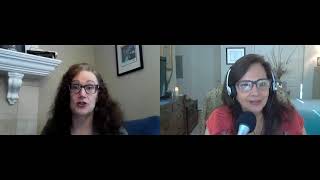
PR expert Maureen Carrig explains how to land press coverage that builds thought leadership. Reporters are understaffed and time-pressed, so pitch them angles they can use, not self-promotion. Research their past work, respond fast with data-driven quotes, and nurture relationships over months or years.
Chapters
Hello everybody. Kathy Caprino here and welcome to another riveting episode of Finding Brave. And I laugh, but it is riveting. It is to me anyway. I hope it is to you too. And today is no exception. We are going, I have the beautiful Maureen Kerig here and we're going to talk about what's the exact title here? How to secure consistent positive press conferences, coverage that moves you forward. That moves you forward as a thought leader, as an expert, you know, in the arena that you want to be playing in. It moves you forward to be at a higher level there. That's what we're going to talk about. And Maureen is a true expert at this. So let us dive in and we are looking here at since most of you who are listening, I think yes, you have your careers or you have your small businesses, I think it's really moving forward in any of those arenas. You have a new book out and you want to be noticed. You have a new program program you have, you've launched your startup, you want to get noticed. If you are a PR person, you're going to learn from this as well. But we're really aiming to focus on anyone who wants some high level attention that's going to move the needle. So Maureen, thank you for being here and let me. Oh, so fun. So fun. All right. Let me tell you about Maureen because it's so inspiring. Maureen Kerig is the principal of Craig, Not Craig, for goodness sake, Kerry Communications. Get a new pair of glasses. She started her own firm after more than 20 years of working with some of the largest companies in travel technology, recruiting and financial services. Maureen specializes in executive communications and national media relations, helping her clients build awareness, grow their business and solidify their subject matter, matter expertise that is you to a T. And Maureen and I were just talking about how long we've known each other, maybe more than six years. But to me it flew and I thought it was two years. And I remember very clearly the first kind of assignment we worked together on and it was I believe for my Forbes blog for Speak, Kathy Speak. And I wanted to speak to a high level executive at, at the time you were working with Robert half right. And it was about trends in recruiting and all sorts of things. And I will never forget and this is part of what I think you're going to share tips for how to do this. You know, I fell in love with you and, and you know, we build a long term relationship where the idea was it was mutually beneficial. If I had a need, a media need, I would go to you. If you had a lead, you would come to me. And, and we definitely viewed it as a long term, not a one hit wonder kind of experience. So, Maureen, can you start us off? I really would love you to hit it really authentically. Of course you will. And honestly, first of all, what do people have to understand about the press and media environment today that is not the same as it was before? Let's start there.
It's a great question, Kathy. And I always, when I, when I work with executives and help train them on working with the media, it's one of the first things I bring up is that it is not easy right now to be a newspaper reporter, a journalist working in broadcast news, really, in any segment of the media. Newspapers alone have shed half their staff since 2008. Many of them are, you know, closing, they're laying off staff. And what happens then is that you've got fewer people to cover just as much news as there was yesterday, a week ago, a year ago, what have you. Reporters now, they're facing more deadlines, they've got more beats to cover and they don't necessarily have the time they used to, to develop sources, relationships, etc. To really build those stories up. And it's tough too when you're not an expert, when you're assigned to cover a certain segment that you just don't know very much about, the way you're.
Very nervous, that would make very nervous.
Yeah. And I've worked with reporters who have said, you know, this is my first time covering finance or this is my first time, you know, covering, you know, a certain, a certain topic. So it's very important that spokespeople, you know, number one, they treat journalists with respect. They get back to them quickly with, with requests, with information they need. They don't try to fit themselves as a square peg in a round hole. But I think, I think one of the most important things people can do with reporters is really focus on, you know, being of service. And by being of service, I mean knowing that you are coming into an interview, coming into a discussion with a reporter, and your primary goal should be to help that reporter educate their readers or their viewers. I found in working with many executives over the years, when people take that, that approach to working with them, to being of service, to being a resource, they really can't go wrong. Oh, I love it.
And so I want to dimensionalize this for everybody from my perspective as one who is a media commentator, because I get asked, can you talk about Kathy? But also on the receiving end of that, can I. And let's see if I'm, you know, aligned with what you're saying. A few months ago, I remember I got asked by maybe it was even the New York poster of something very illustrious, large, and it was going to be on a particular issue on women's careers. Well, I got speaking with the journalist and we didn't even talk about that. It went in another direction in a minute. And I'm happy to do that because I really know this area in a broad way. But I remember I was a little thrown because I had spent some time drafting up the questions and I, you know, but I can talk very easily about these other things. And I said, okay, here we go. And it was 40 minutes with this journalist, and how grateful was I? Now, the other piece is when you're talking for 40 minutes with someone who's going to use other experts, they're going to use four sentences of what you've said, not 2,000 sentences. So part of it is, as you say, how can I be of service to this individual? It may not look like what I thought it was going to look like. It may not even feature my book the way I thought it was. But I know in that instance I have been featured numerous times in that publication because I'm guessing because it was that kind of relationship. Is this what you're talking about, Maureen?
Absolutely. Absolutely. Kathy, you hit the nail on the head. And I've seen it many times before. And we're not able to do this now, unfortunately, with, with COVID but in previous visits to the east coast, sitting down with reporters personally to meet them. And certainly I would have and our spokesperson would have an agenda, some topics to talk about, some new material. But the first question I always ask is, what are you working on today? Is there anything we can help you with that you have on your plate right now? Wow.
And will that sometimes be different from what they. And then you go in that direction?
Absolutely. And usually it's a related topic. It's something we can speak to. And I usually prep the spokespeople that, you know, we're coming to them today. It's a weekday, there's a lot of news going on. We could get hit with a few different topics. So be prepared, be flexible. We don't have to answer every question that comes our way, but it helps if we can provide some insight or provide them with someone we know who can speak to them. I find when we can really respect people's deadlines, what maybe just dropped on their desk that day, then they know, you know what? This person wants to partner with me. They want to help me, they want to be a resource. And to your point, to your example, Kathy, I've seen that happen before where sometimes it's a reporter who will say, you know what? I do want to talk about these things. But, gosh, my niece is having a really hard time finding her first job out of college right now. There was another reporter we worked with who was buying his first house and just wanted some advice on that. Other times, we said from the spokesperson.
And it was, wow.
And that had nothing to do with what we were sitting there to talk about.
But so that was just give me a little help personally.
That was just on his mind. Sometimes, too, we end up talking about dogs or just things in our daily lives. And I just find that really helps build rapport, number one. And it just shows that, you know, what, we're there to help you with, with whatever, with whatever you need. And, and we're people, too. We're not robots. We're not there with our, with our corporate jargon and our corporate speak. Just, just that we're going to hit play on a, on a machine and, and just, and just start going. We're, we're there to help.
I mean, it's so simple. But it's, it's a, it's a principle that people forget. It's be of service, come from your heart, listen to what they need. And, and this, the. I'll be really transparent. The other thing I think is to try not to be terribly self promotional in whatever you do. I've had a hard time with that because, and I've always had a hard time with that because I know even in my Forbes blog, I want to include links to additional resources. So if I interview Joanne Lublin, who is a Pulitzer Prize winner and she's just been in my podcast, I want to make sure I include that link. But Forbes and other platforms want to make sure that the writers themselves are not overly promotional, because then it really damages credibility. And it's taken me a while to realize there's a fine line between me offering additional resources and it sounding promotional. But can you talk about. I'd love to hear your perspective of the biggest mistakes people make with journalists, bloggers, reporters. And I see it every day. And when you make these mistakes, and I don't mean to sound cruel, but you'll, you'll just be, you know, I'll block a person if, for instance, they keep hounding me with the same pitch I'll give you two times. But then if you keep saying, I guess you're busy, too busy to respond, you're out. Can you talk about the other mistakes you see people making trying to get great media?
Yeah. And there are a lot of them. Those that you hit on are, you know, I see these. And I. And sometimes I'll say to reporters, you know, tell me what you're seeing right now. Tell me, tell me about the funniest thing or the craziest thing you've seen in the stories I hear are pretty nuts. One is people not personalizing their approach.
How about that high dash, I mean, line like they forgot to fill in the name.
Right. And you're getting a canned email on something maybe that's not even related to anything you write about. Kathy. And it's like, okay, this is. We all know when we go to our mailboxes at home and we pull out all the junk mail, all the things that are just going straight into the recycling bin. Well, reporters are doing the same thing with their, with their emails. They're just hitting delete, delete, delete when they see something that looks like it's just a direct mail piece. And I don't, I don't blame them. They don't have time for that. They don't have, you know, they're not compensated for how much time they're spent answering email. They're compensated for the great stories they put out and how they connect with readers and contribute to the conversation.
Can I add something that I think might be helpful that I haven't heard a PR expert say, but I think it needs to be said. So, for instance, for me, I cover a broad range of topics in the world of careers and leadership and executive work. Right. What I get a lot of is, hey, Kathy, I'd love to put this person on your radar. She's a startup founder and it's a new product, and I've never featured a new product. That's not my beat. So I think that some. This is what I really want to make clear. Some people might have just heard what you said and said, well, I'm doing that. I'm sending them what fits. But really, if you read the past and this is what I recommend, 30 posts of mine, not one of them is about a new product or the handbag line. I'm not putting this stuff down. But I'm not a fashion. It's not my beat. Now, for instance, I might go to entertainment and cover that, but it's in the lens of leadership and women's careers. So I'm probably not going to feature the latest, you know, movie on, animated movie on, blah blah, blah. Can you talk about this so people really get it?
Yeah, it's a big, big issue. And it's not only sending out these canned, mass produced emails, it's also taking the time to research and carefully prepare before you approach any reporter knowing, as you said, reading the past 30 posts, following them on Twitter, looking at their LinkedIn feed, there are so many ways. Now when I first started in this business, it was a little tricky to get background and get information on reporters. You had to, you know, subscribe to the print editions. You had to read, you know, read things when they, when they came out, when they hit the, hit the newsstands. Now it's a completely different ball game and there's really no excuse not to be prepared when you reach out to, when you reach out to, to a specific person. So reading, reading as much, as much as you can of their work, learning about them through their social media feeds, through perhaps what other people are writing or covering about them. But there's so much information available to us and taking that extra time to say, Kathy, I read your piece on X and it made me think of this person, I know why, who I think would be terrific for you. And here are a few quick bullets. It doesn't take a six paragraph essay. People don't have time to read these things. It's almost like reading a resume. People get an impression, a quick 60 second scan. I think the same thing goes for some of these pitches. You need to be relevant, you need to be specific, you need to be personal in your approach and you really need to show how this person is going to bring value to a conversation.
Maureen, I know you do this in spades. Another piece of this that I think is a huge mistake and here I'm answering my own question, but I should shut up and let you answer. What people do is, hey, Sally Woohoo is a client of mine. I think you'd be interested. Give me a pitch, give me an angle.
You know, Sally Woohoo is great, don't you know that? Kathy, for goodness sakes, she's all the rage. Why are you covering her?
Give me an angle. Can you talk about what that means for people when they're pitching themselves?
Yeah, and it's hard because I think people think they need to build themselves up in a certain way to make themselves appear in a certain light or that they're better than other people or they're groundbreaking or their state of the art or the most important thing. No, reporters don't respond to these big, lofty, maybe marketing type terms. Be specific. How is this person helping? What are they doing to advance women in leadership? For instance? You know, they might be, you know, an executive, somebody newly promoted, but what are they doing to help other women grow in their careers? How are they working in their community? What specifically have they done to, you know, help the homeless population or help help struggling businesses during COVID Get specific. So that the reporter or the person reading that email walks away and says, you know what? This, this person is truly a leader and here's why you're not telling them, you're showing them. And those examples, those concrete pieces really help.
And sometimes when you get that list of those examples out of 20, there's one only that you say, wow, that's exactly what I'm looking for. That is so great. I'm really interested in your take on this, Maureen, if I can ask, I really don't know the answer to this, but sometimes I'll feature something and I'm not going to feature it again in the next four or five months. But the minute I feature, let's say an entertainment guru, I'm, I'm. It's an onslaught of, you know, let's say it's a illustrious woman who's launched a Netflix, whatever. And then what happens is I'm going to get 100 of those kinds of things because I featured that one and I think you and I were even writing about this the other day or was someone else who I said, well, I've just featured that. I'm not going to feature that. Now what, what is your advice about? Okay, you find Sally Woohoo and she is, is talking about this, this, this, and she just featured someone four days ago that's in this niche. Would you recommend pitching another person right in that niche?
It's a good question and I don't know is there's one right answer to that, Kathy. What I would recommend somebody do is, you know, reach out on your LinkedIn, like your post about that story, comment on it, share it, do the same thing on, on Twitter, on Facebook, wherever, wherever you are, but really show that you are engaging, you know, with you, with the reporter on, on this piece. Not just, hey, Kathy, great story. Really?
I got one.
Yeah.
Will you cover my person?
Yeah, right, right, exactly. But more here's why I really like this story or here's why this hit home for me.
It's their thought leadership. So you get a Sense of who they really are.
Right, right, right. And you're starting a conversation, you're starting to engage. You might, you might send a connection request or follow the person and just write a quick note saying, you know what, your work will really, really inspired me. I've actually met some really cool thought leaders on LinkedIn by doing that, and reporters, but also other folks who are leaders in industry just writing a little piece of genuine fan mail, not just saying, hey, I'm a huge fan, but here's why I want to continue to follow you and how you inspire me. And there is such a shortage right now of people of, I think, good news and of people getting positive feedback. With everything going on in the world right now, especially, I think so many people are turning inwards or really focusing more on themselves. How many times do we see people reach out and just say, this was a terrific story. This is why this really struck me today. Thank you so much for this piece. I really hope, I really hope to see more of this.
It means the world. It means the world. Because writers tend to be, you know, isolated, cranking it out when someone writes, here's what this did for me. And you know, yes, of course you're, you want to land, you know, in their radar, but, you know, it's kind of like a random act of kindness. Just do the random act of kindness and say, your piece really touched me and don't be waiting for the response, but hopefully you'll get a wonderful one.
Right, right, right. And that, you know, you might have this great executive and there, you might have had this vision that they would appear in a certain publication. But you know, what, if a reporter has just featured somebody very similar, you know what, Broaden your horizons a little bit. Brainstorm a little bit. What's another source that might be, that might be more open to that idea. It doesn't mean that Kathy won't cover Sally. Woohoo. You know, three months down the line, six months down the line. But either find a different tack, different angle to take, or brainstorm a little bit and figure out a different outlet and a different home for that, for that story.
Love it. And in the vein of what not to do, and then, you know, I think we're covering what to do. I want to ask you your thoughts. I mean, I've made this mistake, and it was a costly one. And I think a lot of people are making it. First of all, we think that if our new book, new program, new thing comes out and we make it in the Wall Street Journal, we'll be rich or we'll sell 10,000 books. It doesn't work like that. I have found now, you know, I'm interviewing illustrious Pulitzer Prize winner, best selling, best selling authors. But they're not getting to be number one because of press. They're getting to be number one from a million other reasons, from the work that they have done that is changing lives that the press is amplifying. But it's not that. Right. But what I want to make clear is I think a lot of people think if I make it on Forbes or if I'm in, you know, well, New York Times, Wall Street Journal, these are big outlets. But if I make it, it's going to overnight make me blip. Can you talk about that, what you see and what the realities are?
A couple of things there, Kathy. It's a really terrific question. One is, I see so many times people will say her main goal is to get on the front page of, like you said, the Wall Street Journal, the New York Times, to be on the COVID of Entrepreneur magazine, Forbes, whatever it may be. And oftentimes I'll ask the person, what's your readership? What's your ideal client, your potential client base? And these are people that are not looking to those outlets as their primary source of news. And it's really thinking about what, you know, is it for you personally that this is some, you know, a personal goal you want to achieve or is it something where you want to help educate and help bring in, you know, potential clients or potential, you know, listeners or readers of your message? I think that's one thing that people really need to get clarity on is is it a personal goal or is it something that's going to drive part of my business? There's nothing wrong with, with either one, but just clarify and that can help you kind of, kind of arrange your activities so that you're, you're prioritizing. Yeah. In the right place.
So let me see if I understand this. Look, we all might want to be on Forbes or Inc. Or Entrepreneur or wherever it is, but what you want to look at is where are the people that you're serving with this product, book, program, service, business, living and breathing. And that may be lower tier media, but if you're going, meaning not the New York Times, not, you know, but if you are going to reach thousands of people that want your product, book, whatever, that's the way to go. Certainly as a start anyway. Yeah.
Is that what really, really thinking carefully about that. And then I think too, once you get that Press hit, that's not game over at that point. And whether it's a Forbes hit, whether it's something in your daily newspaper, a local newsletter from one of the daily newspapers, whatever it is, take that hit and then it's up to you to help promote that. What are you going to do on your LinkedIn page and your other social media? What are you going to send out to your current clients? How are you going to continue that conversation? Because as we chatted about earlier, sometimes that reporter is just going to include one quote or a couple of quotes. What else is there to the story? How else can you help educate people and bring them on board? There's a whole suite of efforts and kind of to do's that come with getting a press hit. Because truth be told too, not everybody is going to read to read these news sources every single day. There's a chance they're going to miss it. So make sure that you get out in front of them and you share something, share something extra to really help.
Part of that. I want to ask your thoughts. I have this, what do you call it, Policy habit. If I am quoted and six other people or five other people are quoted, like what was it? It was a New York Post 1. Six career coaches weigh in on the best career advice they ever got. What an article. I couldn't wait to see what the other five career coaches said. So what I try to do is when I share it, two things always two things, always tag the other people in it. You know, if you're always worried about competition, and I don't want to point to that person, you've already lost. I don't mean to be snarky but you know, there's room enough for all of us. So I always tag them. And in, in that case there was an individual, Noah Kass, Dr. Noah Kass, who's a New York psychiatrist. And when I shared it, he said, would you like to hop on the phone and chat? We had the best chat and he was so helpful 500 other ways. And now he's on my support page for my course members and clients. So number one, always amplify it that way. Number two, I don't mean this to sound self serving, but when someone features you, they choose, whether it's the New York Times, whatever they choose to include you tag them and thank them. So for years I would, I would get a little annoyed that people would say thank you for Forbes. Why? Because I'm the one that interviewed them. I'm the one that did the work I'm the one that chose them or said no. So, of course everyone wants the name Forbes, but don't forget the, the hard work of the writer who amplified your message. Tell, tell us what you think about that, Maureen. Give us some tips. Maureen, Is that, is that how you.
Say it every time? Yes. Every time I work with a reporter, I write a note afterwards. Thank you. Thank you for including so and so in your story. This was a great piece. I really loved how you incorporated these different resources to really provide a better picture of today's economy or whatever story it might be. It doesn't have to be long, it doesn't have to be flowery, but just showing that you read it, showing, showing that you appreciate the story and the work that went into it. And then what else can I do to help you? What's on your desk right now? What are you struggling with that I can help you with? And my approach, Kathy, is I've got great clients right now who are wonderful people. I feel very confident putting them in front of reporters. But if somebody comes to me and says, maureen, I'm doing a story on a different topic, you know, covering a different type of industry, I'll say, you know what, let me reach out to some people in my network and see who I can find for you. I'm not just placing clients. I want to help continue these relationships and find people. And it might be through my LinkedIn network, it might be through, you know, my personal network of family and friends, but I want to make sure I make some efforts there and help them with whatever they need.
And I know that, you know, we've talked about this, people stay in relationship with you for years because of this, right? Because you're not just thinking, let me get this hit. There's another thing I wonder about. When you're representing Fred Jones and you thank the reporter, do you ask Fred to thank the reporter publicly?
I sometimes the. The spokesperson will go ahead and thank that. Sometimes they'll ask me what the protocol is, what's correct. They don't want to do something that's. That's maybe not, but what's better than one thank you, two thank yous, that's it.
So if Fred Smith can on LinkedIn, where he has 400,000 followers, when he can tag the reporter, why wouldn't you, why wouldn't you do that? Why wouldn't you take the time to acknowledge and thank and be grateful? All of these little things really create a relationship that lasts.
They do. They do.
And it will move your business Forward.
Absolutely it does, because. And again, it's a long game. This is not. You know, sometimes we get coverage right away, other times it takes. It can take weeks or months. But along the way, unless I hear from a reporter, you know what, Maureen? This. None of what you're giving me is relevant or makes sense or is or is worthy of coverage. And I've not gotten an email like that yet.
You've never gotten an email like that. I mean, I'm sure they're saying, thank you. I just covered that. Thank you. That's a little bit off the beat that I'm going for. Right.
And some people are just. They're buried right now in Covid coverage or still covering political issues or whatnot, that the timing is not quite right for the story. And a lot of times it's timing, circumstances, different things like that. But until and unless a reporter says to me, Maureen, I say uncle, you know, I'm done, then I'm going to keep going.
Good.
Because unless you hear no.
Right.
Then, you know, I think it's fair game to just keep. And as long as you keep providing good content, good, relevant, personalized content, you know, the doors are always open.
I love it. We are differentiating here, though. Don't keep pitching the same thing. Don't go back. How many times do you go back, Maureen? Three times or, you know, twice?
I usually go back twice. And then I. And then I take a little bit of a break. I don't like it. And I've heard reporters tell me this before, that they can't stand it when people continue, like you said, with the same topic or I just saw this story. Why didn't you cover so and so. Why didn't you reach out to me? Um, that's just. You're never going to get anywhere creating friction with. With a reporter like that. That's just. It's a waste of time. You might feel good for a couple of seconds getting something off your chest, but that never. That never bodes well, even. Even when there's a mistake in coverage, even when there's, you know, something maybe went a little bit. A little bit sideways. Have a discussion, pick up the phone, have a discussion. But angry emails, accusatory tone. You know, why. Why aren't you that. Because that's all focusing on me, and that's not what we're about. It's focusing on the. On the bigger picture.
And, you know, it reminds me of Maya Angelou's beautiful statement, and I'm going to butcher it, but people will remember not what you say, not what you do. They remember how you made them feel. And if here's the writer, journalist, you know, reporter, working so hard, and then there's Covid that they have to do on top of 50 other things and you're coming at them that you misspelled something or you're done. You're going to be done. All right. I think we're giving a lot of. I know, I'm. I'm keeping you over. We've given a lot of don't do's and we've given a lot of. To do's. Can you leave us with do you. And we didn't script this, so I'm just making you wing it. Is there an example of a huge win that you've been through where you pitch something and maybe it was a long shot and then it was in the Wall Street Journal and got the company, you know, is there a huge win that you can share and maybe why you think it was such a win from a media thought leadership standpoint?
Yeah, you know, if I can give you two examples and I'll. And I'll make sure I'll make them quick. One is it was the longest time it took me to get coverage from anyone, and it was a reporter with a major national news outlet. She was always responsive to me, but her comments back were, the research isn't showing a big trend line one way or another. I'm not seeing a big enough shift. I'm not seeing enough. You know, it was always, this isn't quite the right fit for me.
It's quite there, keep going.
But no, yeah, but kept up with emails, phone calls, with visits. She'd sit down to visit with me and my spokesperson in Washington, D.C. built a great relationship. But Kathy, it took me three years, three years to get coverage from kind.
Of regularly different people at the company that you represented right now.
That's the longest time it's ever taken me, but three years. And then once, once we got a story and it was huge. It was a big, it was a big feature piece. Once we got that story, it kind of clicked. And I, and the things I'd send her afterwards, I didn't pitch her as often, but I knew exactly what she wanted. Exactly. What would kind of click in her mind is being worthy of coverage. And I'll always be really thankful for the lessons she taught me because it's just something that you have to just say sometimes it's going to take a while. But as long as we're having these conversations as long as we're engaged, the door is open and something's going to happen here. So that first piece was the first of many.
And so that also requires a little bit of thicker skin. Don't. Let's face it. We're going to do anything big. We're going to get rejections, we're going to fail. Fail. I don't even believe in failure, but we're going to have pushback. You kept going. You kept going. You didn't take it personally. You just kept going.
Oh, that's to.
Going great.
No, no. And she, she was just absolutely wonderful. And I'll never, I'll never forget her. Sadly, she passed away a couple of years ago, very suddenly, and it was such a shock because I just so enjoyed working with her. I so enjoyed, you know, the times we got to interact. But I'll never forget the lessons she taught me. And she, she worked with me always with kindness and she didn't have to be kind, but she was always very, very thoughtful and generous in her, in her time with me and her response. So just a wonderful lady. Yeah.
And you have another one that's.
I have another one that's kind of a fun one. And it's. I think no matter what happens in my career, this will always be a favorite. I got a call from a reporter I'd worked with several times. He called me when I was on a business trip and said, maureen, I'm looking at some new data coming in from the US Department of Labor. It's looking kind of interesting here, and I'm wondering if you've got somebody I can talk to about this. I need to do it pretty quickly, though. It was data that showed that companies were more willing to give employees bonuses versus raises and kind of. He wanted to explore the reasons, you know, the reasons why. What goes into a company deciding what a topic.
How interesting.
Yeah. How they're going to come read that piece.
Give me that link.
I'll send it to you. I'll send it to you. It's a good one. So I was on a business trip. I was getting, getting ready to go to the airport, and I thought, gosh, he's. He needs somebody now called one of our executives who is based in Boston. And I, he picked up quickly and he said, what, what do you need? And I told him, and I said, he's on deadline. He needs to talk quickly. How soon, how soon can you call him? He said, I'm. I'm getting in a car, going to the airport myself, but I've got about a 45 minute drive. So have him call me. And, and he said, we're just going to have a conversation about this. We're going to, you know, and I said, yeah, absolutely, that's, that's. And I think when people treat the conversation, treat the interview as a conversation.
Instead of here's my bullet points, I'm going to read them to you.
I'm going to read them to you.
Here's what it's going to go in an organic way.
And it's, here's what my boss wants me to say. Here's, you know, here's the company approved, you know, check marked pieces with all the company jargon and acronyms and all that stuff. No, that's all out the window. And I think this gentleman is so successful in what he does because he treats each interview like a conversation. Like he's at a barbecue, meet somebody for the first time and. Okay, let me walk you through what I'm seeing. Let me tell you about. And he's just got an incredible style. But he called me, he said, I talked with him and you know, emailed him a couple charts, couple graphics. Here's what he wants to talk about. He'll call you soon. They connected. That's great. So the next day we saw the article online. It was Wall Street Journal, came out really nicely. He was the first person quoted. And that's another thing I'll bring up is that oftentimes, and reporters often are on a fast deadline, they need the information yesterday, but the sooner you can get to them, I think that makes a big impact in the coverage as well because you might be the very first person to interview with that reporter. You might be able to kind of set, I don't want to say set this.
You shape it. What that person says in the beginning is going to shape the direction of who else they speak to and what else they cover.
Don't you think it could be. Yeah, and I don't want to say that everybody who talks to the person first is going to have that power. But if they're good at what they do and if they're truly an expert at what they're talking about, I think they can pretty much help that reporter outline the story and the key points and probably plug into a bunch of those points. So not everybody, but yes, the good people will shape the story. So I think the fact that he got to him quickly was important. He was the first one quoted. He provides some great insights. But the great thing, Kathy, was the next morning I got an email, very, very early west coast time. And it was this executive on the east coast and he said, maureen, grab your print copy. It's on the front page. And I think because the story had done well online, it got a lot of comments, it got a lot of social media traction. So again, when you see stories from reporters, you know, liking them, sharing them, commenting them, that makes, that makes a huge difference. But this, this ran on the front page and I, and I just have an online subscription, so I had to, I had to. I'm driving my copy.
Oh, my. What a thrilling, what a thrilling experience. And I just am so glad to end our talk with this. You know, even on my podcast, 100 and whatever we are, 60, you know, eight episodes, I run it like a conversation. And I say to everybody, I said it to you, it's like you're over for dinner or drinks, which means I want it to go where I'm interested. But also you're going to make sure that you say what you need to say. But people have said to me, I don't mean to sound, you know, self promotional, but really illustrious people have said, that was the most fun interview I've ever had. And I think it's because to your point, what we want is curiosity. We want to go with the flow. You know, when we're constrained and prescriptive, it's got to cover these seven bullet points. It's flat. But if you can really do what this fellow did. Let me have a conversation with you. As if that guy's in his office needing to understand about bonus structure versus, you know, so if you can really try to see that the writer, journalist, blogger is just not your ticket to success. But is someone really interested in a topic and converse with them that way? Is that how you see it, Maureen?
Absolutely. Absolutely. And you just, you talk, you talk to this person like they're a real person. I think sometimes people get very nervous. They're very afraid of saying the wrong thing. You know, they're representing their company, their products, their services, what have you. And yeah, it is a little bit nerve wracking to be, you know, you're in front of somebody who can put you on the national stage or help share your message with, you know, potentially millions of people. But never forget, that's a person you're speaking with. That's somebody with their own experiences, with their own thoughts, and who hopefully shares the same idea and the same purpose as you do to be a resource, to serve, to help people understand. So when you treat that person respectfully when you speak to them like a human being, when you're interested in working with them and conversing with them and not talking to them or seeing it as a transaction, you're going to see, you're not only going to see a lot of success, to your point, Kathy, you're going to have fun with it.
You're going to have a fun and.
You'Re going to learn about people and you're going to. You're going to get to know them as real people and not just, you know, a reporter sitting behind a computer, sitting at a desk, but somebody you look forward to talking to, you know, as often as you can.
Oh, Maureen, what a bunch of fantastic tips, and I love it. I think you've really helped us understand what the dynamic needs to be, and I cannot thank you enough. Where do people learn about you? Where do they learn about your business? Where do we send them?
So best place is probably my website, kericommunications.com and, and you can also find me on LinkedIn and on Twitter. And I really look forward to chatting with people and really figuring out what's your best story. What are the things that you have to share with the news media, but also with the broader public? How can you help be a resource? How can you help educate and serve and promote things that will help people do their jobs better, live better, and really go forth and prosper?
And I know you are everything you say and more because I've so benefited from our relationship. So, people, I got a challenge for you. First of all, if you have questions, find us on LinkedIn and ask Maureen her questions. If she's not crashingly busy with her millions of clients, she'll answer. But let's see if you were listening. Let's see if you can do this. Take this podcast where you see it, tag us, ask your question or share. Wow. This one thing really stood out to me that I didn't understand. And let's see what happens. Let's see if that's helpful to you. Wow, Maureen, I can't thank you enough for taking the time. So good to catch up with you and everyone. I hope you're inspired. Listen, you've got amazing gifts and talents and achievements, and the world needs to know about them. But there's a way to go about that. And I, I really hope that you found our talk today helpful in you getting your message out there to share your brilliance with the world. So that's it, folks. Have a wonderful week, and I hope we hear from you. We'd love to be of help. And we'll see you next time. Thanks again, Maureen.
More from Kathy


Elevate Yourself, Elevate Others, and Amplify Good | Chris Cooper | Finding Brave Ep. 334

Finding Brave Epis #333: How Leaders Can Harness AI Without Losing Their Humanity, w/Bennett Borden

Finding Brave Epis 332- How to Stay Brave, Valuable and Visible in the Age of AI, with Raman Rai

Finding Brave Epis 331 - The Power of Positive Disruption, with Dr. Patrick Leddin


Finding Brave Epis 330 - Being 40: Letting Go and Embracing Who You Are, with Stacey Lindsay

Disrupt Career Reinvention with Kathy Caprino - via The Disruption Lab Podcast w/Patrick Leddin

Creating Neurodiversity-Friendly Work Cultures: Simple Workplace Adjustments Matter

Finding Brave Epis 329 - How To Create a Neurodiversity-Friendly Workplace, with Kristen Pressner

Finding Brave Epis. 328: Reclaiming the Power to Trust Your Own Voice, with Dr. Cindy McGovern