Finding Brave 90: The Fatal Assumption Entrepreneurs Make That Kills Growth, Cindy McGovern
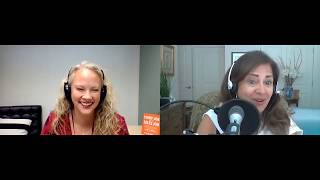
A Finding Brave podcast episode (YouTube) interview where Kathy Caprino and guest Cindy McGovern discuss the common entrepreneurial mistake of not treating business as a sales-driven operation. McGovern argues “every job is a sales job,” emphasizes planning for growth, clarifying and practicing your story, assigning responsibility for business development, tracking sales math/metrics (who you must contact to close one sale), and using funnels/applications and gratitude-based follow-up. The episode also notes Cindy’s book Every Job Is a Sales Job and its launch and offers practical examples (insurance client, CPA focus) and tactical tips for solopreneurs vs. larger organizations.
Chapters
Hello, everybody. Kathy Caprino here and welcome to another episode of Finding Brave. We are recording now right after Labor Day. And I think you're hearing this in a few weeks from that. But I gotta say, I love those three day weekends. And I was thinking about this walking my dog. Why do I love them when I run my own business and I can make any weekend a three day weekend? I think I love it because a lot of my friends don't run their own businesses and they, they can't take Friday or Monday off. So it was so fun catching up with friends and beach and swimming and tennis. So I hope you had a wonderful time. I know it's two weeks out, but I'm still thinking about it and I hope you will too. And today I'm so excited to have our amazing, beautiful guest, Cindy McGovern. And we. Didn't we just meet Cindy, maybe, maybe just a month ago. About a month ago in our wonderful author group. Right?
Which. Yes, Powerful, powerful ladies.
Connection and support and generosity. It's a great group. I'm so thrilled to have met you there. And we are talking about. Let's get this title right. The fatal assumption that entrepreneurs and business owners make that kills their growth. I bet you're going, okay, what is this? Because you probably run your own business or your own venture. I think, Cindy, we're talking about small ventures, large. You've worked with some gigantic ones and everything in between. And I know you have some nuances to share about, kind of the difference. And I just want everyone to know you have so much going on, including a new book. Yay. So let me tell Everybody about Cindy. Dr. Cindy, as she is known. Cindy McGovern is the first, first lady of sales and holds a doctorate degree in organizational communications. Communications, sorry. And a master's degree in marketing. She earned a reputation by building and rebuilding entire sales programs from the bottom up. Gosh, I've got a lot to learn from you. Dr. Cindy, who's CEO of Orange Leaf Consulting, has helped hundreds of companies and individuals around the world, from small to huge, create dramatic and sustainable, sustainable revenue growth. And you have authored this new book, Every Job is a sales how to use the art of Selling to win at work. I love it. And again, we're going to tell you all about where you can learn more. And I'm sure there's free downloads and awesome, wonderful things. Congratulations on writing and launching a book, Cindy. I know it's massive and I'm so happy you're here.
I am so grateful to be here, Kathy. And it is massive. And you know exactly where I am. We launch on the 17th of September. And so. So, you know, right where we're at, if we're right in the thick of.
It all, you just get through it and there's joy in it and excitement, but there's exhaustion and burnout a little bit, right? It's. It's not all. It's not all. What do you call it, a walk in the park? It's work, but. But it's. It is like birthing a baby. I feel with my first book, breakdown, breakthrough. I'm not kidding. I, like, laid it on the, you know, the end table next to my bed, as if it were like a bassinet, like a baby. Like I didn't want to let it go. I was like, this is my baby. Do you feel like that or are you like. No.
It's so funny because even within the edits, with my publisher and everything, it was like they're having to pull it out of my hands, you know, because I'm thinking, oh, just one more edit, just one more run, just one more look. And it was just crazy. And you know how that feels is you read it a thousand times by the time you get to that point. But I am waiting for that moment to open the box of books, and I just.
I cannot wait to be excited for you.
Print and hold it in my hand. Hold my baby in my hands.
I'm so happy for you. And, you know, I just want to say that's the one thing. I just finished the manuscript. You're with McGraw Hill. How amazing. I'm with HarperCollins leadership. And just the first time of handing the manuscript in, you do I wonder if you feel this way. You feel like, I hope I didn't miss anything essential, but to cover everything you'd need in Encyclopedia of Books on Sales, you'd have to write that, right? I mean, we try our best in whatever thousand words. Mine will be around 60,000. You try your best to cover the most important topics, but we've got to let it go at some point and pray that people will get exactly what they need. Which is what we're going to do in 30 minutes, right?
Well, I'm hoping so. I really want this book to help people to be able to get what they want. And it is hard to decide what stays and what goes. And I'm so grateful for my amazing editor at McGraw Hill and just the folks that have been helping to guide me through the process, because, as you know, I think all the ideas should Go in there, right?
I mean, they say we have to kill our babies. I think film editors say that there are babies. Like, I can't not have this story that elucidates everything. They're like, no cut. And thank goodness, because we can't.
Right.
I'm so excited for you. All right, now let's start with. We're talking about. Well, you tell us. What is this fatal assumption, Cindy? What are we doing wrong as small business owners or large business owners? What is it? What do we have to do?
We're not selling. We're actually not selling. And I think it's one of the biggest mistakes. And I know that sounds crazy because you're going, but we have advertisements, we have this, we have that. You have to sell it. And every job within your organization truly is a sales job. And if you're an entrepreneur or a solopreneur, you gotta be selling half the time. I mean, you are both artist, CEO and sales. And I think it's one of the biggest mistakes that people make is they assume their talent will speak for itself. Although, assume the product speaks for itself. Well, I hate to tell you, but I'm here to tell everyone it's not speaking loud enough. And so I think we have to embrace sales and know that we have a responsibility to do that on a regular basis as well.
So can you. Let's just dig in here. I'm sure these entrepreneurs and, you know, I run my own small business. You do, too. Consulting business. We think we're selling. I think people are saying, what does she mean, I'm selling? Can you even help us differentiate? What are they really? What's the biggest mistake they. We are making? They think they're selling. So what are they not doing?
So here's. Here's one thing that I just like to point out, especially for entrepreneurs.
Yeah.
If your friends and family are not walking advertisements for who you are and what you do and can explain it the way you want it explained, you're not selling. And it's because so often our own families don't know the ins and outs. Well, they're your best commercial, they're your best advocates. If they can't explain it in a way that really tells that meaningful story, we're not selling. And I think a lot of times we assume, you know, if you're a coach, you're doing a good job, your clients like you. That doesn't mean they're going to go tell five of their business friends. That doesn't mean anything. It means they like you. You have one satisfied customer. Yay, you. That's not sales. Sales is talking to people who don't currently work with you, reaching out to people who are outside of that network. Sales is new dollars from new people or new dollars from your existing clients. And you have to be seeking that on a regular basis. And I think we get caught up in operational stuff. We get caught up in the work itself. We work very much in our business, not on our business. And I think sales is on your business, is working on your business and being intentional about it.
So you quote, I think Michael Gerber in his E Myth revisit. I love Michael Gerber. And the first time. So I'm talking about his book the E. Myth Revisited. But he's got series of programs and books and the first time I read it was. Must have been. So I've been doing this 14 years, must have been 12, 13, 11 years ago. And I kind of threw it across the room. I thought, God, this is dry. And he talks about look at your business as if it were going to be a franchise that you are going to have to create operational methodologies that someone else could do. And the other piece he talks about, which I want to tease out with you is don't make that mistake of thinking because you like to bake graphic design coach speak that you love running a business, doing it or that you're. That they're the same. And they are. This is what I see over and over when people come to me. They want to start a practice or a coaching business or consulting business. They actually cannot stand the aspect of everywhere I go I need to be talking about what I'm doing and so does everyone else. So can you go back to if your family doesn't know how to do it? I see two aspects of that. Tell me if I'm getting it right. Some of it is they don't know how to sell it and speak about it because you don't know how to sell it and speak about it 100%. And the second piece, you're not asking for advocates, you're not being incredibly clear. Like with your book. I'm sure you have a lot of blurbs that illustrious people have written. Most of them will say, tell me what to write. Tell me what to write and I'll make it my own, but just tell me what to write. And so a lot of people won't give you recommendations, right. If they'll say, I don't know how to write this, so tell me, am I on the right track? Or those Are the two pieces that we're not doing well enough?
Yes. And I think there's a huge piece that even comes before that, Kathy, which is the entrepreneur, the business owner, or the leadership doesn't plan for growth and doesn't plan for sales. And that's part of the planning phase, is knowing your story and knowing how you want to be known. What differentiates you from everybody else? I mean, I live in San Francisco. You can, you know, turn around and knock out free graphic designers, right? They're everywhere. So what makes one better than another? What makes one stand out? And if you're truly going to be that, you know, anything with a gig economy in particular these days, who are you? Why do you matter? What do you bring to the table that's different than everybody else? If you can't tell me, then I can't send you referrals, and I think that's the piece. But so often we plan for what the deliverable is going to be. We plan for the fact that, oh, well, I know this program inside and out, or I'm a good coach and I really help people or whatever it is. We don't plan for the business side. And I think that's one of the biggest challenges. And if you don't plan for the business side, then you're not planning to sell.
So there's so much we're talking about. You're talking about the story that you tell. And, you know, I'm on LinkedIn every day with a new client, and we're going through their profile, and I'll say, all right, I know more about you in five minutes than you want me to know about you, given how you're not showing up here. I have no idea. Do you find that. I mean, it's all the same. I think it's copywriting, really, but I find that people will say, I'm dedicated to animal safety, but they don't say how they're doing that. They don't talk about the outcomes that they are passionate about and how they would measure that and how they affect that. Is that part of the sales process? Break that down for us, Cindy, would you?
Yes, and it absolutely is, because it's not what you do. It's how what you do affects. Affects the other person. Nobody cares, really about what you do. Nobody cares. You're a graphic designer. What I care about is that you're a graphic designer that can actually do something in 24 hours and send it back to me and that it's going to be, you know, unlimited proof or you know, it's going to be ready in three days. Whatever it, like whatever it is that your differentiator. And I think when you're looking at yourself as a business leader, part of the other problem is that that message tends to stop at the C suite. Everybody up there knows the mission. Everybody up there knows the vision. Everybody up there might know the values. Is it trickling down through your organization? And so much of the work that we do with our clients is helping them to turn their organization into a sales organization. I truly believe every job is a sales job. I absolutely believe it. That's why I called the book that, because I honestly believe it. But I think with entrepreneurs or business owners or managers, we have the idea in our heads. We're not entirely sure how to bring it to every person. So they are all walking advertisements as well. And it's the same thing with our families. If we can't even explain it to our employees, how the heck do we expect our cousin to be able to tell that story? And I think it's where we fall down a lot. But it is planning. I mean, I cannot stress that enough, Kathy. It is the lack of planning. Because I think people have such amazing ideas and especially entrepreneurs and solopreneurs. There's that fire in the belly. You just want to go do whatever your gift is for the world. And I think it's amazing. But you must plan for what you want this business to look like so that you can do it on purpose. And if you don't, you know, I want to.
You know, I always love to learn right there on the spot about my business through my guests. So I'm going to ask you a question that I'm thinking other people in my shoes might be asking. Do you see this as one of the problems? There's so many things I want to ask you. First of all, let's put this one on hold that I want to make sure I ask it. The leaders that I see, even very high level, illustrious C suite people, I don't think sometimes they know what the real mission is they should be talking about. Why? Because they're not. How do we put it? Maybe they're not connected or storytellers or understand what people need. They got there because they're good CEOs in managing and executing progress.
Yeah.
But that doesn't make them a good salesperson or understand what's required. So do you ever get to the level where you're dealing with the C suite and they don't have any idea what you're talking about.
So a lot of times, the way that we work is we go in and we want to help organizations to be able to stand on their own without us. We're kind of this weird, unconsulting company. Right.
I love it.
And we fix it, and we teach you how to do it on your own. So a lot of our work is with the C suite or the owner of the organization, and part of it is helping them to dig deeper and remember why they started this business in the first place or why this company exists. If you stepped into the C suite because you worked your way up as a janitor or you worked your way up as a receptionist, it's the fact that you're there now and you get to tell how you want to be known in the world. And I think storytelling is a bit of a lost art. I really do. And I think part of it is you need to know what your special gifts are that you're bringing. And then everybody needs to understand how those affect the customer. So I work a lot in insurance, and insurance is not terribly sexy for the most part.
Right, right. It's really a must have, not a want to have, right?
It is. But what's interesting is I try to help people to own their story about what they do in their interaction with their clients, because that's what matters. I can get insurance kind of anywhere. There's only so many carriers, you know, but it's how they own their story about what they bring to the table as the individual. And I think especially for solopreneurs and entrepreneurs, it's remembering what you're bringing, what are your gifts, what are your. My friend calls them superpowers to the world and how it's actually making a difference in everybody else's lives. And that's the story to hold on to. That's the story you want to sell. You don't want to sell insurance. You want to sell what it does for you.
I love that. I mean, I find that when I give a talk, you know, I always start with why I'm standing on this stage in front of you. And, you know, it's. It's not an easy story to hear. It was a rough corporate life in a lot of ways. And then I see people's eyes go from, oh, God, here we go with the speaker, to their eyes just get big and they're riveted because it's a story that in some way they can relate to. It's universal, yet specific. It's compelling, yet different enough. I hope you know, I hope that that's what story does. But let me go back to the planning piece. Can I? Yeah. So I'm about to launch another course, and I've had a course for six years. And one thing I realize I'm not good at, and it involves, I think, sales and differentiation. Sometimes I'm so into and close to what I'm delivering that if you ask me, well, how is that different from the other course? I'm annoyed. I'm like, what can't you get? Like, look at the description, obviously.
Yeah.
You know, I remember when my. My agent, who also serves as a great editor, was looking at my first draft of a manuscript and I had said I coined the term perfectionistic over functioning when we're doing. I mean, it's so obvious to me when we're doing more than is appropriate, healthy and necessary and trying to get an A and all of it. And she said, can you describe that in other terms? And, you know, I told her that's annoying to me. What other terms do we need? But. But it's important that you aren't so deep in the weeds of what you do that you keep using language that you get, but you need to describe it. Is that part of the sales process that you deal with that people almost don't know how to talk about it in a fresh way because they're so close to it?
I think that's a huge piece of it, especially for the creative entrepreneur, where it's sort of an innate gift that they have. And even some coaches have this where it's, you just were good at giving advice. You just knew this inherently. You have such amazing intuition. It's really hard for you to then tap in and be able to tell that story in a different way. And I see this with a lot of my creative friends, you know, my artist friends, actors, singers and dancers. And it's funny because they just heard the beat in their head. As a dancer, they just heard it. How do you explain that to somebody who doesn't hear the beat?
Wow. I think you nailed it. I think when someone is inherently talented or gifted at something, even number one, recognizing how brilliant that talent is, they don't. Because I don't know. Didn't you have it since you were.
No, I didn't.
I can't dance like that or sing like that. But also, just describing it in words is hard. All right, it is. So can you talk about the planning piece? What do give us three tips about, you know, we're a small business and you did Want to differentiate for us, when you're talking an entrepreneurial venture versus a big business, there is some. There are some differences. You wanted to differentiate, right?
I do, and thank you. So I do think it's very different depending on how you plan. If you're a solopreneur, an entrepreneur, or if you're a big business, Obviously you have different resources at your disposal. You have different time components at your disposal. But I think part of the place where all of them fall down is that lack of planning. And so it's one of my sort of wheelhouse things that I tend to help clients with, my friends with. I mean, I'm that girl. I'm the planner girl. Like, I'm her. And it's funny, because when I started realizing how much planning could help me help others, I got kind of addicted to it.
Tell us, what do we have to know? I can't wait to hear this.
So the first thing is you have to know truly what it is you're trying to accomplish. And it's not just about growing a business. That's not it. If that's it, your plan is wrong, because it's got to have a different impact. Everybody wants to grow a business. Yeah. And it's like the. Yeah. And. Okay, now what. What is the impact you're planning to leave on this earth? What is the message you want people telling about you or your company when you're not in the room? The thing I want people to say about us is that we grow business. We do. But we grow it by getting every single person involved in the sales effort, even the ones who think it's super icky. Right. And whether whether a company has a dedicated sales team or not, it doesn't matter to us. We believe that everyone can and does sell. So as a solopreneur or an entrepreneur, when you're planning, you have to identify who's going to be actually responsible for business development, who's responsible for sales. And you were talking about when you give a speech and you kind of set that tone in the room, one of the questions I like to ask of the room is, how many of you are salespeople? And I like to see how many hands, you know, end up going up. And then I will pause and I'll say, I'm going to ask that one more time. How many of you are in sales? And then they kind of look at each other. You know, they sort of inch up.
So they're all in sales, but they don't see themselves as a salesperson. No.
Because there's this horrible connotation of sales in our society. I mean, we all think of. I call him Johnny Two thumbs. It's the used car salesman coming at you. Everybody has that distinction in their mind of EW sales. I'm not talking about that kind of sales. That's not sales at all. That's manipulation. That's conning someone. What I'm talking about is telling your story, finding a need in another person and seeing if you have something to satisfy that need. And if you do, fantastic, offer it. And if you don't, that's okay too. That's the sales that I'm talking about. So when you go back to the planning as the entrepreneur or the business owner or the manager, who do you want to be known as? What kind of sales do you want to do? Who is responsible for it? And if you can't pinpoint a person who is truly responsible for growth in your organization, I got news for you. It's you.
Wow. You know what that makes me think. Tell me if I'm on track with this. Little tales out of school. But you know where those of us who are running businesses multiple six figures are also looking at how other people are doing it. And there's a plethora of advice and you know what a lot of people have told me and I've seen a lot of people say passive income membership programs are the way to go, where you basically get a person in and you deliver something, hopefully a value. It keeps going and let's say for a year, and you're getting. It's passive, you're not showing up and it's getting some great money and everyone's like, that's the way to go. That's the way to go. That's the way to go. Well, I would love that to work, but that doesn't work for me as much as courses where it's committed and I'm training and I'm with you and I have, you know, talking about planning. I was in the planning process of creating close your power gaps as a membership program. And just this weekend I went, it's not how I want to be known in the world and it isn't what I think works. What I think works for me in helping people transform is a curriculum that grows on each other and that I'm involved a little. And I think that part of planning is getting real with who you really are. What are your superpowers, how you want to be known. So, yeah, membership would be great. If I don't show up. And don't get me wrong, passive is great, but when you. Only when you really feel you're doing what you're meant to do in the world, does this resonate at all?
It absolutely resonates with me. So I'll share a little bit of my own story in that regard, because when I started this consulting company, it's now 10 years, and I had hired a strategist to come in and I said, poke holes in this. Tell me what I'm doing wrong. You know, I was sort of that entrepreneur. I started at the bottom of the market. It was right during the recession. And I thought, okay, if I can make this float, I'm all right, you know, I'm good. But started this. But what was funny in that moment is I had the strategist come in and he was poking holes, and he was fabulous, by the way. But his biggest criticism was I did not have a renewable revenue resource. I didn't have a passive income. He's like, we have to charge for the blog. You have to do this. It felt so inauthentic to me, Kathy. And I said, I can't do that. And he goes, well, you're going to be. You're going to have turnover upon turnover upon turnover of clients. I'm going, that's what I'm looking to do. That's exactly what I want to do. That's the consulting firm I want to be. I don't want to be the consulting firm that sits in your boardroom for the next two years. That's not consulting. That's actually just outsourced labor.
And it's crippling to me. It's like when I hear someone's going to a therapist five times a week, week for years, I think, what is this person doing? And I don't think that's ethical, to be honest. I mean, I don't mean to cast aspersion, but it's not for me. I want to be in your life briefly, boost you like hell, and then you don't really need me anymore.
You're the training wheels, or you've.
Or you've gone to the next level and you need. Would like a little boost, but not the crippling thing that we have to be there for years and years.
I couldn't agree more. And it's funny, because you and I are cut from the same cloth in that regard. I think where we want to help people, we want to build them up, and I firmly believe my clients should outgrow me. You should outgrow Your coach. I mean, I have a skillset. I'm human too. Let me give you everything I can. If you hit a plateau later, of course come back. But it is that piece of saying go. And that's what I wanted to do for organizations is empower them to create this culture so they can do this without me. And so like, it's funny because the book was literally like a coaching call with me is what one of my friends who read it, she goes, I feel like I just had a coaching call with you. I'm like, good, wonderful.
You're going one to many with this book that it's what I'm doing over and over. And I think that's a great reason to write a book when you are saying and teaching the same things over and over and so many people need it. It's time for a book or a course or whatever way you love to do it. I love that. I love it. I really am simpatico with you on that. So what else do we know about. Oh, so can, can I get back to planning?
Yeah.
What, what do you think? So you're talking about if you don't know how to have everyone in your organization be some form of an ambassador? One, Number two, if you have no one you can point your finger who is helping you advance sales, then it's you. Are there any other planning pieces that we're not thinking of that we that you see over and over? Like, I can't believe you don't have this in place. What are you doing?
And this one is where the sales pros even fall down. It's the numbers. There is math in sales and I cannot stress it enough, there will be math and there will be spreadsheets and even some of the most successful companies, when we go into them, we find that the number breakdown isn't tangible. It's sort of like there's these giant numbers at the top that this is our top line, this is our bottom line. Well, there's a whole lot of stuff that happens in the middle there. So even salespeople don't always know their numbers for themselves.
They don't know their fore fasting. We're going to have 40% growth and where's the expenditure growth? Where's the. How are you going to get there?
Yeah, but deeper. Yeah, but deeper than that even. So if you're an entrepreneur or solopreneur and I would ask this question of all of your listeners, can you tell me with some degree of certainty how many prospective clients you have to talk to, to get one of them to buy from you. If you don't know the answer to that, you should, you should be tracking this, you should be looking at that, because that's going to help you work a whole lot smarter than having to sort of cast this Gian Men and go, okay, I'm going to go tell 10,000 people what I do. No, maybe you need to tell three. And you need to know what story you told them so that you can hone it in. If that's the story that's resonating, that's a story you tell more often then, and it's helping them to bring that in. But knowing those sales numbers is one of the biggest challenges. And again, this is where the sales pros fall down. So anybody that's listening that has a dedicated sales team, I would caution you, don't assume that because these are sales pros and I'm talking pros. 20 plus years in the biz, a lot of them don't know their numbers because that was the basics. That's what they did. Year one, year two. Well, now they kind of can wing it. It's like knowing a recipe right in the first couple times you make the recipe, you measure stuff. Well, you stop measuring 20 years in when you've been making the same sauce. So helping your team to know those, and that's. That is another huge piece of planning that I think companies, individuals all fall down. And especially for your solopreneurs that are listening, entrepreneurs and solopreneurs, get to know your numbers because it will help you to figure out who your best advocates are. And I have to share this quick story. I had a client who she was in insurance, believe it or not, it was kind of funny, but she shifted who she was going after for centers of influence and who she really wanted to hone in on. And she started honing in on this one particular population. CPAs tripled her business. Because we just looked at the math. All we did was look at the math and we started going, well, you're keeping tabs on these seven people, but you're not really getting any good business from them. These two CPAs over here are the ones that are sending you everything that actually is decent money. Why don't we just start going after cpas? Ta da. Tripled her business.
Good. So good. And how do they do that? Is it through metrics? You know, we do Facebook, you know, what do you, what do you call them? Not widgets, where you're tracking who's coming to the site. All of those digital marketing, you know, capabilities, what other ways can people find that answer out? What else are they doing?
So I would actually define it as sales versus marketing. I would consider that marketing.
I see.
And I think it really is. And I think those. The terms get intertwined. Right. Because it does take both. I'm talking about sales as person to person dialogue to bring business in, or person dialogue, behavioral aspect of it. And it could be email, it could be voicemail, it can be those things, video chats. But I think that's the part that gets mistaken is because everybody says, oh, well, we're doing all these advertisements over here. We're doing Facebook ads, we're doing ads on LinkedIn. That's great. And you can track them, and there are amazing metrics for that. What are you doing on the people side? I'm. I'm mostly interested on the people side of the business. I want to change people's behavior. And that's where, again, solopreneurs fall down. They think, oh, well, you know, real estate agents. I got the bulletin board. I advertise in the shopping cart. Okay, that's great. But do your friends and neighbors know that you're a realtor and that you're looking for more business? Do they know what kind of business you do? Do they know your specialty in neighborhoods? Making sure those folks know that. And once you have that plan, plan, this is where the magic comes in. And it's actually step two that I talk about, which is looking for opportunities. Once you know what you're going after, you will see opportunities literally everywhere. And you know what I'm talking about. As soon as you hone that story, you can hear a half of a conversation and go, I can help those folks.
You're so right. Can I offer a kind of a little secret sauce thing that I can't believe. It's behavioral in terms of how I worked my funnel. Can I share it with you?
Yeah, please. Oh, my gosh, I would love.
Because I cannot believe what happened overnight when I did this. So, you know, my world is mostly mid to high level professional women who want more different and better in what they are doing. And that can be their business, it can be their career, their professional life. And I know that. And I have the avatar and I have some great ways to find them, but there are better ways I could mine for that. But I think we're at the funnels working pretty well. But what I didn't do, Cindy, that just blows me away. I. I interviewed Jamie Masters, who's the eventual Millionaire. Do you know Jamie? She's so wonderful and so great. She was on the podcast about, you know, how do we get to a million in sales, in revenue. In revenue. But what I saw her do was, and it. I had to go through this process to speak to her is that she has an application. So before she. Anyone speaks to anybody, you fill out the application and you're, you're. Now she's dealing with people who want to be millionaires. So if you're at I make three, you know, $300 a month, you're not on that path yet. She has great resources for that. But, but the application helps her see very clearly who's on the path, who would benefit from speaking to me because the timing is right and what I can give other people when the timing isn't right or they're not on the path. So I decided because I love to speak to people, but it was getting a lot. I was hearing from a lot of people. Can I talk to you about coaching? So how many months ago, six months ago, I created an application and it has changed everything for me, Cindy, in that. And I think if we talk about the energy and I'm trying to teach you all that you should consider it. If you're available to anyone at any level, at any time to speak with you, you are going to get so burnt out so quickly and your impact is going to get diluted. Some people are ready for the kind of change I talk about and some are not. And some have the money to work privately or in the course, and some do not. And when they fill this out, they're already 10 steps away, 10 steps further, closer to a real connection where we're both going to benefit, that it's going to be fun and Right. It's a plan. It's a plan. So this funnel has changed everything. Yeah. So when, when you're talking planning, the way I interpret it, is all of this the tools that you are creating to do the one on one work or whatever way you want to look at it, where you can have that qualitative discuss and really bring in the ideal client. Am I on the mark here?
100%. And it's funny, I love that you did this for your business, first of all. So I just want to give a little praise on that one because it's, it was hard.
It was a little hard. Like I'm not going to speak to everyone, but, but, but, but you know what you did?
You gave yourself permission to run your own business. And this is something I talk about in my stories, in the book too, is like, you have to give yourself permission to run your own business. And until you do that, your plan is someone else's plan.
Meaning if you. If you're not giving your permission yourself permission to run your own business, you're actually doing slogging through every aspect of delivering the business. But you're not running it.
No, not at all.
You're not focused on growth.
It's not strategic. It's tactical. You are. And it's that. It's that difference of having an application versus talking to everybody. Talking to everybody is very tactical. Yeah, you can help people. That's absolutely right. But you also have to get really clear on this is. This is the message for the world. This is what I'm going to do, and this is what I'm going to be good at, and this is how I'm going to help people, and this is how I'm going to show up every day. And in order to be in this circle, you got to go through this application process. You got to show me that you have a plan to work on your own life, to work on your own business so that I can help you in this circle. And I just think that's. I just got goosebumps. Like, I just think that I love.
The way you are for you story about that. And I think what it also does is at the heart of what you're saying, know who you are and how you want to help. If you're trying to help every human being that comes your way, I think you're going to miss enormous opportunities for impact.
Entrepreneurs struggle with this in particular. I know you run into this with your clients as well. Where. But it's revenue. I cannot tell you how many times a week one of them tells me, but it's revenue. I'm like, but it's not profitable revenue. And if you have a good plan in place, you're going to know if it's profitable revenue. Yes, you can get revenue. Yes, I could go clean somebody's house. That's revenue. Is that the way I should be spending my time? Probably not.
Right?
Because it's not the core of my business. It's not the core of who I am. But unless you have that clear plan and that path to get there, I mean, it's like, you know, shiny objects everywhere.
So. Right. So at the. I'm aware of our time here, but let's leave. Have you leave us with the biggest thing you teach over and over that we haven't touched on what Is it, is it a blind spot? Is it fear? What do we have to get over so that we really begin to love sales and not feel this dreaded, oh, I can't do it. I don't want to do it. I want to close my eyes to it. What do we need to know, Cindy, that we haven't covered?
That you sell already. You're selling every day. You just don't call it that. If, I mean, if anybody listening to this as a parent and you've ever gotten a child eat anything green, you're a salesperson. Like, trust me, if you're employed, you sold yourself. Because that's a job interview. If you've ever gotten a raise, that's a sales conversation. So it's, it's not this other thing that you do over here. Yes, there is that aspect of working on your business, but knowing that inherently you have it in you, you've done it your whole life. We were all five at one point. And five year olds are literally the best salespeople on the planet. I think they will just wear you down, right? Like they will just, can I have a cookie? Can I have a cookie? Like 20 times, you know, and you're like, fine, eat the cookies, eat all of them. But that's what I want the listeners to take away, is that it's not a separate thing. Every job is a sales job because you are selling every day. And what I teach is the process of that. Where you have that plan, you look for those opportunities all around you. You listen to what others need and that helps you to know how to ask or offer. And then it's the follow up piece. And I just have to mention this one piece because I know this is kind of where you and I come from. It's following up with gratitude. Whether the answer is yes or no, it does not matter. You follow up with gratitude. If that person didn't buy from you, that doesn't mean they won't buy from you 10 years from now or 10 minutes from now. It's the way that you leave them with the experience of that interaction with you that they become a walking advertisement. And even if they didn't purchase anything. And so I'm a big gratitude person. I come from sort of that place of abundance. And I feel like if people can get over this ick factor of selling and embrace the fact that we're so lucky to do this every day as entrepreneurs, I mean, we are so lucky to get to wake up and do this. When you start from that place and you get clear on that plan. The rest of it does fall into place. It really does.
I love it. And so inspiring. It made me think of Maya Angelou's words. I'm going to butcher them. But they won't. They don't remember. People don't remember what you said. They remember how you made them feel. And can I just. That was just too beautiful for what I'm about to do, which is a little snarky, but I'm going to do it. You know, I'm looking on LinkedIn, the proliferation of. At this point, because I have 912,000 followers. The people I hear from are trying, trying to have me book them now. This is what. This is the connections I get. And what bothers me is I'll get something like this. Have you ever thought of writing a book? And I have a book and I've written 560 posts on Forbes. So I know that this is just you spamming me. This is. You don't know the first thing about me. You probably searched a search term that's offensive to me just because it took me a minute to read this. And you don't really want to connect. You just want me to buy you. That bothers me like there's no tomorrow. So why I want to say this is to cultivate gratitude is also to cultivate what is necessary for great sales. A humanity that it isn't all about the number and the quality quota. And if that's what you're trying to do. I don't know. I mean, I know some people that do. You know, I got to get 100 sales calls done. Yuck. I don't know. I don't love that approach. So I think you have to be a person. People. You, you really do have to figure out how does this make me feel purposeful? How do I feel like I'm a giving entity in the world? What do you think? Am I just too.
No, no, you're not woo, woo at all, my friend. I'm from California. I couldn't agree more on that. And I think that's where. And I hate to sound like a broken record. It's that person didn't plan for the sale. They didn't do their homework on you. They just. They're throwing, you know, spaghetti at the wall and seeing who. Who bites. That's not what this is about. And that's not the kind of sales I'm advocating. I never want people to sell that way, truthfully, because it doesn't work. It's so impersonal. I think sales such a personal thing that I put my heart and soul into it. I want people to feel something through our transaction whether they buy or not. And that's why that follow up piece is so crucial. I want to make sure I mentioned it because it's okay if you don't buy from me today. I'm actually okay with that. And you know what? I'm also going to pull back whatever my offering is if I don't think it's right for you. Even if you want it, I'll take it off the table because it's not right for you. I would rather you be a walking advertisement of truth and honesty of what my ethics is brought to the table during our interaction. Then you buy something from me that's wrong.
Right? Because you know if you're only going to think of this selfishly, the wrong client is hell for you, hell for them. And you don't get any business from that. So it's a bad move. If you have to look at it from a business perspective, it's bad move. So let's leave something uplifting. You know, I think tap into your heart. This is a heart activity. This is not. Let's go by the numbers. It's plan for how do you make a connection that makes a difference and how will that be rewarding back to you? That's the planfulness we're talking about. Am I right?
Absolutely. And I think if you can plan for what this is going to do for the other person like put yourself in the client's shoes. What is the impact and the great story you want them to be able to tell from working with you? Start there. That will help you hone in your message.
Write it out. These are the words you hope someone will say. Oh it's so great. So where can we learn more? I'm looking at your gorgeous your book right there. Every job is a sales job which a great title. Tell us where we learn more, what we can get. Tell us everything.
It is super easy. You can go to drcindy.com and that is where you can get the book. There are a lot of prelaunch specials going on right now but there is a blog, there is a lot of information and we're actually going to do a special download for your listeners solo just these guys so they can go in and put it in the show notes with the code and it'll be Dr. Cindy finding brave. Oh how wonderful. I really. It's a planning document believe it or not. So it's what we want them to have. So I want to make sure that your listeners can take what we've talked about today and actually do something with it. And I'd love to hear the success stories. I mean, find me on Instagram and Twitter and Facebook and LinkedIn and tell me the success stories. There's nothing better than hearing that somebody took the stories that we shared with them today and actually made an impact in their own business. So I'm so happy.
How wonderful. Thank you so much. And listen, folks, Cindy is an amazing speaker as well. So if you have an organization that needs to boost sales in an authentic, powerful way really exponentially, can they reach out to you on your site as well?
Absolutely. They can actually just reach right out there if they wanted. Speaking consulting.
It's super small right there. I love it. Thank you so much for taking the time. I can't wait to pour over every word of your book. And I know I'm already using it, you know, so thank you. Thank you for being here. All right, folks, you got it. Now you know what sales is and what it isn't, so please do. We'd love to hear from you. How did you take any one of the tips from your book? From Cindy's Amazing Strategies? I love. I'm a former therapist, so, you know, I love to know how it changes you from the inside first and then what happens later. Will you let us know? We'd love to hear from you. All right, everybody, have a wonderful week. See you next time. And thanks again, Cindy. Come back. Come back soon.
Thank you.
More from Kathy


Elevate Yourself, Elevate Others, and Amplify Good | Chris Cooper | Finding Brave Ep. 334

Finding Brave Epis #333: How Leaders Can Harness AI Without Losing Their Humanity, w/Bennett Borden

Finding Brave Epis 332- How to Stay Brave, Valuable and Visible in the Age of AI, with Raman Rai

Finding Brave Epis 331 - The Power of Positive Disruption, with Dr. Patrick Leddin


Finding Brave Epis 330 - Being 40: Letting Go and Embracing Who You Are, with Stacey Lindsay

Disrupt Career Reinvention with Kathy Caprino - via The Disruption Lab Podcast w/Patrick Leddin

Creating Neurodiversity-Friendly Work Cultures: Simple Workplace Adjustments Matter

Finding Brave Epis 329 - How To Create a Neurodiversity-Friendly Workplace, with Kristen Pressner

Finding Brave Epis. 328: Reclaiming the Power to Trust Your Own Voice, with Dr. Cindy McGovern