Finding Brave Ep 67: Why You're Still Hiding on LinkedIn, with William Arruda & Ora Shtull
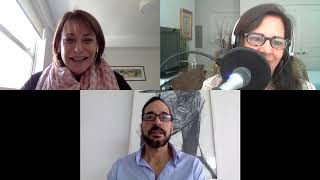
William Arruda and Ora Shtull explain why professionals avoid showing up on LinkedIn and how to fix it. Most people think LinkedIn is just for job hunting, but it's really about doing your job better. Fear of self-promotion and not knowing what to say are the biggest blockers.
Chapters
Okay, here we go. Hello everybody. Kathy Caprino here. Welcome to Finding Brave. I've got a big smile on my face because I have two of the my most favorite people in the whole world with me and we are talking about everything having to do with LinkedIn today. And we've chatted, you know, having a ball, talking about what holds people back from promoting themselves on LinkedIn. You know, when there's so much information available and so many tips and strategies and videos and how to guides and yet we're looking at LinkedIn profiles every day and seeing people who are hiding and we know we're going to talk about what that looks like. What we really want to do is help you, if this is you, get over the intense resistance to promoting yourself.
Really?
That's what we're doing on LinkedIn, aren't we guys? That's right, yeah. I mean it's bringing yourself to market, bringing yourself to the world. So that's what we're talking about. So let me tell you about my two favorite people in the personal branding and executive and career coaching world. So we have today, William Arruda and Aura Stuhl. Did I get it right?
Ora good enough. All right.
The co founders of the amazing CareerBlast TV personal branding plus platform for professionals who want to stand out and connect and succeed. And you have to connect in order to succeed. Right. So William has been credited with turning the concept of personal branding into a global industry. Wow, that's, that's high praise for you. He delivers personal and social branding keynotes all over the world. Aren't you on the road something like a hundred day, maybe even 200 more than that?
Yeah.
Oh my gosh.
All over the world. William is the author of three books or almost three. Right. Career Distinction Ditch Dare do and that's how I met you. I came to your Ditch Dare Do.
You did. And that was so much fun.
I know. And our dear friend Nan introduced us all those years ago.
That's right.
And your upcoming digital you book, William. I can't wait to hear about that more. Aura is a sought after executive coach in New York City. Built a stellar reputation over 20 years helping leaders get promoted and land on the top most powerful industry lists.
That's amazing.
She's the author of the Glass Elevator A guide to leadership presence for Women that's very Needed. Women on the Rise and the upcoming Power up youp Personal Brand. So here we are.
Yeah. Thank you, Kathy.
Thank you for joining me. All right, let us do in to and we're going deep Here. First of all, my favorite thing to do. Let's talk about why is LinkedIn so important? I mean, you both still hear as I do. Oh, I'm really not on it. I don't really see the need. I don't understand why I need to be on it. Can you both talk about that for a minute?
Sure. So let me, let me start. You know, the interesting thing about LinkedIn is I think a lot of people still have the mindset from 2003, which is when LinkedIn launched. And if you have that mindset, you're living in 2003. And that mindset was that LinkedIn is the place you go when you're looking for a job. And that made LinkedIn really binary. And like, I have to have something there. I'll put it up and I'm never going to LinkedIn again until something changes like I need a new job or I just got promoted. And that 2003 mind. And by the way, if you're living in 2003, Arnold Schwarzenegger is the governor of California and the Concorde is still flying, and Friends is the, the number one TV show.
Wow, that really helps put me where.
2003, how far away that is from where we are today. The new mindset for LinkedIn, and people haven't really adopted this yet, is that LinkedIn is a place where I go to do my job better. And so it takes a lot of the pressure off from, oh, it's all about me, me, me and, or I need a job, or all those kinds of things that create a lot of anxiety in life. And it really puts it in a place where I can use this tool and, and be better at what I do.
Can you explain that? You know, I teach about LinkedIn, but I don't say that. And you teach within corporations and organizations, which I love, that they will pay you to help their thousand employees do better on LinkedIn and personal brand better. How tell people how it actually makes them do their job better. How will you share with me?
Yeah, so here's the thing. The old LinkedIn was pretty much. It did two things. It was your online resume and your E. Networking site. They've added 183 new features, all of which have to do with doing your job better. For example, LinkedIn groups, they are professional associations on steroids. You go to a professional association in your local city, there might be a hundred or two hundred people there. You go to a LinkedIn group, right? Same thing focused on a certain topic. There could be tens or hundreds of thousands of people you could connect with. You can learn best practices, you can make connections for partnerships. You can become visible so that people want to come work for you and you source the greatest staff for your team. And the thing that companies are hiring me for, because it's a really important point, companies used to prevent people from being able to access LinkedIn while they were at work. Today they're encouraging them. And the reason is they know that if they can make social savvy people out of their talent and those people are sharing content from the company with their connections, they will increase the visibility and the credibility of that content. People believe the content if it comes from an employee rather than from the standard communications channel. So I could give you the 810,000 things that are great about LinkedIn, but those are just a few of the really powerful benefits if you really change your mindset about what LinkedIn is.
I love it. Let me ask one other question that I hear constantly. People tell me I'm afraid to change what I've got. So we talk about, for instance, your title. Your that headline should, I feel, should not be your title. Because you are not just that job, you are much more than that job. But people say to me, if I'm playing around with all this, I'm 100% afraid that my colleagues and my boss and the leaders are gonna think I'm trying to get out what is goblin oram.
I'm gonna jump in. All right, so this is notion of hiding on LinkedIn, kind of like being there, but hiding. So what I have experience is that so many people say, well, yeah, I have a LinkedIn profile, but they're half baked, they're skeletal. So something is missing. So first you bring up the question like, ah, people are afraid if they start changing it, people think they're looking for a job. There is a simple privacy setting that you just click on so that your network is not informed if you make a change. A lot of people don't know about it. It's as simple as hitting privacy. And one other thing, no one will ever know, right?
Except let me just be clear. It's not. I don't think they're afraid that they're going to see the process change. They're going to see that I went from point A to point Z and now I look completely different. And people are going to think she's revving it up to get another job.
Yeah, well, that's one explanation. But there's another explanation as well. You're revving up your personal brand and Your personal branding, personal brand will only promote the corporate brand. So when you show up with confidence, when you show up with leadership or with expertise, that's a beautiful reflection on your company.
I so love that. But I think I'm also really asking, do you know of organizations that would be punitive about that? In other words, I'm going to tell you the truth. I don't think 100% of corporations are as enlightened as you guys are.
Okay, so you are right, it's not 100% yet. But given the increase, the daily increase in the number of corporations who are understanding the value of having their employees active on LinkedIn, we're moving toward 100%. And it's going to, you know, it's going to feel like moments until we have all, all companies bought in companies now have their own personal pages. They want people to promote their posts, to share them. Right. The only way you can do that is if your people are active on LinkedIn and they're showing up with strong personal brands.
Yeah.
And I just want to add one more thing because this is really the, you know, it's the kind of do we build a wall and keep our people in. Right. It's communism. Or do we tear down that wall and say we're going to make things really great here. You can stay or you can. And individuals as employees, I think we need to say to ourselves, do I want to work for an organization that is so afraid that I'm going to leave, that they're tying my hands, or do I want to work for an organization that is putting all this stuff into my pocket, that giving me all this great stuff and expertise and resources and permission and asking me to do things with it. Which organization am I going to work for? And frankly, which organization is going to retain me? And that's the key. And I think organizations understand that engagement, retention and attraction all have to do with how comfortable you are with your people being their own brands rather than having to hide behind the corporate brand.
You know, I've never read that, but I think what you're saying is that's an added criterion for do you want to accept this job? Is there anyone at that company who has their own personal brand that they're shining on? Is that right?
Sorry to jump in, but I just want to tell you there's a statistic that says Gen Y people will, when they're thinking about a new job at your company, there are two measures that they about they value the same. One is the actual job. They're being offered. And the other is how socially savvy the leader is that they're going to be working for.
No way. The boss, Even the boss or the CEO, like they're their boss or.
You know what? I shouldn't say that. I will find the exact statistic.
Oh, we'll report it underneath.
I love it.
Oh, I love it. What you you're doing is giving validation for what I know to be true, which is the more connected, the more we establish our own teachable point of view, the more we become curators of other content. Like, you know, if I don't have anything to post, why don't I find what William and Aura are writing and repost that? Because I'm going to be a curator for great content. The more we do that, the more we're doing were contributing at a higher level. Right. Oh, I love it. Now let's go to the hiding piece. So Aura, we, let's, let's dig. You know, I'm a trained therapist. I love to go there. What, what do you think most people are ashamed of? Hiding, humiliated about, you know, just afraid to put out there that it's, it's showing as a gap on their LinkedIn experience.
So there's two things to think about here. First of all is why we're not putting complete profiles up there and that fear of self promotion. So let's talk about the first one first. Our profiles are incomplete for the most part. Why? And the reason is because it's hard. It is not easy to make a great profile. I mean, I work with brilliant senior executives and they're struggling with creating, creating an original headline, writing a summary in first person. Particularly difficult for women, by the way. Right, right. Getting recommendations, connecting with the right people, they find it difficult. And of course, when you're a busy person with too much on your plate, it goes to the bottom of your do list. Right. So there's the first thing of just. It's tough. But let's talk about this idea of self promotion for a minute and that, that relates to what we put in our headline, what we put in our summary, how we talk about our experiences. That relates to our confidence in asking for people for recommendations. So many professionals, and here I'll say women in particular think self promotion is a dirty word. But here's the funny thing, it's the successful professionals who know that when you stay quiet about your achievements and your accomplishments or even your leadership or thought expertise, you're going to be overlooked. And Kathy, this is something that you talk about with Your audience all the time. And I love how you talk about it. To be recognized, you have to toot your own horn to a degree. And of course, William and I have a lot of tips to make that a little bit easier. Let me, let me pause there.
I love it. I want to share this and see what you think. And I think we all come at it very much with the same mindset, but I think you all might have different language than I do about it. But I think William was just sharing our feelings about sales, selling ourselves versus self promotion. I don't even like any of those terms. But you know what I do say to people, and I wonder what you feel about this. Oh, I could talk to you for hours. I think when you don't like your job, when you don't like who you are in the workplace, networking, connecting self promotion is impossible. Like, I remember as a vp, I just, ugh, I didn't want to network. What am I going to say? I don't like even who I am and doing it. But so let's talk about. You know, I do say if you're really struggling to say anything positive, that's not about LinkedIn. That's about. That's about your experience in your work. And that's something you need to look at. But let's, let's assume you kind of like your work and you want to come out there either to find another job or be recognized in your current job. I think that what people need to understand, in particular women, it's not about self promotion. It's about speaking about what makes your heart sing about what you do and tell me what you think about this. But I don't advise people to put everything in the kitchen Sink in their LinkedIn profile. Put the things you want to do more of down. Put the accomplishments that you want to have more of and what you want to attract more of in your life. That's what you emphasize. So if we could shift away from even thinking of it as self promotion and talking about what makes your heart sing in the work you do and how do I do more of it? Does that work? What do you think about all that?
Absolutely. And this ties to our favorite topic of personal branding. And I know William's chomping at the bit there to talk about what a personal brand is, because I know him well enough. So go ahead, William.
All right, let's talk about it.
Yeah, well, you know, and so I just want to talk about. In the new book Digital youl, I talk about nine career trends and One is called brandscaping. And what brandscaping is, is trimming off all the extraneous stuff and getting to a pure, potent version of you. And this is what you're talking about, right? If you put in there, you know what I do accounts payable, and that's what I do. And accounts payable, this and. But you hate accounts payable. Guess what? The opportunities you're going to attract are going to be in accounts payable. So what you need to do is be comfortable getting rid of all the stuff that is not relevant to who you want to be. Right? To the you moving forward. Even if you had a career in real estate, but you're not doing that anymore, don't tell me about it, because I don't have time to figure out what you're about. Potency and confidence is key. And one of the things that Oren, I have been working with is how can we come up with a formula for people to tell their story in LinkedIn, right? And anywhere their bio but in LinkedIn, it's your summary, right? And so how do you tell it? And what you just said is absolutely brilliant, Kathy, because it's all about what are your passions, what gets you up, what's your purpose, what are your values? What are the things that are most important to you? So a typical summary from somebody who has not really thought about this the way that you just described it. It's going to be fact, fact, fact, fact, fact, fact, accomplishment, accomplishment, period. And what we're saying and what you so beautifully said is you just need to fill that with, here's why I get up every day, and here's what I absolutely love to do. And here are the three things that are so important to me that I bring to work every day. And that's going to let someone connect with you on a much more human, emotional level, right? We don't get excited about a list of facts. We do get excited about someone who says, you know what my favorite thing is to help people be successful. And as a leader at such and such an organization, I have this incredible team and I get to make them do great stuff. Right? That is going to make you want to get to know that person. And I think that's the distinction.
Right? And let me jump on that. One of the challenges that I use with some of the executives that I coach is to talk about themselves without mentioning their title or their company. Because I'll say, what do you do? Oh, I'm the VP of Exit Blank. What exactly do you do? How do you bring value. What gets you up out of bed when the alarm rings? You mentioned earlier, Kathy, like people have these headlines with the default title and company. And while title and company can give you a lot of credibility, that's not enough.
Who are you?
What gets you going without that company? I'm working with an executive now who's on his last gig. He's going to be retiring in a couple years. So the company and the company name certainly contributes to his, the company and his title contribute to his credibility. But there's a lot more that he's going to do with his life in the world. So what are you, what do you do? What do you love to do? How do you bring value? Why do people love to be around you? What do they come to you for, for help? All those things are things that we can embed, both our headline and our summary and how we talk about ourselves when we, when we need our connections.
Oh my gosh, how fascinating. See the different language that you both have. I love it. You know, I've never asked you this question. This is why I love this podcast, because it's like I'm learning what I need to know, you know, every day. That's the question. Those are the questions I want to ask. But let me ask you this. I work with mid to high level women who are having success to some degree but wake up and say, wow, this, this aspect has to change. Either I have no passion for it, but I'm great at it, or I have passion but I'm not being treated well enough or making enough, all of that. You're probably working with executives who have different challenges. But let me ask with the executives you're working at working with, are they able to do what we're asking here? Because the women I work with struggle with even saying what they're passionate about.
Yeah. And that goes back to something I said earlier. LinkedIn has challenged us. LinkedIn has challenged us by not just asking us for our name and our title and our company, but they're asking us for a headline. They're asking us to put our personal brand in a summary. They're asking us to do something attention grabbing online. And it's a perfect challenge and it's hard to answer it. And William and I have helped tons of people one on one, but we're getting so many requests like write my headline, write my summary. We can no longer help every individual, but we still want to. And that's why we've taken like our, our system and we've worked really Hard to put it into an offering for people to make it easier so that they have a template they can follow. Ah. Ah. First I do this, then I do this, and if I put that and this together, I have that.
Ah.
I'm getting there. So that's. That's. We're on a mission to make it easier for people.
I see. So you would agree that even if you're working with someone who's very successful, who's had wonderful accomplishments, that lights them up on the. Putting words to that. They may not be a writer. So putting words to that is hard for most people. Would you say that's the biggest challenge?
Language is tough for people putting it together? You know, how do I capture this in words? Even when you're successful, somehow, you're often unconsciously successful. You don't know what makes you successful. You need some time for self reflection. You need some time to gather perceptions of others. You need some assistance in putting that into language. And often you even need the help to put it out there into the world. And that's what William and I love to do.
Oh, I love it. All right. Now let's talk about.
Can I just add one thing here, please? One of the biggest challenges I experience in working with people is people are afraid to be different. And I know, Kathy, that's a tweetable. I think there are two things that work against people, especially if they've been in the business world for a while. One is, this is how I've always done it. A resume was just a list of credentials. This new LinkedIn thing should only be just like that. So people aren't used to talking about their values and their passions and their purpose and things that are much more human and emotional. And so I think they're not comfortable with it. The second thing is they see everyone around them. And some of these people, they're not willing yet to be where things are going. And they're saying they use their title and their job. They just have a list of credentials and accomplishments in their summary. So I'm gonna look weird if I write my LinkedIn summary in the first person. Mine's gonna be weird compared to everyone else's. And in the beginning, by the way. So we've been doing this LinkedIn first person thing for seven years now. Back then, those were the pioneers. And when you would read it, you'd be like, oh, my gosh, there's some reason. First person. It was so weird. Like, now it's moving there. But I think there are very few early adopters and so people are kind of. I think they're like, look, I'm successful. All I've talked about is my accomplishments in the past. Great. And, you know, I want to fit in. I don't want to stand out. And don't you think, Kathy, that's.
When you said that I got tears in my eyes, literally. And of course, I always go to the deep place. You know, like, Kathy, a butterfly is sometimes just a butterfly. It's not like some major universal shift. But you know what I heard when you said that? I think that some people might even be scared to talk about passion. Well, I've had a guy stand up and say to me, in a group of 100 people, passion is bull. You know, forget passion. Like to even talk about what you value. People are afraid to even go to that emotional level and assume, especially if it's different from the other people that they work with. I think, you know, I got to write more about this. When people really are afraid to be different, because for women, I think sometimes it's like, because that's going to shine a light on me and I'm afraid that you're shining a light on me. Yeah, Concept.
And for women. Can I say this? Like, for women, they're working in a world where almost everybody at the senior level is an old white guy. Nothing against old white guys, just who's there, Right? And I think that you look and you say, all those people made it and they all behave this way. If I behave differently, it's gonna be even harder because I'm already different by gender.
That's really true.
And so I think. But what I will tell you, though, is the women that I've worked with who have been the most out there, like the really differentiated, they're the ones who make. Who make it because they get noticed, they get acknowledged. They're recognized for the unique value that they deliver. And it takes a lot of courage to do that. And I think, by the way, women are underrepresented in LinkedIn. The women in all of the social media, they outnumber men in all of the platforms except on LinkedIn. So there's there in the work world, right?
I want to ask about this. I am on LinkedIn, Profinder. So I've been selected. Are you guys, you know, selected to get RFPs? You know what I find? So I get 50 of them a day in career coaching, executive coaching, life coaching, public speaking. I have to actually do the numbers. But it looks to me like it's one woman out of Every ten men. And so for people who don't know what it is, it's people going in and asking, you know, I want to change my career, or I want to do this differently, and I would like to find a coach who does it. I want to understand why is it one woman out of ten that upsets me. Do you have any ideas about that? Do you find that.
I'm actually surprised by that because women traditionally do seek help and support in ways that men don't. So I'm a little curious about that.
What I find is men are more confident in saying, yeah, it's time for me to get a coach. And, you know, I find that women. I find that women tend to. And not all women, but they tend to hide and are more reluctant and reticent to say, I'm worthy of getting a coach. A lot of people will think they're not at the level, who am I to get a coach? Interesting. Wow. And, you know, I'm glad you talked about courage, William. I think it takes, you know, finding brave is my world. It takes you being brave every day to say, I am going to go a different path. But those are the women that are going to thrive because they're strong enough to honor themselves in what they believe and value and put that forward. Don't you think?
Yeah. Personally, I think it is the key to success. You know, in branding, there are three elements, right? Authenticity, really be yourself. Differentiation, be willing to stand out. Deb Dibb, who was a co author of my last book, she says, work your quirks, right? Take those things that make you unique and don't hide them. Right. We all want to kind of, you know, we're afraid to be different like everybody else. We're shaming when we should be changing. And so, you know, putting that stuff out there. And the third element is being compelling. And people are compelling not only because of credentials and accomplishments. They're compelling because they're likable. And so that like. And what makes you likable? When you talk about what you're passionate about, when you talk about what you value, when you talk about what your mission on this earth is. Right. When you're much more human. We don't like robots, you know, I guess I like my Alexa and my Google home, but I. But. Right. But I don't want to take them. So I think that that's the key thing we need to be thinking about that likability piece.
Yeah. There's one more thing we haven't brought up. The people who are resistant to putting their quirks or their differentiators out there are often saying, well, I work for a conservative company. I'm a conservative guy. We don't do this here. We've never done it. But the thing is, we're talking about something different. We're talking about going digital. Our world is much bigger now. We can have more reach, right? We can have more connection, we can have more impact, right? Because our world is digital. So we have to redefine who our target audience is. It's not the people you know in the little offices or cubicles next to you. It's much broader than that. And if you embrace that, like, the world of opportunity falls on your lap. So in thinking about who am I writing for, it's not for the person in the office next to yours. It's for a much wider audience. And this is at a point in your career when you can step up into something more exciting, step up into sharing your expertise, sharing your thought, leadership. So therefore, you do have to start putting yourself out there in a new way, telling people what makes you special, unique, differentiated in an authentic way.
Oh, I love it. All right, now let's ask this. I happen to think that asking for recommendations is one of the bravest things we can do, and it's life changing. I'm not kidding. I'm not being hyperbolic. You know, I look at a lot of profiles and they don't have any or they've given one. And I don't mean the endorsement of the skill. That's fine and that's good, and you should be listing your 50 skills and. But I'm talking about the written recommendation. Why are people. What? I mean, I know the answer, but I want to hear your language. I think, why are people so scared to ask for them and even to give them? I mean, both of us, all of us are authors. Don't you find that a lot of people say, I'll write a blurb on your book, but you write it for me and I'll just sign off. But why are people so afraid to ask for a recommendation, do you think, on LinkedIn, for it to be officially published? What do you think's going on?
Well, first I'll say I'm always shocked at how few recommendations people have. It's this element of a LinkedIn profile that adds so much validation to your claims. I mean, you can say whatever you want about yourself, right? But what's really compelling is when someone validates what you say. So I'm always shocked that people ignored that section And I'm. I think people are afraid to ask. They don't know where to start. So one of the things we've done is we've created like a 1, 2, 3 system. This is how you do it to make it a little bit easier. I know fellow coaches don't have any recommendations saying, you're putting your coaching out in the world. Don't you want people to know what kind of experiences others have with you? Right. So that they can see if you're a nice fit with them? Right, right.
And you're so right. It's the lang. We're used to our own language. I know how to write about myself, but it's what other people say. Different words, different descriptors. And I want to give people an example right here. I did a webinar for 10 Swedish women in a kick ass women's group. And you know, I get a lot of requests to do a lot of these things and I have to say no. But for some reason, I said yes instantly. And the wonderful woman who founded it, Tina Pepic, said to me, and I'm sharing openly. You know, I think your presentation is great. Maybe you could power up the slides and design them in a fresher way. And I was like, okay. And Canva is a big. I'm a big fan of Canva. Oh, my God. I designed these slides with the help of my team. They're gorgeous. We gave the thing, it rocked. She said, you're kick ass. Immediately. I said, would you be open to writing a recommendation? Right then I think, what are the components of that one? I did a free event and I felt like that was fair to ask in return. Number two, it was kick ass. I can say that. Number three, I thought that she would have a different way of talking about how I had impacted. And that's how I broke it down. Any words about that, about when we should ask for a recommendation, how to do it? What do you think?
Well, first, I just want to talk a little bit about what you did, because I do something similar. If you believe in what you do, you want to share it broadly. Kathy, you have a tremendous impact. More people should have a taste of the value that you can bring to them and women in particular. And I think coaching is one of the biggest gifts that executives can get. It not only grows them individually, but it has this ripple effect on their entire team. So if someone says to me, like, you coaching changed my life. My impulse is not just like, can you tell the world about that? My impulse is, I want other people to hear that so they too can reach out and get the gift of coaching. Right. I want to have more impact. I want more. So that is the way I phrase it and say, you know what, other people can benefit too, but they don't understand the experience. Would you be open? I don't say saying nice things about me. Would you be open to sharing your experience with coaching through a recommendation online? So you see the angle is slightly different and it's not say can you extol my virtues on LinkedIn is if this benefited you, I'm sure there's someone who needs it as well. Your words can share the gift a little bit about the when and I know William, jump in with our three step methodology for how to actually get them.
Yeah.
Well, and even before I do that, I think that one of the reasons that recommendations are so hard is especially for people who are working inside organizations is because the people they're asking them from are perceived to be. It's just like any hierarchy. Right. How often do you go walk into the CMO's office or the whatever. It's that same kind of thing that there's a distance between me and them and I'm asking them for something. When the traditional way things work in a company is the senior people ask the people beneath them to do something. Right.
And also maybe they don't want, the senior people don't want to seem like they're having favoritism. Right?
Yeah, well, exactly. And you don't know. And then you don't ever want them to say no. Right. So this your brave back to brave. Oh my God. They said no. They don't, they won't write one. What's wrong with me? And so why put yourself in the position of getting a no when you know, just avoid it at all? Just don't do it. And so I think that that's, that's part of it. I think a lot of other. There are other people who are just uncomfortable with hearing great things about themselves. Right. And so I think that there's a, you know, it just makes them feel a little uncomfortable or awkward if it just happened. I think everyone would be great with it. So your idea, both of you saying make it happen when it happens. Right. So hey, we just finished this assignment. If you would be willing, could you provide one? So I think timing is key, but if you have to go back to people, what O was referring to is what you want to do is make it as easy for them as possible and you want to make sure you get it so our first step in our process is don't reach out through LinkedIn. Most people don't pay attention to LinkedIn messages. How many? So, Kathy, I don't know if your listeners know that Kathy has a million people following her on LinkedIn.
911.
How many?
911,000.
How is that all? I thought you were somebody.
All right, if you haven't connected with her on LinkedIn, now do it. So we get it up to a million.
No, I mean, she's such a big deal at LinkedIn. They. They sent an entire film crew to her house and made this big movie about it. Was it really. It was like, literally. It was like a dun, dun, dun, dun kind of movie. It was really great. Anyway, sorry, I digress. But. But here's the thing. So. So you don't answer most of your messages that come in, Kathy. Right. No one does. So. So. So our first step is. Is to reach out an email and say, hey, listen, you know, I loved working for you. I'm enhancing my profile. I'd love to send you a request. Step two is to.
Wait, just let me just add one other thing there. If you can kind of paraphrase or even quote something they said to you recently. Say, I was very touched by the words that you used in the meeting. You mentioned that I was a powerful communicator. So if you win the work for them. Yeah, do the work for them. If you can kind of quote them or paraphrase them and thank them for that in the letter, then it's also helpful. Go ahead. Step two.
Go ahead.
Yeah. Well, not only helpful. So here's the thing. It makes it easier for them. But here's the important point. You don't want a recommendation that just says, oh, this person's great. They walk on water. You want the recommendation to highlight the things that you want to be known for. So if you're really strategic or you're really creative or you're a really good relationship, whatever you're building your brand around, you want to put those words in their mouth. So they say when. So and so was an intern at my company. She was the absolute best at building relationships on our team. She knew everyone in the organization before she left at the end of the summer.
Right.
That's going to help you build your brand if that's what you're trying to do. So any recommendation from somebody at an important company with a big title is good, but if what they put in there reinforces what you say about yourself and your summary and your experience that's validating what you're putting out in the world and so it makes it that much more credible.
Wow, you guys really know this stuff so well. It's so great now. I wish we had another hour, but we don't. But what do we leave?
What do you mean?
We don't come back next week or let's have drinks. What is it that we have to leave folks with? Maybe the top three things that will get them moving. If there's someone who's hiding for any of these reasons, I don't feel worthy. I don't know what to say. I'm going to stand out. I don't even know what I want. Of all the things I do, I don't know what to feature. What are the first three things to do? Come to your. Come to your amazing, you know, join your amazing series, which we're going to talk about in a second. But if they're struggling on their own, what, what do they do?
Well, I'll go with step one. Step one is if you're not getting it done, kiss procrastination goodbye and get some support.
That's it.
Yeah, it's much easier, you know, if you have some support to make it happen, you're more likely to make it happen. But, you know, I'll take a step back even from there. Here's the thing that people need to know. Your LinkedIn profile is your first impression. People are Googling you and your LinkedIn profile showing up in one of the top three spots. If you are not creating a profile that's reflective of who you are in the real world, then you are missing out on huge opportunities. And whatever people see, that is who you are to them. So your brand has moved online and there's a concept called digital first. Your first impression has moved online. And so if you want people to meet you online the way they would meet you in the real world, you need to get your profile going.
And I love it.
It's not nice to have anymore. It's an absolute must.
And I'm going to add the third, which is my swim lane sweet spot. If why you're hiding is you don't like what's going on in your life, in your work, and you don't like who you are in your work. That's not a LinkedIn issue. That's I need some help. And you know, my favorite, literally my favorite quote in the whole world is Einstein's, you cannot solve a problem on the level of consciousness that created it. So that's why so many people I see struggling because they're attacking it with their own consciousness, but they need a shift, they need to see how truly amazing they are, even if they're not using those skills in this moment. You know, they need a pivot or they need to reinvent their career. They need some change. But my goodness, with all of this help, if you're not finding you're able to do it, then there's another problem that you need to address. Would you agree with that?
I love about you. This is your brand, right? You're one of the few people in this space, careers and leadership, that really you have that expertise, right? Being a psychologist and bringing all this stuff to it is you really kind of get into that deep stuff. And even everything you write, that's what I love about it. It's differentiated because you've infused it with that. Figure out who you are.
Thank you. I'm feeling loved up all over the place here. Thank you.
I say you're not getting it done, so I'm going to help you get it done. You're not getting it done. Let's figure out why you're not getting it done.
I love that. That's it. I love it. But thank goodness we have all different approaches to the same issues, you know, thank goodness. Now where can people learn more? Where is this incredible LinkedIn series that they can take? Tell us where.
So let me tell you a little bit about this. We don't want anyone to go without a compelling magnetic LinkedIn profile. It's not fair to yourself, it's not fair to your career, it's not fair to the people you work with. So we've taken our expertise from working with lots of people one on one and we've created a video based tool for you and it's called power up youp LinkedIn profile. So it has four videos, it has several downloadable what we call blast sheets that take you step by step.
What a gift.
Through a template so that you emerge with the headline that is not a default headline but that grabs your audience attention, has the keywords that the people searching for you need. We take you through a system so that you get your summary done, what you need to do first, next and last. We pulled it together, we've kept the price super low and it's available for all of you. Right? You don't need to procrastinate anymore. So where you find out about it is on our site, CareerBlast TV. PowerUp. As in power up your LinkedIn profile. Power DashUp. I know Kathy will include that below. Right. And we've also, we started at a cheap price, but we actually cut it in half because we want it to be affordable for every single person that we could possibly know. So it is $97. That's it. And what we've done is we've also bundled it with two bonuses now, because we realized that there's that we just wanted to add even more to make sure that people have everything they need. The two bonuses, one relates exactly to this conversation. It's how to receive raving recommendations on LinkedIn. So again, our step by step process to make it easier for you so you know exactly what to write in the email, what to Write in the LinkedIn request, how to say it, just to make it more comfortable for you. So we've put that in the success guide. It's one of the bonuses we're offering with power up your LinkedIn profile. And the other one is how to write a perfect LinkedIn summary. We go over the basics in the video, but what we saw was that after watching the video, people wanted like a template, a paper template or fillable online template that they actually can work through our advice on. So we've put that as a bonus. We just threw it into the package so that you have exactly what you need. And when you finish part up your LinkedIn profile, what you will have is you'll have the right kind of headshot. You'll have the headline you need, you'll have the summary. You'll know how to fill in all the experience sections so it highlights your impact, your result. You'll know how to get recommendations and you'll know who to connect with and how so that you can expand the reach and share the value that you bring every day.
I cannot wait to be an affiliate for this program and promote it.
Like, how?
I mean, people, you know, I don't do heavy promotions on this podcast, but I don't know two people who know more about this topic than these two sitting right here with me, Ora and Williams. So please do check this out. I think it'll move you from I'm hiding or confused to holy cow, I'm rocking it on LinkedIn. And you know, the final word I'm gonna leave everybody with, it's joyful. Like when I hear from people who say, oh, you know, your post was a life changer, or it doesn't have to be that, you know, magnanimous, hey, what do you think about this? It's just a joyful experience to connect with people around the world. It's just great joy. So if you can't do it for any other reason, do it because it's fun as hell. I'll leave you on that note. Thank you so much for your time and your amazing work. So wonderful to be with you.
Thank you, Kathy.
Pleasure.
And thank you, William.
Four hours long so we could spend more time together.
We've got to make it a retreat. It's a three year retreat in Bali. Oh, folks, I really hope this is an infusion of Finding Brave because it does take bravery. Who are we kidding? It does, but you've got it. You wouldn't be listening to a podcast called Finding Brave if you weren't brave. So we can't wait to hear. Check out the links below. Join this series and you know what where I'm posting this? Check it out on LinkedIn. Share with us your profile. Hey folks, I took the steps Ora and William are sharing and this is what I came up with. Share the results and we'll be thrilled to congratulate you on those and get those out for you as well. All right, everyone, have a wonderful week and thank you again, my friends. Talk to you soon.
More from Kathy


Elevate Yourself, Elevate Others, and Amplify Good | Chris Cooper | Finding Brave Ep. 334

Finding Brave Epis #333: How Leaders Can Harness AI Without Losing Their Humanity, w/Bennett Borden

Finding Brave Epis 332- How to Stay Brave, Valuable and Visible in the Age of AI, with Raman Rai

Finding Brave Epis 331 - The Power of Positive Disruption, with Dr. Patrick Leddin


Finding Brave Epis 330 - Being 40: Letting Go and Embracing Who You Are, with Stacey Lindsay

Disrupt Career Reinvention with Kathy Caprino - via The Disruption Lab Podcast w/Patrick Leddin

Creating Neurodiversity-Friendly Work Cultures: Simple Workplace Adjustments Matter

Finding Brave Epis 329 - How To Create a Neurodiversity-Friendly Workplace, with Kristen Pressner

Finding Brave Epis. 328: Reclaiming the Power to Trust Your Own Voice, with Dr. Cindy McGovern