Finding Brave Episode 60: How to Crack The Funding Code for Your Startup, with Judy Robinett
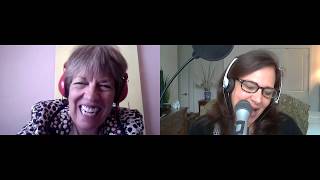
Judy Robinett, author of Cracking the Funding Code, walks through how to pitch investors and secure startup funding. A strong pitch deck runs 10-12 slides and shows market size, your team, and a clear exit strategy. Build your network through angel groups and incubators, and surround yourself with advisors who are coachable, confident, and of strong character.
Questions this video answers
February 28, 2019.
Episode 60.
About 10 to 12 slides.
Angels typically want 3–5× their money back in 3–5 years.
~300 angel groups in the U.S.; Cooley reported 979 deals and $28 billion invested in the past year (as cited in the conversation).
Chapters
Hello, everybody. Kathy Caprino here, and welcome to another amazing episode of Finding Brave. Oh, look, I'm looking. The snow is just falling again. It's pretty, but it's cold. I hope you're doing well. I hope you're surviving this crazy weather we're all having and that your winter has just been going beautifully. And I am so excited to share with you my guest today who is truly one of my most favorite people on the whole planet, Judy Robinette. You know, Judy, I've been pronouncing your name wrong. All these years I've been saying Robinette, but it's Robinette, isn't it?
Yeah, it's Robinette. Get it right for goodness, okay?
Oh, Judy, I can't thank you enough for being here. So you all know that I, whenever I have a personal relationship with my guests, I'd love to tell you a little bit about how that formed. And I just have to tell you, tell you this, Judy, I don't even remember when that first Forbes article was, but I interviewed Judy and another woman on a wonderful documentary that was was being developed called she Means Business. I think it was back then, so it was a long time ago. But you and I particularly, I think, really hit it off. And I have told the story about a hundred times, Judy, but I had never met anyone like you who here's what happened. About two months after we did the Forbes piece, you wrote an email and you said, hi, Kathy, how's it going? And then I think you gave me one sentence about what you were doing and then you said this, what do you need? And I'd never received an email like that in my whole life. And it did so many things for me. One was I thought, she's so busy. And I'm going to read to you all Judy's amazing bio. But you're known as the woman with the platinum Rolodex, aren't you?
Yes, I am.
And I knew, my gosh, she's so busy, if she's asking me what I need, I better darn well figure it out and figure it out in a concise way and share it. And I shared it with you and you wrote back beautiful responses, said literally, you said, here's about five women I want you to connect with now, and I'm going to follow up. And if you don't do it, I ain't going to be happy. I think you said in a very nice way. But that was the start of Judy is a mentor, a sponsor, an ambassador, all of that in one amazing friendship. And you know, I write about because I've lived it. When you have someone like that in your life, doors fly open and opportunities that you don't even feel you're ready for, that you're pinching yourself, you come flying your way. And that is Judy to me.
So thank you. Thank you.
All right, now everybody, we're talking about how to crack the funding code. So this is for any would be entrepreneur or existing entrepreneur or serial entrepreneur or someone who's considering a new venture, how to Get Funding. That's Judy's new book, Cracking Crack the Funding Code. But let me tell you about Judy before, before we get going, as I said, the author cracked the funding, how investors think and what they need to hear to fund your startup. And also the best selling book, which I adore, how to Be a Power Connector, which I've recommended, you know, to countless people. Number one of the top 10 business books of 2014 by Inc. I didn't know that. Wow. Judy is a business thought leader with the Titanium Digital Rolodex. There it is. And you've been profiled, Skillions of Places Inc. For Venture B, Huffington Post, Bloomberg. More than 30 years of experience as an entrepreneur and corporate leader. You served as the CEO of both public and private companies and in management positions of Fortune 500 companies. You were the managing director of Golden Seas Exceeds Angel Network, the CEO of publicly traded medical discoveries. It just goes on and on and on.
That's enough. But no, I do have to say.
This member of the Department of Commerce team that define performance criteria for Malcolm Baldrige. Is that right? National Quality Award for performance Excellence in Healthcare. All right. It's just too amazing to for words. But the other thing that Judy does is truly power connects and power helps. So when you need help, there's Judy. So I'm so honored. Judy. All right, thank you.
Thank you.
Let's get going now and talk about. We're talking about funding now. I want this to be a 30 minute discussion of what everybody needs to know, particularly women who are listening to this podcast. And let's start with the very first thing. What is the fear that we have when we're starting to try to get funding? Where are we coming from? Our confidence, our fear? What do you see, Judy?
Well, I see most people very, very fearful because they walk in the room and they know these people are wealthy and they're thinking, oh my gosh, we're broke and, you know, probably pretty desperate about out of money. And so that's usually the mindset. And I tell People to shift that and realize what the investors need is a great deal so their big problem you can solve. And I learned a trick years ago, Kathy, from when I became CEO of a public company. I kind of strolled around the house for three months going, I can't be the CEO of a public company. What am I thinking of? And my PR guy took me aside and said, listen, when I was at Ogilvy, they had me in a role, a training film, and I liked it so much, I decided to go out and try to audition. But 90% of them got turned off. He turned away. And so his agent sent him to someone, a character actor, and he made him stand up straight, walk around the house, and for 10 minutes, twice a day, say, I am perfect for the part. Perfect for the part. And I did that. And that has helped me in many, many situations. Like the last week of February, I'm going to do a couple of TV interviews on Yahoo. Finance, and I'm sure I'm going to be walking around saying, I'm perfect for the part. But if you switch your mindset and understand that you're bringing an opportunity that they need and focus it on that. And, you know, anytime you get out of your comfort zone, there's always fear. But you can mitigate that by meeting with an entrepreneur who is successful or somebody and going through your pitch deck so you're comfortable. You've already had some insights on objections or issues that might come up. And, you know, I just tell people, kick fear to the curb. There's very few things in life that will kill you. And so, you know, just say in your head, stop it. And that's another trick I do. And when I get ready to do, like, a big interview, I will often say, it's showtime. And so you can change that balance and realize you are a gift for the investor.
Oh, I love that. I love it. All right, now let's talk about how we actually make it that we're the gift for the investor. So, you know, before we talk about finding investors, you even talk. Let's. Let's make this a primer for people. You talk about the pitch deck. Where do people even learn to. You know, often I'll help people write a book proposal, and they won't even know what to put in the book proposal. And there's a million things you can search on online what put in a book proposal. But what would you say about what has to be there for the pitch? What do we have?
Yeah, so there's some kind of unwritten rules if you do 10 to 12 slides, that's it. So you really have to do a lot of homework so you can be concise, thorough. Show the investor, it really shows them your level of thinking in detail. I suggest people that they go out and look at blogs by Brad Feld or other top VCs, go to New York Angels, arguably the best angel group in the world, who has an actual outline of what they want to see in the pitch deck. And it always is about, you know, what is your product, your market size, who's the competition, what is your go to market strategy, big emphasis on the team and that's critical to have. And along with that, have financials. Many people make the mistake of getting their Uncle Bob who's an accountant and you really need somebody who understands how to do pro formas, forward looking statements or a startup. And I have a guy in New York, David Meister that I adore and he was referred to me by the New York Angels. So first it's got to get that story right. And I also recommend John Livesay who's in California, is known as the pitch guru. He's probably the best I've ever seen. So I sent a young company to John and his first presentation got an offer of a million dollars from a family office. And so if you're doing a pitch and you keep hearing no, you need to change something instead of keep meeting with people. So the pitch is really important. You can find, you know, best practices out there and I'll share a few in the show notes.
Oh fantastic. Now you know I'm, I always love to ask my guests what I wish I knew, not just what my listen, because if I wish I knew it, someone else does. What's the level? This might be hard to answer, but what's the level of revenue that your product business kind of needs to be at today for anyone to actually take you seriously as something to invest in? Is that something you can answer?
So sure. So often startups have no revenue. Yeah, that's why you need those forward looking statements. But certainly if you have a customer or an loi from somebody that mitigates the risk of the person thinking and the comment is, well, the dog eat the dog food, is this a product someone will open their wallet up for? And so it helps to have that. But the majority of startups I see, they're not revenue positive yet.
Okay. And is it all about scalability? Like if you have someone. And of course I'm thinking about myself with services and programs, but not a particular product Aren't investors looking at, okay, that's good, you're, you're running all this, but how do we scale it? How do we take that times 100, is that right?
Yeah. So scaling is really important. You know, one of the ways you make yourself stand out is a high potential startup is number one, you're clear on your exit. Investors want their money back. And so angels typically want 3 to 5x times their money back in 3 to 5 years. Wow. And so if you look at your numbers and those forecasts, if you're trying to do a consulting business or something service related, that's hard to get to those numbers. The second thing to set yourself apart is you mitigate risk as viewed by the investor. So people will often come to pitch events and it's like, oh my gosh, this is the most wonderful product. You're gonna fall in love with my product. And that's, it's nice to be positive about your product, but they want to know you can build a business and how you're going to create revenue and what is your cost of a customer acquisition. And so those things are just really important.
Wow. So tell me this, of all the ventures you've been pitched or you've been part of being pitched, what percent really understand the mechanics of running a business?
You know, some, I would say probably half. And part of it is because they're not prepared. So Einstein once said, if you're gonna play the game, you'd better know the rules. And as you know, that's why I wrote my book, was to demystify all of this notion around the vc, angel investor, family, office network. And part of it is they just don't. Maybe they've not ran a business before and they don't know what's needed, but that's common, kind of in the early stage, you know, you need to get sales, you'll need to get a VP of sales. That's the most important thing. Cash is king. And probably half of them don't say enough for the investors to understand that they really know what they're talking about as far as the business. Wow.
So, you know, I think it was even in our article on Forbes. I think I saw you say think in terms of these three years, but and the exit strategy. But I think you said think about how the end game and selling it and starting another business.
Yeah.
And that took me aback.
Yeah.
You know, tell me, tell us more about that. Are, are funders looking for someone that really loves and knows this area and will thrive in it? Or actually knows how to be an entrepreneur and can come up with yet another idea. What are they looking for?
Well, they certainly do. And the tables are tipped a bit. If you've been a successful entrepreneur, you usually have no problem finding that next funding. Arthur Rock, who was probably the first VC in Silicon Valley, once said, if I'm given a great product and a mediocre team or I'm given a excellent team and a mediocre product, I'll put my money behind the excellent team because they can get anything to market. But most of the very successful companies out there, it was people that didn't know what the future would hold. They never had a successful business. Mark Zuckerberg, Dorsey of Twitter, many of these people had not been in the. In the business world.
Gosh, makes me want to create another product. All right, you're inspiring me so much. All right, tell us what. So we're talking about cracking the code. So there's obviously a code. What's the biggest thing you see people doing? You know, just blowing it. And I would love it if you could without painting all women with the same brush or all men with the same brush. If you do see differences between men and women and how they do this, and we talk about that in our Forbes interview. But anything you can tell us about how men and women look at it differently and perform better in the pitch differently, that's very helpful. But what are we doing wrong? What are we really messing up here?
Well, I don't know that women are necessarily messing anything up. There's been so much prejudice and little money that's put in. But the good news, Kathy, is many very successful women entrepreneurs are having successful exits and they're starting their own VCs, and they're investing in women. And thankfully, we had Goldenseed, which is 300 plus women, some men that invest specifically in women. And we've had Springboard founder Kay Koplovitz, the first woman that ran a billion dollar company. So I'm an advisor to Springboard. We've raised something like 912 billion. I can't remember how much it is. And had 17 IPOs. And these are women founders. So the news is getting better. I think there is prejudice, and the spotlight's been kind of showing that in Silicon Valley, and there's a lot of efforts to change that. The other good point is we find investors all across the United States. There's 300 angel groups, and they're equal. North, south, west, east, any state. You can Google angel investors in your area, family offices, early stage VCs and you're going to find people, wow, I.
Don'T even know what a family office is. Judy, what is it?
So a family office is typically somebody who's had a very successful exit and now they've hired a couple of people to manage their portfolio and they invest in deals. And a part of the deals they invest in is early stage. 70%. Now family offices are investing in that. You can look up the Opal Group, which is a consortium of, I don't know, I think it's 10 plus billionaires. And last year they were thinking of setting aside 986 million just for regenerative medicine. And so you always need to think about family offices. And the way you find it, besides googling it is you find the local attorney and accountant who work with these people who specialize in startups and you go and talk with them. And that's an excellent way to find out who the investors are. And then the other way is certainly, you know, investors were humans. We're kind of like my hens in the backyard. We flock together. So investors, they're hunting for a deal. So they will go to pitch events, they go to incubators, they hang out at university classrooms that have to do with entrepreneurism. So you can find them and there's no lack of them. So 279 trillion in private global money, which is friends and family, which is the first biggest pot. This morning I got a financing report from Cooley, one of the top tier law firms. And in this past year they've completed 979 deals with 28 billion of invested capital. So there really, there's no lack of money, but it's really important of how you position yourself and you can make luck happen. People will say to me, well you can't. And I say really go stand on the train tracks. You'll get bad luck. So, you know, part of it is surrounding yourself with good people. And that's, you know, I talk about the three Cs. So investors, number one, want somebody that's coachable. The way to get yourself kicked out of the room really quick is to be an arrogant, know it all defensive. And people that just write me the check don't tell me what to do. That'll get you kicked out of the room. The other thing, often I will hear amateur comments like we have no competition. Well, if you have no competition, there's no market. Or if we just get one and a half percent of the Chinese market, we'll be worth a billion dollars next Year, Well, Facebook wasn't worth a billion dollars next year. And some of it is just being exuberant, but it shows the investor you haven't done your homework. You don't know what you're talking about. And then they question how you're going to spend their money. So besides, coachable confidence is really, really important. And that is because you have to be confident to sell, to sell your pitch, to sell to customers that will come to you. And women do. Honestly, Kathy, I think, have a little bit more problem with confidence than men. I have no clue. You know, I've decided maybe a little bit of it may be genetic, maybe how we're raised, all the media and all of that stuff, but I'm seeing that change for the better.
How wonderful. How wonderful. So glad to hear it. All right, anything else? Oh, you talk about surround yourself. If I were about to do this, and I've been running my own business 13 years, I would throw myself into the entrepreneurial world. I mean, the entrepreneurial mindset is incredibly different from the corporate mindset, don't you think, Judy?
Oh, my gosh. I think we talked about this at dinner at Ruth Chris Steakhouse in New York a couple of weeks ago. I would get nauseous thinking about going to work on Sunday night when I worked in the corporate world. And I thought I would die if I had to do that until I was 65 years old. And so I really gravitated towards being an entrepreneur. My first stupid mistake was doing a franchise restaurant that almost resulted in me going bankrupt. I can remember going to an attorney, just shaking, so scared. And I had my financials. And he looked and he said, you're not even close. And I said, but I'm broke. And he said something really life changing that helped me. And it was, Judy, they can break you, but they can't eat you. And with that, I, you know, what.
Did you take from that? What did you take from that?
That they can't kill me, they can't really hurt me. I just need to go out and do the best I can. I turned the restaurant around, sold it. So that was my first venture. And then I got asked to be the CEO of a public company that was in trouble, in debt, delisted. I raised, you know, $4 million, ran that company for 10 years. So all of this is just lessons.
Learned the hard way, which is why you're so fantastic. Anybody who comes out and hasn't had a bump, hasn't had a failure. I don't even want to listen because it's through those failures, those. You're turning your mess into a message for other people. Right.
You know, and Tony Robbins talks about next level, next devil. And I tell people, when you've got a vision, Goliath will show up every time. But, you know, the reality is if you work through it, you're just persistent. Persistence wins at the end of the day along with your character. That was the third C that I didn't talk about. So Howard Stevenson, who was known of the lion of entrepreneurism, once said, the first time you hear an untruth in a pitch, run, don't walk, it's like flushing your money down the toilet. So character. And then, you know, the truth is you have to build relationships. So people have got to know you, like you and trust you before they will fund you. So there's a very successful lady investor in Boston and she once said to me, judy, no one's going to invest 200, you know, thousand, the kind that would buy a home unless they know you and trust you. And that's really true. So people want to be able to work with you. And so you need to exude that. It's always good in the pitch deck to, if somebody says something, be honest, say, I don't know, I'll get back to you on that.
Never lie, ever. Never lie. Just, just let that go if you have to. I've always said this. If you're lying, it means you don't trust that you're good enough the way you are. Well, that's never going to get you anywhere because you're going to be found out and it's going to hurt your confidence. I love these. I want to go back. Could I to, you know, I think the research shows that by 2050, something like half of our workforce is going to be independent, is not going to be part of a corporate whatever. But for those who are listening, who are dying to get out of corporate and launch their business. Can I talk to you a little more about. Because you've been on both sides, as I have some of the other different mindsets about what makes an entrepreneur an entrepreneur successful. Like, let me throw a few out, Judy, and you tell me if I'm on the right track. I think to be an entrepreneur, you have to have a vision and believe in the vision and there's going to be risk all around that. So, you know the thing, the sure thing. Like some of the corporate people, I hear they love the security of the paycheck. And I always say, nothing secure. Today your job could go away tomorrow. Only what you have inside you is secure.
Yeah. And then, you know, people will. Many corporations and states now are going back on their retirement promises. So you spend all of these years, and then literally, you're screwed over to.
Right, right. So there's risk. What else does the entrepreneur. What else? When someone walks in a room and you're going to evaluate them, what else are you looking for in. In the way they think?
You know, I like to be able to determine that they. They really have done their homework. So they understand the industry. They can tell me what the margins are, what the ROI is, that they're clear on their numbers of how they make money. And oftentimes people will make the mistake of having just an accountant do their numbers. And the investors are really smart, and they say, well, in six months, it shows you're at X amount in sales, but you haven't hired anybody in sales. There's nothing in here for your labor. And so really, having done the homework, and that isn't so hard. I mean, if you start, you can go to score, the sba, Small Business Development Centers, your local incubator angel groups. You can always find people that will help you. And that's great because you can't know it all. So it is important to have the vision. You know, I worked with Rick Alden of Skullcandy. He'd been bankrupt three times, and nobody, you know, people were really concerned about funding him. So, you know, I said to him, we need to create kind of a powerful board. That's a trick I do. So, for instance, with the startup, I just recently got a director from Microsoft on a startup board. Well, then people look at it and they go, somebody else has vetted this deal, understands it. I'm willing to bet money on this young team. And that's also true with your law firms, your accountants. So just like Cooley, one of my favorites is Wilson Sosini. They're probably the number one global law firm for startups. And you want to have people that can do more than write a contract. Can they open doors for you? Can they help you with research? You just don't want to, you know, hire the local yokel attorney. That doesn't show forward thinking. So I always look at forward thinking. I look very hard. If they're honest. If they're honest with me and they show. I mean, one of the danger signs is I ask them if they have a board and they tell me, no, they don't need a board. That shows me they're arrogant. They don't Think they need any help. And angels and VCs will refer to this as adult supervision. You need other people because we have that X on our back blind spot that only other people will see. And there's always problems and issues that will come up in the startup world. So you want people who will have your front, have your back, who will really help you.
I think that what you're saying is one of the deepest challenges in life and work. How do you surround yourself with a board of people? And I mean that in every possible way. You know, I don't have an official board in my business, but you're on my board, you know, and, you know, I think finding the right people, you know, Judy, do you see this? I hear from so many people who've been beaten down by other people or have let them be beaten down. And part of it is they haven't chosen well who's on their executive advisory. And I mean that in every possible way, you know, committee. So why don't you leave us with. Because you are the master connector. And I'm really interested to know. I know, you know, good people. If you tell me to connect with someone, even if I've had a bad experience in the past, I listen to you. Because sometimes when we have a bad experience, it's something we're putting out, you know, it's not all from that person. But, you know, if it happens another time, I'm done with it, you know, But I will listen to you because you curate wonderful resources and wonderful people. What do you think is to leave everybody with this? What's. What's your tip for that? How do you.
So Oprah says when someone shows you who they are, believe them the first time. So you don't want people in your inner circle who don't like you, who don't support you, who are negative naysayers. Life is too long, actually, to deal with those jerks. And the truth is, 5% of people in the world are that dark triad of narcissistic Machiavellian sociopaths. And you want people who will help you get ahead in your life, whatever your vision and your goal is. And it's important to have about 20 to 25 people, very diverse people that are connected to money, people that are connected to media, people that are connected to whatever industry you need. So one of the big mistakes I see is lawyers or accountants. They go to the lawyer and accountant conferences. They don't know anybody. If I have them write down their top 25 people in their network, it's people just like them. And it's people that have no influence, no gravitas, they couldn't help them get ahead. And so part of it is being really clear on what your goal is. And then think about who do you need to help you get there and then where do those people hang out? So, you know, one of the most powerful things is go to curated groups. The association of Corporate Growth is top CX O level people from around the world. Great place if you're looking for mid tier contracts, opportunities, whatever. And it allows you into a room where the people are already vetted rather than going to some local networking group where everybody's broke. So it's important to be careful who you have in your network. And part of it is just listen to your heart and listen to your intuition. Because often, often you will find, I mean, when I was younger, I think, you know, maybe I'm not communicating well or, you know, I don't know. And then I found out it was at the tip of the iceberg that it just got worse.
What do you mean? What do you mean? Say that again.
Well, so there was a problem and I thought it was my fault. I thought, you know, I should. I'm not communicating well enough. I'm. I'm doing something wrong. Well, the reality was, saw that little piece and I didn't get them out of my network or get rid of them as an employee. And three months later, it's 10 times worse.
I see what you said.
So really pay attention to your heart and your intuition because you'll find out nine times out of ten, you're right.
I love it. And I want to say one more thing that I think you don't even recognize that you do. You do two things. And everyone should have someone like Judy in their network. I call it. You see the future vision of me before it's hatched. If I say to you I'm struggling, I don't know that I can really be a benefit to entrepreneurial women. You said to me, you do you. This was a few years ago. You don't think you have enough between your ears, that you've done enough, that you're like incredulous. And to me that's like an angel, literally going like, sometimes we need a douche across the face. And you do.
And I don't mean to be, but I'm startled often when I meet people and they say, you know, I don't think I can do this. And I'm like, really? You're one of the smartest people I know. And you need to have people. In a matter of fact, one thing I often have people do is talk to three or five of their friends and ask them, what are your three top great things about you? And most of us don't know. I mean, we're typically the last people to know. So it's important to do that. The other thing I have is called the victory log. You write down victory log number from 1 to 50, write things you're proud you've done, little things, big things. And research shows that's the number one way to build self esteem and confidence. And that is really helpful. And it's helped me. I mean, I have on mine when I made 30,000 a year, when I made 350,000 a year, and when I made half a million a year. So. And to be able to see that and to see that even through the hard, difficult times, you're moving forward. And I told you, my little thing up here on the wall is Lucy. And it's out of my way. I am going for it.
I just love it.
And I've used that kind of as a mantra. And I've had really tough times where I've, you know, gone to my cave with dark chocolate, wondering, you know, who am I? And you know, initially I was bullied and shy and I used to think, why would anybody want to talk to me? So I think we all have kind of those internal devils. And so you need good people who will really care for you. And they're everywhere. They're everywhere. If you get out of your comfort.
Zone, I love it. And the final thing I want to say, Judy, is we're talking about what we need to get over to be accepted. But I want to throw this into the mix. I think we have to turn it around and also be generous. You are the busiest person I know, but you are the most generous person. I really feel like if I wrote you I need you today, you would drop everything pretty much and get on the phone with me. So I believe that there's a direct correlation between how generous we are and how much comes back to us. And I don't mean to be generous so that you'll get. I don't mean that. I mean come from my heart. I want to help people.
So.
And I think it builds confidence to realize even though you might be struggling, I don't have funding yet. I'm not. You have something to offer someone else who's 20 steps behind you. Would you agree with the generosity?
Absolutely. Absolutely. So research shows when you talk to strangers, the first thing they look at is, there, you're a good human being. You're not going to kill me. And the second one is a level of competence. But I always add generosity, because just because someone can help you doesn't mean they will.
We know that.
And so you want to. You want to make sure that people do help you. And by you being generous and adding value immediately, you learn every single time. That has resulted in me doing diplomatic missions to Belgrade with the best business partner I've ever had in my life, being invited to the White House, going to the Royal palace for dinner. And you just help people. And the reality is, and I care very much for people. But if you just learn to add value, make an introduction, recommend a book, send an article, and show people you care, I mean, all of us need to be cared about. And that's something everybody can do. You can offer a kind shoulder. You know, I've been sick really bad. And I said, you know, the other day when we talked, it's like, can I cry on your shoulder a minute? You said, yes. So. And that's important. It's important. Part of being authentic and being vulnerable and being real. I did a speech at Walmart, and on the stage with me was a woman named Rachel, who's a vice president of Intel. I always ask people, how can I help? And she said, you know, I'm trying really hard to get on a couple of public boards. I've made three or four introductions for her. She is sending out a press release on my book from Intel. I could have never imagined that. And so it's that law of reciprocity. So. And you know, some people out there are wicked and evil and. Just say, next. Just, just say next.
Next. Oh, I just could listen to you for hours. Thank you so much, Judy. Where do people learn about where should they go? Where. Where. Of course, your book, which you'll tell us where to go on Amazon or.
Yeah, my book is on Amazon. You can reach out to me, me on LinkedIn. I respond to every single person that writes to me. Sometimes it may take a while, but my email is judyudyrobinette.com no e on the end of Robinette and happy to help.
Oh, I can't thank you enough. You're a blessing and an angel in my life, and I know now you'll be even more so with all the listeners we're going to have. Thank you, my dear.
Thank you. Thank you.
I loved it, everybody. You feeling inspired? You feel like you know what to do? The steps to take to whether you want funding or want to be heard or have a new project idea or want a promotion. I think there's something in this 30 minutes from Judy that anyone is going to benefit from. Let us know. Let us know when you see this posted on Facebook and LinkedIn. Let us know what you got out of this. I know Judy would love to hear, as would I. Alright everyone, see you next time and have a fantastically brave, brave week. Bye now.
More from Kathy


Elevate Yourself, Elevate Others, and Amplify Good | Chris Cooper | Finding Brave Ep. 334

Finding Brave Epis #333: How Leaders Can Harness AI Without Losing Their Humanity, w/Bennett Borden

Finding Brave Epis 332- How to Stay Brave, Valuable and Visible in the Age of AI, with Raman Rai

Finding Brave Epis 331 - The Power of Positive Disruption, with Dr. Patrick Leddin


Finding Brave Epis 330 - Being 40: Letting Go and Embracing Who You Are, with Stacey Lindsay

Disrupt Career Reinvention with Kathy Caprino - via The Disruption Lab Podcast w/Patrick Leddin

Creating Neurodiversity-Friendly Work Cultures: Simple Workplace Adjustments Matter

Finding Brave Epis 329 - How To Create a Neurodiversity-Friendly Workplace, with Kristen Pressner

Finding Brave Epis. 328: Reclaiming the Power to Trust Your Own Voice, with Dr. Cindy McGovern