How to Leverage LinkedIn to Build Your Personal Brand
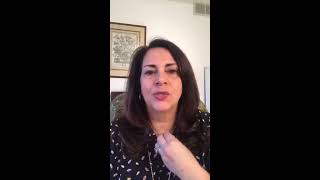
Kathy Caprino walks through LinkedIn strategies to build your personal brand and advance your career. She covers how to set up your profile, engage with other people, and establish yourself as a thought leader in your field.
Chapters
Let me fix this. Great. Kathy Caprino here. And welcome to my Facebook Live, Brave up Tuesdays. And we are talking today about how to leverage social media to build your personal brand and your most thrilling career. Because I do feel like, you know, we hear so much about what branding is and what you should be doing, but what most people ask is why? Why do I need to be doing this? What am I gonna get out of this? So let me share all about that and I want to tell you, last week I did a, an hour and a half workshop on this for, in New York City. Love that city. For financial women leaders. Women leaders in financial services. And you know, they asked all the questions I hear every day about. Well, I'll share all those questions. Questions and a few myths. For instance, isn't LinkedIn just for getting a job? Isn't LinkedIn just for recruiting or finding a job? And the unequivocal answer is no. What a mistake to view LinkedIn that way. It's so much more than that. So I'm going to be talking as much as I can in a half hour about what is a personal brand, why do we need it, why do we care and how do we leverage social media. And I'm going to Talk mostly about LinkedIn, touch a little bit about on Twitter and Facebook and ask your questions. You know, post them. Let me. And if you would, when you're here. And awesome. Oh, thanks, Stephanie. Great to see you. And when I say something, it resonates. Please give me a thumbs up. I love to see those thumbs up and hearts flying by because I know that I'm speaking to people and not just my phone. All right, so first of all, what is a brand, A personal brand. Now we're talking not for a business, we're talking about for individuals is so important. It's the way the world experiences you. It's the story that you have to tell. And you know, I learned this years ago when I worked with a great branding guy, Robert Friedman, and he said the world experiences you in three ways and your brand as three functionally and emotionally. And it's such, it's such an important and easy way to understand what is a brand. So let me give my website or me as an example and then you can think about it for yourself on LinkedIn. So if you go to Kathy Caprino.com and just take a look for three seconds, you will experience, I hope, my brand, which is, you know, a conscious way of communicating who I really am. You're going to experience it aesthetically. What Are the colors? What are the fonts? What's the feeling? What are the photos? How is it laid out? How does it engage you? So that's the aesthetic way you're going to experience it. Functionally, what does she do? She's a coach, a writer, speaker. Here's examples of what she does. So functionally, what am I doing in the world? And you're also going to experience me and the brand emotionally. So, you know, I ask everybody in these workshops, and if you're interested, let me know if I can come and give the women you work with a talk on personal branding and why it's so important to build your most thrilling career. Do you know how people experience you emotionally? What word would they use? So for me, people will say, you're warm. I feel understood, but I feel a little nervous because they know that working with me is going to stretch them and that makes them nervous. But they would use words like a warm or gentle or compassionate or firm, when, you know, they need me to be. What are the words that people use to describe you? If you don't know, you have to find out. All of this is so important. And let me just say this. If really all you want is a job and a paycheck and building a thrilling career isn't important, then maybe your personal brand is not as important to you. But for the people I work with and the people I hear about. Oh, thank you. Thank you so much. Sweeta. Did I have that right? Thank you. For the people I work with, they want more than just a job and more than just a paycheck. I'm not putting that down in any way. We need to pay our bills and we have financial responsibilities. But for most people, they want to feel that their job is meaningful and purposeful and represents and aligns who they really are in the world, that they're making a difference with their talents and skills. And if that's you, then you need to build your personal brand and be really intentional about it. So again, thank you for that. It's how people experience you aesthetically, functionally, and emotionally. And if you don't know, then it's time that you figure that out, and it's time that you understand how you want the world to perceive you. Okay, so how do we leverage social media, and why is that important? So let me talk about LinkedIn for one minute. I really believe that LinkedIn is the great cocktail party in the sky. I really do. To me, it's like think about the thousand or ten thousand people or five hundred People you would want to go to a cocktail party with all over the world. It's so exciting. It's so much more than just getting a job. It's being enlivened and educated and inspired by people doing amazing things in the world, making an enormous difference. That's what LinkedIn or Twitter or even Facebook can do for you, right? So part of this is understanding, well, what do I want? What is my biggest vision for my career? And a lot of people, you know, I just spoke to someone earlier who's in my amazing career project 16 week course. A lot of people cannot answer that. So I say this in almost every video. But if you have questions about who am I in the world, what do I really want to do, what's my meaning and purpose? You got to answer those first before you can build a personal brand. So take my career path assessment free. It's at Kathy Caprino.com free assessment. Answer these questions as best you can. What you've loved about every job, what you've hated about every job or some jobs, what you want to bring forward, what you represent, the legacy you want to leave, what do you want to be known for? And I know a lot of people can't answer these and that's okay, but give it a try. Start there. Then the question is, how do I want to put myself forward in the world? So let's start talking about LinkedIn. I got notes here so I, I don't miss anything. So I always say this, how you do LinkedIn is how you do your career. So I don't mean to sound woo woo, but I can look at your LinkedIn profile and in about four minutes I can tell so much about you. So for instance, if you don't have a photo you're hiding, 450 plus million people are on LinkedIn. Why wouldn't you want to represent yourself? Why wouldn't you want to put your digital footprint there? And you know when you do a Google search of yourself and you should, anybody who's on the Internet and all of you are of course set up some Google searches, Google alerts for your name, for whatever you're interested in and you will see what comes up, do a Google search of your name. And a lot of people are mortified at what comes up. It's not what they want, it's not what they want to put forward. So fill out your LinkedIn profile totally fully use every aspect of it because that's who you are in the world. And when people search for you, that's what they're gonna see. So the very first thing is a lovely picture. Doesn't have to, you don't have to spend $300 to get it. Someone can take a picture of you. Take a look at 50 photos. You know, some take a look at LinkedIn staff and their photos and you'll see, you'll get a feeling. But 50, face it forward with a smile, right? If you're over here snarky looking, what does that say? And understand that first of all, you are communicating so much without you knowing it. So be very intentional. Number two. I forgot what number two was going to be. Ah, you want to put your best foot forward. This is your best. So that doesn't mean you lie, that doesn't mean you exaggerate. Never ever lie or exaggerate, particularly online. It's gonna catch up with you. This stuff is very verifiable. So you never want to exaggerate, you never want to make things up. It'll come back to bite you, really. And when we lie and when we exaggerate or hide things, well, you don't have to put everything out there. Let me be clear about that. But when we lie or exaggerate, what we're really saying is I'm not good enough the way I really. And that's not the message you want. Alright? So LinkedIn professional photo, smile, face forward. Secondly, tagline, you know the subhead under your name, do not make it your job title. You are more than your job. I want to say that again. You are more than your job. What does that mean? That's an hour talk right there. Your job is a way that you manifest contribute in a particular dimension. But you're more than that, so. Oh, that was another thing. That's the second thing I wanted to say. Every word that you put out will attract more of that. Every word you put out is going to attract 10 times that. So you want. I know, I know this in writing, in my blogs. I see it on everything I do. So what you want to do is look at the work that you've done and the job that you have. And if there are parts of it that you hate, don't talk about that. Talk about what you love. Talk about the contributions that you've made that make a difference to you, that matter to you. So looking at that tagline, for instance, you'll see mine says brave up expert career and leadership and personal growth coach, writer, speaker and trainer dedicated to the advancement of women. That's it. That's who I am. So those Are the dimensions the functional dimensions? I'm a writer, speaker, trainer, coach. But why? Why am I that? I'm dedicated to the advancement of women. So think about who you are, what you do functionally, and what are the outcomes that you are enlivened by that make a difference to you, that make an impact for you. So what you do and who you do it for and why that matters, that's your tagline. Okay? And I know some people say, oh, I'm not a copywriter. I don't really know how to do this. Well, you can hire someone to help you, or you can find someone who's a great editor that you know in your circle of friends, if you need help, certainly go out and ask for it. Okay, so you've got a tagline that talks about you. Then you need a summary. And the summary needs to reflect you at your highest level and present a cohesive story about what you've done, what you care about, and what you're focused on going forward. That summary is so important, so many people skimp. They don't even write. Sounds like a very boring who knows what. So this is your way to tell your personal story. And again, if you need help, write to me, and I'll give you resources for people who can help you, who write great LinkedIn profiles. But really, I want you to do the work. Take my career path assessment and start writing in a paragraph your cohesive story about what you've done and why it matters to you. Okay, so we need that now. What else do we need? Hey. A small little thing, but customize the background photo. Don't use the generic. A lot of people didn't know you could. It's like on Facebook. You can change that cover photo. Make it something that represents you, represents your personal brand, who you are, what you care about. Okay, so let me talk about when you list your experience. A lot of people make this mistake. They list tasks. I oversaw the blah, blah, blah, blah, blah. You know, I'm in charge of blah, blah, blah. Nope. It's what you did. It's the needles you moved. It's the outcomes that change something. So you want to demonstrate through what you share, the problems that you help solve and what is possible for the enterprise, for the company, for the organization, because you're there. That's what you want to talk about. Not your boring list of tasks, but the outcomes you delivered. So revitalized fading businesses brought in five new clients worth a thousand, worth a million dollars. Right? Re energize the workforce through blah Blah, blah. You know, you want to talk about not just what you did, but why and how it mattered and what difference it made and make that measurable and verifiable. So in my TEDx talk, I talk about, you need to know the 20 facts of you. The 20 facts. This is verifiable information. No one can refute it. But what you did, that moved a needle, that made a difference. That's what you put under each of your jobs. Okay, got that. Give me some thumbs up if I'm making sense here. All right, you want keywords, keywords that are searchable, right? So leadership for me, leadership training, career coaching, transformation, job transition. Anything that's going to be searched on, that's a huge keyword. You want to make sure you are thinking about those and making sure they're prominent in your summary so you can be found. So now people will often put this stuff, but they'll leave everything else. They won't fill in anything else. So there's so much more. On LinkedIn, there's a list of skills that you can list. You choose them. What are the 20 skills that you're great at? And therefore people can then endorse you by just going, yep, uh huh. I think you can list up to 50 skills. Do it. List your skills. Right. Education. Put all of your, all of the places you've been educated. Why? Because people will look for Boston University or New York University or London University or. Right, your groups. My son's in a fraternity at University of Connecticut that he loves that has an incredibly robust alumni program. Alumni connection. List it. List your awards. Show people the amazingness of you. Show people how that you're special. And I don't mean that in any kind of narcissistic, snarky way. Every person on this planet is special. Demonstrate. Okay. Join groups. And if you have no idea what groups to join, follow. Here's another thing. Follow influencers. You're on. Oh good, you're on this. So follow me and look at the groups I follow. Look at the influencers I follow Richard Branson, Brene Brown, Gretchen Rubin, and follow them. Okay? And so here's another way. There's five ways to power up your personal brand. How many can I talk about right now? Let's think about. I'm looking at my notes. All right, let's do as many as we can here. The first is self awareness. So we talked about that. You're going to take my career path assessment. You're going to get aware of how you're special, how you're different. How you stand out. And, you know, check out my TEDx talk. Time to brave up. You're special in so many ways. Your cultural ancestry, your upbringing, the languages that you speak, the places that you've traveled, the pivotal moments in your life, who you've helped, what's broken you down and what you've overcome. This is how you're special. Right? So that's the stuff you want to talk about, how you're different, you know, because I'm from Latvia, that informs the way I look at. Blah, blah, blah, blah, blah. Share how you're special. Okay. Yeah. So you want to know, here's another thing you can do about that. You want to know how you stand apart from the competition. So look at 10, 20, 30 different competitors search in LinkedIn, search for your job title, and lots of people will come up depending on how connected you are. So let's talk about that. I think it was four or five years ago, I saw that I had something like 200 connections on LinkedIn and someone had 500 plus. And I said, you know what? I want to have 500 plus. So every day I connected to 10 new people. So I think that was five years ago. I have 9,000 connections and 410,000 followers now. That's what can happen when you share your personal brand. So start connecting with people that inspire you. And when you do reach out, don't use the generic language. Hello, I'd like to connect with you. Always, always, always. Add a personal note. Kathy, I like your. Love your Facebook Live. You know, your work inspires me. Not something vague, but something specific. You know, I liked your last post, and it really resonated with me. I'd love to connect. The more you can share who you really are, authentically and honestly, with transparency, from your heart, from your spirit, the more you're gonna build an incredible tribe. And that's the point, that it's not just, you know, let's build our personal brand. It's building a tribe, a community that loves you and supports you, and you love and support them. And life changes when you do that. Doors open, opportunities. Someone said to me in this. In this talk yesterday, why? What does it really do for you to be on LinkedIn? It can get you new jobs if you're a consultant. For me, it's gotten me speaking gigs around the world. It's gotten me new clients, it's gotten me new blogs to contribute to. Every possible thing you can imagine. It's done for me because I'm on there in a Very big way. So another thing to think about is I'm throwing a lot at you. You want to engage. It isn't just, okay, I put my profile up, where's the jobs? Where's the opportunity? You have to give a hundred times more than you think you do to have doors open for you. You have to be of service on there. So. Oh, thank you. Thank you so much. Thank you for being here. Is it Philly? My gosh, I don't know how to pronounce your names, and I wish I did. I'm sorry. But thank you for being here. All right, so you're going to research competitors. What are they doing? What are they saying? All right. You know, I did talk about in last week's talk, I did research on the ways people take action towards a goal, and what I found out kind of blew my mind. There are six dominant action styles. Striver, seeker, pacer, researcher, challenger, and advocator. It's really important that you know what your style is as well, because it helps you with your personal brand. It helps you look at what kinds of opportunities and people and collaborations and work align with my natural style. So definitely take that. It's Kathy Caprino.com actionstylequiz know what your style is and incorporate it and use it and talk about it. For instance, I, for 18 years, was a striver in my corporate life and I was unhappy most of the time because really, I'm a seeker. That's who I really am. And you'll read all about what that means and you can purchase my ebook, my new ebook about that, about all the styles. But when you're forced to follow an action style that isn't aligned with who you really in your heart are, you're unhappy and you suffer. So find out what your action style is and start talking about it and using it. Okay? The second way to build your personal brand is thought leadership. So use it. What does it mean? Many of you have a teachable point of view about what leadership is, about top goals for your business, about what real collaboration looks like, about relationships and how they can be successful. You name it. There's 10 billion topics that you can have thought leadership on. So get going. Use your writing. How many of us write 100 emails a day? Right? Or receive 100 emails a day? You're writing constantly. So use it. And LinkedIn. My goodness, the publishing platform now is open to everyone. And I have to say, the publishing platform is what got me a large following base on LinkedIn and an amazing tribe because I started Sharing there. Sometimes I share my posts from Forbes and my own website, but other times I write directly for the LinkedIn community. Hi, Elizabeth. Absolutely, absolutely. I will, I will post below, below when I publish this, all the links I'm talking about. You got it. Thank you for asking. So if you don't know what I'm talking about on LinkedIn, when you see your kind of status bar, there's a pen or it says write a post, click on that. And that can be your weekly blog, monthly blog, use it. What's your teachable point of view? But what I want to tell you is, again, what you write is going to attract more. So think very carefully about the topics you want to write about so that you attract more attention to the things that you care about that are really deep within your heart. The messages you want to share. Okay? Brainstorm three or four different angles of a workshop you want to teach. Something you want to talk about, you know, and, and mention it. If you have your own website, you know, create a workshop that you want to teach and link to that in your update on LinkedIn. Start telling people what you want to teach, what you want to share. Okay? Research 20 key influencers in the field that you're in and reach out to them. And you can even tag them in an update and say, brendan Burchard, who's, who's an influencer, who I adore. You know, loved your latest video. Thank you so much for everything you do share. Be generous. Find the people that inspire you and talk about them, okay? That's how you share your thought. Leadership. The third way to build your personal brand is speaking. So, so many people I work with are mid to senior level professional women who, when I ask them, do you have something to teach? Many of them say, well, you know, I'm about to speak at a conference or I'd like to, or I'm going to a conference or an industry association meeting. Have you thought of yourself as a speaker? You might have it within you to speak on a particular topic, and LinkedIn can help you do it. So flesh out the topic. Do a SlideShare presentation. LinkedIn owns SlideShare. Create a beautiful SlideShare presentation on the topic. These are the ways you can build your personal brand. Right? Get speaking, start sharing. All right. Another way, number four, is to collaborate generously. How are we doing on time? Oh, I want to take your questions too. So partner with people. So find people on LinkedIn who have complimentary services. And I don't mean pitch to them. The minute you reach out to them. I did a quick status update that got, I don't know, so many thousands of views. Don't make the first thing you say to a new connection a pitch. Don't ever do that. And people got snarky and said, well, what do you mean? That's what LinkedIn is for. No, no, it's not for. Hello, Kathy, will you link in? I accept. And then you pitch me. You don't know me, you don't know anything about me. And so many of these pitches are so off. You know, if your business is faltering. My business isn't faltering. And that's just offensive to reach out with a pitch, really, if this is one takeaway you get, please. If you're in your own business or you're a salesperson or you're a consultant, that is not how you connect with people. You connect by saying, hey, Kathy, so great to connect with you. And then don't hit them up for something. Engage with them, share their posts, comment on one of their photo images. Be generous when you collaborate, when you're connecting with someone, right? Then when you get to know them and you've had a bit of an interchange, then you can talk about, I love what you're doing and here's what I'm doing. You know, I'd love to get on the phone or learn more about what you're doing and see how I can support you. So, you know, think about again, big cocktail party in the sky. That's what LinkedIn is. So at a cocktail party, do you walk up and shake someone's hand and say, hi, I'm Kathy Caprino. Hey, do you need my business services? Do you need a coach? It's so off putting, folks. So what you do online should mirror how you are in person. And what you don't want to do is turn people off because it's, it's you with your hand out. Do you understand what I mean? I hope this is helpful. Oh, being generous. Find 20 people from your past or your current job and write them a testimonial. So it's a random act of kindness, but it also, it also gets you on their radar. And many times they will write you one. But don't do it because you just want them to write you 1. Do it because this is a way to publicly acknowledge the people who've helped you, the people who have mentored you and inspired you. It's so beautiful. Okay, so just think of 10 different ways you can be of service. Clicking on, endorsing Their skills, writing a testimonial, highlighting something that they've done. You know what's unbelievably crazy to me? I still can't get over this. I get endorsements regularly, and every time someone, you know, just clicks on a skill and endorses me, I publicly thank them. So I will say, yay, Malene. Yes. So I will actually say thank you, and I'll tag them so everyone can see them, you know, blip, blip, and blip for your endorsement. I so appreciate it, because I do. And the first time I did it, I got something like 10,000 views. Now, every one of those. And I might do it once a day, given how many endorsements I get. I'll get 20,000 views of that. You know what that says to me? We're all clamoring for kindness and compassion and recognition. So it's really important. I hope you'll do that. Acknowledge people who've been amazing to you. All right, let's go back to LinkedIn. You're going to put your educational background. You're going to include your honors and awards and associations. You're going to join as many groups as you can and be active in those groups. Right. Share your thought leadership. All right, a few more things about LinkedIn that I want to talk for a minute about. Twitter and Facebook. The way you connect, a lot of people have really. Their settings are set so that it's really hard to connect. And people will say, I'll read this. I only connect on LinkedIn with people I know. No, no, no. LinkedIn has 450 million people around the world. The whole point is connect to people you don't know. And of course, connect to your colleagues. Of course. But that's not the point. It's the cocktail party in the sky. So don't make it so hard in your settings to connect with you. Don't make it that they have to put in your email address. That defeats the whole purpose. Okay. You're gonna find influencers and follow them. I think we've got it. Oh. So when you create a LinkedIn profile, there is a way in your settings that you can customize it so it's not a random set of numbers. Your profile, it's your name. So that when you link to it, it says, like, mine is LinkedIn.com in KathyCaprino. So use that, put that in your signature for all your emails as well. Let people start seeing who you really are aesthetically, functionally, and emotionally. So those are just some tips. Okay. If you have any Questions, Please post them here. And let me talk for a minute about Twitter and Facebook. Let's go to Facebook. If you want to use it professionally, you have to understand you have to make it professional. Clean it up. Can't be you drinking in your bikini, on the bathing suit. In your bathing suit. Think about it. Recruiters are going to see you there. Potential hiring managers are going to see you there. So if you truly want to use it professionally, understand that everything you post there is going to be seen by people who are considering working with you. For me, I have a separate business page and that's where I conduct this and, you know, put a ton of business resources, etc. I have a private or, you know, more private personal page. So, you know, I get a lot of requests to LinkedIn as a friend, not LinkedIn, Facebook. Connect with friends and often they're people I don't know. So I always respond to them and say, thank you so much. Please check out this page. It's my business page. Because if I don't know you, I'm not going to connect with you as a friend on Facebook. So that's what I would say. Make sure your photos are professional. Make sure you clean it up right. Make sure that what you're sharing isn't going to be off putting to hiring managers. It's really as simple as that. And use it. Okay, Twitter, now I really focused on. So here's a tip. If you're just starting out with social media, choose one platform to get really adept at. So for me, that was LinkedIn and my goodness, you know, it generated a million fold in terms of the effort I put in. The second for me was Twitter. So what you want to do is. I had a friend advise me years ago when I was starting out. Just get on there and stalk. See, not in a bad way, but see what people are doing. If you're following me on LinkedIn, follow me on Twitter. See who I'm following, who I'm talking about, right? And start to see what the influencers that you admire are doing. And then, and then start sharing and start retweeting and connect with 10 new people a day. Who you follow will follow you often. Okay, so start getting out there by watching what other people are doing and get comfortable before you start sharing your thought. Leadership, what else? Let me just give you a few more tips here. Follow at least two people a day. Industry leaders, click on trends. You can look at what's trending now, given what you care about and what you follow and retweet some of that. Right. Make sure you follow back folks that follow you whom you like. Favorite retweets. Respond to people who've engaged to you. Don't. You know, again, all of this is a conversation. So imagine if you're on the phone with someone and you say something, and they never say anything back. It's a conversation. You have to engage. So if someone says, oh, I love this post, or I love what you've done, make sure you recognize and engage with them. Okay? Yeah. And retweet what speaks to you. So in. Let's see what else we can do on Facebook, limit the personal photos you post. Post content that's relevant to your career. Right. Again, what you put out is going to attract tenfold what you say. So be careful. Be careful. All right, folks, so to recap, your personal brand is how the world experiences you aesthetically, functionally, and emotionally. Be conscious about it and build your personal brand in every way. In writing, in speaking, in connecting, in visualizing and envision what you want for your career and talking about that. Use your personal brand and use social media. It's there for you and it's free. Why wouldn't you. Okay, I hope that's helpful. Now, let me take some questions here. Donna, what if your background is so different from what you do now? All right, Donna, so do you mean. Do you mean what you've done in previous jobs is different from what you do? So what you have to do is build a cohesive story about why that is so you've got to connect the dots. What's happened, explain that trajectory. There's a reason. There's a huge reason why that is. So I'm going to talk about the reframe. For some People, it's on LinkedIn. Okay. For some people, the reason there is something they're ashamed of. You know, I got laid off, and it took me two years to get a job, and I had to go in a completely different direction. No, that's not what you want to talk about. You want to talk about. So in therapy, we call it the reframe. So the reframe is a story that fits the facts equally well to any other story. So it's factual and it's true, but it allows for the most positivity and expansion and hope and opportunity. So what you want to do is write a story that is cohesive about why this trajectory, and you got to connect the dots. So if you look back in the past, there's something about who you are today that was evident in these prior jobs. So for me, for instance, you know, I had a corporate career. I was in marketing and membership services and publishing. And now I'm a career coach. Right. And a leadership trainer. Well, how do I connect that? Because what I Learned on my 10 year, 18 year trajectory where I became a vice president and managed relationships and products and budgets, I use all of that today. Everything I learned as a vice president, including what I saw in terms of gender bias and sexual harassment and gender discrimination. That experience has informed everything that I do today. So that's how you want to talk about it, Donna? You got to figure out how to, how to connect the dots and write a cohesive story. Yeah. All right, who else? Who's got a question? Oh, it's 1237. Holy cow. One more question, folks. Write it in. I'm here. I want to coach you, I want to help you. You're welcome, Donna. I hope it was helpful. How to get speaking gigs. All right, Tanya, type it in and tell me what do you speak now and what is your topic? But let me tell you how I first did it and see if this helps. When I became, I left corporate life and I became a therapist and I had a three year master's degree. Thank you folks. Love it. And within all of that study and then I did a year long internship and practice therapy for three years afterwards, I began to think about, of everything I've learned here, what speaks to me most? If I could become a true expert on one of the thousand concepts that I Learned in my 3 year masters, what would it be? And it was parenting. I was a parent of young children. Now they're 18, 19 and 22. And I saw a lot of challenges I had in being a great parent. And I saw a million challenges around me with parents and children. And for me, what broke my heart was when parents came in to therapy with children and they were damaging their children with their parenting. That became incredible focus. So I started pursuing, learning more about what is great parenting. And there was a, there is a fellow, Carl Rogers, Dr. Carl Rogers, a famous, renowned humanist psychologist. And his work was about empathy and how when you are empathic with someone else and you can sit in their shoes and understand the world through their eyes and you can relate that to them, they heal and they grow faster. And I put the two together. I said to myself, I love this. This is what I'm not seeing with parents today. And I decided I want to teach about this. I know enough that I can put a workshop together. And I did that. And I created an outline for the workshop and a slide deck and I started to tell people around town I am teaching. You know, I'm a therapist and a lot of people knew that. And I'm teaching about empathic parenting, how to raise self reliant and self confident children. And I'm not kidding. Within a few months, I got a speaking gig at the pta, the Parent Teachers Association. I got hired by the Montessori School to come and talk to their parents. So how to get speaking gigs? Choose the topic that you're an expert at. If you are going to get a speaking gig, you need to have expertise that, that has been very well honed because it's an honor to be in front of someone for 40 minutes like I am, or a half hour or get paid very well. It's an honor and you want to live up to that honor. So you have to get pick the topic that you have that you are passionate about and you're going to have to have passion about it because when you speak about something you're bored at, it shows, it doesn't go well. So. So the thing that you're passionate about that you want to learn more about and be a student, learn more about it. Then create your outline and your workshop and start telling everybody, including people on LinkedIn, that you're teaching about whatever it is. How's that? Is that helpful? Hi, Shaquille. I'm well, thank you. How you doing? All right. Love Carl Rogers. Donna, that's crazy. I love every word of everybody. Check him out. Dr. Carl Rogers. He's passed away now, but his work lives is the most beautiful thing. It's, it's life changing. Oh. Oh boy. Is it Jamil? How come today I'm not pronouncing people's names right? Please forgive me. You're very inspirational. Thank you. I'm a career coach too. Oh, cool. At Miami Pediatric. How amazing. Thank you. Thank you, folks. I really. That's very touching to me. Thank you so much, Tanya. I work in digital marketing. I write articles, but I don't have any speaking offers. Forget about offers. Forget about. Okay, this is what I'm going to leave you with. A lot of people want more leadership, more recognition. They want a raise. They want to make $100,000 more. They want to get speaking gigs. And they're like, where are they? Where they are is where you go get them. If you want more leadership, you got to go out and claim it. If you want us to be a speaker, you have to do the work to be a speaker. By the way, for anyone interested in this, I have a four session Thought Leadership program. Kathy Caprino.com Thought Leadership, four private sessions with me. We look at your work, we look at your writing, we look at your speaking and I will help you build your authenticity. Thought leadership. And I will put that link below. Oh, so wonderful. Okay, folks, you got to go out and claim it. Offers don't come to you. I mean, even though I have, you know, 25 million views on my collective blogs, you have to work it. You have to work it to let people know who you are and why it matters and what you can do for them. Oh, folks, thank you so much. What else can I answer here? I hope this was helpful. What I'd love from you, I'm going to make my brave up Ask please. I'm going to post this on YouTube. All of these are going on my site, Kathy Caprino.com but I'm going to post them on LinkedIn as well. But I post the YouTube link because some people aren't on Facebook who are on LinkedIn. That's another thing to know. Will you please comment? Tell me what you got out of it. Tell me how my hair's standing. Straight up. That's interesting. Tell me what you got, what you learned, what you're going to do differently, the strategic steps you're going to take. And keep me posted. Let me know. I would love to continue to be abreast of your success and your developments. Thanks everybody and I'll see you next week. Next Tuesday at noon. Bye.
More from Kathy


Elevate Yourself, Elevate Others, and Amplify Good | Chris Cooper | Finding Brave Ep. 334

Finding Brave Epis #333: How Leaders Can Harness AI Without Losing Their Humanity, w/Bennett Borden

Finding Brave Epis 332- How to Stay Brave, Valuable and Visible in the Age of AI, with Raman Rai

Finding Brave Epis 331 - The Power of Positive Disruption, with Dr. Patrick Leddin


Finding Brave Epis 330 - Being 40: Letting Go and Embracing Who You Are, with Stacey Lindsay

Disrupt Career Reinvention with Kathy Caprino - via The Disruption Lab Podcast w/Patrick Leddin

Creating Neurodiversity-Friendly Work Cultures: Simple Workplace Adjustments Matter

Finding Brave Epis 329 - How To Create a Neurodiversity-Friendly Workplace, with Kristen Pressner

Finding Brave Epis. 328: Reclaiming the Power to Trust Your Own Voice, with Dr. Cindy McGovern