What you need to understand to build more success as a coach
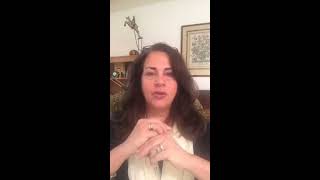
Kathy Caprino draws on 11 years running a coaching practice to debunk myths that trap new coaches: that coaching is just asking questions, that generalism works, that marketing is optional. She walks through the business, financial, and marketing requirements you actually need.
Chapters
Welcome to Brave Up Tuesday. Kathy Caprino here. And I'm so happy to be talking today about the business and practice of coaching and what we need to know that we don't tend to know when we're just starting out. So let me wait one minute and make sure we're live and people are joining. I'm not seeing that which concerns me. There we go. Awesome. Thank you for being here. So let me jump in here. Why am I talking about this? So I've been coaching for 11 years. And briefly, if you don't know this story, I had an 18 year corporate career in marketing and publishing and membership services. Left that abruptly after 9 11, became a therapist, got a master's in therapy, launched a therapy practice and I learned about coaching and got trained in coaching. So back then things were incredibly different about how to run a business, how to make it work, how to be successful, what's required. But I will tell you this, I knew none of it, but I had this assumption that because I was a marketing VP and had worked on, you know, 30 million dollar budgets, it'll all be fine. Well, you know, I learned a lot and made a ton of very, very costly mistakes. So that's why I teach this, why I'm passionate about this. So what were we saying? So when I started out, I did do a few things right. And I was on the board of the ICF in Connecticut, the International Coach Federation. And through that I saw a lot of new coaches and we did a lot of research about what new coaches needed. And what I saw then was that very few were making a good living. Very few, Very few. That was. Thank you. Anyone who's here, please, anything I say that, that resonates or you have a issue about or a question, do give me a thumbs up. It helps me know I'm speaking to real people. So what I saw over and over was I don't, I can't make a living. I don't know how to make a living. And you know, interestingly, some things have changed, but many things have not. About, about this, if you don't understand what coaching is and what is required today, many go broke. And I'm not saying this to be doom and gloom. I'm not saying this to discourage people. I'm saying this so you can have your eyes wide open about the challenges that you'll be facing. Yay. Thanks, Astrid. Real people love it. So. And I do want you all to type in your questions and I'll leave some time for that. So back to making a Living what I want to do here in this. I'm going to make this a little briefer than the rest of my talks because I've heard some people say, make it shorter, please. But if you want to learn more, I have a free webinar that I'm going to post below an hour and a half webinar all about all of these issues. And that's May 31st, so I'll tell you more about that. But what I want to talk about are the top five crippling mistakes that new coaches make and also that people who are consistent coaching make. I want you to avoid these crippling mistakes. Really, that would be my sincerest wish for this. So I want to give you a little more context. I train coaches now. I have a coach certification training. And so I'm hearing from a lot of people who are, you know, in my coaching, one on one, who are considering leaving their corporate life and becoming a coach. I hear, I probably hear about this once a day, every single day of my life from either people on LinkedIn, people who are looking for coaching, people who are looking for thought leadership and marketing training. So I want to tell you the biggest mistake I see over and over and over is that people fantasize about what coaching is, but they really don't have any idea. So, so here's what I hear. You know, it might be a corporate marketing person, corporate finance person, corporate HR person. And they say the fantasy is for me to be a coach. Why? Well, I like to fix people. I like to fix problems. I like to offer advice. None of that is coaching. If you're going into it to fix people, you're going to find that that desire is going to get very thwarted because it's the antithesis of coaching. Coaching is not about fixing people. It's about helping them tap into their amazing resources and power and abilities and guide them and partner with them in a way that they can achieve their highest visions. But if you're going into it because you want to fix people, again, you're going to be frustrated because that's not coaching. That's consulting. That's. Who knows what that is? That's not even good therapy, really. And often people want to go into coaching because they feel themselves are broken. They feel that they need to shift, and they think that the best way to do that is help other people shift. And that's not accurate either. You know, there's something called a wounded healer, and I know because I was one, where you have wounds and you are trying to heal them through almost projecting that onto the person. And so none of these situations make a good coach. You know, when I decided to become a therapist, right after I was laid off after 9, 11. So this was in early 2002. Yeah. I mean, I was drawn to therapy, I think in the beginning so that I could understand what has happened to me. How did I have this 18 year corporate career that was so miserable? How did I get stuck in such unhappiness? So, you know, thankfully I worked through that during the three year Masters and when I came out, it wasn't about how do I heal myself, it was how do I help other people. But I want you to understand. So let me talk about the five most crippling myths I hear that new coaches make or people thinking about becoming coaches make. The first is what coaching really is and how to help their clients make change. So I am going to be brave here and take on what I see conventional coach training do, which is, to me, a deep mistake. They train that, they train that. It's all in the questions you ask and that you don't really have to have any expertise in what you're coaching about. Well, I disagree on two fronts today. Money is tight for people and when they need help, they want to go to someone who has been through what they've been through and overcome it. That's the reality. So 10 years ago, life coaching was, was a big thing. Now, I have to say, you know, we all have seen Saturday night, Saturday Night Live sketches about, oh, I got a life coach. Life coaching can have a very bad name. In fact, for many people, it's a dirty word. For me, I see that there's a lot of life coaches that really have no experience, no training, and they just hang their shingle and say they're a life coach. That makes my head explode. In order to help people, you need a lot of training, a lot of training, and you need to turn yourself inside and out so that you are kind of the cleanest vessel you can be of help. So a lot of young people, a lot of millennials are like, I'm just going to start a life coaching online business. They're not trained and they don't understand how to run a business and they don't have marketing and business skills and they don't know how to help people and they're chasing after, let me make a million dollars running a course. The whole thing is wrong. It won't happen for you that way. It won't be successful. Coaching is not just about the questions. You Ask. In my opinion, you need a proven model for change. A model where every client that comes to you, you can bring them through your model and terms of how you're looking at the challenges and how you are helping them look at the challenges. And this model is applicable for everybody that you're working with. Number two, and that's just not in. That's not just about the questions you ask. It's about how you see change. And that requires expertise, right? The second thing is this, what people want today, as I said, is deep expertise. So, for instance. Thank you so much. For instance, if you want to change your career, are you going to go to a life coach or are you going to go to a career coach? You're going to go to a career coach, right? You're going to go to someone who has deep, many years experience in how to help people change their careers. If you're getting a divorce and you want a coach, are you going to go to just a general coach or are you going to go to a divorce coach? If you want a coach to help you lose weight, do you go to just a general coach or someone who helps people lose weight? On top of that, it's even more powerful when the person has lost weight themselves. To me, there are many issues that if you have zero understanding about these issues, you're just not as effective as a coach. This is the reality. But coach training doesn't want to tell you that. And in fact, when I've posted some stuff on LinkedIn about that, you know, one guy, for instance, wrote, I love everything you wrote, except the idea that the coach has to know something about what they're coaching. I don't agree. You know, feel free not to agree. But having worked with so many people, 11,000 people in 11 years, and in training coaches, if you have zero idea of the challenges, you know, personal experience with the challenges that people are coming to you with, you're not as effective. So that's number one. Number two myth that people need to understand. A lot of people fantasize that coaching is sitting at your desk on the phone helping people. That's literally 10% of what a thriving coaching business is. So let me talk about that. The average coach makes about $30,000 a year. That's the reality. You have executive coaches that make more because they are highly trained in supporting people in executive functions to have more success. So they have training and they're hired typically by the company for that kind of situation. You're paid more. You're paid more by the hour. So for me, for instance, I'm paid $675 an hour for that. For the direct work that I'm doing with clients, it's more like 500 an hour. And the reason you're paid more is that there's actually more work that has to be done behind the scenes. You know, you're dealing with the sponsor, the person who's responsible for paying you. Then you're dealing with the client. Then you're doing a lot of reporting. Where was I going on that? Where was I? What was up? So the average life coach makes about $30,000 a year. That may be enough for you. If that's enough for you, then you don't have to worry too much about the rest of the stuff I'm talking about. If that's not enough for you, if you need to make $100,000 or $80,000 or you want to make multiple six figures, then you have to understand that coaching, Love it is. Is a business, and you have to run it like a business. So I hear from a lot of women who say, I don't like marketing. I don't want to find referral partners. I don't understand anything about online. Well, you're not going to succeed. And here's why. Coaching now has become a global endeavor. It used to be, it was local before the Internet. You know, you'd find in your town the woman or the man who was the career coach or the executive coach, or, you know, you'd get referrals and it would be done on the phone. Now everything's online. So if you wanted to look for a career coach, you would Google in. Do a Google search, best career coaches for women, and you're going to see 50 people listed in the. In the top three pages of Google. Those people didn't get there without either being thought leaders or doing paid ads or having an amazing website with a lot of free content or having a newsletter or being well known on LinkedIn. And so there are essentials to being noticed as a coach that you have to understand. It's like, let's say you wanted to start a store, but you didn't want to do any advertising. So no one knows who you are or what you're about or what you offer or why we should come to your store. So you have to understand what. What allows a coach to make money. And that is exposure, thought leadership, referral partners, that you're out there giving free content, that you have a great website, that you have downloadable free materials that people want. So you can build a list. So I'm just going to throw out, I'm going to be snarky for a minute. I've seen a lot of these marketing coach marketing gurus say you can make a million dollars or you can and what they're offering is such bleep wow. So one tactic you're going to hear is just run a telesummit and what you'll do is build your list. So what that means is let's say you want to do, you're in wellness, you're a wellness coach and you're not known at all. Well, just find 10 women or men who are wellness coaches or known in that field to do your telesummit and then you will be promoted to these people's lists and woohoo. Overnight you'll have 50,000 people on your list. It doesn't work that way. And even if it did, once you have 50,000 people on your list, what are you going to offer them? You can't shortcut success like this, right? Secondly, the people who are well known in the field aren't going to do your telus summit because they already have 100,000 people on their list. So they're not going to participate in that if they've got the clout that these marketing gurus are talking about. So these quick fixes are not going to get you what you want. So all of this marketing training that's about quick fix and you can make a million tomorrow and you can build your list to a hundred thousand. It's nonsense. And you're paying money for this nonsense. It gets me mad because I then hear from all the people who have paid $10,000 to learn how to build a coaching practice and they lost their money and they're now farther in the hole than they were. So myth number two is you just don't understand the key essentials of marketing and thought leadership and branding etc. They're essential. Another thing I want to talk about in relation to that is there are key essentials that are required in your behavior. To be a successful coach, you've got to be incredibly, well boundaried. So for instance, if you have no strong boundaries, if everybody gets under your skin, if you get walked over all the time and people take advantage of you, you can't be a good coach because you're going to be taken advantage of right and left. So to be a good coach, thank you everyone. You've got to have strong boundaries, you've got to have great time management, a lot of New coaches and I did this, too. Let's say your sessions are an hour. They run over 15 minutes, 20 minutes chronically, because they don't feel they offer enough value. All of this is going to impinge on your ability to be successful and make good money as a coach. Your communication has to be strong. People are going to want to take advantage or people are going to miss, mistreat you. You've got to know how to be incredibly strong. A lot of people actually run from their corporate life thinking, I can't deal with any of this. I can't stand how I'm mistreated. Let me know if this resonates. I can't stand my toxic bosses and it's all going to go away when I become a coach. No, it isn't. It's all going to be right there unless you know how to deal with it. So you don't want to run away from your corporate life. You want to empower and strengthen and brave up there so that you can transition to being a coach in a powerful way. Okay, I'm going to talk about. So we've talked about three things there. The fourth thing is the financial and business principles needed to sustain a successful business. So I want to tell you, so many people, women I work with, women primarily, do not want to invest in themselves. They don't want to invest in their own growth. They don't want to invest in their own training. They don't want to invest in a good website. You need all this because you're competing in a very tough field and you're competing globally. So as I said, if you're a career coach and you want to be found, you've got to understand that you're competing against other people who've been in for 10 years, have beautiful websites, have videos and have podcasts and have great free material. I don't mean this to upset you. I just want you to know that's what you're competing against. So you are going to have to invest in these basic things that are going to put you on the map as a coach. So if you have zero money to do that, you're going to have to think about, where am I going to fund the materials and the website and the virtual assistant that I need to help me get off the ground. If I can't fund that now, what am I going to do? Perhaps you stay in your job a little longer. Perhaps, you know, I say always do what you need to stay afloat financially and otherwise, but always plant the seeds for your Future self. Maybe it's not time to quit your HR job or your marketing job today. Maybe you wait a year while you're socking away money, while you're doing some coaching on the side so you get a feel for how great you are at this and understand that proven model for change that you need. But you need to understand the financial and business principles involved. I'm going to talk about the fifth crippling mistake that new coaches make. They don't build support. So here's the thing. You cannot do this by yourself. You need other people to be talking about. You need word of mouth. You need referral partners. You need to understand, for instance, when this client actually needs therapy. Thank you so much. I'm watching you guys. I love it. Thank you. There will be many times that what your client needs is not what you offer. They might need therapeutic support. They might need suicide prevention. I've had two people in the last month who I've been involved with, either as a course trainer or in my group thriving after narcissism. My Facebook group have talked about suicide. You got to know how to handle that. It's not just therapists that handle that. It's coaches. People have said to me, you know, I want to stay out of the realm of therapy. You know, in coaching, I won't have to deal with that darkness. It's not true. People come to coaching with deep emotional issues. And if you're afraid of that or don't have referral partners, like a great therapist, like a great divorce lawyer, like a mediator, like a financial consultant, you're going to think that you can consult and provide information that's out of your wheelhouse. So the reality is you need people. You don't just want to hang a shingle and call yourself a coach without having a support network in place. Now, how am I doing with time? There's five other crippling. Thank you, everyone. Five other crippling mistakes that new coaches make. And I'm going to talk to you about them in my webinar. Again. I'm going to post that link the minute I stop this video. It's about growing your coaching and it talks about what you need, the 10 crippling mistakes new coaches make and how to overcome them and how to plan for them and what you really know to build a great. To build more success. But why don't I do this? Let me take your questions. What are you struggling with? And what's interesting is coaches don't want to admit that they're struggling so they stay hidden, and they stay stuck in their struggles. They want to project that they've got it all together. But when I talk to coaches about their real situation, many of them are not making any money. Many of them don't know how to get clients. Many of them know that they need some thought leadership, would like to start a blog, but don't know where to begin. They have deep challenges, but they don't want to admit them. Well, I'm asking you to admit them right here. Tell me what you're struggling with. Type it in, and let me answer your questions. Okay. Don't be shy. I'm gonna be looking for them here. What do you got, Donna, Yamiel, Jan, Let me know what. What. What are your questions? Please. Let me coach you. Who's got a question? Who's struggling? Who is thinking about coaching and feels like they're ready but still has questions? Maybe about how long it takes, maybe about how do you get known? How do you find followers? How do you fill a client pipeline? What are your questions, folks? Let me answer them. I'm gonna wait. All right. I'm gonna wait one more minute. Don't be shy. You're here because you. You are thinking about being a coach or you are a coach. Ask for help. What else can I tell you? Let me talk about one other thing. Competitive advantage. Oh, thank goodness. There's a question. Yay. Because I love it. Oh, fantastic. All right, let me take them as they come. Is it Yamiel? Jamiel? What a beautiful name. What's the best approach for beginning a thought leadership blog? I love it, love it, love it. Okay, thanks, Karen. Thought leadership blog. Okay. This is something I can really talk about, because I have 25 million views on my blogs, and I'm proud of that. It's been probably eight years that I've been blogging. Six years on Forbes, about five years on Huffington Post, maybe three years on LinkedIn. So here's the deal. What people are looking for. Well, let's start. Start here. Thought leadership is just that. You're indicating your leadership as a thinker about the particular topics that you care about. Well, to do that, to be a thought leader, you have to do a few things. You have to be an expert on one or two areas, or you have to be a student of those areas where you're interviewing people who are experts. Being a thought leader means you're bringing new ideas, new perspectives, new concepts to the topic at hand. For. For the purpose of leading people to a new revelation, a new realization, a New way of being, a new way of thinking. When you're just beginning, you don't have that. When I was just starting out. So let me give you an example. I got a three year master's in marriage and family therapy. One of my keen interests was parenting. I didn't have a certification in parenting, but the marriage and family therapy training taught me a lot about parenting. And I had young kids so I decided I wanted to talk and teach about parenting. So I began to focus intensely on that. I found the work of Carl Rogers through my masters, who's a humanist psychologist, no longer with us, but beautiful work. And I started to focus intensely on what can I learn from gurus and brilliant masters in in therapy that will help me with parenting. So I found one thing that I became somewhat of an expert in, empathic parenting and I began to talk about it. Train, train, do workshops, talk to parent teacher associations, all about parenting with empathy. And after doing that for a year, I gained a lot of expertise and I talked to a lot of people and learned a lot so then I could start writing about it. So you start being a thought leader by focusing on one or two topics and learning everything you can and continually bringing new thoughts to it. And if you're really at a loss for new ideas, you interview people. You know, on my Forbes blog, I think one thing that helped it really take off was I began interviewing people, leaders, Tony Robbins, Pulitzer prize winners, you know, real movers and shakers, millionaires, entrepreneurial experts. I did it for two reasons. One, to bring new ideas to my readers. Two, to learn myself. So that's how you begin. That's a fantastic question. I do have a thought leadership coaching four session coaching program. Kathy Caprino.com thought leadership. Check that out. There's some really great free resources there. A really fun webinar I did with the amazing Jason Miller who is the co founder of Peaceful Media. And so you'll see a lot of stuff there. Hope it's helpful. All right, let me go back here. Donna. Hi Donna, so nice to see you on every one of these videos. I'm struggling with how to feel like I have researched enough. I am struggling with how to feel like I have researched enough to offer my expertise. So, so I'm struggling with one question. What people want is not that you're a researcher. They want to know that you can help them, that you have the expertise and the experience and the know how to help them. Do you feel you have that? So let me, let me just really make this point. When people Come to me. What they say when I ask, why did you choose? In my intake, I ask, why did you choose Kathy? Almost invariably they say, one, because she's been through what I'm going through. She knows, and she talks the language of knowing. Two, she's helped a lot of people. I can see that by the testimonial page and all that. So they're not asking me about my research, they're asking me. They're wanting a demonstration that I can help them with their challenges. So, Donna, that's what you have to prove. So tell me more about that. Do you feel like you have enough to prove to validate that you have expertise? Now what people will say is, I'm a beginning coach. I don't have that yet, so you got to go get it. When I started as a coach, I took five pro bono clients. And it really was a game changer for me. I knew I didn't know enough to charge yet. I didn't. So I offered, I sent a, you know, a note out to my community. Hey, folks, I'm a trained therapist, former corporate executive, but now I'm, you know, I'm launching a coaching practice and I'd love to take five clients for free for, you know, three or four sessions because I'd love to, you know, build my expertise and I'll also begin to offer some support. Well, by the end of six months, I had a lot of expertise. It's a heck of a lot better than having none. So I would try that. But Donna, write more about, about your expertise and where it stands. So how do I pronounce? Is it, is it Zilivia? Zylivia? Oh, I'm sorry if I'm not getting that right. How do I start with a full time job? Well, are you working now? What you need to do is get a job. A job, preferably in the area that you're interested in. Like, let's. I don't know if you're working, but if you're not and you're just starting out, maybe you get a job in hr. It depends on what you're certified and trained and what your education is, but. Oh, are you thinking you'll have to help me understand your question. You're not going to get a full time job coaching. That's not how it works. Generally there I can't even think of full time coaching jobs. What I mean is continue with the work that you're doing, whatever that is, while you're planting the seeds for building an outside coaching practice. But for Many people. You know, it's going to take you more than six months, a year or two to be earning, to even be thinking you can earn consistent living as a coach. It takes time. So you're either going to have to have that funding or you're going to have to be working in some other capacity while you're doing coaching part time. Tana. In my little niche, caregiving support. So do you have expertise with that? And are you wanting to be a coach with that or are you wanting to help people transform? Tell me more. Tell me more. Tell me exactly what the struggle is and I'll. And I'll answer it. Sorry. Whoops. Okay. Whoo. That was scary. It went off for a minute. All right, Karen. I was a sleep coach for 12 years. Interesting. How do I transition to a life and career coach? What certification programs teach you to coach? Wow, Karen. Well, I'm going to give you some tips. 12 years as a sleep coach. I would ask you why you want to transition. What are you thinking? Life and career coaching is going to give you that sleep coaching didn't. If we work together, I would want to make sure that you understood why you want to do that, that you're not running away from something. You know, I've had therapy course members and clients who want to leave therapy and be a coach because they're tired of working with hard depress stuff. But we've talked about in coaching there can be hard, depressive stuff. So I would want to talk to you about why you want to transition. And life and career coach are two very different things, Incredibly different. This is what frustrates me about the coaching community. So I've been doing career coaching for 11 years to be a career coach. And I'm sorry, folks, if you don't. If the coaching training world doesn't agree. But you have to understand everything about careers. You have to understand about resumes, LinkedIn, networking. You can't be a good coach in careers if you don't know everything about careers. Recruiting, how to build a network, mentoring, everything. You have to understand about specific industries. You know, you really do have to in many cases, if you can wear two hats. Being a consultant where it's necessary, being a coach when it's. When it's called for. Life coaching is very different. And I'm going to say this, I'm going to come out and say this. I don't think anyone should become a life coach. I think you need a niche. Divorce, sleep, career, health, fitness, life coaching is going away. That's what I Believe or calling yourself that is starting to go away. Tony Robbins calls himself a life coach, but he's been around for, you know, many years and he charges a million dollars per client and he's written 10 best selling books and he has amazing events. He can call himself whatever he wants. But I do not recommend people becoming life coaches. It's too general and I don't think it's going to get you where you want to go. But let me talk, Karen, about certification. I have a certification training. In fact, it's moving along so well. I'm now offering it twice a year. I was only offering it once a year and the next session starts in June and it trains on my amazing career project methodology. So people taking this training are certified in that methodology and they're licensed when they pass the certification. They're licensed to use that video series in their practice which answers a lot of these questions, issues. It gives you a methodology to use. It teaches you an approved model for change. It gives you some branding capability that you didn't have before because you're an amazing career certified coach and it teaches you the basics of coaching. I do believe that every coach needs to have would say a year long training. And the best coach training organization I know of is CTI Coactive. I'll give you the link to that. I've interviewed the founder, co founder Karen Kimsey, house lover. But my, my training course is designed exactly for this. For people who want to understand what coaching is at the deepest level, for people who want to be a change agent and also for people who want, who want to understand the business pieces of coaching. So check it out. I'll put a link to my webinar, my free webinar and also to the link to my certification. I hope that's helpful. All right, Karen. I want to create a niche market of women in transition. Okay. But I'm going to tell you this empty nest, divorce and career are three radically different things. Things I'm not a fan of doing, that I'm a fan of choosing one and being an expert in it. Then you will make money easily. Then you will attract people who are the right people. It's too broad. Transition is everybody on the planet. And I can tell you when someone wants career transition, they're going to go to someone who's done career work. They're not going to go to someone who is saying every piece of transition I can help you with. That's my belief. That's what I've seen. I hope that's helpful. I'M trying to be helpful here and help you bypass the mistakes I see so many new coaches make. You can't coach about everything. You simply can't. Like, a 20 year old who's never been married and has never gone through divorce is not going to be the one you go to. When you're going through a divorce and you're 50, it's just not. All right, Monica, you're awesome for doing this. Oh, I appreciate that. I know I need to go live too, but I'm terrified. What are you terrified about? Let me help you. But I know change is terrifying. You know, this is braving up. This is braving up, saying, I want to do this. I'm not going to hide my head in the sand. I'm not going to be in denial. I'm going to look in what is required to be a successful entrepreneur, because that's what coaching is. If you think you're going to make 100 grand or 80 grand and you don't understand that's an entrepreneurial venture, you're going to struggle and suffer. Monica, how do you ask people for testimonials if their work with you is confidential? You know what? You'd be shocked. Some people don't want to let on that they're working with you. But even people who are doing some kind of confidential work, if they love you, they'll find a way to say what. Say an amazing thing about you, even though. And it doesn't let on what they're coming to you about. Kathy's amazing. She helped me with a huge transition in my life and she's the one, you know, look at my testimonial page about what people can say. And some of them, you know, off the top of your head, you wouldn't think that they would be comfortable doing that. Ask everybody who's loved your work, would they do it. Oh. Oh, Monica. Facebook Live. Yeah. It is terrifying. Look at this. The lighting still isn't right. It's crazy. I've. I've been disconnected 52 times. I don't have enough Internet, you know, connection. Just do it. The cool thing about Facebook Live is it doesn't have to be all neat and beautiful with intros and outros and music. It's just you sitting in your office. Do it. Just do it. And you know what? Doing Facebook Live to me and for you is one of those things that you think you're gonna have a heart attack, and then after you do it, you're like, oh, okay, that wasn't so bad. I Did it do the thing that you think you cannot do and then you just. It builds your confidence. Alright, I'm gonna take one more question. Jan. Hi, Jan. Still trying to coach from within a large organization. How do I help at a team level? Why don't you write me, Jan, and we'll talk about that? Do you mean how do you coach a team? How do you coach a group from, you know. Is that what you're talking about? Well, there's all sorts of approaches to coaching a group and so let's talk about that. You don't mean you want to start a business, you mean you want to coach within your organization. Let's chat about that. All right. Oh, Monica, you're funny. You're awesome too. I hope that's been helpful everyone. If you have specific questions, type them below and let me see if I can answer them. Some of them I can answer in a sentence. Some you might need some one on one work again. Look for the link to my free webinar about the five essential steps to building more success and impact as a coach. Live and breathe this. I see what people are struggling with and I'm speaking from that. I did a survey. My last survey was 500 people. This survey is 200 people about what they're struggling with. I know what people are struggling with. Let me help you. I do have a coach certification, training. It's, it's pretty awesome if I do say so myself. It's everything I wish someone had taught me when I was starting as a coach and I wouldn't have struggled and I wouldn't have, you know, gone broke. I'm at multiple six figures now. I plan to double that, you know, within five years, hopefully a lot sooner. I will make no promises, but I know what it is to go through these challenges and be heartbroken that you're not having this success you want and then figuring it out. So join me everyone and thank you so much. Stay tuned and I hope to see you next week. Alrighty. Bye now.
More from Kathy


Elevate Yourself, Elevate Others, and Amplify Good | Chris Cooper | Finding Brave Ep. 334

Finding Brave Epis #333: How Leaders Can Harness AI Without Losing Their Humanity, w/Bennett Borden

Finding Brave Epis 332- How to Stay Brave, Valuable and Visible in the Age of AI, with Raman Rai

Finding Brave Epis 331 - The Power of Positive Disruption, with Dr. Patrick Leddin


Finding Brave Epis 330 - Being 40: Letting Go and Embracing Who You Are, with Stacey Lindsay

Disrupt Career Reinvention with Kathy Caprino - via The Disruption Lab Podcast w/Patrick Leddin

Creating Neurodiversity-Friendly Work Cultures: Simple Workplace Adjustments Matter

Finding Brave Epis 329 - How To Create a Neurodiversity-Friendly Workplace, with Kristen Pressner

Finding Brave Epis. 328: Reclaiming the Power to Trust Your Own Voice, with Dr. Cindy McGovern