Listen with Intention to Motivate Your Team with Jill Bruno
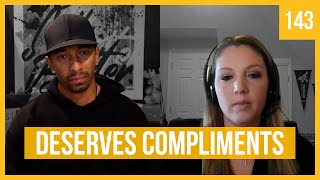
This is an excerpt from a YouTube interview (host Kevin “KD” Dorsey; guest Jill Bruno) about leadership and motivating sales teams. Jill emphasizes listening with intention, building rapport through storytelling and one-on-ones, observing small behavioral triggers, and tailoring motivation to individual drivers (money, activity/effort, recognition). The clip includes practical coaching techniques: asking personal, sincere questions with the right tone, testing reactions to compliments, and using small gestures (e.g., sending baby items) to show care and strengthen trust.
Chapters
So I would say I test the waters with a little bit. Obviously, I give everybody compliments when do. But I really pay attention to who does it excite the most.
Say that again, please. I want to. I want to. I don't want to make people rewind. I want you to say that again, please.
Everybody deserves the compliments, but I pay attention to who it matters most. To some people if there's an issue and maybe they lose op credit because maybe it was their fault they forgot to check Salesforce forgot to check the dupe. So those are just little trigger events that I try to pay attention to just to make sure that we can have smooth sailing.
So many leaders and managers, you know, they force people to work or they expect it, that one day is not going to make or break that individual's week or month or quarter. And to your point, you were saying it very, very well. In fact, if anything, if she does work that day, it negatively impacts results because there's no way she's her best, best self on that Friday while she's thinking about, oh my God, right when am I going to do it? And then there's no way she's her best self Monday, which then causes worse results, which then can get in their head. And now they're in a slump of like, I'm not performing, like, but you just give someone a day to go handle the thing. So I love, I love the way that you think through this because I think people get so caught up in like, oh, just go, go, go. And it's like, no, actually giving that day would improve the results.
Absolutely.
So, okay, so I love this. So then how do you get to know your reps? Right. Like you mentioned kind of like asking questions. So, like, are there specific questions, like, to ask all of your reps, like, how do you start to understand maybe what their motivators are?
So one way that I find that I get to know people well is I'm a storyteller. So if I hear a common interest or a common scenario or experience, if I can somehow relate in that story and I do it, I don't even realize when I do it. But that's one way I can be like, oh, my gosh, like, wow, you're going to Disney World. Like, I love Disney World. When I went, I went on this ride. You should go do it. So I try to relate through experiences as much as I can. And I also, I don't have a magic wand. I don't do anything that is groundbreaking. But it's as simple as one on ones, you know, do you have any plans for the weekend? Like, how did your week go? Did you do anything fun after work? Or, you know, even if I have a huddle or across the team, like, oh, who has an awesome story to share? Completely not work related. Let's talk about it. And then through there now I can tell you the names of my team members. Cats. And which are the silly cats and which are the, the serious cats. I can tell you how pregnancies are going for some of, you know, the men on my team, how their wives feel. And then I can relate because actually my daughter, she'll be two in January, so I just shipped them a whole bunch of baby stuff. I'm like, oh, this is what you need. Like, this will help the baby not cry. But, you know, it's little moments like that where I hope that my team really knows that I care about them so deeply. They are my tribe, they are my people. I'm mama bear. I will defend them till everything, till the ends of this earth. And that's all just through the relationships because I genuinely know how they are, some of their struggles and, you know, their moments of success. And again, I just find like, if I'm real with them, they're going to be real back to me because how could you open up to somebody that's so serious? Only work, Like, I would feel uncomfortable with that. So I have to lead by example that I'm willing to share. And whatever you want to share back, I am all ears. Because let's face it, being a manager, we're a friend, we're a parent, we're a leader, we're lateral, we're a therapist. Sometimes I think I'm a doctor. I don't know that I should be, but I have diagnosed my fair share of things that I'm not qualified to do. But, you know, we wear a lot of hats and you know, the biggest hat I want to wear is just be a human, be a real person. And you know, as long as you hire the right people, hopefully you get, you know, some reciprocation there.
So everyone listening, I want you to rewind about two minutes and I want you to listen to how her tone changes when she's asking these questions. Because this was gold, right? And the people that do this in real life, I can tell because you can't help it. So when she asked the question, what are you doing this weekend? Listen to how her tone changed. Because you could tell in the tone that it was asking with intention and this was A role play. This wasn't even a real conversation, but when she asked it, it immediately switched to, so, like, what. What are you doing this weekend? What's. What's going. That is what Mrs. I think for a lot of managers is they may ask some of these questions, but they're not asking it with intention. They're not asking it with true focus on the individual. So, everyone, I want you to go back and listen to that segment again, but listen to how she asked the questions, not just the questions she asks, because that was perfectly done. Like, perfectly so. Okay, so now let's keep going here because, you know, we're talking about motivation, but what we still haven't really, I think, addressed yet is what motivates people, right? So it's one thing to get to know them, right? All right, I'm getting to know you. I know you got Julie the silly cat and Oliver the serious cat. And I know that your, you know, your wife isn't sleeping that well because of the pregnancy. She's uncomfortable. And I sent you the onesies. That's great. That's building the relationship. But then how do you motivate, right? How do you change the minds to then change the behaviors of the people on your team? Because I believe where we've covered so far is the foundation. Because if you don't have that connection, right, if you don't have that trust, you don't have that relationship, nothing else matters. But now we know those things. How are you then motivating your team to achieve more, to be more with this foundation?
So I've, ironically enough, found a lot of motivators when my team comes to me, when they're feeling off, when they're not having a good week, and, you know, some of the tougher conversations that I imagine for them to come to me that are had so I could tell you on my team, just through the struggles and the fact they can trust to come to me with everything, that some people, yeah, they're motivated by money. I mean, we're in sales, so I feel like that goes without saying. But who's motivated by activity? I have some reps that enough is never enough. And they just need a 3x activity of everybody else because they don't feel that they're accomplished unless they're genuinely calling, emailing, prospecting, eight hours of the day. And then, you know, some people, they're motivated just by a good job, you know, and attaboy. Like, I thought you did great. So that verbal validation, that verbal affirmation, so that's where, you know, again, all it takes is, you know what? I listened to that call and compared to the call last week, you did fantastic. And they're like, really? You caught that? Thanks. So sometimes that's all that it takes. And then obviously we can dive into the metrics and the KPIs to really check, you know, how our email is going, how our calls connect, so on and so forth, which I can then tie into further motivation. But, yeah, I really do pull a lot of it from just moments when they feel really down because that's my opportunity to bring them back up.
How are you learning those things? Like, how are you learning who's the money motivated individual versus who's the activity motivated individual versus who's the recognition? Like, how are you. How are you learning that?
So I would say I test the waters with a little bit. Obviously, I give everybody compliments when do. But I really pay attention to who does it excite the most. Like, I can tell you there's.
Say that again, please. I want to. I want to. I don't want to make people rewind. I want you to say that again, please.
Oh, geez. Let me remember my words here. But I start again. Like I said, equally, everybody, you know, deserves the compliments, but I pay attention to who it matters most to because some people, you know, they know they're good. So, like, yeah, of course that call was good. Where others genuinely, wholeheartedly are like, jill, thank you so much. And that's honestly how I am. You know, I. For me, I just need to hear, like, jill, you're doing good. Like, I really appreciate it. And then that's like my mental reset. Like, awesome. Somebody knows I'm doing a good job. That's all it takes. So I make that obvious. Like, tell me I'm doing good. So, yeah, like I said, I really listen to that. But then, you know, it's. How do people react to. I test certain things. What are those reactions? And then that's where I can pinpoint. You know, some people, if there's an issue, and maybe they lose op credit because maybe it was their fault, they forgot to check Salesforce forgot to check the dupe. And then that person is like, listen, I know it shouldn't be to me, so I gave it to somebody else. Where some people are the opposite. They're like, no, like, it's not my fault Salesforce was wrong. Like, you can't take that out from me. So then that's where I can see, okay, you're very motivated by money. So you losing one opportunity could ruin your day, as opposed to the other person that they see their error and they're motivated by making sure that they don't make that mistake again. Cause they don't like how it stings right now. So those are just little trigger events that I try to pay attention to just to make sure that we can have smooth sailing.
I just. Ah, I love it. You're getting me fired up right now, Joe. Right. Like, we haven't had conversations like this. So it's fun just to, like, get into your style. Because it is the magic of this is the paying attention, the noticing of the little things and then using that information later. Like, I love that.
Sam.
More from Kevin











#shorts THE POWER OF RECOGNITION: How Do You Empower People with Zoe Hartsfield