How to Build an Uncommon Brand with Kenny Nguyen
In this 2022 webinar, Kenny Nguyen shares his personal journey—from teenage musician and aspiring chef to founder of the branding agency 368—and uses it to illustrate how to create an "uncommon" brand. He defines an uncommon brand as one that lives a purpose that is larger than its product, positioning the company as an X‑ideal disguised as a Y‑business (e.g., Patagonia = environmental conservation disguised as a clothing brand). Nguyen explains the difference between brand (an outcome of consistent purpose‑driven actions) and brand marketing (a set of outputs). He introduces the concepts of cultural tension (the problem the world faces without the brand’s intervention), the uncommon future (the world after the brand’s impact), and brand purpose (the daily actions that bridge the two). Through interactive exercises, audience members identify their own cultural tension, uncommon future, and purpose. Nguyen then outlines five practical ways to live purpose: debunking industry myths, creating mission‑aligned perks, embedding social good in the business model, acting as a platform for others, and making hard, profit‑sacrificing decisions. He reinforces these ideas with case studies (Patagonia, Ben & Jerry’s, Spanx, Lioness, Little Man Ice Cream, Getaway, CVS, Airbnb, etc.) and discusses hiring for values, performance reviews tied to purpose, and the importance of a brand scorecard. The session ends with a recap, Q&A, and a call to email him for the presentation deck.
Chapters
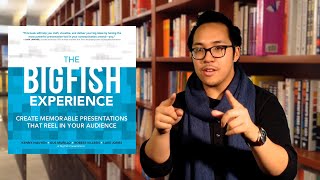
Let's do it, y'all. So the uncommon ones, what does it take to create an uncommon brand? I thought that before I dive into what does it take to create an uncommon brand, I tell you a little story about the history of 368. Some of y'all have mentioned that like I've always been your host, but I never really share with you my story. So I thought this would be the one time I'll get over my imposter syndrome and just tell you my my little story about what is 360, what led to this, and why is this the presentation for today. So we'll fast forward back a couple of years ago, during my thug life years. This is me at 16 years old. So I'd say about 16 years ago. During this time in my life, y'all, I've always wanted to do something creative. I always had that energy. If you know me, I'm the guy that you probably see running around, shaking hands, introducing you to cool people. I was still like that when I was 16 years old. But all that creative energy was usually spent in music. And during that time in my life, I'm the guy to the left, bass guitarist here. I wanted to, I wanted to be in a band that made it big, but I was never really good enough. Funny enough, Jeremy, my business partner, who Emily here just posted in episode 44, he's way more talented than I am in music. His band actually did some touring. And so I realized like I could not do that. And so I decided to focus on the next big thing, which was cooking. I love cooking, bringing people together. Together. If you've ever been to the house, I think some people actually in this chat have, you know what it's like when you come over to the Nguyen household, we're cooking for you. But during this period of my life, I wanted to become a chef. I want to use that creativity to bring people together. But unfortunately, I made some really dumb decisions. And I lost a culinary scholarship. And unfortunately, during that time, you know, I had no really other options in my life. So I decided to go find myself in Vietnam. So I went to Vietnam.. And there I had a spiritual epiphany that changed my life. And that spiritual epiphany was pretty simple. It was go to college. I know, really low bar. Obviously you can probably tell I went to LSU. At LSU, I went and joined a student organization called, uh, IAME. Actually, I was a co-founder of it. And during this time as well, I started joining other organizations. And in one of the orgs I was in, uh, this is the founding story. Like one of my founding stories here is that we had a presenter that was a Fortune 500 executive. And I remember I was the guy that was responsible for making sure he was teed up. And I was telling him one time, "Hey, you know you have 30 minutes, right, to go on stage? We want to do Q&A." The guy told me, "Son," he called me his son, "When you're a Fortune executive, everyone listens to you no matter how long you go." I was like, "All right, dude. You obviously know more than me." Good luck. The guy goes on for 3 hours and it was crazy because not only this guy going for 3 hours, he had 200 slides and read off every single slide. And during this time I thought to myself, man, if the companies that are presenting like this, that are Fortune 500, are presenting like this, no one's gonna listen to people when they have big ideas. Something's gotta change. So my sophomore year of college, me and a co-founder that started, decided to start this company called Big Fish Presentations. We want to rid the world of boring presentations. We wanted people to actually enjoy giving presentations and be on the receiving end. And it kind of took off. We got on Inc.'s coolest college startups in 2012. We're in Entrepreneur Magazine. We got to meet some amazing people. Like, this is a whole story that I could tell you some other time, meeting Bill Clinton and doing work for him. It was pretty incredible, y'all. And we even had a chance to write a book. But during this time in presentations, though, we realized that we were helping the speakers become better presenters, but we weren't necessarily helping the brand better present themselves in their truth. And there was a firm that was 368 feet down the road called Hatchett that was just amazing at brands telling their story through digital ways. And we decided to actually merge these two companies together becomes 368. And 368 is the culmination of Hatchet and Big Fish. For those of y'all that never knew what 368 meant, now you do. Congratulations, all 35 of y'all here in this room today, is that now you know the reason behind the number. And it's built on the combination of two firms looking to help brands present themselves better, but also the speakers. And the company, what it does really well, is that we help you reveal and execute your purpose. We've been very blessed to work work with some of these companies. You know, I'm not going to read off the logos here. You can read, you can see them. Um, this is the most I'm going to talk about myself about this whole session because this is all about you. But now you know where we came from. We knew that brands have to present themselves better and we knew people have to present themselves better. There's that gap that happens sometimes when what you say and what you do doesn't connect. And that's what we're going to talk about today is how to build an uncommon company. Because an uncommon company is one that builds an uncommon future. And this is what the future that I hope that you can build for your own company. And that's a future championed by challengers, people like you who have the vision to see what others can't and the courage to go where others won't. And I want to read— I want to double down here on courage to go where others won't, because to be a truly great brand, You have to stand above the noise. You have to say no, and you have to know your purpose. You're going to hear me say this multiple times during the presentation. Your purpose doesn't mean anything until it costs you money. Your purpose doesn't mean anything until it costs you money. And that right there is like when you live your purpose, what you see here is called a brand gap. There's a gap that like exists for every company here, and it relies on ad dollars to win temporary attention. The more that you live your purpose, the smaller this gap gets. And the smaller that gap gets, what happens here is that your brand is more likely to make a difference in your consumers' lives because you're living your truth. And you'll hear me say this a lot: advertising is the tax that you pay on things that aren't remarkable. And you pay advertising ad dollars when you need to get attention because sometimes you walk away from your purpose. I find that the best marketing in the world is when the brands live their purpose. You cannot let growth overtake purpose, because purpose at the end of the day is what gets you there. Your values create value. So this is what I'm going to share with you today is how to stand up for what you believe in. First, you got to know who you are. But then you got to execute on who you are as well. I'm going to tell a couple of stories here today that maybe is very helpful as you navigate some of these big decisions. As you look at what's the next level of company, or like, how do we we fix this brand gap within our company. I'll start off with the story here with Patagonia. Some of y'all here might be familiar with Patagonia because Patagonia is one of those brands that are more than just a clothing company. If you look at some of their advertising here, you'll see some crazy stuff such as "Don't buy this jacket," or like reselling items that they've already made. That's because the founders here and the executives of Patagonia believe that climate change, like environmental conservation, is more important than selling clothing. Clothing is just the awareness vehicle, but they have a really big purpose here. I mean, if you look at it, I mean, y'all might remember what happened a couple of years ago was when they got a bunch of money in tax cuts, they donate all that money away for climate change awareness. And so that's like one of the first things I wanted to show y'all today is that Patagonia understands who they are. And that's what uncommon companies do. They understand that they can easily be described as X, an ideal or philosophy disguised as a service or product. And so in this framework, you would think about Patagonia is environmental conservation disguised as a clothing company. Those are the companies that we know that are truly changing the world. And not every one of us here has to change the world, but everyone here knows that if you have a purpose, you recruit, you retain the best talent, and then you will make your mark and you will grow. So I'm gonna throw this out again. Uncommon companies that can easily be described as X ideal/philosophy disguised as a Y company. I'll give you two more examples here. Ben Jerry's and Spanx. When you think of Ben Jerry's, I mean, they were talking about social justice reform way back when, right? They're more than just an ice cream company. Like, their ice cream is used as a medium to bring awareness. Like, their flavors bring awareness to the causes that they back. And then Spanx, of course, you know, Sara Blakely, you know, when you think of Spanx, you know, they're more than just undergarments. What they're really doing here is that they are highlighting women empowerment in entrepreneurship. And so when you think of these companies, you think of Spanx— female empowerment disguised as an undergarment company. Ben Jerry's— social and environmental reform disguised as an ice cream company. That's the kind of level they're thinking at, and that's how they're built an uncommon company. And so this is what I want you to do here. We're going to take about 1 minute here. I'm going to give you a chance in the chat room here. I'm going to play some music as you think. Think about the brands that are actually living their purpose. Like, what are they really known for? And what are they disguised as? And so I would love to hear your thoughts here. Like, let's educate the room. This is where we can learn from each other. So let's see the chat. And I gave you a cheat one right here. Nike is uncovering human potential disguised as a sporting apparel company. I would love to hear what y'all think. Yeah, I can attest to that, Emily. LLB does sponsor the state of Maine. I've been to their flagship store. They're basically Maine The Scots as a clothing company. Thanks for breaking the ice. Let's see some other ones, y'all. Come on, let's go. You know, one of the examples that, uh, someone mentioned to me earlier is, uh, Chick-fil-A. It's like Chick-fil-A is really like a customer service or an or leadership company disguised as, um, as a chicken, as a chicken company, because they have such high potential, high, high recruitment, and then also higher retention for their company. And you see a lot of people that start at Chick-fil-A grow in their careers. Let's see, Subaru as a social cause. Thank you, Julie. Let's see, Joshua, Google is a freedom of information campaign. Disguised as an advertising company. Janelle, uh, Kendra Scott is a philanthropic and women empowerment vehicle, uh, disguised as a jewelry company. Um, Hailey, Apple. I feel like that's easy, but no, they do it well. I mean, that's, that's why we know them. Um, Tom's focusing on providing people with shoes. Yeah, Tom's is more than a shoe company for sure. They're definitely empowerment disguised as shoes. Uh, Brian talks here He posted— Brian, go ahead and share with everyone. Taylor, uh, Buc-ee's, more than a gas station. Oh yeah, totally. So they understand that they're more than a gas station and the end product shows. But so yeah, some y'all get it here. It's like, that's the power of like understanding who you are very early on, is that if you are more than just a company here, you are a movement, you are a philosophy, you're going to end in a very special place. I mean, I know someone mentioned Apple was a very easy example, or Nike and all that. There's a reason why we remember them. It's because we don't just believe in the product. They believe in what they stand for. And that's why uncommon companies market themselves by standing up for their values. Those ads that you see are only extra, because at the end of the day, we're going to back the companies that match similarly to our values. And then, of course, I saw someone post here of Dove empowering women to feel comfortable in their own skin and be themselves. It's so true. Dove is more than just a soap company. I think many can agree with that. And so we're going to dive into this workshop here today. And like, I just want to make sure there's a disclaimer here. Like, we're not doing this today to help you build your brand guidelines or brand story or whatever. We're here to help you reveal what your purpose is at your company and then execute on your purpose. It's not just enough to know who you are. You have to know how can you bring that to life? And we're going to start first with revealing your purpose. So I want to share a disclaimer here though, is that before we dive into actually your purpose, you have to know the difference between brand and brand marketing. Because when people ask us like, I want you to make our brand better, I tell them like, that's a lot of work. They're like, why? It's just logos and fonts. I'm like, no, it's not. Because brand is an outcome of doing many things very well. Like, you know, but brand marketing, that's outputs. But the thing is, like, when you do a bunch of things well like this, this is your external brand, like your product experience, your brand marketing, your performance marketing, your retention, your offline events, innovation, pricing. When you do all this really well, then you have a really good brand. Branding is a very small component of that. The thing that connects us all together is purpose and mission. It's the same thing that what happens with your internal brand, employee experience, operations, leadership, culture, performance, reputation, right? You can read all this is connected together with purpose and mission. And so it's really important here to remember is that your brand is an outcome. Your brand marketing is an output. And so in order for you to be truly great and build a great brand, Your purpose and mission has to live through in the things that you do. And part of that is your values, right? And your values should create value. And so just to make sure y'all know here is that, that distinction right there unlocks how you can make decisions within your company. Now, how do you build a brand though? We find that you build a brand by consistently executing on those various outputs that we mentioned, we just showed you embedded with your purpose. Once you're able to do that, people start believing that you're standing up for something here. And people internally, externally say, wow, so-and-so company here, really, Apple really believes in this. Dove really believes in this. They're making decisions based on their purpose and mission. They're making decisions on their internal leadership, their operations on that. They're making external decisions on their pricing, about their innovation. That's when your brand is starting to unlock because of the purpose behind it. And so this is what we're going to show y'all today, a little exercise. If you have a notebook, take a look at this slide real quick. I encourage you to draw this out. This right here, if you draw this out, what happens here is that you can start drawing out your cultural tension and your uncommon future here. Because what happens here is that you can start outlining what does your brand actually do, because it's in between the cultural tension, which is The thing that will, that keeps happening if your brand doesn't intervene with the uncommon future, that future that you can build if your company executes on what it's supposed to do. And so this is what I want you to write down: cultural tension. When you think of what's at stake for the world, if it keeps going without your company's intervention. And so when you outline that out, think about this. Let's say, um, I'm going to pick on someone here today that I'm friends with. I see you in here, Hanson. I can't wait to hang out with you in SF. Hanson here owns Salt Partners, amazing restaurant group down in San Francisco. They do some amazing work. Really big fans of them. Hanson here, I think, is a very purpose-driven guy. When I think of cultural attention, if his company didn't exist, I don't think we can bring mainstream Asian food and culture to the masses. You know, but I think what he's doing here is that he's building an uncommon future, is that, you know, if his brands hit it to the stratosphere and they're done, what's going to happen here is that we can reinvent the narrative around Asian cuisine. And so that's like pretty incredible stuff here. And so that— what's in the middle of that is your brand purpose, which is essentially like, what will you do every day that results in getting closer to your uncommon future? I'm about to show you an example using a friend of mine's company as well. But the outline that would have you have in the middle is when you look at this, you got to look at what's your cultural attention, what's the problem in the world that if you don't intervene with, like, it's going to get worse, what's that uncommon future, what happens when your brand is done. That brand purpose in the middle is that, you know, your brand, like, let's say your name, so that blank. I'll show you what that looks like in a second using this company as an example. Lioness. This is a company you probably wouldn't expect me to talk over, um, speak to you outside with next to a table. They are the world's first smart vibrator company. They are sexual wellness though. They educate people on sexual wellness. They are more than just an item or a product. If you know the team over there, they're really incredible. Anna Lee is a friend of mine, and what I find so fascinating is how they describe what they do. It's the cultural tension. Lack of access to research on sexual pleasure continues to diminish our personal understanding of our own unique bodies. Imagine that keeps happening. Now, if Lioness finishes its journey, it can change the way the world understands pleasure for women and pleasure for everybody. Imagine they hit that, and then when they combine that right in the middle, that right there is their purpose. Every day we will advance our knowledge and understanding of pleasure so that we can provide access to knowledge for the people to use on their own terms. So they are empowering you. They're more than just a sex item company. They are sexual wellness. They're empowering you with information. That's deep. Because when you think about it like that, your, your mindset's in a whole different category. And so this is the next prompt that I'm going to have here is I'm going to ask you for your own brand here. What's the cultural tension that you have? What's the uncommon future? And then finally, what's the purpose of the brand? Try writing it out in the contribution, so that benefit. I'm gonna play some music here, y'all, so that y'all can think. I'm gonna give us 2 minutes here. We got some time, and don't worry, we're gonna help each other out in the chat room. So yeah, take the next 2 minutes and write up the following prompts that you see on the screen. See here, for those of y'all messaging me, messaging me that this is hard, don't worry, it's supposed to be., but don't worry, don't worry about getting it 100% right. It's okay to get 60 to 70% there. It's exploration journey. And Emily, I'll read your question here. Could your meeting be improving the relationship between your client and their clients through their website? What if your meeting is not as worldly or cultural that still means a lot to you? That's completely okay here. I would say here though, is like, you should be able to know like, what problem are you solving? Every, every company solves a problem, right? And like, what happens to your company is doing its very best. Like, what problem is gonna be solved here that's gonna make it a better future? You might not be like impacting the world, but you know, at least what you're impacting with what you are intending to do. That's your purpose right in the middle. Hopefully that helps. But every, every company here is solving a problem. Every company's having a solution. At the solution at the highest level of which you intend to build, What does that look like? That purpose, right in the middle right there. Yep. Thanks for asking. Let's see. Let's get about 2 folks here to answer. What is your cultural tension? What's your uncommon future? And what is your purpose? Enhancid, have I butchered yours earlier? I'm sorry, but that's how I've always saw your company. That's why I always respect what y'all do at Salt Partners. See, oh, and he showed up. Let's see, Hanson: Chinese food from US is disregarded as inauthentic cuisine where the core benefit is lots of food for not a lot of money. Oh man, preach. Let's see, Jennifer, uh, Latino culinary scholarships contributions so that the future of kitchen leaders will be more diverse benefit. Perfect. Perfect. Let's see a couple more. Um, Jennifer, you asked me, um, how do you answer this when you don't sell a product? We don't sell a product either. Um, as a company, it's totally okay. Uh, what I recommend here is that you're selling a service. For example, um, Jennifer, maybe in healthcare, in your, in your case, is that there's still a cultural tension that happens that if, you know, you don't touch the people you're intending to work with, there's still an uncommon future that happens if you do reach the people you want to help with. And there's still a company purpose, product and service, you know, these are interchangeable. That, that doesn't matter as much. What matters here is that you have a problem that you're willing to solve. And then what your, you know, what your company's gonna look like when it's done. Let's see, Janelle, um, on the comms team at the LSU Foundation. Combine the rising cost of higher education through academic fundraising for Louisiana's flagship university so that more students have access to education and in turn address the world's needs. Damn, super proud to be an alumni at LSU. Thanks for chiming in on that. Katie here, making church relevant to young people so that the next generation will know God and help create a glimpse of heaven here on earth. Damn, that's awesome. Thank you for sharing that, y'all. So yeah, you know, it's— y'all are starting to get it here. I'll read a couple more. Joshua here, who shared it, empowering schools to teach students how to be creators so that the world of tomorrow is filled with creators instead of consumers. That's powerful. Tyler, educating individuals and employers to make the healthcare consumer experience easier and less expensive. Simon, our company is helping reduce the amount of energy usage in large buildings by empowering building operators to be fully in control of their building control It's removed the, the bad practices, uh, the bad industry practice, a planned obsolescence. We haven't obsolete a product in over 35 years. That's incredible. And Jenny Nguyen, State Civil Service, man, assisting state agencies deliver special services to citizens by making sure they're operating as effective as possible. So here, when y'all are able to verbalize these things out loud You know that North Star, you know what you come to work for every day, and that's what recruits and retains talent. Thank you for sharing and breaking the ice, y'all. I'm going to keep us moving here on— after you reveal your purpose, how do you actually execute on it? And this is where most brands actually get it wrong because it's easy to write something on a screen or write like, you know, a bunch of posters around your office. When you get it wrong is when you start growing. And then you start picking growth over purpose. I'm going to help you out with that by putting your values firsthand. And I'm going to remind you here is that your purpose doesn't mean anything until it costs you money. And I'm going to share with you here ways that small businesses without big budgets can showcase their purpose. Because I used to do this talk back then, they're thinking, everyone's thinking, well, what if I'm not a Fortune company? That's okay. You can find things at this level now. So I'm going to show you 4 ways that you can do so. But the first is debunking what majority of your industry claims as truths. This is the first step of being a challenger, is when everyone calls this color blue, you say, no, this is indigo. Like, there's a place for someone that does that as a challenger. I'm going to bring back Linus here. Linus, uh, launched a sex research platform. And what was so interesting was that during the pandemic, everyone kept saying that there was more intimacy and there was more sex happening during the pandemic. However, what they found was that's not the truth. People actually were feeling worse because they quote, quote, "weren't getting any action." And that is where you stand away from everyone is when you debunk what everyone else is saying with actual data and research. And that's why I think Lioness is such a special company is because they're challenging what everyone else is saying. And they are more than just, you know, a sex item company. They're actually educating people saying, hey, don't worry about being alone here. You are not alone. That kind of information can change your mindset and how you look at yourself, because remember, your self-esteem is your reputation with yourself. And that's very important to remember here is that the information that we feed to ourselves becomes our self-esteem. Lioness helps that. They are sexual empowerment disguised as a wellness company. That's the first one, is debunking the myths. The second is create perks aligned with your mission that recruit and retain talent. Y'all, if y'all haven't tried this out before, go outside like I am right now, um, to do this thing called Getaway. Getaway is awesome because what they do is like they just get you off the grid. Of course, that's the name, right? Um, These cabins are awesome. They're growing like crazy. I recommend everyone here, if you get a chance, um, go to a getaway cabin if you're burnt out or just want an escape. Highly suggest this. But what they do so well here is they know that they are more than just a cabin company. They are a free time company. And what they do here is during Labor Day, they have this thing called Labor Week by actually giving their employees time off during one of their busiest times of the year, because they know that they want their employees here to actually take a break. They know the value of that because Getaway is more than just a cabin company. They're a mental wellness company disguised as a cabin rental company. You see what we're doing here, y'all? If you're reading these slides here that I have, you're noticing there's a trend here is that they're more than just the service that they sell or the product that they sell. They are representing something even bigger. So you just saw sexual wellness, you saw mental wellness as well. Now third, embed doing good in your business model from the start and be transparent about progress. Y'all, for those of y'all here that are from Denver, Colorado, you might recommend, uh, you might recognize Little Man Ice Cream here. Little Man Ice Cream, besides being delicious, uh, they have like charity built into their business model using their Scoop for Scoop program. And what they do is like for every scoop served, they give back a scoop of rice and beans. And y'all, there's a ticker that counts here how much they've actually given away. And so what they, uh, what, what happens here is they are more than just like giving you a percentage. When I find that you give back to the community, I find when you say a percentage like 50% of profits or whatever, that's hard to imagine. Well, when you actually give a tangible number or you actually can show your impact, that puts you in a different echelon of what your company can give to their communities they wish to serve. And so for Little Man Ice Cream here, when you walk in or you go to their website, you're going to see a ticker here to show the impact they've made. And that's why the owner, Paul, here is known to be one of the best and top philanthropists down in the Denver, Colorado area. And so when you think of Little Man Ice Cream, they're actually hunger relief disguised as an ice cream company. That's deep, right? It's more than just ice cream, y'all. Now, the fourth one, creating a platform where influencers can represent your mission. Right here is really important because if you're going to— if your company is a platform for others to jump off of and succeed, I mean, think about us, you know, we're an agency here, but we have— we introduce you to many people, people that get can honestly work with our competitors here, but we choose to be a platform to spread what uncommon futures look like. And, you know, I'll give you some examples here. One of my favorite brands, Omsom, what they do super well is that, you know, they're a group here that creates Southeast Asian flavor packages for people to experience, like Asian cuisine, right? But what I love about them is they shine the light on the chefs that work with them. And that's awesome because what here is that despite the success that they found, they realize they can't do it without others. And so they shine the light on folks that have gotten them here. Remember this, y'all, the light that you shine on others, the brightest light in the world is the light that shines right back on you. And so that's why you wanna be a platform. I'll show you how Webflow does it. Webflow recently had a documentary on 368, funny enough. And what's so special about Webflow is they're shining the light on many creators out there. And that's very powerful, is that Webflow knows that they shine the light on creators out there that will speak the word of their platform. It's all gonna go back to them. For us, you might have start— saw at the beginning, you know, we have a lot of amazing presenters coming out to our webinar series. We do that because we want you to introduce you to our network, but also really fascinating people. We, we believe that they deserve the spotlight because They are Uncommon Thinkers. We also have our own conference series as well. And when having your own conference series, you shine the light on people in your community or people here that you wish your community can meet. So that's the way here is that your brand here can be a platform for others to jump off of and succeed in their own careers. People will remember that. Now I'm going to give you a little gift here because I— we have a little bit extra time. I'm going to give you number 5. Here. I didn't think we'd get here today. We kind of zoomed through things. I'm going to talk about the last thing here, which is making tough decisions using purpose as your lens. We talked about the brand gap. It's that gap that expands when you do things that is inauthentic to your company. When you choose growth over purpose, it starts getting wider and wider and wider and wider. How do you fix that? The best advertising in the world is the hard decisions that you make based on your purpose. I mean, if you want to look at to the extreme level, I don't know if y'all remember this, but CVS, they threw away selling tobacco products at their store because they are a health company. That's over $2 billion in revenue lost. That's a lot of freaking money, y'all. That's a lot of cheese. And the thing is, when that happens, I mean, that's that right there. Yeah. I stopped using Walgreens when CVS did this. That's what happens when you're willing to let your purpose cost you money. And of course, you know, CVS is like in the lead right now. Um, that's what, that's what happens there. People gravitate toward companies that associate with their values. They're not in there to make a buck. Next, I'll give you some other examples. LinkedIn is a perfect tool for you CEOs out there, or for those of y'all representing brands to really stand up and explain decisions that you made. Like, you don't have to read this entirely, but Ed Bastian, CEO of Delta, Mary Barra, CEO of GM. Ed talks about here during the pandemic, sending workers to go help out during the pandemic free of charge, because even though Delta was tanking in stock— I had Delta stock too— he knew that was the right thing to do. And that cost them so much money. Mary here is, you know, obviously with GM, like, you know, you got to make cars, right? Stopping production of that It's really dangerous, um, for that company. But you know what, that doesn't matter because they knew that was the right thing to do. And that's— I'm going to say it again, your purpose doesn't mean anything until it costs you money. And when you make these hard decisions, like, those are the decisions that'll make people say you are more than just a product or service. You know, you are leaders, you're supporting a movement, you're something bigger than just your competitor. I'm gonna give you one more. Whew, Airbnb. Man, the Ukraine war right now going on. I mean, one of the things that they do here is they're promoting how do you help refugees. Airbnb is actually putting their money up as well. I find this very, very powerful because they're a belonging company. They're not a rental company. So when you ask Airbnb who they are, you can hear from VRBO explain that they're a rental company, but I find with Airbnb, you know, belong anywhere. They're a belonging company. That's a very different mindset. And that shows through the things that they give away here. And like, you know, helping refugees here just shows you that like, when you put your money where your mouth is, you know, people are going to look at you differently. So how do you do this? Look up here. If you are a company that needs more discipline. You can have something along the lines of like a brand scorecard, which is when you make a big decision, you know, how are you weighing it toward your, your mission, your values, your people, and like, what's your POV? This is really important here to have this is because if you don't have this, sometimes your decisions won't be consistent. I mean, whenever at our agency, we try to make decisions, we really do make decisions with our values in hand. And sometimes the hard decisions become so much easier when you say, This is a values-based decision. If your culture is strong enough, your people will understand. All right. Woo! Homestretch here, y'all. Sorry. I've done a bunch of speeches this week, so my voice is hoarse. This is what I'm going to do here. I'm going to give us 2 minutes here, and this is going to be the final— one of the final prompts of this session here. Think about a brand. That demonstrated their purpose? Some kind of brand that just said, hey, we're going to put a line in the sand here and we're going to showcase to the world that we're going to put our money where our mouth is. I'm going to give you all about a minute here to type in the chat room. This is one of the most fun prompts because we learn a lot from each other in this one. So feel free, please type away. I'll play some music as you think. One of the brands, by the way, that I thought was amazing was Webflow. They gave away, I think, half a, uh, half a million dollars, um, to refugees during Ukraine by raising money. So, you know, and they matched it too. I believe McDonald's just announced— yeah, they're pulling out of Russia. Yep, Jenny. Yeah, that's, that's big. Yeah, let's see a couple more, y'all. OpenTable during pandemic stopped many fees. Oh damn, stopped many fees and charges for restaurants. Um, Jennifer, Fidelity Bank embraced women-owned business in the community by creating unique programs and product service for female entrepreneurs. Supports their Here for Good mission of longevity for everyone, including women businesses. That's freaking awesome. Let's see, Miles here, um, Budweiser filled cans with water during a hurricane. Volvo, from Joshua, Volvo is aimed at zero deaths in their cars. When they had a fatality due to a flaw, they chose to recall half a million— damn, half a million cars. They're putting their values above profits. Damn, that's, that's pretty incredible. Let's take 2 more, y'all. Thanks for, thanks for participating. This is where we get to learn from each other. Give us 30 more seconds. And after that, we can take some questions here. Let's see. Chris just sent it to hosts and panelists. IBM is donating cybersecurity centers to 6 HBCUs in the nation to address the lack of tech knowledge in underrepresented communities. That's pretty incredible. I'm going to go ahead and post this to everyone here. Um, that's, that's really incredible. Dang. That's definitely putting your money where the mouth is. Let's take one more. Someone, someone bring us home. Thank you for participating, everyone. Who has stepped up recently and you may have made yourself go, damn, that's pretty impressive. All right, while y'all get thinking on that, I'm going to go ahead and close this out here for Q&A. Um, I'm going to just recap everything here that we learned today, which is next steps in living your purpose. How do you actually reveal it? And how do you actually do it, execute it, but then how do you actually live it consistently? Um, my recommendation is to do this exercise with your team. You know, what's that cultural tension, what's that uncommon future, and be very clear about your brand purpose. The clearer that you are with your brand purpose, the more you can model your behaviors after that, and that's when you start actually building a brand. Remember, your brand is an outcome, your brand marketing is an output, and when you live your values Like someone asked me today, can we recap them? The first thing that you got to do is that you can debunk myths in your, in your industry. The second is to actually have perks for your employees or your customers that reflect off the mission or the vision. The third is do some social good, just like Little Man Ice Cream. Like find a way to actually connect what you're doing and get people to actually see the good that you're doing as well. They know that every dollar they spend or something along the lines of that is going toward a bigger cause. The fourth is be a platform for others, because when you're a platform for others, um, the light that shines right back on you is very bright. And the fifth is when you make those really tough decisions here, what happens is that's the best advertising, because people will always remember the brand that stood for something when everyone else stood for nothing. So this is what I'm going to encourage you to do here at the last chat prompt. I want you to share, just so you can like make sure you can retain this information, one thing that you learned today and one thing you want to learn more about. And so I'm going to give us just one more minute here. Go ahead and blow the chat up with this last prompt here. Tell me something you learned today, and then on top of that, one thing you want to learn more about. I'll give y'all a minute and then we're going to close this workshop out and give you your time back on a Friday. What did you learn? What did you want to learn more about? Jennifer, thanks for breaking the ice. I like the stop picking growth over purpose. Yep, that's very important to, to break that brand gap. Joshua, what I learned Purpose is putting principles over profits when it hurts. What does living your purpose look like as an early startup when you haven't been pushed towards a value/growth conflict? You just have to be ready, Joshua, when, uh, that happens. Nick, um, learned output versus outcomes. Uh, want to learn more about debunking myths. Jennifer, learn to question every decision for purpose. Chris, one thing I've learned is that basically any company with Purpose has a mask on. Highland Wealth. Miles, reframing industry truths or facts. You do that well, Miles. I know you personally. I'm in. Katie Davis, another resource that's kind of similar in the book, Start With Why. Love this webinar. Oh, thank you. Hopefully it was valuable to you. Jennifer, I'd like to learn more how to start these conversations with C-suite executives. Hanson, framing thoughts about uncommon future puts color and shapes that make it easier to bring my team together. Oh yeah, when your team has a common purpose, man, you're going to unlock something great. Jennifer, I want to learn more about unique ways to show report on the good work. Love the counter from the restaurant, uh, uh, example. Highland, recession may come, but we're not participating. Janelle, I really like thinking of purpose as where cultural attention meets an uncommon future. Man, that's good. I'm glad that you said that. All right, so I'm going to go ahead and close this off and give you one last to-do. For those of y'all that stayed, you're going to get a little gift here. I'm going to encourage you to go build your uncommon future. And the way that I'm going to encourage you to do that here is I want you to remember that brand is everything that you do. And on top of that is that if you do that, like, people can't ignore you. And so what I want to give you here today is a copy of this presentation. All I'm going to ask you to do is I'm going to post my email here Um, in the chat. And if you email me in the next 72 hours, I'm going to send you a copy of this presentation and also a copy of this recording so you can go through it with your team. Um, I really do believe here that if you do build a company embedded with purpose, you're going to recruit and retain the best talent. You're going to make some decisions that other people might question you on, but you're going to end up in a place— like we mentioned beforehand, that uncommon future— you're going to put a place that others can't and won't because they didn't have the courage to do so. And so I hope to see some emails right here because I think, you know, we learned a lot from each other today. I'll take it up for questions now. You know, we'll take the next 5 minutes for questions. Feel free to fire away. I think someone asked me earlier to repeat 1, 2, and 3. Of, uh, how to execute your purpose. Hopefully the recap did that. If not, uh, let me, let me know in the chat. But yeah, go ahead and post in the chat, like, you know, let's, let's, uh, talk some questions here. And if I don't know the question, I'm gonna go ahead, cuz I know some people in this chat room, I might point to someone and be like, I don't know, maybe you, this person can answer. Let's see, I like thinking where, um, I would like to learn more. I would like to learn more how to start these conversations with C-suite executives, Jennifer. I mean, I could probably tackle that as a question itself. Um, the first thing is they got to realize like what a company looks like when they actually have purpose, uh, embedded. Like they have to actually see the difference that when this is not just an activity for marketing, this is a a business decision. And so when you look at things like this as like a marketing problem, it's never going to get to the top as a top priority. You have to look at it as a business problem. You have to value that. And I find the only way that you can value that is either through what your customers are saying, because they can be very clear, is like, they're going to choose you over the next person because that other person has belief and conviction in what they have and their values align. Or you can show them examples of what other companies are doing and how that's impacting their bottom line. Let's see, one good thing is determine your brand positioning before you determine your purpose. Yep, um, develop purpose or direction of the company. So Tyler here asked me, um, what are examples of how you enforce that or infuse that everyday life at the company? Um, so I'll tell you this, uh, when we do— so our company hires in and fires people based on our values. Um, and of course performance, but our values are a big dictator of that. Every Monday morning meeting during our all hands, we give shoutouts based on our values and our mission as well. Uh, during every, uh, quarterly review, uh, we actually give reviews over our values as well. Um, we're, and we do some performance as well, but that's important is that like people have to be reinforced over and over and over again on And they have to be rewarded too on like, how do you live your purpose? I think that's very important here. It can't just stay on a wall. You actually have to back it up. Um, here's another one from Jennifer. When a charity is the business model, purpose is everything, everything. Trying to think through what is our product or service programs. I'd love to offline that with you, Jennifer, or if you can be more specific in your question, um, I'd love to help. Um, Joshua, Do you think you have to hire on strong value preferences, or do you find that many people adopt a clearly stated value set that wasn't originally their core, but aligns with their other beliefs like hunger or climate change? Oh man, no. At least for us, my, our perspective, we look for values immediately. We don't wait for that. The thing is like, we don't use the word culture fit anymore at 368 because we want diversity, diverse thinking. But we do look at values fit. Like, do you fit our values of better, adventurous, impactful together, and ownership? Because if those aren't aligned, like, you know, the decisions that we make, you know, we're not going to make them together. It's not going to be easy. So yeah, I very much hire in my mind with the vision versus the immediate need, but also on values first. I don't try to convert anyone into our values. They already had it within. Um, let's take one more. Oh, that's cool. Janelle, thanks for chiming in. Y'all should know each other, by the way, just throwing it out there. Y'all connect afterwards on LinkedIn or something. All right. Hopefully that answers your question, Josh. Um, if not, um, you and I can talk later this afternoon, right? Anything else, y'all? If not, go ahead and take these 5 minutes back and enjoy. And like, you know, hopefully that gives you some processing time. So that said, y'all, uh, thanks so much for attending our TSE webinar today. Hopefully y'all learned something interesting about how to actually turn, uh, you know, your purpose into something real. This is really impactful because it can transform what you're building. So thank you for attending. Appreciate you, Jenny Nguyen. Appreciate you, Amy. Appreciate you, Jason. Jennifer, thank you so much for attending. We have our next webinar next month with Liddy Rodney, the Chief Strategy Officer over at the Harris Poll. We're going to look into the future and what's interesting. That's going to be— what a great talk. So yeah, thank you, Hanson. Thank you everyone for sharing as well. These aren't as fun if people don't share. So yeah, we'll see you all soon. Thank you all so, so much.
More from Kenny
INBOUND Bold Talks: Kenny Nguyen "How to be the Coolest Person at Your Funeral"