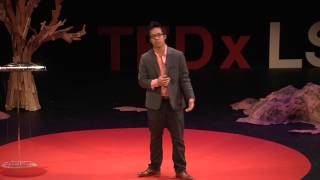
NXT 60 - Kenny Nguyen | ThreeSixtyEight
In this episode of The Next Entrepreneur Podcast, host Andrew McClendon interviews Kenny Nguyen, CEO of the creative agency 368. Kenny recounts his upbringing, the influence of his father as a mentor, and a transformative trip to Vietnam that sparked his spiritual growth. He describes his college years at LSU where he founded a student entrepreneurship organization, networked with high‑profile Louisiana executives, and secured early clients like Raising Cane’s and Blue Cross Blue Shield. A disastrous presentation he witnessed inspired him to start Big Fish Presentations, a venture aimed at eliminating boring presentations. Kenny details the evolution from Big Fish to 368 through mergers with Hatchet and Mindworks, outlining the agency’s mission to turn branding into immersive experiences and to make Baton Rouge a creative hub. He shares his leadership philosophy centered on tenacity, self‑competition, and overcoming imposter syndrome, as well as the importance of saying no to opportunities like Shark Tank to focus on core needs. The conversation also covers the Assembly Required conference series, its pivot to webinars during the pandemic, and Kenny’s vision for community‑building and creative growth. Additionally, Kenny discusses his investment in the Soji restaurant, highlighting how the venture fostered valuable relationships and personal experiences. He emphasizes 368’s commitment to championing underdogs—both the company and the Baton Rouge community—positioning the city as the South’s creative epicenter. Kenny reflects on his father’s advice to pursue passions, the possibility of future collaborations with his father’s business, and his side‑hustle interest in real estate, underscoring his unwavering focus on the long‑term vision for 368 and the region.
Chapters
And when I was walking up with him, I said, hey, look, you got 30 minutes to do this Q&A. Like, you know, just keep it nice and tight. He told me, son— and I was like, you son me, man, for all these people. And he told me, let me tell you, when you are a professional like I am, you know how to do this, and I'm just going to wow this whole entire room. The guy went on for like 2 hours, and he had like 200 slides and read off Every single slide. I remember just watching this going like, oh my God, this is so bad. And if people are going to like, like believe in the next big idea. And I thought I had this weird bias where I thought once you make it to that next level as like an executive in a company, you'd be an amazing presenter. That was completely thrown out the window. Like some of the worst presenters I've ever coached are executives. I'm like, how did you get here? Because like you have to be sometimes a great communicator to influence people. Right. And what happened was I looked at my co-founder at the time and like, you know, we were just friends at the time. I said, dude, I think we can create a business off of helping people not do that.
We would like to thank our title sponsor, B1 Bank. B1 Bank knows that entrepreneurs like you are always thinking one step ahead, so you need banking solutions that can keep up. It begins with lending. Does your business need working capital or financing for new equipment? How about a real estate or a construction loan? Good news, the B1 lending team is ready to learn your goals and help you find the best lending option available. Now let's talk about uncomplicating your daily cash flow. B1 offers a full array of treasury management services that let you collect funds faster, pay funds more efficiently, and access your information with powerful online tools. Most importantly, B1 understands the value of working with local nonprofits to build a stronger community. They believe in giving back through hands-on involvement with their B1 Community Outreach Program because it's simply the right thing to do. B1 Bank, be uncomplicated. To learn more, visit b1bank.com. Equal housing lender, member FDIC. Hello, I'm Andrew McClendon, your host of The Next Entrepreneur Podcast. We're here in the Propel Production Podcast Studio in Baton Rouge, and we welcome our guest, Mr. Kenny Nguyen, to the podcast. Kenny, welcome.
Thank you for having me. What an environment and what a scene here, man.
Isn't it cool?
Yeah.
So this was an old cell tower building, and some of this grid work up on the ceiling where all our lights and mics are hanging was original to this building. Then we just— we had it, and then we just converted it to this cool stereo, this cool studio. And it's insulated really well, and it's It's just a perfect little space for us.
So it's not what I would have thought because I watched some of the podcasts beforehand and not what I was expecting when outside. I was expecting like big studio space, but I was like, when I walked in here, I was like, this guy is someone that knows how to take something and make something more out of it. Yeah. That's what entrepreneurship is. But like you do it on every level.
It seems like, yeah, we enjoy it. And almost everyone who comes in here really likes the space.
Yeah.
And No matter, man, woman. I mean, we had Richard Zuschlag, the CEO of Acadian Ambulance, you know, runs this massive company, and he— it kind of brought him back to his early years of being a DJ in a radio studio, and he was just tickled to be here.
You know how I know you're good, man? When you think of spaces like you transport someone to a different space when you walk in. Like immediately when I walked in the door, my mind was like, whoa, completely surprised. And that's what we like try to do for our restaurant Soji. It was like when you walk in, you feel like you're in Miami. Like I think that's what great like spatial transformation is. And just like walking in here, like she was telling me like cell tower and all that. Didn't know what to expect because I saw the podcast. I'm like, that doesn't look like that would be in here. Yeah. Yeah. Walking in here like, I wish y'all could see closely, like, the books, even this table. Like, I can just tell, like, the attention to detail you take for people to enjoy the experience when they walk in something.
Good, I appreciate that. Yeah. So, um, Soji is a restaurant, uh, and, and Allison has been raving the last, uh, few months about her favorite dish.
Oh, really?
In the world. And it comes from Soji. It's a drunken noodles.
Oh, really? Yeah. The team over there, I mean, the research, all that they did, like, look, running a, running a restaurant is no easy gig, right? Especially during the pandemic. Like, you know, I can't take any credit for them, like, surviving and thriving. It's just like a gritty team. But like, each dish has like a story behind it. And so when you eat the drunken noodles, Our opening chef, Ryan Andre, he went to Thailand to go try a dish and he fell in love with drunken noodles and said, "I'm going to make it better here." And the noodles are freshly made. That's something that's not commonly known. The beef that we use. It's so funny because a lot of people either love it or they say that's not how they would make it in Thailand. And I think that's the thing is people are so used to these classical stories of food that when you realize the food that you eat, was not the food that was there like 100 years ago. Like, things just evolve, just like stories evolve. And so like, I'm glad, Alison, you dig the dish because, you know, that's an evolution of that story.
And, and, and your career has evolved as well. And, and, uh, but I wanted to start by— well, why don't you tell us first, you know, you're CEO of 368. Why don't you tell us and our listeners what 368 is?
Yeah. We're a creative agency who loves helping underdog brands advance their missions and their causes through uncommon interactive experiences. And so when you think of the work that we do, you would think about the brands that we may help. Soji's a good example of one where we helped create the brand experience when you walk in and you're transported to a completely different world. And just like the marketing and the branding and the vibes, we work really hard to create something that's like an uncommon experience like that. Other stuff we may do is, you know what's really cool? Like working on like, uh, you know, Ochsner, the huge, like, you know, the huge hospital, uh, health system. Um, if you go to Lakeside Mall, you would see that there is like a giant retail center in the middle of the mall that allows you to experience what telemedicine is. And we built like this interactive kiosk. It's more than a kiosk, it's like really an interactive like, like space where people can understand like their bodies, but also see like what telemedicine looks like. And this is before the pandemic. So people were able to like experience what that was. And so when the pandemic hit, I mean, telemedicine was the thing at that point, right? And it still is. And that's when people just like got it. And so that's what we do. It's like we find really creative ideas. I think first and foremost, like, you know, when people look at us, they're like, that's a creative company. Because we have really creative people.
Yeah, that's cool. And it's very cool to learn how you grew that business from where you started, which we'll get into in a bit, but through mergers and acquisitions to make it this holistic, uh, company that could address all aspects of marketing and branding and everything. But, uh, you know, I was surprised to learn and surprised to realize that I didn't know that you're my friend's son.
I'm sorry.
Yeah, Kenny Nguyen, local business tycoon and entrepreneur extraordinaire. And I was just tickled to learn that and to see how I spent years and years working with your dad and then to see his son become the entrepreneur that you are. I was curious, uh, you know, what it's like for you to have, uh, Kenny Nguyen, your father, as a mentor. Or is he a mentor?
He is definitely a mentor in my life. He, you know, he's like a close friend. He's a mentor. I mean, growing up, like, we had the father-son relationship, typical, like, strong Asian dad, very tough. I mean, you've worked with him, you know how tough he can be, but he has a heart of gold.
Oh, sweet man.
But, you know, it wasn't until like more of my high school later years where we started becoming like actual like friends and like having like a different like relationship. And, you know, he's always been a great sounding board and the person that I like bounce some of the big ideas off of. I don't listen to every one of them. Like for him, like, you know, he's like a very like strong solopreneur. Like he knows how to like the vision, he can get it done and build like a team around. I work more with like business partners and like, you know, philosophy-wise, like we differ, but like we all— like me and him told like just confidentially told us some of the same goals that we had at 30. And you know, he hit his, I hit mine, but we did it in different ways.
Yeah, very different.
And that's interesting because I'll tell you a story. It's like my dad used to tell me all the time growing up that, uh, people used to make fun of him, um, because he wanted to be an accountant and he had people around him that wanted to be like doctors, medical professionals, engineers. And he was like, I think he was at, what's that really popular bar, like late night diner at LSU everyone loves? Yeah, Louie's. Louie's. Yeah, yeah, yeah. He was at Louie's with his friends one day and they were all like roasting him.. And someone said to him, like, Kevin, dude, I'm going to make six figures so easily when I graduate. Point A to point B, very solid straight line. And my dad said, this is why he's such like the cool dude that he is. He said, let me show you something. Pulls out a napkin, point A to point B, straight line for that man. And he said, let me show you what about my point A to point B is. Pulled out a napkin, drew a squiggly line from A to B. And he said, by the way, this is my point A to point B. I'll still get to point B, but all these curves and ridges are me experiencing life and learning things. And by the way, on those squiggly lines, I already make 6 figures. And I think he ran into that guy later and the guy just asked him like so much about business advice and everything. And like, but like, that's what I told my dad too, is like he was telling me like, you should be an entrepreneur. I told him the same story back. I was like, your point A and point B are very different from my point A and point B. But we'll still get there, I promise.
Did you tag along with him going to his businesses or developments when you were younger?
Yeah, I did. And I got to see what's it like working with the team, the partners that you have. I mean, it's been so valuable for me to see—
We probably crossed paths many, many years ago.
Yeah, probably when I was maybe 10 or 15. Around those years when like the mall, like Fountain Hill, like I was there for when like the groundbreaking stuff in Oak Alley. And like that to me is like, you know, seeing that firsthand like showed me like what entrepreneurship is all about.
Do you remember a moment when it began to click for you like, oh, okay, I see what my dad is doing and I see how this is a money-making endeavor, like, versus just tagging along with your dad and maybe not being particularly interested, you know, early on? But do you remember that moment where you go, ah, I see what's going on here?
You know, Andrew, maybe it's not the moment that you would think. Actually, it's the moment where, uh, I really saw how hard entrepreneurship was, but then for some reason, like, I got motivated because, like, me and him are just extremely competitive. I mean, you have to have that as an entrepreneur. Like, you have to have like an edge to you where you want to win, right?
Absolutely.
But the moment that I realized that like I want to kind of jump in the action was when he was getting, you know, the property he has on Bluebonnet and Highland, those two, like those two corners. I remember just watching him getting like trashed on like a council meeting. Yeah. And I was watching it on TV. I was just thinking like, why are they bashing this man when I know how good of a heart he has? And for some reason I saw him like just get through it, and it was so tough. And I thought to myself, if I can get through a challenge like that, I can be a man like him. I can be tough like that. And it's weird, it's like I say all the time to our team, like, the obstacle is the way. And I firmly believe that the more you evolve in life, life's gonna reward you with challenges. Yeah. And like, my dad was rewarded with that challenge where if he stuck it through, he was gonna do something that in like prehistory like could not— never happened— was like rezoning those two corners. And he did. Yeah. And that to me was like, that's what I want. I want to be able to earn the challenges.
So you saw his tenacity, his ability to fight through a challenge, but I imagine, you know, you saw throughout your whole life, his work ethic.
Yeah, no doubt. I mean, look, he, he came home at like 10 o'clock, just beat, tired from Monday through Friday because he had like all his nail salon. Yeah, I mean, you built, helped build the nail salons. Like, you, you know, like how many he had, right? Just like he did it himself. Like, he showed me how lonely entrepreneurship could be, and that's why it's so important to have like a good team around you. But he also showed me the tenacity, like you mentioned, where if you are able to get through these challenges, like you can get to a place that no one else can. And that's why, like, I, whenever people were like, I want to get to entrepreneurship for all these good things, I said, you know, some of the good things are things that you might not realize they're good in the moment. Like these are challenges, like I have challenges right now where like, you know, hiring the best talent right now is like every, I think right people, right seats is such an important thing, hiring the best talent. That's a challenge for me. But I look at it in a way where it's like, if I get through this challenge, I learn how to do that. I'll be in a completely different place. And that's where tenacity comes in, is that you just get rewarded with so many things that can level you up.
So, um, taking the story back to things that I've read and doing your research and, you know, back to high school, and it seemed like, um, you know, you went through a few things like, like most high schoolers do, uh, and maybe defined as setbacks, and, and kind of led to a an experience where you kind of need to go find yourself. And tell us about that.
Dang, you know about that story? I do. Wow, um, you— y'all really do your research well. Um, kudos. That, that story is because during my high school years, like, I was just lost. I was hanging around the wrong crowds, and I didn't even want to go to college. I didn't even know myself. I mean, it all started when I thought I was going to get this nomination for the best teen chef, like a full-ride scholarship to the Arts Institute. I wanted to be a chef while in high school. I mean, I started my own cooking club while at St. Michael. Really? Yeah. And I was so adamant about it. But unfortunately, the night before the competition, me and my friends went to go party. And next day, I woke up and the competition passed. And it was painful because I remember one of the judges told me— Chef Kate was like, you were like in my top 3, like easily would have taken it. But I'm not going to give you another chance because I want you to remember this moment, and I hope that will drive you. And so from that, I was lost. And like what my dad did was like he went and, uh, offered me to go Vietnam. He was kind of funny about it because he's like, you got nothing to do anyway. Like, you know how it can be, just rubs it in. And what's crazy though Andrew was that during this time he went to go see, um, who's like a spiritual advisor for him, Miss Frances, who's like since passed away. But she told him like, you need to take your son to go see his roots in Vietnam, and you need to take your son not only to go see his roots but to go see, um, my grandmother who was passed away before I was born. My father has had like a tough, like, you know life to like get to America. I mean, can I actually tell that story for context? Absolutely. Look, my father loves his home country, Vietnam. And he tells me all the time, like, you know, I came here with nothing when I was 16. But that's not the full part of the story. Like, the full part of the story is that he wanted to stay in Vietnam. But my grandmother, like, did not want him to stay there because of the war. Like Saigon was about to fall. And so she actually had to trick him to get on the boat and say, I will meet you there. But she knew that she wasn't. And so my dad got on the boat. My dad's like, where's my mom? And like, just the whole crowds pushed him in. He then— that was the last time he actually got to see his mom.
Oh my goodness.
And so for like his college and high school years, like he worked his butt off just trying to become the man that, like, she knew he could be. And on top of that, he wants to get enough money to send them back to Vietnam to bring him over to this country. A couple weeks before she got here, she passed away. And I remember, like, him telling me the story with, like, tears in his eyes. And when I was born, he was like, holy Holy crap, Kenny has her smile and eyes. And so it was one of those things. So my dad, when Miss Frances said, hey, you should take your son to go see your grandmother, my dad was kind of surprised. He was not born when she passed away, actually. And Miss Frances was like, just trust me. And so my dad takes me to Vietnam and I go all across Vietnam to go see all the wonderful sights. I mean, we went through so many cities like Hue, Da Nang. But his hometown of Nha Trang was where he wanted me to go. I remember when we get to the city, he says, hey, I'm going to take you to a graveyard. I was like, the hell you won't. Like, why? He told me like, hey, I just want to take you up here to go see something. Just trust me on my instinct on this. He brings me to this graveyard. I was like, what are we doing here? He's like, I'm going to introduce you to your grandmother. To me, it's like, I never met her. I was like, can we eat first? Like, I'm starving. He's like, just, hey, just come up with me. And so we go up this like hill, and he points to this gravestone that was like wrapped in like beautiful purple flowers. That's my grandma's favorite color, purple. That's why I think it's his favorite color, purple. He's like, it's a symbol of royalty, son.
Yeah, he looks good in purple.
Yeah, he does. And he told me like, hey, walk up to that and see what happens. Walk up to it, did the traditional bow. I look at him, was like, you know what, something did happen. I'm way hungrier now. He was just looking at me like, this guy has no hope. Like, he's like, where did I go wrong? I could just tell he's like, you know, just that face where you're like, oh my god. But the craziest thing happened, Andrew, is that I was walking down the hill with him and something hit me like I cannot explain. Where I just started crying out of nowhere. But it was like, I was hungry. I was chatting with some friends during that time. And I had no idea why these tears start pouring down. And I look at my dad, I was like, what's going on? This is weird. Like, why do you take me here? And my dad, like, you know how he is, like, stone cold negotiator. He's a former FBI agent. Like, you know, he just, you know, this guy, he's got ice in his veins, you know. And the first time I've ever seen my dad just look completely lost. And he just looked at me and said, "Don't freak out. I'm going to tell you something that Miss Francis told me was, 'Go take your son to your grandmother's grave, and if you do that, he's gonna cry. But the thing is, those tears aren't his tears. Those are his grandmother's tears, and that's her way of saying I'm sorry I could never meet you. Oh, and that freaked me out. At that point, I looked at him, I was like, I'm pretty sure I'm possessed, bro. I'm not even hungry anymore at this point. And I told him like, hey, look, since we're on this roll, where'd she die? At the house. Take me to the house, I want to spend the night there. I was like, I'm already in this, might as well just see it through. And that night I had this crazy dream where I was in this white room and I was with a young man and young lady. And this young man, I felt like I knew all my life. This young lady, I never met her. And as soon as I introduced myself, she starts freaking lecturing me. And I was like thinking like, whoa, whoa, whoa, this is definitely— I knew it was a dream too. I was like, this is my dream. Like, nah-uh. And she was saying like, you can't do this. You can be a leader. Like blah, blah, blah. I remember just sitting there and I was like, I think I know who you are, but you have no right to tell me this because you're not here. And she just stopped and looked at me and said, Let me tell you something. You and I are gonna meet one day and we're gonna have such a great time, but now is not the time. I just want you to know you're wasting your life away when you can be so much more. If only you would pay attention to the things around you, you realize how much you really have. And right before I could cut her off, I woke up. And that morning I told my dad what happened and he said, man, you're probably just thinking that 'cause like, you know, You wanted that to happen, right? He's like, just for humor's sake though, what was she wearing? And I've actually never seen any colored photos of my grandmother, nor like, I've only seen one with just her head up. And I haven't seen one where she was like young, young, nor any clothes that she would wear. But I said, like, she was wearing this, like, we call it an ao dai, which is like a ceremonial Vietnamese dress. She's like, she wore an ao dai with like a little tear right here, purple flowers and all that. And I remember my dad just like looking at me like going, "What?" And I was like, "Yeah." He goes, "That's her favorite dress. And she only wears that for like the most special occasions." And that's the switch I needed in my life. Wow. That was the moment where I'm like, it took a frickin' spiritual intervention from a woman I never met but loves me so much to come into my life and say, time to change, Kenny Nguyen Nguyen Nguyen. Went to LSU, still have that moment in my heart. That was literally the moment.
That was such a fantastic story. Why don't we, uh, slide in a break right here, pick it up from there on the other side, and we'll be right back. We would like to thank MBD Automation for their support of The Next Entrepreneur Podcast. MBD Automation is a mechanical install contractor with a program-centric focus. So what do these guys do? They install conveyor systems, VRCs, platforms, singulators, sorters, and all sorts of other types of automated equipment. Who do they work for? They work for systems integrators, manufacturers, and end users in fulfillment centers, airports, mail processing facilities, and projects in the defense industry. MBD Automation works for numerous Fortune 500 companies across the United States and has a list of international clients that they perform work from the US as well. If MBD Automation can help you on your next project, you can find them online at mbdautomation.com. And we are back with Kenny Nguyen, CEO of 368. So your trip to find yourself seems to have been as effective as it possibly could have been, and that it led to this transformation. And but you get back, you said your next step was LSU.
Yeah, I went to LSU, really needed to go find myself. And like that first semester of LSU, like I had like a 4.0, like I immediately like trance, like that momentum was there.
You turned it on.
But What was weird was like, I felt like I want something more. I knew I had something more. I feel like you go to college for the connections, but also to figure out what you don't want to do. And I knew at college what I didn't want to do, or some of the things that I thought I always wanted to do. And what triggered in me was I remember sitting around with a couple friends and I said, you know, I want to start a business. And I was like, let's just go join like the student entrepreneur organization here. It turned out they didn't have one. And I said, why don't we create that for ourselves? And we did it. And that's like where I remember when I pitched the idea, no one wanted to be my advisor.
And so you pitch that— what, were you in the business school?
I was in the business school and like I wanted to join the Stevenson Entrepreneurship Institute, but during that time they didn't allow freshmen in.. And so I was like trying to find a way to do it. And I remember like, this is why I love Jill Roshtow, who's my advisor. She's like, you know, killing it now. She's not at LSU anymore, but during the time, like, she's at Leno, I believe, right now. But during the time, she was my, like, the person I talked to the most for the Entrepreneurship Institute. And I told her like, hey, would you be my advisor if I can prove to you that LSU should have an entrepreneurship organization for young students. And she's like, yeah, go see what you can do. And I'm going to see if I can tell you a story that you don't know because you do your research so well. During this time, I said, okay, I'm going to get a bunch of petitions out and I'm going to get signed by a bunch of entrepreneurs to show you that this needs to happen. And she was like, good luck. She's like, who do you want to get? I was like, I want to get Todd Graves from Canes. I want to get Mike Wrights, um, who's from Blue Cross Blue Shield, Julio Malera, Buddy Romer. Like, I had a whole list. And she's like, okay, if you can get them, we probably can talk. And Andrew, this is where like the pedal hit the metal. I emailed everybody, and crazy enough like everyone was so supportive and got back to me. Like, I remember going to see Buddy Roemer. I landed an internship there through that to work on his presidential campaign during the time. I remember going to Mike Reitz. I tweeted at him when Twitter first came out, and he actually tweeted back and said, come on in. I remember sitting with him. I said, so why did you agree to meet with me, a student, for this? He said, because you, you tweeted at me. It was something so different. And the Basically, you had the balls to tweet at me is what he said. You just did it. And he's like, that's what it's about. And I remember just working with the Canes team to actually get Todd's signature as well. And I remember that moment when I came to Jill, I'm like, hey, look, check this out. She was like, okay, I'll help you out. I'll be your advisor. Who do you want for your first speech? And I said, I wanna get Julio Molera. He's gonna love this story. I was supposed to get lunch with him right after this. And he tells the story every now and then because I emailed him so many times, never emailed me back until one day I saw him at Starbucks and I was like, that's the guy. And so I ran up to him and he was just like, whoa. And I just told him like, look, I would— I want you to come and speak for our organization at LSU. He's like, dude, like, I'd love to, but like, it's, it's just a packed calendar right now, but we can talk more about this. Just come to my office. And so we schedule a meeting, come to his office like a week later. I remember he like, I had a date already. And he looked at the calendar, he's like, I can't make it to that date, I'm coaching a game for my kids' soccer. And I told him, dang it, no one thought you would come anyway. And oh my God, you have— you met who he— like, you know how he is.
He get—
he got riled up. He's like, who said that? And I told him, he's like, you tell him I'm gonna be there. And sure enough, he showed up. And he like, like, I remember like there were like people that I wanted to come and speak that showed up because they were like, Julio's really going to show up? Like, he's a sought-after public speaker.
Yeah, but I mean, think about this, Kenny. I mean, you know, when you consider that you're a freshman, yeah, I mean, you're a young guy, and you know, there's that tenacity again to, to go after, you know, the, the biggest and the brightest in the business and, and to get them to show up, you know, for a brand new organization. I mean, I'm just curious, where do you, where do you think that's rooted? And you, where, where does that come from?
You know, I, I still don't know that. I think, yeah, there's like those like easy answers that you answer on a podcast that you just have like in there. But like, I, I try to be like just as real as possible with this, and it's like, I think it's imposter syndrome. Where, because I always feel like I don't deserve this, I have to prove to myself that, you know, something like this is earned. And to me, it's like, I know that if I just go through this really challenging experience, it's like life giving me a gift. And to me, it's like I just have a really hard time turning down gifts. And that, that's how I get through it. It's like, people call it tenacity, I just call it growth. It's like, I just want to grow.
And, and you also mentioned like the competitive spirit? It's almost like, you know, if you don't do it, someone else might do it, beat you to it, that kind of thing.
You know, I don't even think about competing with others. I actually think about competing against myself. It's because, you know, they always say like, when you die, the last person you want to meet is the person you could become. I want to beat that guy. I want to be able to say when I die, like, did I live a fulfilling life or what? That was like you know what, I don't need another life. I'm good. Like, that's the kind of life I want to live, right? Like, that's what makes life meaningful. And like, to me, it's like, I don't know what happens next, but I want to be for sure to be like, nah, I lived what I could have, you know? I did to the best of my ability. Because you can't control outcomes, but you can control effort, right? And to me, it's like, I always want to give my max effort to something because that's how I want to go, is like knowing that I gave— I always gave my max effort.
So this speaker series led to an event or a situation which actually was a springboard for you starting your business. Tell us that.
Man, that did it. Like, I should probably like say this is like during this time too, like I, I was also, uh, an officer for the Student Real Estate Association, and I remember like watching like the most boring presentation of my life. Like, I I can't explain this, but this is like, I remember I was the treasurer, and for some reason, like, I was also the guy that like loaded up the PowerPoints. And that night they had, they were telling me like, you gotta enter, you got an international speaker from like BSF, like they, this guy is like the shit, you know, kind of guy. And they told me like, uh, make sure he's prepared before he goes on stage. And when I was walking up with him, I said, hey look, you got 30 minutes to do this Q&A like, you know, just keep it nice and tight. He told me, son, and I was like, you son me, man, for all these people. And he told me, let me tell you, when you are a professional like I am, you know how to do this, and I'm just gonna wow this whole entire room. The guy went on for like 2 hours, and he had like 200 slides and read off every single slide. I remember just watching this going like, Oh my God, this is so bad. And if people are going to like, like believe in the next big idea. And I thought I had this weird bias where I thought once you make it to that next level as like an executive in a company, you'd be an amazing presenter. That was completely thrown out the window. Like some of the worst presenters I've ever coached are executives. I'm like, how did you get here? Because like you have to be sometimes a great communicator to influence people. And what happened was I looked at my co-founder, um, at the time, and like, you know, we were just friends at the time. I said, dude, I think we can create a business off of helping people not do that.
Just creating— yeah, impactful presentation.
And crazy enough, my first two clients, Raising Cane's and Blue Cross Blue Shield, because they just liked, I guess like you said, the tenacity of like, I told them, I was like, hey, look, I had this crazy idea. I want to make this like a valid business. But the thing is, like, I know it's a valid business if I can get two of the biggest companies in Louisiana to buy like a presentation from me. And when I went to Raising Cane's, I remember like when I told them like the idea, they loved like the idea of like, hey, you can make a way better presentation for Todd to go around to these different like colleges. That would be great. And I remember like I told them my age, somehow it came up and they're like, I don't know about that. Like we're not gonna give the CEO of Canes presentation to some college kid. I said, look, if I screw this up, don't pay me. And they're like, fair enough. And they became like one of our biggest clients for a couple of years after that.
Okay, so that, I had difficulty connecting that, Kenny. I mean, again, what you just said, being very young in college and then reaching out to one of the most incredibly, you know, impressive companies and in their growth and their reach and, and getting them to hire you to do that. Like, um, I mean, did you have any work to show them or was it all just fake it till you make it kind of thing?
It was definitely fake it till you make it. I mean, it comes full circle though, is like that Assembly Required series that we'll talk about in a few. My last event that I did publicly was actually with Todd Graves and Brandon Landry over at Walk-Ons. And I remember Todd didn't even know the story until like, 'cause like they were actually doing this segment where they're interviewing each other. It was like two friends like roasting each other and just having a good time. Yeah, and talking like and telling like war stories. But when I told him that, he just looked at me and I was like, you know, you're more than just like a leadership academy serving chicken fingers, 'cause they like just have an incredible team. I told him, you also inspire other young entrepreneurs and you don't even know it. He's like, yeah, I know. And I was like, no, no, no, no, this you see here would not have been possible if you didn't have the right people to believe in my dream. And I remember he just looked at me and he gave me a hug. And that was one of those where I'm like, dang. You know, it comes around full circle, right?
Yeah, so you use Prezi?
Presentations. Yeah, back then we used Prezi. I mean, you know, back in the presentation days, uh, I mean, it was like a whirlwind. I mean, from that, like, once we got those two clients, Blue Cross and Raising Cane's, like, I had the confidence. I was like, I can go get anyone in Louisiana. Yeah. And, you know, one thing led to another where, uh, it was tough, Andrew, because like, you know, we had this crazy idea, but I was still in college.
So, and, and And so then you say, okay, now this is a business. I'm in college, but I've got this thing going, and you've got a business. And then is that when you create Big Fish?
Yeah, Big Fish Presentations was created during the time in college. It was me and a co-founder and like 2 people, including Phil, who's still with us today as our head of, uh, our executive producer. Um, he— I mean, it was just like a cool college startup, you know? Like, we've— like, I remember just, we were on GSRI Avenue at LSU Innovation Park. And I remember just like working late nights, just cranking these presentations out. I'm not even a designer. I just knew how to like use the program. And I just remember thinking like, this is what it feels like to make a little bit of cash. But I realized like it was more than just making a bit of cash. It was like having a mission. And like the mission was to rid the world of boring presentations.
Yeah.
And that to me was so powerful. But the work-life balance during that time, like holy crap. I mean, I remember we started to get, so During this time, I had an intern, Luke Jones, who now like runs his own successful agency. He said, hey, I'm going to enter in for Inc.'s coolest college startups. I was like, there is no way on earth we're going to get that. And we did. But what was crazy was when that happened, a bunch of people came calling in. Dude, my schedule became like so wack where I would have 8 to 11 AM class. Fly to New York to go take a 2 o'clock meeting, just drive up to the, uh, Baton Rouge Airport, take that meeting in New York, and fly back home to make it to the same 8 AM class the next day. That was my schedule for a whole entire semester where like I'd fly to New York, like Buffalo, I would fly to like, I think Omaha one time. Like it was just like crazy. Like, and like my teachers are all like, why are you so tired? I told them and they're like, they didn't believe me. And like, what was so crazy was when I started showing these things to them, they were like, I don't know if you should be here. You should probably focus on this. And I always had this weird notion of like, you have to have a degree in order to succeed. And I remember just telling my father this one day. He's like, yo, I don't know if I wanna do this anymore. I think I need to focus on the business. And it was so strange because in Asian culture, it's always about getting that degree in education. He looked at me and said, "What are you gonna do after college?" I was like, "Same thing." He's like, "Then just leave college. You can do the same thing. Might as well start now." And I didn't. I looked at him and said, "No, I think I need a degree." And it was the craziest, weirdest thing because my dad was being a cool dad during the time, and I chose to stay in, and it was tough. It wasn't until my counselor asked to meet me because my grades are dropping. And she said, look, I don't know why your grades are dropping, but we need to talk. And she's like, maybe you can take some of your, you know, your energy somewhere else. And she actually said you should go intern at this new college startup that's like sweeping like LSU right now. It's called Big Fish Presentations. Like, I bet you we can talk to the people over there. You can get something. And I looked at her. I was like, are you messing with me? Eh, I told her, you know, I'm, I'm one of the owners of that. And she gets up and looks around, she's like, hold up, closes the door, and she whispers, what are you doing? I was like, what? She's like, what are you doing here? Get out and go do that. I was like, what are you talking about? She's like, you don't need this. Like, go out and do that. Like, people want to work with your company. Like, you are building something here. Go and get out. And I wish I remembered her name, man, because I would send her flowers every year because that was the person— I guess it was weird, it's the imposter syndrome. I just needed someone to validate, like, you know, that's, you know, that's okay. And I remember, like, I dropped out after that with Phil, actually, and I was like, I'm not looking back. Yeah, I'm gonna do something.
So you got a call from Shark Tank at some point?
Yeah, it was after the Inc.'s Coolest College Startups. Um, that was an interesting time because they wanted us to go on the show, and we like made it to the near final rounds of like getting on Shark Tank. And I remember we threw a party to go and celebrate, um, because we were like, yo, this little startup from Baton Rouge is gonna get on Shark Tank. But then, crazy enough, uh, a mentor that I have— and like, we never, we never met in person at the point— named Karen Solomon She called me, she took a call with me, it was supposed to be like a 15 to 20 minute call, ended up being like a 2 and a half hour call. And she just gave me some advice, was like, hey, would your heroes go on Shark Tank? Who are your heroes? I listed them out. She's like, do you think they needed it? I was like, no. She's like, then what are you doing? Why don't you focus on what you need the most? Maybe this is not the right time. And I knew she was right. And I had to go back in that room and be the party killer by telling everyone, it's like, yo, we're not going on. They're like, what? And then they're like, yeah, we're not going on. And that was like that first time I really learned how to say no and the importance of that, because I knew like we didn't need it. Like, honestly, what we needed was a camera as nice as this one right here and a couple of other like video equipment to like start our video service line business. Within the next month, we were able to sell enough money to go get that equipment.
Yeah, so what she was probably in touch with is that you really go there to raise money, and in doing so, you give out, you know, a percentage of your company. Yeah, depending on the negotiations. And if she could perceive that you could, you know, continue on your path and not have to give up any of your, uh, ownership, then that was a better path for you.
Yeah, she knew that we were on to something, and she also saw like, I'm falling into the trap of what everyone else says I should be doing. And she's saying essentially, like, you know, as an entrepreneur, it's not easy. You got to go follow your gut, you know. And your gut is really your instinct, right? Like, it's like learned biases and experiences that sometimes just automatically pop up for you to react to a situation. She's like, you know, you're developing your gut right now, and I'm going to help you along the way. And like, to me, it was like, I'm not gonna go and like try to do what everyone expects me to do. I need to know— I need to do what's right. You know, in my heart. And like, that's a problem I've had over the years where like, when you grow with like a company that has like, you know, couple hundred percent growth like every year, like you start like listening and like listening to the audience, you know, and you start like listening to the audience saying like, this is what we like, this is what we like. But in reality, it's like, you gotta like listen to yourself. And it's, it's a battle that like, when you're so in marketing and all that, and like, you know, it's so competitive, and you just, you can just believe your own hype. And that's something I've had to fight all my life, is like, you know, you're never as good as you think you are, but you're never as bad as you think you are, you know?
So you get into business. Yeah. How far along were you before you, uh, and your partners wrote The Big Fish Experience?
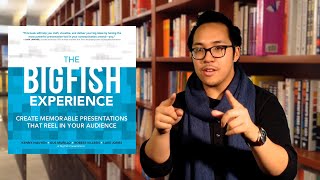
Dude, that's a story within itself. Hard to find too. Like, uh, what, what happened here was You know, we were about 4 years in, and I remember we were like trying to work on a book deal and it fell through. And so we went to New York actually to go pitch ESPN, and boy did I bomb that pitch. I did not know how to present to like executives of that level at that time and just try to like cheer the team up. Uh, I brought him to McGraw Hill, like their headquarters, and I said, yo, I know we're bummed, but one day we're gonna be writing a book for these folks here. I don't know how it happened, but 2 weeks later McGraw-Hill comes calling and says, hey, we want you to write a book. I thought it was my partner messing with me, so I called the number. I was like, Gus, is this you? And it was so funny where it was like, no, it's Casey. And I was like, what? And like, she was like, yeah, we saw like some stuff that y'all are doing. Y'all won some recent award. Uh, she saw us an article, uh, So we— about turning on Shark Tank, and she like saw an article in Entrepreneur magazine and was like, I think y'all, y'all could write a book on this. That, that's the real story. Yeah.
And so how long did that take, man?
Like 2 years. Yeah, writing a book is no easy game while building a company and also handling a merger.
Yeah. Okay, well, let's talk about that, uh, after we get another word from our sponsor. And we'll be right back. We would like to thank Modus for their support of the Next Entrepreneur Podcast. Who is Modus? Modus is a facility services company that works in the e-commerce fulfillment industry across the United States. What do they do? They like to say they take it from the conveyor to the dock door. What does that mean? It means that they're building the pick stations with the cable management They're installing guardrails and bollards. They're putting down floor marking. They're putting up aerial signage. These guys build fencing systems, shelving systems, and racking systems. They also do rack recovery for when there's rack failures. They also install dock levelers and dock doors. Modus also installs ASRS systems, which is automated storage and retrieval systems as well as other robotics projects. They've worked for the largest e-commerce retailers in the world, and they can work for you. If you need to find Modus, you can reach them online at modusmoves.com. And we're back with Kenny Nguyen, CEO of 368. So you did start to grow your business by mergers, right? So at first you're doing the presentations Yeah. And then, so what led to, uh, your first merger?
It was with a company called Hatchet, who, uh, the two partners there, my partners now, and I, you know, they're close friends. I think the world of them. Um, during this time we were helping people all around the world, like, tell these amazing stories on stage, right? We're helping people become more influential.
So it's not that Big Fish wasn't just about the digital presentation, it's about presenting as well.
Yeah, it was about how can you be more influential on stage, because people always remember the presenter more than the presentation, right? And so for us, we wanted to help the whole entire experience. Like, our whole thing was— rid the world of boring presentations was the vision, right? But the mission was to turn every presentation into an experience. But we knew that that would have a cap. While we wanted to help not only just the presenter, we also wanted to help the brands themselves have transformation because we knew like what people say and what people do, there's always that gap because like, you know, the brand is like such a loose, like it's like a loose understanding of like what a company really is. Because when people say the word brand, like they say like, you know, you're a branding agency. I always have to tell them like, you know, there's a difference between brand and branding, right? Like branding is an output. It's a service that we do, but a brand is the combination of all these touch points that people have, like the customer experience, the employee experience, blah, blah, blah. And so for me, it's like I knew that I actually wanted to impact the brand, but I could not do that at the Big Fish level. I knew that I needed more creativity. I knew that I needed something— I need more like purpose-driven work. Like brand, like actually helping brands drive to their purpose. And so Hatchett was a company that we collaborated with frequently. They did our website. And Jeremy Bate and I, I was kind of like pretty much their CEO during the time. Like we just had conversations all the time, like how fun would it be to do this? And they were about to go through a deal where they were about to get bought. And I remember like last minute we were just talking. I told him, what if we merged? He's like, you serious? I was like, yeah, I'll never forget why I asked him this. We were, it was a phone call and I was like in New Orleans. Friends visiting like an agency just for like some mentorship experience. And I remember just from that, that moment where Jeremy's like, we should really talk about this. It was such a cool moment. I'll never forget. But yeah, so like, look, we merged with Hatchett. They were 368 feet down the road from us, like our offices. That's why the name 368, like the name itself is about partnerships. But the whole vision during the time, like we knew that we were tired of like boring, like marketing and boring advertising. We believe that creativity wasn't just about fixing advertising problems. It was about fixing actual core business problems. And so if you look at us today, the mission of the company is to challenge common thinking so that we can create an uncommon future. The uncommon future that we have as a company is that we believe we can make Baton Rouge the creative epicenter of the South. That's the work that we're going to do. We're going to do work that shines the light on Louisiana, Baton Rouge, where people would say, oh my gosh, I can't believe there's like this kind of creative talent here.
You know, when you look at your website and you look at your staff, it just glows with talent.
I mean, it's, it's just way smarter than me. Yeah, I mean, yeah, it's all about your people.
Yeah, I mean, it's just really impressive to look at.
I mean, just looks like some really bright, beautiful, you know, ingenious people and Yeah, I'm so blessed to work with people that I've always dreamed I wish I could have worked with. Yeah. And that, that's part of the challenge is like, you know, now today it's like, you know, you got to create the right environment, the right culture to keep them, do right by them. I mean, you know, people have so many options to go work nowadays. It's like you have to always be top of their mind. And so, you know, the company today, like, we help like so many brands all across like the United States and like even the world now. We have like National clients, like, we help them, like, we challenge their thinking to think of, like, you know, what's that future that you can be if you're willing to ask, like, such hard questions that your competitors are afraid to answer? Like, we're more than just branding. We're helping you actually rethink how you do your business.
Yeah, what I find intriguing about it is even with that vision, you could have elected to do that organically. Yeah, a slower growth, um, but you made that decision to merge, and you weren't finished from there. That, that, that got you to that next level of where you were able to address the branding, um, with the skill set that Hatchett brought to the table. But there was more beyond that. There you, you followed up with another acquisition.
Yeah, it was where, uh, Mindworks. And like, that was really, um, learning how to handle— so like, we were always such a project-focused company Mindworks had like companies that they were working on retainer for them. And like, that's something my dad always told me was like, learn how to like, you know, get annual recurring revenue. But like, to me was like the acquisition of Mindworks was us getting like the knowledge of like how to run like relationships like long for long periods of time. And what that taught me too was like relationships like in business are kind of like in a way like kind of like dating, right? You have to keep it exciting, but you can't always do something exciting every week or it would just like kind of just fizzle out. Right. Like, and so one of the things that we learned through the acquisition was the importance of like account management, how to like keep things going steady, but every now and then like have a big idea to surprise to keep things exciting. And I think that's how we grew a lot. I mean, there's no way we would have survived the pandemic if we didn't know how to do that. I mean, well, like I think there was over 50,000 people people laid off in our industry, just like alone last year. Like, we were hiring like, like crazy, and we grew. And that's because, like, we had people that trusted us. They understood that we understood their business problems, and they understood that, like, when our back's against the wall, that's when we're the most creative. And that's where, like, you know, having those kind of trust and partnerships is so important.
How many employees do you have now?
We have about, I think, almost 30 people, including some, like, we call them specialists, but they're subcontractors. But, like, All in all, like, I think about like 20 to 30, like revolving around there. Trying to hire 3 right now and maybe a lot more in a few weeks.
Good. Uh, tell us about your conference series, Assembly Required.
Yeah, this came from, uh, us doing this event called 99U. It's a conference like that they— that Adobe does about the creative arts and creativity, bringing people together of like diverse backgrounds. I always thought like that'd be pretty cool to do it down in Louisiana, right? Yeah, and they had this one where there is like a TEDx version of it, and they said, well, we're gonna do one at local cities, and we happen to be one of the recipients of that. And so it was so cool. We did this 99U event and like the energy was just crazy.
And that's where you brought in national speakers?
Not yet. What happened from that was the confidence of like, yo, I think people really want this, and Baton Rouge in Louisiana. And so what happened was I went to the team and said, look, I think we can do something bigger here. I don't know how they— like, you know, the team is always great at saying like, hey, you know, temper the ideas and all that. But I don't know how it's— I sold them on this one, was like, we should do 4 conferences. Because you know what I hate about conferences? You do it and you go back to normal life. An event doesn't change your life, right? It's the process after that. It's like every day little changes. It's like when they say like, you know, like 100% growth every year is like just 2% growth every week, basically. It's like, you know, we want to keep that momentum going. And so we decided to do 4 conferences in a year, and our focus was we're going to have the most creative people in Louisiana come together of diverse backgrounds and meet each other. And what we want is where hopefully, like, you know, just through meeting, new businesses will sprout out, new ideas will sprout out. And so we did 4 events, I think in, um, 2018, I think. It was a lot.
Yeah, yeah, those are time-consuming. Yeah, it's hard to keep up. Would you continue to do this?
Oh yeah, like, if, uh, we were already ready to go back, but the pandemic— yeah, um, shuts down. Like, we were ready to go. Um, we have a lot more up our sleeve. So like, assembly required. I mean, like, the, the impact that's made on people— I mean, I, I get it every day for the people that like have gone. They're like, you know, the people that I've met, the ideas that I've gotten, like, they— it still lives within— with them. And so we pivoted from like the conference series to an event series that like where we would like book out like venues like the Guru or even our office where we focus on more like micro topics. But then we want to bring the conference back in 2020, but then, you know, things happen. But we pivoted to a webinar series for now. Uh, I, I really want to bring it back because I think it's part of our mission, which is to challenge common thinking, but it's also part of the vision, which is to help Baton Rouge become the creative epicenter. Like, you need some kind of program like that to champion those that don't get championed.
That sounds great. Help us understand how you got into the Soji. We started talking about that, the Modern Nation restaurant.
I mean, you're in the, you know, yeah, that, that was, uh You know, it's always, you know, I want to be a chef. I always wanted to join some kind of culinary organization. Um, I became friends with like Chase Lyons, who was one of the owners at City Pork. And you know, when he left City Pork, he told me he had this crazy idea of like, why don't we make like— are you tired of P.F. Chang's always winning Best Asian? Basically, I was like, yeah, man, I think even they're tired of it. Like, and what happened was like, I think I can get an Asian restaurant here. Down in Mid-City. And like, this is before Mid-City became what it was, right? And, uh, he was like, how would you like to help not only like invest but also help brand and create like, you know, the image of what can be like Baton Rouge's most modern hip Asian restaurant? And sure enough, that happened. And I'll tell you this, you know, most people say like, you know, restaurants are hard to invest in, right, unless they scale like crazy, right? I'll tell you, like, I've gotten so much more out of Soji than just the money. Because when you think about it, like, wouldn't you want to book like a night at a really popular restaurant and you happen to know the guy that is like, you know, a small minority owner in there that can get you a table? Like, through that like experience, I learned that like I've had so many meals with interesting people and just creating the relationships I had over there. Like, we have Chef Tian. Who's taken his New Orleans roots into the dishes that we have. We have Brandon, who, you know, is a white guy cooking sushi that like has his own style. And I think it's so unique. And like, you know, it's so— because like people judge him when they walk in. He was telling me like, I know how people look at me when they walk in, like, you know, slinging sushi out. I can keep up with the best of them. Like, to me, it's like I've gotten so much more from like getting to know the people. But then like those meals that we can have, like, I remember like one time, like just driving um, at Piccadilly to go. And then a very famous former governor, like, walked up to me and said, like, I would love to get a table, you can help me get one. And I was like, will you eat with me? He's like, yeah. You know, like, that's the stuff that happens, is like you become that guy that has, like, like, a restaurant and, like, that card of, like, conversation.
Yeah, that's cool. Yeah, that sounds like you would do that again.
I would. Yeah, I would. Yeah.
So, um, you know, there's so much, uh, content out there, uh, and so many fascinating places that you've been and done presentations or been asked to speak. And, you know, so much media coverage, you know, from Forbes to, uh, Inc. to Entrepreneur. Um, it seems like you've done a really great job of preaching what you do. Are doing what you preach, and, and, and that's getting out there and getting recognition. And you can just see the stories that have stacked up of how that led to, you know, other opportunities.
Yeah, I mean, like, I do believe, like, you know, when you're the CEO of a company, you are the missionary of the company. You got to get people to believe in something. And for us, like, you know, uncommon thinking is something that we preach about all the time. It's just the same with like uncommon companies. We firmly believe that uncommon company is more than just a product or service. It's an ideal or philosophy. So when you think of like Patagonia, they're more than just a clothing company, they're environmental conservation. Spanx, they're more than just undergarment company, they're a company for female empowerment entrepreneurship. Like, you know, for us, like, you know, we are more than just a creative agency. You know, I believe we're economic development. Disguise— like, for Louisiana, disguised as a creative agency.
Yeah, that's cool. I like that, Kenny Nguyen. So when you look at, uh, 368 and you look down the road 5 and 10 years, um, what kind of vision do you have?
Very clear, very clear. The press, I mean, they would literally say like Baton Rouge is the creative epicenter of the South, and they would say like that company 368 helped do the work, helped hire that talent, helped create very diverse and very just leading company practices to help influence other organizations within Baton Rouge, to help Baton Rouge become the creative epicenter. People want to see a place that has great talent, great things to do. We hope we can be a catalyst through that, through the events that we do, through the work that we choose and pick very intentionally. Through, like, you know, the people that we network with and, like, try to bring down here. Like, that's really important to me. Like, that's a very clear vision to me.
It's a bold vision. I mean, and it seems fueled with passion, and, and, um, I think that's a recipe to getting things done.
It's, it's bigger than just yourself. That's why it's like, you know, we're, we're in the— I said earlier, like, you know, what do we do? We help underdogs advance their cause through uncommon interactive experiences. We are underdogs. The state that we're in is an underdog state. Like the town that we live in is an underdog city. Why would we want to abandon that? Like I believe you can be something so much greater. And that's why like, you know, there's this sense of this underdog. You asked me earlier about like, what's that drive? I think it's like the underdog mentality that like all our people have. But it's also like I want to champion the underdog and like the most obvious one is the city that we live in.
You know, Kenny Nguyen Nguyen, uh, one of the things I love about your story is just the fact that, uh, entrepreneurism is just part of your DNA, obviously. And, you know, the fact that you started in college early and you were tenacious and you, you got it going, but then you grew your business, started your business, and then you grew it, then you grew through mergers and acquisitions, which is, you know, to me, which is can be just a brilliant strategy. I think you've executed on that beautifully, but also now how you've extended into other businesses, including a restaurant. And I was curious, as we wrap up, um, do you see, uh, in the future where you may at some point reconnect with parts of your father's business and, and, uh, begin to integrate any of that in what you do in the future as far as development?
I don't know, ever be like full-time, because, you know, my dad always say like, do what you love, you know, and like if you can make money out of it, even better. Yeah. I told him like, Dad, I am so grateful for the problems that I have. Like, they're hard. Yeah. But like, I earned them, right? And to me, it's like, he's like, as long as you have that, I'm happy for you.
Yeah.
And so like, that's why I love what we're doing here, because, you know, I might do like some real estate as a side hustle. But to me, it's like, I'm very passionate about the vision and like, I won't stop. Yeah. You know, and that, that to me is like, that's the focus. Yeah.
That's very defining. Your, your focus is, is well-defined there. Kenny, look, I enjoyed, uh, talking with you so much. We could talk for so much longer.
Yeah. We would have a very fun, long convo, I'm sure. Yeah.
And you've got so much content out there for anyone, uh, that hasn't, uh, checked out Kenny Nguyen's content. Check that out. It's, uh, he's got some good stuff out there. So look, I appreciate you coming in. Best of luck to you and 368 and all that you do, and I'm grateful.
Yeah, grateful to be here. Thank you, Andrew. Yes, sir.
Man, that was fun. I love talking with Kenny Nguyen Nguyen Nguyen Nguyen. You know, if I tried to define the most important thing about an entrepreneur, it would be having the confidence it takes guts and tenacity to get out there and put yourself in front of your clients. But Kenny seemed to have that at an even greater level, and that he really hadn't perfected his product of, of building presentations. He just knew that he could do better, but he was able to get in front of some clients, some big clients, and tell them that he could do better. And if they didn't like his work, hey, they didn't have to pay him. That's so bold, and it served him well. He knew what he's capable of, he succeeded, and the story goes from there. But look, I love how he grew his business the way that he did it, through identifying services that he needed to be— to have to extend his offerings to his clients. And he did that through mergers and acquisitions, and that really strikes me as being a brilliant good move. And finally, I love Kenny's passion for growing Baton Rouge as a center of innovation. You can tell it's genuine and he's committed to it. And Baton Rouge needs more Kenny Nguyen. So we appreciate Kenny sharing his stories with us. We appreciate him coming in. We appreciate you watching, and we'll catch you next time. We would like to thank our title sponsor, B1 Bank. They can be found online at b1bank.com. The Next Entrepreneur is produced by Propel Productions. You can find more information at propelyourstory.com. Don't forget to subscribe to The Next Entrepreneur podcast and hit the bell for notifications. You can also follow us on social media. The links are in the description below.
More from Kenny
INBOUND Bold Talks: Kenny Nguyen "How to be the Coolest Person at Your Funeral"