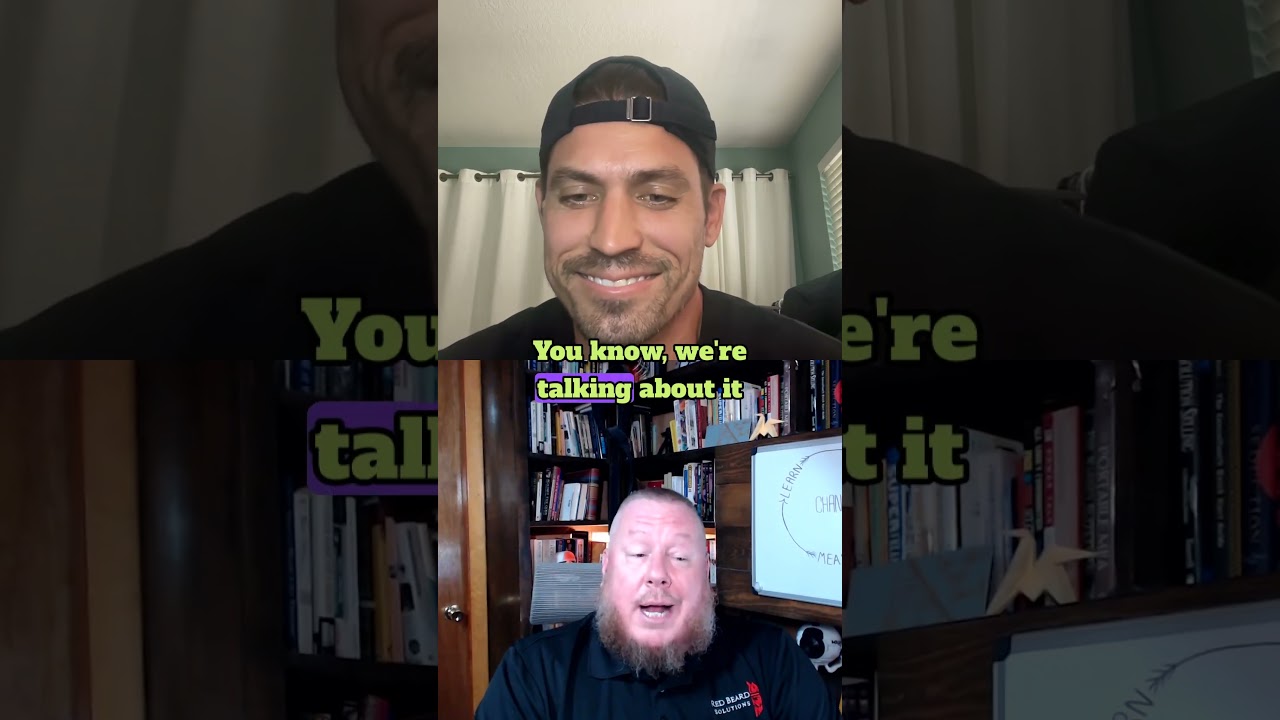
DRD Podcast S3E2: Kevin Jurovich

In this episode of Dorm Room Disruptors, host Will Rush interviews Kevin Jurovich, a former Division‑I football star and NFL player who transitioned into finance before co‑founding the VC‑backed mobile app Circles (a TikTok‑meets‑Yelp discovery platform). Kevin recounts his upbringing in Silicon Valley, his college football career at San Jose State, two seasons with the 49ers, and the challenges of being released from professional teams. He describes his pivot to financial advising, earning his Series 7, and working at Morgan Stanley and Wells Fargo Advisors, where he built a tech‑focused client base. Frustrated with the finance world, Kevin decided to launch a tech startup, moving to San Francisco, raising a small office lease, and learning through mistakes, pivots, and relentless self‑education. He shares founder advice—especially for non‑technical founders—such as avoiding premature fundraising, conducting early customer surveys, embracing pivots, and building a strong team. Kevin also explains his LinkedIn content strategy that grew his following to over 60 K, emphasizing consistent value‑driven posts, metrics‑focused growth, and using the platform to promote his product. The conversation closes with a motivational message about perseverance, the long‑haul nature of great achievements, and encouragement for aspiring founders to keep pushing despite setbacks.
Chapters
This is— it's like, I think it's almost like anything in life. Anything great takes time, and it's gonna be way harder than you think it is. It's gonna take way longer than you think it is. So don't give up, no matter what. Don't give up. If you have a vision and it's on your heart, don't lose that spark. Even in the darkest days and how hard it gets, continue to work towards it. Continue to better yourself. And at some point along the way, you never know when it's gonna happen, the scoreboard's gonna turn on, and all of a sudden you're gonna look up and you're gonna have some score. And the key is, though, to not give up before you kind of get that lucky break.
Hey there, Will Rush here. I'm the host of the Dorm Room Disruptors podcast. At DRD, we bring you the untold stories of humble beginnings that became headline results. On today's episode, we host Kevin Jurovich. Kevin was a professional football player in the NFL turned financial planner. Then Kevin co-founded a VC-backed mobile app called Circles, which has 4.8 stars in the Apple App Store. You may have seen Kevin's authentic personal content on LinkedIn, where he builds in public and shares resources for early-stage founders. Kevin might not consider himself a content creator, but he has garnered a following of over 60,000 people on LinkedIn. He's frequently been mentioned by top startup leaders as one of the best LinkedIn accounts to follow for founders. In this episode, Kevin shares his humble beginnings, tactical details about his founder journey, and advice for getting your business off the ground. Enjoy.
This episode is proudly sponsored by the Jetson app. Jetson is the number one most downloaded entrepreneurship app in both the Apple App Store and Google Play Store and boasts a 4.9-star rating. Think of Jetson as the perfect co-founder with 0% equity. It helps you turn an idea into something real. Sound interesting? Search Jetson on the App Store and check it out.
Kevin, what's going on, man? Super excited to have you on. I can't wait to hear your story. Thanks for being here.
Thanks for having me. This is the first time I've ever gotten called a content creator. But yeah, I would also like to say I'm a huge fan of, of your buddy Chad, who was just on this. So once I saw that he was on, I'm like, okay, I got to be on too.
Tom is the man. Kevin, I'd love to start by just talking about the earliest part of your story. You growing up, were there any threads to what you would be doing now? And did you have any idea one day you would found a startup?
You know, it's a good question. So I grew up in Silicon Valley and Apple headquarters was not too far from my backyard. And it was just this big open field of just trees, which is ironic though, because I never ever in a thousand years thought I would get into tech. I was always in sports. I was playing baseball, football, like whatever the sport was of that season, I was sleeping with my mitt or my football or my cleats, whatever it was. So yeah, that was my dream always. My dream was, hey, just like most little kids, hey, I wanna play professional basketball, football, baseball. As you get a little bit older, my dad, freshman or sophomore year, he sat me down and was like, hey, if you wanna like take this sports thing to the next level, which he knew I could, probably college, not even pros. You're probably best off kicking basketball to the curb because I wasn't very good. So at that point, I kind of just focused more on football. And yeah, I was super fortunate, man. I ended up getting a scholarship to San Jose State, which is a Division 1 school. That was a crazy story in and of itself. I ended up leaving the all-time leading receiver in the history of the school. But just 2 years before that, I had actually quit the team. So you want to talk about like a crazy transformation? That was nuts. And then right after college, I got a chance to play for the local pro team, the 49ers. Did that for 2 seasons. And yeah, man, putting that helmet on was incredible. And I'll never forget making the team. Like, my first call, I called my high school coach, told him, and then right after that I called my dad. And that was a super special moment for me.
That's crazy. It's crazy to grow up in an area, go to college and play D1-level football in that area, and then play professionally on the team in that area. That's pretty crazy. I mean—
There's definitely some benefits, but there's definitely some drawbacks too. So, because, you know, I'm 23 years old, I'm making like $10K a week as a pro athlete. None of my friends are like making any money. So we're going out and of course I'm picking up the tab more than not. So, but yeah, man, playing in the hometown crowd, all my like teachers in high school getting to go to games, my parents never missed the game. Like, can't beat that.
That's amazing. So talk to me about the transition from Being a professional athlete to actually going and saying, okay, I'm gonna go, you know, do a career. I know you did a few years in finance. Talk about like what that was like, just going back into the working world.
They call it— it's getting fired, but it's called getting released. So you get released by a pro team, but it's basically the same thing as getting fired. So once you get fired a couple times, you're kind of like, dude, I lived in Philly, I played for the Eagles, I lived in San Francisco, played for the 49ers, lived in Chicago, played for the Bears. It's hard to kind of uproot your life and then every day never know. 'Cause I was like, I was on the low man on the totem pole. Every day could be my last. 'Cause guys are coming and going to the team all the time. Once, like, once you've experienced that for a while, you kind of know when your time is to move on, even though you don't really want to. Once you, once I kind of came to that, like, realization, I think like the thing for me that I realized is, man, I loved, it didn't come from money. I loved making a little bit of money. My teammates were making way more money than I was making money, but they were spending as much as I was times 10. And people were just going crazy. Like there was financial literacy. People didn't know what stocks were, bonds were. They knew how to save, but they spent way more than they saved.
Mm-hmm.
And so I almost felt like, and this was before the show Ballers came out with The Rock. I was like, man, there needs to be a financial advisor to NFL players, right? And I'm like, I'm the perfect guy to do this. In my mind, the problem was I didn't know. I didn't take any business classes. I was a sociology major, which basically means I majored in sports and football, which is the truth. So I kind of had this idea of, okay, I'm gonna be the biggest and the best financial advisor to NFL players, but I gotta get my Series 7. And in order to do that, I got to get a job at like Morgan Stanley or Merrill Lynch or one of these wirehouses. And my naivety allowed me to say, you know what, I can do this. But I remember showing up at that interview and I'm like sitting next to this dude who graduated Stanford with an MBA in finance. This dude's like sharp as a tack. This gal went to Boston College, same thing. And I'm like, there was the final 3 people and it's like me. And I'm just thinking, dude, I'm way over my head on this one.
Like this is—
and I'll never forget though, she asked me when it came time for like my in-person interview, we went around the whole floor. I met some other financial advisors. She goes, you know, her name was Millie. I still remember. She goes, why do you want to work here at Morgan Stanley? And I'm like, Millie, and this was just like a truthful response. I'm like, Millie, I actually didn't even know I wanted to work here until like 5 minutes ago. I'm like, well, you know, like when we just walked around and I met everyone, I'm like, this feels like a team. Like this feels like what I just left. And I can see like the hunger in people's eyes. People are hustling. They're helping clients, but they're also making a good living for themselves. And like, this is the environment that I'm used to. And she ended up hiring me, which is crazy. So shout out to Millie. Because I don't know why.
Shout out to Millie. I love it.
So I ended up, I joined them. I ended up getting my Series 7. So I studied like crazy. It was a hard test for me to pass my Series 7, my 66, my insurance licenses. I had to pass all these. And they basically just give you this stack of books, fat stack, and like, okay, go do your thing. Test in 3 months. So I ended up passing. Then I learned along my journey of finance, I'm like, okay, I actually shouldn't be in this wirehouse, which essentially is just in a tall building with a phone book calling people. I gotta go work at a bank branch where I have access to everybody who comes into the branch. But not only that, I should go do that in an area that's very affluent. So I ended up joining Wells Fargo Advisors. That was like in Palo Alto, Mountain View, like right in the tech hub capital of the world, like right next to Google, Apple, everything. And so over time, getting— this is a long-winded response, but getting back to the question about how I even got into tech.
Yeah.
was like my book of business after 2 years was like 200 clients all in tech. The top 2% were tech founders that had an exit and their savings account went from like $10K to $25 million. I had maybe one football player, if that, right?
Yeah.
And so I just like, my book of business has really shifted because of where I was located from what I thought it was gonna be, which was like pro football players to realizing there's not that many of them. Plus they're just your friends. They're not going to give you their money, to founders and entrepreneurs. And like, that's really where this whole tech thing happened. Just meeting with them, realizing, man, if this person can do this, I don't even have an idea right now, but an idea will come to me. But if they can do it, I can do it. That was kind of like the vibe that I got.
I love that. And did that naturally transition into like the thesis for Circles or was it different?
Man, I wish I could say that. It was super thought out, but it definitely wasn't at all. It was just this: it was I would I had done finance for like five years. I was managing a bunch of money. I was making a really good living, but I wasn't happy. And I think like I think our generation is different. Like our parents' generation, they work the same job. They do the same thing, and I totally respect that. But I was trying to find something that I didn't have to love it, but I wanted to come to work every day and actually like what I did. And I got to a point where I was like, dude, I don't want to wear a suit every day. I don't want to talk about other people's finances. I'm tired of putting money in the stock market and you never know if it's going to go up and go down. And you talk about diversification every single day. That's cool, but it just wasn't for me. And so I actually— my book of business went to my other 2 people on the team and I ended up leaving with the idea of starting a tech company, but I had no idea what it was going to be, where it was going to be, how I was going to start. I didn't even know really how to start a tech company back then. I just Kind of bet on myself and just kind of knew this isn't what I want to keep doing. And there's something else out there that's kind of pulling me and I'm just going to take a leap and go for it.
I love that. That is, I mean, that's some real founder stuff that you just said. I think there's probably, I think a little bit of like sanctimonious founder stuff that people think like, oh, there's always this grand idea. But the truth is, is so much of it is just like wanting to change your life and actually care about what you're doing, which I love. Talk to me about day 1, you're full-time into, you know, going forward and being a founder. Like, what do you do?
Day 1. Okay, so I live, at the time I lived in a town called Campbell, which is like probably 40 minutes south of San Francisco. So what does every founder do? They move to San Francisco, baby. Like, this is the first thing you gotta do, right? So I team up with a co-founder. That's like a long story I'm not going to get into, but we got to get an office. Like this is right around, right before COVID kind of happened. Let's get an office. Let's get a cool spot where it's right in the epicenter, right in the heart of San Francisco, right next to all these other tech companies. So we got this really cool loft, like right next to Twitter's first office, Instagram's office. We had Andreessen Horowitz across the street. We had South Park. All the VC firms are right there. And rent at that time was ridiculous.
Yeah.
So I actually remember I cashed in my, because we had to pay, like, I wanna say it was first and last and one more month. So it was basically like 3 months. So we paid like $30K just to move in. It was nuts. But yeah, that was—
That's ballsy.
That was step one, dude. It was literally that. And then from there it was basically, I would call it 2 years of making mistakes and learning and Also though, while I was doing it, while I was living and like walking the walk, I was basically putting my blinders on life. And I think one of the things that I wanted to do to move to San Francisco, and you actually talked about this at the beginning, I've always been here. I've always been in this little bubble.
Mm-hmm.
Anybody who's trying to do something great, I really think a life hack is to move away from your hometown and just go all in on whatever that thing is that you're doing, because you're not gonna get calls from your buddies on Thursday and Friday night and say, hey, meet me here. Because you're 45 minutes away, you can still do it. It's just a lot harder. And so it really actually forces some, even another level of discipline to be all in on that venture, right? So yeah, like that was it. Like I made a ton of mistakes. I was all in. I was literally going for 3 walks a day, listening to podcasts, books on tape about how to be a CEO, how to, how to learn venture capital, all the different terms, how to raise money, how to recruit a team, like all this stuff. Plus, Doing a bunch of pitches, them saying no, never raising a dime for a long time. And I think like the combination though of that, those 3 things, like moving away from my home, being all in and just making a ton of mistakes allowed me to 10x my learning curve. So now I'm like, I'm basically 5 years in and I know I have a ton to learn, but we'll get into this later. I share a ton of stuff and on LinkedIn, just from the things that I've learned, because I feel like There's a ton for other people out there to benefit from other people's mistakes.
Talk to me about, are there any specific mistakes that you made super early on that you think other founders would be likely to make that you actually learned a lot from?
Man, that's like, I don't even know. I could just close my eyes and throw a dart at the board and come up with something. But I'll say one that's kind of common is everybody thinks they need to raise money to start. Like, this is very common. Like, every founder's like, oh, I have this idea, now I'm gonna go raise money. That's really not the way to go about it. There's so many more steps and there's so many more tactical pieces of advice that you can take as a non-technical founder like me. I don't write code. Get your vision and your product way further baked so it's not just a half-baked idea. Because the truth is, all of these ideas that people come up with in the very beginning, they suck. Doesn't matter who it is. Like if you go back and listen to Joe Rogan's first podcast versus where it is today, it's night and day. And this runs the gamut. It's not just with tech companies, but go back and look at any old first website or first product. It's only through tons of iterations that the thing gets better. And so to kind of answer your question, what I would say is like, instead of just going out and saying, hey, I want to raise money for this idea, one of the first pieces of tactical advice that you can you can put together is let's say I have this idea. It doesn't matter what the idea is. Put together a small survey and really force yourself to think deeper about the problem. And you can send these surveys out to 10 potential customers or users that you think may align with this issue. Right. And I think one of the first things you'll find is, wait, I thought the problem was X, but there's actually even a deeper problem that people keep repeating. And that's a signal to go after that before you even started building.
Did you do that in the beginning?
Definitely not. Right. Like I, I definitely didn't do that. I, we've had to pivot. So pivot is a term in startups all the time, which basically it means you try something, it doesn't work. Let's try something else. Right. That's what it is.
The dirty word in startups.
Yeah. The truth is every, almost every single successful startup, it pivoted.
Right.
So if we think about like Instagram, one of the most famous apps of all time, it was a check-in app called Burbn. And people used it. They had 100 users, but like, that was it. The thing though about it that everyone liked was the ability to take photos. And so the, actually the founder's wife was like, hey, if everyone likes photos, why don't you guys just like put filters to photos? And Kevin Systrom was like, damn, that's a great idea. And they, they scrapped everything else. They pivoted and they packaged it together as Instagram. And it was just a photo sharing app. Right. And those stories are all over the place within tech. But yeah, so no, I definitely did not follow that advice.
Okay, so talk to me a little bit about Circles now, the vision for it. Like, what do you want Circles to be in your, in your biggest vision if it goes all the way?
Yeah, yeah. So like, let's just take a step back and think about, think about discovery, or think about the way that people consume content these days. It's short-form video. Short-form video is the way that people are used to and prefer Engaging in content. It doesn't just have to be in discovery. Circles is basically TikTok meets Yelp. So that's our app.
Mm-hmm.
All the information that you would get on Yelp, let's try to fit that in a 15-second vibe, we call it. It's a vibe so that Will can swipe through this feed and he can know right away if this is a place that he wants to go to based on his current vibe and how he's feeling versus like listening to Sally who left a review 2 years ago that says this place is fun. Right. And so that's the, the vision of Circles is making discovery visual and making it real time so that when you hop in an Uber and you show up somewhere, you already know what you're getting into.
Where would you say you as a founder, your strengths lie in building a startup?
So I think my team maybe could answer this better than me, but I'll take a stab at it. I think for any people out there that want to start a company, You either need to be the person writing the code like Mark Zuckerberg, right? That person actually creating it, or you need to find a CTO that can do that. And then the strengths that you need to have is you need to be able to set a vision for the company. You need to be able to set a vision for the product. You need to be able to talk to users and iterate on that feedback and be able to come up with something magical and delightful based on that feedback. You need to be able to motivate your team because most days suck. People always want to start a company, man, until they're 3 or 4 months in and they're like, dude, this is hard. This is way harder than I thought. So you need to be able to show up every day. You need to be able to like set that big vision and continue to inspire folks. And then the last thing, you obviously can't raise up— you can't run out of money. That's big. And then one more thing, if I had to say, I said like just bringing the right people together.
Yeah.
Like you're in the kitchen, you're making this soup. It's all the right ingredients, right? Like the right personalities, the right skill sets, the right talents, and being able to facilitate those things as a founder to make that really good soup, right? That, that people end up eating and loving.
Okay. So how does LinkedIn fit into all this? And for everybody listening, Kevin, um, has accrued a pretty significant LinkedIn following over the last year and a half. And I was taking a look through your activity and it looks like March of last year is when you really started to post somewhat Regularly. And the thesis from even the beginning to now has always been helping entrepreneurs, helping founders. Tell me a little bit about like creating content, how you decided to just start doing it, and then how it's evolved over the last year and a half.
Yeah, I think in the very beginning I didn't know what I was gonna create and I didn't, like, I looked at LinkedIn as literally just like this digital resume. Like that was it. I had learned so much from my mistakes. I was living this life hardcore for like 4 years at the time. And I'm like, man, I feel like just in my conversations I was having with others, I'm like, man, I have a lot of wisdom to give back to other founders that are just starting their journey. So that's initially like how it started. And it was purely, even on my banner photo, I, I think I write something along the lines of inspiring founders to do more of what inspires them.
Mm-hmm.
And like, that's it. I really wanna help other founders. I wanna encourage them, I wanna inspire them, I wanna educate them and occasionally like make 'em laugh. Because the journey, man, is crazy hard. A lot of times we just need some direction or some encouragement to get over that hump before you catch a, a big break and then all of a sudden your life can change. So like, yeah, getting back to the origin, that's all it was about. It was really about helping them. I had no, I had one goal only outside of that, which is like what any person I think that gets on a social media platform's like, let's get the 10K followers, right? Like.
Yeah.
This is like a— well, I don't know actually if that's common, but this is what I was thinking. Let's just, let's just keep posting good content. Let's not care about anything else other than the only metric I'm going to look at is obviously the engagement and posting good things, but I just want to get to 10K. I just want to make that a game. So it took like 6 months to get there, which is kind of a long time. And then after that, it was just like every month was like 15 more K, 15 more K, 15 more K. And yeah, I'm having a lot of fun with it. So if any, any founders out there that just want to learn about fundraising or startups, you can follow me on LinkedIn and send me a DM and say that you listened to this podcast and I'll connect with you. And yeah, dude, we got to help each other out.
I love it. How about, um, let's bring it back to anybody that wants to be a— first of all, do you consider yourself a content creator now?
Man, I don't know. Uh, I guess maybe. I'm just trying to share wisdom, man, and just keep it rolling and not get too caught up and serious with it. But do I create a lot of content? I do. So yeah, probably.
Are you creating on other channels other than LinkedIn?
No, it's mostly LinkedIn. I'll, I'll post a little bit on Instagram or a little bit on X, but I'm running a company and LinkedIn is already like I'm maxed out. The thing though that I would say about anyone, this is just an encouragement to create content. It doesn't have to be on LinkedIn, whatever you're good at as far as content creating, or even if you suck at it, whatever platform you like most and you think you could get good at it and you want to start a company, I would encourage everybody to start creating stuff and start getting yourself, your name, your vision, your ideas out there because it's all about getting people's attention. At some point you're going to need to— I just give, give, give, give, give. But when we launched last month, you don't think I said, hey, by the way, I would love if you guys could check this out and download our app we just launched. Of course I did. Right? And we got tons of downloads. So it's like at some point you're gonna have a viewpoint. There's gonna be other people out there that you'll be helping, even if it's one person. Over time, it'll get better. It'll get more polished. You'll start helping more people. And then whatever you want to launch, whatever you want to put out into the world, you're gonna have a couple soldiers that they don't owe it to you, but they're gonna want to help because you've been helping them.
Okay. We're getting to time here. So I want to wrap this up with a question. That's my favorite one. You're looking back at yourself at the beginning of this journey. Talking to Kevin five years ago, what's one specific piece of advice you haven't already given that you give yourself then?
Man, this is it's like I think it's almost like anything in life. Anything great takes time, and it's gonna be way harder than you think it is. It's gonna take way longer than you think it is. So don't give up no matter what. Don't give up if you have a vision and it's on your heart. Don't lose that. Spark even in the darkest days and how hard it gets. Continue to work towards it, continue to better yourself, and at some point along the way— you never know when it's gonna happen— the scoreboard's gonna turn on and all of a sudden you're gonna look up and you're gonna have some score up there and you're gonna be winning. And the key is though to not give up before you kind of get that lucky break. And I remember just listening to your last episode, I don't remember exactly, but I remember seeing that video Chad, when he's like, what up, council, right? And I was just dying from day one. I didn't know some of the backstory about how that happened, but he just woke up one day, right? Saw the videos like, oh shoot, somebody sent it to him. He's got a million views. And it was a culmination of a lot of decisions that led him to that moment to go for it, to do it. But he wasn't counting on this being the moment that changes things for him. And we all have that moment. And so yeah, I would just Encourage you. It's going to be way harder. It's going to take way longer, but keep doing it. Stay at it.
I love that. All right, Kevin, thank you so much for being on today. It was awesome to hear your story. I'm sure everybody is super inspired by this. So thank you so much.
Thank you so much for having me.
More from Kevin

“Expert Economy” is on the raise! Unicorn Breakdown with Kevin Yurovich, hubble.

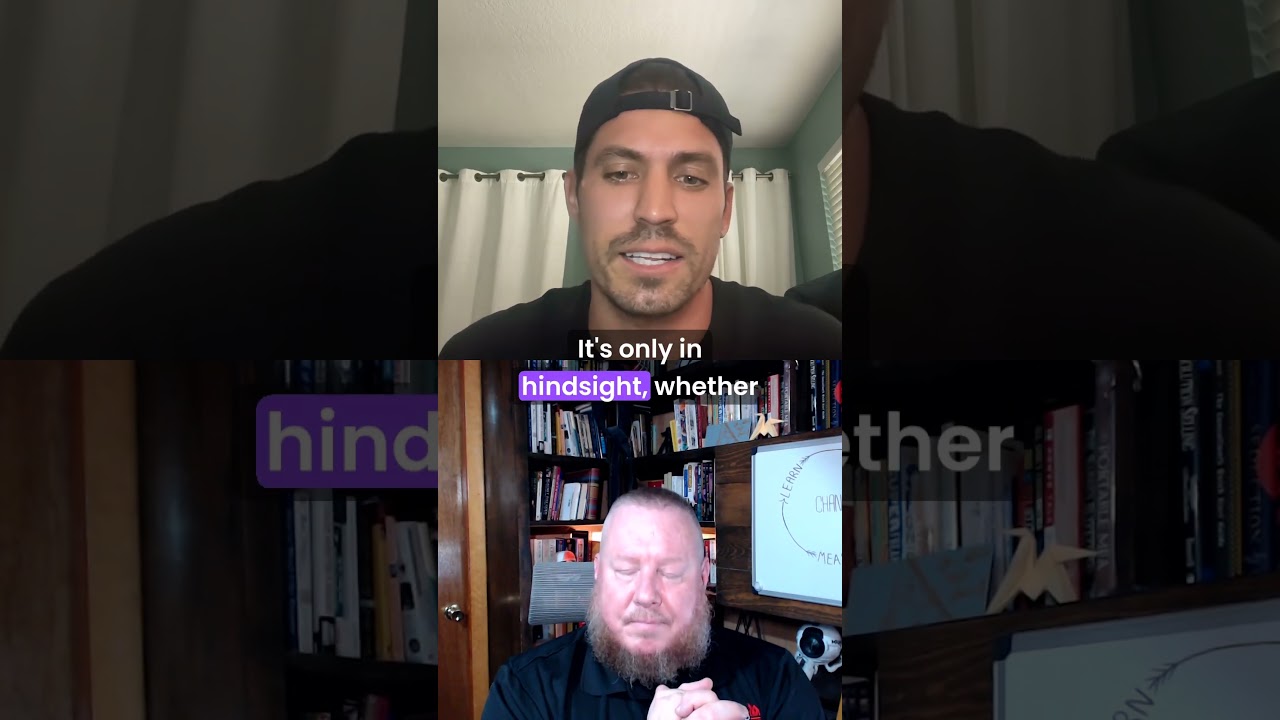
Kevin Jurovich, former NFL Player, on dealing with the unexpected in business!