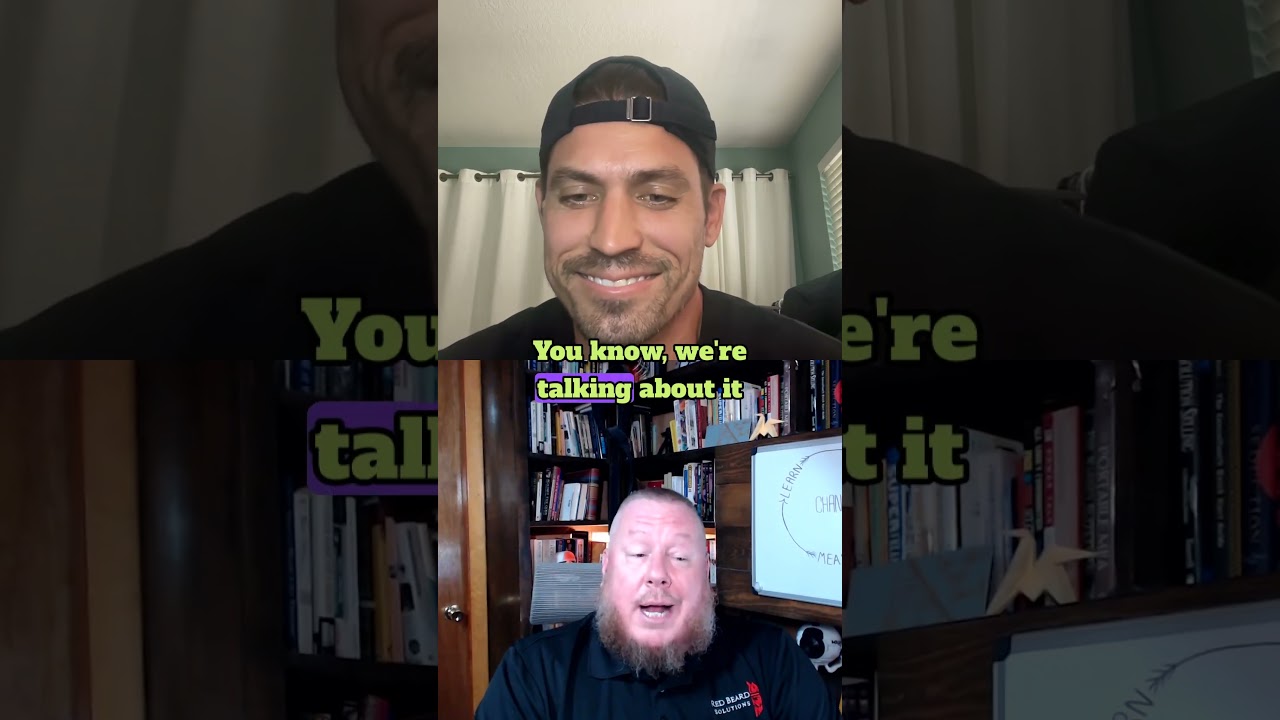
From NFL to Fintech: How Kevin Jurovich Is Monetizing the Knowledge Economy

In this FinTech Mavericks episode, hosts Nicole Casperson and Drew Glover interview Kevin Jurovich, a former NFL player turned wealth manager turned tech founder. Kevin recounts his unconventional career path, describing how a modest NFL salary led him to wealth management, where he began advising tech founders and discovered a passion for building companies. He details his first startup’s struggles, the four‑year "desert" of learning product development, and the pivotal moment when he leveraged a rapidly growing LinkedIn following (100k‑125k) to launch an expert‑marketplace called Hubbell (also referred to as Hubble). Kevin explains his content strategy—educate, inspire, and make founders laugh—how he built trust by leading with data before sharing opinions, and how this generated organic reach, viral posts (e.g., Uber’s first investors), and a pipeline of mentorship calls. He describes the transition from offering free advice to a paid booking system, the role of Stripe payments, and the importance of a filter to manage demand. The conversation covers his fundraising success ($900K pre‑seed raised in two weeks), early product metrics (500+ expert calls, 30+ experts onboarded), and the go‑to‑market plan that hinges on his community and distribution network. Kevin emphasizes the value of giving without expectation, resilience from his football background, and the belief that distribution and data are the last true moats in the knowledge economy. The hosts also explore broader themes such as creator‑economy compensation, the difficulty of replicating network effects, and the need for tools that sustain creator well‑being. The episode concludes with rapid‑fire personal questions revealing Kevin’s daily habits, favorite LinkedIn post, founder traits he bets on, influential books, and his favorite song for the Hubble theme.
Chapters
Welcome back, everyone, to FinTech Mavericks. I'm your host, Nicole Casperson.
And I'm Drew Glover.
Drew, you're the efficiency guy now, but I'm curious, what was life like before Breck?
So painful. If I told you how much money I left on the table just by not filing my expenses, you'd be shocked.
So thousands of dollars in reimbursements just gone? Easily.
And let's not forget, lost credit card points, duplicate charges— it's the silent tax on every trip.
So what flipped the switch?
Brex.
Now every swipe syncs instantly, and reimbursements hit my account before I unpack. Zero paperwork, zero money left behind. It's a no-brainer.
That frees you up to focus on deals and not receipts.
Exactly. And my founders get the same lift. No lost dollars, no lost time.
So you spend smarter, Move faster. That's Brex.
That's Brex.
Welcome back everyone to FinTech Mavericks. I'm your host, Nicole Casperson.
And I'm Drew Glover.
Today we're joined by Kevin Jurovich, former NFL player turned wealth manager turned tech founder. Kevin's latest venture, Hubbell, is tackling the pick-your-brain economy by giving everyday experts a way to monetize their hard-earned knowledge through one-on-one calls and more. He's built a 125,000-strong founder community, raised a pre-seed round by leaning into content and community, and now he's helping others do the same at scale. So let's get into it. Kevin, welcome to FinTech Mavericks.
That was an incredible introduction. I appreciate that.
You're welcome. Kevin, I've had such a pleasure just researching your journey a bit on the internet. The first thing I have to ask is to start with the unexpected. How does an NFL player end up as a tech founder? What's the brief story on that?
I actually had like literally zero clue that was gonna happen. I think one of the things, at least for me, like growing up, I always wanted to be a pro athlete, right? So like anything that was related to sports, that's what I was doing when it was football season. Sleeping with a football. Basketball season, I had a basketball. And even though I grew up in Silicon Valley, it's funny because the new Apple campus is literally like right near my backyard of the house that I grew up in, right? So it's like I was dead in the center of Silicon Valley and never, not one time, thought about really getting into tech. But after my football journey was done, I think You guys know this, as we get older in life, life throws curveballs at us, right? And so I made a little bit of money playing football. And like any 23-year-old that was getting $10,000 a week, I spent way more than I probably should have. And by the time my career in the NFL was done, that led me to wealth management because I just realized, I'm like, if this is happening to me and I'm not making millions of dollars, but it's also happening to the guys making millions of dollars, they're just making bigger mistakes than I was, right? So I ended up getting my licenses, my Series 7, 66, and I set out to be the biggest and the best financial advisor to NFL players. And then I learned a lesson that nobody wants to give you $5 million when you were just buddies with them 2 weeks ago, right? So my book of business ended up being, as time went on after a number of years, all my biggest clients were tech founders. And that was really my introduction to tech and just to the impact that some of these companies can have on the world. And I think even more important, it made it human to me because prior to that, the only founders I really would read about were the Bezos of the world or the Zuckerbergs of the world. And those people to me were completely out of touch. And once it made it a little bit more human that some of these individuals were creating massive impact. I stopped wanting to be on the sidelines wearing a suit and like managing money, and I wanted to be the one creating it and playing the game. And that was 7 years ago. I moved to San Francisco and I started my first company.
Yeah, I resonate with that a lot actually, because I was never a wealth manager, but before I became an entrepreneur, I was covering as a reporter the wealth management space and It was that kind of aha moment, even for me, that was like, exactly, I don't want to just write about the rich getting richer. I want to help people get there faster with better tech. I was covering fintech and it just seemed like there was such a clear path. Why is no one taking it on? Right? Or why are not enough of us taking it on? So that was how I got into entrepreneurship. Is that what happened to you, Drew?
Honestly, I had no idea how I was gonna get into entrepreneurship. But one thing I do know, and I wanna go back to what you were talking about, Kevin, is just playing football. I played football in college at UC Berkeley. Go Bears. But like the thing that I learned through the process of football was really this like idea of just code switching and being able to connect with generally anyone from any background. Any type of personality, whatever it is. I'm so curious as you went through, and by the way, Kevin's being like, he's being very humble. He was one of the, I think actually is still one of the most prolific receivers from Sac State of all time. But Kevin, I'm curious how your background in football propelled you into just like your general success in the world today.
Yeah, that's a great question. I think like When you're going through it, you know this, any collegiate athlete, and I mean, even in high school, but really once you get to college, you know this, Drew, and anybody who's played any sport doesn't need to be football. The amount of discipline and consistency that it takes just to make the team, right? I'm not even talking about having success. The consistency that it takes just to make the team.
Yeah.
I think as you get older and you become a professional, That sort of consistency is next level. There's not a lot of people that can bring that consistent energy to the workplace and do it repeatedly time after time. And I think the one key thing that I've taken from from sports and from football is the ability to go all in in something, the ability to really like put it on the line. I'm not talking about like ah there's a little plan B, so maybe I'm just going to try this a little bit. I'm talking like. You're putting in work for days and there's a chance that you may not start. There's a chance that you may, you may lose. There's a chance that the person next to you or across from you may beat you that rep and you gotta line up again, right? 6 seconds later or 10 seconds later. This, this sort of mindset of not being afraid to fail, not being afraid to like really put it on the line. I think there's a lot of people out there that It's hard to do that. It's safer to just kind of half-step it. And if it doesn't work, you could just say, oh, I just half-stepped it. It's much harder to like really go hard for something and be like, damn, everybody knew me as this thing and this founder of this company and it didn't work. That's much harder. But I think in sports, I realized that's what, that's what you do, right? That's, that's what successful people do.
100%. And then from football to wealth management, And through that process, beyond even beyond wealth management, you've had to completely reinvent yourself, right? And I'm curious, what was that journey like? I mean, I remember even leaving out of college playing football and always being seen as just a football player and having to work really hard, both mentally and just through repetition to transition the energy and the dedication I had to a sport to a business. And also have to understand The foundational models of business, but what was that general transition like?
Yeah, I think like in life, this is a common theme for me and I always tell people, never be afraid to reinvent yourself, right? Like things are going at such a fast pace. No one was even talking about AI 5 years ago, right? Now all of a sudden everyone's writing about it. You gotta always be okay with reinventing yourself. And part of that is like being okay with being a beginner again. Nobody likes to suck at stuff. It's much more fun to be good at it, right? And to be like, look how good I am. Look how easy this is. Like, you don't want to continue to do that forever. Hopefully at some point as you reinvent yourself, you find something that is kind of at that intersection of your passion and something that you can make a career out of. But yeah, I always say like, it's okay to be a beginner again. It's okay to try something new. You want to Learn how to play chess. I started playing chess two years ago, and wasn't very fun for a while. But now it's it's fun, right? Tech founder. When I moved to San Francisco, I didn't know anything about tech. I didn't have any VC connections. I knew nobody, right? And two years later, after writing, and we can get into that, but like it's a completely different ball game. I used to sit. This is how I got my first VC meetings. I used to sit in this cafe. In South Park. You guys know South Park?
I know it well.
Back in the day, it's closed, RIP, Cafe Centro.
Oh, I know it.
So I used to go there because I found, I stumbled upon South Park 'cause I was living on 3rd and Townsend and I was just going for a walk. I stumbled on, I'm like, oh, this place is great, it's magical. And then I saw these VC firms in South Park, right? There's like 10 of them all right there. I realized when I would get my morning lattes, the people that were at the cafe were all founders and VCs doing pitches. And so what I started doing is I started getting lattes and I would sit in that park because I knew nobody, right? And I would overhear conversations and sometimes a VC would literally leave their email. I will write it down and then like 20 minutes later I send an email and be like, hey, I was at Cafe Centro. I'm a founder. I overheard. I know this is a little creepy, but nice to meet you, right? And I think like This isn't— this is not the right way to meet an investor, so please don't copy that playbook. But it's just like, I guess, a story of, hey, when you go all in on something and you're a beginner, like, go for it. Don't be afraid to do stuff that doesn't scale or do stuff that other people might find embarrassing.
I mean, they might have appreciated the hustle. Like, the—
just the putting—
well, because the putting yourself out there alone is one of the, I think, the hardest parts, right? Like, you can be so talented, you can have all the skills, you can do everything, but if you're not willing to take that Steph, if you're not willing to, you know, almost like be down and make a fool of yourself. Hey, I'm going to reach out. This person did not give me their email. I just overheard it or I saw it or they left it and I'm going to reach out. Half the time what I have to do in my job is like dig for people's emails or guess and just hope that, you know, they might respond or they might wanna do something or, you know, and that's, and that actually is how I've landed massive interviews or, you know, just being willing to just put into the universe that I want this and then It kind of happens and comes my way. I mean, we've kind of talked about your reinvention and your, in a sense, your mindset shifts, right, that have brought you to where you are today. How did you go about building the, like, an actual product company after transitioning from NFL to wealth management into this? Like, how did you know you actually wanted to build? A product?
Well, since I didn't literally know anything about tech, right, I sold my book of business and wealth management. I moved to San Francisco. I had zero idea. And like, I think most first-time founders, like, if you aren't familiar with how to build product, it's like, okay, the first thing I need to do is I need to hire an engineer. I need to build this idea. You know, no, no iterations in Figma, no validation with users, right? Like. Doing it the completely the wrong way. And I basically had this, I would call it this masterclass time in the desert for 4 years of literally like listening to podcasts like this.
Mm-hmm.
How I built this and going for walks around San Francisco and just like learning and just like soaking it up and like one conversation at a time, picking up bits and pieces and then realizing like, damn. they made the same mistake I did, right?
Mm-hmm.
Because a lot of these mistakes, this is what happens as a first-time founder. You make a lot of the same classic ones. And yeah, it was like 4 years in making a ton of mistakes, building the wrong things the wrong ways, spending a lot of money. I had raised money, I'd hired a bunch of people. And yeah, that was kind of my journey into product development. It was like this 4-year crash course on like, how not to do it. And I'm much more efficient in how we do things now. And, uh, but yeah, that whole time in the desert that I call it is, um, it's actually the reason I even started writing on LinkedIn.
Hmm.
And I know we're gonna probably get into this, but it, I spent 5, you know, 4 and a half, 5 years building this thing and kind of getting nowhere, right? That's a long time. You've got employees, you've got stakeholders that you've raised money. We raised like $300 grand pre-seed for this previous company. And I just had this moment one day where I was like, this is the craziest journey I've ever been on. And I developed this love, or maybe love's a strong word, this admiration for anybody that wants and has the courage to leave the shore and start a business.
Yeah.
It didn't have to be a tech business. It could be a flower shop, it could be a shoe store. It doesn't matter what it is. Like leaving a big brand company, steady paycheck to chase a dream. This like became my, I want to help these people. It became like a mission. And I'm like, all right. I log into LinkedIn, which at the time to me was like this super dusty digital resume. Like I would only use it. It was.
It was.
To like message an engineer and be like, hey, I'm working on this idea. You wanna work on it? Right? But I started seeing people write about it. I'm like, you know, I actually, I'm like, I'm looking at some of this wisdom. Some of it's good, some of it's trash. I just wanna come with this authentic, not trying to sell any courses or anything. I'm just gonna like share my experience. And I always just, every post that I do, it's like, I wanna either educate, I wanna inspire, or I wanna make a founder laugh. And, uh, yeah, I made that decision 2 years ago with about like 750 followers and not that many connections in tech at all. And we can get into some of the details and kind of the results of that, but it was one of the best decisions I ever made.
Just 2 years ago?
Yeah.
Oh my goodness. Okay. Well, okay. I guess we should talk about LinkedIn, huh? Uh, the, the—
We gotta dig in.
I know that's, that's incredible. I, so, okay. So you start posting on LinkedIn, which is, it is funny. I remember when I started my entrepreneurship journey, and of course at first I was trying to crack Twitter, 'cause that's what everyone was doing like 2 to 4 years ago. And then, and then exactly, LinkedIn did feel very much, anytime someone was like, have you tried LinkedIn? I'd be like, ugh, no, that's just where I would look for a job. And I'm not looking for a job, I'm an entrepreneur now. I guess like, how did you, What was that process like? How, I mean, half the time it's throwing spaghetti at the wall. I know that. But when did you kind of find the vibe, right? When like the momentum started to kick, when people would pay attention to what you're posting on LinkedIn, did it feel almost instantaneous? 'Cause you were there at this when it was still dusty, or?
I say this just like a little pro tip for anybody like starting their LinkedIn journey or just on social media in general. When nobody knows who you are, right? Nobody really cares about your opinion. So one of the things I realized really quickly is like, okay, my personal stories, no one really knows me yet.
Hmm.
So just a word of the wise for anyone that's starting, like growing a, a platform or, or an audience, like lead with facts, lead with data, lead with some of these more things that are objective. And once you start to develop some trust, That you're a source of truth, then you can kind of spin off into this more opinion, more maybe passionate, um, type of post. And that's something that I learned, but I think like relatively quickly it started taking off, like within the first month or 2, maybe like maybe 3 months I got 10,000 followers and then it would just double like every 3 months. And yeah, there's been so many incredible stories. I don't even know where to start. I'll tell you guys one story.
Yes, please.
One of my first big viral posts I ever posted, it was Uber's first investors and how much their investment was worth at IPO. It ended up getting like maybe 7 million impressions and 13,000 likes, which on LinkedIn is a lot. And I remember going back through the, you know, the comments. I'm like, Who the hell is this guy? He's got 2,000 likes on his comment, right? And I click on the guy's name and I'm like, oh shoot, that's the guy I just wrote about. That's him. So I connect with him. And this is about a year ago. We go a year just keeping it casual, right? Just liking each other's stuff from time to time. Zero DMs, nothing.
Casual.
Yeah, keeping it casual. I literally wasn't even like, thinking about it. But when we go to launch Hubbl, which by the way, it's an expert marketplace where you can book calls with people who've kind of done what you're trying to do and just pick their brain. And I'll get into how we even launched that in the first place and how the old company pivoted. But I reach out to this guy, I say, hey, here's what we're launching. You're a first investor in Uber, first investor in Salesforce. Like your wisdom would be awesome. I'd love to have you on this platform. He goes, I'm in. We get on this Zoom call. I'm onboarding him as an expert, right? Now keep in mind, this started from a year ago of me just writing a post on LinkedIn, right? And then him seeing it. After the onboarding, which is like 25 minutes, he goes, hey, are you raising money for this? I'm like, we had kind of raised some money to this point, like $500K. And there was still like a little bit left, but I really wasn't even sure how much we were gonna raise at this point. And so I kind of tell him, I'm like, you know, yeah, we have, we may be open to like adding 1 or 2 more angels. You know, I'll let you know in a couple days type of thing, right? Then I go to sleep that night and I'm like, Kevin, you're an idiot. The first investor in Uber literally wants to invest in your company. It was very clear just on like the story alone that you should allow him in, even if you already had raised what you wanted. So I go to sleep that night and I'm like, All right, I'm gonna tell him, hey, I went to sleep and I was thinking I screwed up. I would love to have you in, right? I wake up the next morning to a DM and it's like straight out of Wall Street. He calls me pal. He's like, hey pal, I want in. And 15 minutes later, he signed the SAFE agreement and he wired a substantial amount of money and That story then I told him because it was a pretty epic story how it all went down. I said, I think other founders are going to love this. You mind if I share it? So I screenshot our DM. I posted it. You can look on my page. And once I posted that, everybody who had kind of been following me, which were a lot of tier 1 VCs and stuff because I write a lot of content on VC lists and seed investors. All started DMing me. I went in for 100K. I went in for 250K. It was kind of like the tipping point, right? Or the feather that broke the camel's back. But it's just, it underscores the power of LinkedIn and the power of connection and the power of doing it the right way and just putting good stuff out there. You know, I think with that mindset of it's not about me, all the stuff I post, it's not about me. It's about Everybody else, and it's about the people that read it, and it's about the value that they can get out of that post. And that's how I always keep it.
That is such an incredible story, and there are just so many things to unpack in that. Like, there was like 10, and I was like, that's a good follow-up question, that's a good follow-up question. But I'm gonna start being really selfish here because I'm just so curious, as someone that is always posting on LinkedIn myself, Nicole as well, I feel like the biggest competition I have is, is with myself, just trying to basically just get my thoughts on a page on LinkedIn. But it sounds like you followed a pretty clear recipe, right? I think you said inspire, teach, and, uh, be funny.
Yeah. Make 'em laugh.
Yeah. Make 'em laugh. And so I'm curious, like, are those, like, is that the playbook that you run and how do you not get off track there? Because there's so many things that you can share, I'm sure.
I think as you write more and as you, just like anything in life, as you get more success, like as this podcast gets even bigger and bigger and bigger, it's like more fun to do it, right? So this is the same thing in writing content. And so what ends up happening is you start just kind of like, if you buy a yellow Mustang, all of a sudden when you're driving around, like there's a yellow Mustang, there's another Mustang, right?
It's like— So true.
This is what happens with content or good stories or good ideas or things that you can share. And so you eventually, after a couple of months, you have your own kind of database or Rolodex of cool stories or lessons you've learned or what a SAFE note is or some of these basics, right, that people know that they care about. You can always draw back on those. Like once a quarter, I literally post exactly what our investor update looks like. It's a PDF, shows exactly what the investor update does. It says why I do it. I post it once a quarter 'cause it's important, right? But you have this Rolodex of things that you can always tap into and go back to. Plus your eyes are open and you're always looking for like, what would founders love to read about? And you know it when you see it. You know when you're scrolling on Instagram and you see something or you're reading an article and you see like, oh, that's super interesting, right? That's a signal that if you think it's that interesting, Mm-hmm. other people will also feel, I think that it's interesting.
Yep.
So don't delay. Like, right there in that moment, save that article and just start writing, right? Just brief, high overview, right? Because you're kind of inspired in that moment. And I think if you do that and you kind of start doing that consistently, after like a year, you're literally going to have 100 pieces of content that are fire. And you can go back and repurpose some of them while you're still finding A few things, you know, per week that are new.
I love that. And so you have literally with, with Hubble utilized your likeness as a go-to-market strategy. And obviously that, that's been in the making for much longer than 2 years. But in terms of your following growing, like that was, that was a solid like 2-year journey when you started Hubble. And by the way, I'm an expert on Hubble. Nicole will be too after this, I'm sure.
I want to be an expert on Hubble.
That's how Kevin and I know each other.
Request made.
I'm on the waitlist.
I know, I saw those LinkedIn posts, Kevin. There's like 1,800 people on the waitlist. I'm like, how do I— okay, anyway, I'll figure out how to get a cut in the line.
Yeah, we'll figure it out.
I know a guy.
Yeah.
I am curious though, like, you know, you have well over 100,000 followers on LinkedIn. When you started Hubble, were you like, this is the perfect time for me to be able to utilize this community as a go-to-market strategy? Or were you more so just like following your inspiration around starting Hubble and being like, it just so happens I have this community, but how are you aligning the power of the community with the launch and the creation of Hubble?
Yeah, that's a great question. I'll get into like the story kind of how, because I think this is going to tie in perfect to this question. So I didn't even understand when I first moved into tech the power of distribution, right? We always talk about, yes, have distribution. Obviously, it's very important. I didn't even know that back then, right? 6 years ago when I started writing, yes, I had a company and I knew, hey, the bigger my following gets, it probably will be helpful, right? But that cannot be your source or your like key motivation. It truly has to be, in my opinion, you're sharing something and you're talking about something because you're that passionate about it and it's helping other people, right? So like as my following grew Here's what, here's, here's how the pivot happened. As my following grew, I started getting like, once I passed like 40, 50, 60,000, I would get a lot of DMs every day. And at the end of every single day, I would set aside an hour and I would either get on a Zoom call with founders or I would help them in the DM. I helped every single founder for over probably 14 months. Every single person that messaged me.
Wow.
I helped them up until I had about 100,000 followers because then it started getting a little bit overwhelming. It basically was this thing of, hey, my business is happening right now. We're not a unicorn. We can't get our retention over 10%. It needs my full attention. And I have this other thing on the side that gives me much more joy. I know the impact that I'm having. I'm having all these conversations. But it started to feel like this. You ever been in a relationship where you give more than the other person?
Yeah, I think we all have.
Yeah, yeah, it's not a good place to be if you're young out there. It's not a good place to be.
No.
So this is how it started to feel, right? And you started to get a little resentful, like, hey, I'm giving all this energy and this time to all these— not even one person, just like it was a lot. And by this time There was a competitor that I'm not going to name, but I'm very grateful for them kind of showing or leading the way for this to be a possibility, this space. And they were reaching out to me, sign up, sign up, sign up. So I'm like, all right, I need to have a way for people to book me. I still want to be able to do this. By this point, I have well over 100,000 followers, so many connections or quote unquote other experts or influential people. I didn't know how I felt about wanting to do a paid call. I still felt like that was a little awkward and it was kind of off my brand because my whole brand was like, I'm just here to help and inspire and I'm not making a dime off of this, right? And it was never my core motivation anyways to make money. I just needed a filter so that I wasn't ghosting people that were DMing me, right? Because I was just getting too many of them. So I get on this product, I start using it. And this was my first signal that this could be something big. The day that I announced that, hey, I'm taking these mentorship calls, you can book time with me. I probably had 30 influential people, we'll call it, from LinkedIn, but just in the tech and venture community. If I named their names, you'd be like, yeah, I know them. I know them. I know them. They all started messaging me saying, I've been wanting to set something up like this You know, let me know how it goes. That was my first little signal. Then I started getting a bunch of calls, right? Because I had this audience, this pent-up demand. I'm getting Stripe payments after the call, right? Which felt nice because it wasn't— I know what a 15-minute call is with me. I know the value that I can bring. I can see it in the call. I know the clarity or the conviction that that founder gets after that phone call. And then to also get a Stripe payment, it felt fair, right? Felt good.
Yeah.
We were working on my previous company. It was like the last product update. This was like our last ditch effort. Like if this didn't work, it was one of these product updates you're supposed to ship every week. This was like, all right, timeout. Let's build for 2 months, all of our best ideas, package them, ship it out. If this doesn't work, guys, girls, I don't know what to tell you, right? This is kind of the vibe. I'm meeting 2 friends for lunch and I get there early. It comes out on TestFlight. Obviously this is a big moment, right? I'm 5 years into this company. I start playing with it on TestFlight and I'm like, this thing still sucks. We are not taking people away from TikTok and Instagram with this. It was a discovery app for restaurants and bars. It was pretty neat. It wasn't as good as the competition. And if your product is not close to the competition, then it's not gonna be adopted. It's gonna suck. So I'm driving home. One of my early investors calls me. He goes, hey, Kevin, remember that Booking Link thing you told me about? How's that going? So I tell him. I also tell him all the things about the product that I didn't like because I was literally doing this for months, right? I've done tons of calls on this platform and I care about this space. There was a lot of things. Why is there no AI note-taker? Why is it just for celebrities and C-suites? Why when I log into their marketplace, is it the same 7 celebrities every single time? Why do they make you take calls on your mobile phone? It's too casual. There was like so many things, right? So I'm telling him all this. He's like, are you home right now? I pull into my driveway. Have you guys seen Limitless, the movie?
Yes.
Yes.
With Bradley Cooper?
Yes. Of course.
Okay.
If you got any of those pills, give them to me, man.
Yeah, I'm sitting in my computer and this is the only thing that I can explain the feeling. You guys haven't seen that movie, please go see it.
Yeah.
He takes these pills, he goes from basically a loser and nothing's working to all of a sudden he sees the world clearly. He's speaking languages, he's crushing it on Wall Street. My investor goes, look what I designed. And in that moment, I'm looking at the screen and the design wasn't even good. It was a lot, but it was enough to be that spark to say, holy cow, I'm gonna do this. And you asked that question about distribution, right? Like one of my first thoughts was already like, we already have our first 400 experts lined up. There's literally gonna be zero work. I'm gonna tell them this is what we're doing and this is why, and here's my passion behind it. And every single one of them are gonna say yes. And that's what happened, right? And so the go-to-market became crystal clear. The adoption became crystal clear. The product offering became crystal clear. My years of failed product development, I knew how to actually build a product successfully. That pivot moment was literally 5 months ago. You know, we raised $900K in 2 weeks. Uber's first investor comes in. Got our first venture money. Haven't met either of these people in person. This all happened from LinkedIn and just, just like this on these Zoom calls.
Incredible.
We launched the product in 3 months. We've been live and we've completed now over 500 calls. So, yeah.
Whew.
Yeah. No, I mean, it, there's a lot in there. I mean, I think one, the fact of how transparent you are in the journey. Is huge. I, for one, have appreciated just how many times, even on this show, you've said, I had no idea what I was doing, so I decided to do this. Right. And even that, right. I think we're at a point where even on LinkedIn, you're almost getting overwhelmed with people trying to be too much of an expert in X, right. Or trying to be overly polished or right in their expertise. But there's this relatability and transparency with Hey, I didn't know what I was doing, so I just started doing this. And then I got a DM and I took the time to respond and all of that, right? All of that real work that happens, that grittiness that people don't always see. I'm sure Kevin, now it's at a point where people are like, oh, that's so nice. Like, you're all successful now. Like, you have your big following, you know, you got your stuff. But that was the work that people don't see. And they, and that is, it's like the new, you said it was like Wall Street where, you know, one of your, your investor was like, hey pal, over DM, which you probably got his attention more by saying no at first and sleeping on it.
Mm-hmm.
'Cause that's very Wall Street. And, but the point being like, you, these are the real steps and you're being transparent about it. And then you're directly reporting it back to your audience for them to either replicate your blueprint or take pieces of your blueprint and then apply it to their own. Kevin, this is basically what I do with my content and newsletter, so I think we might be the same person. Is what I'm getting at.
You're slightly better looking than me.
Depends on who you ask.
You have nicer hair. You definitely have nicer hair.
Thank you. Thank you.
Thank you.
I have to say, first of all, incredible story. And there's a couple things you said in there that reinforce something that I just keep preaching and screaming from the rooftops. Distribution and data are the last 2 moats that exist in this world. Part of that story is one of your previous— one of your investors calls you up and says, look what I built. Again, anyone can rebuild a version of whatever's already out there. Like, tech is no longer a moat. We can go vibe code something cool after this call if we spend an extra 20 minutes just like chatting about ideas. What you had built in that you spent a ton of time on was building your distribution channel. And frankly, by you responding to all of those founders for 2 straight years and just getting in the dirt with them and going back and forth gave you this data that's very hard to reproduce because of your distribution source that gave you the opportunity when this one came for you to get those limitless chills in front of your computer to be like, the world's aligning. So I'm curious, like, as you think about the moats that like Hubble has, the most that you're building. Are you— do you agree that like that, that distribution and data are the last 2? Is there anything else in your mind where you're like, no, like this is not replicatable with what we currently have?
I think like products like this, anything social related, it always comes down to the network, right? Like we've seen tech companies and the biggest ones in the world, these social media companies, they literally copy features verbatim.
Yeah.
Like, I think what Snap launched, Stories, Instagram literally launched Stories, like identical, right?
That's right.
This is what is going to continue to happen. You talk about vibe coding, someone could literally like launch what we have in a week. Would they be able to replicate the network, the individuals, the passion behind it, the conviction? All of that stuff can't be replicated. And I'll tell you, I've done every single onboarding. of every single expert. Drew, you're one of them.
You can attest.
Yeah. I onboarded you. And I think, you know, one other thing you touched on from that time in the dirt of literally helping all these individuals, that moment of clarity with that pivot, the reason we raised money so quickly is because of that conviction. I was living that life, right? It wasn't pretend. I had done it. It was super clear about the product and our differentiators. But I think they just felt, the investors that is, this is a person who has so much conviction in that distribution and all of these experts are already there, right? And that stuff is extremely hard to replicate. You can have even a better product. You can launch a better looking Hubble and the booking experience might even be cleaner. You're not going to be able to replicate that passion, those connections, and that network of experts. And for us, it's never about me. It's not even ever about Hubble. It's about the experts on our platform. It's about making them the star. It's about centering everything around them and just like preaching this message that people in tech, and you talked about this, Nicole, we're just winging it. Every, the best founders, I promise you, the best founders are just trying stuff.
We are.
They're trying stuff and 50% of the stuff they try you don't hear about because it doesn't work. You only hear about the feature that actually hit, but they tried 7 other things before that, right? Which is why all these companies pivot. Go do research in any of these big companies and look at how many pivots and failures led that founder to eventually land on what they became.
I mean, you have this very like, what do I have to lose attitude about it? Where do you think that comes from? Football.
I think at the end of the day, this sounds a little cheesy, but it's like we have one life, right? And our, our parents' generation, most of the time, like, they, they weren't forced, but they didn't have the options that we have.
Yeah.
They typically worked a steady job or tried to work a steady job in a single industry for like 30+ years, right? We have the world is our oyster. Information is everywhere. You can have access even on Hubbell or other platforms with people that have literally done exactly what you're trying to do. And so the possibilities are endless. And I didn't want— I remember sitting in finance and I used to wear a suit every single day to work. I hated wearing a suit, but I had to wear it every single day. And I was— I remember sitting like 4 years in, I'm like, I'm having success, but I was like, I don't want to be an 85-year-old man In my rocking chair on my front porch, having regret that I didn't chase a dream or I didn't chase that passion or that thing that's inside of me. I think we all have these passions and these admirations and these things we want to achieve. And sometimes life is scary, or sometimes we just don't go for it. And I never wanted to be somebody that didn't go for it. Even if I didn't know what I was doing, I had the confidence and the optimism. that I'll figure it out. Um, even if it spent 5 years in the desert, which I hope nobody has to spend that much time in the desert. That was literally the worst experience of all time. But, um, but yeah.
I mean, I'm like, physically, we're— this is a metaphorical desert, or did you really go to a desert?
Oh, this, this is— it felt like a desert.
I don't know.
Right. This is the, this is the read hundreds of books, right? All of that. And, uh, I've, I've read about it on, on your LinkedIn. Um, I mean, you've had this like natural inclination to be basically like a reporter and documenter of your own experiences, right? And when you position it in a place where you are obsessed with providing value to the people that care to listen, that's where, like, I think about that all the time. If, you know, oh, if the pipeline is slow or like if I'm waiting for a deal to close or whatever, and I'm just like, you know what, if I just write a really great newsletter tonight, like I do, Twice a week, every week, the money will come. Like the people, the relationships will come, the deal flow will happen. That's it. Like all I have to do is make sure I do this and the rest, right? And then all of a sudden I'm seeing the, right, the yellow Ferraris all around or whichever. I think that might've been the—
Can I tell you a crazy story as it relates to that before I forget?
Yeah.
So Drew knows this. I've been in Mexico for the last 2 months. I booked a one-way ticket after we launched Hubble because I'm doing all of these onboarding calls, right? And I wanted to be somewhere inspiring. It felt like this was a super pivotal time in my life. But you want to talk about writing? I go to this gym. So I go for a walk one day. This happened like 2 weeks ago. And I find this kind of like gym in the barrio, right? Kind of the hood a little bit. And it's like, there's rocks as dumbbells. Like there's duct tape over these bars. Like there's a bunch of like just dudes in there with no shirts on, just getting after it. Right.
Mm-hmm.
And I'm like, wow, I'm gonna work out there. I'm the only white guy. And I'm loving it though. It's like, there's something about a blue collar space when everyone's just getting after it that feels cool. Right. So to your point, I had this like random inspiration where I'm like, this is incredible. Like I'm here in this amazing place. I'm onboarding people. Things in my company are thriving. And my favorite part of the day, I found this little workout place in the barrio where people just get after it. And it's one of my favorite hours of the day. And I posted this on LinkedIn. Okay. Now wait for this. I get a DM 2 days later, 1 day later from this founder. He's from the States. He's like, hey, he wasn't even following me. He's like, hey, I randomly saw your photo. He's like, I live across the street. He's like, you want to get together for a beer? So I'm like, sure. So that was on Monday. Thursday rolls around. It's real easy to cancel plans. It's real easy to be like, after 4 straight days of work, it's 7 PM. I've been talking for 12 hours a day. It's real easy to be like, I don't want to get a beer. But you got to follow through. You got to do it, right?
Yeah.
So I meet him for beer. Here's where the story gets cool. We sit down, he starts talking about Hubble, like asking a lot of questions, more than the typical just interested individual. And we're about 3 hours in now at this point. And so we had a couple beers, we're buddies, we're just— and he's like, hey, Kevin, I gotta tell you something. I'm like, what's up? His name is John. I'm like, what's up, John? He's like, I gotta tell you why I wanted to get together today. I'm like, why'd you want to get together? I thought you were just like a founder living across the street. He's like, well, yeah, but my grandpa passed away and I actually manage my family's foundation now.
Wow.
And I'm like, oh, that's great. Talk about wealth management. What do you think I used to do, right? So I'm like, oh, what do you like to invest in? He goes, look. He hands me his phone. I could talk on and on about asset allocation. That's what I used to do, right? So I'm looking at his portfolio. I'm like, John, you've crushed it, but this portfolio is terrible. He literally was invested in 6 stocks. That's it, right? For this family foundation with like multiple, multiple millions of dollars, right? Super volatile. I'm like, yeah, you've made a ton of money, but just wait until the market turns. Like, Your risk exposure for what you're getting is not worth it. He's like, yeah, Kevin. So I go on and on for 30 minutes about asset allocation. He goes, that's exactly why I wanted to meet. I want to get into private deals. I want to invest in Hubble. So he wants to write a $250K check in our next round when we announce our seed. And that just goes to your point, Nicole, about it would've been real easy not to write that. story about the coming home, going to that gym, but I did it and look what happened.
Right.
Yeah. And I would, I think that's really, really, because you told 2 different stories. You've told a story about the first investor in Uber that frankly, you guys, there was a like, there was a comment, but that was like a year-long, year-and-a-half-long tail. And then you're talking about another one where it was like a moment in time. And so you talk about LinkedIn as a distribution strategy, but you also talk about it as this like relationship nurturing platform as well. And I think it's really interesting just to hear of— and we talk about this— for an enterprise deal, maybe it takes 14, 15, 20 different touches. Uh, that could be a couple of events, maybe some LinkedIn posts, maybe some white papers, whatever. For some more like direct-to-consumer deals, that could be like, the website's sick, I'm signing up. But I think it's really interesting that In your community, you've had these relationships that started a year ago, that started last week, that are turning into opportunities for you. And that's simply by you having that community and you continually putting yourself out there and giving yourself as many opportunities as possible to strike gold.
Yeah.
And it sounds like that's something that— do you think that you're taking the most— like you're able to get the most out of that? Or right now, is it still kind of like, Luck and happenstance when people arrive in your DMs? Do you think you're leaving on the table?
It's not luck at all at this point, but here's, here's the catch. Here's the catch-22. Here's why it doesn't happen for more people.
Yeah.
Talk about giving and receiving, right? I gave to individuals on LinkedIn without asking for anything for like 16 months. I'm talking 5 days a week. Just give, give, give. Most people, when you write a piece of content, you're already selfishly thinking about what can I get out of this? Or I hope I can get this out of it. And that leads to a lot of disappointment. But I think if you just take this approach of literally for the next 6 months, you don't have to do it for as long as I did. For the next 6 months, I'm going to show up and I'm going to be all about service. I'm going to be all about helping. I'm going to be all about inspiring. I'm going to be all about making laugh. I'm not going to ask for a single thing. Watch what happens. Watch how people respond. And then watch what ends up happening a year later. There's been— Drew, I told like 2 or 3 stories off of this. There's like, I mean, I could tell 20 stories. The first time I went to Dubai, I got a flight paid for first class to Dubai to go to a VC conference where I literally spoke for 5 minutes or 10 minutes and I stayed there for 11 days. And that came from a cold DM on LinkedIn also. And then the guy angel invested, but there's a lot of these stories. I mean, love it.
That's how I went to Istanbul this year for the first time. Someone saw my work on LinkedIn and they worked at the biggest bank in Turkey and they brought me out to sign books and talk for 10 minutes. It was great, right? And I got to stay for the week and enjoy it. These are the things that happen. All right, so with just a few minutes left, I do kind of want to ask a bit about where maybe you see some of the biggest white space in the tech or creator-led tools today? Or maybe Hubble is just—
Yeah, that's a good question. I think like, and we kind of touched on this, I think sometimes with creator-led tools, like, you know this, there's a lot of work that goes into putting together a podcast, right? People, everyone thinks, oh, I'll get a Substack or a Beehive and I'll be like the next Lenny. There's like a lot of work that goes into building that sort of even close to a following. And what ends up happening, same with posting on LinkedIn, it can start to feel one-sided, right? And I think a lot of creator-led tools can start to feel like, hey, I'm putting a lot out in there, but I'm not really getting that same level of love or equalness back. And I think companies that can try to figure out how can we pay these creators back, and I'm not talking about Strictly money. Money is helpful, but it has to be more than that. How can we give them the satisfaction to continue to create content, right? And I don't know what it's like for you on the podcast, if it's like, I don't know, comments that you get or people that send you a random text like, hey, this episode was awesome, right?
Mm-hmm.
But we need more of that and more, not just money, not just likes, not just comments. How can we give and, and to a person's sense of wellbeing? I think the one thing Hubbell does that's incredible is everybody deep inside our hearts, we want to help people, especially people that are working hard and especially people that you see are just hustling, right? These are people we want to help. There's an amazing feeling about having a short conversation with somebody. and giving them what you feel is super basic advice, but to them it was revolutionary because they did not know about it. And then 2 weeks later, them coming back to you and be like, Nicole, oh my God, I literally did this and it worked.
Yeah.
And you see that little breakthrough moment all along, you got a little Stripe payment for your time, right? So I think that's one thing that we are really trying to lean into. It's that human emotion. So that people don't get burnt out from helping, don't get burnt out from creating. And I think there is still a little bit of white space there and things that we need to figure out.
Yeah, no, I agree. It'd be cool to put like a real tool in place for that because I know from my POV— goodbye kitty— from my point of view, it's— I write 104 newsletters a year and I have for the last 4 years. Twice a week, every week. No one else pens this newsletter but me. I refuse to get a ghostwriter because I know my audience is going to know. They're going to know if it's not me. But what has helped is because the community is so— over the years, they've gotten so— they're so respectful of the work. They know how much effort I put into every send that they will— I've created this this community that will send me deal flow, right? That will be like, hey, I need to connect you to this CMO or like this thing, or you need to speak at this event and cover this and have this brand partnership, right? And if I just create great content and put it out there for my audience, then the ROI is there tenfold if they're going to introduce me to people like Salesforce or FIS or all of these great brands I work with. And, um, but I think to your point, right, I think people want something more concrete to that than what I've done, you know, or what all of us, right, Drew and Kevin, what we've all done, which is, hey, I'm willing to just try and see where the ROI comes in. And then another side of it is it isn't just money, it's the relationship. You know, I teach anyone that wants to get into the content game to just start with interviewing people. The velocity of knowledge that comes from just interviewing people, that's like the key to these podcasts is the relationship that we all get to build just being on this, right? Getting to know each other, getting to hear each other's stories, an audience hearing that exactly to your point, DMing me later and being like, hey, I heard Kevin sat at a coffee shop and got like a VC's email and then emailed them and it led to something. I mean, maybe not that, maybe one of the many stories. But that's— so how do you put a tool to that? Quite interesting. That is an interesting take. All right. Well, I know we have just a minute left, so I'm going to ask you 10 rapid-fire questions, if you don't mind, Kevin, to close us out.
I'm ready.
These are styled, inspired by Vogue's 73 Questions. So just quick, fun, and personal first things that come to mind.
Okay, let's go.
All right, let's do it. So first thing you do every morning?
Wake up and check my phone. And then I get an iced coffee black.
It's honest. All right. Favorite LinkedIn post you've ever written?
That Uber one was pretty cool, but I think, I think the other one, every, it was titled Every Founder Has a Story. And it was basically about my mom and we were apartment managers growing up. She took the job so we didn't have to pay rent and all the little side jobs and hustles I had to watch her go through. And sometimes we were putting in carpet and sometimes we were Like helping the carpenter build a fence in the backyard and like working on someone's toilet. This was like back in the day. I feel like that wouldn't fly these days, but my mom subconsciously really just kind of taught me like, you just do what you gotta do and you just take care of business. And so I think that's probably my favorite.
Love that.
Love that.
I love that. Nice work, Mom. A founder trait you always bet on?
Resilience. Decisiveness, um, being humble. And it's a lot of traits, but the last thing, no one's gonna believe in your idea and your mission if you don't. So you gotta have conviction and you gotta be able to, it's not about being persuasive, it's about having true conviction in that vision. And that's a super, super key important ingredient.
Amen. What book changed the way that you lead?
Good question. 2 books. The Infinite Game, I believe that it's called. I just read it, Simon Sinek, and more about taking this long-term approach. I think one thing that I realized I was doing is focusing too much on these short wins and these sprints and these new features. That's really helped. The other book was one of the first books that I read becoming a founder, Shoe Dog, the memoir about Nike.
So good. So good.
The thing that, that was Phil Knight, the founder of Nike, the lengths that he had to go flying to Japan back in the day when people didn't do that in the '70s, finding factories in like Indonesia and like, and the thing that it, you know, taught me about leading, the lengths you need to go as a leader to make stuff happen. It's not the easy paved road where it all makes sense. You got to go make your luck.
Yes. All right. Biggest lesson from the NFL that applies to startups?
Even if you fail, there's another play.
Oh, okay. I like that one.
Nice.
Who's an expert you'd book a Huddle call with tomorrow?
This is a tough one. Um, there's so many incredible people. There's a guy, there's a guy I know. If it wasn't Drew Glover, which would, which would be the obvious choice. I think Mike Walsh. I talked about him a little earlier. The thing that's most impressive about Mike is how humble he is. And no matter all the successes that he's had as an investor, you talk to him, it's like literally talking to your buddy and he's like living in Southern California. So he's got like that. He's a total Californian. He used to live in San Francisco. That's somebody I would talk to.
Cool.
I love that. I love when I meet my heroes and they're still humble, you know, and they're still very grounded and down to earth. That does not happen all the time. Um, so that's very cool. I love that. What's on your playlist when you need to get in the zone?
So I've been living in Mexico. It's been like 95 degrees every day. I go for a run and I run these stadium stairs, and I did it right before this podcast, so you can imagine the humidity. It's Rocky IV soundtrack. That's what I listen to. I've been listening to Rocky IV soundtrack.
Let's go.
And it gets me in the zone.
I spent some time in Mexico, particularly Mexico City, and they love like old school rock. Out there. I've noticed that about them. Anyways, most underrated skill for early stage founders?
You need to have optimism. There's going to be so many times you try something and it doesn't work. And if you let that get to you and you have a team, they're going to see, uh-oh, like he's doubting it, she's doubting it. Having this like elite level of like optimism that like, hey, Stuff is gonna go wrong, and when it does go wrong, we're not gonna panic. We're gonna say, oh, welcome to the club. We were waiting for you. It has been a long time since something was gonna happen. We knew you were right around the corner. Let's figure this out.
Right. It's like embracing that inevitably stuff happens instead of just like waiting for the shoe to drop vibes. I know. I love that. Favorite moment so far building Hubble?
For the first time, one of our experts recorded a call. Now we had like 500 of these happen, right? So I have not— never listened to any of these. She recorded a call with the person's permission. I got to listen to the entire call. The very end of the call, she goes, this has been so incredible for me. She kind of is getting a little emotional. She's like, I live in southern West Virginia and I do not have access to these sort of people's minds. She's like, right before this, I booked a call. She mentions this person's name and he was incredible. And now I booked a call with you and you've been incredible. Thank you so, so much. And like, that happened a week ago and it just hit me. I'm like, there's a lot of these moments that we're so unaware of that are happening. But that was like a reinforcement of this is why we're doing what we're doing.
Yeah, no, that's, that's incredible. And if Hubble had a theme song, what would it be?
Oh, this is an easy one. Learning to Fly by Tom Petty.
Because I'm gonna have to turn that on after this.
The first line is, it started out down a dirty road. And I think like, and it started out all alone, right? And that's how a lot of these journeys start.
Yep.
Uh, so true. Kevin, your journey is so incredible. Thank you for sharing so many stories with us. And just proof that reinvention, grit, and community really, really do pay off. And especially consistency. I love that you started with that because it's so huge. Thanks so much for sharing everything with us on FinTech Mavericks.
I had a blast.
Thank you. You killed it, man. We'll be watching closely. So excited to see what Hubble unlocks and appreciate you joining FinTech Mavericks, dude. This was an awesome conversation.
Thanks so much for having me.
I know. Can't wait to jump that waitlist. Woo! All right. Amazing, guys.
More from Kevin
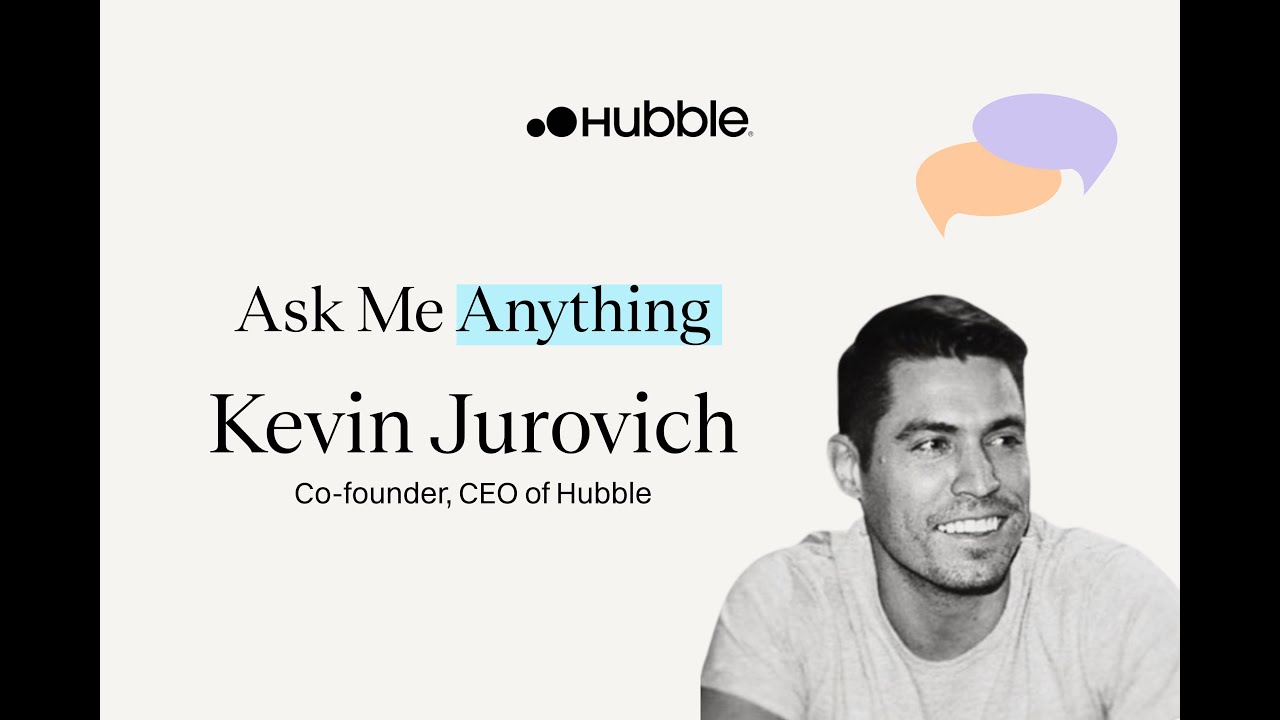

“Expert Economy” is on the raise! Unicorn Breakdown with Kevin Yurovich, hubble.
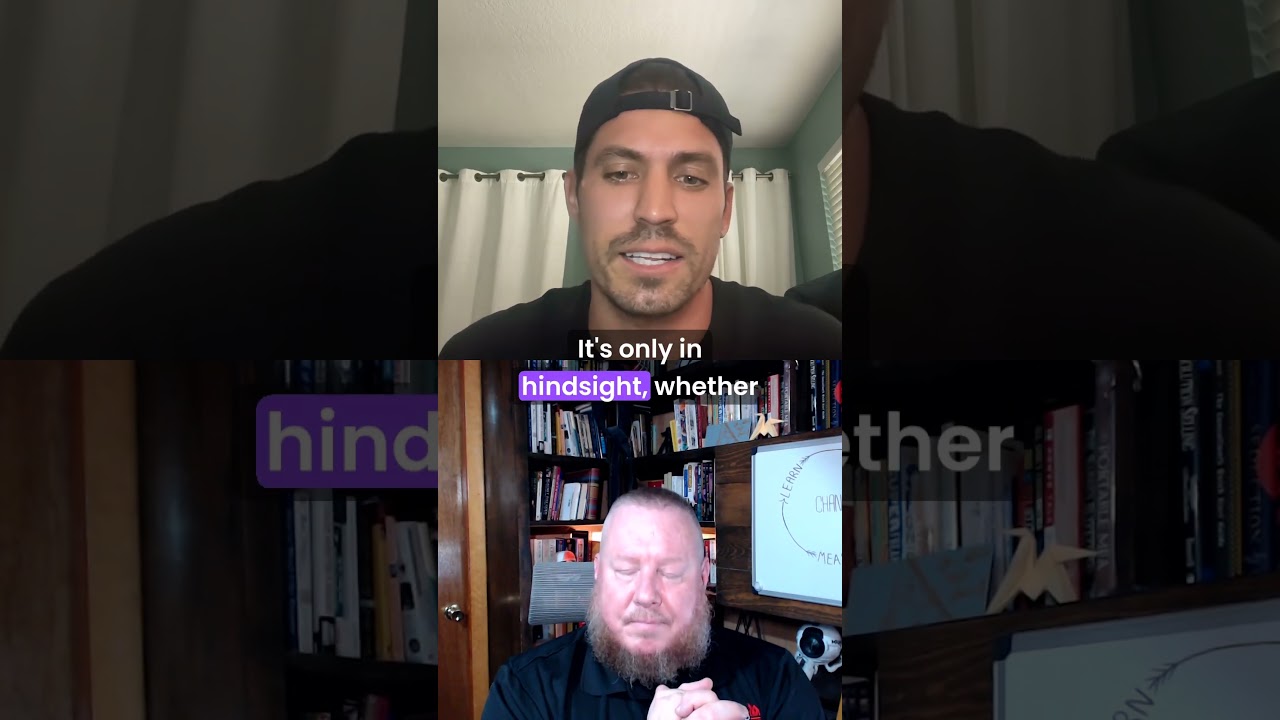
Kevin Jurovich, former NFL Player, on dealing with the unexpected in business!