Investment operations transitioning from a "doing"-function to an "instruct and oversee"-function

Kristoffer Fürst says investment operations teams are shifting from doing routine tasks to instructing automated systems and overseeing them. Full automation failed because it couldn't handle the frequent exceptions and messy edge cases. The industry will make this transition over the next 5 to 10 years.
Chapters
More from Kristoffer

Any SaaS "shall" have costs that can be understood and controlled - but it's not the case
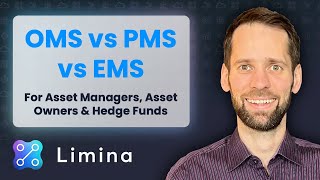
Portfolio management system (PMS), execution management system (EMS) & order management system (OMS)
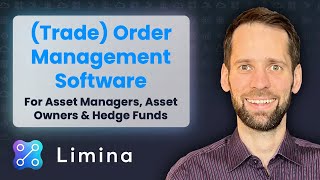
Order Management Software (Trade-OMS) for investment managers [features & selection advice]

Portfolio Management Software (PMS) for asset managers & asset owners [features & selection advice]
Guide to Investment Management Software: capabilities and how to select the right system