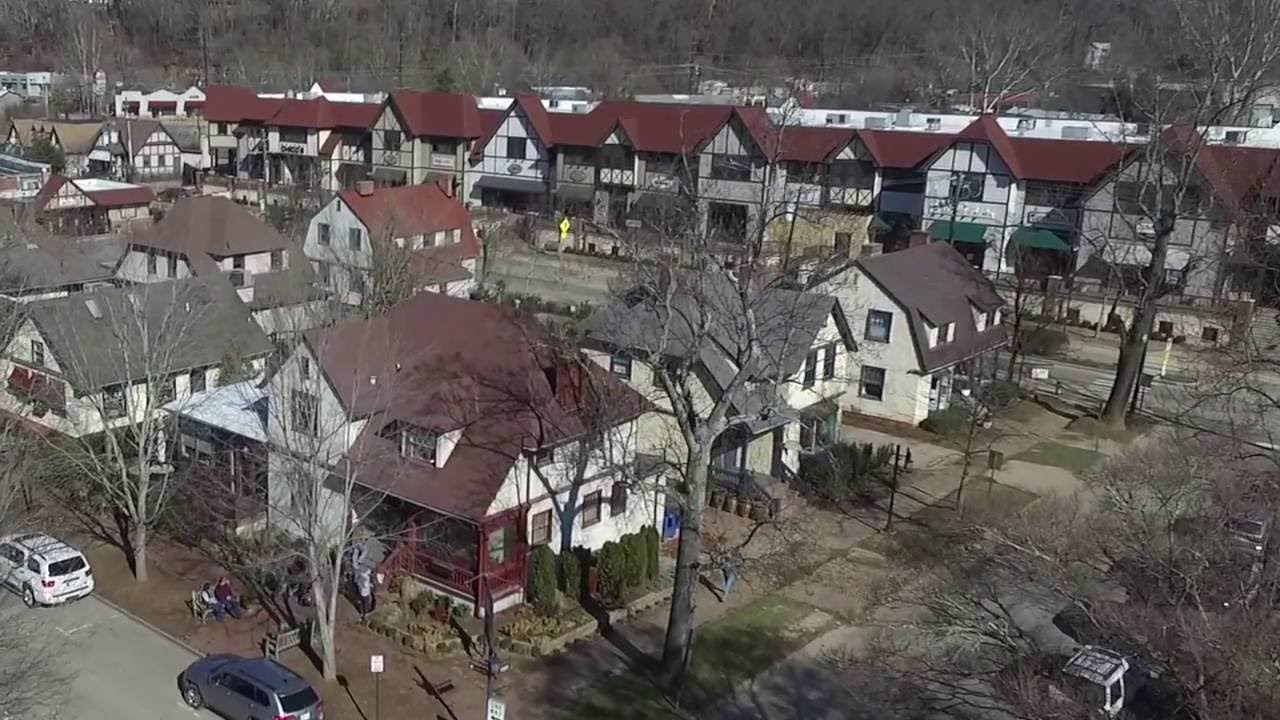
In this interview segment, John Bell reflects on his family's role in preserving and revitalizing Biltmore Village, a historic district in Asheville originally built to serve the Biltmore Estate. He describes how his father, alongside other local merchants, envisioned transforming the once‑considered “slums” into a vibrant mixed‑use community that retains its historic character. Bell highlights key projects such as the Bohemian Hotel, the Corner Kitchen restaurant, and the Tin Brook development, noting the challenges of integrating modern construction—like the labor‑intensive pebble‑dash technique—while maintaining architectural continuity. Speaker B expands on the village’s original components (train station, bank, housing, retail) and emphasizes the importance of creating an experiential environment that blends retail, dining, and heritage. The discussion underscores Biltmore Property Group’s philosophy of tackling difficult preservation projects and the broader significance of the “village” concept in contemporary development.
Chapters
I'm most proud of how my father had this vision when he came to Biltmore Village. Biltmore Village was almost known as a little bit of the slums of Asheville. Our background is retail. And my father, along with a couple other merchants in the village, got together and said, we need to preserve this history.
Biltmore Village was composed of, you know, there was a train station, there was a bank, then there was also housing and retail. All of the people that worked on the Biltmore Estate lived in the village initially. What you will see today is those components have been transformed into Restaurants, retail shops, but they still hold that character that they had as a working village. And you'll also see a few new buildings like Ruth's Chris, Tin Brook. Due to the architecture of the building, it blends with the village, and you probably wouldn't know that that was a modern building. Tin Brook I'm proud of because that was one of the most difficult jobs we've worked on. Biltmore Property Group They have a vision to take something that everybody else passes over because it's too hard to do and make it happen.
Bohemian Hotel opened, which has been a tremendous asset. Probably one of the most popular restaurants in all of Asheville is the Corner Kitchen, which has been in the Village for over a decade.
It's not only just shopping, and this is what these guys understand. You have to create an experience that goes with that so that it's more fulfilling. And that's what I think people like about it today.
This pebble dash is interesting. We still do that today. It's hard to find somebody that knows how to do it, but it still has to be done by hand. They scoop up the gravel mixed with basically concrete and just sling it on. Half of it falls off.
Biltmore Village is unique because it comes from, you know, the vision of the Vanderbilts and the Biltmore Estate. But the one thing I see about Biltmore Village, and I think John and his father saw, a lot of developers today are trying to build this in their malls that are outdoor malls. And he's got this village concept down. He understands how, how to make it work, how to make, you know, the retail, the restaurants, and all the other components that go with it work. And I think that's one of the keys to their success. They understand the village.
He's the man! He's the man! He's the man!
Congratulations, John Bell, Alan McGinn, and Richard Grant, Counselors of Real Estate 2016 Creative Thinkers.