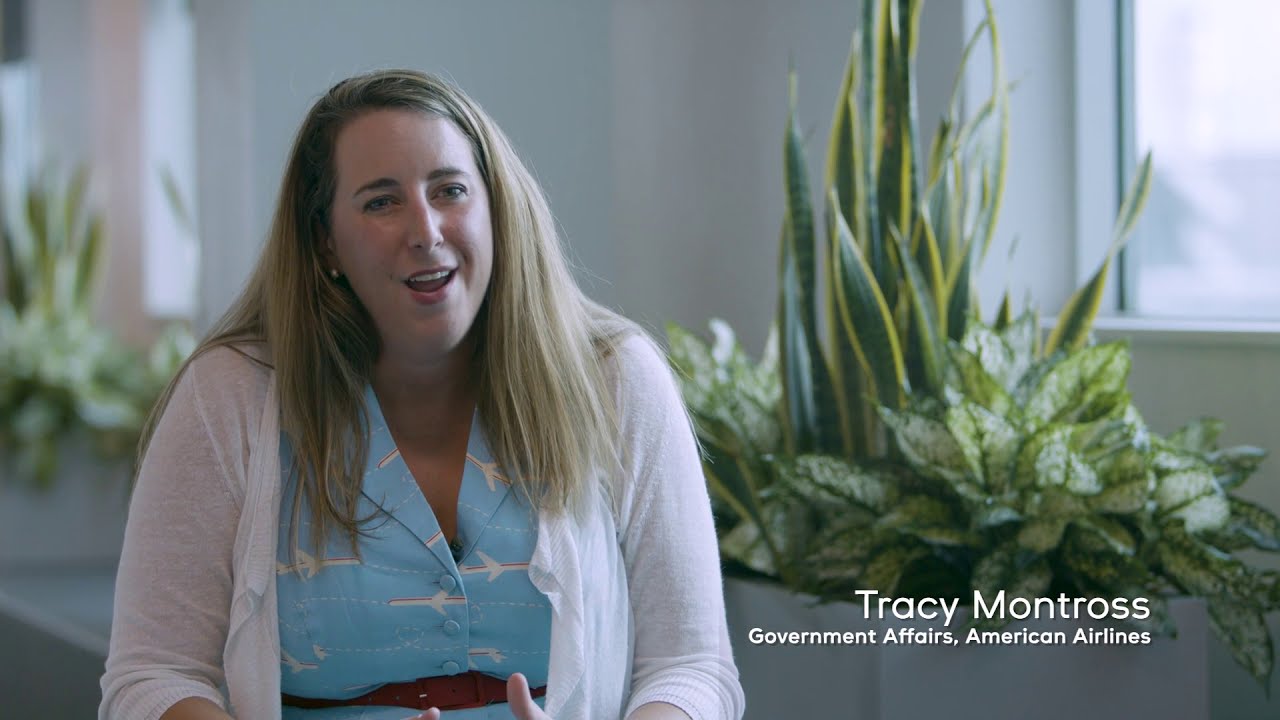
The video is a panel discussion featuring several speakers (A‑G) who examine Charlotte’s rapid growth and the imperative to build inclusive, equitable infrastructure. They argue that transit is essential for economic opportunity and that past highway projects, such as the 1950s Independence Boulevard development, displaced thousands of families and businesses, illustrating the dangers of top‑down, community‑disruptive planning. The COVID‑19 pandemic is framed as a catalyst to rethink streets, sidewalks, and public spaces, emphasizing people‑first design. Health is linked to transportation, noting that active‑mobility (walking, biking) contributes a large share of overall well‑being. Specific projects like the I‑77 express lanes are highlighted for improving regional mobility, neighborhood connectivity, and pedestrian safety. Finally, the speakers stress the need to plan for future innovations—technology, drones, and long‑term urban form—while listening to community voices to ensure fair, just investment.
Chapters
Charlotte is one of the fastest-growing metros in the country. We know people are coming here. We need to make sure that the infrastructure can support that growth.
I think it is the Charlotte way. As we compare ourselves to other major metropolitan cities in the country, we have our way of doing things in Charlotte, and it's very attractive for, you know, major corporations and, you know, a lot of young people Transit is absolutely necessary for jobs.
I mean, if people don't have access and connection, then it's going to be very difficult for them to compete and participate in this global economy that Charlotte itself has so successfully tapped into.
So COVID-19 has been very tragic in many ways. So many lives lost and so many people affected. But it has also given us an opportunity to rethink and reimagine how we plan and build our cities. How do we envision the width of sidewalks? How do we talk about play spaces for people? How do we design roads for vehicles or for people? How do we take advantage of the beautiful environment that we have in our cities?
And yet we really have to be intentional going forward about how we're going to choose to prioritize infrastructure and transportation to ensure that it delivers equitable and fair and just investment in communities for our region.
Charlotte in the 1950s was a city that wanted desperately to grow big. That was really the case when the 1944 Highway Act gave cities money for expressways, for crosstown boulevards. And Charlotte, bam, planned Independence Boulevard, which went the least politically difficult way. And folks were just basically told that it was time for them to move. 1,000 families displaced, 200 businesses closed, most never reopened, churches kicked out. Brooklyn was a city within a city.
Well, I think one of the dangers, and maybe we learned it from the 20th century, It's to be wary of trends that, you know, result in wholesale transformation of communities. It does mean taking a closer look at what is good from the past, keeping that, preserving that, and then building on top of that.
Transportation can be a great enabler to health in terms of not just getting to doctors' offices, but healthy lifestyles. I mean, think of the walking paths, the biking paths, the shared biking program we have. And put health right at the center. Because medical care only accounts for about 20% of our total health at any given time, and, and about 40% of health, of our health at any given time, is from things like transportation, food, all these enablers of health, but they're not the actual visit to the provider. So it's really, really critical. It all has to work together.
Well, I-77 has brought increased mobility to the Charlotte area. The key component of it has been adding the express lanes, but it goes beyond that. It has also been about improving connectivity to other corridors as well as adding connectivity within neighborhoods. It's also helped or improved public transit and how it moves up and down our corridor, as well as adding or enhancing pedestrian safety. I-77 is a major corridor pedestrian walkways, as has been the case in this bridge right behind me.
As we go into the future, infrastructure includes anything related to innovation, technology, drones, and not just a building somewhere or a highway going through somewhere. And when you talk in terms of infrastructure connecting people, helping people to interact in the public realm, it becomes a whole different story. So you build a street not just for vehicles, but for people to be able to walk, for people to be able to meet with one another. Think about it, 30 years ago was just 1990. When you think about that, so 30 years from now, 2050, today is when we need to start making plans for that because it means this entire area will be so totally different.
One of the main lessons is to listen.
We need to make sure as we build that we do so equitably, that we consider all voices, that we connect communities, that we offer innovative transportation solutions, and we think really strategically about how those investments are gonna be funded.