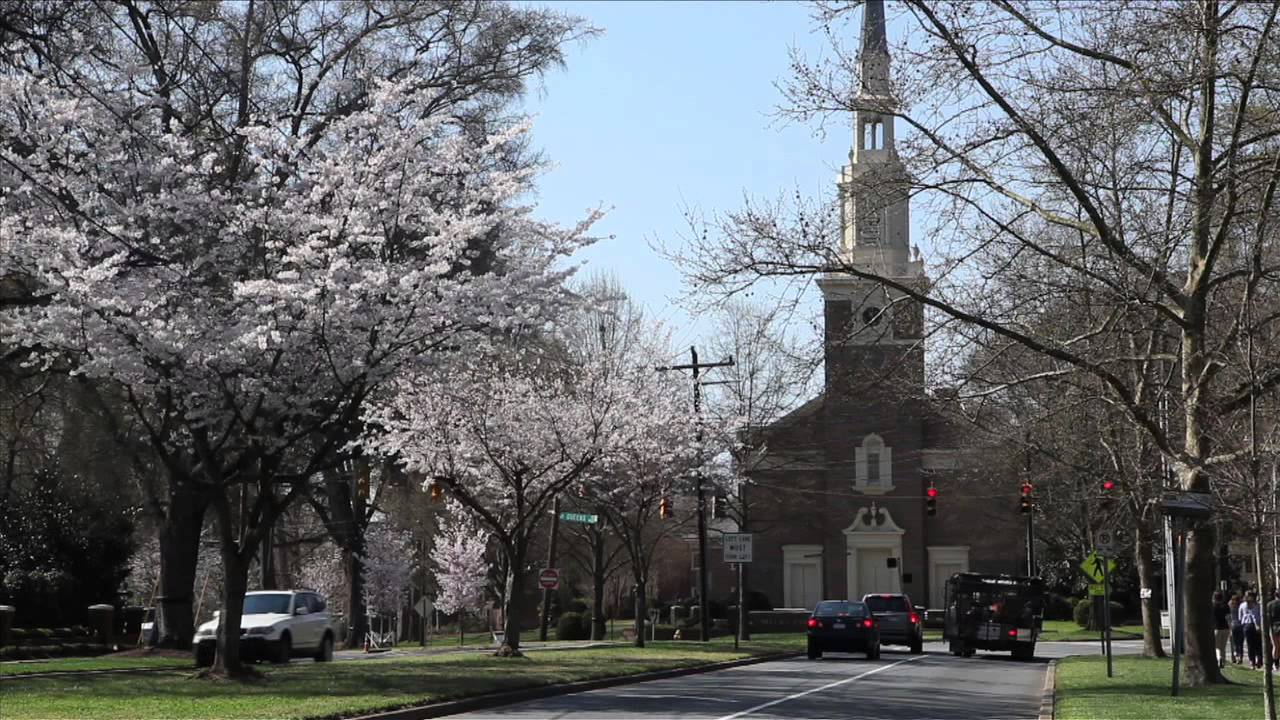
The video commemorates Habitat for Humanity’s 30‑year presence in Charlotte, highlighting that the organization has built 1,200 homes for 1,200 families. Speakers recount the program’s origins with the Jeremiah 29:7 Group of seven local churches, notable milestones such as the first all‑female build in 1991 featuring Rosalynn Carter, a 24‑hour house build, and constructing 22 homes in a single week. Personal testimonies illustrate how homeownership provided stability, education opportunities, and emotional gratitude for volunteers and homeowners alike. The narrative emphasizes the ongoing need to expand affordable housing efforts for the working poor, urging broader community involvement.
Chapters
Habitat for Humanity is 30 years old in Charlotte. That's 1,200 houses, 1,200 families with a place to call home. And I got to work with lots of them.
It's like to have your own room.
If we didn't have a house, then we would have to live outside. We've had an outstanding record. I'll bet there are probably not a lot of communities in the country that could say that they built 1,200 homes in 30 years. This is my closet. It's home.
No matter where you go, no matter what you do, you always have that place that you can call home.
The very first house built by an all-female crew was built here in Charlotte, 1991. Rosalynn Carter worked on that house.
My main focus was to have someplace they could always come back to. She's graduated from UNC Pembroke. It definitely changed our lives. We became stable and we had someplace to always go to.
It was begun by 7 churches specifically called the Jeremiah 29:7 Group. That consisted of Myers Park Presbyterian, Myers Park United Methodist, Myers Park Baptist, Christ Church, Covenant Presbyterian Church, Little Church on the Lane, and St. Mark's Lutheran Church. I looked over and there was John Crosland with a tear coming down his cheek, and I thought, okay, I think we're going to be in good shape here. I think we're going to make this thing happen. The thing that I like the most is they have maintained their accountability, so the money in has been of value. I moved into this house in June of 2000. I was going to Queens at the same time. I actually paid it off in 2011. This home provided me that stability where I could study, complete my assignments, complete my homework. Every time I drive by homes that I worked in and homes that President Carter worked in and homes that Hugh McCall worked in, and I go by today, and I'm so proud. The enthusiasm when they had their key to their home is enough to keep everybody motivated. We did everything first. You know, we were the first to do a house in 20— build a house in 24 hours. We were the first to do Women Build. We were the first to do 22 homes in one week. It feels great, and it feels great to be able to give a hand. It's a lot nicer to be able to come help someone versus just, you know, raising money for charity. I feel like you actually are actually doing something. While we make a dent in affordable housing, we're not making a big enough dent, and that's why we've got to grow this ministry and bring even more people to understand how important it is to provide homeownership for the working poor of Charlotte. You know, I don't have to move again. I'm not running anywhere. This is my home. A lot of times I do get teary because I'm so thankful and so grateful. Jesus was a carpenter. What would Jesus do? He would be working on a Habitat house if he was still around.
Oh, happy day! When I get to heaven now. Oh, happy day! It's gonna be a happy day. Oh, happy day! When I see my teacher. Happy day! It's gonna be a happy day. Oh, happy day! When I get to heaven now. Happy day! I'm gonna sing and shout. Oh, happy day! Ain't nobody there but me. Oh, happy day! That can put me out. Happy day. Oh happy day. Oh happy day. Oh happy day. Oh happy day. Oh happy day. Oh happy day. Oh happy day. Oh happy day.