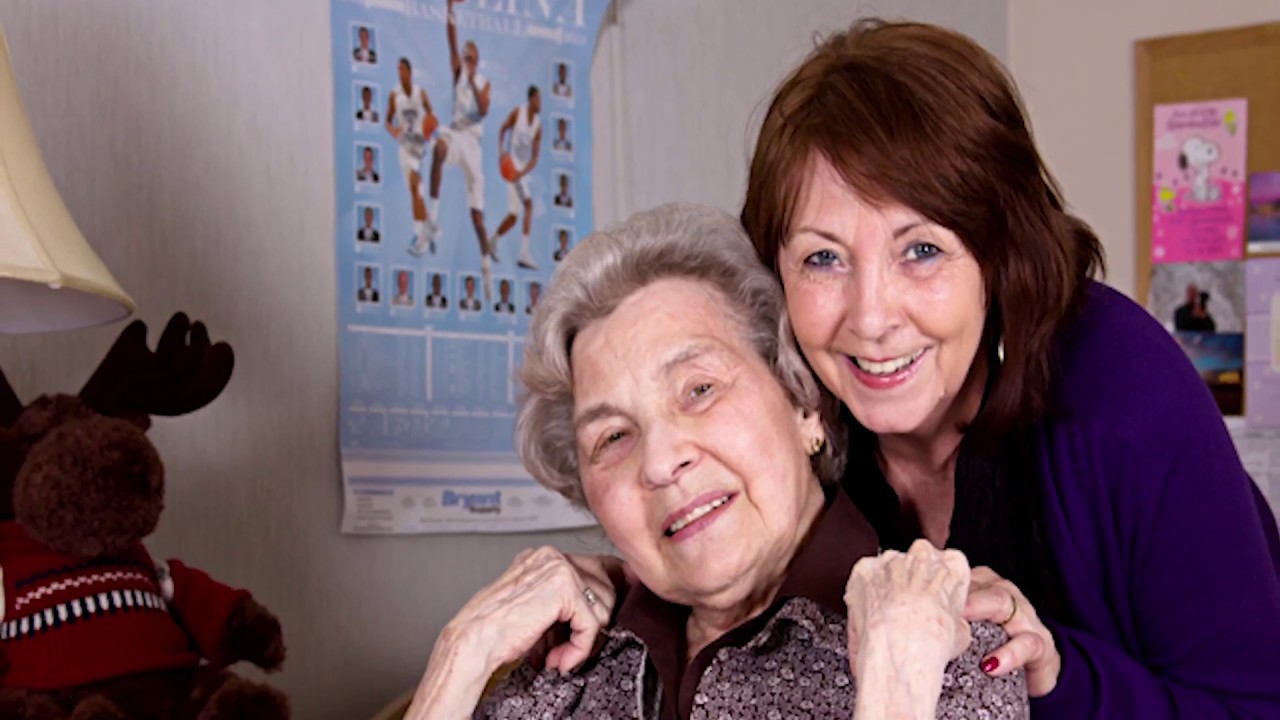
The video is a commemorative program marking 40 years of Hospice and Palliative Care Charlotte Region (HPCCR). Multiple speakers—including the original chaplain, early staff, board members, architects, volunteers, and family members—share the organization’s story. It begins with the founder’s insight that end‑of‑life care belongs at home, not in a hospital, and recounts the humble start in the basement of Holy Comforter Church with no model or money. Early obstacles included convincing doctors, insurers, and the broader medical community of hospice’s value and cost‑effectiveness, as well as securing nonprofit tax‑exempt status. The narrative then follows strategic growth: capital campaigns, purchase of the Talon Building, construction of hospice houses (Huntersville, Aldersgate, etc.), and expansion from a local to a regional resource covering multiple counties across state lines. The organization also professionalized its workforce, transitioning from volunteer physicians to paid staff, and built a dedicated quality‑improvement and compliance team. Personal testimonies illustrate the profound impact on patients and families, highlighting compassionate, dignified care. The program concludes with collective congratulations on four decades of service, emphasizing community‑driven commitment and lasting excellence.
Chapters
The idea of hospice actually came to me when I worked as a hospital chaplain. It didn't make any sense for people to spend the end of their lives in in the hospital when the financial matters and the psychological, emotional matters would be much better taken care of at home.
Before there was a hospice service in this country, when people were dying, they were largely ignored. And hospice care was really about changing how we view death and how we treat those who are dying.
Where we landed was in the basement of Holy Comforter Church. We had no model for it. We had no money. But we had a real passion for helping people at end of life.
During those days, there were no hospices for profit as there are now. Becoming a nonprofit, you wanted to get the tax-exempt status because that then allowed you to generate more in the way of donations. Interestingly enough, some of the resistance was in the medical community.
We had to convince insurance companies that it would be cheaper. We had to convince doctors that families could work together to keep people at home.
And maybe our most courageous people were not the professionals involved, but the families who took us up on it.
And so what I got to see and was so honored to be part of was how it grew from that mission. And I think there were only probably 12 patients under care when I first became involved.
I don't think that people understood it. They thought of it as a mission, kind of. I don't think they understood it as a, as a business.
We realized that in order to be competitive, we had to grow. We needed to look outside our current communities and really become more of a regional resource than just a local resource.
I joined the board and had my first meeting in a little building, a little yellow house on the plaza, and our biggest issue was the growth was happening. We had people in multiple places and we needed to have an office building. We set about to raise money to do a capital campaign, and we were just very fortunate that people had a great experience with hospice.
The purchase of the Talon Building was probably the first great sign of growth. It also marked really the first true capital campaign of the organization.
My involvement started 15 years ago. When Hospice was looking for an architect, our design group was fortunate to be engaged with the Hospice team on the Southminster Hospice and then most recently Hospice at Aldersgate.
I would say that our organization did a very good job of smart, intentional growth. Along the years, we realized we're— we've got to be a competitive employer.
When I started here, we were in a period of transition. A lot of our volunteer physicians, we were sort of moving them out and we were replacing them with paid physicians. So when I started, it was— it kind of coincided with the opening of our very first hospice house at Huntersville. And since that time, in the last 10 years, we've added 2 more hospice houses here in Mecklenburg County. With our partnership with Hospice of Lawrence County, we're now up to 4 hospice houses. We've expanded our geographic footprint from just counties in North Carolina to now, with Hospice and Palliative Care Palmetto Region, extended our reach into 3 counties across the border, and then obviously with Laurens County added another 9 counties that are contiguous there.
We have a whole team dedicated now for quality improvement and corporate compliance to ensure that we meet and do everything that we're supposed to do.
Caring for someone in those last few days, weeks, months of their lives is something that leaves a lasting impression on those who are left behind.
So I was not familiar with hospice, and my husband was diagnosed with cancer in June of 2008. We came to the conclusion with the doctors that he could have no further treatments, that his cancer had progressed. that there was really nothing left that we could do. So I went to tour the hospice house and just fell in love with it and knew that that would be the right place. They took care of us at every level.
In 2012, a very dear friend of the club's, a member here, his cancer came back. So I got to see firsthand how HPCCR deals with their patients. It made me even more committed To supporting this event, supporting other hospice events. I had the opportunity to experience hospice from the other side in that my husband of 45 years was in hospice care, and it was— it brought it home. It was amazing.
It's a difficult time. It's a challenging time.
And to have people around you who really understand the process of death and dying with dignity Hospice and Palliative Care Charlotte Region was created from this community, for this community, and our commitment is long-lasting.
Congratulations.
Congratulations. Congratulations for 40 years.
Congratulations on 40 years.
Congratulations on 40 years.
Congratulations Hospice and Palliative Care Charlotte Region for 40 years of excellence.