0:38

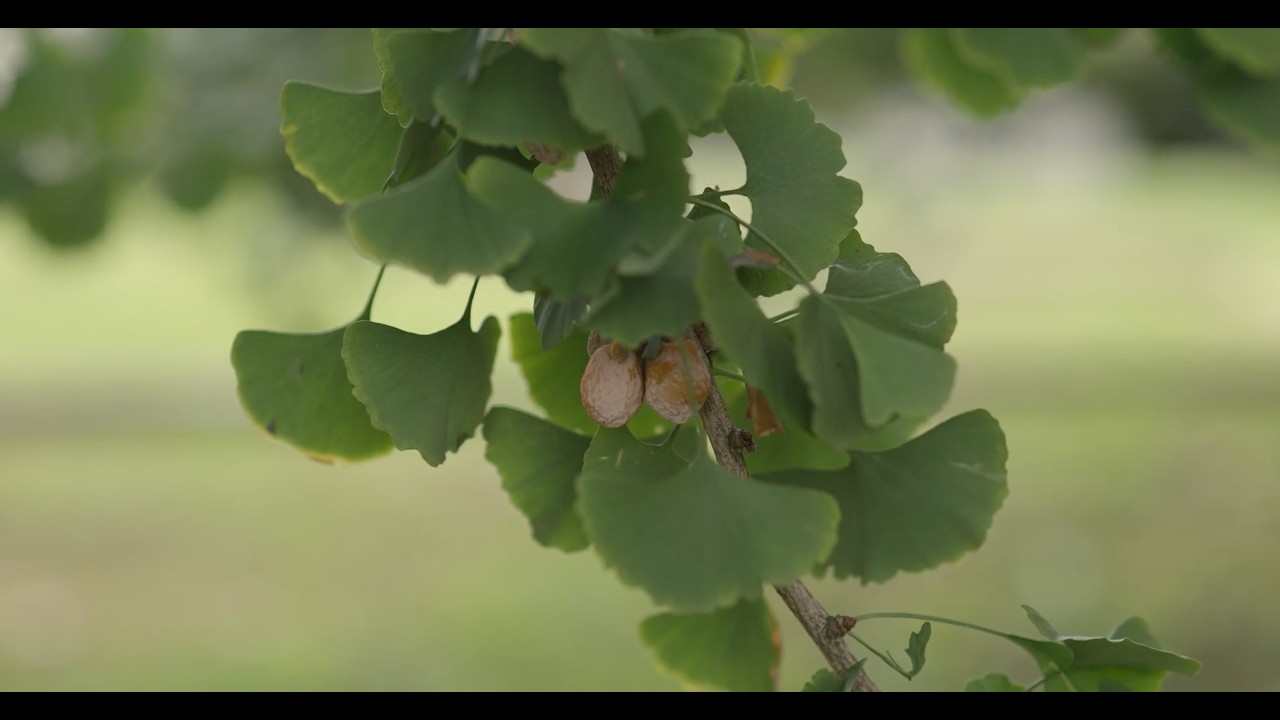
In this short field segment, Dominic from Charlotte’s Landscape Management Division stands in Elmwood Cemetery and walks viewers through the key characteristics that identify a Ginkgo biloba. He points out the tree’s distinctive fan‑shaped leaves and notes that the species’ genetics have remained essentially unchanged since the Jurassic period, making it a living fossil. Dominic explains that only female ginkgos produce a fleshy fruit that emits a strong, rotten odor—an odor most people find unpleasant but that attracts bees. He concludes by celebrating the ginkgo as one of his favorite and most visually striking trees in Charlotte’s “City of Trees” program, underscoring its cultural and ecological importance to the city.


Chapters

More from Kim

0:49
youtube.com

How to Identify a Trident Maple | Charlotte Tree ID

1mo ago
0:49
youtube.com

How to Identify the Red Oak Tree | Charlotte Tree ID

1mo ago
0:55
youtube.com

How to Identify the Black Walnut Tree | Charlotte Tree ID

1mo ago
0:56
youtube.com

How to Identify the Eastern Red Bud | Charlotte Tree ID

1mo ago
0:50
youtube.com

How to Identify the Willow Oak Tree | Charlotte Tree ID

1mo ago
0:49
youtube.com

How to Identify the Red Cedar Tree | Charlotte Tree ID

1mo ago
2:46
youtube.com

How to Water a Newly Planted Tree | Charlotte Arborist Guide

1mo ago
0:52
youtube.com

How to Identify the Kousa Dogwood Tree | Charlotte Tree ID

1mo ago
0:43
youtube.com

How to Identify the Laurel Oak Tree | Charlotte Tree ID

1mo ago
1:22
youtube.com

How to Identify the Tulip Poplar Tree | Charlotte Tree ID

2mo ago
4:32
youtube.com

How to Map Your Tree in Charlotte | Tree by Tree Tutorial

2mo ago
See all content