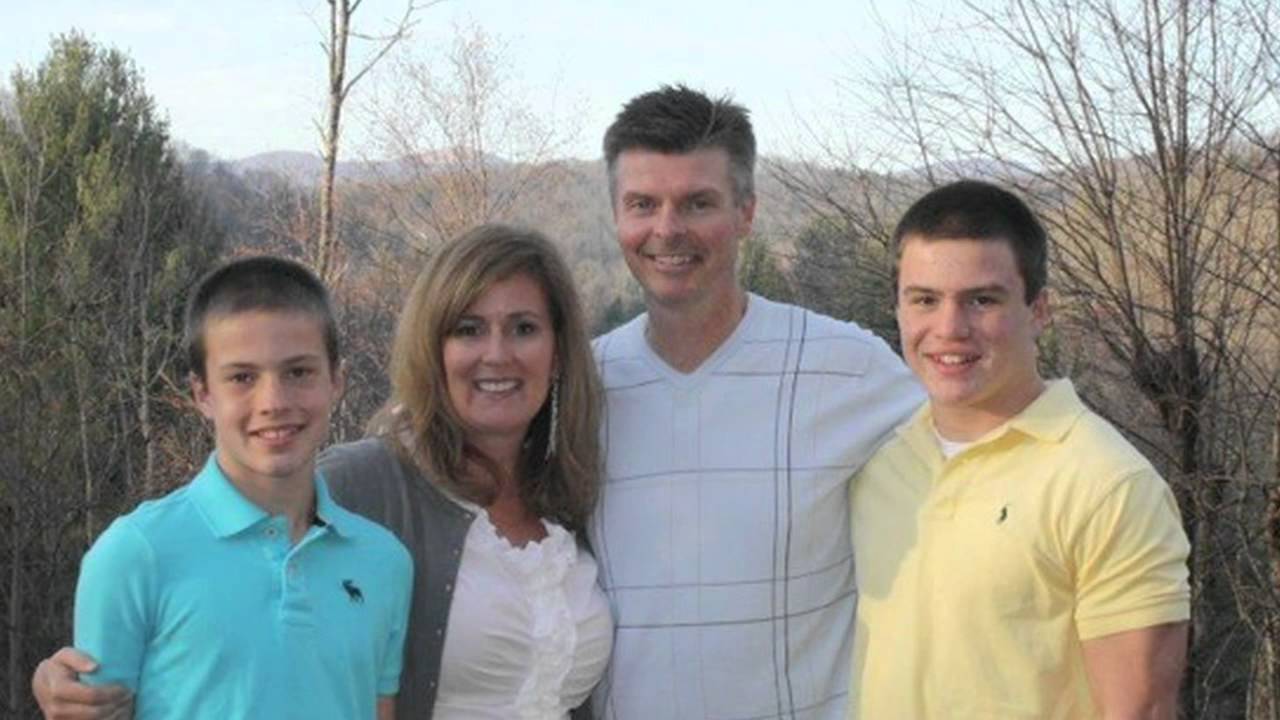
The video is a series of short interview clips recorded at the 2013 JDRF Annual Walk to Cure Diabetes in Charlotte. The focus is on 10‑year‑old Blake Henderson, who was diagnosed with type 1 diabetes at age 7 and plays football both offense and defense. Coaches, teachers, his brother, and his mother speak about Blake’s exceptional athletic performance, his disciplined daily diabetes management (multiple blood‑glucose checks, insulin dosing, diet monitoring), and the challenges of balancing sport and health. The family describes the emotional impact of the diagnosis and how they turned it into a supportive family effort. Blake and the adults emphasize the importance of inclusion – children with diabetes want to be treated like any other kid – and the need for continued research and fundraising. The JDRF Charlotte chapter’s annual Walk at Carowinds is highlighted as a community event where donations, big or small, bring the cure closer. Overall, the content blends personal testimony, educational points about diabetes management, and a call to action for supporting diabetes research.
Chapters
He's probably pound for pound one of the toughest guys we've had. Just looking at him, I would have never known the kid had diabetes. Motor runs all the time. He never gets tired. He doesn't let it bother him or affect him. He comes out here every day and works 100% for us. Way to go, Blake. Nice job.
Blake, how are you?
Doing good.
You having a good summer?
Yes, sir.
Good.
Tell me about it. It's always a treat for me when he comes in because some of the kids I take care of don't work as hard to take care of themselves as Blake has.
There's always gonna be another mountain. I'm always gonna wanna make it move.
So if you look at a school where there's 1,500 people, chances are that at least 5 of them are going to have type 1 diabetes. We haven't really seen a lot of the, a lot of the things that have pointed to why diabetes is a little bit more common now even than it was 2 decades ago.
Well, as long as I stay on top of it, I'm not going to have like long-term damage, but if I keep letting it do its own thing and like let it get out of control, then it can like damage my kidneys or my eyesight.
Blake is my older brother. Well, he's like one of the stronger guys on the team, so he's really good in the weight room, and he plays both ways. He plays both offense and defense. You have to watch what you're eating like all the time and Like, take shots in your arm or wherever and check your level like 2 or 3 times a day, whenever you eat. Like, it's hard when we go on trips and stuff. And when he's out on the football field, he just like, if he feels low, like, he can tell when he starts to feel like tired and like queasy and hungry. And without Blake's medication, he could die.
I think it was tough on my mom when I first became a diabetic. And we went to get a physical for Pop Warner football, which is like little kids, and they told me I needed to go see a specialist because they found like that we had to take a urine test and we found— they found like a lot of like excess like sugar and glucose in my urine.
In the beginning, I was up all the time. And diabetes has no rest. It's 24/7. The day that they tell you that your child is insulin dependent, you just, you never forget that day. I'll always know August 14th. I cried every day for 4 months, and I finally decided I can continue to cry or I can do something about it. From the beginning, we just We've just made it our family thing, you know, even little brother, that this is the hand that we've been dealt and we're going to play it to the very end and we're going to play it well.
Oh, he's always, always cheerful. He's always happy, you know, he always comes in the room with a big smile on his face.
Hey, yo, dude!
Blake's been one of my really good friends ever since like 6th grade when he came to Providence Day. 7th grade, we started playing football together. That just, you know, just was awesome.
I think though the critical thing is that these kids want to be treated just like the rest. They don't want to be singled out. They don't want to go to a birthday party and have a mom say, oh, well, you know, Blake can't have cake, because that's not true. You can have a piece of cake. Should you have the cake and the juice box? No. But, you know, maybe they can— that child can have a piece of cake and some water. They just want to fit in. They just, no matter what their age, they just want to be one of the kids.
My name is Blake Henderson, and I'm 10 years old, and I've had diabetes for 3 years, and when I was diagnosed, I was 7 years old.
You know, every April the Charlotte chapter of the JDRF has their annual Walk to Cure Diabetes at Carowinds. It's around the mid-part of April every year, rain or shine, and Blake's buddies will be participating.
It's a great investment. Every dollar that's donated is a dollar closer to finding a cure. So no matter if you give $5 or $5,000, like, every little bit helps. It's all greatly appreciated.
Say, I didn't worry about it.
Yeah, I said I didn't worry about it.
You have to think about diabetes every time you eat. You usually have to think about diabetes every time you do something active. Unfortunately, until we find a cure, it's not going away.
Without research, there will be no cure.
I'm proud I'm a state champion. This is one of the greatest experiences I've ever had in my life.