Kim Brattain and Habitat for Humanity affiliates explain why listening to residents comes before building houses. They use Asset-Based Community Development to map a neighborhood's schools, churches, businesses, and existing leaders, then form partnerships to support long-term change. Habitat acts as a catalyst, not the lead.
Chapters
A great neighborhood is a safe neighborhood.
Well-connected.
You can call home. A great neighborhood means something different to just about everyone, and that's what makes neighborhood revitalization so cool. It's always different, and so Habitat's hand in this is always different too. Instead of starting with our hammers, we start with our ears. In fact, we try to engage everybody in this conversation.
So for 25 years, we had been in the business of just building new houses, but the feedback over the years has been that not every community needs a new house. We can build a new house, but if we're not building in a thriving community, then we're not making the greatest impact. So it's just really been listening to people over the years, and that's what made us think that neighborhood revitalization was the way to go.
Habitat's impact Neighborhood revitalization affiliates serves more families, engages more volunteers, and brings us new and different donors. It's the strength of Habitat multiplied by partnerships. It's a much bigger picture in terms of the families we serve, the people we touch, and frankly, the money that we raise for our cause. Look around your community for services that you might be able to offer, places you and a coalition of good people might be able to change generations of lives. How do you find people to partner with? They're residents, people who care about a community. Could also be nonprofits, businesses, local government, communities of faith. The sky's the limit. So we're talking physical assets like infrastructure, churches, and existing businesses, but also people assets like residents, community associations, social networks, Schools, economic, and cultural pluses. Make a list. We call it ABCD, asset-based community development. Begin your list with what you learned from residents.
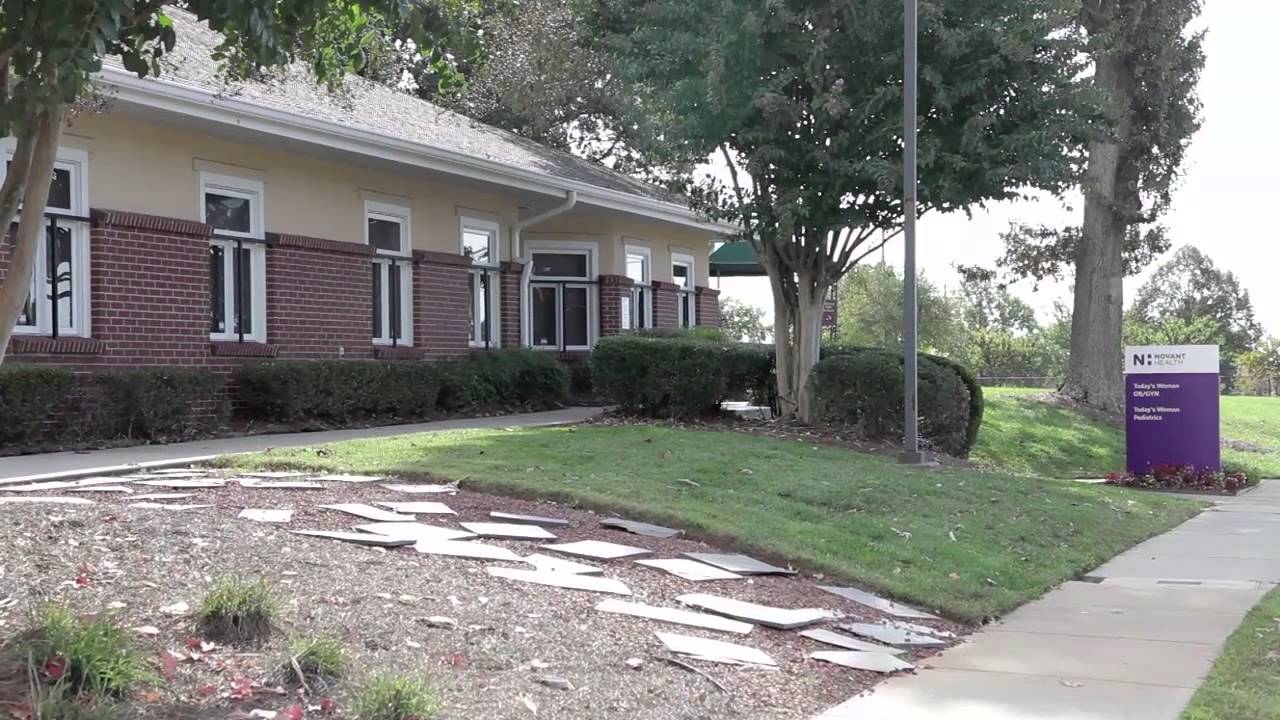
Uh, we have a very active elementary school here, strong principal, women's health center just next door here.
Physical assets and community leaders already in place? Well, that should help you make a good decision on choosing a neighborhood. We also, by the way, have a complete separate video on neighborhood selection. And there's lots of extra information at myhabitat.org. You can check out these articles called What's Working, and you can see affiliates that are actually doing this right now quite successfully. It's important to Habitat that we don't start something that we can't finish. You want to make sure that you have staff and community relationships in place to actively participate for several years to come.
Habitat is not in the lead role each and every time, and so it's really very important that we are a catalyst in neighborhood revitalization, not necessarily the lead. If we have to from time to time encourage leadership and encourage direction, we're poised to do so. But once we move to another neighborhood, we need to be sure to leave the strength of the coalition behind.
We can't impose Our own concept of what it means to have decent, affordable housing. We have to— to make a neighborhood work, we have to be a part of that neighborhood. And when it works well, the neighborhood association, the churches, the schools, the libraries are players and part of that conversation as well.
It is a conversation, one that will end with a strategic plan and a vision. Neighborhood revitalization just helps you open your eyes and your hearts A little bit wider.