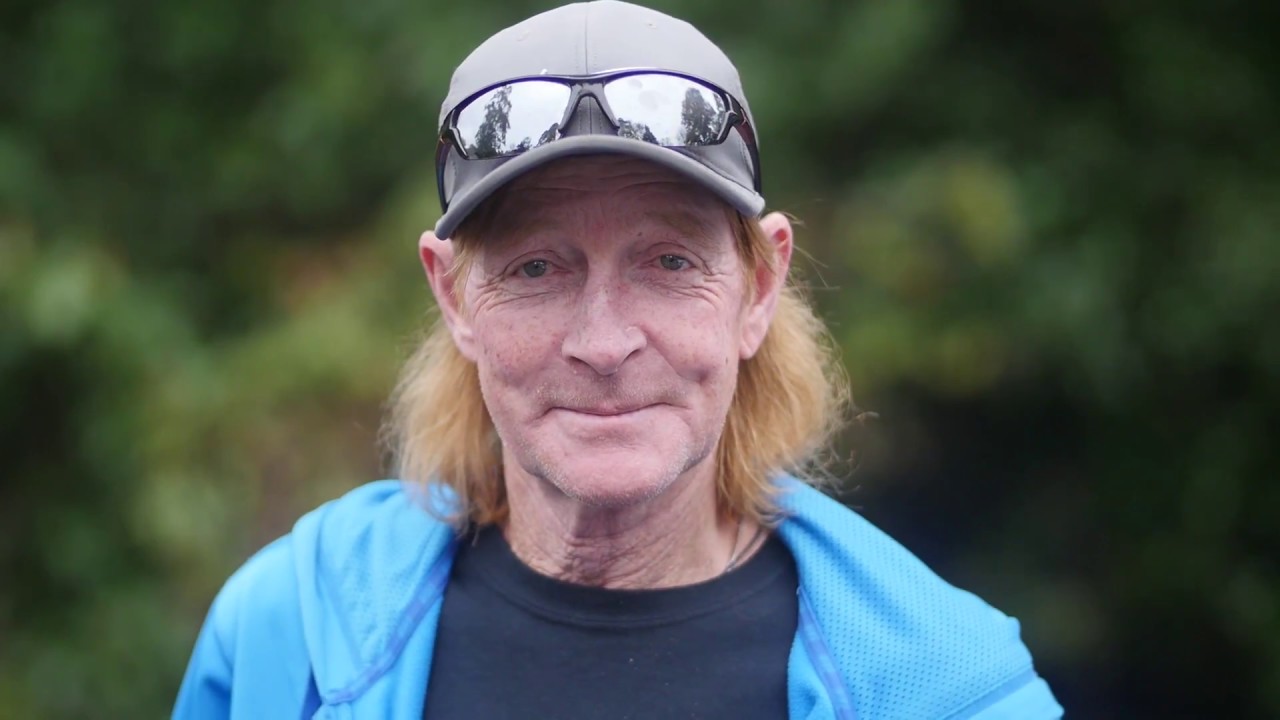
Ron lived in a tent after losing his wife, job, and battling substance use. Supportive Housing Communities got him into stable housing and a maintenance job at Fenton Beach Connection. The program cuts emergency room visits and hospitalizations while restoring dignity and self-sufficiency.
Chapters
I live over there at the corner of Allegheny and Ashley. I got a tent in the woods. After my wife passed away, I just didn't care anymore. I just started doing my drugs and drinking and carrying on. Lost my job, and then I finally got it together and got this job. I work at Fenton Beach Connection. I do the maintenance work.
I just noticed that he rode his bicycle even in the rain. He comes in always on time, if not a little bit early. He's a really hard worker too. People leave comments all the time about him. Huge heart.
Supportive housing communities helped Ron get out of the cold and rain. Their rapid rehousing program finds homes and uses support services to move people towards self-sufficiency.
People live lives of quiet desperation. These folks at Supportive Housing, they elevate that. That's the key. I mean, everybody's a human being.
Here you got, got heat. It does mean a lot to me staying out of the weather. I get to stay warm if I want to and stay dry, clothes clean. I get to take a shower every night.
Small things most of us take for granted: a shower, heat, clean clothes. Supportive housing communities is saving Ron. And every time they help a homeless person with housing, they're also saving taxpayers money in reduced emergency room visits, fewer hospitalizations, police and jail services.
Supportive Housing Communities is not only an entity, but it's a life builder. We coach, we help, we assist, we manage, we build character, we bring life back into the individual through their strengths and empowerment.
I just tell them thank you for what they have done.