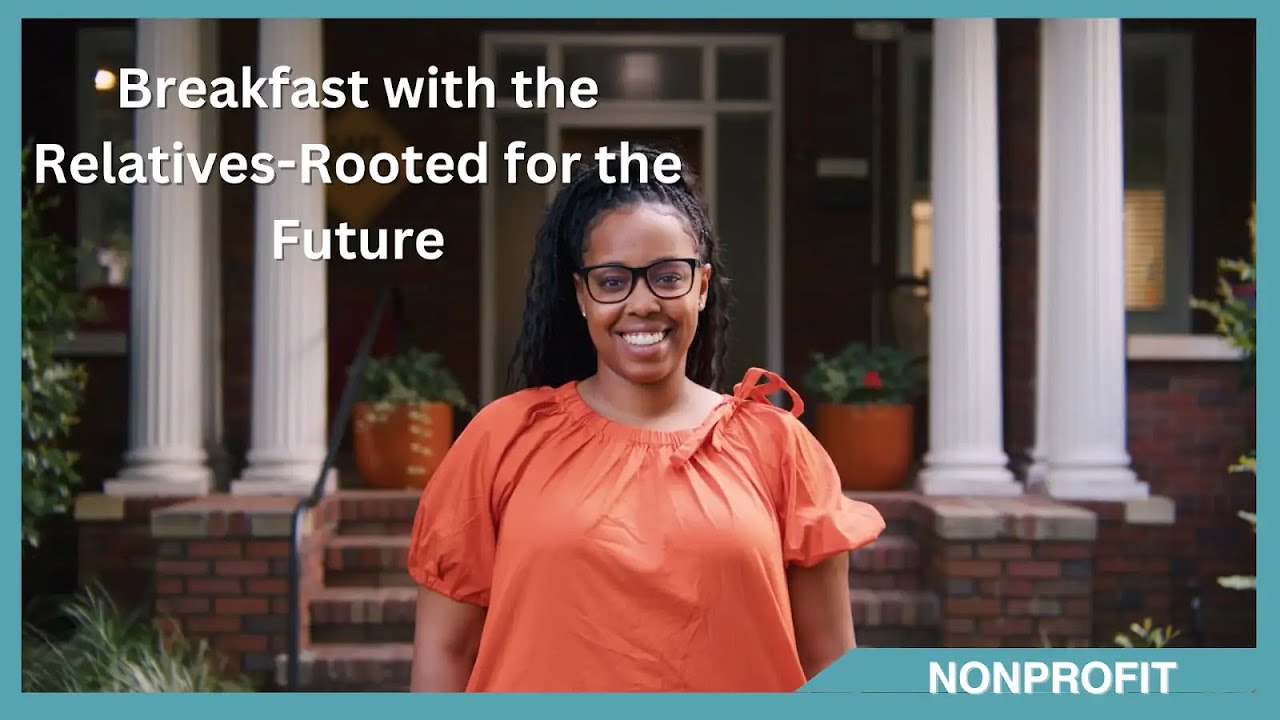
The documentary presents a series of first‑person testimonies from young adults who experienced childhood abuse, homelessness, and mental trauma, and who later found stability through a shelter‑based support system. Seth Peters recounts fleeing an abusive father at age six and traveling long distances to reach a shelter. Other speakers describe being dropped off at crisis centers, lacking basic necessities, and the emotional void of missing family love. The narrative highlights the pivotal role of “relatives” – a community‑based support network that functions as a second family – in encouraging education and employment. Participants discuss their journey through the OnRamp program, where they earned GEDs, enrolled in HVAC vocational training, and secured job offers. The impact of a dedicated DSS worker, Lisette Woods, is emphasized as a catalyst for confidence and progress. Graduates describe assuming leadership roles such as runaway‑prevention coordinator and Youth Action Board member, using their experiences to mentor current shelter residents. The film closes with expressions of gratitude, hope, and a call for consistent support for at‑risk youth, illustrating how coordinated shelter services, community allies, and vocational pathways can transform lives.
Chapters
I traveled there 3 days and 3 nights on the highway just to make it to the shelter. My feet, I don't know how I did it. It actually started when I was 6 years old. My father, he would beat me. He would do things to me and my sisters. I had to get away from that.
My childhood has been very rocky. It's just been a roller coaster. Ended up homeless at a very young age, also going through mental abuse. Homelessness is— it doesn't fit in a childhood. And having to figure out where am I gonna sleep or where am I gonna eat in order to survive. And it just, you know, my childhood just stopped from there.
I remember my mom abruptly waking me up with a smack in my face, telling me to grab my stuff and get ready to go. I just remember being dropped off at the back door at the crisis center and left there. I didn't have anything. Not really knowing, not understanding, and just wanting to be loved. Wanting to have a family, wanting to have a relative. I was able to take a shower. I was able to get sleep in a bed for me. And then the following day I was able to go to school on time.
I kind of help them get their credentials together, whether it's a birth certificate, driver's license, ID card, food stamps, Medicaid cards, and make sure they get to the doctor. He was in the shelter. And so, you know, I pushed him. I was like, well, what do you want to do? This HVAC class comes up. Let me enroll you in this HVAC class.
The relatives kind of acted like a second family and kind of pushed me every day to go for it. They helped me gather myself more than anybody. Without them, I wouldn't have gotten anywhere.
When I first got to OnRamp, getting my GED, it was, it was a breeze. I thought it was gonna be harder than I thought, but, you know, just knocking it out in under a month, it was just dedication. It opened the doors for everything because it says, I did this and I accomplished this. What else can I do? What else can I achieve?
Lisette Woods, she was my DSS worker. When I met her, she was so bubbly. Like, she was so sweet. And it was like, how could you be happy for somebody that's going through this? You know, how do you keep telling me, you know, I'm amazing and that you're so pretty and you have it, you have everything that you need? No, I don't. I don't have the love. I was just trying to help her.
If I didn't know about the relatives at all, if they didn't exist at all, like, I don't think I'd be here right now. I really don't think I would. When I became a part of the relatives, I was like, As a police officer, you come across these youth that don't have anywhere to turn, don't have anybody. Just having a crisis center where you can take a youth, and it just brings joy as a police officer leaving them somewhere safe.
So I came back to the relatives. I am a runaway prevention coordinator.
They reach out to these families and they reach out to the juveniles and talk to them and, you know, give them that alternative, you know, hey, let's not be homeless on the street.
For me, I say that I used to be just like you. I can sit in your storm and guide you to your sunshine. And they all cling to me because they understand that Somebody who was able to experience no love, they appreciate it, and it shows them that it's not always the end. It's actually just the beginning.
I joined the Youth Action Board in order to help kids like me in order to get through what they're getting through. I've been going around town to different shelters to engage youth, to let them know that there's actually people out there that love you, Without the relatives, I would have no future because with the relatives being there for me, they actually put that into my mind to dream big. It's just everything for me.
Today's graduates completed the program in spite of their compounding needs, And time restraints.
I was kind of nervous, and then I guess as soon as I walked in that door, I think I was more proud of myself than anything. Seth Peters. Oh, I can't wait to start working for HVAC now. I have a couple of companies that want me to start working with them already. I still can't get over it yet.
Thank you.
And this is Lisette.
Oh my God.
And just without her, I wouldn't have never been here today. And, um, I hope that anybody that sees this and see me can understand that if you have anybody, that one person, you know, be consistent in their lives. Be there for that one person because that one person may very well need you. And without her, I wouldn't be me. So thank you.