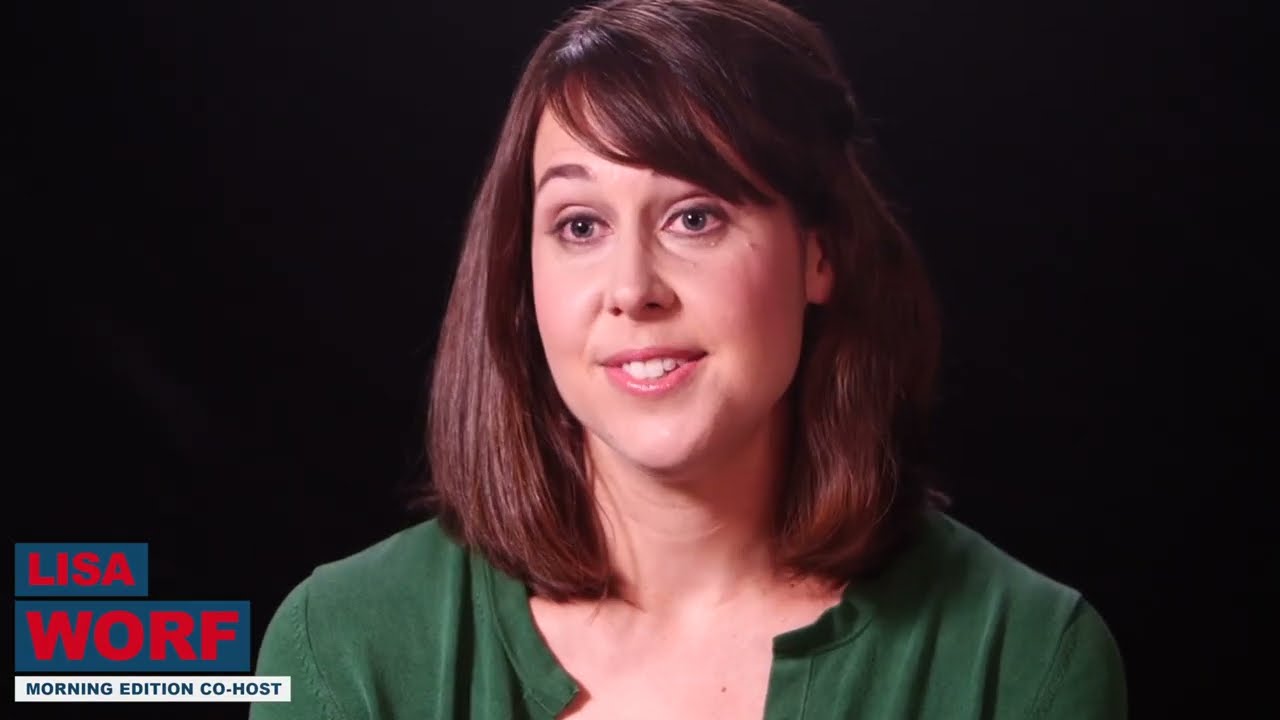
The brand video for WFAE 90.7 features a series of voices from station staff and community members describing the station’s purpose and signature projects. It highlights the "Finding Home" series that investigates Charlotte’s affordable‑housing crisis, on‑the‑ground reporting that brings residents’ concerns about growth and development to light, and a survivor‑focused story that gives voice to sexual‑assault victims. The video also explains the concept of "driveway moments"—human‑centered stories that differentiate public radio—and showcases the "FAQ City" podcast, where hosts answer quirky listener questions about local quirks, seagulls, and cell‑tower camouflage. Throughout, the speakers stress public radio’s commitment to high‑quality, non‑commercial news, balanced coverage of politics, business, health, education, music, and humor, and its role in sustaining an informed democracy.
Chapters
Charlotte turns to WFAE to connect the issues of the day and the people of the world. One of the things that I love about WFAE and public radio is that you take these big, complicated issues and you ask, you know, why does this matter?
The project that we're doing this year, it's called Finding Home, and we are doing a story every Monday examining the affordable housing crisis in Charlotte.
We're visiting communities to find out what the big issues are in those neighborhoods related to growth and development and especially housing. We can't be a prosperous place if people can't afford the basics in life.
These are people that could be your neighbors. These are people that may sell you groceries. They wait on you at restaurants. They are going to live in the shelter. Some are living in their cars. Some are on the streets.
I think reporting on things that make a difference in the community is a big brand of WFAE. We get to go in the community, meet people, find those kinds of stories, hear people talk about how policies are affecting them.
With podcasting, it's the great equalizer where anyone's able to be able to share their perspective, maybe voices and stories that previously hadn't been heard or appreciated. The greater Charlotte area has a voice in what we do.
This is an important project that looks behind the scenes of what a rape victim goes And it's really heart-wrenching to tell that story.
I feel like it's given me a voice, and that's an important thing to a survivor. I think that people don't understand what it's like to be a survivor of sexual assault because it's not just like this crime happened and then it's done. There's— that's just the beginning, really.
We're all human beings. One thing that really sets public radio apart, I think, is what we call driveway moments. And those driveway moments are based fundamentally on human experiences and things that touch us all. And that, I think, lends a whole different layer to news and information that nobody else brings you.
We want to offer the best news, high-quality news, and not have to do things to chase money like other media outlets are having to do. And I think now that's really more important than ever because some of the other traditional sources of local news are dying off. Public radio has come to play a vital role in keeping our democracy informed because we try our best to be accurate and try our best to bring all sides of And I think even if you have an opinion on something, if people feel like you're being fair and honest in how you came to that opinion, then people are much more likely to listen.
So I host FAQ City. It's a podcast and an on-air series, and we investigate listener questions. We've gotten questions on all kinds of crazy topics. One of my favorites was a guy who wanted to know why we call downtown Charlotte uptown? And then right now I'm looking into seagulls. You know, Charlotte is like 200 miles inland, so why do people see seagulls around town? Why would anyone even want to disguise a cell phone tower as a tree? I mean, cell phone towers, who do they think they're fooling?