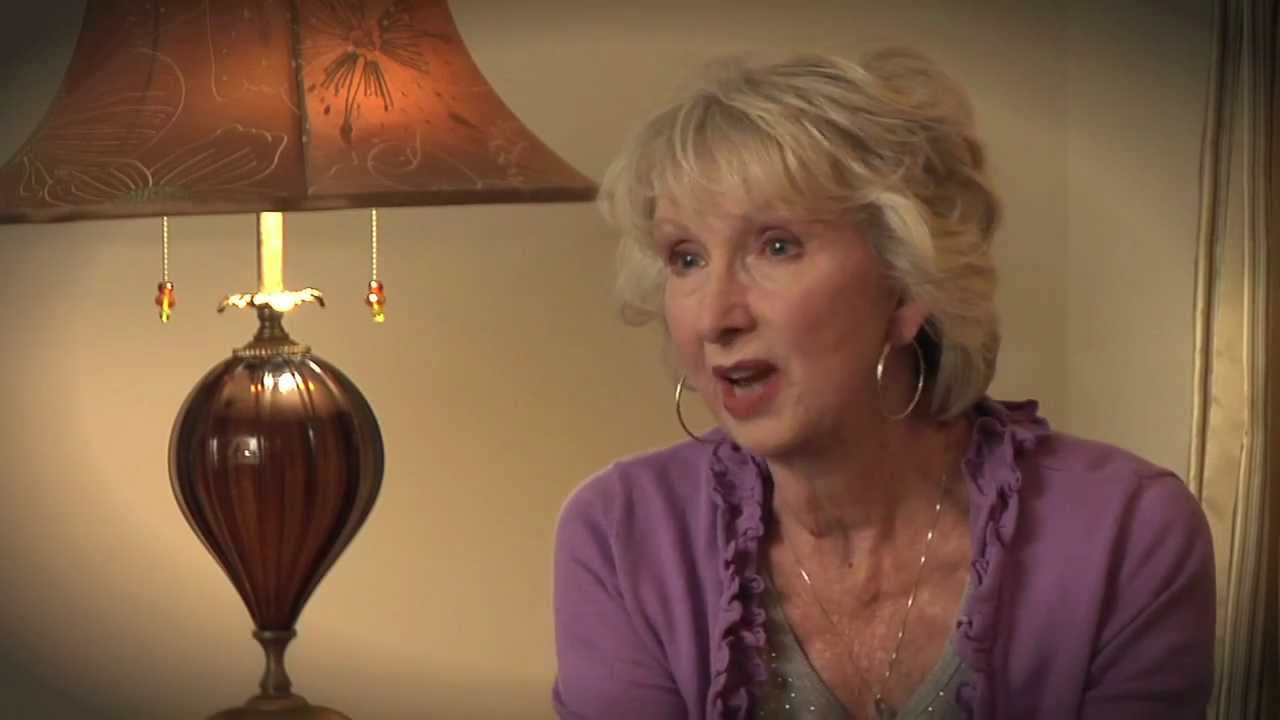
The video "What Matters Most" guides families and patients facing a life‑limiting illness through the complex landscape of end‑of‑life decision making. It explains the range of care options—from life‑prolonging treatments and mechanical ventilation to hospice, palliative, and comfort care—highlighting how each impacts quality and duration of life. The presenters stress the importance of early, honest conversations with physicians and loved ones, and introduce legal tools such as advance directives and North Carolina’s MOST (Medical Orders for Scope of Treatment) form that allow patients to clearly state their wishes. Emotional aspects are addressed, encouraging families to honor the patient’s values, celebrate life, and provide concrete support (e.g., errands, paperwork) rather than only symbolic gestures. Overall, the video aims to empower viewers to make informed, compassionate choices that align with the patient’s goals and ensure a dignified, comfortable end‑of‑life experience.
Chapters
We just found out that my mother's condition is no longer curable, and we want her to know that she can live out her remaining days in comfort.
During these emotional times, frankly, we don't know what to do or who to turn to for help. Suddenly, we're confronted with decisions that can be confusing and difficult.
This video will provide information that will help you understand your options When you talk with your doctor, when you or a loved one are facing a life-limiting illness, there are many kinds of care available, and there are some legal rights you should know about as well.
We plan for our education, we plan for our wedding, we, we plan for so many things in our life. It's important that we have a voice in what happens to us even when we're no longer able to speak for ourselves.
The thing is, my grandmother has this She has a great support system that she didn't even know she had. Doctors, family members, nurses. Others want to, want to help out, but they don't know what to do besides bake a casserole. What she needs to do is give them something concrete, like run some errands, or sit down and do some paperwork, or even just spend some time with her.
Many times people don't realize that there's more than one option for treatments. We're trying to help Mom decide if one treatment outweighs the benefit of another.
Research has shown when patients are made aware of their end-of-life care options, they're more likely to choose hospice care, which is comfort care and different from life-prolonging care.
only allows 17% of patients to be able to leave the hospital in the same shape that they came under. Mechanical ventilation is, is when a machine breathes for you through the use of a tube that goes into the back of your throat and into your lungs. How long one remains on that machine depends on the severity of the underlying illness and what the wishes of the patient may be. Many studies show that patients who choose hospice care actually not only improve the quality of their life, but actually improve the duration of it as well. And so it's— for many patients, it's not a matter of choosing one or the other, but choosing the best option for them.
At some point, there may be a need to switch from curing to caring. When is it medically morally, spiritually, and personally okay to quit fighting.
There's more to, more to life than just, than just being alive. Being able to enjoy the things that make us smile, that make us laugh. Those are the places that people who are facing these decisions need to most explore and decide for themselves in conversations with their family and with their physicians.
So in the long run, we ask mom, would there ever be a point that you would consider life not worth living?
Comfort care is about effectively managing pain, diminishing symptoms such as nausea or vomiting, focusing on comforting the patient, and shifting our focus from trying to cure the patient to trying to care for the patient.
Whether in a home-like facility like this, Or in your own home, comfort care or hospice teams of doctors, nurses, clergy, social workers, and therapists have a high success rate in battling pain and helping terminal patients remain comfortable.
I understand hospice, but what is palliative care?
Palliative medicine was developed to, to help those who have a prognosis of much longer than 6 months but still have symptoms and emotional and spiritual and psychological needs that need to be addressed in a truly holistic fashion.
And what about all the legal arrangements? I think I have a will, but I'm not exactly sure where it is.
Much like a regular will, you can Spell out what exactly you would want done under particular circumstances regarding your health. The greatest gift that a patient can give to their family and to their loved ones is to allow them the opportunity to know what they want. By using an advance directive, which is a legal document in which one spells out what you would want done and what you wouldn't want done, You can legally appoint someone to act as your voice to express your will in terms of healthcare decisions in the event that you become incapacitated or unable to communicate what those wishes might be. In North Carolina, we're fortunate to have what's referred to as a MOST form, which stands for Medical Orders for Scope of Treatment, which actually is a physician's order that goes through and intervention by intervention clarifies what the patient would want. That's a physician's order, so there can be no misunderstanding.
Really, would I want treatment to extend my life in any situation, or only if a cure is possible?
I was trying to help Gran walk through her life celebration. You know, some of her favorite songs, what people she wants to have talk about her. You know, I want it to be exactly what she wants.
It's not easy to talk about, but by planning ahead, I can assure that mother will get the type of medical care that she needs and wants.
Our goal is to enhance the quality of your life. When you talk with your doctor, when you talk with your family, decide what is important for you, and saying enough is enough Is not admitting defeat. It's celebrating a life well lived.