William Dunlap: Turchin Center | Kim Brattain Media
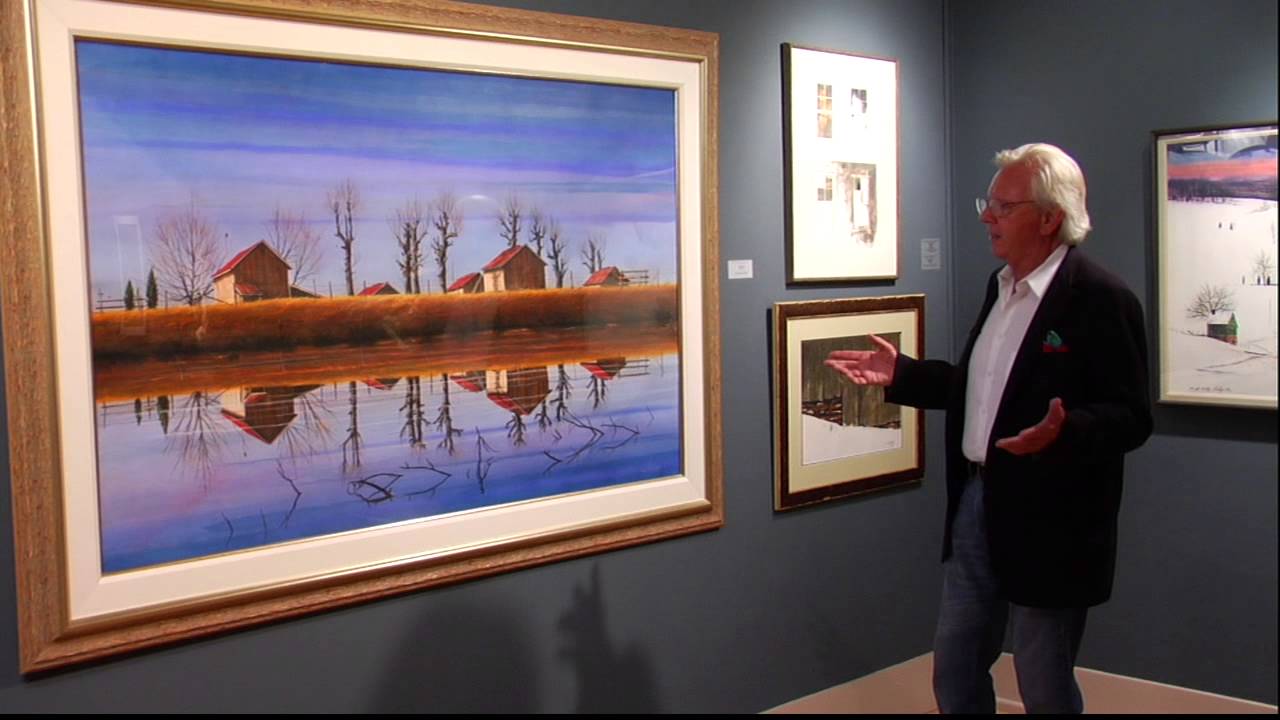
In this monologue, artist William Dunlap reflects on the nature of art, perception, and memory. He opens with classic philosophical riddles—whether a tree makes a sound if unheard and whether art exists if hidden—using them to argue that art must be experienced publicly and provocatively. He then recalls the precise personal and historical moments surrounding his own paintings, emphasizing how memory informs his work. Dunlap introduces his self‑coined term “hypothetical realism,” describing a style that depicts imagined places that feel possible, bridging reality and speculation. He also acknowledges the influence of literary figures, especially William Faulkner, on his narrative approach to painting, noting that his reading informs his artistic decisions without apology.










