Kirsten Green’s $500M Bet on Consumer AI
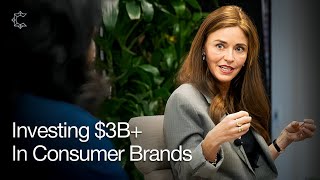
Transcript of a Feb 19, 2025 live interview with VC Kirsten Green (Forerunner/Venture fund). Green recounts early retail/primary research experiences that shaped her edge in spotting behavior+technology shifts. She frames her investment thesis as seeking opportunities at the intersection of changing consumer behavior, technology, and business-model innovation (not merely "cool products"). On consumer AI she outlines three pillars for winning: (1) finding/engineering a competitive moat (data-driven personalization / continuous learning loops), (2) building a great product (effortless, proactive, human-centered orchestration of AI capabilities), and (3) earning user trust (transparency, user-in-the-loop, data provenance). She describes the current stage as a "messy creative" phase, highlights "search-to-service" as a major front-door opportunity, and lists portfolio/company examples and category bets (commerce, travel, healthcare, automation). Operational facts mentioned: her latest fund is ~ $500M; Forerunner typically invests at seed → Series A, limits core funds to ~25 companies per fund; last year they made eight net new investments and conducted ~6,000 meetings.
Questions this video answers
About $500 million.
Seed to Series A (core fund entry point).
Approximately 25 companies per core fund.
Eight net new investments last year; ~6,000 meetings logged.
Currently I'm blasted with ton of Instagram ads that are really effective because like I keep clicking on them. I just can't imagine being shown Instagram ads on AI agents. In this new wave of consumer AI, how does distribution actually change?
Advertising will still have to happen. SaaS companies will still need salesforces, B2C companies will still need to reach consumers. I believe people will figure out how to make some something an ad, but in the context of a different experience.
What are some big misconceptions about the early days from some of the companies that you've invested in?
I think one of the misconceptions that miss the bigger point are when people are like, oh, you invested in cool brands. That was not what was happening. I could talk through my list of early investments and I could point to all of them as being at the intersection of behavior shift and a technology and business model shift. Well, yes, they were cool products, but that wasn't like the heart of the investment thesis.
I'm very, very excited to welcome Kirsten Green to South Park Commons. I have been trying, I mean, trying to get an introduction to this lady for the past like 10 years. And then finally under the guise of SPC, I was able to invite her and meet her for the first time in person. So I am very excited to be doing this talk.
All the admiration to you too.
So I'm not going to introduce her because my first question is all about her. Anyway, so we're just going to get started right off the bat and then I'll leave some questions at the end for our amazing audience here. So just some background on you. You've worked in public markets. You started a venture fund. Your latest fund is about $500 million. You have a Midas Touch for D2C companies like Glossier, Hims and Hers, Chime, etc. I did stalk you a little bit on the Internet and I learned that you used to work in a mall in retail. You counted inventory in a grocery store. You really, I think, sought these on the ground experiences. Again, curious. If you had an interesting anecdote from those experiences, what was your key takeaway? And do you look for the same kind of hustle in founders?
Yes. Let me put the, you know, those activities into context. So it's so it started so really, you know, humble beginnings. I was like a safety girl. I was getting out of school. I must have a job. I must start a career. It was at a time period where it was there weren't a lot of people recruiting on campus. I went to public accounting. You know, not the dream job, but an incredible skill set that I've leveraged every day since. And while I was there, I did a lot of accounting things which were not inspiring, but once in a while, I got to go out into the field and do things. And I think one of the things you're referring to was I was on the Safeway account, and I did an inventory account in a freezing meat locker in a spacesuit and everything. And it's only a highlight because, like, who would ever do that? When else would I ever do that? But I think just doing that or just, like, little activities like that. The site visits, I was like, oh, it's more fun to be out in the field doing stuff. So pocket that to the side. A couple years later, I found myself on the equity research team, and I was on a team of people following retail and broadly defined, so general merchandise retailers, food, clothing, all of them. And there was people opining on what was good merchandise and what companies were set up well. And I was kind of like, you guys are pining on the mall and you're 50 and not that maybe, like me now, but at the time I thought, like, I know that I can go, like, you know, and I also was trying to figure out how to make myself relevant. And I thought, I'll go out into the mall and start, like, pounding the pavement. Like, look at the stores, look at the product, try to come up with some understanding of maybe how trends are unfolding. Is there a lot of traffic in the mall? Are people, like, touching stuff? Are they buying stuff? And. And that became, like, my edge in the team. And I ran a weekly report which was like, the mall beat. You know, I never going to the mall on my off time. This was a work exercise. But it really showed me, like, you know, the power of primary research and the value of looking at, like, what are the users doing? Like, what are people actually doing? The people who are originating the sales that are driving the business. We can sit in our office and look at a model and, you know, get sound bites for the media and make some assertions. But getting out there is where you have an opportunity to maybe see something different or something that somebody else hasn't seen. And that's actually when you asked me about a magic moment. I think that was, like, at the time, I didn't realize it a magic moment, but later on I did, where it's like, I saw a few things that I thought were cool or breaking out before they did. And I loved that discovery of like, ooh, those Ugg boots are going to be a big trend. When that stock was like $2 and nobody was interested in it. But so I think, like, some of those things lay some groundwork for spotting things early in venture.
That's pretty cool. This is like a little bit tangential, but I'm always curious about this sector. What are some big misconceptions about the early days from some of the companies that you've invested in, like Glossier, for example, or like Hints and Whores or Dollar Shave Club?
I think one of the the misconceptions or just short, you know, kind of basic interpretations that miss the bigger point are when people are like, oh, you invested in cool brands. Or, you know, like, that was not what was happening then. Andy's here. He was one of my very first investments ever in Bonobos. And listen, he came into my office to pitch me this is before Forerunner and tell me that he was going to start a company, he was going to sell pants to guys online and based on better fit. And I was like, you are crazy. Like, first of all, like, men don't shop or they shop a lot less than women. You know, you're going to sell them online when they can't try them on. Like, how are you going to communicate that? And this is like 2006 or 2007, and there was no social. So how are you going to find them anyways? But what I think what was interesting was just like, this was change happening. This was change happening in how people were going to discover products and what people were going to expect out of service and how business was going to meet that opportunity. And I, you know, that was definitely what I was interested in, was just like, how was technology, which had sort of, you know, come into our lives in so many ways, and we were already online shopping, but it had just was basics, basically. Like, how would maybe those capabilities reshape other channels of business? And if you think, you know, if I could talk through my list of early investments and I could point to all of them as being at the intersection of behavior shift and a technology and business model shift. And really, since day one, we've always been looking for the Venn diagram of shifting, changing behavior and building demand against where business is not addressing that opportunity. And then when there is tech innovation. And so I think some people are like, oh, those were cool products. Well, yes, they were cool products, but that wasn't the heart of the investment thesis. Fascinating.
Sorry, when you said men's fashion, I had to look out in the audience to see if men's fashion is improved.
Well, I won't, I don't know. Andy does fit. Andy does fit checks regularly on social media. So he's working on it. But I do, I said, I sat down, I was like, those are some cool hip shoes.
Okay, so speaking about technology shifts and behavioral shifts, you know, Deepseek has been in the news a bunch of and I think the winners here are actually the consumers. How many of you are familiar with Jen's Paradox? Anyone? Okay, so I'm going to take two sentences to describe it. It's basically when services effectively become cheap, usage actually increases. So in the case of Deep seq's announcement, because it's indicating that training is going to become cheaper and therefore AI services built on top of that is going to become cheaper, consumers are actually going to use it more and ultimately the consumers are going to be the winners. Again, you were talking about technology shift and behavioral shift. I'm kind of curious, given that your focus is consumer, where do you think consumer AI is going as a result?
Okay, so I'd start by saying I've now invested for a couple of decades and I couldn't be more excited as a venture investor who is supposed to be investing in what's next and what's new and what's changing to be able to invest right now. Because I think that this is maybe the most exciting time we've ever had. I do think that generative AI unlocks like a whole new dimension of what's possible. And in some ways every category is really up for reimagination. Around our table at 4Runner, we've been talk therapying to ourselves that like right now we're in the messy creative stage. It's the time to take, you know, to, to meet the market with an open mindedness, make that your edge and you know, keep your level of discernment and the things that you've learned along the way, but really to kind of be on board for what's possible. I think if you look back at, you know, kind of how, how, how business unfolds when there's new technology shifts, it makes sense that for the last few years we've seen as much energy in the building and in the funding space on the infrastructure. And the B2B side starts with the infrastructure. There's nothing to build on top of if there's not in this case a great model and there's not like the inputs for those models and there's not the tools to make them actionable. So there's been, you know, that's. That's where things start. I then do understand it that the first builders come to the B2B market, and that really gets fueled and ignited through competition. Because once somebody enters the business with a superior product or a new offering, people can't help it. They come to compete with that. The incumbents come to compete with that. And really the avalanche of opportunity unfolds then. And business is fueled by that competition. Consumers are different. They're not fueled by specifically by competition. They're fueled by being compelled. And so what it takes to win with a consumer is to really deliver something that is meaningfully better than what they already have or something that's new. Solving a new need or the new problem, or addressing a new problem. And it's a journey to take people on that route. And I think that, as you pointed out, one of the biggest, most exciting things about Deep Seq, for instance, is the fact that, like, maybe this is the start of costs really coming. We've already seen costs come down a lot, but, you know, now it looks like maybe we're going to have even more faster. And I think that that opens up the opportunity to a broader set of use cases and to be incorporated into products. So we're just starting to see that unfold right now. And we're spending time thinking about what are the elements of, you know, what it takes to win with consumers and where we think some of things might show up first. And that's against the backdrop of, like, it's all up for grabs and reimagination.
So what are some of those areas?
Okay, so one of the things that we feel like it takes to, to win in consumer, really, it's about more than bringing a technology and developing a great experience. It's really also addressing a new business model that meets with that opportunity. So we think about kind of there's, you know, three main lanes to compete on, if you will, or to solve for in building a great consumer product in a new area. The first one would be addressing or finding a competitive moat for your business. The second, in the case of AI, is putting together and building a great product. And the third is building trust. So on the front of a competitive moat, there's many questions about businesses of all levels. But on the consumer side, people often ask about cac, and they often ask about, like, the challenges of, like, churning out users and how do you get users in there. So, you know, I do think it's important to think about, like, how effective is your business model? One of the things that gave rise to a big consumer tech giants was this really nifty business model that the Internet started, which was network effects, which was really about creating access through enabling aggregation and disintermediation and bringing supply and demand together and really unlocking a flywheel in that. And the big tech giants that we note today that are now in all kinds of different lanes of business got started leveraging that model. So Google, Amazon, Expedia, PayPal then went into the mobile phase where it became about instant access. So now it was an interpretation of access and it was really about high convenience factor and high engagement. And that really underpinned a whole generation of companies that were winning on daily habit. And daily habit became their moat. It became something that you just kind of, they became verbs. Uber or Googling or doordashing. So now as we look to like this next generation of companies, we think about like, what does it take? What are the chances to build a moat? And you know, we see it as data and empowering data to be in a continuous learning loop. Our expectation is that this next leg of gen AI really unlocks personalization. That's something that we've been talking about. I know I've been talking about it to the founders I've been working with or the companies that I've been scouring for for the last 20 years. And it's still offered in a very relatively limited way. And gen AI and the ability to take in large amounts of data, to interpret data, to build that into experiences gives us a chance to really build a whole new class of products. And, and if you kind of imagine like, you know, once you're engaged with a service or a site and they have all your information and they know you and it's gotten better because of that. It's just the switching costs go up, it just gets harder. I mean, my real world example, we were joking about this earlier, is kind of like dating and marriage. Like you can get out of marriage, but it's like really hard to get out of marriage. It's costly and it causes a lot of stress usually. So you stay in it. I mean, I think Spotify is probably one of the better examples of personalization. We've all committed. You know, people who use Spotify have committed millions of actions to bring their playlists to life. Like to leave, like that's a pretty big hurdle. So really being able to make an experience around that and make your product hinge on being better that way and very important on the point of like building a great product I think this gets into kind of like the right founder strengths for this era too. It's really not as much about how you're building, as much as how you're assembling what you're putting together. So again, following kind of past trends, if you look at the Internet era, that was literally about building software and infrastructure. So those giants, the Googles, the Amazons, the Paypals, they were about bringing coding to an opportunity. It was really laying the foundation for the Internet. You get into the mobile wave that was as much about understanding behavior and bringing sort of notifications and access into products and knowing how to love, how to drive growth that way, to get scale. And in this realm, we really think about like bringing that personalization to life. So bringing a product that's like proactive, that's, that's seamless. We're describing it as effortless, where it's really working in partnership. And of course you have to still be technically strong to do that. But speed and scale isn't what's going to totally get you there. It really is about understanding the adaptation of human behavior and what is going to be a sticky experience there. And not to be long winded. But one other really important thing is trust. And so anytime you are introducing something new and you want to bring people along, you have to, I think, earn their trust to. And in particular in this case, where data is sort of the foundation of what many of these products and services can be, building that with, with the user is really important. And that sort of exists on a couple of dimensions. I mean, I think on one level, transparency. So people are concerned with like, who's building this, where did that come from? What are you doing with my data? And there's an element of just like, I'm excited by the idea that this technology can do this with me, but I don't want to give over full control. That feels a little too scary. So there's apprehension around that. And there's also this fear of being displaced. And that's a big meta fear. But I think people do ask, what if all the jobs go to robots? What happens to me? So these are big hurdles that builders have to work through. And I think you start to address them by building transparency into your product and sort of bringing the user on a journey with how things are working. And you can build little cues into your product and showcase either where you're getting some information or how you're bringing it along. I think too, letting the user have a role in the product with you. So you don't need to do everything like we're talking about effortless, but still include the user in part of that journey and then maybe someday we get to full automation. But I think again, in the spirit of just bringing people along, the best ones won't. We'll have a user have a role.
So maybe backtracking on the three pillars that you talked about. So I obviously worked on Facebook, so I kind of understand the network effects that you're talking about. Also saw Instagram grow on the backs of Facebook and now saw TikTok grow on the backs of Instagram. But also see, you know, currently I'm like blasted with like a ton of Instagram ads that are really effective because like I keep clicking on them and buying things. So I guess in this new wave of consumer AI, how does distribution actually change? Is it still going to be paid ads on social media and the Internet and Google and things like that and optimization where CAC is still very high, or is it going to be different?
I think that the web is a social place and so there is an element of how do you think virality is built into your products in the service of what you're doing? So for instance, I don't know how to answer that question without giving a specific example. We would love this way to do it too. But one of the. I'll kind of give another insight, but I'm not ditching your question, I'm getting to it. But one of the big things that we're looking in is like a big tent idea, if you will. We're calling search to service. So it's the reimagination of search. It's probably the first thing that consumers are really engaged in, which is the large language models ChatGPT and Claude, which is now we can search in a whole different way. We can get our information in different ways. We're having a totally different experience. However, every time I go there, it's still a new day. It's not like doing I'm not interacting with my ChatGPT as in the context of who I am. As you know, let's say I'm there asking a health question. It knows nothing about my health records. It knows nothing about my personalized data. It doesn't know anything about my spend around health. It's missing all of that context. We're really interested in anybody who. We're interested in products that can meet the user and leverage a set of data to serve up something that speaks to that data, but then gets you closer to taking an action and in some of those instances, depending on what the activity is, you might be bringing people into your experience. So in travel, in the search to service realm, imagine you are entering a portal. You've got the context of your likes, what you've liked on Instagram and what sort of, you know, places you've tagged or been to. You've got your email box that says where you've traveled to or what you're inquiring to. Maybe you have your text exchange with your friends. So there's a lot of context built into helping you think about an itinerary. And then you go out and share it with people. So there's like, you know, a shareability and like engagement in what you're doing. I think that people are really used to engaging online, but we are looking for like the next dimension of engaging and it being, you know, something that can be baked into an experience to deliver something to. So there will be those kinds of things. It's a long winded answer to say that like it's, it's, it's not just more of the same, but it's different iterations of the same of things that have viral factors, things that have K factors. And yes, advertising will still have to happen. SaaS companies will still need Salesforce's B2C companies will still need to reach consumers.
So I think about this a lot and I just can't imagine like being shown Instagram ads on AI agents. Like those two worlds just don't meld for me. It's almost like having a LinkedIn experience in my Facebook experience or a Facebook like experience in my LinkedIn experience. It just doesn't work.
Work. Yeah, I actually that kind of goes to that idea about like, you know, what, what does it take to build a beautiful product today? And that idea of product orchestration, it's more than just adding AI into your existing experience. It's reimagining fundamentally like what the product experience should be now that you have that capability. So I, I believe people will figure out how to make something an ad, but in the context of a different experience.
So you still think paid ads will be a significant driver?
I think they'll just, I think that they will look different than they have looked in the past.
Okay, let's shift gears a little bit. So you obviously get pitched a lot of consumer apps. What have you found interesting in this beginning phase of consumer AI? What's caught your attention?
What's caught my attention? Well, I mean, I think I shared a little bit of some of the first Things that we're interested in, we're interested in like kind of, let's call them big front doors on the category level to the digital realm so that you know, they are building context for who the user is. We've made an investment in a commerce angle with that in mind on Daydream. We've made an investment in the travel space in a company called mindtrip. We've made a couple of investments in healthcare. One that comes from your personal data called Superpower and one that comes from aggregated data from medical professionals called Roon. We imagine like in this, in this world of being effortless, like how do you, how do you work with a AI enabled product to get stuff done to get things off your to do list? We invested in a company called Duckbill. They're working on, you know, being able to automate and to be able to service with human in the loop more than whatever's been possible before. So those are some like kind of big category addressing opportunities. And then we've got people that are building from a more kind of very specific place that you know, there's two ways to build. You've kind of got a bit, you've got, you got a big front door idea and you can layer things in and then there's like, you know, the smaller focal point and go out to other areas with that. But it is still, it's still early.
Yeah, it's very early.
It's early, but it is happening. I would say that we have plenty of things that spark our attention and that create, that warrant a robust discussion around our table with actual products to touch and feel and play with.
I just want to dig maybe one level deeper. Like I've read some of the articles that your team or you have posted and you've focused on this. I'm not sure if you call it like a self OS or perspective on. There's the health and wellness vertical and then there's education vertical, the safety one, and I think I'm forgetting one in between. But looking for opportunities to both use technology and product to help consumers in those different verticals. Here are an svc. One of the things that I often tell our members here is that for the first time in technology you can build for the future. You're not building for a problem that we have today now because that's going to be outdated. So instead of thinking about what is the problem now, what's the problem statement, what's the solution, what is the market for that problem? It's almost like how do you Envision things five years from now. How would I be managing my health five years from now? Or how would I be educating myself or finding career opportunities five years from now? As technologists and product people, we've never had the opportunity to do that before. That's what makes today so exciting.
Well said.
But if you were to pick one of those verticals, how do you imagine that like, you know, being transform, transformative five years from now?
Oh gosh, I do think, I think maybe what you were referring to was we, we wrote a little bit about a piece to be the CEO of your own life, which is basically to like live through a world that's just a lot more fluid, there's a lot less structure today. And you know, already we're seeing it in careers. I think where people are doing it in education, we probably need more of it in education. I think people's probably pull the market along that way or create a new market that way. I think you're seeing it in health. Health because there's a, it is a topic of importance to everybody and there's a big problem with it in this country. And so, you know, right now we're dealing with broken systems and all of that equals need. And so I think that we're really looking for things that understand how to. That are ideas on how to support you. In a world where there is less structure, there is a world where it's more about like making it up as you go along and doing it in a way where you have flexibility in how you're approaching it and you have, you have the opportunity to pivot on your own. And so that's where we get into the things that are about, about personal productivity and about personal potential.
SPC is known for its -1 to 0 phase. We tell people to come here and take your time, think about, ideate, build, basically go through the ideation journey and take your time in going through that ideation journey to build conviction to build great things, not good things because you can make things marginally better, but to truly build a long lasting company. Give yourself the time to build great things and take that risk. So the negative one to zero phase is something that we really emphasize here at sbc. And this is a question actually from one of our members and he's building a consumer product. He says that in consumer traction is like a consumer's investors favorite word. When you come up with an idea and you could have a great prototype, what they're really looking for is traction and engagement. But if you meet a company Pre traction. Walk us through what your evaluation process would look like.
Well, let me first say that we do invest pre traction. I think we think about, but we do it very selectively because we're investing in a portfolio basis and we're thinking both about kind of what are the diversity of opportunity set, what are the diversity of, of types of initiatives that are being addressed and served and then where is a company on its journey and how long might it take to get to one place plus two places? But I think that partly because of the way we're oriented and spending as much time thinking about a shared group of topics, we are comfortable going early because we can look at it in the context of a lot of the things that we've been talking about today, which is like, where's the market going, where's their need, where there's an opportunity, where's their nascent consumer behavior that is opening the door for something. What we're then looking for in a founder is somebody who sees those nuggets, somebody who's building for an opportunity that they see that they can at least speak to what's happening now and why they see a need for it and why that might unfold over time. So usually we're looking forward to having an engaging conversation around that topic and kind of sharing ideas on, on that topic. I think we are also thinking about like tangibly, what is it look like to bring this product to market? Like, what is the V1 of this product? Okay, what is maybe your bigger version, but as important as like, what is enough today to start to do some testing and learning and what's your path to do that? What's your timeline to do that? I mean, I think those are very practical questions. I don't think those would be much different if you were building for a SaaS customer. Actually, I'm not too sure how different a lot of the question sets are. I think it's usually about how well do you know your market, how confidently can you speak to the opportunity that you're addressing? What are the hypotheses that you're going to be testing with your first product and looking for to know whether you should keep going and go another layer deeper.
Do you think that consumer founders should seek out venture funding? Because I feel like there's a new generation of consumer founders actually coming out of New York where they refuse to take venture funding. We'll keep launching apps almost like a studio model. We'll generate actually millions of dollars in revenue and basically give venture the finger. Curious what your Thoughts are, I would.
Say that the number two reason why we pass on opportunities and this is in the, you know, this is in the context of things that have gotten our attention. They somehow, you know, they, they fit into some filter that we're looking for is this is a really interesting idea. I'm not sure venture is the right mechanism for you to build. It's not the, maybe the right motivation for you to build. It's not the right way to capitalize your business. There are a lot of those businesses. I mean ultimately I think that like you know, we're, we're also in the business like every other venture. I'm looking for things that are big outcomes, things that have big consequences, consequences in people's lives that have big opportunities.
I wouldn't say that they are small businesses. They have the potential to be huge businesses. Then usually, you know, in the entertainment, gaming, like, you know, consumer like again like just like these kinds of like other types of things.
Like what?
Like for example, like you know, there was that app where like you could design your own room based on your like Spotify playlist. Like there was like there are all these different chatbots and personalities that you could talk to. They do have the potential to be big at some point. As an investor I'd love to invest in them if they take my money. The question is it's almost there's a new breed of consumer founder that is not seeking out venture.
I think there's a new breed of founder that's not seeking out venture. I think there's a conversation about the billion dollar startup from one person that is, has very different markets that they're addressing. So I don't know that that's unique to consumer and I think that's exciting for entrepreneurship. And I think, you know, generally speaking I think the approach that, that we live by in the market is that there is more money floating around wanting to fund the next big thing than there is a real next big thing happening. Which means that we need to be showing up with a great value proposition and a great partnership promise and hopefully smart questions that help a founder think sharper about what they're doing. At the same time, at least in our model, our core fund is seed series a entry point investing. But we really only invest in 25 companies per fund, which is pretty edited at that early stage. And so we feel like we still don't have to look and be open for business to everything. We can pick and choose some areas that we're in. So I think that this flexibility on what kind of company you build and how you capitalize the company is great news for entrepreneurs because it's just one more way in which you can be successful. But it doesn't limit our opportunity opportunity either.
So going back to the negative one to zero phase, are there any counterintuitive attributes of successful consumer founders that you found that contradict traditional tech investing narratives?
I mean, I think to be a founder you need to be incredibly tenacious, you need to be totally all in. You need to be flexible. You need to be up for learning all the time and iterating on it and balancing that against having a real vision for who you're serving and what you're aiming to do for them. So you can't be all over the place and misinterpret signals as change. But you need to walk a line between the two of those. And I think that. And again, Rishi, I'm not sure this is different. You really need to know your end user and you need to know what problem you're solving for them.
The only reason I ask this question is when I look at your portfolio and I look at the founders of your portfolio, they look very, very different from founders that I'm like used to from like San Francisco that come from like the tech background and like, you know, like the founder of Away, for example, or the founder of Glossier. Very different profile, which is like fascinating.
So we've Forerunner has been around for 13 years. We, you know, again, like have this like. I think one of the best jobs of a venture capitalist is like you get you have one foot in today and maybe a foot and a hand in tomorrow, really thinking about what's next and we don't come and do the same thing again. It was interesting. We invested first investment in our first fund was dollar Shave club and after that we got the dollar Shave club of everything. And I was like, we were investing in a business model change in a market that was going through changes, not just in subscription models. So we didn't do that again. And we had to then say, what learnings have we taken from this experience? What other, what, what evolution related? Like another click away or another push forward is happening in this space or an adjacent one to it and keep moving and following the opportunity. So those companies that you mentioned, we invested in in 2012 and 2013 respectively. And I think that, you know, if you almost looked at all of our funds, you would see the couple of themes and you would see different kinds of business models in those themes and maybe you would notice like certain kinds of founders, I don't know, I don't usually think as much about that on a collective basis as I think about the problems we're solving for and the founders passion for that project and their credibility.
Founder market fit, which we talk about.
So we actually have plenty of tech forward companies too in our portfolio.
Awesome. I forgot to ask this question so I'll ask it now because I'm sure it's top of mind for the audience. Again, it's just mostly based on your experiences with your own portfolio companies. Like what growth channels have they found most effective?
One of the first questions we always get is what can you tell me about marketing? Like what are the marketing lessons we can take from other companies in the portfolio? Do you have connections that.
I can't believe I forgot to ask this question because everyone's going to have this question.
I think I give an answer that I feel really confident in that is probably very unsatisfactory in the moment. But then they realize that it's the right true answer, which is there isn't. Like you have like the trick in marketing is to be nimble is to be trying everything all the time and to know when to lean into something that's working and to what degree. A consumer, for example, usually needs to see things between three and five times before they take an action. So they might need to see it on a poster board, they might need to see it on their Facebook feed and then their friend might tell them about it. Like there is a journey that people go on before they start to feel like, oh yeah, I've heard about that. Oh yeah. Like it's almost takes shape in their mind before they've even bought the product or bought the service or engaged with it. And so how do you market like that? You really need to think about all of the available channels to you and how are you going to uniquely show up in each of those channels and flex one aspect of your product, promise your brand promise or connection to the consumer you're offering.
That's an awesome.
And that really doesn't change over time. I mean I could have said that same thing in 2014 and I'd say that same thing to somebody building an AI, like was saying earlier to you, like, yes, marketing is going to change. It's changed a whole bunch of times. But that core concept, that core concept of agility, right. So I think it, you know, I think maybe what's, you know, what's collective in there is to say like be very clear on like what your product promise is and what your product value proposition is and who the archetypes of customers are that you're serving and how you're going to speak to them. And then think about, like, what is the way to. To show up with that message to that audience in that venue and do it in a way that's like, I hate the word authentic because it's so overused, but that is like, the right one. I love the word authentic, but it's overused, so try to find something else.
What is the second most important thing after authentic?
I think the first important thing is to be nimble and agile and to be able to play all of these channels. I think in order to be able to do that effectively, not only do you have to know work those channels, but you have to have these pillars to work from and be able to connect those dots.
That's awesome. I have a lot more questions, but we are at time, so I wanted to save some time for audience questions.
One of the statements that you made was there's a lot more venture fund out there than there are founders with authentic ideas. It doesn't feel like that when you're on the other side. And it always feels like a lot more ideas. And we are always, constantly fishing out for the right one and always getting rejected. So what's the disconnect? I mean, there's going to be a lot of noise. I mean, there's going to be a lot of nasty. Well, let's start with this. There's a lot of everything, to be honest. Right. And everybody's got a different way of filtering through that too. So that's where some of maybe the challenge comes through. Because the way, the way we edit might be different than the way somebody else edits. And so you might have a very different experience from one fund to the next and from one kind of investor to the next. I think that we try to be upfront in communicating the types of companies that we're interested in investing in, both by theme, by what we call these big tent ideas and business models. And then obviously, like the nature of the beast adventure is it does need to be something that has that scalability and that has that, you know, kind of long arc horizon possibility and those matching all of those things up is quite difficult for us too. For us too. You know, and I think, like, I mean, honestly, like, probably one of the reasons that I was drawn to this business is because I love to get on for the journey. I like to say, yes, I love to help, I love to be needed and valued. And then I'm ironically in the business of saying no. Right. So last year we made eight net new investments in our portfolio and logged 6,000 or some meetings. Right. And like, you know, I know we missed. I know we missed a bunch of worthy people and things.
I have a question on consumer. The word agent has become like pretty mainstream now across industries.
Did you notice? I didn't say it once?
Agent authentic.
We got all the A's. But I'm curious to know, you know, with B2C, does it become B to A to A? And how does this orchestration agent.
Well, I haven't heard anybody say that. Maybe you ought to coin that. Maybe I'll. But yeah.
How does that kind of orchestration change? Do agents kind of now become the retailers of the past? Where that interaction between like a consumer agent and a business agent needs to be a little bit more coordinated.
And so when we talk about like one of the, one of the key, you know, winning with consumer propositions, probably winning in general propositions, is the orchestration of all of the different capabilities together. It's really with an eye towards how you're bringing the agent experience to life. Right. So it does have a, like the, the concept, the idea has a role in almost all of the new imagined business ideas that are in line with something that's personalized, predictive, proactive, effortless. And so, yeah, agents B to A, B to A to C. I like it.
I loved the whole entire conversation. This was really great. I was super curious hearing you talk about search and specifically the idea that search should feel effortless. Have you made a search bet and how are you evaluating the current disruption happening to Google?
I'm hoping for that for myself. Right. Because I started by saying I'm frustrated that like I've been searching for 15 years and I'm still a new day every day. I go to my browser and the, the investments that we've made right now in that area are in the ones that I mentioned. So mindtrip, Daydream, Duck, Bill, Superpower, and Rune, they all have an element of search, but they are looking at search plus. So search helping you take an action. Search helping you plan, search helping you, you know, understand a behavior pattern more. I think search becoming more dynamic, search to service is kind of something we're really looking for in the search experience. Otherwise, I think we've already reinvented. Search has already been reinvented by the LLMs and it's like pretty fun and amazing and they're continuing to iterate all the Time too. So I think it has a lot of legs to go. I love what Forerunner is doing. We talked a bunch to Yuri. I'm super interested in hearing more about your perspective at the intersection of education and the care economy and how you see that developing in the future, especially with the impending or the current administration's promises about the Department of Education and privatization of education. I think we think about both of those topics independently and or together really coming from a place of need. Right. So need because we are woefully poor in our education scores and it's really, it's like the, it's the most worrisome thing about what the future will look like. It's like an emergency level. We need to fix it. I certainly don't want to comment on anything political. I can't keep up what's going on. So I don't know. But if somebody wants to like push on reimagining education, like I'm here for it because I have two grade school kids and they are doing the same, same work that I did lots and lots of years ago. And you know, some of that is important work but there are probably other newer things to learn and there are probably more efficient ways to do it because there's more efficient ways to do everything. So I am really interested in all tools that are helping push education in new ways. Right now it's a paying problem because people still feel like they shouldn't have to pay for education. It's a right I should get the education. At the same time there's some tipping happening. Right. So I think you need, you know, to invest here. You need to form a hypothesis on like where we are on that spectrum and maybe what segment of the market you're going after. That's true in healthcare too. There's a big move from payer into consumer pockets. So with that in mind, we are thinking about dollars being unlocked. Actually if we look across consumer spending, the biggest increase in consumer spending is, is in health and wellness and probably some of it in aging care too because that's a population driven problem that I'm living through personally myself. And it's a real challenge. I think there's a lot of layers to address those opportunities. Most of them are probably not venture opportunities, but there are certainly some venture opportunities in there and those are big markets with people that are arguably in some ways easier to bring over the edge because what exists is like so far out of whack relative to how we have other experiences.
Was kind of curious about going more into the personalization stuff, you talked a lot about apps and various softwares that you bring in your data and it just does everything for you and it understands what you need. But I'm kind of more curious about physical objects. How are we going to get more personalization in what we eat or what we wear or what we're going to be doing in our day to day lives?
I'm interested in that too. And we're, you know, we've seen pitches along all those lines to varying degrees of practicality or likely adoption by consumers. One, you know, one company we invested in that I think is an example of that is called Aura. We actually put out the company and made an announcement today about really leaning into data privacy and working with one of our other portfolio companies, which is called Web AI, which is really helping keep your data on premise so it's stored for you as opposed to going to the cloud and helping with whatever. And that falls in that trust vein. I think that's one of the things that needs to happen which is like, where's my data? You know, how's my data being collected? Where is it going? And then like, tell me something that's not just novel but that's actually useful. And I think like the first generation of things we've seen have been maybe more novel insights. There's this connective tissue. You have to have things come together. Which is another way in which we think of this as the messy creative stage. Because a lot of things are being built right now that ultimately do have interdependencies on other things being built. And like, who knows if all of that's going to happen at the same time. But I do think it's like, I think that as people talk about data more often, it quickly goes to lots of different places. But one of them is personalization which then gets people open to the ideas of what personalization means to them, which will start showing up in adoption to some of these different ideas.
Hi, my name is Subay. Thank you for sharing a lot of useful insights. I have a question about. So you mentioned a lot about healthcare and making things more effortless and looking from the companies you work with, what is some things nobody is doing in healthcare And I was.
So many things. What do you want to see?
I was hoping to ask you a second question as well. Healthcare. I think it's very individual focused. So how do you see the intersection of healthcare and social in the consumer space?
Actually. Okay, so it's a really good question. It's a really fun topic. It's actually a topic Andy and I have a conversation on another realm with pie. But it's like social has meant for the 20 years before we had technology in our pockets. It meant, like, getting together in a room like this or having friends and going to dinner or going to an exercise class together. And then we went online, and social became like social networking online. And I think now we are really all talking about the problems and the shortcomings on that realm. And. And we're now wondering, like, what is the future of social? We don't want to be lonely by ourselves. This thing that was social has made us lonely. We want more things that are connected. And it's really about thinking about Omnichannel social, if you will. And Omnichannel social might mean how do you leverage technology to do things in person? Which is what Andy's company is working on. It might also mean how do you do things that are better together or better, you know, because you bring a few people into the orbit with you. So I shared an example on travel, on health. You've seen it early days on things like Strava that had, like, run clubs where you could kind of track what other people were doing. I think that maybe there's a world where, you know, I think the first, like, if you're talking about blood tests or sharing that personal information, I think the first place you go is, like, your family, like, bringing that together and maybe, you know, being able to connect some dots between what's going on with family members and, you know, maybe what's connected in that way. But I think that's part of the journey that we're on right now that, like, is an evolution on how it comes together. But I do think that, like, the nature of social is. Is going to evolve into ways that are more multidimensional and intersect with all these important areas of our life.
I mean, it was really funny because I was recently with friends and the dinner table conversation was a conversation around our blood reports and our cholesterol levels and the different statins that everyone was on and whether or not statins were good. And then we decided to compete on, like, the non people not taking statin cholesterol levels and the people taking statin cholesterol levels. I mean, I do think, like, you know, there is something there.
There is. I mean, there's. There's a company called. There's a company that we looked at that's doing this in the supplement space, and they're basically like, you can share on this platform, your supplements routine and people are following other people who they think have good health or good stories to see what are they taking. So, you know, it's a, it's another lay of maybe utility around social too, and fun.
Yeah, because that, that's where the conversation led. Like how much research have you done on supplements? Like, you know, what are the most high quality supplements out there? So I do, I do think that there's something there. I think it's just targeted to a certain age demographic. Yeah. We have time for one more question and I will let Lydia do the job of picking the one more person.
Hi, I'm Jen. Thank you for everything. My question for you is in a recent post you mentioned intuition, elegance and deeply personal utility. I believe as differentiators, as we think about agents and consumer agents kind of starting to be more and more commoditized. My brain immediately went to UI when I read some of that. And I'm curious, your perspective, has your perspective changed as you look at founding teams about key roles? Actually, I'll just leave it there. Yeah, that's a great question. 1. Thank you for reading what we put out. Yes. So I think that if you kind of think about like the lanes of responsibility in any company, the engineering, design, product growth, you know, all those, they're consistent. But I do think that like the role that they play might be less or more in different eras of building. And I mentioned earlier, the Internet era was we were just putting up the backbone of the Internet and literally it was about coding to bring something to life because otherwise nothing existed. So that was the key to Google and Amazon, whatever. It was raw engineering talent. You moved into mobile. Yes, engineering talent is still super important, but there was more nuance around the experience. Now the customer had already been introduced to V1 and you're iterating on a new device and you're iterating on bringing them along in behavior in a different way. And you had to think about the different experience on this device. So that begged for a different skill set or another skill set. And it had a prominent level in how something would be received and get off the ground. Now we're in this area where it really is like how you are. There's all these tools and technologies out there. We're all just playing with them right now, how you put them together so that they actually deliver a great experience and a great product and make it so that your user feels welcome in using it. I think basically if you're building something for the masses, you can't, you certainly can't expect that they know all the things that we know in this room. Right. It needs to, like the tech needs to happen behind the scenes and the simpler you can make the experience, the better. And being able to do that is like one of the hardest things. I think if you talk to anybody who's a writer, it's like a lot easier to write like a really long paper than it is to write a short paragraph. And I think the same thing is true for a product like hard on, what's in, what's out. So, yes, the design element, the UI and all the opportunities for that to send the signals of the things, other things we've been talking about. Right. How does that reinforce your brand values? How does that reinforce how you think about trust? How does that reinforce how you think about the user? What is the promise you're making with that? It's like high, high. Critically important.
Okay. With that. I want to thank you so much for your time.
Oh, thank you.
This was already over. I actually hope you come back to SVC soon.
Thank you so much for inviting me. This was so fun. This is an awesome group, so I love it. Thank you.
Appreciate it.
Thanks again for joining us for another episode of Minus one from the team here at South Park Commons. We'd also like to thank our friends at Atomic Growth for making this episode happen. Hi, my name is Subay. Thank you for sharing a lot of useful insights. I have a question about. So you mentioned a lot about healthcare and making things more effortless and looking from the companies you work with, what is some things nobody is doing in healthcare? And I was hoping to ask.
Oh my gosh, so many things. What do you want to see?
I was hoping to ask you a second question as well. Healthcare, I think it's very individual focused. So how do you see the intersection of healthcare and social in the consumer space?
Actually. Okay, so it's a really good question. It's a really fun topic. It's actually a topic. Andy and I have a conversation on another realm with pie. But it's like social has meant for the 20 years before we had technology in our pockets. It meant like getting together in a room like this or having friends and going to dinner or going to an exercise class together. And then we went online and social became like social networking online. And I think now we are really all talking about the problems and the shortcomings on that realm. And we're now wondering like, what is the future of social? We don't want to be lonely by ourselves. This thing that was Social has made us lonely. We want more things that are connected. And it's really about thinking about Omnichannel Social, if you will. And Omnichannel Social might mean how do you leverage technology to do things in person, which is what Andy's company is working on. It might also mean how do you do things that are better together or better, you know, because you bring a few people into the orbit with you. So I shared an example on travel, on health. You've seen it early days on things like Strava that had, like, run clubs where you could kind of track what other people were doing. I think that maybe there's a world where, you know, I think the first, like, if you're talking about blood tests or sharing that personal information, I think the first place you go is, like, your family, like, bringing that together and maybe, you know, being able to connect some dots between what's going on with family members and, you know, maybe what's connected in that way. But I think that's part of the journey that we're on right now that, like, is an evolution on how it comes together. But I do think that, like, the nature of Social is. Is going to evolve into ways that are more multidimensional and intersect with all these important areas of our life.
I mean, it was really funny because I was recently with friends and the dinner table conversation was a conversation around our blood reports and our cholesterol levels and the different statins that everyone was on and whether or not statins were good. And then we decided to compete on, like, the non people not taking statin cholesterol levels and the people taking statin cholesterol levels. I mean, I do think, like, you know, there is something there.
There is. I mean, there's. There's a company called. There's a company that we looked at that's doing this in the supplement space. And they're basically like, you can share on this platform, your supplements routine, and people are following other people who they think have good health or good stories to see what are they taking. So, you know, it's a. It's another lay of maybe utility around Social, too. And fun.
Yeah. Because that. That's where the conversation led. Like, how much research have you done on supplements? Like, you know, what are the most high quality supplements out there? So I do. I do think that there's something there. I think it's just targeted to a certain age demographic. Yeah. We have time for one more question, and I will let Lydia do the job of picking the one more person Hi, I'm Jen.
Thank you for everything. My question for you is. In a recent post, you mentioned intuition, elegance and deeply personal.
More from Kirsten
Rising Above the Noise in Consumer VC with Kirsten Green of Forerunner | E1961
Kirsten Green of Forerunner Ventures w/ Lisa & Paul Jauregui of BK Beauty | Operators Series: Ep 14