Reimagine Podcast #4 - Chris Lee
This is a YouTube video titled "Reimagine Podcast #4 - Chris Lee" recorded in August 2025. It features a conversational interview between Kody Landals and Chris Lee, discussing Chris's entrepreneurial journey, including starting and winding down a skateboarding-related business, his career transitions through solar and brand strategy, and his role at Reimagine Roofing. They also explore personal development topics such as martial arts, fitness routines like the Hard 75 challenge, and lifestyle habits. The conversation highlights growth, adaptation, and mindset in both business and personal life contexts.
Oh, welcome back. Our fourth episode. I'm here with Chris, and normally I let you guys give the intro, but I would like to give you a little bit of intro because I think you might sell yourself short. Chris is the guy that's behind the scenes of all of this. You know, he's been here, one of the longest employees has been here. You've really helped build the brand out. You know, everything you guys see here, the podcast, the filming, the microphones, all a testament to you. Yeah. So tell me a little bit about what it's been this last, what, eight, nine months now?
Nine months. Yeah. So November. November will be the one year for me. It's been a ride, man. It's been a journey. It's been. It's been what we tell everyone, really, before we bring them on, we say, hey, this is something that you're gonna look back on. It's gonna be a pinnacle moment in your life where you're like, holy cow, things change. And I'm already feeling that. And especially in the last two months, all the things that I've applied, everything that you've taught me that people here at this company have taught me, it's become just normal now. It's become habits. So.
Yeah. So what were you doing before you came and joined us?
A similar role, but nowhere near to the capacity or, you know, with the ability to grow in the leadership. So I was still working in brand strategy, but I was only working with, you know, two or three people at a time and just kind of giving them some coaching advice of like, hey, here's how YouTube works. Here's how, you know, you get your stuff up and running. So. And that was fun. It definitely sparked my passion with brand strategy. Before I was doing that, it wasn't brand strategy.
It was.
I didn't know what I was doing, and it turned out that's kind of what it was. I had started my own business and got to network and travel the world and meet people that I considered kind of icons in their industry and stuff. So that led me to realize I was like, all right, maybe it's about all of the knowledge and expertise that I have. How can I just turn that back into teaching people?
Yeah. So tell me a little about starting your own business. Because, I mean, that was. You were young when you did that. You're still young now. So tell me about how you got started. You know, kind of the. The whole evolution of it. And then, you know, the other part that I. That always really, really intrigues me about things in. In Life, like, when I'm driving on, you know, Route 66 or, like, an old historic highway is like, how did it wind down as well? Because I always sometimes see, like, an abandoned gas station, and I always have this thought. I just. Look, I was like, when did this guy shut the doors? You know, when did he know that it was time? And did. Did he not know until the last day? Or did he say, oh, man, I'm. I'm gonna have to shut down in the next three months unless a miracle happens, and then it just kind of shuts down? So give me the whole lifestyle life cycle of the business and let. I'd love to hear it.
Yeah, no, I'm glad you asked that. That's an interesting thing that I would love to ask a lot of people, like, how. How do you kind of say goodbye to your. Your baby, how you do that? So I got into this idea of wanting to start this business because it just came from a passion of mine, and that was being in a skate park. Whether it was a skateboard or a bike or a scooter, whatever. That's where I spent the majority of my time as a kid after school. Loved it. Having kind of that entrepreneur interest and wanting to do something. Those two things just crossed. And I looked around, and I was like, man, there's all these skateboard companies that make wax or grip tape and hoodies, this stuff that I'll beg my dad or my mom to get me so I can have for school next year. And I just looked at that and was like, I want to do that. I want to do that. And in that process, I really fell in love with it, because when I was able to create, I started with just skate wax. So I'd go to Michael's, I'd get some paraffin wax. I'd get some dye. I got a silicone mold off of Amazon that looked like sticks of butter.
Okay.
So I had this yellow skate wax that just looked like butter.
And what does skate wax do?
It makes everything slippery so you can grind it. So you'll see when you're in the. In the city, you'll see those curbs that kind of have that tarnished wax look. That's just candle wax, essentially, that people rub on it so they can slide across. So the wax I made, I called it the butter stick. Just look like butter.
Yeah.
Get slippery, help you slide. That grew into stickers. Everyone's got to have stickers when they start their company. Like, all right, let's make it real.
Yeah.
But something really beautiful Happened where? When I was bringing those products to the skate park, I got to see a lot of young kids just light up. They're like, wait, maybe I could do this. Yeah, I could go make skate wax. And I'd never gatekeep anything. I'm just like, yeah, go do it. This is where I bought it. This is how much, like, go make it. It's fun. Yeah. And that's when I realized I was like, alright, so skateboarding as a whole, in the industry and scootering specifically, I'll get into that. But you'll see just big businesses come in and they think that they understand the culture and they pump this money into it. And eventually all of the actual riders and athletes, they don't have any control of their sport anymore. It's kind of just like, hey, we're gonna go skate for Mountain Dew now. And yeah, like, I don't drink it, but all right. And I saw that as maybe a way to help all of those industries. If you inspired enough young kids to just start their own business and run it themselves, problem solved. So that's what lit me up for. I was like. So I had kids that were, you know, sending me pictures of, in school of making their own versions of the company hoodies that I had, and I'd be like, well, now make your own. And they'd go do it. And I was like, all right, this is sick. So that ride led me to understanding the power of manifestation for sure. And that was because I got a whiteboard in that process. I was so, you know, caught up with ideas and I sponsored different, you know, kids. I was sending packages like Copenhagen and stuff, and hooking kids up. I had to keep track of it all. And on that whiteboard, I started to write down what my goals were, what were the big things I wanted to do. And there was two individuals in this industry that were the top docs. They've got like, you know, 300,000 followers on Instagram, they've got their own company page. They're doing essentially what I'm trying to do, but so much better. And I wrote their names down and less than like six months later, I was able to meet them. And it just came from the opportunity that there was an Airbnb in Barcelona open for this big action sports event, and someone came through and they need one more person to jump in. And it just popped up on someone's Instagram story. I didn't have the money to go. I didn't have my passport. I didn't. When I saw that And I was like, I'm going, dude. Yeah, I'm going right now. So did everything I could. Sold extra stuff, Sold, you know, a couple of things I had at my house. You know, extra, you know, pieces of technology, you know, stuff. I was like, I'm trading it. This is gonna pay off. And those were the two guys I got to meet and stay with in Barcelona at their Airbnb. And you bet I showed up with grip tape and T shirts. I made a custom backpack because I couldn't afford to bring luggage. I was like, I've got one bag to. It's gonna be my custom branded one. Like, I'm gonna show up and make it make an impact. And I did. And that led to collaborations with those guys. I got to tour all over the country. Shout out Will and Clayton company Undialed. We're actually gonna be working with them in the future too.
Yeah, yeah, yeah. We're sponsoring one of their events coming up, right?
Yep. Next weekend. It's. It's in Austin, Texas. It's called Outlet. And that is just a game changing approach to what action sports competitions look like. Based on invol as much as possible. It's something that aligns with what we're doing and just growing better humans and. Yeah, we'll get into that. So at the top of the business, the peak of everything, it all came down to networking. Like, sales were doing okay. Nothing crazy, though. I was still working a regular job to just pay my riders so that they felt like they had someone that took care of them. So the close down of all of that, after I had collaborated with them, I actually moved in with them. We ran across the country doing different shows. We go to skate parks and do meet and greets with like 300 kids would show up. And it was super insane. Yeah, I kind of realized at that point that I was like, I'm contributing more to something bigger by just diving all in with these guys than I am necessarily with my own company. And it's done its job. I generally was like, I saw so many different smaller companies kind of start up and so many kids just grasp this awesome idea. I was really just satisfied.
Yeah.
And I was. I was coming up with like the next drop of, you know, clothing and different designs and everything. And I just kind of was like, I feel like I'm just checking the boxes here. I don't think I'm making a difference with this. I'm not really. People get the idea that we're nowhere here. So I changed the graphic, thought about it For a month or so. And I was like, you know what? It's time to just put it to bed. I want this to have an ending that is good. I want to go out on top. When everyone saw what I did and they're like, all right, so you started a company to support the passion you love and to meet the people you wanted to network with, and now you guys are homies.
Yeah, that's why I did this.
So, yeah, so I changed the logo up, I rebranded it, and I put kind of like a halo above the logo style just to represent that it's gone now. It's in a better place. Yep, that's how that kind of came to an end. But I still get pictures today. Kids that, they've got the grip tape saved. They're like, I'm never using this. It's on my wall. I'm keeping it. And that likes me up.
So then you wind down the company and are you still touring the or what. What happens next after that? And what. Give me some kind of clarity on the. On ages. What. What age were you when you started the company and when you wound down?
About. I think I was like, 20 when I started that and wounded down really, just maybe a year before COVID started. So 2018. So.
Okay. Okay.
A few years ago, but awesome, awesome.
Okay.
It was. Yeah, it was actually really interesting timing. Right when I, like, said, like, goodbye, it's the end of it. I announced, like, this is over. You know, like a week later, it was impossible to get a flight anywhere because of COVID And I was like, all right.
That was. That's a example of great timing. I have a pretty similar example, but the opposite of it. So prior to me getting into roofing, I was doing in home personal training. So this is when I was also doing solar sales. You know, I'd gotten to the point where I was just basically managing my sales teams. I wasn't running many appointments, and when I made me would run one or two a day, and then the rest of the time, I had free time that I just kind of needed to answer my phone. So I. I started up an in home personal training business where I had a collapsible bench, mobile, dumbbells, you know, bands, et cetera. And I would show up to people's homes that, you know, worked from home or were on a very busy schedule that didn't have time to go to the gym. And I would show up, I'd unpack all my stuff and basically put a gym in their front room and train them for an hour. So, you know, it was, it wasn't the most scalable business. I had added one other guy, but it just kind of, you know, it wasn't scalable because you're doing so much driving and it was decent money, but it wasn't, you know, life changing money. And just kind of as I was going to get into roofing, I was like, hey, it's just time to shut this down. It really wasn't going anywhere. And about two weeks after I got, I started my new position, shut that down, Covid hit the gyms closed. And I was just like, ah, man, if I would not be, you know, on YouTube every day trying to learn this new roofing industry, I could be running this side business right now and probably charge double or triple and have double or triple the client. So kind of the complete opposite of timing on your side. But I think back to it all the time now that if I would have held on for like two more weeks, I could have been sitting on a gold mine, but then I wouldn't be sitting here today. So everything happens for a reason, you know. So you, you kind of wind down the business and then, you know, do you then jump into a new job or what's kind of what happens after that?
Yeah, kind of. That's when taking into just doing more brand strategy stuff kind of took off for me in between, you know, closing that down and just networking and reaching out to different people to do collabs or to give away scooters and stuff like that. That's when I came across. And her name's Sierra McCleave and she's an entrepreneur based out of Utah. And she was just kind of involved in a lot of those same areas. She's got some local businesses in the town that I went to elementary school. So it was just this cool, like, all right, like, let's check this out. Maybe it's, you know, some full circle opportunity. Yeah, and that happens a lot where I, I kind of like to lean into those things because it more often is like super powerful and special. It just kind of fell right into working with her and having the expertise and all that experience I had of traveling the country of making YouTube videos. They also have a YouTube channel that's extremely successful that pays their rent, you know, going and being able to help them and film every day and learn all those things. When I met her, it was, you know, it was like, hey, you know, have you used this camera before? And it was like, no, but if you give me like five minutes on YouTube and I double speed it. Yeah. And I'm ready because I've done it on, on so many others now. So it all kind of just fell into place.
Definitely, definitely. And then you, you were working a little bit in the solar space too, right?
Yeah. Before all of that, I was in solar. That was. I was working at a real estate photography company first, and then I got an admin assistant job working for a solar company. And after that I, I thought I cracked the code because I just was applying for normal jobs and I was like admin assistant. I just didn't even know what that meant. And then I realized I was like, that's a great way to like get into being involved with a lot of things that happen in the company and getting a ton of training. So it started there. I got that job because I remember I sat down and I said, yeah, you know, I can help with a lot of stuff. Like I, you know, even if your printer's like giving you a hard time, I'm that guy that could probably figure it out. And it just happened that their printer that day wasn't working and I, and I walked over and I fixed it and they're like, you're hired.
Awesome.
It started, yeah, it started with super simple stuff, but at that solar company, I was able to grow through, you know, migrating all of our, you know, our CRM database and shopping around to other ones. Let me play around in the tech space a lot. And I got to do solar designs and quotes and definitely. Yeah.
Awesome. Awesome. And that was all in Utah, right?
Yep.
And then you decided to move out to Arizona. What motivated that move? And yeah, talk to me a little about the decision to make that move.
Yeah, that I had the opportunity to just come down here and visit some friends and work on some projects, some video projects, and I just loved it here, dude. Yeah, I've been in Utah my whole life. I've, I've moved around to some other places. I've lived in Vegas and Colorado, but Utah was home and I was just over it. I, you know, I was in daycare with ski boots on, like, you know, so I kind of over skiing and snowboarding. It's super fun, but hey, I don't need to get a season pass anymore. And I just wanted to go elsewhere. I was like, what else is out there, man?
Mountains to the desert.
Yep. And the heat out here, the food is great. And honestly, my friends just showed me an awesome time when I was here and it became a place that I just wanted to return back to. I love the energy that I had here, and I found this, this awesome opportunity as well. So I was like, dude, it must have, must have been meant to be.
Yeah. No, I mean, I've lived a lot of places around the world. I've traveled a lot, and I think Arizona is my number one place outside of maybe Costa Rica. That's kind of. If you're kind of trying to slow down in life. And I always say that the biggest thing that stands out for me in, in Arizona is that nobody's from here. And so everybody has to move out here and has to adapt. There's no, you know, there's no norms. There's no kind of preconceptions. There's no like, old money. Like, it's, you got to come out to Arizona and you got to kind of make it, and nobody's from here. And so everybody's forced to step outside of their comfort zone and, and to really just grow as people. And it seems like, I mean, every place is going to have problems. We have our problems in our certain problem areas. But as a whole, I mean, based on the other cities I've been to, I. I really think Phoenix has something really unique about it. And I credit a lot of that with nobody really being from here. It's very rare you meet somebody that says, I was born and raised in Phoenix.
Yeah, I haven't met anyone that I've talked to. Yeah, they've, you know, they've moved here, you know, recently, I think. Actually, I've got one neighbor who I think he's been here for like 30 years and he went to high school here now, you know, something like that maybe, but.
Yep, yep, yep, Definitely. So you joined Reimagine Roofing in November. And talk to me a little bit about, you know, getting started with us, what that has grown into, how many hats you've worn and just everything you've done. We only have an hour, but let's, let's talk about everything you've done so far since you've been here.
Crazy ride, man. Yeah, I, I definitely right before I walked in the doors here, I was in more of a, like, relaxed and honestly, kind of just more complacent cadence of life. And it was because the workload I had just wasn't a demanding enough. I needed more. I didn't know it. So when I came in here, I used that as an opportunity just to match the energy that I saw. And it was pretty intense of like, the ship's moving and it's not going to stop. And we're getting shit done. So my initial response was like, all right, I'm either going to love it or I'm going to hate it. This is either what I want, or there's a reason why I'm living the lifestyle I do. Now. We're going to find out. And, yeah, quickly did I realize that it's exactly what I wanted to do. So starting out, man, I. I know that it was the first initial meeting, so the growth team, and it was just a lot of. A lot of deliverables.
Yeah, yeah.
A lot of different stuff we were trying to attack. We wanted to build, like, five different shade structure websites. We wanted to get. We. There was talks of a podcast even there in the beginning.
Yeah, yeah. And to, you know, give my point of view on it is, you know, I. That hiring push was when we decided to be a real company. Up until then, I think we had five or six employees. And it was. We were just in Arizona. We were just working with a couple solar companies here and there. And, like, you know, it was just. We were working out this little. This little office, and it was, you know, just five of us. I think it was five of us. And they're all actually my friends as well, so it was like just a bunch of friends sitting around, you know, making. Making a little bit of money here and there. And. And then we kind of had realized that, you know, we were on the cusp of something really, you know, transformational. And I think we hired five or six people all in one push. It was you, Tom, Jeff, couple other people, all in, like, a very short time timeline. And you guys were basically tasked with turning us into a real company. Hey, I need a better website. Hey, I need Google my business in other locations. Hey, I need. I need uniformity across the logo. This. This one logo's green. This one's lime green. This one's Mountain Dew green. You know, there is just, you know, no consistency. Mostly because I was doing everything myself and I'm not, you know, I just like, oh, it looks about the same. I'm not a graphics guy, but, yeah, so you. You really helped bring a lot of, you know, just validity to the company as a whole and started laying that groundwork for our national expansion, going, you know, moving outside of Arizona, becoming a national brand. So talk a little bit about that and, you know, the challenges and, you know, just what it was like, you know, building something from scratch, essentially.
Yeah, it was super unique compared to anywhere else that I've helped grow and get certain things established, like that what was different here was that at times I felt like the company itself was growing and moving so fast that I would look at, like, all right, we got to get a different style of T shirt, or we've got to get this certain graphic changed or something. And I honestly was just like, does it matter? Like, we're moving so fast. So I had to kind of adjust to that and definitely learn to see into the future a little bit and started to pick my punches differently because it was. Yeah, you can't react because two weeks from now, we're going to be on a whole nother level and priorities are going to switch.
Yep. And that's. And we talked about that at the beginning. I told you guys. Guys got to get comfortable with this concept of blitz scaling.
Yep.
And one of the biggest concepts of blitz scaling that everybody struggles with is accepting throwaway work, you know, and everybody wants every single project they work on to come to fruition. And I'm asking you guys to work on 10 projects at one time, knowing that we're only probably going to move forward with four, but all 10 of them are priority today. And then we're going to pick the four or the seven that we move forward. And so can you talk a little bit about what that experience was like and what projects you're working on and how much shifting happened, you know, day to day, week to week?
Yeah. Yeah. You definitely introduced me to blitzscaling. I believe in, you know, throwing stuff at the wall until something sticks, but this is, like the, you know, methodical approach to it. So, yeah, it was interesting for me. It was definitely freeing and a little bit of pressure at the same time, because now you're. There's no excuses anymore. You're like, yeah, okay, I'm allowed to try as much as I want. Throw everything out there, and if it sucks, no one cares. We just keep building.
Yeah.
Okay. Well, I definitely can't be stuck in, you know, paralysis by analysis now because I've got the keys to just go do whatever.
Yeah.
So, yeah, it removes a lot of.
Those built in excuses. That's what I've tried to do at this company is like, I've always. When I was at other companies, I was like, oh, we should run Facebook ads, and someone tells me no. Oh, we should do this. And someone tells me no. And what I tried to do is allow all of you guys to do anything you wanted without anybody telling you no. At least build the prototype or build the proof of concept, and then we can then possibly say no, but let Let you flesh out those plans. And I mean, I see it, because then you guys start having, you know, 97 plans of these big ideas. And granted, sometimes we got to pull them back a little bit, but it's like, it stimulates the brain to allow you to create and allow you to have basically limitless possib.
Yeah, yeah. And it definitely. I think after you apply yourself to that concept for, you know, a month or two months or six months, nine months, like it's meant for me. It makes. It makes a huge difference. Even today, right, we had a conversation of a commercial idea, and I'm like, dude, I've got this crazy idea. Here's this vision of, like, it's gonna be funny. And you're like, okay, but, like, who's it for? Yeah, yeah, let's wind it back. Let's go to that. But because of that, you know, that relationship and just that. That normalcy now that I have with that, it's so easy for me to not get upset or, like, take it personal or it's still just like, yeah, okay, okay.
And that idea, you know, what it does is it anchors it to three months in the future or one month in the future, and then I. Then I can come back and say, hey, why don't we build this and this, you know, today and next week? And then that is. That comes, you know, the third step. And, you know, to your credit, you see that, and you're like, oh, I understand exactly why I'm going right into that. And it's that, you know, that. That push and pull where we can dream big, but then we walk to that, you know, and make sure we're hitting the checkboxes first instead of just shooting for the stars and not even, you know, being okay if we hit the moon.
Yeah, no, if you. If you can. If you can do both. If you can blitz scale and also, you know, see the. The overarching, you know, principles, and then understanding the details, too, and planning on it, like, you're unstoppable. So I see it, like, I know what's going on here. Give me, like, give me another year, another nine months, man. I'm going to be a monster.
So. Yeah. Yeah. And that's, you know, that's a lot coming from you because, you know, you have a really disciplined background. You know, you have a black belt, big into martial arts. So you've been pushing yourself kind of your whole life. Why don't you talk a little bit about that? And, you know, because that's something that, you know, we've talked about before and it's something that I think is a super cool aspect of you.
Oh yeah. Martial arts is huge. That taught me everything from you know, 2:30 when school got out to 9:00pm five days a week. I was in the dojo and that's the people that raised me. And so I was on a competitive team, we got to travel. That built a lot of camaraderie and just respect for the people that were taking care of you. And you know, there's some internal struggle that everyone in martial arts learns from. When you find your self confidence and you're not scared and you can handle yourself, sometimes you get a little bit of a bad ego with that and you bounce it back and you realize that like the best fighter doesn't fight ever, like he's good and you apply that with life and it definitely makes a huge difference. So I did martial arts from, I don't know, I think I started maybe 8 or 9 years old and carried that up all the way through high school and was coaching and doing private lessons and stuff. So now I just stretch my house, throw some kicks, play around, you know, tell my girlfriend I got her if anything gets crazy. But yeah, no, martial arts is awesome. Big part of my life. Love it.
What similarities do you see between martial arts and reimagined roofing?
First one is definitely integrity right off the rip. That's something that maybe people don't think about with martial arts, but that's what you're taught is first a is, you know, integrity and respect and really just good core values to be a good human. Because we're not going to teach, you know, someone who needs to work on themselves how to hurt people. Exactly. So you start there and I think that's, that's a big one. That I notice here is just integrity and accountability, respect for each other and everyone's here wanting to better themselves. You definitely aren't going to go to a martial arts class if you don't want to grow or get in your uncomfortable zone. Right. People are going to teach you how to fight. So how are you going to learn? Well, people are going to fight you.
I think another big thing for me that martial arts, my favorite part about martial arts is it forces you to be honest with yourself. You can lie to yourself in the street and outside of the dojo and say, hey, you know, I, I'm a black belt in jiu jitsu or I'm, or I'm this or I'm that, but when you're in that Dojo, there's, there's no line because you're gonna go, you're gonna go roll, you know, you're gonna go spar. You're gonna, like, you gotta, you gotta face the music at some point. And so you can't lie to yourself anymore. And it's, you know, that that aspect is really important one. And also I think the humbling aspect as well is, has always given me, you know, a lot of, of peace of mind when I'm in there, knowing that I'm never going to be the best, but I'm never going to be the worst either. And so, you know, always being able to try to strive to be better than the next, the next time I come in, you know, and that's, that's the biggest thing I really try to translate out at Reimagine is each day we just try to be better than the day before. And it's, it seems simple, but a lot of people go backwards in day to day life. You know, it's like, hey, I, you know, I walked a mile yesterday or got on a treadmill for an hour yesterday. And then the next day you eat two Big Macs and a, you know, a milkshake instead of, you know, because you're trying to reward yourself instead of just taking baby steps and, you know, celebrating those wins, but understanding that each day has to be a win or else you're not going to be moving forward. And I think I see the same thing at Reimagine is that people are progressing every single day. Whereas at other positions and in other companies, what I would see is that people would work really hard for a couple days and then completely slack for another day. And it's, it was kind of this, you know, two steps forward, one steps back. And you know, in martial arts, if you're doing it the right way, you shouldn't have that kind of ebb and flow. You should be progressing every single day, progressing every single week, progressing every single month. And I really think that we've done a great job here of trying to help people get across that as well.
Yeah, absolutely. Yeah, you're taking it definitely baby steps. When you're doing martial arts, you start every day the same, you're going to bow into the dojo the same, you're going to stretch the same, you're going to close out, you know, when you're done the same. So having that consistency is super key. And if you're not celebrating, you're not growing, because growing should feel good for the most part. If you think about it.
It does.
Yeah. If you're growing the right way every day, there should be a win that you're looking at, no matter how small it is.
Yep. And I think. I think, you know, that celebration is so key. It's like when you step out of the sauna or you step out of a hard workout and you actually thank yourself and you appreciate what you just did. It may sound subtle, it may sound small, but what it allows me to do is to acknowledge what just happened and give that reward. Without that reward having to be external, without that reward having to be, oh, well, I just crushed in the gym. I guess I deserve a milkshake or a. I deserve to go, you know, I just made a bunch of money this month on sales commissions. I deserve to go buy myself, you know, $5,000 watch. You know, if you can congratulate yourself internally and that's not, say, there's nothing wrong with getting the occasional milkshake or buying yourself, you something you like. But if every single time your reward has to come from an externality instead of within yourself, then that becomes dangerous, that becomes counterproductive over the long haul.
Oh, totally. 100%. Being in the moment and just living in it and appreciating it and smelling the air and just being proud of yourself and just reflecting on what you've done is super important. I do that all the time. That's part of how I start my day every morning, you know, with meditation or journaling, just to, you know, check myself and be like, dude, this is awesome.
Yeah. And speaking of starting your day, you're taking on a pretty tough task right now. Right? Hard 75. Tell. Tell me a little bit about what that actually means. You're on what day? 39, I think I saw this morning. Yeah, I'm watching. I'm cheering you on. Because this isn't your first. This isn't your first. First go at it. Right. I think it's either second, third, somewhere in that range. And you've gotten. You've gotten kind of close before.
If we count the failures, there's a few more.
So what is hard 75? What are the requirements? Whose idea was this? And just kind of talk to me a little about that in general.
Yeah. So it's just a checklist. Daily things that you want to make sure that you accomplish. And there's the traditional version of it. There's what I'm doing now, which is not the exact traditional version. That's kind of what you recommended to me. So you want to do what it consists of is you're going to do two 45 minute workouts. One of those needs to be outside. You need to be drinking four liters of water. You want to make sure that you're reading 10 pages of a book every day. You can take pictures of yourself to document it, or you could do a kind deed for somebody else. But it really comes down to just making sure that you're working out, making sure you're doing water, you're growing yourself. What I do is a little bit different. I try and just make sure it's something that I'm going to succeed at.
Yeah, yeah.
Part of goal setting is something that you're like, okay, how can this be manageable? I tried to do the just strict version of it, right?
Yeah.
And then we traveled, we went out of town and I slipped and I was like, part of it was I did the normal version of 75 hard. And then I wanted to add a little bit because I was like, all right, let's do it once and for it. And the thing for me is I just wanted to be a lot more conscious about just sugars. If there's. If I don't need it in there, if not necessary, or if I'm like.
You know, if I don't, music's in my ears. As everybody in the company knows, sugar is. My mortal enemies added sugar specifically.
And when we were traveling, I was like, all right, man, you're kind of. You're kind of crushing it. And just this weird part of me just kind of was like, yeah, man, just put the sugar in your coffee, dude. Like, just. It's okay. Like, why not? You're crushing it, dude. And you're traveling like, it's fine. And then. And then Sheena Adam, wife, she pulled out sugar, like the next day, totally busted me and was like, who had sugar? I've got it ready for you. I was like, dude, you gotta face the music, man. So, I mean, I could, you know, I could be on day, you know, 47 if I counted that. But I was like, I'm just gonna start over, but I'm gonna adjust this because chances are I wouldn't be able to do the, you know, the normal version of 75 hard. Getting in the two 45 minute workouts. That's the part that I've switched up for me, where one of those is gonna be a 45 minute workout and the other one is going to be stretching and meditation and reflection and, you.
Know, just mental workout.
Mental workout.
Yeah. And soul workout. Yeah.
So that Makes it super possible. The other thing I switched up in the beginning, which I just kind of hacked my brain a little bit. The water aspect, that's super difficult. If you're not. If you're not out in the sun and you're working out and sweating, drinking, you know, four liters of water a day, it's tough. You're gonna make.
What is that, about a little bit? About a gallon and a half or gallon and a third? Ish.
Yeah. Okay, so 120 ounces.
Okay.
Yeah, pretty much so.
Okay.
It's tough. You're gonna have to go to the bathroom a lot. So that's my thing. I'll be waking up all the time. But it's funny because I think that that's intentionally in there. You need to be drinking water. But if you're drinking that much water and you're not doing anything with it, you're not sweating.
Yeah, yeah, yeah.
It's gonna suck. Like when you're sweating, you're working out like you can't get enough water all day. And it just keeps you in check. So at first that was so hard for me. And all I had to do is instead of 120 ounces of, I was like, just do 100, man. But then I'd get through my seventh bottle or eight of these and I'd just be like, what's one more? Dude, it's seven o'. Clock. Screw it. And I will say that switching my schedule up to do intermittent fasting so that I stop eating at 8pm if I get everything done and I eat and I'm done at 8pm, brothers, two hours maybe before I go to bed where I'm like, give me some water, dude.
Yeah, yeah.
It always pushes me over.
Okay, so. So you're now on day 39 of it. You did the modification. And I'm a big fan of modification. I do a keto modified diet. Because what I found when I was training people both in a gym setting and in home personal training, is that there's always something in life that is kind of a non negotiable or more important than your fitness or your nutrition. Maybe it's your kids, maybe it's your girlfriend, whatever that thing is that's more important and always will be and always should be that, that just derails you from doing keto or derails you from doing a hard 75, you know, the right way. And so then you just say, oh, I can't do it. Instead of just making a modification, the hard 75, you're going to do is going to be, you know, maybe not as effective, but probably just as effective as the regular hard 75. But you know what, it's going to be definitely more effective than you continuing trying to do the hard 75 and failing. You know, you could go. If you do three days of good hard 75 or versus 75 days of modified hard 75, I guarantee the modified will always be better than the three days. You know, and so that's, that's awesome that you took that advice and that you're, you know, you're rocking and rolling with it, because I think that modification is key on both fitness and nutrition, is to find what works for you. The second that, you know, nutrition and fitness becomes a problem instead of an asset, it's going to always be the one that fails by the wayside. The second you got to choose, you know, between seeing your kids and are making them happy and, you know, the gym, it's always going to be the gym that gets dropped. So you got to find how can you create something, whether it's working out at home, you know, working out more efficiently, you know, doing, you know, meditation, plus working out. Like you just switched it to. To ensure that you have that consistency. Because the consistency is always going to be more important than the intensity.
Yeah.
So talk to me a little about the intermittent fasting. How long you been doing that and what, you know, you stop. You stop eating at a. Why'd you decide to do it and just talk to me about that?
Yeah, I've been doing it for the same amount of time. So I started everything right at the same time. And then I also introduced cold plunges. We can get in that too. But yeah, you told me about that. It was the, your, Your telometers, your telomeres.
Yeah, your telomeres.
Yeah. And that, what, you know, what I came to understand was that's kind of a measurement of how much energy and how much life force you have on this planet. And you can kind of control that a little bit from getting spread out and losing that energy. And a great way to do that is intermittent fasting. So I don't eat until 12. That's when I eat my lunch. And I'm like a rabid dog that needs his food when that time comes around. But that's my grazing period from noon to 8pm and then I kind of just eat what I need to eat. And I have a much better relationship with the food that I have because I'm waiting for it. And I'm thinking about it. And like you mentioned a lot of times you think, you think you're hungry. I, Yeah, I wake up 9, 10, I was in your office, smelled some bacon this morning. I was like, oh man, that sounds good. I still got hungry. But you know, five, 10 minutes passes and you're like, I'm fine. Yeah, I'm fine. And that gives me a ton of energy through the day if I, you know, want to eat breakfast. And I did, I did have a breakfast on like a Sunday with, with my girlfriend. And I was like, why did I do this? Like, I just feel like crap. Like I just want a nap today. What, Just what did I do? Yeah, so I won't touch it now I, I wake up, water's first thing that I grab. Obviously I continue drinking that, A little bit of sugar free Red Bull. But when noon comes around, I gotta have a bunch of meat.
Yeah, yeah. Awesome, awesome. And so you're eating from then 12 to 8?
Yep.
Sweet, sweet. And what are you then eating while you're doing that? Is it, Are you just kind of eating whatever you want or you mention a bunch of meat? What's, what's kind of that diet over those eight hours?
Yeah, a lot of ground meat, ground beef steak. I've been getting a lot of bison. I've just been kind of enjoying that. But you know, whether it's just ground meat, whether I'm doing tacos, kind of just burgers without the bun, trying to kind of decrease on, you know, wheat that I'm eating and stuff, but yeah, just meat and cheeses and water and proteins and that's it.
Okay, so you're doing mostly. So you're definitely doing urine keto then.
Yeah.
Awesome, awesome.
Every once in a while though, I'll still, you know, I'll sneak like a potato chip or something for my girlfriend. So, yeah, I get my, my snacks from her.
Always kind of steal. And what are the energy level light levels like for you? Are you noticing, you know, more energetic or less?
Dude, it's insane. It's insane. The energy that I have is. I don't know what to do with it sometimes. And that's an awesome feeling, not having burnout throughout the day. I definitely used to be that guy that, you know, at one point I was like, maybe I'll just convince everyone that taking a nap in the middle of the day is like awesome. And that's like work. And I was like, shut up. So, yeah, nine day difference. I don't use an alarm clock to wake up. I, I have energy all Day my girlfriend gets sick of it. You know, it used to kind of be the other way around. Sometimes I would be tired from everything that I'm working on, and she'd be like, you know, let's go do something. I'd be like, I don't even know, like, whatever. Now it's the other way around where I'm like, you want to just. I don't know, like, let's do something, like, park, walk around, like, anything. So I love it. Having. Having good energy, too. It just. It brings a much better attitude. I. I'm. I'm not as happy when I'm tired, like, anybody, for sure. So when I've got the energy, um, it makes me a better human and have better relationships. I'm better with my dog, with my girlfriend, everyone.
So, yeah, I noticed. You know, for me, it gives me a lot more mental clarity. Yeah, it just gives me, you know, the ability to just focus on things a lot longer and really get more accomplished. Because of that focus, I get in these. I'm able to get in a lot better of a zone than when I'm, you know, constantly grazing or thinking about food and, like, you know, putting other things in my body that. That I feel like my body gets distracted by, you know, if I'm not eating clean. I can literally feel it in my gut now because my gut's like, what's going on here? Like, this is not processing how most food processes. Is that something you're experiencing as well?
Oh, yeah, dude.
Yeah.
Oh, yeah. A hundred percent. We. We traveled up to Flagstaff for the weekend. What did we have? It was just some, like. It was some breakfast potatoes or something with, like, some ketchup. And it was just not what I was used to, dude. And, yeah, after I ate that whole ride home, my gut was pissed. What is this? Why did you do this? You know? And that's when that happens, when you actually kind of get your gut to change, where it becomes sensitive, you can feel that impact. Not only is your relationship with the food you're enjoying so much better, but now your relationship with stuff that is bad for you, your body really tells you, yes. It's like, why. You know, you'll get a headache from it. You just feel all groggy. And that makes it really easy to just keep eating better because you're like, nope, I know what that's going to do, and I know what this is going to do, and I see it now. But when you're eating crap all the time, you don't know that it's crap. Your body just is like, hey, this is it.
You get used to feeling like crap that you feeling like crap becomes your new norm. And then that's just what you feel every day. And then you wonder like, hey, why can't I make it through a workday? Or man, I got to drink six cups of coffee or you know, whatever that, that you know, that feeling is versus then once you start being more clear headed and once you start having that clean energy and that in the body's just running how it's supposed to. Then once you bog it down, it's like, you know, it's like putting the wrong gasoline in your car. You just like it. Every time you hit the gas you're like whoa, this is weird. Like I literally feel this, this food weighing on me like and it's, and it's weighing on my mind as well. It's, it's a weird sensation and it does start giving you that motivation to not put those things in the body or at least go in knowing it. Okay, a special occasion. I'm about to eat this lasagna. I'm done for the night after this. Like this is gonna suck. But hey, I'm here at somebody's birthday party, we're having lasagna. Whatever. You know, it just is what it is. But yeah, it gives you that. It's, it's that that control back, uhm, you know, and the food really does turn into fuel instead of a distraction. I think that's, that's really awesome.
Oh yeah, 100% yeah.
So alright, so that's what you're kinda working on in your personal life. What are you working on now for reimagine? You got a lot of things in the hopper, right?
Oh yeah, as always man. Kind of working on just really building everything out. What I've honestly been most excited about, which isn't really in line with branding. Right. But it's something that I'm so happy to be a part of is just the growth that we're having in our company and bringing on all the additional support that we have with our bas and, and just seeing their faces every day and light up. To be introduced to our culture of reimagine. That's crazy for me man. John and I have talked about it. We both gotten like choked up at different points when we just see the effect we're having and that we get to contribute to something so powerful. That's what I love the most. So I'm really excited to see where that goes. As always, you know, we're always bringing on more people, so making the travel experience good for them, making sure that they feel on board with the team when they get here. Doing the trainings that I've been doing, that's really helped me come into my own. Where I'm taking, you know, that time to, like, really prep for it and find pieces, material. Not only that, it gets, you know, helps everyone grow, but I'm finding things that, like, I get super excited about and then I get to learn and then turn it back and explain it to everybody else. So really just taking advantage of that fully is super exciting for me. And then, you know, getting a ton of different video projects done. So the podcast is rocking and rolling, which is great. And then we're doing a shade structure video, like three different ones, basically making sure we're hitting on all the right audio. And, yeah, I'm always out, you know, getting more video clips of everything going on that we're doing, definitely.
So, yeah, let's unpack some of this. So, yeah, you know, you do an amazing job of the initial entry point into the company. You know, you're responsible for booking that initial travel. You send them that welcome email welcoming to the family, and then, you know, when they first walk through that door on that Monday morning, you're there to greet them. And I love the little swag packs you put together for them. And then you go right into the training of the culture. So what is that like for you to be the first face of the company and what is the message you're trying to instill in them and what is the process of getting them, you know, to go from being a typical employee to being a reimaginator?
Yeah, no, I definitely love that process. Being here as long as I have, I'm so invested and I really believe in this company, so I treat it like my own, in a sense. So when I get to bring on these new people, that makes me feel at ease, that I get to share with them the message that I know they're going to discover that I know exists in this company, and I'm living proof of it. So it's really fun for me to just share, like, hey, guys, you made it, man. This is the place you want to be. And then, you know, bringing them on board, for sure. Yeah, that's. It's just a great experience. And it's super fun, too, like being able to chat with everyone before they get here. It's helping me be a better leader and kind of get insight into that process, too. There's kind of little things behind the doors that I like to do. You know, put people in group chats to see who's going to kind of maybe lead the conversation the most or, you know, who's going to step up to the plate here. Yeah, it's. It's a. It's a super fun experience, and it's helped me grow. Grow a ton. I'm not just a trainer. I've got a, you know, I've got a whole presentation. I think at one point I built in like a choose your own adventure game, like, into the slide deck and stuff, and. And thinking, like, saying that out loud now, that's insane. If I would have heard that, you know, two years ago. It's like, you're doing how, why, how, like, who did you become?
Like, that's crazy. Yeah. And it. I think it's so cool. My favorite part about this growth is just the diversity of the people that we're bringing on. You know, when we, you know, meet a guy from South Carolina, then a, you know, a girl from California, and then some. Somebody from Honduras and then somebody from Portland, like, just the. The national, now international reach that we're having, like, every single day, I feel like I'm learning something new. Every single day. I feel like I'm making new connections, and then those connections are making additional connections. And it's just the compounding effect of what we're doing in. In this space is it's what. It's what makes me get up every morning, you know, ready to grind, because it's. It's like, how many more people can I impact today, next week, in the next year? And it's just. It's literally like we're growing this community of. Of high performers, you know, across the entire world. And. And it's a really, really cool effect. I'm super, super pumped about it. So. All right, so you. You handle that onboarding process. You said the other stuff here that you were working on is the video. So talk to me a little bit about the shade structures. How far has that come? You know, maybe talk a little about what is a shade structure. You know, why they're so cool. But just give me your. Your insight into them.
Yeah, man. Shade structures, they. We brought those up. Like, when I first started here, that was kind of the first project that I worked on was building out, like, five different, you know, types of websites.
And I've been. I've been working on shade structures for what it feels like four or five years now, because I used to Always get homeowners that would say, hey, you know, sorry, we just don't like the way solar looks on the roof. And I, you know, I'd go online and I'd see these solar pergolas. And then this was, you know, five years ago, I'd call 19 different companies and be like, hey, can anybody build these? And everybody just kept telling me no. So, yeah, I decided, you know what I'm gonna tell myself yes, and do it for the solar industry. But, yeah, so. So talk about the, you know, initial plans with the five different websites and then what that kind of evolved into.
Yeah, I mean, that was a set kind of. I think the first, like, big task list I got of just making stuff happen. Like, I've made websites before for my own company, even for other people. And when I need to do, like five different ones, I was like, all right, this is different. I've never been asked to do that. But yeah, we wanted to approach, you know, like the Tempe specific space ones that are out rural people that need, you know, more of a, like an RV structure to cover stuff like that. And then also, you know, for the solar industry to make sure they're aware of what you just explained of how to increase their sales. You don't like it on the roof? Here you go. Here's your option. So starting there and kind of building everything out, it's been crazy to see that idea turn into what it is now. We've got that whole department here. They're putting them up. I've been on site watching it happen, getting to get the before and after shots of those projects. So that's what we're working on right now. Now that we've got it in place, we can build them, we can knock them out. They're looking good. It's just making sure that the solar industry now knows and they're aware of, hey, this is a way that I can put more leads in my pocket. All those homeowners that I talked to before that didn't want it on the roof because it didn't look good. I have a perfect answer now. And maybe they can go back and reach out to them. So that's the next step is we got to tell the world, specifically the solar industry.
Yeah. But we're getting tons of traction on the. The non solar side too, that our home shows. Right. We have a little mobile booth that we set up. And I mean, it's. It gets more traction than our roofing site at these home shows because just people don't see Those very regularly. Right. I mean, it's. It's a pretty. Pretty unique kind of. Of thing that we're building with it being all out of steel and it being, you know, a nice finished project and something that you can really be proud of in your backyard.
100. Yeah. I think the first time I heard the word pergola was maybe like 15 years ago is my mom, she wanted to put one up in the backyard, and she was building a deck and everything. So I remember thinking about. I was like, pergola. That's such a weird, weird word. But yeah, the steel, that's. That's really kind of the. The attraction here. If she would have built that one, then it would have been out of wood and it would probably be leaning today. Right. It wouldn't be, you know, as resilient as steel is. So that's what we do differently in the home shows. That's been super fun and exciting. That's another thing that I've got to put my hands on, create all the. The material that goes there, basically what it's going to be. And it is a unique feature that we have there. You know, home shows, it's kind of everything that you could expect there. You know, you can get your corn dog or you can get a new dog leash. You can get.
Yeah.
A solar quote if you want to. There's a lot of solar Guys. Guys there. But having our structure just fully built and set up with, you know, furniture underneath it and, you know, all the different ones we've built, pictures and stuff, it definitely gets a lot of attraction. People love them. So I'm excited to see that that division just explode.
Yeah, definitely. Definitely. And now you're also responsible for our clothing line. Right. Which you're rocking right now. You got the. Yeah. So talk to me a little about that because you, you know, I asked you to do that for me personally to up. Upgrade my. My wardrobe because I. I just want to rock reimagine everywhere I'm going. So, yeah, talk a little about that. And is it something that, you know, people out in the public can. Can get access to as well, or is it only internal? Right now?
If I tell them the password, anyone can get it.
Okay. Okay.
Right now. Yeah. Merch was. Was a thing that we wanted to tackle, you guys. Kind of before I came on, you had pretty much everything running, but it just needed to be taken care of and brought to another level and scaled basically because we got tons of people joining all the time.
Yeah.
So, yeah, started out with kind of just Getting my hands on it, and then got to do what I wanted with it. And my answer to that was to just take the same approach that I did with the business that I started and create a merch site. And that way I could get, you know, hundreds of products put together, tons of different options. I could put it in one place. And then something that I actually pulled from Jeff Ramsden, he kind of put me on. He said a company that he worked at before, before they had a merch site, but they would do, like, giveaways where you could give away a certain amount of points for different employees to go in there and then redeem, like, cool swag and stuff.
Yeah.
And that, like, gave me the light where I was like, oh, all right, I got it. This is going to be sick. So that's what I did. I built a merch site for us. There's, like, 400 items in there. Any name brand that you can imagine, you can have our logo reimagined and put back on. So that was super exciting to do. And then, yeah, creating everything custom for you, that was kind of fun. And, dude, I think that's where a lot of things kind of click, too. Is that. When you brought me in, I realized that, you know, with blitzscaling and with giving me the trust to just, like, go make things happen in how I rolled out your merch line to you.
Yeah.
Do you want to explain that?
Yeah, yeah. No, I just. I came into the office one day, and I just had basically everything I'd asked for. You know, I. I kept my request pretty generic, and I just kind of gave you the. The freedom to, you know, make it come to life. And I had golf pants, I had gym shorts. I had casual T shirts. I had. What else am I missing? I mean, I. I had pretty much everything that you could imagine, and it was. It was all on point. I was super pumped.
That was. That was. Yeah, that was super fun, too. And I. And I like to. Yeah, I kind of like to have fun deliveries that way. There's a Bill Murray. He. He's got a. I look up to him for a lot of different ways. Just a funny guy. I love his movies. But the hometown that he's in right now where he lives currently, there's a section in the newspaper just called Bill Murray Stories. And what that is is just people recounting experience that they've had with Bill Murray, because he knows he's super famous, and he just likes to play with it. So he'll go up to someone eating a Dairy Queen or something. He'll just like take a fry and eat it and look at him be like, no one will ever believe you. Just walk away. So I kind of like the Rockford stuff sometimes. So. Yeah, when you're there, you know, sometimes I like to just slide it on the counter and go, he'll see it. I heard you, though. The second you found. You're like, yo, all my merch is here. I was just a stone's throw away.
Yeah, yeah, yeah. You're out in the. In the main office. And I was just in my office just doing what I was doing, so. And that was pretty awesome.
Yeah, I was gonna say the. The merch that I did for the whole company, though, and the rollout, if you can remember if maybe I'll spoil it. But I got online, I think it was like 11 o' clock at night, and I was working on some stuff. Just try to grow more, try to come up with cool ideas. And I had this feeling. I was like, all right, I just bought like 15 URLs for the company. All these different websites. Does Cody Landals own CodyLandals.com?
Yeah.
Yeah, I'm curious. And I pulled it up and you didn't. So I was like, all right, dibs. I'm gonna buy this. And then I built out a website for you where I showed you your new merch and then I linked in a new merch for the company and everything. And that's how I was like, all right, something's going on different here. Yeah, yeah, A whole nother. Like, that's my Bill Murray story.
And my mind was blown. Yeah, yeah, I remember. Yeah, I was just blown away. It was. It was like all like legit. Just like it seemed like almost overnight, you know, it was. Yeah, yeah. I just super, super quick.
Yeah. When I saw that, I was like, all right, this is going to be hilarious. Tomorrow I'm just going to. Yeah. I own Codyland.com. here's your website. I mean, it's yours, but I had to make sure I got it out first, but.
Yeah, yeah.
So.
So talk to me a little about what does the next six 12 months, five years hold for you both personally and professionally? You know, we got the big event coming up next weekend in Austin. I know that you've been working really hard on that. What other big things we have coming up down the line, you know, both in your personal life and your professional life.
Yeah, I mean, we're still rocking with all of our events, so we've got our home shows as well, coming up, there's one in October. There's three more stops in the outlet event. So it's going to be Austin, California, and here in Arizona as well. So making sure those are awesome. Knock them out of the park. I'm really excited to see how those go. And just the footprint that we can leave and the audience that's going to be there and obviously the sales that we can get super excited for that. And I think the next 12 months, for me, man, I so excited thinking about it, of what that's going to look like in 12 months.
It's crazy sometimes, huh? Because you're like, when you think about, what, 12 months ago, what, I wasn't even working here, you know, you're like, whoa, that's crazy. Like, dang, what could happen in the next 12 months? I think about it all the time with the business. I'm like, oh, man, we're only a year and a half old. Dang. What happens when we're five years old? Like, that's crazy.
Yeah.
I don't know.
That's. That's insane. I know that, you know, I'm kind of just sticking to the regiment, man. I came back to you after the first eight months. I was like, double. I'm going to double down, dude. Give me more. Whatever you're doing, I love it. It's working. Just apply it more. So I'm gonna keep doing that. But I think, you know, falling in line with what you've explained, you know, the path of being a good leader is, you know, understanding how something is done, learning how to direct it, and then learning how to verify, you know, what's being done. And I think that's what I'm. I'm slowly growing into, you know, coming on as a, you know, more of a brand ambassador or someone that can just kind of help out and get everything done. Now it's turning into, you know, being an actual director where I've got a marketing meeting that I get to lead. I've got a social media team. I've got people that now I get to just teach them. And those moments, man, they're so fun. I had a phone call with Vicki the other day, and I showed her a video editing app that I've been using for years. And I edited some videos with her just on the fly and showed her and. And just seeing her light up of like, you just gave me such an amazing tool for my tool belt. Like, I can change my output now. I live for that, dude, where I'm just like, awesome. Go get it?
Yeah. And we talk about that too in the, you know, the pinnacles of leadership that John C. Maxwell talks a lot. A lot about, you know, that's the second highest pinnacle, you know, the highest being. You know, people want to follow a leader for what they represent, second being for what you teach them. And I've always found, you know, teaching is the most rewarding for both them, but also for you, because once, once you can teach something. Like, there's been so many times I'm in the middle of teaching something and different connection goes off and I'm like, oh, okay. Like that. Yes. That's how I'm going to do it next time. Look, this is actually how you really do it. I've never done it like this before, but this is now the better way to doing it.
I always learn a new way to teach when I'm teaching.
Yeah.
And every time I'm like, oh, okay. So, like, I, I, yeah. I have those moments where I almost just stop in my tracks where I just, like, I have this burst of, like, just inspiration where I'm like, oh, maybe I need to start over because I just learned so much now that I can, like, this is all bad. I really teach you now.
I'll have that on the calls, like when we're doing the leadership call or the fitness calls on Friday. I'll be like, saying something, and then something will just fire in my brain. I'm just like, all right, I know we were going to talk about this for the day, but now, this next 30 minutes, we are going to talk about this because this is actually the better idea. And this is absolutely amazing. I'm glad you guys all are listening to me because this is how I'm going to learn more. Yeah. So it's really awesome. And with us having the environment we have where we're constantly pushing the envelope in so many directions, right now we're building out automations, we're building out marketing campaigns, we're building out drip campaigns, we're building out all these things that are all going to tie in together. We're building out our own app. It allows you to push yourself in every direction, you know, every day without feeling. You know, I think there's a difference between pushing yourself in other directions and being pulled in multiple directions. When you're pulled in multiple directions, you know, you feel fragmented, the brain's going crazy, and you're just like, ah. But when you're pushing yourself in multiple directions, you feel, if anything, for me, it makes me feel more centered. It's like, oh, man. I'm pushing myself on the physical side. I'm pushing myself on the spiritual side. I'm pushing myself on the, you know, the technology side. And it's just like I'm pushing myself without pulling myself. And I think that's distinction. It may seem like, you know, just a semantics of words, but the feeling on the inside is so much more different when you are directing, you know, that. That, you know, it's directed stress. It's like, yeah, we're. I'm a little stressed out, but I'm stressing my body because I'm trying to. You get stronger or I'm stressing my mind because I'm trying to get sharper. Is that something that you notice as well? And do you feel that. That kind of difference?
100%, dude. That. Yeah, that pressure of just. It's coming for me now and it's in it. It's in somewhere that I have control over. I understand why it's there, and I. And I think those two factors help me a lot of. Yeah, feeling like you're in control is super important. That's why you win your morning, so you can have control of your morning, control of your day, so you can make things happen. But, yeah, having that control, but understanding why, that's a big one. If someone's pulling you in a direction and, you know, there's tugging on your arm and they're not even telling you where you're going, like, you're not going to go that way. So I've seen that definitely where, you know, the. The meetings, that's a big one for me because it's something that I have. I just have a lot of respect for. I've got all these people's time, and I don't want to waste it. I want to give them the best of me that I can. And that's the pressure where I know I'm pushing that and I know why I'm pushing that. And yeah, it's pressure, man, where I'm like, sitting down like, bro, do a great job. Like, you need to have some, you know, some quality material here, and you need to make sure you're pretty, presenting the right way, you know, record yourself, learn how to speak better, stop fidgeting on camera, all those things so I can, you know, actually help them grow and they're not distracted by, you know, me not knowing what I'm doing.
Definitely. Definitely. Yeah. And it's. I mean, for me, it's like there's. I couldn't even imagine not winning my morning every morning. I can't even imagine not, you know, getting up and. And making you make it in here and hitting the heavy bag or working out in the gym. Like, for me, it just seemed. It just seems like a foreign idea. It just seems like it would be weird, like. But it's not. It's not like I wake up in the morning like, hey, man, I gotta go to the gym this morning. It's just like, this is what I'm about to go do, you know, and it's. And. And I noticed it also, like, when I'm doing, you know, leading the company calls, like on a leadership call or a fitness call, sometimes It'll be like 60 seconds of, oh, man, I gotta lead this call today. But that 60 seconds is very quickly supplanted by, oh, man, I gotta lead this call today. And then it's very quickly supplanted by, okay, I get to lead this call today. And then my brain starts going from feeling sorry for myself and saying, oh, you work so hard, like, oh, you shouldn't have to do these. Maybe you can pot them off to very quickly that, hey, it's your responsibility to lead these calls in an effective way to then, all right, let's lead these calls. What are we going to talk about? And then my brain just starts, you know, I go listen to a YouTube video or start listening to a book, and, like, literally, I'll start listening to a book in the first three sentences will be like, leadership is this. This is how you lead. And this is leadership. And I'm like, wow, that's exactly what I'm speaking about today. Like, my brain is just ready to share the message, and it picks it up right there, and it's. You know, it just seems really synchronistic and, you know, and it's just. It's such an awesome feeling to be driven by success rather than, you know, by fear or by, you know, anxiety or anything else like that. Is that. You know, talk to me a little bit about that shift for you and what you've been feeling now that you've kind of. Because I've noticed you've turned the corner, you know, you've. Now you're excited to push these things along instead of just, you know, kind of feeling sometimes like, man, I'm doing so much. I don't get that feeling at all from you anymore. Like, it's. There's. You never feel overwhelmed anymore?
No, no, it was. That was a crazy moment the other day that I had with. With John and He was talking to me about, you know, like, where. What do I do when I get to a point where I feel like maybe this is as much as I can do it once? And I was like, whoa, I have the answers for you. This is crazy because you helped me grow so much as well. It's time management and then taking care of my body and taking care of my mornings, winning my mornings. If you can do those three things, I don't care who you are and how organized you think you are, apply those and you will be like, holy cow, I've got two days in. One now. This is insane. So if you're up before the sun, you're up before everybody else is, and you're doing it with intention. That's why I don't use an alarm clock. I might set, like, if I got to make sure I'm picking you up at the airport or something.
Yeah.
I'll put, like a last resort in case something crazy happens. But I go to bed with an intention of waking up to do something, and that helps me. Every morning I wake up between, like a five minute span of just like, stop, go, dude. You know, and that's. If you. If you have that in the morning, you're going to get a lot done, dude. So that. That's. That's a big part of it. And, yeah, time blocking. I didn't do that before. I just. I always was curious, like, man, people that live off their Google Calendar, like, that's crazy. How did that happen to you? Yeah, and now I get it. I'm like, they didn't happen to me. I did this on purpose.
Yeah.
I can get things done now. And it's. It's super helpful for even my girlfriend to understand my schedule so she makes life easier too.
Right? You're just like Ron Burgundy. That's why I tell people, if it's on my calendar, I'm gonna show up and do it.
Yeah, it's. Yeah, it's super easy. And I. I've even put a lot of my personal stuff in there. It's more. It's not just work stuff. I've got it blocked out of, like. Like, hey, this is when you need to be prepping for the day. Eat is in there. It tells me to eat my lunch, you know, at 12 o', clock, because if I miss it, it's just I know my body is waiting to, you know, have that sustenance at a certain time, and if I miss it, I'm so much in that habit now that I'll spend 30 minutes like that monkey on my back that's like, are you supposed to be doing something?
Yeah.
Are you forgetting something? And I'll start, you know, thinking like, oh, maybe I didn't send out an offer letter or something. Like, oh, dude, like, you just need to eat.
Like, that's what I mean.
So I live by. I live by the calendar. I live by, live by, you know, just making sure everything's organized, man.
Yeah. And so final thing I want to talk about today, a little bit about your reading. You just finished a book that, you know, I recommended to you, had a huge impact on you. So that's Steve Jobs autobiography. I don't remember the last name of the author. The first name, I believe was Isaac.
It's Walterson.
Yeah, Isaac Walterson. Yeah. He also. I'm currently reading the Einstein Bio autobiography or biography now that he wrote as well. So talk to me a little about that. What was so eye opening for you? You know, what was the Good, the Bad and the Ugly and kind of what did. How did it speak to you?
Yeah, right now that's definitely my favorite book. And it's a biography, which is crazy. Yeah, that's definitely always been something I was more interested in was, you know, documentaries and history and things like that. But this one, like, it was. It was a real story. Me. At the same time, what I think the big takeaway for me was, and I think that a lot of people would have reading this book, is that there's characteristics that I think all of us probably carry in a certain way that you might be told you shouldn't have or you shouldn't do certain things this way. And maybe it's impolite or maybe it's just not the way everyone does things. And as to go with the campaign and theme of Apple is think different. That's what Steve Jobs did. And he held his ground to it. He. He never really tried to change for anybody. And it broke down a lot of things that I just didn't know what they were. The reality distortion field, that's a big topic in that book of where Steve was just known for giving people deadlines or telling them, we're gonna do this. And they would look back at him like, you're insane. But more importantly, they would go in and do it. They would believe him. They'd be like, all right, you're sucking me in. I'm on board.
That was one of the biggest things that I. I connected with because you guys see it all the time. You know, I. I give you guys These crazy goals. And I say, hey, this is what we're going to do. And it's not even like, it's not a question really, it's just like, what we're going to do. And then behind the scenes sometimes it's like, ah, that's a crazy timeline. And then you guys usually come to me like a month later and say, hey, that timeline's actually, is going to be. We're going to hit it and we might even beat it, you know, so, like, that to me, that, that, like, I connected so much with it because I was like, it is real, it is possible. Like, if you put your mind to something like what you tell yourself is possible is going to happen. And if you truly believe differently, you will find a solution. Especially in this day and age, with the amount of technology we have, with the amount of ability to crowdsource things, outsource things, think outside the box, think different. The world really is at your fingertips. And every timeline that is traditional no longer exists anymore, in my opinion.
I completely agree. The. The tables have turned. There's too many tools that you can tap into. The resources are abundant. It's not like what it was five years or 10 years ago. It's completely changed. So I even have that mentality now. If there's something that needs to get done, it's like, you can do it. You literally do anything. There's people out there, they're just like, you just text them, send them a dm, you can, you can reach out and you can build anything that you want to build.
Yeah.
And yeah, that. That awesome book for anyone to read, I would recommend. And I think the people at our company would really enjoy it because that having, you know, listened to it after this company's been already going and you've already listened to it and you've been implying certain things. I mean, I don't even think maybe you have. I think naturally there's just a lot of synchronicity there, honest. But that's helped me understand the business a lot too, where I totally get it a lot more now. And I'm like, all right. And that excites me because Apple is. Apple killed it, man. They did an amazing job. They're, you know, still the most, you know, valuable company today. So, yeah, great book. I recommend anyone to read that one, definitely.
And. And the. One of the other big things I really took from it is their ability to. I used to joke about it before then is their ability to create fans. You know, I used to always laugh about the Apple cult, you know, make fun of you and John, or me and John make fun of you about it, you know, where, you know, you're Apple, Apple, Apple, everything. But that speaks to the brand. Ability to capture the customer and then turn that customer into a fan, which then becomes a fan, becomes your biggest advertisement, you know. No, nobody brags about their Galaxy. Nobody. Nobody, like, says, oh, you have a, you know, you have a blue text message bubble instead of a green. Everybody says it the opposite way, right? Because they're all fans of Apple and they're, they're part of that Apple cult in that mindset, you know, or they tell me stuff. My favorite is like, oh, well, when I do something on my phone, it shows up on my computer. I'm like, oh, I could do that on my Samsung device. Like, I don't care. I'm just gonna keep my Apple. You know, it becomes. It doesn't even matter if I can out logic you. It doesn't matter if my phone has a better camera. You know, back in the day, a lot of Apple laptops were significantly inferior. They were maybe 25% slower. They didn't have quite as much memory. Like, you know, they were just an inferior product. And they were like, you know, an extra 25% more expensive. So you're, you know, 25% worse mechanically, 25% more expensive. But they looked really good.
Yeah.
You know, and like, sometimes, you know, that's what matters. And sometimes, you know, having that true user experience where they, they feel the connection and they feel like the company cares about them and they feel like they're doing things for them. That means so much more than speed or, or the, you know, the mechanics of it or the performance of it. It's just that true human connection. And I think that's something that, you know, Steve Jobs realized that so many other people never realize is tapping into the humanity of somebody. Whether it's the fear of missing out or the, you know, jealousy or being cooler than your neighbors or, you know, pride, like human emotions is what Apple tapped into. And, you know, talk a little bit about that.
Yeah, I definitely was an Apple fan and I, yeah, you and John both are like, Android, iPhone. There's that conversation here. But I never really, I don't know, I think I was kind of in the middle there because I've switched back. I've used Android phones. I've been kind of a phone geek my whole life. Like, that's how I got my first phone. And then I would trade it up. I'd buy different Ones on ksl, resell them and eventually got the iPhone. That's how I got my first one. But I think what they were able to accomplish it, you know, it definitely stems from that emotional connection, like you said. But I think it also comes to just the way that they made their products and the story they told about how they made their products allowed people to connect with the people making those. You could put your phone out right now and I'd be like, who made that dude? Like, where'd it come from? Like, who cared to assemble it? You don't know. But with Apple they were able to tell that story. And it stems from, you know, what his father taught him at a young age was that, you know, building the fence post to their yard, it's just as important to build the things you can't see just as beautifully as the things that you can see. And that's what led them to create computers that didn't have fans. You know, they were quiet and stuff like that. And when you know that story and you know that someone's putting that much attention to detail and effort and passion into your product, that's why I'm a fan of Apple and obviously, you know, their closed integrated system of just keeping everything in one process. And I get it, like an open system. That's why Microsoft won the, the computer war is you can, it's open, everyone can use it. But that's why Apple, I think is winning the cell phone world. And the MP3 world is already done and over with. They took that trophy.
But yeah, let's, so let's unpack that a little bit, you know, so the difference between an open source system and a closed source system. Yeah, you know, closed source system, if you go with an iPad, iPhone, ipod, they're, they're controlling the software, the hardware, the entire user experience. Right. Whereas something like Windows is an open source platform, meaning that anybody, any hardware, you know, Samsung, Linux, IBM, etc. They could build a computer that would use that software. And so what are some of the advantages of having that closed, that closed circuit model, what did that allow Apple to do that was unique compared to the other, the other brands?
Well, the first big standout, I think that helped them tremendously was that it removed the threat of viruses almost entirely. So if you're controlling.
So safety.
Yep, safety was a big one. And then second is just you were able to make updates across the board for everyone at the same time. So if you know every Windows Phone or any Android phone out there, they're all made on different hardware, they're all using different specs to be able to run the software that's put on them. So you'll find that a lot of people have Android phones, but they're all running different versions of Android. It's never really the same one. What Apple's allowed themselves to do with that process is now, today, when they come out with iOS 16 next, it's almost all of their devices are able to use that iOS, some of the extra old ones that are 10 years old, you obviously maybe can't run it now, but that helps. Just the user experience of everyone's got the same experience. If there's an issue, it's the same answer. Instead of, you know, how do I do this on my Android phone compared to how do I do it on this Android phone? Sometimes it's a whole different process. You don't find that with Apple.
Yeah. And to me the biggest thing that does is it allows a guaranteed output of experience, meaning that when you design some software and I say hit button number one, you know what's going to happen? That's going to pop up on a screen that's always going to be a X amount of pixel screen screen that's always going to be the color blue that you chose it to be blue because you control the software, the hardware and, and the user interface versus if you have, you know, Windows and your software programming for Windows and you tell somebody, hit button number one. On a number, on a Samsung button number one may pull up the blue, whereas on a BlackBerry button number one may pull up green. And so now what you were hoping for it to pull up blue, now it's going to pull up green. And so now it messes up the whole user experience. That's obviously a very, very dumbed down version of it, but it's, it's essentially, you know, you think about form and fit. You know, that's why every single iOS app is always going to fit the device because you're, you under the designer understood what the parameters were because it's a closed system. First is sometimes apps on, you know, Google or on, on Android, on the Play Store, you go put it on the, you know, Windows Phone versus a Galaxy Phone phone and it looks funky on one of them because, you know, the one screen is 2 inches bigger or whatever the case may be. So by, by controlling everything from end to end, you guaranteed a quality user experience. And I think that's, you know, that that was unique and that was essential to build true fans because every fan could share in that experience, you know, it's like, dude, when I opened this up, I opened this box and had this super cool paper on it, man, just feel this box. But even before I get the phone out, man, this thing like, oh man, this is like a sharp box, you know, versus Windows. Every time somebody opened up a Windows product, it could have been sometimes in a cardboard box, sometimes in a nice box, sometimes in a bag, you know. And so that whole A to Z thing is something that we really try to do here at Reimagine as well. Because I want that, that end user experience to be the same whether they're in Oregon or whether they're in South Carolina. That, that it's, it's, you know, granted it's going to be maybe a different roof if you we're in Arizona doing tile versus, you know, South Carolina doing shingle. But the experience can be the same. The, you know, that initial joy you feel when you first talk to us, the way that you interact with our crew and our, and our project managers and our general managers and our, and our corporate staff, all of this can be uniform and uniform in a good way. Because sometimes people look at uniformity as a negative. You know, if it's too repetitive, if it's automated, it feels inhumane. But I want everybody to have a uniform experience in that uniformity be being a unique experience. So it's almost kind of like a weird oxymoron. But it's what we're trying to create here is uniformity that is also unique in its uniformity.
Yeah, no, I think that leads into building great fans. That's why there's so many fans of Apple. I think the rivalry of Apple and Android just wouldn't exist if it was Android versus anything else. You know, Apple has so many fans and creating those fans too. If we develop or if we deliver that experience to the homeowner the right way that we've been doing, they should be able to explain to their friends from a fan standpoint what we did for them. If you pull out your Apple and my comparison being if someone pulls out their iPhone and they're like, man, how do I, how do I do a screenshot on an iPhone? There's usually like 10 people that stand up and they're ready to run over and teach you how to do a screenshot. But on an Android, people are kind of like, well, which one do you have? It's probably this or might be that. So if we can, you know, fall in line like we've been, I think that's that's super exciting that, you know, homeowners are going to turn around and just be like, oh, I know everything about a room.
Yeah, reimagined.
Because these guys did it in a great, exciting way. That is what I wanted.
And that's what we see in our reviews. Nothing makes me happier than when I see reviews. There's tons of exclamation points, like, and it's just like a raving fanatic, you know, and they're actually, you know, happy to share that message. Message. Which, which is incredible. And you know, a funny thing that I was thinking about as you were talking is I don't think Android has any fans. I think they just have Apple haters. Like, I'm not, I'm not a fan of an Android. I just don't like Apple. Because you guys are such fans of Apples.
Yeah.
You know, that's unique. I don't think I've ever met like an Android fanboy, you know, that's like, oh man, I love my Galaxy so much. Like, it's more so just like I don't, I don't like Apple, you know, and so that's why I use Galaxy.
We'll have to get John on the podcast. He might be the, the closest one that I might know that. Well, no, no, I take that back. He's pretty open. He's like, no, he sees why Apple's great. He does. So, yeah, yeah, I agree. Yeah, definitely. I've seen a couple like funny stories on like Reddit or something where it's. I just, I don't believe it. Like there's one where some guy like wrote this story about like this girl in the, you know, the bar had an iPhone and just, just talking about how great it was, but she also couldn't find a charger cuz no one would like lend it to him. And then he like turned over his phone and was like, yeah, put your phone here. Now it's charging. It blew her mind and everything. And I'm just like, all right, like, whatever. I hope, I hope she, you know, she kissed you at the end of the night, man. I don't know what to tell you, but good for you.
Awesome. Awesome. Well, I think we're coming up on our time limit now. We've been in here, I think about an hour. This might be our longest one today. But I definitely appreciate you coming on and you mentioned to me earlier you're going to be the first official reoccurring guest, so I'm excited for bring you back on there's. A lot that we still have to talk about. We didn't get into all the different types of martial arts you did, and I'd love to talk to you more about that and just continue to see your growth. But thank you for everything you've done for the company. Thank you for getting the podcast rocking. Thank you for joining us today. And I'm just so, so thrilled to see what happens over the next 612 months with you, man. Your, your, your rise has just been just like a meter in this company, and it's been absolutely amazing to watch, watch. So keep up the amazing work, and I appreciate you joining me.
Awesome.
All right, guys, talk to you guys later. Tune in next week. We'll, we'll continue to unpack these amazing stories. We have a lot to share in the company, and I hope you guys continue to join us on this amazing ride showcasing what we've built, where we're going, and why I'm so excited to be doing what I'm doing. All right, see you later.
Awesome. And those moments, man, they're so fun. I had a phone call with Vicky the other day, and I showed her a video editing app that I've been using for years, and I edited some videos with her just on the fly and showed her. And just seeing her light up of like, you just gave me such an amazing tool for my tool belt. Like, I can change my output now. I live for that, dude, where I'm just like, awesome, go get it.
Yeah, and we talk about that too. In the, you know, the pinnacles of leadership that John C. Maxwell talks a lot about, you know, that's the second highest pinnacle, you know, the highest point being, you know, people want to follow a leader for what they represent, second being for what you teach them. And I've always found, you know, teaching is the most rewarding for both them, but also for you, because once, once you can teach something. Like, there's been so many times I'm in the middle of teaching something and different connection goes off and I'm like, oh, okay, like that. Yes. That's how I'm going to do it next time. Look, this is actually how you really do it. I've never done it like this before, but this is now the better way to doing it.
I always learn a new way to teach when I'm teaching.
Yeah.
And every time I'm like, oh, okay. So, like, I, I, yeah, I have those moments where I almost just stop in my tracks where I just, like, I have this burst of, like, just inspiration where I'm like, oh, maybe I need to start over because I just learned so much now that I can. Like, this is all bad.
I'll have that on the calls. Like when we're doing the leadership call or the fitness calls on Friday. I'll be like saying something and then something will just fire in my brain. I'm just like, all right, I know we're going to talk about this for the day, but now this next 30 minutes, we're going to talk about this because this is actually the better idea and this is absolutely amazing. I'm glad you guys all are listening to me because this is how I'm going to learn more. Yeah. So it's really awesome. And with us having the environment we have where we're constantly pushing the envelope in so many directions, right now we're building out automations, we're building out marketing campaigns, we're building out drip campaigns, we're building out all these things that are all going to tie in together. We're building out our own app. You know, it allows you to push yourself in every direction every day without feeling. I think there's a difference between pushing yourself in other directions and being pulled in multiple directions. When you're pulled in multiple directions, you feel fragmented, the brain's going crazy, and you're just like, ah. But when you're pushing yourself in multiple directions, you feel, if anything, for me, makes me feel more centered. It's like, oh, man, I'm pushing myself on the physical side. I'm pushing myself on the spiritual side. I'm pushing myself on the, you know, the technology side. And it's just like, I'm con. I'm pushing myself without pulling myself. And I think that distinction, it may seem like, you know, just a semantics of words, but the feeling on the inside is so much more different when you are directing, you know, that, that, you know, it's directed stress. It's like, yeah, we're. I'm a little stressed out, but I'm stressing my body because I. I'm trying to get stronger. I'm stressing my mind, so I'm trying to get sharper. Is that something that you notice as well? And do you feel that, that kind of difference?
100%, dude. That, yeah, that pressure of just. It's coming from me now and it's in it. It's in somewhere that I have control over. I understand why it's there and I. And I think those two factors helped me a lot of. Yeah, feeling like you're in control is super Important. That's why you win your morning, so you can have control of your morning, in control of your day, so you can make things happen. But, yeah, having that control, but understanding why, that's a big one. If someone's pulling you in a direction and, you know, there's tugging on your arm and they're not even telling you where you're going, like, you're not going to go that way. So I've seen that definitely where, you know, the meetings. That's a big one for me because it's something that I have. I just have a lot of respect for. I've got all these people's time, and I don't want to waste it. I want to give them the best of me that I can. And that's the pressure where I know I'm pushing that and I know why I'm pushing that. And, yeah, it's pressure, man, where I'm, like, sitting down, like, bro, do a great job. Like, you need to have some, you know, some quality material here, and you need to make sure you're presenting the right way, you know, record yourself, learn how to speak better, stop fidgeting on camera, all those things. So I can, you know, actually help them grow and they're not distracted by, you know, me not knowing what I'm doing.
Definitely. Definitely. Yeah. And it's. I mean, for me, it's like I couldn't even imagine not winning my morning every morning. I can't even imagine not, you know, getting up and. And making you make it in here and hitting the heavy bag or working out in the gym. Like, for me, it just seem. It just seems like a foreign idea. It just seems like it would be weird, like. But it's not. It's not like I wake up in the morning like, hey, man, I gotta go to the gym this morning. It's just like, this is what I'm about to go do, you know? And it's. And. And I noticed it also, like, when I'm doing, you know, leading the company calls, like on a leadership call or a fitness call call, sometimes It'll be like 60 seconds of, oh, man, I got to lead this call today. But that 60 seconds is very quickly supplanted by, oh, man, I got to leave this call today. And then it's very quickly supplanted by, okay, I get to lead this call today. And then my brain starts going from feeling sorry for myself and saying, oh, you work so hard. Like, oh, you shouldn't have to do these. Maybe you can pot them off to very quickly that, hey, it's your responsibility to lead these calls in an effective way to then, all right, let's leave these calls. What are we going to talk about? And then my brain just starts, you know, I go listen to a YouTube video or I listen. I start listening to a book and like, literally I'll start listening to a book in the first three sentences, we'll be like, leadership is this, this is how you lead and this is leadership. And I'm like, wow, that's exactly what I'm speaking about today. Like, my brain is just ready to, to share the message and it picks it up right there and it's, you know, it just seems really synchronistic and, you know, and it's just, it's. It's such an awesome feeling to be driven by success rather than by fear or by anxiety or anything else like that. Is that. Talk to me a little bit about that shift for you and what you've been feeling now that you've kind of. Because I've noticed you've turned the corner now you're excited to push these things along instead of just kind of feeling sometimes like, man, I'm doing so much. I don't get that feeling at all from you anymore. Like, you never feel overwhelmed anymore.
No, no, it was, that was a crazy moment the other day that I had with, with John and he was talking to me about, you know, like, where. What do I do when I get to a point where I feel like maybe this is as much as I can do it once? And I was like, whoa, I have the answers for you. This is crazy because you helped me grow so much as well. It's, it's time management and then taking care of my body and taking care of my mornings, winning my morning. If you can do those three things, I don't care who you are and how organized you think you are, apply those and you will be like, holy cow, I've got two days in one now. This is insane. So if you're up before the sun, you're up before everybody else is and you're doing it with intention. That's why I don't use an alarm clock I might set. Like if I got to make sure I'm picking you up at the airport or something. Yeah, I'll put like a last resort in case something crazy happens. But I go to bed with an intention of waking up to do something, and that helps me me. Every morning I wake up between like a five minute span of just like it's Time to go, dude. You know, and that's. If you. If you have that in the morning, you're gonna get a lot done, dude. So that. That's. That's a big part of it. And, yeah, time blocking. I didn't do that before. I just. I always was curious. I was like, man, people that live off their Google calendar, like, that's crazy. How did that happen to you?
Yeah.
And now, again, I'm like, it didn't happen to me. I did this on purpose.
Yeah.
I can get things done now. And it's. It's super helpful for even my girlfriend to understand my schedule, so she makes life easier too.
Right? You're just like Ron Burgundy. That's why I tell people, if you, hey, if it's on my calendar, I'm gonna show up and do it.
Yeah. Yeah. It's super easy. And I've even put a lot of my personal stuff in there. It's more. It's not just work stuff. I've got it blocked out of. Like, hey, this is when you need to be prepping for the day. Eat is in there. It tells me to eat my lunch, you know, at 12 o', clock, because if I miss it, it's just. I know my body is waiting to have that sustenance at a certain time, and if I miss it, I'm so much in that habit now that I'll spend 30 minutes, like, that monkey on my back that's like, are you supposed to be doing something?
Yeah.
Are you forgetting something? And I'll start thinking like, oh, maybe I didn't send out an offer letter or something like, oh, dude, you just need to eat. So I live by the calendar. I live by just making sure everything's organized, man.
Yeah. And so, final thing I want to talk about today, a little bit about your reading. You just finished a book that I recommended to you. Had a huge impact on you. So that's Steve Jobs's autobiography. I don't remember the last name of the author. The first name, I believe, was Isaac.
It's Walterson.
Yeah. Isaac Walterson. Yeah. He also. I'm currently reading the Einstein autobiography or Biography now that he wrote as well. So talk to me a little about that. What was so eye opening for you? You know, what was the Good, the Bad, and the Ugly and kind of what did. How did it speak to you?
Yeah, right now, that's definitely my favorite book. And it's a biography, which is crazy. Yeah, that's definitely always been something I was more interested in, was documentaries and history and things like that. But this one, it was a real story to me. At the same time, what I think the big takeaway for me was, and I think that a lot of people would have reading this book, is that there's characteristics that I think all of us probably carry in a certain way that you might be told you shouldn't have or you shouldn't do certain things this way. And it's. Maybe it's impolite, or maybe it's just not the way everyone does things. And as.
More from Kody
From Startup to Success: Kody Landals on Scaling & Culture Building | RT3 Podcast
Launch Your Sales Career Today - 6 Figure Income - The Future of Roofing Sales Starts Here
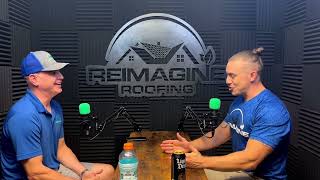
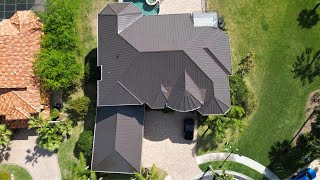
Standing Seam vs Exposed Fastener vs Stone Coated Steel: Which Metal Roof Is Right for Me?
Class 3 vs Class 4 Shingles: Impact Rating Differences Explained By A Roofer | Roofing Guide 2025
Roof Insurance Claims Made Easy: Full Walkthrough for Homeowners | Reimagine Roofing Guide