#002 - Gret Glyer (27 years) on Raising $150k and Founding a Tech Startup
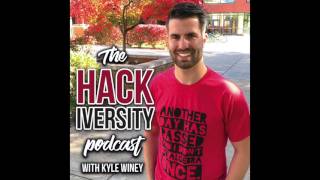
A YouTube interview (June 20, 2017) by Kyle Winey with Gret Glier (age 27) covering Glier’s path from college to entrepreneurship and poverty-alleviation work. Topics include founding the tech startup DonorC (a two-sided marketplace for humanitarian aid with personalized video updates), founding Homes (a 501(c)(3)) to build houses in Malawi, and crowdfunding and building Girl Shine Academy (an all-girls school). The interview recounts concrete achievements (crowdfunding >$100k for the school; building sustainable school serving ~120 girls), vivid field stories (a girl rescued after a crocodile attack whose treatment cost ≈$100), operational details (typical house built for ~$800), and Glier’s reflections on college (Grove City College, BBA in entrepreneurship, graduated 2012, GPA ≈2.8), early failures (a failed “Grandma’s Phone” business plan), and practical advice for student entrepreneurs (start small, get in the game, prioritize practical experience over GPA).
Questions this video answers
27 years old
2012
Degree in entrepreneurship (Grove City College)
Homes (Housing for Orphans and Widows), a 501(c)(3)
Over $100,000
Chapters
Welcome to the hackiversity Podcast, where students learn how to achieve more by doing less in college. Learn the hacks from wildly successful recent college graduates as your host, Kyle Whiney explores the colleges, majors and paths that produce the biggest results in college using less effort. It's hacking time. What's up, college hackers? Kyle Whiney Here, here and today I'm stoked to have on my very good friend, Gret Glier. After transferring from Christopher Newport University, Gret graduated from Grove city College in 2012 with a degree in entrepreneurship. At just 27 years old, Gret is an entrepreneur, startup founder and philanthropist. Immediately after graduation, Gret worked for Enterprise Rent a Car, where he advanced so quickly that the company actually changed its bylaws to prevent others from advancing so fast. After only a year, Gret tired of corporate America and took a risk by leaving Enterprise a stable job with a promising future. Upon leaving, Gret began to make waves on an international scale. He moved to Malawi, Africa to tackle world poverty. In less than two years from graduating college, Gret founded Homes, a 501c3 nonprofit that builds houses. And in Malawi, if that's not enough, Gret crowdfunded over $100,000 to build an all girls school in Malawi through a brilliant YouTube campaign. Today, after raising money from investors, Gret is confronting world poverty head on through the tech startup he founded, Donor C. In this episode, Gret and I discuss his story and a ton of actionable items, including first, how to graduate with a 2.8 GPA and found a world changing tech startup company without a tech background. Second, why getting in the game is the best advice for an entrepreneur. And third, how to stand out, conquer fear and thrive. As a result, Gret and I share a remarkably similar worldview and I'm so excited that you all get to listen. Without further ado, let's dig in. Gret, thanks so much for joining me today.
It's my pleasure. Thanks for having me on, Kyle.
You're welcome. So you and I share a really funny story about how we met and I would just love to hear from your perspective.
Oh sure. It's kind of funny I guess. I used to live in Africa, Malawi, Africa. And I would make these videos and it's not like they had super wide circulation, but occasionally they would be shared on the blog or something like that. I mean, they're pretty small time for the most part, but people would share them here and there. And there was this one blogger named Seth Barnes who is the CEO of the World Race. He's A mentor of mine and he really wanted more people to see my stuff, so he asked. So he posted several of my videos on his blog. And then I think you started following me from there. And. And then after that I think I somehow we looked up the original email at one point in our friendship, but somehow you figure out a way to get in contact with me. And we started chatting and we Skyped and then turns out we lived very, very close to each other back in the States, 10 or 15 minutes away from each other. So yeah, it was an Internet friendship.
It was really an Internet friendship that bloomed into something that I didn't really expect it to. You know, I was in the midd of Texas. I was riding my bicycle across the country. I remember I was at this really rundown motel in the middle of nowhere Texas. And so, you know, I am trying to recover from my long day's ride. And so I was surfing the blogosphere and you know, follow Seth. And you know, I saw that he was plugging someone who basically said, you know, I'm going to opt out of doing everything the traditional way and I'm just going to move to Africa because I want to. And I'm like, you know, that is something that I'm doing right this moment. I left the job market to ride my bicycle across the country and I'm like, I have no idea who this guy named Gret is, but I love what he's doing and I just want to reach out to him and let him know that. And then I had no idea that we live so close to each other back home. That was just kind of a secondary thought. And so, you know, now we're great friends and I am just, you know, really just impressed with everything that you've accomplished so far and just all the great, great things that you're doing. So it's been a good ride, good Internet relationship.
Yeah, it for sure has. And you've always been, I mean, that was the first time we've been in contact, but you've always been very supportive of all of the things I'm working on. And I'm always interested in hearing the things you're working on. And I think there's a good amount of us feeding off of each other's. I don't know what you want to call it, like ambition or just hard, hard work and determination. I don't know what you want to call it, but all the above. Yeah, yeah, let's call it that.
Yeah, life.
Exactly. So, yeah. But I mean, I think that's Been. That's just been like a nice thing. It's been nice to have, you know, you work really hard on some stuff and sometimes you feel like you're a little bit different than your, than your peers who are living the traditional lifestyle. And it's nice to occasionally come across someone like you, Kyle, who's, Who's in this. Who. We're on the same boat.
The bromance continues. I love it. Thanks, Grant.
Yeah.
So Grant, you are involved in so many things right now. So when someone asks you what exactly do you do, how do you respond to that?
Yeah, that used to be more difficult than it is, like at this very moment because I have been involved in a lot of stuff and now I've kind of centralized my stuff. I've centralized all of my efforts in one area. So right now, today I say I'm the CEO of a startup here in the D.C. area and I tell them about Donor C. That's awesome.
So before we get into Donor C, I just want to set the stage and ask you, how old are you?
27.
So you're 27 years old and you founded and are currently running a startup company in dc, right?
Yeah, tech startup.
Awesome. So it's called Donor C. Let's get into that. So when someone, when I explain Donor C to someone and exactly what it is that they do, I always say that you guys are the uber of charities. I think that's probably the best way I can communicate it quickly. So tell the listeners out there what exactly donorc is all about.
Yes, the donorc is meant to solve the, solve a problem that a lot of people feel intrinsically. And that problem is when you give to charity, you don't feel like the money's making a big difference. And a lot of times it's not. So with donorcy, it's the, the high level view is it's a two sided marketplace for humanitarian aid. And the way it works is people come to the site to post projects. Like we're talking third world extreme poverty related projects. So building people a house for 800 bucks, providing a young girl with hearing aids for 150 bucks. And these are all people who are living in these remote villages around the world who desperately need a hearing aid or a wheelchair or tuition to pay school. So there's people posting projects on the one side and then on the other side there's donors who want to give in a much more compelling way than has been available to them up to this point. So usually when you give money, you give and you don't get to see where your money goes. And then a month later the charity comes back and they ask you for more money and you give again and you don't get to see where that goes. Donorcy is different. We offer personalized video updates on every single gift that you make. So if you give to that little girl in Malawi who needs hearing aids, a few days or a week later, you'll get a video of her hearing for the first time. So, yeah, that's what we do. We pair people up, people who want to post projects and people who want to give.
That's so amazing. Can you share perhaps the most impactful moment of donorcy and just, you know, a donor connecting with a donee and the difference that made in that person's life?
Yeah, there's. I mean, I could pick a story from almost any day. Every day there's something that happens. I'm just like, man, this is incredible that I get to work on this every day and see these things unfold before my eyes. The one the way that I envision donor seat when it's more widely adopted, when it's a household name and millions of people are using it, there's a specific kind of story that I think are going to start happening all the time. And so this happened a little over a month ago. There was a little girl and she was crossing a little girl in Africa, right? So she's 7 years old, and she wanted to go fetch water for her family. And over there in Malawi, it's not like they have a faucet. You have to go to this well and you pump water out of the well and then you hold the water on your head. And so this little girl, she's holding water on her head and she's crossing a river to bring the water back to her family. And while she's crossing it, this crocodile comes up and bites her in the torso, which is. It's a very deadly attack. And she's a small girl. Crocodiles are big animals. So these two guys on shore, they see this attack happen and they jump into the water and they wrestle the crocodile away from the girl. They get her out of its jaws, they bring the girl back on the shore, the crocodile swims away. And normally, in a normal situation in these countries, unfortunately, that girl would either have gone to the witch doctor or maybe gone back. Just gone back to her village and bled out. I mean, it would have been a very sad situation. But thankfully, donorsee, there was a lady in the village who had an aid worker, she had her phone, and she had her Donercy app, and she was able to post that project on the donorsy and get the funds she needed within a few minutes and then take the girl to a private clinic where she could get professional help and get her the bandages and the care that she needed. And that girl is doing just fine today. She survived a crocodile attack, and it only cost, like, a hundred bucks to get her the treatment she needed. So that's the type of thing that kind of like, quick emergency, urgent situation stuff. That's the kind of stuff that is really exciting to me. There's all sorts of stuff that we do, but that's one example that's so amazing.
$100 can save someone's life. And the fact that that project was funded in a matter of minutes is really, really incredible. And that's why I'm just so excited about the potential of what you're doing and kind of the breadth of Donor C. Gret, what was one of your biggest motivators in founding Donor C?
Yeah, I think there really were two, and it's hard to pick just one. And it really was on both sides. On the one hand, like, I really care about the poor. I just have, like, this. I think ultimately that is the biggest one is caring about the poor. I just, for whatever reason, I really empathize with these people who are living on a dollar a day, and I'm able to put myself in their shoes and think about the things that they go through. And I just think it's really unfair. And I want to do what I can to help them. And I'm someone who's been blessed with a lot of resources and the ability to do something about it, and I want to. So I think that's like, the main thing, and then kind of the secondary thing would be this. This disconnect. I see in America, there's people who just have. I mean, most Americans just have no idea what's going on in the rest of the world. And a lot of Americans are lost and they're not super fulfilled in whatever it is that they're doing. And they just. I mean, they're bored and they don't have much to do. And so I would love to get Americans more excited and passionate about helping those in the third world because they're the ones who are most capable of helping them in terms of their resources. So I think that would be, like, a big side of it is helping people. Like, with donorsy, we're always using these video updates and showing people the real Life stories and the amounts of money that it takes. And so pairing up those two things, like my desire to help poor people and my desire to help Americans be more satisfied in their daily lives, those are the two problems that really keep me going.
Yeah. That's incredible. And in regard to making Americans feel fulfilled in what they do because of Donor Seat, it's so easy to do. $100 can save someone's life. And, you know, a lot of people don't think twice about $100 when they kind of get far in their career. And so it's really awesome that you offer these people an opportunity to just really make an impact in a real physical way in the world. Yeah. So gret a lot of listeners in college or they're, you know, they're. They're pursuing college, thinking about going to college, and they consider themselves entrepreneurs, and they. They look at people like you and what you're doing with Donor seat, and they say, you know, I need to raise money to do this. What do you tell that person?
I mean, I would. I would say you're thinking about 20 or 30 steps ahead, if that's the first thought that you're having. There's quite a few between now and that moment before you're actually ready to raise money for something, if that's ever something you have to do.
How should they go about building donor C or something like it before they even need to raise money?
I mean, it really depends on the specific situation. In every situation, though, I would just say start putting one foot in front of the other. So I have a friend who's trying to build an online school to teach people English in remote countries, and he's. He's going through the process. You know, there's a lot of things that have to do with the school. You have to write the curriculum, you have to find the teachers on the one end, and you have to find the students on the other end. And he's just really passionate about this thing. And so there's. It's. It would be an overwhelming problem if you just sat back and look at the full breadth of the problem. But if you compartmentalize everything and you take a look at, okay, well, like, what's the most important thing? What's the first priority? Probably you got to find teachers who are eager and willing to be a part of this mission, and then you go to the next thing. Okay, they're gonna need a website or a home base of some kind, and maybe we can do a very minimal version of this with a WordPress website that costs 10 bucks. And then. Okay, well, what about the students? Well, okay, there's. I have. I have all of these connections through my overseas contacts. Maybe I can start working on that. And. And so anyways, you compartmentalize everything and you say, how can I start solving problems one at a time and do it in the simplest, most efficient way possible? Anyone. No one's gonna give you money if you haven't accomplished anything. And the way that you do get money is by showing look at how much I can accomplish with so little. And by doing that, then people start trusting you with greater amounts.
I love it. I call those things small wins. You break things down into really small bits, and then you just tackle them, and all of a sudden you start gaining more and more momentum, and suddenly you have something like Donor C right in front of you, which is really cool. So, Grant.
Yes, I'll tag onto that. I just think Donor C is obvious. There's this huge culmination of my life that has led to donorcy. It's not like. It's not like one day I woke up and I started diving into this tech company that was completely removed from who I am. I've been meticulously working on my career and, like, poverty alleviation and video and all this other stuff. I've been, like, working really hard on it and diligently for years before I even conceived of Donor C. So there's no such thing as, like, overnight success or this quick turnaround. Like, it's. It's a hard and difficult road and it always will be, but it's. It's. Obviously, it's worth it and it's fulfilling because you're doing the things that you want to do.
So would you say the biggest first step for any entrepreneur is just to get inside the game?
Well, what do you mean by that?
Well, what I mean by that is I think a lot of people spend so much time philosophizing, conceptualizing, thinking about how to get from. How to get from step one to step 100, and because they see such a big picture or big obstacle in front of them, they just never begin.
Yeah. So I'll give you the perfect example. I had this friend when I lived in Malawi. Every morning I would go to this coffee shop, and that's where I would work on my laptop. And there was this other guy there, and he kept talking about how someday he's going to build a website for his charity that he wants to start. And every day he would be at this thing, and he was Writing his business plans and all this other stuff. And for months, I sat there and I was working on my stuff. I built a school. All these different things that you know about. But every single day, I would go to this coffee shop, and I would just see this guy, and I would ask him, like, how's your business coming? He's like, well, yeah, I've got this new plan, and I'm talking to these. I'm setting up these new meetings to talk to these new people. But he never even built a website for it. And I wouldn't be surprised. I haven't been back to Malawi in almost a year. I wouldn't be surprised if that same guy was still there with no website. Because people want to spend so much time planning on stuff, and they don't actually want to actually get in the game, as you call it. That is the best advice that you can give someone.
Yeah, I agree. And for everyone out there who just listened to Gret's explanation, yes, he did say that. He did build a school. He said that very casually. We'll get to that in one second because it's a super, super big deal. But before we do, I want to tackle something else. You're currently doing gret, and that's homes, which is an acronym. H O W M S. It stands for housing for orphans and widows, and that's based in Malawi. So, gret, what is an American doing building houses in Malawi? Shouldn't you just kind of stick to your tech scene in the States?
Well, so I've been building houses in Malawi. That was my. It was kind of my first gig. That was my very first, like, organized thing that I launch out into the world. And that was back in 2014, maybe.
So two years after you graduated from college. Right? You're building houses in Malawi?
Yeah, and maybe even before then. I think 2014 is when it was. When it was launched as an organization. But that wasn't the first time that we were building houses. But, like, we started building houses way before then.
So it's a 501c3 nonprofit. Right. That's how you organized it. So you founded a nonprofit two years after graduating from college that has been building houses ever since that time. In fact, probably even a little bit before then. So soon and so fast after graduation.
Yeah, and it's one of those things where I built it once I tweaked it for a little over a year, maybe a year and a half, and now the thing just runs on its own. Like, I literally have. I don't. We Build several houses every month, and I don't do anything with it. We have. I have people in Malawi who run it, and I have people in America who run it. And we have income from donations that come in, and we have word of me mouth that spreads everything. And that whole thing, that whole process, the whole loop all runs on its own. I don't intervene in any way.
What inspired you to found homes?
I mean, the inspiration was meeting someone who was homeless in Malawi, and her name was Rosina. It was my first couple months in the country, and I met this lady named Rosina, and she hadn't eaten in a week. She didn't have a house. She was in a really desperate situation. And someone told me, first of all, I was like, well, how can we feed her? Right? There's this lady in front of us who hasn't eaten in a week, like, okay, how much would a month of food cost? And the guy I'm with says, well, if you want to feed her for an entire month, it's gonna be seven bucks. Is that okay? And so we go and we buy $7 worth of this cornmeal that they have, and we brought it to her, and then she's good for food for the month. But then, I mean, beyond that was like, well, she doesn't have a house, though. So, like, what do we do about that? Well, I mean, houses are really expensive around here. And I'm thinking a house is gonna. Or 20,000 bucks. And he tells me, of course, that it only costs $800. And so when I hear that, my jaw drops on the floor, and I'm like, I can't believe that. That's like three plane tickets to get over here to Malawi. That's, like, how much I spent on my last iPad. I started doing all of the numbers, and I started comparing to all the different things in my life, and I'm like, man, people are homeless, and it's just because they don't have a house. And there's these, like, people like Rosina, like real life people who are really in front of me, living and breathing, and they're homeless and they need houses. So, yeah, the combination of all that stuff kind of, kind of led me. That's what inspired me, is just like meeting these people who could use some help.
Yeah. One thing I love about you, Gret, is that you look at such a formidable problem, like world poverty, and you say, this might be a big problem, but I can actually make a difference. I can actually do something about this. And you've taken steps to actually do something about it. And you're. You haven't even been out of college for all that long. And, you know, you're changing people's lives. It's really incredible to watch.
Thanks.
So let's get into the school that you built. And you know, you casually mentioned a little bit earlier, let's dig into that. So you built a school, it's called Girl Shine Academy over Malawi. And you did it primarily through crowdfunding. So can you walk us through what exactly Girl Shine Academy is and how it came about?
Right. So yeah, I spent three years living in Malawi. And during that time, whenever you're doing poverty alleviation work, there's always a temptation to think like, I'm gonna come in and be superman to these people. I'm gonna be their savior. I'm the American. I'm coming here. I'm so educated. I know so much more than that. And that's really an ignorant place to start from. Right. So after three years living in Malawi, one of the things that I kind of I learned to do was talk to the locals and ask them, like, what? All right, guys, you live here, you see the problems here on a daily basis. What do you think is the biggest problem? What are the things that we can do? How can I use my resources or the things that I have in my abilities? How can I use my things to help you? And I want to put the ball in your court and see what you have to say. And it became very obvious that in Malawi, it has the worst gender parity gap in the entire world. And if you think about that, like things in the Middle east, it's incredible that that Malawi is the worst one, the bottom of the planet. And so what that means is there are way more men who have access to upper school education than there are women. And so I wanted. So I was talking to the locals there and there was. There was this lady there named Tia, and she wanted to. She had been working in this one village for seven years, and she was working with the girls there. And she had this whole vision to build this school in this village. And they already had the land, they already had all this stuff. And. And Tia came up to me and said, here's a plan. Here's this plan, this vision document. I wrote this seven years ago, and it was like this thick plan with construction plans and all that stuff. And she handed it to me and it was ready to go. All they needed was the money to build the school. And it was $100,000 which is, I'm not like a name brand charity or anything like that. That's a lot of money for me to try and fundraise. And I was thinking, and I had several. I contacted my. Before building the school, I contacted some of my wealthier contacts and I said, hey, I'm thinking about doing this school. And they all told me not to do it. They said, great, you're gonna get 20,000 bucks. You're gonna build half the school, not even half. And you're gonna run out of people to get money from. This is a bad idea. But there was just one night. I remember there's one specific night. I'm like restless. I can't sleep. And all of a sudden I just, in my mind, I just have decided, I was like, these girls need a school. I don't care how I'm gonna make it happen, I'm just gonna do it. And then as I started putting one foot in front of the other, just like we talked about earlier, I started figuring out, okay, this is how I'm going to construct this thing. So the way it worked was we broke up the $100,000 into 12 different fundraising phases. And so the first week we tried, and we would fundraise for the excavation, and so we would excavate. I raised 7,000 bucks. We excavated the ground. I showed people with video and I said, all right, thank you so much to the donors. We made a plaque with their names on it. And then the next week it was like, all right, now that we've excavated the grounds, let's lay the foundation. And week by week by week, we built up this entire school. And it's a 100% sustainable school. 120 girls are going there today. And it's an incredible thing. I'm very, very grateful for the role I got to play in it. But there was thousands of people who got involved both in the donation side. There were volunteers in Malawi who helped construct this school. And there's people, even the teachers there who are there today, they're working very sacrificially to be at that school and be a part of that mission and that vision. So, yeah, it's a cool.
One of my favorite things about your crowdfunding campaign, Gret, was that you actually did offer those plaques for people back here in the States. It was so cool to know that if you give just a little bit of money, you get your name on a plaque in the school in Malawi. I thought that was a really awesome touch and certainly appealed to a bunch of people. I know, and I think that was just a really cool touch.
Thanks.
Gret, what do you think made your YouTube videos so effective?
I think it was, you know, I think it was new. I think Seth Godin talks about the purple elephant. Right. It's hard to be. If you're an elephant that's a little bit bigger or a little whatever, you have like a longer trunk. Whatever it is, it's hard to distinguish yourself. But if you're a purple elephant, people are gonna turn their heads when you walk in the room. Right. If you really are distinctive. So I think what made them effective was people hadn't seen anything like that before. Right. They never saw like this Gu in Africa, building a girls school and like documenting the whole process and using cool music and quick cuts and all these different things and being really excited about it. It was just like a new thing that no one had seen before. And so I think that's why people were like turning their heads and thinking about, oh, wow, what's going on over here? And that's how you kind of get the crowds to start to form.
Yeah. So you would say for anyone starting their own YouTube channel, whether it's for crowdfunding or not, look for ways to be different, right?
Yeah. If you're just copying someone else or if you're. Even if there's a good chance, if you're. Even if you're doing something that someone else is already doing, but you're doing it 10% better, you're not going to find a huge audience. It's probably not going to happen. But if you're able to do something that's completely different or ten times better than what someone else is doing, that's really how you capture an audience. And you see that all the time. That whenever these, like for example, Casey Neistat, he's the classic example. Right. For the first time, there's this guy who puts these high quality daily vlogs out. I mean, there are people who are vlogging daily before, but not with high quality. And his stuff was just so good. And it was every single day, seven days a week, he put out these like 10 or 15 minute videos and of him documenting his life, but with really nice camera equipment. And he had a. He had a cool personality and all this different stuff, but it was like a remarkable thing. It was something people talked about. So, yeah, differentiating yourself is a huge. Is a huge deal in marketing, in any type of marketing, YouTube channel or otherwise.
I love it. So, Gret, one last thing. I want to touch on before we get into your college experience. And that was your first ever job right after college graduation, and that was at Enterprise Rent a Car.
Yes. Yeah.
And so I know that you were very successful there, but yet found it very unfulfilling. So can you talk about that?
Yeah, I think it's important. There's a few lessons here that I would love it for your audience of college listeners to grasp from this. There's a couple mistakes you can make, especially in that first year of college. On the one hand, that year of my life was pretty difficult for me. Even though I was very successful at my job and even though I was promoted. I mean, I was promoted very quickly. I was promoted after six months and that was a record at the company I worked at.
So you were setting records at the company?
Yeah, I mean, literally there was a 16,000 person company. I was promoted faster than anyone had ever been promoted before. And after I was promoted, they changed the bylaws so no one could ever be promoted that fast again. So it was like literally as successful as you could possibly be at this pretty big and well known company. And I was told by these upper managers that gret, just keep doing what you're doing. The sky's the limit with you. We're gonna fast track you, you're gonna get a company car, all this stuff. But it wasn't fulfilling to me. I didn't find even I was making good money. I wasn't passionate about it. And so there's a couple things to learn here. One, I think it was so crucial that even though I didn't like the job, I still did my best at it and I still wanted to perform well for this company. Right. That was a very, very important thing for that time in my life. Because if you have a bad job and you blow it off or you don't take it seriously, you're not going to learn anything from that experience. You're really, I mean like you'll, you'll spend, you'll waste a year of your life if you, if you just like sit in a bad job and don't grasp what there is to grasp from that, from that job. So that's like kind of the first thing I want people to learn. But the second thing is I didn't stay there. Right. I spent a year at this job that was unfulfilling. And I said, you know what, this is not for me. I'm gonna try and do some stuff that's a little bit riskier at this time in my life. I have the Opportunity to do that and we'll see where that takes me. But so I spent a year learning as much as I could. But after that year, after I had gathered like 95, I learned like 95% of what there was to learn from that job. Then I took that and I said, alright, guys, see you later. I'm done with you and I'm going to move on to other stuff and see what else I can learn. And that's when I moved to Malawi, Africa. I think both of those were very important. Spending a year diligently working on something that was hard and then going from there and moving on and moving on is also the tough thing. It's very easy to get caught up in a company car. Oh, like a stable job, like all these things are alluring and the ability to resist that and move on to your own stuff is pretty important.
Yeah, I love that. Gret, what I hear you saying is that, that it's so important for students to actually go out, get in the game. And by the game, I mean the job market. What exactly they might potentially work at after graduation and just see for themselves whether or not they like it and stay there for a good amount of time so they can develop the self awareness as to whether or not this is something they want to do the rest of their lives or even for an extended period of time. And if they don't want to do that, that's fine. They can always pivot and go somewhere else. But it's so important to develop that self awareness at the beginning and as quickly as possible. So you can kind of tweak it and find something that you really do. Like such as your donor scene now.
Exactly.
Yeah, I love it. In fact, Gret, that story is one of my favorite testimonials in my book. I have over 40 testimonials from recent college graduates. And I think that one is, if not, it's certainly in the top three, but I would say it's certainly very, very close to number one. I just love that story, how you were doing things a conventional way and you're like, you know, this isn't working for me. I'm just gonna cut my ties and do something else. I love that story.
Yeah.
Cool.
Yeah, I'm grateful that I did. Obviously it was risky and it's worked out very well, but even if it worked out half as well, it would have still been worth it. It's one of those things that I'm grateful for. I'm grateful for how things have turned out. But even in Another universe where other things would happen. Like, I still would have valued the experience of what I got from moving to Africa for that first year.
Yeah, well, the time period in people's early 20s now, I'm pushing 30 now, but it's still kind of the same for me. And that is there's not all that much to lose. So you go work at a job and it doesn't work out because you don't like it or whatever. What's the downside? It's not like you have a family necessarily at that point. It's not necessarily like you have a mortgage to pay. So that point in your life is such a critical point to not play it safe and not just play by the rules, but actually go out, take risks, learn about yourself. And that way you can reverse engineer kind of a career track from there. What makes sense for you specifically, because you actually tested it out yourself rather than just kind of reading a book about it or something like that.
Right. And you also, there's. You learn about the value of taking risks so that when you do have a family, you can still take risks. Like, it's still okay. I know a lot of. I have a lot of friends who they think that once they have a family, it's like their life is over. But then I have other friends who they have a family, and it's like they have literally changed nothing. I mean, they continued. They have like a little newborn kid and they'll quit their job and start a new company or whatever it is. And you look at those two things and you're like, wow, that guy who just has a family and is doing the same thing, like, he developed that because he learned to take risks when he was early on. And the family, like, giving up and just like, sticking to the steady, stable lifestyle, never learned. They never learned that they never got the chance to learn to take risk when they were younger. So, yeah, I think developing that skill set and that inner compulsion to be okay with risk taking is very important to do when you're, like, just graduating or even before.
So, yeah, I love it. So, Gret, now I think we have a pretty good flavor for everything you've accomplished where you're at in life right now, kind of how you got there post graduation. But let's talk about your actual college experience. So you graduated from Grove City, which is a relatively small school in Pennsylvania. I love Pennsylvania. I'm from there. And you, you graduated in 2012 with a degree in entrepreneurship. And my favorite fun fact I think about Grove City is that is only one out of two schools, I believe in these whole nation that does not accept any federal money, which basically means that has more freedom to teach what it likes.
Yes.
Yeah. So I really admire that about Grove City. Walk me through what it was like to go to such a small school.
I liked it a lot. You always have pluses and minuses. For me, I can't even conceive of what going to a large school would have been like. I'm sure I've lots of friends who enjoyed that experience. But yeah, my experience at Grove City was we had about 600 people in our specific class, the 2012 graduating class. And so if you name any one of those people, I probably at some point met them or at least know who they were, and that was a nice thing. And whenever you're walking around, you see people that you're familiar with and your friends that you develop early on that freshman year are people that you, a lot of times you end up sticking with for a long time and even after graduation. So, yeah, the small school aspect was something that was really helpful. And there's also. I mean, it's like, usually the thing that is like the biggest strength is also the biggest weakness. Right. So there's a lot of group think that goes on at something that's that small. Right. There are pressures to think a certain way or behave a certain way or whatever and so forth. But yeah, there's. At the same time, the smallness is also a big benefit because you can explore ideas deeply because everyone is on the same page.
How early into your college career did you know that you wanted to be an entrepreneur?
I mean, before I was in college, I think I remember. I mean, this is political now, but like, I remember watching the Apprentice when I was younger and thinking like, oh, wow, I want to do what those guys are doing. Like, that looks awesome. I want to be like, building stuff. And I remember reading Richard Branson has a biography. I think it's called Something about How I lost my Virginity or something.
Yeah, that's right.
Virgin Galact. I remember reading that when I was really young and reading about how Richard Branson started his first company when he was like 16 years old. And I was about the same age at the time and thinking like, well, what's stopping me? You know, this guy had nothing and he started a company. What's stopping me? And you learn about all the different ways he, like, growth hacked his company even at that stage in his life. And so, yeah, I think even before I was in college, I knew that's the lifestyle. I want. I want to be an entrepreneur.
So did you come into freshman year knowing that you were going to name entrepreneurship as your major?
I did not. I think I went in originally. It was just like, a plain old business major. And then I transitioned to entrepreneurship after, like, a year.
Okay, so around sophomore year, you named that as your major. Okay. But you had a general sense that business was kind of what's right for you. So you started taking business classes your freshman year. Did you hold off on that?
Yeah, I started. I think I took a little bit of. A little bit of each. And I also. Just. Just to clarify, I actually went to Christopher Newport University for the first semester of Virginia, right? Yeah. And then so I went from there, and then I transferred to Grove City as a. I really wanted a place where I kind of, like, fit in better. So that was kind of the decision for that.
Did you find many challenges with transferring schools?
Oh, it was surprisingly easy. I couldn't believe it. I was so. It just seems like an impossibility. Then you do it and it's like, oh, wow, that was so hard. I remember it was New Year's Eve, and I was unhappy at Christopher Newport. And I was talking to some people at party and someone said, oh, you should just transfer to Grove City. And I was like, what do you mean, just transfer? That's not something that people do. And then I got the idea, and it was again, one of those moments where I just kind of knew I was going to do it. Right. Just like the school, sleepless night. I know I'm going to transfer. And so I think I sent them an email and I didn't hear back till January 5th. And then they scheduled an interview for. For January 9th. And then I think I was, like, enrolled by January 12th or something like that. So a very quick turnaround and really very, very glad that I did that.
And as a transferring student, was it pretty easy to make friends then on campus?
Oh, yeah, because what they do is they pair you up with the other kids who are transferring in at the same time. And all those other kids, they're desperate, just as desperate for friends as you are. And then you start over some time and over some months, you start coming into your own, finding your own groups that you want to be a part of and so forth. But, yeah, I mean, and it's not hard at all.
One of the challenges that I know exists for a lot of students who graduate from a small school like Grove City is just that their employment opportunities or prospects are really limited. Just because the network's kind of smaller, all that stuff. Did you find similar difficulties in employment prospects when you graduated?
I thought that my prospects were fine. I mean, Enterprise wasn't a. I was thankful for Enterprise. I thought, you know, Enterprise is one of those places where it's almost like getting a degree from like a good, from a name brand institution. Because you spent a year working at Enterprise, everyone's heard of it. They have a good reputation. Their employees are known to be like really hard working and aggressive people and can like work long hours and stuff like that. So lots of people then recruit from Enterprise. So I think it's what's more what you make of it. And there's, there's benefits to Grove City as well. Right. If you spend. There's fewer people at Grove City, but also the people who do have more contacts and who do have a better network, they're easier to come in contact with at that college because. Because it's a smaller college. So. Yeah, you have both sides of the coin on that one.
Yeah. So I know when you were at Grove City, you were always tinkering with different projects, different business ideas. And one of those business ideas was called Grandma's Phone.
Yeah.
What year were you when you started Grandma's Phone?
I think that was 2000. I think it was a sophomore.
You were a sophomore.
Okay, sophomore or junior.
Walk me through exactly what Grandma's Phone was.
All right, so Grandma's Phone was something I did in conjunction with. Yeah, it must have been. I can't remember. I can't remember which year it was, but I worked for a startup when I was one summer when I was in college. I think it was after freshman year. And this guy was always doing new things and he had this idea where he wanted to create an app for the iPhone that simplified the iPhone's interface so like a grandma or a grandma PA could use it. And it was, it was basically just be like a numbers, a numbers thing. So I wrote the business plan for this guy and I talked with him about how we were. I basically built the whole, the whole plan for him and he like hired me to do that. And I submitted to a, to a, what do you call it, a business plan competition and that kind of thing.
At school, right?
Yes.
Competition was at college.
Yeah, well, there was both. I both submitted to one at the college and Carnegie Mellon University.
Okay.
Yeah.
And so then you submitted this project and what happened from there?
Well, I mean, it was a devastating failure. I remember thinking, I mean, I put out, I mean, so Much time. I think it was a 40 page business plan. The first time you ever write a business plan and it's really hard, right? You have to figure out, you have to teach yourself accounting so you can get all of the charts right in the back. And you have to learn how to create images that you need specifically for your plan. And you have to learn how to write in a compelling way. It's really hard. I spent a lot of time on this thing and it's kind of like when you write your first poem, which probably not a lot of poetry writers in the audience for all I know, but the first time you write a poem, you think, oh, wow, this is the most amazing thing. This is the best poem that anyone has ever written, ever. You think that about yourself because you're so amazed that you're to. Able, able to compose something and then you write poetry for several more years and you look at that first poem and you're humiliated because it was so embarrassing. So it's kind of the same thing with these, with the business plan. I wrote this, my magnum opus business plan. I was like, there's no way everyone in the world would want to invest in this company that I just wrote about. And yeah, I submitted to the college and I submitted it to a few other places and I didn't even make it past the first round, which was just like, it was the hardest thing to. I couldn't believe it. I really, looking back at that moment, that was really devastating.
Well, what's so cool about that, Gret, is, you know, that was a failure for you or that was a low point in your life, but it didn't stop you and you kept pushing on and you know, you've gone on to accomplish all these amazing things despite that. And I think that's a really important takeaway from the grandma's phone story.
Yeah, actually I don't think about that very much, but that failure was a very formative time for me. Right. Failure is like hard and it's difficult to process, especially in the moment. But looking back on it, man, if that hadn't happened, I don't, you know, you know, that was, that, that taught me a lot. It really did.
Absolutely. So a lot of people when they hear, okay, great, Brett wrote a 40 page business plan, but I just don't have that kind of time. I have to go to class, I have to study. I have two papers due tomorrow and I have three exams this week. I can't take enough time to write this kind of business plan. What do you Tell that person.
There's a couple things I would tell them. In some cases, there's a chance that they're right. A lot of times it depends on what they want to work on what they want to achieve in life. Not everyone wants to be an entrepreneur. So if they want to be, be a PhD professor when they grow up. But yeah, spend time on your classes. Most people want to be in the real world and work on real issues and if that's who you are, then it's going to require a lot of sacrifice and you should do this exercise. One time I tried to figure out how many hours are there in a week. And then if you take away a full time job and you take away 40 hours for a full time job, you take away the amount of hours you're sleeping, you take away the amount you need for, for eating and going to the bathroom, that kind of stuff, there's still like over a hundred hours in a week that are like at your disposal. And so the idea is when you look at like the reality of how much time you actually have, you really can accomplish quite a bit outside of like your normal routine. It's just, it's a matter of having the discipline to take like for and even like setting yourself up well. Right. So for example, I have, I never keep a TV around me ever. Like, I just don't want to be distracted and like sit on the a couch and be a vegetable for a few hours. Like it's so easy to get sucked into that. I mean, anyone who tells me that they're having a hard time finding the time to do things and at the same time watching like two or three hours of TV a day, it's, you know, I see right through that. So having I would say look at the amount of time you have in your days and like figure out where you're going to sacrifice and devote to this other passion of yours that is really important to you.
If someone wants to be an entrepreneur, would you say that doing the practical stuff, the practical building of business plans and products outside of class is more important than actually scoring A's or 4.0's during the semester?
Oh my gosh, yes. There's no, I mean, it's not even a contest. I tell people all the time. My first year at enterprise, I learned more that first year than I ever learned four years in college. And that was in terms of like the classroom setting. Right. There's a lot of things I learned outside the classroom, writing business plans and stuff that was, that ended up being Very influential, but like memorizing vocabulary words and writing essays for business management theory, that stuff you can learn. I mean, it's. It doesn't take the four years of using in class. It's not going to be worth it. It's not going to be worth the money. It's just not.
But are employers more impressed by the 4.0 student, or are they more impressed by someone who's applying to their job and has done practical stuff like enter business competitions and those sort of practical things that they can show, hey, you know, I have experience doing exactly what you want me to do.
Well, I mean, as you know, and I'm sure, as you point out all the time, that after a year out of college, your GPA is virtually meaningless. They want to see, like, what you've actually done. And if you can show that you've done things before you actually graduated, that's even better. So, yeah, the GPA. I mean, I. I think my GPA was like a 2.8 or something. It was pretty low.
Wow. So you didn't even break the 3.0 mark?
I'm not sure I did. Yeah, it was pretty low. I mean, that shows how little effort I gave to my actual studies.
Wow. And that's because you were building things outside of class, is that right?
And inside of class, I was sitting in the back of class working on my own things, and instead of learning about humanities or whatever, I love it.
You know, there is just such a diminishing return on grades and so many students just really stress out about it. And if there's one goal that I have from all of my episodes, it's just to have students have a just good perspective on what really matters at college and what really doesn't matter all that much at all. And certainly grades is in the second category of things that just don't really matter all that much. And so I think your story is a great. Yeah, I think your story is just a great testimony to that. So, Gret, a lot of aspiring entrepreneurs, including people in college, think that they need some kind of technology or engineering background. And how do you respond to someone who says, you know, I really need some kind of technical background to be a successful entrepreneur?
In some cases it's helpful. I don't have a technology background and I run an app company. The donorc app is on both Android and Apple, and we have a website. And the thing is, you can hire someone to do almost anything. Someone who really inspires me is Elon Musk. He's constantly getting into These areas where people tell him, you have no business being here because you don't have a PhD or you don't have. Have the credential. But, like, you can hire the right people, you can ask people questions, you can learn 20% of a field relatively fast. So I would say that it's definitely not a necessity. And if anything, the thing that people should take away from this is that today, right, we're recording this in the middle of 2017, it is easier to do things without these degrees and without this knowledge than ever before. There are just like so many tools in place and so many. There's overseas talent you can hire and so forth. And yeah, it is easier today than ever before to get involved in these fields. And it's only going to get easier and easier and easier. Right. That's the point I wanted to make. Just look at the trend right now. It's only going to get easier.
We live in a world without gatekeepers, as I like to say. There's no one that can say you can't do this for XYZ reason. That being, you don't have a degree, you don't have the credential, whatever. Because there's, like you said, there's always ways and there's always people who will help you get where you need to go. You just need to be resourceful, I think is really critical.
Yes.
Yeah. So, Gret, do you have any plans to go to graduate school?
No. That sounds like a nightmare.
So undergrad was not all that enjoyable for you, and so you don't need an extension of that, Is that what I hear?
Well, the things I enjoy about undergrad had nothing to do with the classroom. Like, I enjoy hanging out with my friends. I enjoyed the business plans even when I failed and all the other stuff. But, yeah, the classroom time was not super enjoyable to me. Even, like the books I read most of the time, the most influential books I read were during college, but never required reading. So, yeah, definitely not my cup of tea.
So for you, what college. The real value of college was not necessarily what you learned inside the classroom, but kind of the atmosphere of college, that being an atmosphere of searching, of exploration, of learning, and of community and socialization. And that was really the value for you, right?
Yes, definitely.
Yeah. Cool. So, Grant, one last question. In regard to your college career. Would you say that there's a specific college track for students to become just like you, where you are right now?
There's a few pieces of advice, but there's definitely not. Not like an organizational structure you can follow? Definitely not.
What are the pieces of advice?
I don't know if this will be comprehensive, but I think the things to do would be like you called get in the game. Just put your foot out there and get ready to fail. Get ready to mess up and be messy and get embarrassed every once in a while. I think a great thing to do if you're in college is look into platforms where you can speak in front of a large number of people. That's always going to be a very helpful and valuable asset. And it's so helpful. Put yourself in a position where if you fail, it's going to be humiliating and it's going to happen in front of a lot of people. I mean, the more that you can get comfortable with that idea, the better that's going to serve you so well. And just like as a tangent, I think this past week I was out in Leesburg or Loudoun or whatever. In Virginia. Yeah, I was in Virginia and I was giving a talk to a room full of people. And the talk I normally Give is like 20 minutes, but they told me, oh, you only have, you only have six minutes to give this talk. So I like ran through the thing super fast. And afterwards people were like, why, why was that guy talking so fast? And they were asking these questions that were like, rapid fire. And I was having trouble like keeping up with it. And afterwards I was like, you know what? Probably no one in that room is like very convinced of what I'm working on. And I probably didn't do a good job of sharing the thing that I'm working on. But at the same time, I do not care. It doesn't. It literally bothers me, like, not at all. Because I. It's just like, well, okay, fine, there's another failure. It's like, failure. This one failure has, is gonna lead me to more successes later on. So big deal. So yeah, I think like learning to fail. Fail. Learning to fail and just getting yourself out there would be the biggest thing. And there's all sorts of ways that that can manifest itself. But ultimately just get yourself out there and get like start doing things right. Like that, that business plan I wrote, that was one of like five business plans I wrote, wrote just in college. So all like, just keep working on things.
I love it. Gret, let's transition to what I like to call the rapid fire question section, which is where I offer up some quick hitting questions for you. But that doesn't mean that your answer has to be quick hitting. So let me start by asking you this. What is one thing you believe about college that most people don't?
Yeah, lots of the things we've mentioned before, I would say the. The GPA being virtually unimportant is a big part. I also think another thing is I think the space will be disrupted somewhat soon in a big way. I don't know what that will look like. I don't think anyone does. But I think that you're going to see a really large disruption happening of some kind of.
I love it. What have you done differently in college than other students?
Yeah, I think the thing that I did was I started, like, I took a lot of risks and I started on things as early as possible. Right. So the. For example, like I think I did, there were a bunch of different things. I don't want to get into specifics because some of it might be political, but yeah, there were a lot of different things I did that were. That were me taking risk, getting myself out there. And I would have like these little wins or these big wins and these big losses, but just getting yourself out there would be the main one.
Awesome. What is one thing you wish that your sophomore self in high school knew?
Oh, that's a good one. I wish I knew about the. I wish I knew how unlimited the world was. I think when you're. When you're that young and you're living in these conflict, you have to go to school for a certain number of hours of the day and you have to listen to your parents and so forth, you tend to think like, okay, the world is really structured and I'm this person who's just like, navigating the predetermined route that's in front of me. And you don't have to do that. If you could just get as early as possible and learn to get outside of those walls, outside of your comfort zones and do things differently than other people are doing them. That's something I wish I could have told myself when I was a sophomore in high school. Oh, man, I wish I knew that.
I love your perspective, man. I love it.
Thanks.
If you can make a plug for your career track or your profession, you being an entrepreneur, what would you say?
Yeah, I would say be careful about getting into it because it's really hard and don't take it lightly. It's a really hard thing to do. And if you're going to get into it, actually get ready to get dirty and get messy and get beat up pretty frequently and have high highs and low lows and all that different. I mean, It's a challenging, challenging thing. But whenever you, the plug is, whenever you have that much challenge, whenever you have that much risk, you also have that much reward. And the less risk you take, the less challenge you take, the less reward you're going to experience. And I know that my lowest lows and my highest highs are ahead of me. I already know that. Whereas a lot of people who are stuck in their corporate lives at the moment, they know that their lowest lows and their highest highs were either in high school or college. And so that's a much more depressing reality, I think, for them. And I'm eager about whatever's to come next for me.
I think Elon Musk was the one who said starting a company is like looking out into the distance while eating glass. That hard? It's that hard. Yeah. Cool. If you could recommend something to a college student in the form of a tweet, what would it be?
I've got it. Okay, hold on. If the only thing holding you back is fear, you have to do it.
That is tweetable. Final question, what is the one pop culture trend you remember most from college?
Kony 2012.
Yeah, that is very fitting. Can you just quickly explain what that is?
Yeah, that's so weird that maybe your listeners might not know what that is. But in 2012, middle of 2012, an orchestra organization, a nonprofit named Invisible Children, released a video kind of letting the whole world know about child soldiers. And it was a 30 minute video talking about child soldiers and what they wanted to do about it. And I don't know if I agree with like their. What they were trying to do or whatever, but what happened was it put the, it put the issue of child soldiers on the map for everyone on the planet. So overnight, 100 million people all of a sudden knew. I think again, it got 100 million views on YouTube, 100 million views on Vimeo. And it was like this type of super viral thing that happens a little more often nowadays. But that was one of the first, that was one of Patient Zero. This was one of the first ones that just went mega viral really quickly. And I remember seeing that and I was like, oh my gosh. That was so influential to me because I remember seeing these guys who no one knew about it and they're just a few years older than me. I don't even know if they graduated from college. They just created a global conversation about this issue that they care about and whether or not they were successful or effective or whatever. There's something to learn from that. There from what they did back in 2012. And so, yeah, I mean, every once in a while I go back and watch that video. But yes, seeing that and seeing like all the conversation and people were whining about slacktivism and all this other stuff, but people were actually talking about child soldiers is a really good, really cool thing.
Gret, I always enjoy talking to you. You and I share a very similar worldview and you, it's just always inspirational to hear your thoughts. So I love it. Thanks for being on the show. I really appreciate it.
Absolutely.
So, Gretch, for anyone out there who's in college or thinking about going to college and they want to become the next Gret Gleier, where can they learn more about you and learn more about the work that you do?
They can go to Gretglier.com or find me on Twitter Retglire, where I'm pretty active. And oh, on Donorsee, my app, you can follow people on Donorsee. So, so go to donorc.com, type in my name and you'll find me and you can follow me there.
Awesome. I'll put all of that stuff in the show notes. Gret, thanks for coming on.
Thanks for having me, Kyle.
Hey all, thanks so much for listening and thanks to Gret for coming on. I'm so excited about Gret's work that Gret and I have partnered together to offer students a remarkable opportunity. In a few months, students will have the opportunity to win a free trip to Malawi Africa Africa to hang out with grit and immerse themselves in poverty alleviation, economic policy and entrepreneurship. This life changing experience will allow the lucky winner to use what they learned in Africa, return to the states and reverse engineer a college experience specifically tailored to their interests. Plus, 100% of all the revenue that's generated from the sales of Hackaverse during the contest period goes straight to Gret's nonprofit called Homes. My goal is to fund the construction of 100 houses in eight weeks in Malawi. To find out how you can win, check out KyleWeiny.com contest as always, reach out to me on Twitter and let me know what you thought about the show. I'll catch you next time. If you want more hackiversity and achieving more by doing less in college, you can subscribe to the podcast on itunes or grab the book on Amazon. For the show notes and the latest on hackiversity, check out kyleweiny.com don't forget to follow Kyle on Twitter at Kyle Whiny and on facebook@facebook.com hackaversity till next time, Happy hacking.
More from Kyle



#022: Dr. Mordecai Brownlee (St. Philip's College) on Community College vs University

#021: Rick Hess (American Enterprise Institute) on If Ivy League Schools are Worth It &...


Mickey Baines (Kennedy & Company) on College Marketing, Admissions Decisions, and the Value of...

#018: Josh Thiel (28 yrs) on Getting Elected for Political Office in America’s Richest County...
#018: Josh Thiel (28 yrs) on Getting Elected for Political Office in America’s Richest County...

#017: Spencer Folmar (28 yrs) on Founding a Hollywood Movie Company, Producing 17 Films, and...
