Welcome to our live show!
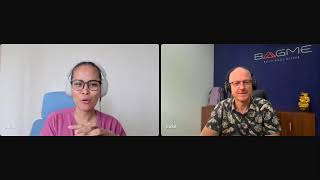
In this live YouTube webinar, Moov Supply Chain host Lara Guevara interviews Luke Reynolds, founder of BagMe, a Vietnam‑based product development agency. The conversation centers on the challenges of new product development (NPD) for bags, especially the coordination required among finance, marketing, and supply‑chain teams. They discuss how limited budgets and minimum order quantities (MOQs) force brands to make strategic decisions, such as owning raw materials to bypass high‑MOQ hardware costs. Reynolds emphasizes the leverage that agencies like BagMe can provide when a solid marketing plan is presented to factories, enabling startups to secure production runs that would otherwise be rejected due to low volumes. The dialogue highlights the importance of strong, mutually beneficial relationships with factories, the role of agencies as a bridge between brands and manufacturers, and geographic considerations across Vietnam, Indonesia, and the Philippines. Both participants stress the need for end‑to‑end logistics planning to ensure products reach global warehouses smoothly. The session concludes with mutual enthusiasm for future collaboration and an invitation for viewers to connect for further support.
Chapters
Good morning.
Wow, such an energy at 6 AM.
It's the double shot espresso coffee.
Thank you so much, Luke. Oh my gosh, see 6 AM. Thank you so much.
What time is it there?
7. So a little bit.
Yeah, actually, to be honest, lately I've been up and working from before 5 AM. So, um, we have a lot of exciting things happening here.
So, oh yeah, I'm very excited to learn more about that.
And next time you come to the office, you're gonna see more evolution going on here.
So nice, nice. Yes, I know you've been growing your team, so yeah, I'm excited to learn more. Yeah, this is, uh, yeah, so, so later on I'm, I'm more excited with the, um, strategy that we're gonna do because your, your perspective, whether it's similar to ours or not, it's gonna be super helpful for our listeners. So, um, that's what we're going to do.
Yeah, I think it's a good way to do it. I, um, yeah, I was, I was having a look through the, the, the deck, the ideas that you want to discuss, and it's, it's pretty clear to me that, like, we're obviously viewing the same problem from different perspectives.
Yes, different perspective. A lot of, uh, a lot of our participants right now are actually in the new product development and their profile is either founders who are not really good in planning that product development side. You know, usually, um, they would start with a product that is already handed over by, by a vendor that they met in Alibaba, and they will start there. So, and then, uh, fortunately, a lot of them will be will have a success in launching their first product, but, you know, continuing the growth, that's where they stall because now they need to create their own product development team. And that's where they started getting our service as well in Move Supply Chain because they don't know how to do it. And they also, like, they can't— they don't know that there are, services like yours. So we want them to understand what can a new product development team like your— like Bagbee can do for them. So yeah, I will— yeah, I will just give them one more minute, guys. So we're live and we have participants joining. Uh, we're expecting more, but before that, let me share my screen.
Oh, look at that screenshot straight from the YouTube video. You're looking much better than I am in those clips.
We'll definitely need more studio photos from, from Luke. All right, um, while waiting for others to join— I usually start 5 minutes past 7— um, I just wanted to start the introduction. This is Launch Like a Surgeon, and I know that sounds intense, you know, but honestly, that's kind of the point, you know, that today is not your typical supply chain talk. We're going deep into what actually takes to launch a product without losing money, burning out your team, or shipping something you're not proud of, delivering a product to your customers that you're not approving. So here's what makes this session a little different from others you might have attended. We have two perspectives in the room today, and that matters a lot. I'm Lara Guevara. I am the— I'm from Moov Supply Chain. We're the people in the coordination side, the ones managing the process end-to-end, connecting the dots between a brand's idea or the founder's idea and what eventually lands in their customers' hands. And then there's Luke. I'll have a proper introduction in a second, but Luke is on the making side. He's the one who's actually in the factory or in their R&D office, then visiting factories, seeing the samples get built, catching the mistakes before they become expensive. So that combination, supply chain coordination, plus someone physically on the ground doing the work, that's very rare. And that's why today we're really, really excited. And I bet this is very valuable for all NPD experts out there and founders who want to continue growing their business through NPD. So Luke Reynolds is the founder of BagMe, an Australian product development agency based in Vietnam. I've been, I've actually been there, the team has been there, that specializes in bags, backpacks, and so on. Good. So think of him as a supply chain partner of brands that need physical, uh, that needs someone physically on the ground to manage, you know, not just factory management sourcing but actually doing the sample itself up to quality, up to quality control. So founders, they don't have to manage that part. His client includes famous brands. I will let Luke mention if they are allowed to, but which tells you he's not just working with small startups, he's operating at real commercial level. So what makes him interesting is the way he describes his team: Australian humor, German attention to detail, and Vietnamese resourcefulness. So that's the solid combination, which honestly is a very solid encapsulation of what good sourcing ops in Vietnam looks like. So hi, Rain, hi, Luke. Hi, Luke.
Hi, Lara.
Okay, so let me start with something real at this point. So if you have if your last launch or your client's last launch has at least one of these happen. So timeline slipped, samples came back wrong, MOQ was higher than expected, marketing was already promoting it and you launched anyway. So I see you, I see this happen so many times, and honestly, it's not because you're bad at this, It's because nobody taught you the actual process. You were excited to figure it out. And Luke, before I go any further, have you experienced client reaching out to you that is already in this mess or in this mid-process, already behind and already stressed?
Yeah, thanks for the cool introduction. Yeah, the answer to that question is absolutely yes. Actually, a lot of our non-startup customers come to us exactly for that reason. One of our great clients from Germany, for example, they came to us. They have an in-house, you know, product development, design, things like that. They had to make 10 new products from zero, so The designs were, I guess, they had ideas coming from a couple of different designers, but they realized they had 7 months to make all of these 10 products.
Wow.
And basically, you know, start photo sample, sales samples, and production in a very tight timeline. And the reason why they come to us is because they're like, oh no, we're in trouble now. Help us through the process. We need samples in the next 2 weeks. And in that case, I was like, okay, I can help you through this. It's what we do. I've done this before. But actually, I said to them, you're going to get your first samples in the first 2 months. Now, I know that might seem like slowing down the process, but it's also about planning the long-term strategy of getting those products to market. And sometimes the rush to make samples can be part of the problem as well. Another big problem that I see based on this is that people don't come to us with those deadlines, because when people don't come to you with those deadlines and they don't understand the, uh, the market opportunity of when to launch, projects can really drag on, you know. And what tends to happen in those cases is that You know, people might have really nice product, but you know, they're never really— you're never really finished with your own product. Yeah. And one of the big problems that I see is like, for example, if I'm working with a big, big brand, like I have as an employee, let's say product manager, and then we have a winter trade show So in Europe, for example, middle of the year, but these products are going to be launched in the following year. So I have to have these products ready for show a year before they hit the market, basically. And but the thing is, the team want me as the product manager to represent the brand and represent the products and stand there and go, these are the greatest products, they're fantastic, you know, this is what we're doing. But actually I'm already developing the ones for the following season. Oh, so I've already, I'm already, I've already got ideas to improve these products. Yeah. And what I try to say to people is you're going to be in a situation someday when you're out there having to sell your product with the absolute, like, the, the highest energy, knowing that you already have a better one coming.
Nice.
And it might only be better in your mind, you see what I mean? So, but the problem is what some people do is that they, they don't have these timelines and they're like, oh, maybe we can change this and make this a little bit better. And I have to try and convince them that like, you have a product that you should be going to market right now, you know. Um, and I, I explained to them the idea of— I use, usually use GoPro as my, my little, um example in this case where I say, you know, if the developers at GoPro were waiting to make the perfect GoPro, they would never have gone to market. Because every time they're ready to go to market, they're like, oh, but we've got this idea and we're developing this, and you know, you should wait for that, you know. So sometimes you have to launch good product to the market, understanding that the market's going to see the product different to you, and maybe those changes that you want to do are more something that's in your mind rather than what's important for the market. You know, I always say like we only should be going over those deadlines if there's something that's going to hurt the brand. Like if there's some kind of issue that's going to reduce sales or reduce long-term credibility of the brand, you know, then we slow down. If you have a great product and you wake up one morning and say, yeah, but maybe it should have this little pocket here, let's go to market, and then we can look at that pocket when we're developing. But those timelines are super important.
Yeah, and I bet, you know, once launching, the comments is gonna also be a huge help in the improvement side. So we need that data as well. Um, I think what's a good advantage of our experience— look, if I remember, you were working for a German company before, or actually in Germany before, for. And in my experience, um, working for enterprise— our company before, Human Nature— we have to launch new products, at least 2 to 3 new products every quarter. And it's, it's a personal, um, personal products like, like shampoo, conditioners, toothpaste that is natural. So the The challenge is that we have to come up with product line that we're already developing even for the next season, next year's launch, because a toothpaste, a natural toothpaste is not easy to create as compared to just a regular toothpaste. So I think that the advantage of us using this experience that we had in enterprise is we're applying this to e-commerce and they don't know how to manage their timelines, calendars, new product development side. They thought because they were able to launch their product by the help of the vendor from Alibaba, they can do it consistently in the next 5 years. And that's where they start stalling, they start having issues because they can't duplicate or replicate what they've done in the first launch, and they can't consistently launch new product, even improvement of those products. So I think that's something that is very, very important for our listeners to understand, is that there is a, there is a process already set years, years, years back. Although enterprise lead time is longer than e-commerce, we can— Luke's experience and my experience, we can tailor fit that experience that we have from bigger companies to e-commerce because we've done it before. So yeah, I think that's a very, very good advantage that we have. So going back, thank you for your input, Luke. So here's the truth: bad launches don't usually fail because of bad products. The product idea is often great and they fail because of the bad process. So 3 things specifically: no kill gates. So products that should have been stopped keep going and burning money. No time to launch. You know, the example that you've shared, Luke, that it's, it's let's go to market and see. A company, an e-commerce company, can will tend to continuously improve. The perfectionist one, they will just continuously develop until they can't launch anymore. So no timeline buffers because everyone was optimistic at the start, and then reality hits, you know, and no alignment between marketing promises to the brand, to the customers, and what supply chain can actually deliver. So chaos Of course, you know, misunderstanding challenges is inevitable. It is a symptom of skipped steps, and that is what we're going to fix today. Yeah, so, um, does this sound familiar to you, Luke, this kind of reasons of failing product development, and maybe more?
Yeah, it does for sure. Um, and the process plays a really important role in this. And, um, this is why we actually tend to run the process a little bit differently. And, you know, one of the reasons why I started BagMe and we use the processes that we do. So you mentioned people going to factories that they find on Alibaba. Yeah, and sometimes you can hit a winner, possibly. Um, but yeah, this is a, this is a, a little bit of a tricky one in a sense. So what a lot of people do is they, you know, even when they're contacting us, they're like, oh, you know, I need to get the tech pack ready and I need to get this all under control and then I'm going to come back to you. And, and, um, I actually think the problem kind of like can start there in many cases. Now, you know, I work with some very good designers around the world and have worked with some ones that, I don't know, maybe the listeners have got their products, you know, they don't even know it. But, um, you know, where some of the most creative designers, um, you know, have created awesome products, often at the factory level, and I'm very much connected in the factory scene here. So the factories kind of talk to me almost like I'm one of them. They, they know we have an in-house team here, uh, pattern makers, sewers, more coming. Um, and it's kind of known in the industry that, that most tech packs from designers, uh, have issues built into them. Let's say. They don't always understand construction. And, um, what tends to happen in those times is these tech packs go into the factory. The factories have like many sample, uh, pattern makers. So was— now the pattern maker seems to be like the central person in the development team in a way. So they'll get the tech pack and they have to work everything out. And when they see that the pages in these tech packs don't all marry up between pages, but also from front, side, back views, the pattern makers have to start making decisions on how that sample is going to look. Yeah, how are we going to construct this? Now, what doesn't happen at that time is the communication doesn't go back out to the designer. Often the samples get made, and this is a really common thing, and anybody who's listening who's been involved with this, they know this for sure. But, um, I would often go to a new company that I'm working with, and then days later new samples would come in and the team's like, that's not what we asked for. And, and then this is when they start kind of getting a little bit annoyed with me. I'm like, okay, show me the documentation you sent to the factory. You know, some new guy comes in from Australia into Germany, and I look at the documentation and I'm like, okay, well, like guess you got what you asked for. And they're like, that's not what we asked for, look. And I'm like, well, it's not clear. So we tend to do things a little bit differently. What we try to do is set the foundation first. So, and the, the other— and I'll tell you how that happens, but one of the first steps here is that I'm also known when I'm talking with the customers not to sort of just tell them all the good news, you know. I, I give them all the bad news and throw rocks at the idea. And, and, um, and I'll let them know what's wrong with the documentation, that our team might have to redraw some things. But what we tend to do first is we start— if I'm working with a really good designer, I just start with the, the sketches. If they're, if they're really good at sketching, we can start with the sketches. And the thing is, when a designer starts making a tech pack, they, they have the vision in their mind already., and all as they're trying to do now is draw out that vision. Now that, you know, every designer tells me it takes them 4 or 5 days to make a tech pack, but really they deliver— takes a lot longer than that, you know, the real delivery time. So what we tend to do, we work really closely with the designers at that sketch phase, and as soon as we see that the concept's clear— here's some feedback now, so I'm not sure what happened with the microphone. Um, But what we do is we get those sketches and we go straight into a mock-up phase. Because if those sketches are good, we can start building out a mock-up out of material and really make sure that we lock in the concept very early. And then we normally have the first mock-up on the ground, which some customers believe that they're sellable products and they've actually gone out and sold some of these mock-ups. Or got orders off those mockups, let's say. And then what happens is, is that we can send that to the customer and then we can actually start to discuss, okay, are we in the right area? And they might say, oh, we just need to make it a little bit bigger. This zip is not working how I intended. You know, this is not what I wanted, you know. And then we can actually step back and make another mockup if we have to very quickly. So I think it's really important to set that foundation early, and rather than spend time like doing these massive tech packs that often we can't use, because it's very known in the industry that when a tech pack is made, it's normally first sample, tech pack's gone, and then people revert to like taking photos of the product and say, move this, this much, you know, do this. And we don't do these comments documents. What we do is we go from sketch straight to mockup, confirm the mockup and the shape in a physical, like, you know, a basic foundational product. This can happen very fast, and then when things need to be changed, it's only a small move. We don't have to do, you know, another month of tech packs. And then once we have that mockup, the foundation set, um, everything can happen very, very quickly from that point. Uh, and then we have the basic pattern, and then we start, you know, if we need to draw pockets and things, now we can start drawing the pockets directly on the pattern, make things more accurate. So for example, this product here, that's not a placement, that was just there. This one here is for a brand in USA, 11624, it's a pickleball company. So in this case, we went from zero, like signing the contract with the customer to start, to order within 3 months. So we did mock-up, customer loved that, that shape, and then we made the first sample here in-house and delivered that all within 6-week period. And he was like, this is perfect. Now we saw some things we could improve, so we just made some little improvements, built out the tech pack, then sent it to the factory. The factory gets it right first time because we're sending the patterns, all the supply chain information, everything. Quote, and then we could do an order straight away. So I guess I'm telling a long story there, but I think the process that most of the industry uses is what causes a lot of the problems. And my pattern maker, my main guy Quang here, a lot of people might know him from YouTube, So he, um, he's worked with many big brands in the biggest backpack factories, managing many other pattern makers under him. And, you know, he always acknowledges and knows that if he and I are on a project together, nobody can beat us to market. And that's really because of this process of let's lock in the foundation first. You know, as soon as those sketches are clear, let's get in the designer's head, get the shape done before they make any tech packs and deliver these mockups, set the foundation. Whereas when he's in the factories, he's sort of trying to work out what to do from these tech packs. Maybe the communication is not good back out to the customer, or the people who are dealing with the customer don't want to say to the— oh, we don't understand your tech pack, it's not really that good, or and then they get samples back that are incorrect.
We actually had this huge mistake, Luke, in our company. Personally, we have one— we have an apparel client that took our NPD and coordination services, and the first thing that we did is hire a tech pack maker for them so that we can have that documents, um, and also to help them prepare for the new product launches and new product, um, development. However, with all the tech packs that we've created, they— the manufacturer can't even use some of them, majority of them. And it ended up that all the tech packs that we created has to be revisited or edited at some point. So the start that we thought is the first step, as the, you know, the, the process has said, create a tech pack, give it to the vendor, let them create the sample, and let's, let's, um, let's approve the sample. It didn't happen. And what worked is when they create— they created the tech tech pack with the start of the sampling as well. Like, they have an idea, they started with, with, uh, not 100% created tech pack, but at least some basic information that they need for this dress to be like, what kind of, uh, what is the ideal version of the fabrics to be used, or something like that, color, um, basic information. And then they build the tech pack as they go, or Sometimes they wait for, uh, like a usable sample before they finalize the tech pack. So as to your point, um, you've mentioned that, you know, I think especially in e-commerce, we also have to be, um, what do you call this, uh, we have to also see the reality of how it is done in the manufacturing side because If you're an owner living in the US or Europe that you haven't seen a manufacturing for bags or apparel, then you might have a different view of what's really happening inside and having an experience. How do you— Luke, how do you explain that to a founder that doesn't have any experience seeing a lab or a studio or a manufacturing? How do you make them understand the process that you're trying to help them with?
So yeah, that's a little bit of a tough one because in reality, you know, I know people who have been in the industry for a lot of years who've had really fantastic results. They might go about it differently to me and maybe they do it like I used to do it and take a little bit longer sometimes. But actually, it takes a long time to learn this stuff, you know. I'm also learning new tricks along the way still, you know. I've been in the industry, you know, quite a while. So, you know, we always invite our customers to come in and be part of the process. And we try to, like, I let customers know when they're first here, like downstairs in our development center, for example. Like, you're not here just to be because it's cool to be in Vietnam and watch your product being made. You know, what we want to do is we want to make this trip an investment and make sure that you learn something and that we pick up any little issues right now. So I say to them, like, talk to the team. If you see a pocket being made and it's not quite what you expected, yeah, let's like put your hand up. I'll come downstairs and let's talk about it, and we'll make the change right now. You know, so it's a real— it's an ongoing learning process. You know, I can't expect to have new customers arrive and then say, uh, I'm going to show you how the industry works. However, we have customers like Aaron at Fyro, who you know quite well. Yeah, um, I love working with this guy. Um, you know, when I first saw what he was doing, for example, he was going through the process where he was developing a product and doing it all live, saying, okay, I'm going to show you, take you on my journey and show you how it's done. And I think he was up to like number 3 in his building a bag series, and I saw like a big long tech pack and that he was going to go into some factory in China somewhere. And I was like, oh no, you know, he's going to show everybody how not to do it, you know, like this is going to turn out bad. So I'm like, I'm like, I gotta call this guy and let him know, you know, and So I called him and I said to him, look, I want to talk, but let me talk, because if I say things that don't gel with you, then you'll know that, you know, I'm an idiot. You don't have to work with me, right? But I want to tell you where I think you're at and where I think you even think you're going. And I did. And he's like, oh yeah, I think you're right. And I said, I think you need to get over here and I'm going to show you the industry. Now I've been working with him now for a few years. Since the start of FYRO now, and obviously things are going pretty good for Aaron. Um, and, um, he's a good example of how to do it, you know, a, a good way. Um, and, you know, Aaron's still, every time he comes here, learns something new, but he's learning more and more and more, you know. But this process takes time, and, you know, I honestly think that if product development is not your skill, and even if it is, actually, even if you are a designer or something, like tapping into a resource like what you have and even what we have can really help avoid like some of the problems that you are going to face when you're learning. I just don't think there's any way around it somehow, you know. And especially when I see the standard industry processes sort of having kind of flaws built into them. Yeah, yeah. So yeah, that's a tough one. I'm happy to show people how things work, but don't expect that you're going to know it after your first product. It's going to be a constant evolution.
Yeah, yeah, yeah, yeah. I remember you told me when we were there, like, Aaron showed you a very thick Tech pack.
Yeah, it was quite big. Yeah.
All right. Okay, so yeah, we're moving on to the StageGate framework, and I'm very curious on the experience of other listeners here. You can type in your questions, by the way, and we will do our best to answer them. Just type it in the chat box. So the Stage Gate framework, so there's 5 gates in here, clear criteria, pass or stop, and this is the structure that sits underneath every brand that we've launched. And I want to think about it less, less than a checklist, more like a filter. So at every gate you ask, does this product deserve to keep going? If yes, move forward. If no, you stop. You protect your cash, your energy, your time, your team. You protect your team as well. And very curious to what you will be sharing here, Luke, as well. So gate 1 is the concept. This is where you validate the market, check margin feasibility, and make sure you have the resource to actually do this. And most brands skip this entirely and go straight to designing. And in our experience, that's a common mistake. Have you had this experience as well, Luke, where, um, or what's your take on the concept to design steps?
Um, can you just clarify that question for me a little bit more?
Yeah, sure. So, so a lot of founders, um, they will, they will start with working on a design with their marketing you know, the idea and doing the market, market validation or survey testing, um, before they actually design it or create a tech pack or ask their vendors to create a sample. So in, in your case, how is concept, conceptualization and designing work together, or should, you know, pass one step to another? How, how it How is it important in the bag creation process?
Yeah, so this is an interesting one because also again I have a lot of different ideas on this. So, um, most of the people who come to us as startups actually come to us with just their own idea first. Yeah, you know, like, I, I have a— I want a bag and I can't find that bag and I want to build it and I want to build a company. And great, fantastic, that's, that's okay too. Um, you know, it's funny because there's, there's so many products in the market. Like, for example, I'm going to give Fällräven as a first example. Do you know Fällräven? Brand from Scandinavia. Yeah, so, you know, I always say, like, use this as an example of what a designer, a good designer, would never design. If, if they said you have to design a backpack that's going to sell millions, literally a year, yeah, and that's going to last decades in the market. And, and I can tell you what they're going to design already. It's, it's a very, you know, they're going to try and be technical and show all these creative new ideas and stuff like this. Nobody's— none of these designers are going to put a piece of webbing as a shoulder strap and go, this is awesome, so uncomfortable. And everybody's going to want it. And to be honest, I kind of know that the people who did it probably don't even know why they were successful in a way. So there does play a little bit of luck hitting the target sometimes. But I also have other examples like of a customer of mine who is fantastic. He's like a young tornado going through everything. But he's— but, uh, everything gets cleaned up behind him and he's, he's succeeding really well. Um, his name's Shai and he's got a brand, uh, Diamant Skiing or diamantgear.com. And he came to us, uh, factory on Alibaba, uh, got somebody to help him with design. Uh, he had an idea about the concept is the weekend warrior and it's a ski boot bag. It's for the people who want to carry their ski boots with them on the plane, travel light, go skiing for the weekend, you know, get back home and not check their boots in on a plane. And the bag— and the idea is, I'm like, okay, well, there's a market gap there. I haven't seen that. That's kind of cool, you know. But the product was like just a backpack, right? And it had lining, normal lining in there and things like this. And the quality of the samples was terrible, you know. I was really worried about his first production. Um, he sold 300 units on Kickstarter, I think, and he came to us, um, obviously in need of some help. And so to answer your question in a different way, what I saw in his concept was he had a great market opportunity there, but the product didn't actually hit the market. It was just a product that was said to be able to put boots in there. And so I'm like, you know, um, and it had a laptop sleeve in there, but it was sort of like in the compartment sort of where the boots go and things like this. And I was like, mate, I, I think you got a great concept, but you're not hitting the market, you know. We have to make this a boot bag, and it's not a boot bag right now, you know. Um, and so what we did, for example, is we created the boot compartment. I said to him, we need to create this boot compartment that it's a boot compartment, you know. And I use like bike bags, the ones that you— big ones that you pack bikes into, and they have like a tarpaulin in it.
Yeah.
Um, I don't know, we have to create this so it's clear that boots go in there. It's like— and, and so we— anyway, we created this really nice product, and when he was good with his marketing, and as soon as people saw this the following season, they were like, this makes sense. And then he was off, you know, like you know, and then just a few seasons later, you know, he's buying over a million dollars at factory price, you know, um, well over actually, and he's just growing like this. Um, so it's also about not just finding the target but making sure that the bag actually hits that target because I'm dealing with a similar situation now where we're, uh, Somebody's sent me a design of a soccer boot bag, but it's kind of like a backpack. I could probably make it into a travel bag backpack, you know, and I'm like, it doesn't say soccer, you know. So, you know, I'm talking to the designer about let's do something different that makes it clearly like focused towards that audience, you know. Because so many products out there are just products that are relabeled and said, okay, this bag's for this, you know. Yeah, sometimes it works, you know. Um, yeah, but I'm a little bit more on the product side and making sure the product hits the, the target audience. Um, so somebody like Aaron from Fyro, he's going to come to me and I'm, you know, he's going to be responsible for his marketing and I'm going to make a decision that, yeah, I think you've got a target audience here, and I'm going to help you make sure you hit it, you know. So that's, that's more where I'm coming from in this way.
The bag industry is very fortunate to have you, Luke, because, you know, in Move Supply Chain, we are— our clients varies from, you know, apparel is the biggest, accessories, we have formulated products, shampoo, conditioner, etc. We have some electronics as well. So, so we have, we have those wide range of products. But, but let's say we're talking about apparel, you know, what they don't have is the in-depth relationship with a designer. You know, sometimes they will, they will just check whatever is available in, you know, in the sourcing platforms, let's say Alibaba. And for example, your— their product is like sportswear. So if they don't have— let's say they, they love going to— they love working out, so they want that product. But, you know, they, they have a— they, they know the target audience because they are the target audience. But having an understanding that there are 100 fabrics to choose from, and that relationship, someone guiding them, this is it, this is that, just like what you've mentioned, they lack that in the, in the industry. So you have a vendor, you can visit them, but, you know, they wouldn't really— they wouldn't work just like someone like an in-person to your brand. They would— they are supporting hundreds of brands like, like our clients, and they will help at some point, but it's not the in-depth, um, education, you know, that, that will work. Especially for exa— for the example that you've shared, it, it is like there's a market, there could be a market, but the product that the bag that was initially designed is— it didn't hit it right up, right? And it has to be improved in such a way that it is now the product that they're looking for. So it— like, just what I'm saying, I keep saying this, I hope there are R&D or studios, um, companies like yours in the different product aspect, like formulated products or apparel, that can support them when they're lost in what kind of products to launch, especially if they have— if the kind of products that they want to launch has a special goal for different works, like just the bags. So that is, I hope I think that's a gap that we have, and I'm seeing that ultimately in apparel and formulated products right now.
Yeah, it's not a gap here. We'll help there.
Yeah.
It's, you know, you've been in our room over here with all of the sample materials and things. Like I said, for us, it's great when the customer can come here because we can really sit down with them, let them look through things and ask questions, and also help sort of guide them in a direction that suits them and their product. And whereas sometimes when you're working directly with the factory, it'll be— they might ask for a certain type of fabric that they heard about before, and the factory will— they'll do they'll find the easiest path to that. Yeah, yeah, you know, they'll, um, maybe there's a preferred supplier they're working with, um, they're using the fabric somewhere else. And we actually can do that too sometimes. So we, we have, um, some stock lining, for example, that we use for all mock-ups, but sometimes the customers love it so much they want to use it, so we just dye it in different colors for them. It works well across a couple of brands, you know. But, um, what we want to do here is we want to really help the customer understand the decisions. Um, well, somebody like Shai Adiamant, you know, he's, he's, he, he fast-tracks it, you know, like he's, uh, when things are good, he goes for it, and then if it can be better later, then we'll make it better later, you know. But we really want to help the customers understand the decisions that they're, they're making and why it might or might not work. A lot of my customers call me like— they make a joke, 'Can do, but,' because they say, 'Oh, can we do this?' I'm like, 'Can do, but you know, you've got to think about this.' And you know, and then I give them the potential bad news or the things that they need to think about.
Um, and that's the gem, you know, that's the gem. You know, the vendors will tell you they can do it, they wouldn't— they will not say tell you the but, but you know, a real partner will tell you whatever, whatever the some future challenges can be, or you know, the, the transparency of what you're building has some limitations as well, or some improvement. So that's a— that's the gem that you're, um, placing in the bag industry, look.
Yeah, um, we'll make some people crazy a little bit, you know, but, but no, actually it works out quite well. We keep our customers for a long time. They stay with us mostly indefinitely.
Yeah, because, um, those who appreciate that—
yeah, yeah, yeah, they do. It just sort of drives them a little bit crazy sometimes, or they might ask something and then before I even— they're like, yeah, can do, but— right, and what's the but? Tell me the but.
And those who doesn't accept the but, they, they probably don't align working with you just yet, you know, if they cannot accept the full transparency of what their products can, the journey of their creation, you know.
I always let customers know too, like, I can be wrong too, but I'm still going to put the butt on the table so we can discuss it, right? Because, you know, maybe they see something that I didn't see, you know what I mean? Like, yeah, and I'm like, ah, I see what you're trying to do now, or maybe I just didn't fully understand where they're at. So Putting that but out there also gives an opportunity to sort of discuss it in more depth. You know, it's easy for people to say, oh yeah, I understand what you're saying, but if you ask them to explain back, to understand, so to show them that they understand what you're saying, sometimes they're off target, right? So it's good to have those extra discussions to make sure that you're aligned because, you know, we're developing, you know, women's bags with like really stylish style and metal parts and zippers and pickleball bags and, you know, ski bags and other fashion bags, bags for pilots, you know. So we can't do everything all the same way, you know. We really have to understand, we have to get into the mind of the customer. And, um, this happens like on screen now, you've got concept, you know, and design. This, this really has to happen there, if the people that you're working with can't get into your thinking and show them that they understand how you're thinking, um, it's highly likely that you're going to run into problems by the time you hit step 3 there. Because while they're trying to solve a problem and you're not there, or you're sleeping on the other side of the world, um, there's a highly likely chance that they're doing something that's not aligned with your vision.
Yeah, yeah.
So this is a really important connection to have, and I think it's not always easy directly with the factory.
For the sampling side after the gate 2, so quality— so the goal is to have a quality approved, or what they call the golden sample, signed off. And that is where actually I've learned this from you, Luke, that you, um, when we went there, um, there were like different ways how to manage the approval of the sample, you know. In, in your case, um, do you usually have like how many iterations before, or does it vary? What's your like, what's your, um approval process of the sample?
Yeah, again, it's different for different products. So for example, this pickleball bag, you know, I spent quite a bit of time in the very beginning— a bit of time is like days really— like getting into the customer's mind, what does he want? And I was like, actually, I've already got this in my mind, let me do it for you. So like I said, he approved that from the first sample. And last, in the last year, we've had at least 6 or 7 projects where it's like first sample approvals. Um, nice. So, but I'm going to get into what a golden sample is quickly too. But there's also some customers on the other side and everything in between, but on the other side where I'm like, oh, you've got to go to market. Like, you're paying me every month, so I'm getting paid right now, but I'd rather be getting paid while seeing you succeed selling products and we're developing the next product together. You know what I mean? Yeah. And I'm like, these changes you're making are going to cost us this time we talked about earlier, and I don't think you're going to sell an extra bag, you know. It's just something that you want. So, and then there's outdoor products, you know. I've been heavily involved with outdoor. I've made products that have been on first ascents of, you know, the North Face of Juneau in Alaska and mountains in Antarctica even. Everest guides, National Geographic photographers, and backpacks that are being used around acid rain and volcanoes and all sorts of things. So, um, you know, with the outdoor, especially when you get onto that high level, that there can be more iterations because you're doing testing. And the thing is, if you're building a winter bag and the opportunity to test is in the winter in the northern hemisphere, you have a very small window, and then the the process can take a lot longer, right? So, but when it comes to the approval stage, um, a lot of people don't really understand the golden sample. It's, it's not a term that I've always used, um, but a final sample can be like, okay, the bag's in perfect shape, um, the material we're signing off on all the materials, but possibly those materials just came from stock that the supplier had. And a lot of people say, what's the stock colors? I'm like, well, actually, there's— like I said, stock before, but there's no stock, you know. There is sample materials on the shelf, but that's not for purchasing for the sake of manufacturing. Okay, so once we approve a material, then we have to do what we call lab dips. So we have to do— they create the color in their lab based on the information we give them, and we have to sign off on that. A golden sample is actually a sample that's made of all of the correct materials in the correct colors, and this is a process in itself. Um, and I always say to people, you need to budget somewhere between $3,000 and $5,000 to get this job done. And it's— the price is not going to be much different between making 1 and making 20 of those samples. And the reason is, is because we have MOQs on materials. So maybe a fabric might have a 600-yard MOQ. Now we can order sometimes 100 yards or maybe even have to order 200. It depends on the machinery and the dyeing vats and everything that are used. But if we order down to that minimum 100 yards and we want to make 1 bag, we're obviously going to have 98, 99 yards of material left after the process, right? So, and then we have to pay a surcharge on those materials because we're ordering under MOQ, all the setup costs. And, you know, so that could be another, you know, just for one fabric, it could cost anywhere between $500 and $1,000. So, but once that fabric's on the ground, we can make lots of products. So, Some people call it a golden sample, one-off sample. I always say to people, budget for this as a marketing budget. But most of our clients are going to go to what I call sales samples. And this is, we make 20 or 30 of them like a golden sample. Yeah, so each one you make, the unit cost, sort of average unit cost, comes down. But it's going to be somewhere between that $3,000 and $5,000 range between 1 and 30 products. And then those sales samples get distributed out to, like, in the direct-to-consumer arena, they get sent out to influencers.
Yeah.
Things like that to review the product and organize the launch. For retail teams, they get sent out to the salespeople to show everybody. Yeah, so whether you're making one golden sample or a bunch of sales samples, the process is kind of the same. And this gives us a really good chance to, especially when we're making a few, like really start to see, okay, where are we going to have things, what are the important things we have to keep an eye on for production, where the saw is having a little bit of trouble here, what do we have to adjust, anything. And from that golden sample, we can make a few small adjustments into you know, before the order is placed as well. So, um, it's a good opportunity to really see the finished product. Yeah, but it's very important for people to understand that for us, there's kind of like a final sample, and often we get an order from the final sample that's not in exactly the right color because we haven't made that material yet. Sometimes, like David at 11624, he will say okay, I've got the lab dips, I'm going to make a decision of the color off the lab dips, let's order, let's go to market. And then what we do is when the material is produced, if it's produced, for example, in Korea, as an example, it's going to be sent here on a ship. But we'll ask them to cut off a small amount that we need, airship it over here in advance, and then we make the golden samples or sales samples in advance of production to make sure everything's right, and then they can start their marketing, you know, a couple of months earlier than when the goods will arrive. So yeah, there's different ways for approval, and the process can really vary, you know.
And once we have that, once we're ready to go, you also help look in finding the right fit manufacturer in Vietnam, for example, right? And the pre-production happens in the manufacturing site?
Yes, correct. Sometimes in the sample room and sometimes on a production line, depending on the situation and how many.
And if I remember it correctly, you are also supporting that first run since you were in Vietnam? Do you, if they want you to, if they're somewhere in the world and they want someone who can at least see what's happening in the first production run, which is very important, do you have that? Do you support them as well?
Yes, we do. So we actually send our product developers to the production line. Um, and if there's anything that's, uh, challenging in the early stages of production, uh, we might even send a pattern maker and sewers to the production line because they all have experience in production at a very high level. Um, so yes, we, we do inline quality for—
yeah.
Checking. But what our role is, is more about working with the factory with our experience to make sure that everything's going on the production line properly, all the processes are taking place the right way, and then we check all the components before the bags come together. You know, for example, we have a customer IOTO in Germany. It's owned by a big corporation, Hammer., and they do their own QC. They have their own QC teams. They send end-of-line QC, uh, and they sort of, you know, believe that the factory should be responsible for inline QC. Me, that's kind of risky. So they're like, okay, we don't need BagMe for QC, but we're always there during production to make sure things are happening the right way, you know, to make sure that when the QC people come, that everything's cool, you know. Yeah, this is very important for us. I think end-of-line QC causes a lot of problems for a lot of people, and I think it's a dangerous thing to just rely on the factory to, you know— I say it's your product, you need to be responsible. You can't just push it all onto the factory because you are asking for trouble. There's a lot of people involved and they might not really understand. The people who are making the product might not really understand how it's all supposed to be coming together. And if you look at brands like Osprey who have their development center nearby, they have people on the production line all of the time, and they have end-of-line QC full-time, even when the factory is making, you know, 20,000 bags every month one production line is over, over, over, you know. Yeah, but inline QC for us is super important.
And this is, this is the, this is something that I am wanting to bring from my experience in enterprise to e-commerce, you know, because in, in, in our experience, for example, there's a first run, not just for bags, first run of toothpaste, for example. The toll manufacturers, we visit them. There's a QA representative from our side, there's a supply chain representative, and we— even the packaging alone, no, we— there's like a 2-hour drive to the packaging factory, and we have to make sure that not just the actual products, not just the formulation, but also the packaging that comes with it, this sticker that comes with it is monitored. And it's hard to do in e-commerce, you know. That's why your situation being in Vietnam is so valuable, because, you know, it's a drive, but it's not like— it's not always a plane ticket for, for everyone. They can— you can be their eyes and ears in there. And, and the advantage of us in Moo Supply Chain is being able to quickly book a 2-hour flight to China or Vietnam or nearby Asian countries so that we can monitor. Because they would— a lot of DTC owners, they would be so hard-headed that they don't believe there's someone— they needed someone to be there, or they needed someone to at least check the first production, at least for the first production. And even the third-party quality checks in Vietnam and China, like for example VTrust and other agencies like that, they don't even want to pay $300 for that one-man day for them to go there and be their representative if they don't want us to be there. So it is the hope and vision that I am trying to trying to share to the DTC owners is that it's more expensive if you receive a low-quality product in the US, and even more expensive if it's already in the customer, because the returns and all is gonna be charged back to you. So, um, it's huge. Yeah, it is.
It's already hard to build a brand, especially when you're managing through the the, you know, a lot of people think if they're selling and growing, you're in the clear, but there's a lot of things to manage, like cash flow, where a lot of companies have big problems. And if you go and throw a curveball in with a quality issue like that, um, yeah, it can, it could knock you out completely.
Definitely. Um, and we've discussed a little bit of the timeline and MOQ reality here. Um, In our case, in Moov Supply Chain, we always try to show the 3 different expectations in timeline where there's an optimistic, expected, pessimistic, and it can also vary from product to product. If it's just a very simple um, apparel for kids with, uh, like colorful designs, then that could be on the light, easier side compared to a technical wear or, or a workout wear where you need to have a specific requirement of fabric, similar to bags where it's, it's the raw materials and the timeline alone of the actual fabric can take time. So yeah, we, we make sure that, um, we are transparent with the expectations in, in timeline because they, they're very optimistic sometimes that they— because they don't know how the process works, just in the sampling stage and the production stage, they would expect that their new product can come in in 2 to 3 months. So they wouldn't plan ahead. So that's why, um, in even in other products that we handle, um, we make sure that they understand the full process, the steps. Because, um, I bet that for, for example, for formulated products, you know, the lab testing can take so much more. You know, the, the, there are third-party lab testing that you have to secure before you can even sell.
Or for them, actually, that also happens in backpacks. Oh, especially when we're selling into Germany, for example. You know, we, we have to test all of the materials. It can cost thousands of dollars, actually, you know, to make sure some of these products are compliant. And there's a, as you know, in the backpacks, there's a lot of, a lot of parts, a lot of different materials. And they all need to be tested. And the bigger brands can't rely on the certificates from the suppliers. They have to independently test it.
Yes, yes. And I've seen brands fail that they have produced it, they have delivered it in the warehouse, and they can't sell it. Or I have one experience where it sell— it is a best— it is selling so much in, in the US, but they can't sell it in Europe. You know, there's a, there's a huge, um, like, you know, you have— if you, if you're planning to sell it worldwide, then you have to consider regulatory of different countries that you're gonna sell their products for. So, um, yeah, on that part as well, it's, it's very important that they have awareness of the future steps, not just with the sampling, pre-production, and when is the first actual production. They have to really be advanced also in thinking what's going to happen in your product if you want to sell it.
I think you also mentioned before that it's sometimes more tricky to do the clean and green kind of products as well. Yeah, right. You mentioned this before, and that's also True, I might be opening a bit of a can of worms here, but that's what I do. You know, we had a situation, for example, where, you know, going to production test the recycled polyethylene board, like, for structure in the back panel, and it, you know, failed the test. And the big brand behind it sort of pushing back, saying, okay, we need this recycled board to meet the standards. And the supplier's like, well, we can't, it's recycled. This material is coming from post-consumer and post-industrial waste, and it can't be controlled. And a lot of brands, you know, advertise the idea that, you know, this bag is made out of 100 recycled bottles. Um, but in most cases, those recycled bottles, especially if, if it's a European brand, probably coming straight from the bottle-making plant. So it's not that green and sustainable because it's the only way they can ensure that it's clean. Yeah, you know, so we also need to make sure that we've got the certification, like, that we can actually trace where those raw materials are coming from. And in some cases, you know, we need to find different sources because you can't control that something might, you know, some rubbish has been collected that had some lead in it or something like that, or some other chemical, you know. So, um, yes, it can be more difficult to manage those, uh, recycled materials. They're more energy intensive, they're not always cleaner, and definitely not always as good quality.
Yeah, yeah, I learned it from, you know, from the, from the beginning. We, when we haven't met you, Luke, it's it feels like bag is simpler than other products, but when we saw how careful you were in your studio and how it works, you know, it's really very important, especially if the client is— the goal of the client is to ensure the quality of the products. The purpose of the bag and where it's going to be sold. So that's super important. Some—
it's a lot of moving parts.
Yes, yes. Some support, um, here for those who are dealing with MOQ, especially if it's a new product, is of course, though, there are leverages that you can use, you know, there, especially if this is not your first product. If this is a, if this is like a, a regular new product developments that You can, you can help, you can let the factory set MOQs, uh, or you can discuss the MOQs based on, on the economics. So not yours, you have to identify how are they getting their raw materials before you even confirm, because sometimes they don't discuss it in the beginning and you all, you already finalized, I want these raw materials, and then suddenly you cannot commit to the MOQ of that raw materials. And as to your leverage points, future volume commitment, share with them your plans. You know, it might not be set in stone, but at least communicate with them what is your goal with your brand. Because the more, you know, vendors would love to work with people who know their— who are thinking about the future or longer term, and not just one-off, because there are so many DTC brands that will buy one of product, sell it, and not reorder anymore. So of course they're wanting to work long term, so it's very important that it is shared. And sometimes in the beginning, if you don't have much volume yet, you know, you pay slightly higher unit cost just to make the product, and it's worth it if you— if it will help you identify or, or have that data set in the beginning of selling. Because, you know, the more sales that you can do in the first run, of course your PO will increase, um, in the future. So, um, yeah, watch out for MOQ that exceeds 6 months. Um, and of course, case to case, there are raw materials that is really hard to secure. So if you have that product, then you have to, um, consider that in your timeline because, you know, there are no shortcuts in great raw materials, especially if it's the technicality of the raw materials that we're talking about. Um, we've discussed a lot of case study in, um, the previous slide, so we're, we're going to skip that. Um, here's what I wanted to, uh, leave you with. You, you know, um, what a surgical launch looks like. Luke has shared so many, um, reality and gems within Bag Me. And then there are 5 gates, 3, uh, sampling round, you have to identify your timeline, MOQ reality, the kill gates, You have the framework, but one of the key takeaways that you, Luke, shared earlier is that even an expert like us is still learning in the process, and that's very important for a partner. You know, you're not— you know that you know what you're doing, but at the same time, you're open to learning every time you have a new client, and that's the partner that a lot of DTC brands is looking for. So, um, if you want to build this properly for your brand, that's exactly what we do in Woo Supply Chain and BagMe. Um, we'll review your current launch process, find the gaps, and help you build stage gate framework that protects your cash and honestly your sanity in launching new products. So I will be sharing, um the links later on. But Luke, do you have any quick email that they can reach out to or website that you can share so that they can check it?
Yeah, so we're actually building a new website now with our new branding. We're about to— it's about time we modernized in that sense. But you can go to bagme.com, there's a contact form there, or you can contact us directly on inquiries bagme.com. Inquiries with an E. Yeah, and then do we have any time just to quickly go over MOQs a little bit more?
Yeah, sure, sure, sure, definitely. Yes, yes, yeah.
It's just that, you know, this is a big one actually, but there's just a few points that, you know, you touched on before. Future volume commitment. The commitment's difficult, especially for startups. It's easier when you already have volume because the averages will wait out, you know. Yeah, within a certain— well, if you're good at inventory planning. But realistic forecasts are definitely important with the negotiation with factories. I think it's very important to set the expectations early. Too many people, like you were referring to before, like leave it too late. These discussions need to happen early. It's the business. And if you over-promise to a factory and under-deliver, it doesn't help the relationship. So you need to be professional but realistic. Slightly higher costs per unit. There are some factories that will charge like a percentage as you go under an MOQ. But it's really important to understand that MOQs are not just at a factory level. MOQs exist on all raw materials. Yes, every part of the supply chain. Yeah, so I mentioned before about fabric. Um, you might meet like an MOQ of like 600 units for a factory, or we know a couple of factories who might do 300, but that's very rare because it's very difficult to make money. Actually, you know, when I'm talking to the Factory Manager, the biggest producer here, um, you know, we're talking about efficiency. And really, we only hit like production efficiency once you get to about 2,000 units. So another thing about MOQs that you really need to understand is that, number one, I, I really try and convince people, like, try and let people think in the early stages of startup, try not to think MOQs. Work out how you're going to get above that. Because if you're always thinking about, oh, we're going to test the market with a little production, um, it's tough. And when— if that's all the money that you've got to start, it's very difficult to scale from that point if you start working out how the cash flow is going to play out. Yeah. Um, so you kind of gotta— this is why I say sale samples are really important. Get them out there, get the brand promoted. And, uh, in one of your slides earlier, it says spend the money early. It's not just about quality, it's about your marketing. Get, um, so you might hit an MOQ for a factory, 500 units. That's an example because people tend to use that figure as like, I can do 500 units and everything's great. That's really a starting point for a factory, and those MOQs are normally based on people having bigger volumes, doing lots of product, and that's a per SKU MOQ. But that MOQ on a product, if you do do 500 units, might not hit the MOQ of certain materials. Yeah, inside there. So you, you probably have to pay $250 surcharge on the main fabric, maybe another $250 on the lining, maybe $70 because you don't order enough buckles. Do you know what I mean? So yeah, like MOQs is quite a complex thing that you need to understand. And but at the same time, I think you've got to really try and look past that because I just see like so many people coming to the table trying to work out how to get lower MOQs in the beginning because that's all the money they've got. But it's very difficult to scale from that point. You've got to set up your marketing plan early. You've got to make sure that you have a good launch and hopefully that you can somehow find a way to invest into a little bit more stock than you need. Because another problem that some brands might have as they're scaling is they keep running out of stock. They lose momentum on the market, you know, and, you know, this can be a tough one.
So That's gold, Luke, because, you know, when dealing with MOQ, and that's exactly where marketing, finance, supply chain, you know, operations—
this is where you come in.
Talking about, like, we cannot— in the supply chain part, we, on our end, we can only coordinate with a vendor but we need the support of the marketing. Like you've said, how— what's your plan on selling this? Because if we are very limited on what we can choose, like, for example, there are 10 vendor options, but I can only choose 2 because of the MOQ, and that's because that's the only budget that I have. And so finance on the other end is, how are you planning to support this launch, this growth? You know, as to your point, it's very hard to scale if you start in that part. So I think it's very, very important for, for like the three finance marketing side, new product development and supply chain to sit in one room and understand the, the details that we can provide. Like, for example, the, the MOQ. And one of the, like, just one very quick example of what has happened in the past is there's like a special product, and you're right, the zipper, you know, the zipper that they need, MOQ is 10,000, but you know, the other hardware is just 1,000. It can differ. And some strategy that they do is they connect with their vendor if they can buy, or they can support, or they can buy their own hardware and stock it in their vendor warehouse so that they can just— they can— they don't have to pay surcharge, but they, they own the raw materials themselves, especially if the BOM is open for everyone. Because there are some— sometimes there are owners that own their design, right? I think for Bag Me clients, look, they own their designs, so they can— sure, yeah, they can hopefully buy the raw materials themselves, and then there's just a contract manufacturer for that. But it also depends, you know, you're right, your point is really good in the sense that it has to be discussed from the beginning, otherwise scaling is hard, it's challenging.
And the thing is too, like when you do work through somebody like yourself or BagMe, You know, we might also have a little bit of leverage with some factories. You know, if people do need to produce 500 to 1,000 units of a product for their first launch or something, um, you know, for a lot of factories that's tough, you know, and startups are very risky business. But if you come to the table with a solid marketing plan, uh, you, you know, you, you you, you show that you come here and meet them and see a couple of factories and things, and, and then you work through companies like Move or BagMe. We might also have a little bit of leverage to get you into a better factory on those numbers because, because they know that we're good at supporting the customers through the process. Takes the pressure off the factory. Um, and when we come to them with a good marketing plan and they see— like, the same thing happened with Aaron from Fyro again. You know, I was able to get him into a really good situation because it's like, they're like, oh, this guy's really cool and he's got awesome marketing and, you know, he's— I can see this is going to work. And so everybody was excited to get, get behind him. So even if he didn't achieve the 2,000 units on his first Kickstarter, which is an amazing result these days, you know, if you had to launch the same thing 10, 15 years ago, he might have done 10,000. You know, Kickstarter is a tougher game these days, but, um, for bags. Um, yeah, but yeah, that, that clarity, forecasting, an idea of what your marketing plan is, and being able to come to the table with that can get you in a better position. Because if you come to the table just with a product, you know, for us in the industry, it's a product. You know, some people are like, yeah, check out this product, isn't it amazing? And we're like, but that's not going to sell it. You know what I mean? And we've seen lots of amazing products, you know. If you're coming showing the brand and your concept and where the market is and, and sort of get us excited about that side, that we know that you can sell it, you're going to open the door to a lot better opportunities here. Because, you know, even at that MOQ thing, that's tough for a lot of factories because some, some factories, they might have 500 MOQ for their big customers, but they're not going to take on a customer unless they're doing 2 million. Yeah, 5 million, you know. But if BagMe is already doing 3, 4, or 5 with a factory, they might be willing to take on this smaller project because they're like, BagMe's behind it, you know. These— the customer's got a good marketing plan. It's going to be easier for them. It's like another product. Yeah, in, in the customer's collection, you know. So come prepared. Um, it's, it's not only good for what happens on this side but it's what's going to help make your brand, yeah, you know, more likely to succeed.
I think that's a— that's really on point. Your relationship with your existing vendors is going to help your clients either way, you know, the, the— especially if you've already given business, you know, from, from your clients. Look, you've already given them business and there's more leverage, there's more relationship, and that's a huge advantage for them to have, to be able to start with a desired manufacturer that can really produce the quality. When we went there, we went to the factory of one of the factories that your clients are producing, right, in Zhiongbad.
So that's one of 7 at the moment. Yeah.
And we've heard that you've helped them so much in improving their systems and quality and production because, yeah, yes, because you were, yeah, you know, the comments that you have, the experience that you have, and that you bring them to discuss, that you bring in there to discuss with them, it also helps them to improve their process, not just for the clients that you bring to them, but also to every clients that they have. So, you know, you learn, you get a relationship from them, they get a relationship from you, they improve, we improve together, we learn so much together. And so I think that's a good side of this work that we have, Luke, is the people that we help in the DTC brand, the vendor that we help for getting business, and for us also doing the business is very, very helpful.
Yeah, I can be a bit of a pebble in the shoe for some of these factories, you know, um, but, but they know what my goal is, is to make it better for everybody. And they know that, yeah, if, you know, and then, you know, a different factory actually, you know, said to me recently like, oh, we need capacity for next year, like, can you give us some factories that might have capacity? Because if you tell us, we know it's going to be a good one. And this is a very well-known factory, right?
Yeah.
Um, so, um Yeah, for us it's really important to make sure those relationships are solid and that when we do help the factory get through these processes, it should be a, like, a natural consequence that it helps their other customers. Because when the team realized, like, hey, this is a better way to do it, we should do this for the other guys, you know what I mean? But in the end, even with these good relationships, the factories I work with, they They know that I'm very detailed and the expectations are high, but they understand the goal is right, and they understand that I'm representing the customer. I'm not— I'm like, when we work with BagMe, I'm working for you, you know. I'm not working for the factory. And this is the difference between some other agencies, you know, um, yeah, who are just passing information, you know. We're sort of your plug-in product development and resource team here. In Vietnam. And those factory relationships are really important. And it's good to hear when the factories sort of say that, you know, we go to the end of year parties, I've had like drunk factory managers going, we would not be here where we are today if it wasn't for you. You know, you're really difficult, really difficult sometimes, but it's really great.
It is, it is the truth. And it's so fun also to experience, to be able to help, you know, to be able to help them through the businesses that you've— yeah, that you're—
it helps us too. Yeah, helping them helps us and vice versa. Great.
And I hope you can visit the Philippines because I, I, from what I know, there's one in, in the Philippines that is huge. In fact, yes. Have you been? Oh, okay.
Yeah, I, I, I know all these factories here, but I haven't been to the Philippines.
Okay, yes, yeah, but if you can show me around, I'll get there. Yes, definitely. I hope that we can invite you here. Same with Aaron. I think we can, we can set that up. Um, there, I think there's an opportunity for bag makers here in the, in the Philippines as well because there's, uh, culturally we had that, um, before but it stopped. So maybe there's a talent in skill that is available here to support.
It's definitely available there. The, the issue sometimes is the supply lines because, uh, Saigon is very strong with the supply chains in bags and backpacks over the years. And these factories are— even Dongin has a factory here in, in Saigon. So, um, what they tend to do in Indonesia and Philippines and things is move a lot of the high-volume customers with the easy products like For example, one factory here in Indonesia will move all the Puma stuff there. Big volume, easy to manage, and it's less moving parts for the supply chain to feed into. Yeah, it's not always cheaper here in Vietnam, but it's cheaper in the end as a whole because—
yeah, the end-to-end.
Yeah, because if you do it the right way, you should be able to get the product delivered into your warehouse in Germany, USA, Australia, wherever you are, and take it out, send it to the customer, and know that you can focus on the next thing and not focus on problems.
Oh my gosh, thank you, Luke. Thank you for gracing us with your time. It's too early in Vietnam, but you can see the sun coming out now. Thank you so much for your time, and I know that we— there's a lot of potential partnership that we can support you with and you can support us too. We are looking forward to learn more from the expert and hoping to see you again soon in person.
Yeah, I've also learned stuff from you already, don't you worry about that. Yeah, this is great.
I'm looking forward to bigger things to come with us, so Yes, yeah, thank you, thank you, thank you. For those who have questions, just email me and I will connect you to Luke, and also you can visit their website or come and visit us here in Vietnam. Ah yeah, nice.
Yes, yeah, all right, fantastic. Great, I really
More from Lara


Your Best Seller Sells Out on Day One of BFCM. What’s the Plan? #bfcm #inventorysystems #ecommerce



Your Best Seller Sells Out on Day One of BFCM. Then What? #bfcm #inventorytracking

Don't Know Where Your Raw Materials Come From? Start Here #sourcingagent #supplychainplanning