How My Team Put 45 Homes Under Contract Last Month and I Didn't Go on a Single Appt
A real estate team leader closed 43-45 homes in one month without attending a single appointment. He walks through his shift from solo agent to CEO, the marketing and tech systems that made it work, and how to build a team that runs without you.
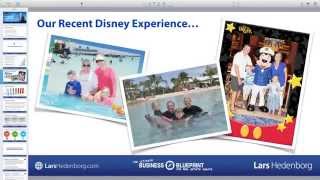
Foreign. Okay, so let's welcome to the webinar. This is the Power of Leverage. And the subtitle here is how my team sold 45 homes last month. Last last month. And I didn't go on a single appointment. And actually this is the month of May. And I went into the office twice and we're in June now. We'll have our best closing month in the history of our team. Over 50 closings, 12 and a half million or so. And I will go to the office twice and I will have four, four day weekends this month. So I've got some, my father has some health issues and my team's been, you know, even covering my Tuesdays for me. So it's really, really cool. So it's, this is all about leverage. So let's rock and roll here. So today's plan of attack. I have a lot of stuff to cover. I know many of you have sort of been on these monthly webinar series, the free monthly webinars. And I'm going to give another quick overview of the large group because I really need to give all of you some context of where I've been and what I've been through. I've only got a few slides on that. Then I'm going to go through quickly our technology tools, my core marketing pillars. The thing I've done different than most agents that have failed to build momentum and scale their business is that I see most agents looking for a silver bullet, a magic pill. And they go very, very wide, but they never go deep. So I'm going to show you how I do things differently there. I'm going to cover some mindset shifts. You know, I do believe, and Tony Robbins really ingrained this in me, that business is 80% psychology. So I'm going to go through the mindset shifts there that are required to produce extraordinary results. And then I want to get into how our industry is changing and how I believe you must respond to those changes. So I don't think you're okay just doing business the way you've done business or you just kind of operating a traditional model. And then I'm go through some organization structures and kind of explain to you how I've grown in my business. And I've only been at this for six, seven years or so. And then I'm going to take you through a really cool exercise. I'm going to ask you three important questions and give you an opportunity to really project your business into a whole nother, whole nother realm of existence. So let's get started. Let me give you a quick overview of the large group. So I got into my first full year in the business was 2008. I think I did 45 sides or so alone. Started my team late 2009, had a few buyer's agents in 2010 and then 2000. I think the end of 2011 is when I brought on my first listing partner. I had one admin all the way through the end of 2010. So I had one admin that did 120 sides and I think I did half of those sides. You know, typical sort of rainmaker production model. And then we scaled from there and I got out of production, I got out of listings, I got out of sales and ops. The ops side of things, you know, really solid or simple, but solid organization structure in place. I don't have any day to day involvement at this point. I was just, you know, I love the growth of it, but I really am beginning to see that there's a sweet spot in all this where I can sell four to 450 properties a year, maybe elevate the price point even more than we have for our market. We're about 20% over our average price point in our market. And that's been a deliberate thing that we've achieved. But I starting to see a sweet spot there. So we really are working hard to achieve. I've been on two Disney experiences now and this is our last one, a Disney cruise. This was a. A couple months ago and it feels like they created this cruise for my family, right. So there's probably been millions of people that have been on these ships and it feels so special. So my business, even though I'm not in it, everyone is provided service as if I were there every day. All the services provided in my name. And it's the Lars group that does everything. We have scripts where everyone's saying, Lars asked me to give you a call. Boom, boom, boom. So it's. It's not a tr. Even a traditional team model in a certain sense. So this is my production. It's been phasing out by design. Our vision I covered the org structure is very simple, empowered staff, we work hard, play hard. It's a plug and play system. We lost a top producer, quote unquote this year. And it was a mutual parting of the of. We just parted ways and it was a mutual agreement sort of thing. So there's no hard feelings or anything, but our business just chugged on. We didn't, we literally didn't skip a beat. The two Months after this agent left is when we had our best, our best month ever without any production from this agent. So it's not agent dependent. I love my agents but it's plug and play. Highly driven salesforce. You know, we respect accountability. It's like the super bowl team. You know, the hungry are fed, provide opportunity for agents and staff and have fun. I go in for our team meeting and some one on ones I cover marketing and finance and our sales and ops cover all of our sort of meetings. When I bring up this chart I get a reaction like oh, you got so many people, you know, you got such overhead. But I really don't when you look at it. So I've got about four staff people, four or five staff people that will be responsible for 400, a high level customer experience for about 400 transactions this year. So Keely is my sales manager and Sheree is my operations manager. They basically replace me in the office. So I used to be the sales manager and the operations manager and so those two people replace me. And then under Sheree we have the operations, we have a buyer client coordinator and the listing client coordinator. We have a part time sales and ops support person, Leah and then we have a couple virtual assistants that help us with listing marketing. Craigslist. So really Tia and Kara are doing the bulk of the operations work with a little bit of support from Leah. I have a part time executive services manager, Jess and she does, you know, some of the advertising, marketing coordination and whatnot. And then the rest of it is our sales team. I've only got one local ISA and one offshore ISA that helps us on the seller side. Keely also doubles as our inbound. She books appointments on the listing side. So let's get into it. So this is something I learned early on from Danny Griffin and it was just a real simple sort of graphic of leverage and how you can use it to achieve incredible results. The way this was presented to me at the time was within the context of listing someone's home and how we're able to get a good result. I don't use this in our listing presentation but I love the model for my business because it's true. And we're going to cover marketing technology people and systems today. So key marketing pillars. Hopefully many of you probably have already seen this but I'm going to cover it here real quickly. So real simple model for not only my business but how I work with students in B school or consulting clients. So I do everything I can to cut everything out of their business and have Them focus on just a few things. And if you really look at it, it's four pillars. It's some sort of online lead generation. It's yard marketing. Doing yard marketing, right. I categorize expired FSBOs and geographic into farming and then 4 and 5 really go hand in hand. It's training my agents, my staff to bring in business and to have our past clients in our sphere bring business to us. So it's really four marketing pillars that we drive that drives our business. This is one of the highest productive activities in my business is when I think about marketing and I look at conversions and whatnot. I started with direct response. Even though I do more branded advertising now than I did when I first started, I still have a lot of low, less branded advertising and all of it's direct response. So I don't put anything out there that's just truly branded advertising. All expenses are held accountable. I think most of you are probably seen our marketing ROI tracker. Let me see if I can pull it up here. So here, this is these business blueprint tools. For those of you that may be already in real estate B school. These are all the tools that I use. I literally use every one of these tools as the infrastructure to run my business. It looks a little bit more complicated than this because a lot of these I don't use very often. There's about four or five in here that run the core part of the business. But the marketing ROI tracker is a very simple way to hold your spending accountable. So we, I'm not going to go through it here, but basically I've since shifted over into a, the ultimate business tracker. But this is a tool that everyone in B school has access to and we show you how to use it. It's critical to hold your, your expenses accountable to know what's working and to cut out things that are not working. Super important. All right, all right. So that's marketing. So I think I'm gonna, I think I'm gonna run out of time here today. So I gotta really use my time wisely. Internet buyers. The trick here, it's conversion rates and it's putting a lead management policy in place and holding yourself and your team accountable to that lead management policy. In B school we give you the lead management policy. It's a five or six page document. It spells out exactly everything we do to get the highest conversion rates possible on our buyer. Internet lead business. So this pillar serves as the basis for building your team. All agents want our leads and so you need to have an overflow of Internet buyers. It's not hard to generate online buyer leads, but the consistency of the lead conversion and management and squeezing that lemon is super important. Yard marketing we have three signs that we encourage our B school students and my consulting clients to use. And when I went to this model, my call volume went up about two and a half times. So doing nothing different on the same listing, if we got one call, we now got two to three calls. So we've got three yard signs in place. We use voice pad, but this, there's a certain script on VoicePad that we use that we went from just with that technology. We went from a 20% transfer rate so someone pressed one to speak to a live agent. Went from 20% to 90% if you used proper scripting on that one tool. And VoicePad out pulls the other two signs combined so they get about 55% of the leads are on that one tool. But without that proper scripting, it's doesn't work as well. So farming the bulk of what I've done here I've mailed to expired expireds forever. Just started Fizbos maybe a couple years ago. Just added a geographic farm with Discover Pubs. One of my consulting clients had great success with that tool. So I added it. It's a 12 page color newspaper. Very, very expensive. I don't recommend unless you're selling over 200 homes that you add a true geographic farm. But I just mentioned it there. USP we use your home sold in 29 days or I'll sell it for free. The mailings I currently do are Hoss Pratt. He has a series of expired mailers which get a pretty good response. They're Dan Kennedy style letters, all USP direct response type letters. When I had a local Isaac helping with expired and FSBOs, it really drove our returns down. So the bulk of our business here and we probably sold about 25 to 30 or so expireds this year already. The bulk of that, 95% of that. Right now we're just using an offshore ISA to help improve those conversions. So we have someone dialing expired and FSBOS now. But everything we've done is direct response. So people are calling us, asking us to come out to their home, which is a way to way better way to do business. Our raving fan club. This is just the way we communicate to our past clients in our Sphere. Got about 1100 closed, maybe 1200 closed clients. And this will be our seventh full year. We do quarterly giveaways, we do an annual client event. We're Adding another. So we'll do two annual, two client events. A baseball game and our fall festival. We do the bi monthly video blog. We're now replacing the jumbo postcard with. With that newspaper. We get surveys from all of our clients, which is super important. Let me pull that up real quick. I just think it's cool. These. This set of documents that I'm going through as I'm on the call with you, these are the same documents that our B school students have access to. So it's. I think it's about 200 files that you'll get access to. A handful of these files can help you sell two to three, four more homes, two to three homes a month, just with a handful of these files. But here's a copy of our customer service survey that's sent out after every closing. Basically, we include a $10 Starbucks card. Gives us an opportunity to interact with those people. And if they had a bad experience, we can get on the phone and we can find out how to do better the next time. So we've been doing this for a few years now, and this has been a blockbuster for us. In the beginning, some of the answers weren't so positive. We were selling a lot of homes in. Customer service was not the focus. And we have dialed this in, and it's working. Exception, exceptional, exceptionally for us. And that's just the net promoter score is the question that we asked there. All right. Raving fan club. The stats rois off the charts. Go for. No, we know we have these referral cards. If you haven't seen my referral cards, just this one, One tool. Let's see here real quick. I could have had this ready. Our listing packet. All those documents are in here, the referral card. And so this one, too, I had a Cutco salesperson somehow get us to buy $650 worth of knives that we didn't need. But at the end of it, ask us for 20 referrals of friends and family members that might appreciate a call from a Cutco salesperson. And after that, I went to my design person, Danny Danny at the 320-group-com and I said, you have to design something that on the back, it has a spot for referrals, you know, so we have four spots here. These are just trifold, you know, heavy card stock. Basically say we're growing our business and we have a process, a system in place that we ask for referrals with this prop four times in the process. When clients sign with us, when. When they go under contract, when they close and 30 days after. And this works exceptionally well and it doesn't cost anything. Our addendum, all these tools are pretty cool, but let me keep going here. So that's marketing. I actually shared the stage at an event with a Kinder east event with Jay Abraham. Guy's wicked, wicked smart. The cool thing about what he does, if you haven't read his book 21 something, I forget the exact title. But getting the, getting the most out of what you do is basically what, what his focus is on. And this quote really summarizes what he's famous for. You're surrounded by simple, obvious solutions that can dramatically increase your income, power, influence and success. The problem is you just don't see them in real estate. It's like, you know, everyone's always looking for the latest, greatest thing and they're not focused on the obvious things that will work. Four critical technology tools that every business must have real quick. A real estate CRM including a database, you know, including database management. Some sort of direct response website. These IDX sites like Boomtown Commissions Inc. I use those two sites and I also use Real Launch as my seller site. It does a really good job. My Real launch site. I keep my website strategy very simple. There's no updating, there's no blogging, there's no craziness that goes on. We run Google Apps for business very, you know, we run calendars, email, obviously Google Drive, Google Docs. We've got the blog on blogger. We use YouTube. All of that's integrated into Google Apps. And then we do call tracking and recording using fbiphone.com so those are the four technologies. Top producer is the real estate CRM that I use. I've used it since I started in the business. It works super. It's just a really easy tool to use that I just don't know the reason why agents sort of love to hate this tool. For some reason it's logging me out. I think there's probably someone's in my. I'm probably kicking someone else out right now. So here we use it for, for. So for listings management. So all of our listings, 21 million worth of worth of listings. Our closings management. You can see we have 418,000 of commissions. This is down from about 550 about 30 days ago. 13.9 million pending. We use it as our, our CRM. So you know, we search for contacts and send out, you know, we can look up client close from any given year. My sphere, my bridge mill farm, which is the neighborhood I live In So we use that as our contact management tool and we also use it as our seller lead management tool. So those are the four functions that we use Top Producer for. Works really really well. In B school you're given all of the. All of the action plans that we use in top Producer everything the way I run my business is given to you in B school. It's not top producer specific by any means because I just think everyone needs a real estate specific CRM. So anyway and the bottom line is any CRM that you use is the one that you should go with. I'm not going to spend a whole lot of time on direct response websites. There's a right and wrong way to do some of these more expensive seller lead. I mean buyer lead gen sites. There are really good options out there. I use Boomtown and Commissions Inc. For my seller site. You know most of our seller. The way we do listing marketing is that we. It's all branded so. Well it's not in branded it's direct response where they're responding to us or either they're going to a website or they're calling us. So I can send them to this website and you can see it's a pretty good direct response website where we have offers to get our 150 one step system or a max payoff guide explains our guaranteed sold program. You know shows them that I'm a nice guy, I've got a pretty family, you know our team, it gives them an overview of our. Of our team. You know really cool stuff. So that's a site that we use for seller allegiant and my like I said my web strategy is very very simple. I don't complicate it. Nothing's. There's no moving parts, there's no updating. Everything I do and everything I teach in real estate B school and in my consulting is a set it and forget it kind of approach. Google Apps for business. Every small business should be on this platform and it's super inexpensive and it gives you a professional image so you have your own domain name. And I just think Outlook and Microsoft. I'm just not a Microsoft guy. So there's having a separate program running and not having a web based and I know Outlook has now a web portal but this is a very flexible system. I highly recommend everyone get on it and then if by phone I'm gonna show you that real quick cause this is, this is a game changer actually. I've actually got it open here so if by phone dot com. Let me Just pull it up here real quick. So I want to show you what I use it for. So anytime I advertise anything anywhere, I've got a specific phone number attached to it. So I've got 26 phone numbers and they're very inexpensive. So there are competitors to if by phone that charge triple, quadruple. What if my phone charges for the same exact. So anywhere I'm spending money, if it's in mail, if it's on a website, if it's on the radio, I advertise a different phone number. And so the benefit is that I can pull up a. And most of these reports are automated. They're just emailed to me. All calls are sourced. They're. They're tracked, they're sourced. So they're sent out in a certain way. You can have them go to this person for five seconds, this person for five seconds, ring out to five people at once, and all the calls are recorded. So if we go back to the beginning of the year, this is their most simple report. You can just see where all the calls are coming from. You can see VoicePad, we have 714 calls. Our yard sign is about half of that. You see our radio, our expireds, our farm, Craigslist. We've been starting to advertise phone numbers on Craigslist. 129 calls everyday. Open house, Zillow. Different. Different things we're doing. So anyway, so that's it. By phone. Super powerful. I couldn't run my business without that bit of technology. Bill Gates tells us the first rule of any technology used in a business is that automation applied to an efficient operation will magnify the efficiency, which is the case in our company. We've got the systems in place and have the technology magnify those efficiencies. The second is that automation applied to an inefficient operation will magnify the inefficiency. Pretty common sense. So let's, let's jump into some mindset shifts. This is the majority of my ability to go from literally no sales experience. I'd never sold anything before in my life. To go from that a solo agent with no sales and no sales experience to now the leader. And I had no leadership experience either. So I'd never run a team in corporate America. I'd never had a staff before. So I had to learn how to sell and then learn how to become a leader. And it all came down to what I believed and what I thought in my mind and the shifts I had to make as part of this process. So I'm going to run through these really quick. The first one is business is 80% psychology and 20% strategy and tactics. I learned this in Fiji with Tony Robbins. I don't recommend going to Fiji. It takes like 24 hours to get there from the East Coast US and 30 hours to get home. The bottom line is that you can need to be driven by something bigger. And you have to have some emotion, some juice behind your big why? There's no easy path to building the kind of business that I have. There's really no way around that. But with the right mindset, the feeling and knowing that you can do anything, because I believe everyone on this call can do anything, you infinitely increase your odds of success. We were in Fiji and we were. Man, we were up and like, I tingle now even thinking about it. But we were chanting and I could probably cry thinking about the emotion. I'm a gladiator. This was back when the market was a little bit more difficult, but I shouting at the top of our lungs, I'm a gladiator. Winter is my season. This is my time. Give me your fears and limitations and I will give you results. And we said this probably about 50 times in a row. And I tingle right now. And I get totally pumped when I say that. But the bottom line as a business owner is that we are gladiators. You know, good market, bad market. This is my effing time. Give me your fears so everyone else. Give me your fears and give me your limitations and I'll give you results. So we're stepping above the pack. And luckily in real estate, 90% of agents around us are a joke. I mean, they're just a joke. They're not. They didn't come into the industry with the right intention. They didn't want to build a true business. They didn't want to have systems and, you know, systems driving their business. And it's hodgepodge and it's even worse than mom or mom or pop. So we're just in the right industry to do and it's the right time to do what, what I'm teaching you guys here. So Tony Robbins tells us, so many people know what to do, but they don't follow through. They don't take the action needed to get the results they're seeking. This is because 80% of mastering anything comes down to your psychology. Thus, the more you can understand about yourself, the more you can master sales, management, marketing, and business overall. Okay, so the second mindset shift that I went through is that you're a business owner. Even if you're a solo agent new to the business or 20 years in the business, you still own a business. You know, most agents are just going from client to client, focusing on the minutiae of listing and selling homes. And I even see this in some team leaders. They think they actually have a business, but they're so focused on non business issues. You have to focus on the fact that you have a true business. Unless you start treating it like that, you'll always have a true business. You have to think about the key positions and what needs to happen in those positions. If you're ignoring the fact that there are positions, even if you're a one man operation, you're doing all of them. You have to produce monthly financials, track your source of sales, run a 90 day cash flow forecast. 90 day cash flow forecast. I mean every, all the time. I know my financials, my actuals, my projected financials. I know what we've written, what we've closed per month, per quarter. I know what's pending, what's closed, the average price of everything by agent. I know the profitability by agent. I know my cash flow, the amount of cash I have on hand, what's going to be produced in a given month, my expense projections by agent. I know much, how, how much gross profit they brought in. I know how much net profit I profit by agent, their average price point, percentage transaction fees, the percentage of business that's team generated versus agent generated. I know their pay. I know all of our goals per agent. I know every bit of our marketing roi. Every dollar I track is calculated into my gross profit, you know, closing versus versus written. So it's a net cash on cash return. And I know that for every dollar that I spend. So this is the client kind of clarity that as a business owner you must have. All right, I feel like a little bit soapboxy here, but just bear with me because I'm passionate about this stuff. Marketing. I think I went into marketing a good bit here. You have to embrace your role as the marketing guy. Like that's your job is to bring in high quality leads. And that's where I think my business is way different than other even solo agents, but also team leaders is that they don't embrace their job as a marketer. I think marketing is super fun. I've done a lot of Dan Kennedy events, his infosummit, his super conference, direct response. Marketing is absolutely the highest return marketing. You can do it branded and less branded. But it has to give prospects a Reason to take action. You have to measure your advertising and marketing. You can't spend money if you're not measuring it. Super important distinction there. New business has to be the focus every day. Lead gen, lead management, lead conversion. That is the name of the game. Agents and team leaders want to complicate our business, right? If you generate a buyer lead and a seller lead, what's the process to get that lead in through your funnel to come out the other end as a happy client that's going to refer business back to you. That is the whole business. You know, my business is surprisingly simple. And as I sit here now looking back, I'm looking over my left for some reason, as I'm looking back on my last seven years, six, seven years, I can connect the dots and I can even simplify my business more today even though it's doing more transactions because it's a really simple business. You just need tools in place which we provide in B school. Tools in place that you can, you can use to track the different, the different parts of. In terms of agent accountability, if you have an isa, raving fans score responses, Internet lead accountability, buyer client pipeline report, buyer appointment tracker, listing appointment tracker, all these different things that you must have in your business as you scale it. And even if you're a solo agent, you have to have these things in place so you can put the proper foundation in before you even do more transactions yourself. So we have just really cool systems for getting business every day. Dollar productive activity. I already mentioned a few times on this call. I made a decision early on in my career. I think this was my calculation when I did it the first time. If you don't have a copy, and I'm looking down at my stack here, I've got a stack of like 10 Dan Kennedy books, but there he has a second edition, no BS time management for entrepreneurs, which you have to get that'll take you through an exercise of dollar productive activity. When I first ran the exercise, I calculated my net, my DPA, my value per hour at 250. So everything that I was working on that I knew I could hire out. And it's not always that simple, right? Because you need to be consistent about, about getting cash in the door and being able to afford a staff member. But anything that wasn't, you know, less than a hundred dollars per hour, graphics, working on mailers, any, anything and everything that I could get off of my plate, I was making money by getting someone to do it. As long as they did it for less than 50 bucks an hour. I was making 200 bucks an hour by getting any $50 or less activity off of my plate. Super important distinction. So maybe your number isn't 250, maybe it's 100, and maybe the number is $20 per hour for you. But you have to have some sort of mindset shift around your worth on an hourly basis because I promise you, you won't be working on closing files. You won't be. You won't be putting out signs, you won't be taking pictures of properties. Very quickly you start to. As long as you replace those hours that you offload with 100 or 250. Now my number's $1,000 an hour, so I'm really picky on where I spend my time. And this goes around my house too, or even getting work done on my car. I don't bring my car to the shop anymore. It's not that I can or I think I'm above it. I just know that it's gonna take me two hours to do that. And I know that I can have someone do it and just pay them to do it a whole lot less than it's going to cost for me to do it. So anyway, just start thinking about this number. Go through this exercise and think about this number. I am so passionate about this one slide. Every team leader and agent and the social media is hurting a lot of agents and their families because there's so many shiny objects and, and so many squirrels going around Facebook. And there's no. Nobody calls the person out on whatever they're saying. So if someone says, hey, look at this online seller lead gen platform, it's working like crazy. You know, I generated 257 seller leads in the last 30 days. You know, nobody knows that person, their bank account, if their wife likes them, if any of those listing, you know, quote unquote leads turned into actual listing appointments, if they're anywhere listed, if they sold a property. I mean, there's so many missing pieces of data where your BS meter has to be so high when it comes to what you let into your world as far as what you might consider using in your business. That's not to say that I'm not open to new things, but most of the new things, the shiny objects are just squirrels and they're going to chase, you know, they're going to get you off the path that you need to be on. So all of it leads to, you know, you losing momentum in your business, you know, focusing your efforts on a few simple tools. It's Always going to win over constantly trying new things. I promise you. You need to pick three to four marketing pillars and three to four technology platforms and stick with them. This is the core of real estate B school. It's going deep and getting high off the charts returns from just a few things on the marketing side and leveraging the crap out of three or four technology platforms and sticking with them and scaling your business on a platform on a foundation that is rock solid. Okay, so there are things going on in our industry that is gonna, you know, it may not be a in the next year, two or three years, but ultimately consumers are changing and our industry is going to change. I don't believe consumers are getting the best service possible from agents that sell 5, 10, 20 homes per year. I believe the shift is toward, even if it's not a mega team or a team as big as mine, I believe the industry is going to be looking for better services than are provided right now. So the evolving consumer and its implications so increasingly savvy consumers are skeptical of real estate agents in general demanding higher standards of expertise and customer service. While discount brokers compete on price rather than rather than value, today's consumer has more real estate information at their fingertips than all of the realtors combined. Pre 95. Increasing consumer knowledge has changed consumer expectations of the role and competence of realtors. Armed with greater motivation than the agent, which is 100% true, there's no one more motivated than the buyer in a transaction right now because it's their house, it's their future. In a seemingly endless supply of data, clients these days are involved with all aspects of a transaction. Not only does the public get shortchanged, but even high skilled real estate professionals operating either as a solo agent or a traditional team leader cannot overcome the inherent flaws in the traditional models even if they attempt to consistently develop deliver consumer value. So you have to ask yourself that's happening and how are you going to respond? Are you going to stay as a solo agent? Are you going to join a team that has their stuff together or are you going to build even if it's a small team? And I'll show you a couple org structures here that you can do that aren't the size team that I have. But what will your response be? Traditional team leaders can generate more income and gain time leverage by distributing leads to their agents. However, these benefits are gained at the expense of losing control of delivering the value proposition as well as handling as handing over the lifetime value of the client. To make matters worse, commission based top performing Agents in the traditional team model typically leave to compete with you after they demand a commission spit that exceeds your budget. Clearly, running your business like a business requires the CEO. The that's everyone on this call right now. To implement systems, policies and repeated processes to meet or exceed your net profit goals while maintaining control of your mission as consumer champion and the lifetime value of your clients. Too many agents get. Too many agents get caught up in the trap of trying to be Superman or Superwoman. If you try to do everything in your business, you're destined to limit not only your income but but you're definitely going to burn yourself out. So remember, if you don't have a business, you have a job. So let's go through the three elements of a corporate model. Leverage yourself through better organization and delegation. The only way you can earn 500 to a million plus is to build a team. Not a traditional team. But it has to be based on sound business. And I keep needing to change. This is principles. Right, principles. I've seen that before. At the most elementary level, the corporate model has three key features versus traditional brokerage. Don't even get me started on traditional brokerages. Even though I own my ReMax franchise, I run only my team out of my franchise or even traditional team models. So number one is the company maintains the client lifetime value and delivery of the value proposition versus giving up control to your agents. So our team, everything is delivered by the large group at the end of the process. Our buyers, even though they work with one of our buyer's agents without us prompting them, they're saying how great the large group was in the transaction workflow processes are performed by specialized employees rather than a jack of all trades. Traditional agent agents are transitioned from traditional high splits to much lower splits in line with the value they provide in the transaction. I can't get into it now because it's a core part of what I teach in real estate B school I went in, it's like a 90 minute, 120 minute actually module that I go through in terms of building out compensation structures properly and a team structure properly for agents. But the bottom line is that the bottom line is in the numbers, the cost of sales. So if you look at my cost of sales here and you may not be able to see it, but my cost of sales on my buyer side is 43%. So I paid out 349 on 805, 43% cost of sales. So that means there's 57% gross margin on my buyer side. On my listing side, there's 73% gross margin. So we took in 709 and we paid out 192. These numbers are probably a couple weeks old just because of the version I have here on my computer. But bottom line is that your margins have to be in line. Overall, our margins are 65% gross margins. Most teams operate on a 35 to 40% gross margin. And there's typically about a 20% swing in gross margins between the way I do it and the way most traditional teams, which are mostly kind of just hybrid brokerage models. And I do it because our agents are productive. We have the systems in place, the lead management policies in place where our agents are selling a lot of homes. That's the only way that they're going to make a lot of money. John is kicking butt for us. He's written 44 contracts this year already. Our lowest producer is at 17 written contracts. So she'll probably. She's having a slow start to the year, but she'll probably end up at 30. Hopefully 40 transactions is her goal this year. Jen has written 11 and she's been on maternity late for three of the six months this year. So anyway, so if our agents make a lot of money, which John is making a lot of money, it's because he's selling a ton of property. And I make 67% margin on our top producing agent. Most teams are 20% swing. There's if not 25% swing. On average, our team, 80%, 78% of our business is team generated. So anyway, okay, so I obviously believe in controlling part of this process. So let's go over some quick org structures, paying attention to time here because I want to have time for questions. Each one of these org structures could be your end destination. So maybe you don't want to have a team that you can walk away from and go into work twice a month. It is true. You know, so I want to show everyone the. Because I got some slack on this and we actually had to fall out. So this was 45 at one point. But two contracts fell out and they get wiped out of the tracker. But 43 contracts put under last. Last. Last month. So it was 45, but we had two. Two contracts fall out. But so let's go through the principal agent model. This was when I had Tio as my first admin hire and Chris was my first buyer agent. And so this is just you at the top. You have one client care person and maybe two or three buyer agents. Maybe you're doing all the listings and you're Offloading all of your buyer agents, your buyer agent business. You got three buyer agents doing their minimum 24, you know, maybe 30 sides each. That's 90. Maybe you're doing 30 or 40. This is a good model for 100 to 150 sides. You can run it super efficiently. Systems driven, the principles I teach In B schools, 100% for even this model. When I stepped, I hired my first listing specialist and I sort of gave a little bit. I hired one additional admin. A listing manager is when I stepped into more of a team leader type approach where I had an admin team and I had a sales team, but I was still at the top of it. And I had listing partners, buyer agents, and I had client care people on the buyer and seller side. That was in 2011, 2012 timeframe. And then the true corporate model is now I have a division of labor where my true replacement is two people. One of the op side and one on the sales side. Sales side manages inside sales, listing partners, buyer agents, and on the operations side, all the client care and marketing coordination. So I went through this here. So that's kind of a visual of how our transactions increased as a result of the different org structures. And I've already showed you that here. Michael Gerber, most entrepreneurs, if you haven't read the E Myth revisited, it's a great, great book. And he tells us that most entrepreneurs are merely technicians with an entrepreneurial seizure. Most entrepreneurs fail because you are working in your business rather than on your business. Okay, grab a piece of paper. Look at the screen and grab a piece of paper. And I've got this cool technology here where I can see if everyone's paying attention. So pay attention. This is the part that's a life changer. All right, I'm getting the attentive score up there. All right, so grab a piece of paper and pay attention here. So I'm going to ask you three questions and I want you to actually write down answers to these questions. So if we were having a conversation, so say we were sitting down, one on one, 12 months from now, we're having a conversation. What would have happened over those 12 months for you to look back and just feel wildly successful about those 12 months? It could be personal or professional. So maybe you're working too many hours in your business. Maybe you're just starting in the business and your production is not where you want it to be. So maybe your goal is maybe close 15, 20 sides. Maybe you're a team leader, but you're still involved in production. So your goal is to get out of production. Maybe personally, you're not spending as much time with your wife as you should. You're not putting her number one in your life. You have kids that don't see you as much as you should. And so 12 months from now you want to have quality time with them. You want to turn the phone off when you get in at home at six o' clock every day. You don't work on weekends. So write down health wise, that's another maybe you're not paying attention to your health, you're not working out, you're not drinking water, you're not, you know, moving your body physically, you know your diet isn't where it needs to be, you're not getting enough sleep. So 12 months. What would have happened over those 12 months for you to feel wildly successful? Think about any obstacles you might have to achieving what you just wrote down. What opportunities do you have and what strengths do you bring to the table? So what obstacles do you see to achieving those that picture, that 12 month picture, what opportunities do you have and then what strengths do you bring to the table? What have you achieved in the past that got you to this point? So how can you bring everything, eliminate those obstacles, identify them first, eliminate them and bring all your strengths to bear to make this happen. And if there was a process and a program that could get you to this picture and ultimately get you on a path to achieve what I've achieved, would you commit to the process? I'm not asking you to do anything right now, I'm not asking you to give me your credit card, but would you commit to a process? If you knew that building a sustainable business that runs without you was the end goal, could you say I'm committed to being successful with this program. I'm willing to commit the proper time and resources to the program. If you knew it was going change your life, if you knew it would eliminate nights and weekends. If you can go from seven days a week to five days a week to four days a week to three days a week, not working with clients, but still having raving fans at the end of the day, having more than 30% of your of your gross hit your bottom line, 35, 40% and not having to work with clients, are you open minded and willing to learn from those have been that have done this ahead of you? Do you know that success takes time and effort? Are you a cool person? Are you not an a hole? And so I've been hinting and alluding to it, but the Real estate B school program is online. So that's the thing I want to talk to you about right now. There is no other training like this, so there's no training that I know of that's strictly focused on giving you everything you need to either. Either a team leader and you may be selling 100 or 200 homes but there's no sort of system behind it and you're still involved in production or you're new to the business or you're just thinking about scaling a team or you've been in the business for 10 years but you've never been able to get yourself out of production. And even if you want to be in production, is it systems based? There's no guesswork in what I'm teaching in B school. Unapplied theory, it's only money making tools and systems. I have very specific goals every month for cash that goes in the bank. So yeah, I have happy staff members, I have happy agents, our clients are happy. But at the end of the day I want to take money off the table each and every month. That's the only goal of owning a business outside of all those other great things. And I agree with them. But at the end of the day you're taking all the risk and you need to have hundreds of thousands of dollars go in the bank every year. And so today I'm going to give you a special opportunity to enroll in B school. Let me kind of run you through the program. It's a step by step system. It helps you build a real real estate business with sustainable systems. So sustainable means that it runs without you. They're self sustaining so you can sell more homes working less hours. It's plug and play. Everything that I have in my business is provided to you in B school and I walk you through it. I hold your hand to implement every single system into your business. If you're a new agent, there may be one or two modules that don't apply to you today, but they will when you get success using the other business principles, you'll soon be using those other modules. I've spent over $400,000 on training and coaching inside and outside of the real estate industry ultimately, so you don't have to. Most real estate agents are not good at creating systems. I have an engineering background. My personality has C in it. I've also got off the charts D, which is not surprising. I am good at building systems systems. Run a business, you need systems, I have them. And let me help you. You need to stop chasing squirrels, being Distracted by shiny objects and just downright. Let me show you what to do. Here's the thing, though. Your life won't change until you make a commitment to build a business that serves you. You have to take action. You can't stay where you are just hoping things will get better. You have to take action. You know, having a gym membership, does that automatically mean that you're going to be fit and healthy? It doesn't, right? I mean, the weights are just going to sit there. If you have a gym membership, you pay it every month. You may go to some workout classes, but you could still loaf in the back. But having that guy in the white shirt, that's a picture of me in the white T shirt there, having him in front of you, and it's not a picture of me, by the way. I'm not that buff. Having a personal trainer meet with you and tell you what to do and make you do it and hold you accountable. It's the very best way to get results. So I'm your personal trainer through this process. I love this. Entrepreneurship is living a few years of your life like most people won't, so that you can spend the rest of your life like most people can't. This is. Has sort of become my. Not my battle cry, but something that I'm so proud of that I've done things that most people won't do. And I'm now living a life like nobody I know is living. And so I've laid out B school in a way that you can take all the pain and agony, all the money I've wasted on things that doesn't work. You can take it and apply it to your business, put in the systems, scale it, bring on leverage in terms of people, and then kind of take it from even nothing and, and build it into something that's big, that can give you the lifestyle and the leverage that you want. So entrepreneurship is living a few years of your life like most people won't, so that you could spend the rest of your life like most people can't. So why am I doing this? I mean, the bottom line is that I've been there and I feel your pain. I know what it's like to work seven days a week. I know what it's like to have a wife that is not happy with the amount of hours you put into work. I know what it's like to have her be pissed off when you're on your phone when you should be focused on her. To have a young child when all of this is Going on. I've got two children now. I got into the business when it was a real bad time to get into the business. I didn't have any experience. I left an awesome job, I had a newborn, I was newly married. And so it was not a pressure free time. Like I said, I literally tried everything and I wasted so much money. The stuff that work and whatever stuck, you know, I kind of took that and went to the next level. Built a really awesome business that runs itself. I like I said this month I'll go in a couple days. Yesterday I was in from 10 to 4. And it's a true business. There are so many examples of businesses that run without the owners that real estate. For some reason people think it's just this crazy kind of concept and it's not a requirement of B school to exit your business, but it is certainly an option. We will show you exactly what to do to build a business that you can work less in and have more free time and spend more time with loved ones. At this point, I've done a really good job of building a business and documenting all my systems and my tools. You have access to all my presentation, my buyer packet, my listing packet, all my presentations, every tracking tool I use in my business. I really am passionate about helping agents and team leaders avoid wasting a whole bunch of money and time on things that just don't work. Having the ability to look back on my business now and realize that getting rich in real estate sales is really boring. And this was a huge eye opener for me to realize that once you have these systems in place, they run themselves because it's not rocket science, right? You have a buyer lead come in. You have a seller lead come in. If you've got systems to track that, those, those individual pipelines and ways that you move leads through the pipeline, into clients, into raving fans, you just got to run those systems over and over and over and over again. And by not sort of messing with things and tinkering with things, it's your, it's your very best chance at becoming a millionaire in real estate sales. So I'm also the creator of the ultimate business blueprint for real estate agents. That's how I've run my own business and that's the training that this, that real estate B school is based on. It's a buyer system, a seller system. A lot on building a self managed team the right way and then also a big chunk on how you step out of your business. A little bit about me, like I said, I started real estate 2008 was my first full year. I've coached with all of the top real estate trainers and programs, spending over $150,000 in real estate training, $250,000 on guys like Tony Robbins, Dan Kennedy, Brendan Burchard, Evan Pagan, Tom Wheelwright, bunch of other stuff. My passion ultimately is my family. You see, this is like the cute version of our family. The reality is like, you know, just all these goofy things that just make me laugh about my family. You know, the up and coming rock star that forgets to put her pants on. You know, she's wearing a pull up on her head there, and my son compulsively stands in his head there. So, you know, some thoughts on, quote, unquote, the ride. You know, every single stage of this process was. It literally made me uncomfortable. I had no sales experience and I had to learn how to sell to people. I had no leadership experience. I'd never managed people before. And I had to learn how to recruit, train, inspire people and then to step out of my business. You know, I had never run a business before, so I learned how to do that and I got comfortable, identified two key people that could run the business for me. So I have been there. You know, I don't mean this in a boastful kind of way, but I think people are drawn to me as a team leader and a coach because I'm real. The benefit of bringing me on as your trainer in this process is that I'm going to show you just as much of what I've done wrong versus what I've done right. So most trainers and coaches in the real estate industry, they don't have the real world experience. They haven't, they don't have the battle scars. If you truly push them on what they achieved in real estate before they came a paid coach, it's not there. There's a disconnect there. I admit all my faults and I lean into my strengths. People want and need to be led. I don't mean this in a negative way, but when it comes to growing a team, you know, you can step up as a leader, learn how to be a leader. And I teach that in B school. And there's nothing negative about it, but people need a vision. They want to be led. You know, despite my intense fears and my feelings of extreme discomfort, I remain focused on my single vision of building a sustainable real estate business. And my main takeaway here is that anything, truly anything is possible with focus and consistent action every day. And having that roadmap, having someone Take you down that path and keeping you on track and avoiding getting distracted with shiny objects and chasing squirrels is critical to your ability to achieve your dreams. But here's the thing, you have to decide what you want. I'll help you with the plan. I'll make sure you work hard and enlist, inspire others and make this happen. Here's a fuzzy picture of Tony Robbins and I in Fiji. But he says one reason so few of us achieve what we truly want is that we never direct our focus. We never concentrate our power. Most people dabble their way through life, never deciding to master anything in particular. It's really, really cool and it's, it's dead on. And I just, you know, I think I spent like $75,000 with Tony Robbins alone and just got so much from that relationship. But not everyone can afford to drop 75 grand. And so the principles here in B school will help you get there. So what is real estate B school? So I covered some of this here. It's plug and play. Everything is done for you. There's eight step by step hand holding modules, all the documents I use, all the presentations, all the tracking forms in every part. In recruiting and team building and stepping out of the business and building the buyer system. The lead gen on the buy side, the lead conversion on the buy side, the lead management on the buy side, the pre list packet, the buyer presentation, same thing on the listing side. Everything I do to generate listing leads, convert them, manage them, our pre list packet, our listing packet, our listing presentation, all of that's included. I've already covered how much money I've spent here. Bottom line is that if you want to build a business that serves you, you have to take action. So each of the eight modules are broken up into five or six sections and there's 120 minutes or so of high impact training. We start with marketing technology systems. Stop chasing squirrels. So we go deep there. Then we cover the buyer system. Sell buyers, sell more buyers in less time. We cover everything you need to know there. We give you all the documents. Turnkey, same thing on the listing side list. At your pricing commission, we teach you how to get paid more, how to get transaction fees, team structure. Begin with the end of mind. Recruiting, training and retention. Filling the seats on your bus. Accountability and reporting. Being an engineering sort of nerd, this is really something that I just love about B school is the accountability and reporting. We make it simple and fun. You have to know your numbers. You know number seven, as you're thinking of stepping out of your business how do you become a leader versus being a producer? Business is 80% psychology and then 8 is performing at a high level in all areas of your life. So we talk about your psychology, your physiology, we talk about your productivity, we talk about your purpose. Are you present in life. We talk about your ability to persuade people. So there's six pillars of high performance we cover in module eight. So some clients so Andrew Altman says if you aren't open to massive success then Lars coaching is not for you. He will extract every bit of potential you have into successful and systematic business. Jeremy Larkin but more important than that, he's a real human being who cares about building his client's business so they can actually have a life. Lisa Harold is who's in four months this year out produced her entire year last year said his passion for sharing excellence shines through in every calculated move he makes for his students. I knew there was a way to reach the organized systemized structure that I wanted but had no idea even after hiring numerous high level coaches how to go about it. Robin. I love Robin, she says. But here is what you must know. The real estate business is changing in ways of which most people are wholly unaware. Agents brokers who are part of this transition are going to succeed but beyond all their expectations. Those who aren't part of the change are going to be absorbed into into the coming mega agents teams or marginalized out of the business altogether. Lars is my coach because he knows exactly what is happening and is leading the way for anyone willing to follow and learn. This is a long one but a good one. John Mendoza says using Lars approach I was blown away at the amount of things we were able to accomplish in a short period of time. Finalizing our business model, understanding agent commissions and the best ways to structure compensation discovering our team's mission and purpose, access to the tools and how to increase our referrals by 10 to 15% in the next 12 months. The most cost effective return to increase our listing inventory and and having a specific game plan to help prioritize and put this all together into massive action. Damon says I was spending throwing an amazing amount of money at different marketing programs with absolutely no idea whether or not I was actually making a profit. I was so busy being in the business that I could not focus on the business. After working with Lars I had a clear vision on what was and what was not working. I knew where I lost $250,000 last year alone. I knew that that I was losing hundreds of thousands per year on past clients in sphere Because I did not have an effective marketing plan specifically for them, I learned to hold myself accountable and team accountable to each other. 2014 will be my first year spent chasing dreams and not squirrels. We doubled our number of transactions this year and we will do 400 plus in 2014 thanks to large systems that we have put in place. All right, so what do I get in B School? Here's the cool thing is that you get lifetime access to B School. So even if you're new in the industry, you get lifetime access to B School. No additional updated fee or ongoing. This is forever yours and I will tell you that the price of B school is only going up. So it's likely going to be three times what I'm advertising right now at some point. And there are eight modules. They're running 120 minutes each module. I put conservatively each of those modules. If you truly get into the content and you put the tools and systems and strategies in place conservatively, each of those modules are worth a thousand dollars each. You get a password protected member portal. You get the audio, video and worksheets on each of the eight modules. It's hard to really explain what you get in the Dropbox folder on Google Drive Access, but it's literally every document and tracking tool, presentation, position, agreement, everything I use in my business is included in those in the Google Drive and the Dropbox folder. Everything. So I had an agent offer me $10,000 just for my tracking documents. And this is hundreds of hours of my time that I used to put together these documents. So it's hard with a bullet point to really explain what's included there. But and then you also get live Q and A calls covering any questions you have on the B school curriculum or specific issues in your business. So you have, we run these probably about three times a month or so when I'm in town. It's on a Wednesday or Thursday. You have exclusive access to real estate, B School, Facebook Mastermind Group. So there's some, some bonuses here. I did an event, it was a five hour event on March 6th. I covered the ultimate business blueprint for real estate agents. You get free instant access to that livecast event. You also get six years worth of business plans. You get I wrote this report, you get that. And you also get a 30 minute one on one business assessment call with where we'll actually work on a specific go forward plan for you. So that's included as well. That's a bonus for moving forward today. Every slide is running painfully slow. Here's the thing. You have to take action now. Go to getbschool.com to take action now. Henry Ford says, whether you think you can or think you can't, you're right. So many of you, especially the haters on Facebook, they love to say that what I do is BS and it's not true. And I promise you that I've been through everything you're going through now in your business. I work buyers. I worked Internet leads, I prospected. This was only a few years ago. I built a team. I had no experience managing people. I broke through all of that. I found the best training in the world on each of those things. I learned how to build out the systems. I built out the systems. I stepped out of my business. I manage my business now with a dashboard that's very effective. So go to B school, go to get to getbschool.com right now to take action. That's all I can say. This is everything you need to build a real real estate business that's sustainable, that runs without your interaction. And this current pricing, like I said, is only for a limited time. You cannot hesitate. You have to take action right now. So go to getbschool.com right now and take action.









