Learn How Justin Udy's Long Term Vision Helped Him to Rapidly Scale His Real Estate Business!
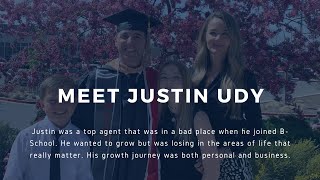
Justin Udy scaled his real estate business from 67 to 206 transactions yearly, then deliberately cut back to 12 listings a year by hiring a partner. He lost $100,000 in income but regained his life, using 3/5/10-year vision planning and simple systems like weekly accountability meetings to build a sustainable business.
Questions this video answers
67 → 101 → 151 → 206 → 207 transactions (over successive years referenced).
He closed 97 of the 151 deals that year.
Nine members lost in six months.
He was off about $90,000 in total revenue, equating to roughly $30,000–$35,000 less personal income.
The listing partner took 92 listings; Justin did about 12 the following year.
Was 67 that year we got together, I think right after, I thought almost this time of year. I think it was almost like right after New Year and whatever. And then we went from 67 to 101, 151 to 206 to 207. And you know, we did go back this year, but we did lose nine members in six months. And frankly, I ran all my numbers and I was off 90,000 in total revenue, which to me personally was only about 30 to 35,000. So I only made 35,000 less with, if you think about, you know, 40, 50 transactions difference. Right. So to me that was really. I don't want. I guess one of the messages I have is sometimes bigger and grand or sometimes is fantastic. But they weren't, we weren't producing like those nine people. If they were producing, the business would have been completely different. Half of them went and got jobs, you know, and I felt bad, not bad for them, but I supported them saying, I understand that real estate isn't for you. Like we tried, right? It is what it is. And so we learn as we grow. The third thing that I was thinking about is just, and this sounds simple because I think you and I really appreciate different mentors that we've had along the way that are, you know, their podcasts and different things, but really just the importance of these three, five and more important ten year visions because it really makes you think about where am I headed in the future. And even though that, that just really made things a little bit more crystal clear. One of the things that you had said to me one time as I, I remember we were writing these goals down and I felt very much the way this is probably the year we closed about, I don't know, hundred and I think the year we did about 150 deals. But I was doing everything okay. And when I say I did everything, I think I closed 97 of those 151. Okay. And so I remember us writing our goals and I was like, dude, I having a hard time because it's like I want us to grow, but I don't want to sacrifice my family like, you know, like it was at this again, I was, I felt the same way at that moment as I did when we originally met at 47. But now I was doing twice the business. But I had some, you know, people systems and marketing in place to assist us. And I think what happened was, as you said to me, and I don't want to botch it, so I just want to make sure I'm Saying it right, as you said, the problem is, is you're designing your business. You need to design your business around your life, not your business around your business. And it really, really made me think, like, okay, what do I need to do? And that's when I essentially made sure that we hired a listing partner. And she went out that next year and took 92 listings. I think I. The next year. And my income went down. My income went down 100 grand. And I told. And that was the biggest. And this sounds so insane as people are growing a business and if somebody earned a hundred grand. I remember when I earned my first hundred grand, I, like, was so excited. But it was the biggest Blessing to lose 100 grand. And it's because I got my life back. That's a really interesting thing. And we did more business and I had more time and freedom, and I had the ability to just do things with my family I'd never get. Yes, there was different stresses, and it's not easy, and it sounds like it's simple, but that one mindset shift in creating a 3, 5, and 10 year plan was important to know. What did I want out of my life? Not just business goals.
Yeah. There's so much in there that's really, really good. The one thing you said, you know, it is a sort of beginning with the end in mind. You know, like, what, you know, what's the real plan here? I mean, if there's lots of guys that have made billions of dollars and at the end of their life, they're like, yeah, I did it all wrong. You know, like, I've got a lot of money, but I've failed relationships. I've got multiple marriages. I've got estranged children. I mean, it's not, you know, our beliefs are similar. It's not. It's not what we're here to do. You know, we're here to love God, love people, our family first and foremost, after God. And so I just think that's. That's super powerful. And, you know, when you say lose $100,000, it's funny because I know your financials and you just mean relatives the year before.
Yeah.
So, you know, you made a lot of money and you made a little bit less than a lot of money.
Right, exactly.
But mentally, like, we do see it as a step back, you know, where it's. It's when you start to measure your growth in multiple areas of your life. You're not. It doesn't bother you if you go back, you know, 40 transactions or, you know, I Just worked with another rebs member to cut out 60 transactions. Like, he knows he's going to sell 60 less. He will make $250,000 more money by selling 60 less homes this year. And traditional success, even in a team environment, is like, no go after the. You got to put up the numbers because everyone's looking at your. Your top numbers, how many homes you've sold. It's like, no, it's.
It's.
It's not what you make, it's what you keep.
Yeah, exactly. Well, and I think it's important because you know that people, that one of the things also is what after I think we closed 206 and we closed 207, you know, we had a chance to have a call. And one of the things that is as going through my numbers, and I was having a really hard time figuring it out because there are certain times where you're just like, man, I don't know if my heart's into growing this, because I want to do some other things. And we talked about just other things that I was doing. I mean, so even like today, you know, I worked at home till 12:30 because I set everything up and I let everybody know, like, hey, I'm working on this and this and this and this. And I'm just going to be at home working on it. And so it didn't really make a difference. But, yeah, I was hung out with my wife and talked to her, and she was doing other stuff, too. But it's just different sometimes when you have that little bit of a break, because then you start getting fulfilled and it starts changing your dynamics of your life, where, I hate to say, you're living more of a healthy life and you're living life as opposed to, you know, you're just grinding it out. You're just pushing a rock uphill, and it just never ends, you know?
And so I may get you a little uncomfortable here. You shared. You were at our first ever intensive workshop, and I. It was probably spring 2014, and there was only like, 12 people in the room, and I think we had 220 at our last intensive. You shared a story that I've never forgotten. And it's like the essence of every traditionally successful real estate agent is the.
Essence of that story.
Do you remember that story?
Was it the kite?
The kite story, yes. It's not. Maybe you tell a story, maybe you don't, but can you tell, like, the essence of, like, what was so screwed up back then for you?
And so, yeah, so my little girl, Riley, is 10 years old now. She was probably what, five years old at the time. Loved Barbie. You're. For some reason we happen to be at Walmart, which we're never at Walmart, but we were, and there was a Barbie kite. And I remember saying, oh my gosh, like Riley, look at this. And she's like, she's so excited and she's like, oh my gosh, should we go fly it? I'm like, totally. So I buy the kite, took it. And I'm like, you know, kites are big and stuff. So I kept it in the garage, didn't really bring it in the house. And I remember saying, hey, we're going to take this out. And I remember her just saying, hey, can we take out the kite? And I'm like, well, we sure can. I go, but I got to go to these appointments and I got to do this. And I remember just week after week, she's like, hey, can we take out the kite? And some days the winds wasn't. Wind wasn't blowing and you know, so there was always something. And then what happened was, is, you know, one day I go into the garage and I'm looking at this kite and it was full of dust. And I look outside and there was snow on the ground and it probably gone by six months and I never went out and flew that kite. And so as a father, I felt, you know, and I get emotional because, I mean, just like you, I mean, I go back to that moment and I'm like, I cannot lose these small treasures that I want to build with my family and my children because essentially I'm doing all of this for them, yet I'm taking everything, all the memories away from myself. And those are just little memories for me that do go deep because those times, I mean, what is it to go fly a kite? What is that, an hour? You know, it's like you don't have an hour to spend with your five year old. And now she's 10, you know, I told her to fly a kite, she'd probably tell me maybe after my friends come over, you know what I mean? So it's just interesting that time is precious and anyway, I hate that those things happen, but I'm thankful they happened early. So I realized because I think some people never really get that feeling and then it's too late. And I think I got that early. So I'm thankful for that.
Yeah. And it really is, I mean it's, I think it's more, you know, a symptom of like our Industry doesn't really teach us how to move beyond traditional success. Like there is no, you hardly learn how to freaking generate a buyer or seller, you know, in real estate school. So there is no, you know, there is no roadmap. Let's talk about some of the things we worked on, you know, when we, when we started working together. Even if it's like areas of the business or specific tools and systems, maybe a few tools or systems that made the biggest impact in your business.
So and this is the thing, like you know, the way the systems built out is really, really comprehensive now. There was just a lot of little things that like for one little thing now there's probably four, you know, from, you know, start, beginning, end, bonus, you know what I mean? All that stuff. But one very simple one is just having very simple forms in place, such as like an intake form. You know, one of the things that took so much of my time is just speaking with the initial client coming in, spending 30 to 45 minutes and then doing everything else. And that alone probably eliminated almost a full day of work in a work week by giving permission to a full time assistant and truly like an implementer at that time to be able to move the business, you know. So that little simple thing allowed me so much more, an extra full day to work on the business that it allowed me to implement a lot more. So very simple that it had very broad strokes in the beginning. Right. The other thing is really just having a system in place for a team structure of weekly accountability and so having that cadence of weekly meetings. Whereas before it was just like, hey, let's just meet, go over a few things. You know, having a process of this is what we're talking about. Here's what we planned on from last week and did they get done? What do we need to work on this week? And making sure it's like on time, ends on time, rating the meeting and making sure that they're productive and move the business forward versus let's just talk to talk because we haven't seen each other in a week. That really made it so that they mission and what we're accomplishing and the growth and this trajectory would change. And you know, that's how we ended up going from, you know, I think when we met, I think that year I alone had closed 67. That year we got together I think right after almost this time of year, I think it was almost like right after new year and whatever. And then we went from 67 to 101, 151 to 206 to 207. And you know, we did go back this year, but we did lose nine members in six months. And frankly, I ran all my numbers and I was off 90,000 in total revenue, which to me personally was only about 30 to 35,000. So I only made 35,000 less with if you think about, you know, 40, 50 transactions difference. Right. So to me that was really. I don't want. I guess one of the messages I have is sometimes bigger and grand or sometimes is fantastic. But they weren't, we weren't producing like those nine people. If they were producing, the business would have been completely different. Half of them went and got jobs, you know, and I felt bad. Not bad for them, but I supported them saying, I understand that real estate isn't for you. Like, we tried, right? It is what it is. And so we learn as we grow. The third thing that I was thinking about is just, and this sounds simple because I think you and I really appreciate different mentors that we have had along the way that are, you know, podcasts and different things, but really just the importance of these three, five and more important ten year visions because it really makes you think about where am I headed in the future. And even though that, that just really made things a little bit more crystal clear. One of the things that you had said to me one time is I remember we were writing these goals down and I felt very much the way. This is probably the year we closed about, I don't know, hundred. And I think the year we did about 150 deals, but I was doing everything okay. And when I say I did everything, I think I closed 97 of those 151. Okay. And so I remember us writing our goals and I was like, dude, I having a hard time because it's like I want us to grow, but I don't want to sacrifice my family like, you know, like it was at this again, I was, I felt the same way at that moment as I did when we originally met at 47. But now I was doing twice the business. But I had some, you know, people, systems and marketing in place to assist us. And I think what happened was, as you said to me, and I don't want to botch it, so I just want to make sure I'm saying it right as you said. The problem is, is you're designing your business. You need to design your business around your life, not your business around your business. And it really, really made me think, like, okay, what do I need to do? And that's when I essentially made sure that we hired a listing partner. And she went out that next year and took 92 listings. I think I did 12 the next year. And my income went down. My income went down 100 grand. And I told. And that was the biggest. And this sounds so insane as people are growing a business and if somebody earned 100 grand. I remember when I earned my first hundred grand, I, like, was so excited. But it was the biggest Blessing to lose 100 grand. And it's because I got my life back. And that's a really interesting thing. And we did more business and I had more time and freedom, and I had the ability to just do things with my family I'd never get. And yes, there was different stresses, and it's not easy, and it sounds like it's simple, but that one mindset shift and creating a 3, 5, and 10 year plan was important to know. What did I want out of my life? Not just business goals.
Yeah, there's so much in there that's really, really good. The one thing you said, you know, it is a sort of beginning with the end in mind, you know, like, what, you know, what's. What's the real plan here? I mean, if there's lots of guys that have made billions of dollars and at the end of their life, they're like, yeah, I did it all wrong. You know, like, I've got a lot of money, but I've failed relationships. I've got multiple marriages, I've got estranged children. I mean, not our beliefs are similar. It's not what we're here to do. We're here to love God, love people, our family first and foremost after God. So I just think that's super powerful. And when you say lose $100,000, it's funny because I know your financials and you just mean relatives the year before.
Yeah.
So, you know, you made a lot of money and you made a little bit less than a lot of money.
Right. Exact.
Mentally, like, we do see it as a step back, you know, where it's. It's. It. When you start to measure your growth in multiple areas of your life, you're not. It doesn't bother you if you go back, you know, 40 transactions or, you know, I just worked with another rebs member to cut out 60 transactions. Like, he knows he's going to sell 60 less. He will make $250,000 more money by selling 60 less homes this year. And traditional success, even in a team environment, is like, no go after the. You got to Put up the numbers because everyone's looking at your, your top numbers, how many homes you've sold. It's like, no, it's, it's, it's not what you make, it's what you keep.
Yeah, exactly. Well, and I think it's important because you know that people, that one of the things also is one after I think we closed 206 and we closed 207, you know, we had a chance to have a call. And one of the things that is as going through my numbers and I was having a really hard time figuring it out because there are certain times where you're just like, man, I don't know if my heart's into growing this because I want to do some other things. And we talked about just other things that I was doing. I mean, now I'm in a master's in real estate development program because I just, I wanted this growth. And like I go every Tuesday and Thursday after I eat dinner with my family and, and like, I love it. Like, there's just all these things that like, you know, we're designed to grow. And sometimes I think that we get so pigeonholed and that we have to grow this one thing. And it's like sometimes as people, we just want to grow. I don't know if it's professionally or just networking or whatever, but there's something in us that wants to change. But you had mentioned in our goal setting strategies, like, look, what if your only goal this year was to leave the office earlier, spend more time with your family and actually take more time off to be with them? What if nothing else changed on your business goals, but that was your only goal. And it just, again, it was, it's so healthy to just be like in our world. We just think money, income, you know, you look it around. I mean, that's the thing is you and I both know different people that close thousands of deals. Thousands, you know, and some of them are healthy and strong and some of them aren't right. Some of them have broken parts and some people don't. We all have problems. But my point is that creating and going through a different structure of a program that allows you to think differently about life and business as opposed to pure business development and growth. Because if you don't have the healthy and happy lifestyle like this will not change. The business will not grow if you don't have this because it's just, you'll burn out. You will burn out eventually. If not now, in a year, two years, five years. I mean, we have mutual friends that we know that frankly took jobs, training in the business. Right. Because they're like, I don't want to grow a team. Like, I'm just gonna train people. And they became clients of yours, you know, because they're like, I want to figure it out. But it's just like for now, I'm burned out, you know, and you have to have those two items or if you're a producer. Right. If you're a producer, then it can be just a challenge and you need systems and tools around you to assist you and give you leverage. Yeah.
We also know team leaders with big teams in the numbers you talked about that have lost their families. And it's like, I didn't.
And that's a tragedy.
It's a tragedy. I want you to talk a little bit because I think it may be interesting for people to hear as you made that shift to sort of be a little bit more cognizant of the clock. At the end of the day, how was it adjusting back into like you being. I remember you telling me that Liz was like, what are you doing home?
She still says that too. It's funny, you know, even like she's like, what are you doing here today? And I'm like, I'm just working from home. I just got. It's funny, right? It's a double edged sword. You know, you're there and they're like, why are you there and you're not there? Like, when are you gonna come home? But yeah, I remember when I had really 100% stepped out of, and I should say 100% stepped out of production. I always had my toe dipped in, you know, sometimes I like projects. And so we have like some lot developments and little commercial property. But we're dealing with, and I don't want to take this away, but we're dealing with business owners and they're dealing in business hours. And you know, I call them at 5:15 and they're like, look, just call me Monday. You know, we're off the clock and we're going to be back in the office Monday. Those aren't the conversations we typically have with normal buyers and sellers. Right. So I'm always doing little things, but when I had 90 plus percent step out of production, I really had a hard time wondering, like, what is my purpose? Like, what do I do now? And you know, it really took me having to throw my hat over the fence. And I'm still that. Right? Like, I still throw that hat over the fence and say, what is it? Exactly. I want to accomplish. And right now I am just in this transition of saying, look, I know I need to grow the team with right fit members, with our vision intact. Meaning we are not closing transactions just to close deals. It is like, I really want us to have an impact in our community, in our area, the things that we're accomplishing. Like, people remember that experience at a high level. You know, there's so much change that we've seen in the last three to five years. And I just feel like there's going to be some really big fallout as far as where people are doing transactions, but they're not doing service. And so how do we find those people? I think it's going to take patience and I'm silly to think that out of the millions of people that are in our community, there's not three to five to 10 people that are going to be awesome fits. But it is my job to find them. And so by doing that, I can also accomplish other things that I personally want to accomplish that frankly maybe aren't profitable. Right. They're maybe not the best from. Like, if I sat with a business coach, I'd be like, why are you taking the ball? And it's like, because I want to grow as a person. So I'm doing other things just to almost, well, round myself. You know, some people get up early and do yoga and other days they do push ups. Right. I think we want variety, we want adventure, and sometimes we just have to introduce other things to our life to make the game a little interesting.
Yeah. I do believe entrepreneurship is an affliction. Like, I don't think, and I don't think you can ever cure yourself of it. You know, I think, you know, you know, basically keeping it in check enough where you can, you know, not. Not burn out on other areas of life. You know, when we first got started, you know, we had conversations after that first time we met. Any objections that yet you sort of had in your mind around like maybe, you know, what I was claiming could happen and then. And then what you've, you know, been able to experience. Any objections that went through your mind?
Yeah. So, I mean, I think, yeah, I think it's a good question. I mean, I never had any objections as far as, like, you know, I mean, most. When somebody deals with a coach, I think that the most question people ask is like, they typically say, like, I can't afford it. It's probably number one, two, I don't have the time. I mean, I'm guessing, right. I'm Just thinking what I would assume people would say. And then three, like, maybe I'm unable to implement the stuff right, maybe those are the things. And I never had that problem personally, but that's because I wasn't concerned about the income. I wasn't concerned the time was an issue, but I knew I would make the time because I knew I needed a change. So it was very high level as opposed to something on the bottom. But one thing you said to me, or you were, I mean, again, you were selling me, but you weren't selling me because I. You didn't even have to say it to me. But you're just like, you made the promise of, look, whatever you invest with me, you're going to get 10 times back. And I remember thinking, well, I'm going to do it anyway, whether I get nothing back. Because I'm thinking, I just want a change in my business. I don't care if I make more money, I just want more freedom. And truth be told, is by creating gaps in the business, created opportunities to grow, which did give truly 10 times the change. And it's funny because I think what I've learned is it only takes one decision to make a massive change in a life. And making that switch allows so much more ability to shift that needle even in the business side that you're able to just. The numbers become unfair because you're like, you know, the funny thing is, I look at these other businesses over the last year, 18 months, I just find out this business is very hard to duplicate. Like there's really no other business. Like I. Everything from, you know, people. And this is on the real estate world too, right? Everything from, you know, you deal with contractors and people that have rentals, you deal with people that have property management, you know, just title companies. I mean, it's just hard to make the margins we make and have the time that we can have. And so I just feel like the grass is not always greener, but sometimes you just have to get down and cut it a little more, you know.
And you mentioned, you know, if you're not focused on providing the highest level of buying and selling services to your market, like that's your like fanatical focus. You are going to be displaced in your market or you'll be working for a real estate team that's doing it the right way.
Absolutely.
I just think that that is, it is just overlooked by every brokerage by, you know, even most real estate teams are just a loose collection of agents. So I think that's not that this is a coaching call. For anyone listening, it's just worth mentioning, like, if you're not pursuing, like, how do I justify this $15,000 commission to this buyer if the buyer had to stroke a check for me? You know, it's like, if you're not thinking about that as a team leader, you're going to be out of business.
Oh, yeah. I mean, one of the things I did with my team is I gave each of them $50, and I said, listen, you're gonna go to the number one customer service business in the country. And so I made him go to Zappos. And I said, and this is what you're gonna do. You know, you've got to have three questions about the shoes you're gonna buy. Then you're gonna call them back on another day and ask them three questions about their culture. And then you're gonna go back and you're gonna ask three questions online. And we're all going to come together, and we're going to go through this whole everything that you asked, what you learned, and what you felt not only applies to our business, but also what you felt not only applies to our business, but also, what are your takeaways? And we sat in a room for hours and went through, like, what is it that we learned good and the bad? Then we applied it to our business and created a customer care plan. And it's like, what is our customer care plan? And what are we about? And it was nice as me, where you feel like you're the driving force, like, you have to do everything. Nobody else is gonna stay. I'm the only one that's gonna stay around. Right? And it was amazing to have the team tell me what they wanted this customer care plan to be, because as new people come in, it's their customer care plan, not mine. What was interesting is last week, I had a chance to go and listen to an hour a guy from Ritz Carlton. So, what are your takeaways? And we sat in a room for hours and went through, like, what is it that we learned good and the bad? And then we applied, and he spoke about their customer service plan for an hour. It was amazing. Some of those details in our customer care plan that fit in line with exactly what they do for their clients. And so it made me happy. It made me proud. I mean, those are the types of things you want. You want people to have a good experience to our business and created a customer care plan. And it's like, what is our customer care to want to create a Completely different experience. And just I think that's what are we about. And it was nice as me where you feel like you're the driving thing as an independent person. I do remember people saying, like, whoa, like, don't even think about going over there. You need to go talk to Justin because he's going to do this. Right? And those things can be taught. But to make it into a system and make it repeatable, people just have to know exactly what's the mindset around it, and then everybody will gather around it. In fact, case in point, there's a lady. This is just a funny little thing. Like, this wasn't planned at all. So, for example, we have our listing packet going out. And so our listing coordinator had had a very long conversation with this lady. Um, you know, normally it's 10 to 15 minutes and ended up being an hour. So just because, you know, she worse, like, you have to do everything. Nobody else is going to stay. I'm the only one that's going to stay around, right? Met with her. She's like. She's like, hey, I want to know. I wanted to. She wrote her just a thank you card and put it in the listing packet just to say thank you so much for talking with me. It was a pleasure speaking with you. We're so looking forward. I'm so looking forward to like, getting your property on the market. Just something simple and easy. That was not me. It was part of the customer care plan because she had a longer conversation than normal and she wanted to say thank you.
Yeah, that's awesome. It's funny you mentioned Ritz Carlton. That's our goal as a real estate team is to be the Ritz Carlton of real estate. As we wrap up here, you know, tell me, what do you think?
What's been your favorite part of real estate B school? So I will say the number one thing I will tell you now. It goes through phases and it was amazing to have the team tell me what they wanted. This custom, right? Currently, my favorite thing is the community the people care plan to be, because as new people come in, it's their customer care plan I can connect with. Like, there's certain people that you just see as your brothers and sisters in the business, right? Where like, you are peers, you've gone through, not mine. What was interesting is, is last week I had a chance to get pains and the struggles and like, the only thing I can. I can relate it to is I lived out of the country for a couple years doing a service mission and like, those. Those People are your, your bros, right? Like, they know what you went through. And so when you go and listen to an hour a guy from Ritz Carlton talk about stuff, they're like, oh, yeah, that was horrible. You know, and you laugh about it because they get it. So when you're dealing with people at that level, you can have the different conversations and it gets amplified by 10 because now you typically are an island at a certain level in the business. Right. Because you have these percentages where people just start falling off. You know, what are the numbers? 87% of the agents fall off after five years. Right. And so the people that end up getting not only longer time in the business, but doing it at a higher level. Like at a, you know, a million agents in the market, there's very few that you can connect with. So having that ability to reach out to folks and have a conversation, even outside of spoke and he spoke about their customer service plan for an hour, it was, you know, your program where you're just like, I mean, I hate to say it, like, there's guys that I'll call and say, hey, you know, we'll just have quick conversations about not even business. Right. You're just talking about, hey, you know, when you take out your kids, you know, and whatever. You know, somebody was telling me about something they were doing with their kids and was like, hey, I want to know more about that. Let's call me. I want to go over it. You know, they fought a fight that you're. You're just trying to, you know, you connect with.
Yeah, it's probably the thing I'm most amazing.
Some of those details in our customer care plan that fit in line proud.
Of about our coaching business is the community. It's people that want more than just money and number one and, you know, just growth for growth sake. Let me ask you last question. Who would you recommend? Real estate B school 2 and why?
I would look, I would recommend it to with exactly what they do for their clients. And so it made me happy. There's always a next level. So there's always like, it made me proud. I mean, those are the types of things you want. You want people to have a good experience. You want to create a completely different experience. And I just, I think that's this growth, growth, growth plateau, next level. And so I would say it's that person looking for the next level. I would say the next part of it would be the person that's maxed out. They're feeling like I want the next level. But I Don't know how to get there because that now they need. They can't lean on just their self anymore. They need tools, systems, people, marketing. They need to leverage themselves in order to grow.
Yeah, that's really, really good. And I'll end with this. You know, it really is. You know, if you've achieved, you know, that traditional success and thing as an.
Independent person, I do remember people saying like, whoa, like, don't even think about going.
It's just worth shit. And your life is sort of beside. It's just not looking like you thought it would. Maybe the money's good, but your stress levels are through the roof. You're missing out time with your kids, your spouse is pissed off at you. I mean, that's when you need to really need to reach out and just have a conversation with us. It's realestatebschool.com business growth strategy session is your next step. Like Justin said, it's, you know, it's the point at which you've exceeded what you could do alone. You know, it's the business you've chosen, the industry you've chosen. And there's. There's just that next level. You know, we've helped take agents from 70, 80 hours a week making 250 a year, to working 35 to 40 hours a week making seven figures net a year. So hours and money and stress aren't always linked together. So, Justin, this has been awesome, brother. I've got so much love and respect for you. And, you know, you've. You've hung in there and trusted us to come alongside you. It like you said at different over.
There, you need to go talk to Justin because he's gonna do this right.
And points of your journey, the good, the bad, and the ugly. So I appreciate you, brother. Thanks so much.
Appreciate you, man.
All right, we'll talk to you soon.
Those things can be taught, but to make it into a system and make it repeatable, people just have to know exactly what's the mindset around it, and then everybody will gather around it. In fact, case in point, there are some.









