In this instructional video, the presenter introduces composite wound dressings, explaining that they combine the benefits of multiple dressing types into a single product. The talk outlines the three‑layer architecture— a semi‑adherent or non‑adherent wound‑contact layer, an absorptive middle layer, and a protective outer layer— and describes the physiological role of each layer in maintaining a moist wound environment, managing exudate, and protecting against bacterial contamination. The presenter highlights the versatility of composite dressings for primary or secondary use on partial‑ and full‑thickness wounds, including those with minimal or heavy exudate, granulating tissue, necrotic tissue, or mixed tissue types. Limitations such as contraindications in infected wounds, severely dehydrated patients, and fragile skin (e.g., elderly) are noted. The video concludes by encouraging viewers to pursue wound‑care certification, emphasizing its career benefits and the growing accountability of healthcare providers for wound outcomes, and promotes WoundEducators.com as a resource.
Chapters
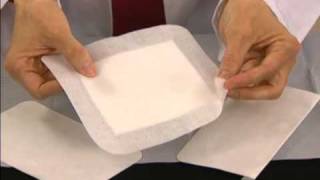
Hello and welcome to this presentation on composite dressings. This is one of a series of videos developed by woundeducators.com in which we discuss and demonstrate different types of wound dressings. Composite wound dressings combine the advantages of different dressing types into a single product that can address a range of needs. Composite dressings are versatile and convenient, can be used as a primary or secondary dressing, and are suitable for both partial and full-thickness wounds. They help maintain a moist wound environment and offer a barrier to bacteria and other contaminants, while their waterproof nature makes them a popular choice for areas affected by incontinence. Many composite dressings incorporate an adhesive border of nonwoven fabric tape or transparent film for simple Band-Aid-type application. Application and removal. Most, although not all, composite dressings have 3 layers. Each layer is physiologically distinct and each fulfills a particular function. The bottom layer of a composite dressing, that is the layer that comes into contact with the wound bed, is usually formed from a semi-adherent or completely non-adherent material. This layer allows moisture to travel through to the middle absorptive layer. It also prevents the dressing from adhering to the freshly granulating tissue of the wound bed, allowing easy removal without disruption of the new tissue growth. The middle layer is generally composed of an absorptive material which draws moisture from the wound bed, preventing maceration of the skin and bacterial growth. This layer also helps liquefy eschar and necrotic debris, facilitating autolytic debridement. It is the middle and outer layers of the composite dressing which ensure that a moist wound environment is maintained. The outermost layer of the composite dressing protects the wound from bacterial invasion and allows air to circulate through the dressing. The outer layer also prevents moisture from leaking through to the top layer of the dressing, allowing the dressing to be changed less frequently. Because composite wound dressings are so versatile and may be used in such a wide range of situations, they come in a variety of shapes and sizes suitable for all wound areas. Some of the different composite wound dressings available are shown here. The many benefits of composite dressings means that these dressings have a wide range of uses in clinical practice. In general, composite dressings may be used as primary and/or secondary dressings in partial and full thickness wounds, and in particular, they may be used in wounds that have minimal or heavy exudate, wounds with granulating tissue, necrotic wounds, and wounds that have a combination of necrotic and granulating tissue. As with all wound products, composite dressings also have a number of drawbacks, including contraindications in infected wounds and in patients who are very dehydrated or those with fragile skin, usually elderly patients. To learn more about moist wound healing and other key concepts in wound care, you may wish to consider becoming certified as a wound care specialist. The benefits of wound certification are immeasurable, both to your own career and to the standard of care that you can offer your patients. And because Medicare and other organizations are now holding healthcare professionals responsible for outcomes in wound care, there has never been a better time to become a wound care specialist. WoundEducators.com is dedicated to helping you take this all-important step in your career. And to help you handle any type of wounds you may encounter in your daily practice.