Skin cancer rates are rising due to UV exposure and ozone depletion. Basal cell and squamous cell carcinomas are most common, while melanoma is more aggressive. Early detection dramatically improves survival, and the video explains how advanced disease shows up as fungating wounds and Kaposi's sarcoma.
Chapters
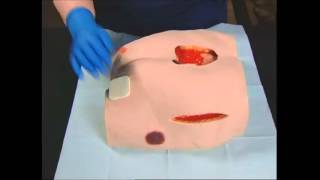
Exposure to UV radiation and the decrease in the ozone layer have led to an alarming increase of skin cancers over the past several decades. The most common form of skin cancer is basal cell carcinoma. Squamous cell carcinoma is a malignant tumor involving the outer epidermis. Malignant melanoma is a rapidly progressing metastatic form of cancer involving the melanocytes. Early recognition of the tumor is essential because the patient's chance of survival is increased with early treatment. A fungating wound develops when an underlying tumor extends through the epithelium, leaving a visible marker of the underlying malignant disease. Disease and its advancement. Kaposi's sarcoma is a malignancy of the endothelial cells that line small blood vessels. Kaposi's sarcoma generally begins as an eczematic-like macule that evolves into papules, plaques, nodules, and tumors.