The video provides a comprehensive overview of hydrogel wound dressings for healthcare professionals. It explains that hydrogels are 80‑99% water or glycerin, forming a 3‑dimensional hydrophilic polymer network, and are available as amorphous (free‑flowing) or fixed sheet forms. The speaker outlines the key benefits—moist wound environment, autolytic debridement, pain relief, conformability, and non‑adherence—while noting limitations such as limited bacterial barrier, easy dehydration, and unsuitability for heavily draining, bleeding, or infected wounds, and contraindications for hypersensitivity. Indications include superficial and partial‑thickness wounds (abrasions, skin tears, blisters, donor sites, first/second‑degree burns, pressure and diabetic ulcers, surgical sites). The application steps for amorphous hydrogels are detailed: cleanse and dry the wound, apply a minimum 5 mm layer, pack dead space with gauze, and cover with a waterproof secondary dressing (foam or composite) to maintain moisture; non‑waterproof dressings risk drying. Dressing change intervals range from 3‑4 days, up to 7 days for superficial burns, with removal by irrigation. The video concludes by encouraging viewers to pursue wound‑care certification, highlighting career and patient‑outcome benefits, and promoting Woundeducators.com.
Chapters
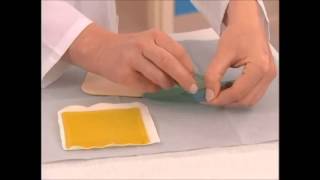
Hydrogels are one of the most versatile dressings on the market. Consisting of 80-99% water or glycerin, hydrogels absorb minimal amounts of fluid, but are able to donate moisture to dry wounds. Hydrogels consist of 3-dimensional networks of hydrophilic polymers and are available in 2 forms: amorphous and fixed. Amorphous hydrogels offer gentle application and removal. They are free-flowing and will easily fill a cavity. Body space. Fixed hydrogels are usually manufactured in the form of a thin, flexible sheet. Almost all hydrogels require a secondary dressing. Hydrogels have a range of useful benefits. For example, they provide a moist wound healing environment and assist in autolytic debridement. They relieve pain, conform to the body shape, and do not adhere to the wound bed. However, hydrogels are permeable to both gas and water, making them less effective bacterial barriers than semipermeable films or hydrocolloids. Also, hydrogels dehydrate easily, particularly if water-based. Sheet hydrogels are suitable for minimally or moderately draining wounds. In particular, they are indicated for superficial and partial thickness wounds such as abrasions, skin tears, blisters, donor sites, first and second degree burns, pressure and diabetic ulcers, and surgery sites. Amorphous hydrogels are available in tubes or spray bottles or may be impregnated into gauze dressings. They can be used on dry wounds to help obtain a moist wound environment. Sheet hydrogels provide padding and may be used with total contact casts and splints to decrease pressure and reduce shear forces. Hydrogels are particularly effective at softening eschar, helping to facilitate autolytic debridement. As hydrogels absorb only a small amount of fluid, they should not be used on heavily draining or bleeding wounds. Sheet hydrogels should not be used on infected wounds. They are also contraindicated in patients with a known hypersensitivity to the components of the gel. We will now look at the preferred way to apply an amorphous hydrogel. First, cleanse the wound area and dry the surrounding skin. Next, the amorphous hydrogel should be applied to the wound area with a minimum thickness of 5 millimeters. Pack any dead space with a gauze dressing. Finally, the wound should be covered with an appropriate waterproof secondary dressing. Foams or composite dressings are particularly useful in this role as they absorb excess exudate, maintaining the integrity of the gel for a longer time. If a non-waterproof secondary dressing is used, such as gauze, the hydrogel may quickly dry out. Depending on the wound type and level of exudate, hydrogels may be left in place for 3 to 4 days. For some superficial burns, they may remain for up to 7 days. Hydrogels should be removed by irrigation with water or saline. When removed, hydrogels cause no discomfort and leave no residue on the skin. To learn more about moist wound healing and other key concepts in wound care, you may wish to consider becoming certified as a a wound care specialist. The benefits of wound certification are immeasurable, both to your own career and to the standard of care that you can offer your patients. And because Medicare and other organizations are now holding healthcare professionals responsible for outcomes in wound care, there has never been a better time to become a wound care specialist. Woundeducators.com is dedicated to helping you take this all-important step in your career and to help you handle any type of wounds you may encounter in your daily practice.