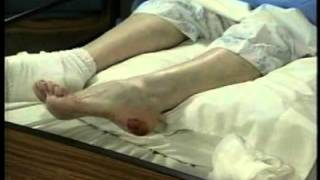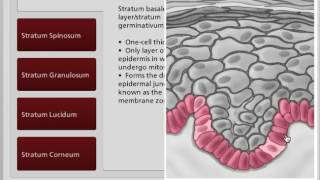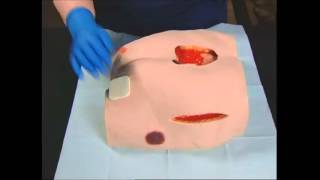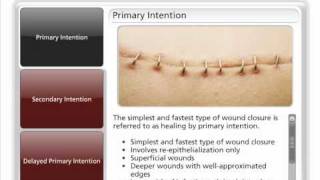
The video explains the three principal methods of wound closure used in clinical practice: primary intention, secondary intention, and tertiary (delayed primary) intention. Primary intention involves rapid reepithelialization of wounds with minimal tissue loss, such as superficial abrasions or well‑approximated surgical incisions closed with sutures or adhesive strips. Secondary intention occurs when wound edges cannot be approximated, leading to greater tissue loss, longer healing times, higher infection risk, and noticeable scarring; a dehisced surgical wound exemplifies this. Tertiary or delayed primary closure combines aspects of both: a contaminated wound is initially cleansed and observed, then surgically closed once it appears clean, reducing infection risk. The narration emphasizes the biological processes (cell migration from wound margins and skin appendages) and the clinical considerations that guide the choice of closure technique.