Necrotic tissue blocks wound healing and must be removed through debridement. Healthy wounds can self-debride, but patients with poor nutrition, diabetes, or pressure injuries need medical intervention. Sharp, enzymatic, autolytic, mechanical, surgical, and biological methods each serve different wound types.
Chapters
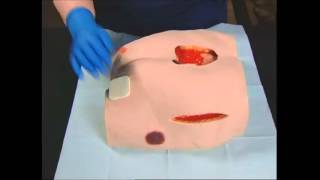
Until relatively recently, the presence of necrotic tissue, such as a scab or eschar, was considered a natural part of the healing process. It is now known that necrotic tissue has a detrimental effect on wound healing, slowing or even stopping the cascade of events that lead to eventual wound closure. Wound debridement is therefore recognized as a vital part of the management of difficult-to-heal wounds. So, what is debridement? Let's click on the button to find out. Debridement is defined as the removal of foreign material and devitalized or contaminated tissue from the wound bed until surrounding healthy tissue is exposed. In healing wounds, debridement occurs naturally in parallel with the accumulation of dying tissues in a wound. However, when host resistance is impaired by poor nutrition, continued pressure damage or other comorbidities such as diabetes, medical intervention is required to facilitate wound healing. Debridement is arguably the most important part of wound bed preparation and should not be seen in isolation, but as one element to achieve healing.
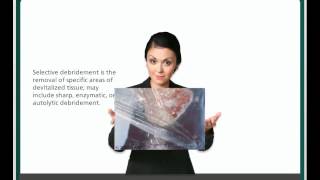
Debridement is generally described as either selective or nonselective. Selective debridement involves the removal of specific areas of devitalized tissue and may include sharp, enzymatic, or autolytic debridement. Nonselective debridement is the removal of nonspecific areas of devitalized tissue and may include mechanical and surgical debridement.
Multiple techniques are used to debride wounds, and these will be reviewed in future presentations. The most common techniques are autolytic, enzymatic, mechanical, sharp, surgical, and biological. Wound debridement is a fundamental part of wound management and an essential skill for wound practitioners. A wealth of further information on this important subject is available from woundeducators.com. For further information about wound debridement and to learn more about the benefits of studying for certification in wound care, please click on this link to our website, www.woundeducators.com.