Lavinia Errico: Equinox - The Founder Hour Podcast
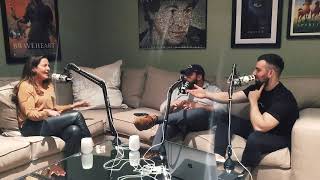
In this episode of The Founder Hour, host Pat (and co‑host Posh) interview Lavinia Errico, co‑founder of Equinox, about the evolution of her personal and professional life. Lavinia reflects on the mindset of treating setbacks like a "cheat day" in fitness, emphasizing intention before actions such as phone calls. She explains that she does not plan to launch another traditional business; instead, she is focused on curating and amplifying the work of therapists and life‑coaches through online platforms that carry her stamp of approval. Lavinia describes entering the "third act" of her life, which includes intimate, low‑key retreats for women that prioritize authentic connection over glamour. She advocates for embedding holistic coaching and emotional‑intelligence skills into school curricula and healthcare, arguing that current systems miss the mental‑health dimension. The conversation delves into the psychology of fear versus faith, offering practical shifts—present‑moment focus, heart‑centered action, and moving from scarcity to abundance. Lavinia shares stories from Equinox’s early culture, highlighting how a heart‑first approach transformed employees’ identities and loyalty, and critiques corporate practices that ignore employee wellbeing. The hosts close by underscoring the importance of intentional, purpose‑driven action in entrepreneurship and life, encouraging listeners to act with vision even when outcomes are uncertain.
Chapters
Welcome to the Founder Hour podcast. This is your co host, Pat, and I'm Posh. And today we're hanging out with Lavinia Erico, founder of Equinox. Thank you for being on the show.
Great.
And thanks for having us in your home. Yeah, yeah. Excited to have you on the show and talk about your journey and your personal story kind of mixed with your business story and how all that kind of came together up until what you're up to now. So we always like to start off kind of from the beginning. So tell us a little bit about where you grew up and what you were like as a kid.
Okay, great. So I grew up in Hackensack, New Jersey. I come from a big Italian family. I have a twin brother. And this is where it's really going to get you. My mom had five kids in two and a half years because she had two sets of twins. And it was myself and my brother Vito. There's the Italian name there. Then my brother Danny is a year younger, and then we have two twin sisters a year younger and then a sister a year younger. So we really had.
Do you have six total or six kids?
Yeah, and we really had, like, our own soccer team and dodgeball team.
So your parents weren't, like, expecting all these kids in the house and it just kind of happened.
Just happened? Yeah.
So I guess so. Were you, like, where in line were you?
I'm the first. So my parents, my brother and I are the first. And. Yeah, and then everybody came after that. And I just. I mean, my mom used to joke and say, I think my kids came out with sneakers on. Because from the minute we were born, it was as if we were very active. You know, sports was a big part of our life growing up. I never. I don't remember us ever, like, sitting down. I mean, it was like you came home from school, you did your homework as quickly as you can, you went outside to play. And it was always for us either, you know, we were riding our bike, we were playing dodgeball, we were playing kickball in the front. We were always moving and going, and it was sort of like part of our family culture.
Where did that come from, though? Like, were you. Were your parents or anyone in your family like athletes or just, like, really into, I don't know, exercising or just.
No, not really. I mean, no, I think, you know, it's your nature and your nurture. I think it was just our nature that we just, by nature were young people that really liked to be active. And that was a big part of My life. I started dancing very young, probably by four, so movement and expressing myself through movement and being around people my age. And we were constantly moving. And then I remember in fifth grade, it was me and one other boy, we ran the fastest in the school. And that was my first awareness that, well, my body.
You're good.
Yeah, I'm good. I could do something a little different. Prior to that, I didn't really feel that because I had two brothers that were great athletes. But that was my first awareness as a girl that I was like faster than other girls and I was stronger than other girls. And then I just remember in gym class when they used to have those ropes courses and I was always the first one up to the top and.
Oh, you're that person.
Yeah, I was that person.
I remember. I remember that because I was the last person. Great view of that person. But hey, I'd rather. Sometimes I'd rather lead from behind. So that's how I view it.
Yeah, it's like, it's to celebrate who you are. Right. That's the beauty of it.
Is there anything you wanted to be like specifically when you grew up at that time, or were you just sort of just taking it by day by day and then didn't really have like a set, I guess, vision or goal
for what you wanted to do at 10?
I mean, like when you're a kid, like, everyone wants to be, you know, something.
No, I didn't have that. I love dancing and I really would say, oh, I want to be a dancer, I want to be a dancer. But I. I love dance. And I was fortunate enough to dance professionally. And the truth of it is, once I started dancing professionally, it really took a little bit of the love out. And that's when I sort of pivoted really quickly and said, I'm not gonna do this as a profession. It was a hobby. Or better yet, it was the 10 year old that declared that. And now I'm like 20. I'm not gonna keep that going.
Yeah, I actually heard something the other day. I was listening to a podcast that was about that kind of topic of how that you're passionate about might not always be the best thing. Because oftentimes you know something that you think you're passionate about, you start getting deep into the weeds, whether it's a class or like an article or something you're reading. And all of a sudden it just feels like work and it's like tedious and it doesn't. It's not fun anymore. And I feel like that's kind of what happens with a lot of situations.
Well, also, it shifts into a different situation when you're dancing. You know, running home from school and grabbing your shoes and going to dance school and performing with what today would be, I guess, a dance team. That's all great, but then once you start getting paid for it, that's just a different energy, there's a different vibe. And for me, I just thought. But I really celebrate what dance day did for me because that's why I loved moving my body. That's why I started exercising at a young age, because I also wasn't the typical dance body. I wasn't like naturally long and very, very skinny. So I had to start working out probably by 12, you know, just to just maintain my weight. So that was kind of interesting. That got me a little bit obsessed, quite frankly. And then I went into that place where working out became a bit of an obsession for me. You know, I definitely took it too far.
Were you still in New Jersey at the time?
I was in New Jersey and then I went to college out here. I went to usc.
Oh, we did too. Right on.
Oh, wow.
Well, this just made everything so much better.
Yeah. Yeah.
This just means everything. So much. You don't even know.
Wow.
I had a fear that you were from UCLA or something. And I was just like, this is gonna be.
I will tell you, though, my son went to ucla. Could you imagine how challenging?
So that's the one thing we don't talk about on this podcast. So that's a Bruin.
I'm gonna have a Bruin in my house.
I'm curious. You know, you talk about how you had this obsession with working out and with dance and, you know, you're 12 years old. What did that obsession look like? I mean, was it taking over every minute of every day or was it something that you would do after school? What was.
Well, when I said the yes, I worked. I did. I danced every day. That was for sure. But the obsession wasn't so much the dance, it became the body image. So I definitely got into a situation where I was never thin enough and that, you know, kind of took me down a, you know, a slippery slope for a while on my image. And, you know, I would just remember drinking one of those drinks. I don't even remember what they were called. They were these, like, protein drinks you got in a can. And I would have like two of those a day. And I just wanted to be skinnier and skinnier because, again, I was big boned. I didn't have that body type.
And this is, like, in your teens, like, when you're.
Yeah, I was in my teens, and I. And then I started working out this kind of a story that segues into the whole working out. I was one of my girlfriend's older sister, worked at Hell Spa where we lived, and she would sneak us in so that we could.
Because at that age, you can't really even get a membership.
You had to be 16, you know, so it was like, we sneak through the back door, we go in, we work out. And because I was a dancer, I could get the choreography pretty easily. And I would actually go home. And on the days that we didn't go, I would put my sisters, who were a little bit younger, in the room and say, come on, I'm going to teach you this class. And they would be like, no, Levin, we don't want to take a fitness class. And I was like, no, I wanted to teach them. So I'd make them do this exercise class. And then one day we go to the spa, and they said, I'm sorry, the teacher's not here to teach today. I was 14 years old. I said, I'll teach it. And the manager is like, you're not even really supposed to be in here, sister. Like, you're gonna teach it. And I was like, what? Do you know how to teach this? I said, oh, I teach my sisters this every single day. And I got up in front of the class, taught it, and I thought, I love this. Like, I really enjoyed the whole dynamic of it. And that's sort of, you know, the
issue that you bring up about the body image. And we don't have to talk too deeply about it, but it's. It's intriguing because it's something that came up before, like, even social media, where you see a lot more, you know, women having. And I'm sure even men having body image issues. Right. How did you kind of get away from that?
Well, first of all, I think I had a mom who was very present, and she was really there. And I remember when my dance teacher, the first time, she sort of alluded to the fact that maybe I needed to lose a little weight, and it was really because the costume didn't fit. They would measure us in January, and then when the costumes would come in June and the costume didn't fit, and she's like, lavinia put on weight. And my mom's like, there's no way she put on weight. That much weight. And then when my mom measured the costume, she said, this wasn't made well or.
Right.
Right. And, like. And. But that had already gotten in my head that Lavinia gained weight. And I was at that age where, you know, like, you put on a little bit of weight before you. Before you grow.
So I could preteen, like.
Yeah. So I could feel that nothing you
have too much control over. It's not like what you're eating.
It wasn't what I was eating. It certainly wasn't the lack of exercise, talk about nature.
That's definitely.
And then, of course, there were just some beautiful dancers in this dance group that were all very tall and very lean. And of course, at 12, I knew that was the desired look for a dancer. So I had already had that in my head. And I was already sort of, again, like, obsessing about it, becoming very careful about what I ate. You know, no carbs, no this. But my mom would have conversations with me about it. Like, she was just right on point with, you know, Lavinia. You just eat healthy. And she would really, really kind of meal help, meal plan it with me. And it really wasn't about my weight. It was just about making healthy choices. So I sort of, like, did that and then kind of pivoted, skipped through. But I will say, like, when I look back in my 20s, there was always a thread. Like, I worked out as hard as I did, and I worked out like a maniac, quite frankly. And it was about having a great body.
Yeah.
You know, because think about it.
I mean, like, I'm a gym rat myself. And.
And.
But, like, you just, like, you know, you look internally, but also, like, other people who, like, constantly, every single day are just always, you know, stuck to that regimen of going to the gym and not. They don't waver. Nothing gets in. And you wonder, like, the psychology behind it, like, what. What is really. And I think for people, there's different. You know, one is part of it is the image. Part of it is this just the health aspect of feeling good. And then part of it is the mental aspect of, you know, it's like something that you can control. Right. Like, it's. It's something that you're, like, in competition with yourself constantly. And I think that all those things together, I think someone said it was vanity, sanity, and health, which is. Which was interesting.
They couldn't rhyme that third one, huh?
Yeah, no, they couldn't.
Yeah. But, you know, a lot of times, people, first of all, we get so bogged down on this outside identity, and that's not really where Joy or happiness really lives. I mean, we know that today that that's not there. It's on a deeper level. Excuse me, but it's not always easy to tell the 22 year old that, you know, so I. And I think it's shifted. I think young people today, they value other things other than just looking great in a little bikini. You know, I believe there's.
You mentioned between the time that you did that class as a young lady, you're what, 13, 14 years old at the time? 14, 14 years old. What did you do between that time and your 20s when you came to LA?
Well, first of all, I came to. I was here, so that was too. I went to college. No, so that was in New Jersey, because I. When I left, I left after I graduated high school. And then I did start. I had a girlfriend who took me to Jane Fonda, had opened up a studio on Robertson, and she said, I want you to come with me. I know you will love this. And I went with her. And it was really expensive for a college student to go to Jane Fonda, but she paid and she's like, I want to treat you this, it's your birthday gift. I think she bought me like five and. And the truth is I loved it. I got in there and I was just like, oh my God, I love this. But then again, I was also a dancer, so I could like memorize it. And then I got out and I was writing notes and I would literally practice in my dorm room. And then I. That's why I think like that entrepreneurial spirit was just inside of me. I mean, first of all, I worked at my dad's deli as a kid. My dad had delis in New York City because my mom had so many children. There were like, when we were on spring break, the three older ones were going into the city to go to work with dad. Because to have six kids home would have.
She would have lost her mind.
Yeah, yeah, she would have lost her mind and everybody would have been on Hooks.
You mentioned you were dancing professionally. Like, was it. You were doing that throughout high school and college?
I was in a professional group when I was young. And then when I was my junior year in college, the Rockettes, I don't know if you know, the race. They came to la. So I auditioned for the show and I got in and I was able to work my classes around that. So I did that and then afterwards I stayed here.
And what did you study in college?
Computer arts and communication.
Okay.
So I memorized this class and the next thing I know, I literally went. I asked one of the custodians, you know, where the atrium was, though? There was this one atrium that was there that was always empty. And I always would walk in there and thought this would be a great place to teach a class. So I saw one of the custodians one day. I said, I'd love to teach a class in here at usc. At usc. I'd love to teach an exercise class. And he was like, sure. So the next thing I know, I had flyers made. I gave them out to all of the sororities. Jane Fonda, like, dance class, straight IP violation. It was just, let me tell Jane Fonda, like, dance class at the atrium. Donation only. Come ready to move. So the first day, I have about 10 people, and I have my little box. And you know what? Everybody left, like, $5 for a college student for an hour class.
What year is this, by the way?
This had to be, like, 81.
Okay.
So then I said to them, please invite your friends. So the next class, I have about 20 people, and that class built up to about close to 80 people.
Wow.
And I would give the custodian, you know, 25, $30, saying, thank you.
And you're teaching dance or workout. Or dance Workout.
Workout. It was a fitness. It was basically the Jane Fonda workout. I mean, straight up, I had my little boombox, I had my friend. I'll never forget Jerry Leeds, made me my CD for the music, and that was it.
Were these days with, like, the neon colors and all that stuff?
No, these were, like, the leg warmers, though, and the little belts,
which are probably gonna make a comeback this year.
Yeah, for sure. Everything's so 90s. So you know what? And I loved that. And then before you know it, there was another gym opening around the corner. And he heard about my class. The owner, and he's like, hey, why don't you come and teach over here? And so I did, and before you know it, I was just, like, teaching at all these places. And the truth of it is, I loved it so much, I would have done it for free. I just loved it. It just. It was a. First of all, I was making a difference in other people's lives. And there's something in that exchange that, for me, even as a young person, that touched my heart.
What were the reactions you were getting from these fellow students who were coming to class?
Oh, people. They loved it. People like, oh, my God, this is amazing. I can't believe you're doing this here. Yeah, people were really, the response was amazing.
And from like, I guess, like an industry point of view, like, how did it look like at the time? Was it hard to get access to classes like that outside of, you know, USCIS or the college area?
Well.
Or in general.
It was just starting. Like, things are just picking up. You know, there was. Richard Simmons had a studio and Jane Fonda had her studio. And a lot of the classes were just shifting because before that, I think a lot of the gyms, they were more like calisthenics. They weren't exciting and fun and sexy and, you know, and so I think there was like, things were just starting to shift a little bit.
Did you view what you were doing as a business or for you, was it just like this extracurricular activity?
I was a college student that loved to do this. And the fact that I could make a little bit of extra money because quite frankly, like, I had to come up with all my own spending money in college. My parents were like, we'll send you here. We're gonna pay for your dorm and all the rest. You're gonna have to figure that out. Which I think is one of the best gifts I ever got. Because you figure it out.
You grew up into.
Yeah, you know how to make things happen.
You know, Lavinia, at this point, did you think that, okay, this is fun, whatever, like, but is this gonna be my career?
No, I never for a second thought that. And then I got out of. I got out of school and I was graduated. I was pursuing my acting and a couple other things. I remember my mom taking me out for graduation dinner. She said, I have good news and bad news. What would you like to hear first? Levent. I was like, give me the good news. The good news, I'm gonna pay for your health insurance and your car insurance.
Oh, that's big.
Yeah. And the bad news is that's it.
Not the car?
No, I already had the car. I actually had a work and earn half of that. So I had already bought the car. But, you know, my dad pitched in the other half and she said, but if you want to stay out here in la, sweetheart, you're going to have to pay your own rent and everything else because we have other kids in college that, you know, and I got it.
What were like, rents back then in LA?
I remember sharing an apartment and I was paying 750. So it was about a 1500 dollar.
Not. Not cheap.
Not cheap. Like, you wouldn't go, oh my God, that's like nothing. And maybe it was a little less Because I was. I always, like, shared a room with someone, you know, I wasn't the person, which was fine. I didn't.
More customers.
I mean, I was so many. We were so many kids. I mean, that's also another thing that I think was the nurture of my childhood was that it nurtured us to be adaptable. And I think that I call that adaptability my superpower. Because I don't know how not to be. Because when you're one of six kids in such a small amount of years, and the eldest, you had to kind of be adapt. You had to be able to adapt to everybody.
And on that point, being the eldest of six kids, was there any pressure, like, to be like, you know, I don't know, go into some sort of career path or something that was like an example to your younger siblings and, you know, I guess something that would turn out to be like a quote unquote, like, success.
I never really. I never felt that. I mean, I think my mom was really amazing at saying I have to treat each one of you differently because each one of you have different gifts, have different greatnesses, have different challenges. So she was really careful about not comparing us, because in that space, that could get. But it was. What could be a little daunting is that other people weren't like. I remember somebody saying to one of my sisters, a teacher, wow, you're not like Lavinia. Lavinia, like, gets here on time. She's prepared, she's. And I mean, my mom went right in there and told that teacher off. Don't you ever compare my kids to each other. Like, everybody's a little different. And she really, for some reason, really knew how to sort of handle that so that there wasn't this competition between us or an uncomfortableness, or me feeling like I have to set the tone for how this family is going to. We never have that.
So after this graduation dinner with your mom and, you know, the good news, bad news, obviously, I'm assuming you're just like, oh, like, I gotta do something. What do you do? I mean, what's the next step?
The very next thing I did was I went to Bullock's. And I don't know if you remember Bullocks.
This is like pre Nordstrom Robinson's movie.
Yeah. So I figured, okay, let me just go get a job.
So that is now the Southwestern Law School campus, if I'm not mistaken.
Well, Bullocks. This was the one.
The one in la?
No, the Bullocks I went to was the one on la Cienega over the Beverly center, okay? So I went there and I got a little job, and I think it might have been, like, my third week there. And a girl who, by the way, is like, one of my closest friends to this day, is walking in, and she's eating frozen yogurt. And I look at it, and I'm like, wow, that looks really good. And she's like, it is. With a really strong, like, New Jersey or New York accent. And I'm like, where are you from? She's like, I'm from New Jersey. Where are you from? And I said, I'm from Hackensack. And she's like, oh, my God. We're like two. Anyway, so she goes to him, I guess you're an actress. So I'm like, yeah. She's like, yeah, another pretty girl that just wants to be an actress or whatever. So she goes, why are you working here? And I'm like, well, you need to get a job. I have to. She's like, sounds straight.
Like out of a movie.
But I'm telling you, it really was. And I was. What makes it even more interesting is I was at the Judith Lieber handbags. I don't know if you know these Judith, but. And especially when you're, like, 23 years old, these Judith Lieber Hamburgs, about this big, and they have. They have rhinestones all over them. They look like eggs, and they're like $2,500. So as a college, like, somebody that young, you're thinking, who the hell would carry a bag like that and no less pay $2,500? Like, you know, so here I am, like, they put me at this counter, and here she is, and it was just very funny. She goes, why don'. Come to work at Carlos and Charlie's, which was a. A private nightclub. And I said, well, I don't really know anybody there. She's like, I'll hook you up. So the next thing I know, gave her phone. She tells me to come in the next day. Come in, you. You got a job. And my first thought was, like, oh, shit. Like, what do they wear there? I'm just worrying about my, like, Italian father. Like, do they. I'm thinking, a nightclub. I'm gonna have to wear, like, mini skirt. So I said, before I go in, I just have to. What are the uniforms? She's like, black tuxedo pants, white tuxedo shirts, a cummerbund and a bow tie. I'm like, perfect. I'll be there.
So what were you doing? Like, what was The.
So it was cocktail waitressing. And honestly I was not. I didn't even. I had never drank. Yeah, I didn't. I. But you know what? You figure it out really quick. Like you have that. You figure it out. And you know what I saved. I made so much money. I worked for. You would go in at quarter to nine, at quarter to ten, and I was literally out of there by like two o'. Clock.
Were you doing both like Bullock store in the day and night?
No, as soon as I started, I was making more in one night cocktail waitressing than I was making an entire week at Bullock's. So I started doing that and that's where the fitness thing, where I'd still do a little bit of fitness and that. And then I go on my auditions during the day and I have a little saying where I say, you know, I might have loved acting, but it didn't really love me in that I also wasn't the type, you know, in that day, everything was blonde, blue eyes. Like I go to casting directors and they'd be like, you know, I just. We don't know where we'd put you. You're kind of ethnic. You're not like, you're pretty, but you know, you're ethnic, but you're not ethnic enough that you could be doing like a jail scene. And I mean, it was just like, I mean like that's why when I see this shit, it's like, thank you Jennifer Lopez, thank you Salma Hayek. Thank you people for bringing so much. Now it's like just all ethnic now, right? It's like made such a shift. But in those days, beauty was Christie Brinkley and beauty was Cheryl Tiegs and beauty was these blonde, blue eyed, beautiful girls. And I was clearly not that. Look. And then my cousin who was on Hill Street Blues lived up the road from me and a couple times he'd asked me if I would go to his house because his assistant wasn't available, whatever. And could you just go to the house because the Maytag man is coming to clean to do the whatever appliance. And after the second time doing that and then him asking me to do it at a friend of his house, I thought, there's a business here. So I started a business called Express Errand Service. Those in la that need 28 hours in a day was our slogan. And again I started hired a bunch of beautiful actress friends of mine and before you know it, we had this great business where we were. This was before Uber and stuff like that. So we were Picking up parents at LAX and driving them to, you know, different places and, you know, waiting for people when their rugs were getting cleaned. And. And it really turned out to be a fun and lucrative. And it made me realize, like, I'm good at this. Like, I'm good at turning these little nothings and an idea into something. And then it was time. I had just gotten out of a serious relationship, and I thought to myself, okay, if I stay in LA right now, I'm going to end up living here, getting married and being so far from my family. And I just couldn't envision my life being really separated like that.
And how old are you at this point?
At that point, I was, like, 25. So I'm like, you know what? I'm going back to New York. So I went back to New York and I ended up getting in the executive program with Lancome, and I love that. And even with that, it just sort of. I had an idea for something, and the next thing you know, they're like, yeah, let's try it. And it worked. So I just was very entrepreneurial by nature. It was my nature.
Did you ever have, like, any issues, like, I guess, like, reporting to somebody or working for somebody or Is that never, like, a thing for you?
Oh, yes. I was terrible. Like, I. People would say she ruffles so many feathers. Like, I just remember my old boss at Lancome. There were two. Like, one was my direct report, who was this really very sweet woman, Carol West. And then there was Dick Roderick, who was the president or the vice president of sales. And Carol would be like, dick. Like, she goes into a store and she just ruffles feathers like crazy. And he was like, I know, but she's really good at what she does. And my heart was in it. Like, it just bothered me when I would get in one of these stores and they weren't prepared for us. It was like, how do you expect us to Increase your business 30% for this week if we don't have anything to the stuff that we sell? So then I would pick up the phone and I would call corporate, and I would say, I just throw them all under the bus.
And for those. I guess for those listening who don't maybe don't know what Longholme is. Could you explain, like, what kind of business they're in?
Longholme is cosmetic. It's a big. They're one of the big threes still up there. Yeah. Oh, yeah. It's like Longholme, Estee Lauder and Clinique. Are usually the big threes in the huge stores. So I. And I love that. I loved what I was doing. And then that's kind of where I learned. Okay, you know, maybe I just need to learn how to work with people a little bit better, have a little bit more tolerance.
More tactical, maybe.
Yeah, a little more tactical. So then I would say, okay, so two weeks before we go into their store, I would stop in and say, we're going to be here in two weeks. I just want to make sure these are the products that we really like. Where, you know, some of the other people would have just go in there and really wouldn't care. Like, some of the people on our team, I don't think they really cared if they hit 30%. I cared, but that was just who I was. I competed against myself. If, if we're going to walk into this store and we're. We're gonna. I want to blow the numbers out. I don't want to just do 30%. I want to do 80%.
Well, why do you think that is? I mean, I know you were built that way, but, like, what about that gave you so much satisfaction?
You know, I don't know if you can really put your finger on, like, what that burning fire is inside of you. Maybe I do. I mean, afterwards, because then I had this huge epiphany after we sold, and I realized that it was also, on some level, something missing inside of me that I always had to prove my worth.
What do you think that was, though?
What was the missing piece? Well, I think it was a lot of things. I think it's a lot of your. Just your conditioning. I think it's a lot of your family of origin. I mean, I don't want to get too spiritual, but I do also think that sometimes it's past life, past lineages that just bring that lack of. Of real spirit confidence, like that spiritual confidence that you have that you don't have to prove. Like, I don't have to. I mean, I now work with so many people that I mentor, and I can't tell you how many young women, as if, like, they. If they do not get into their first choice law school, they just will not be able to face their parents. And that's where so much of the drive was. I never really felt like I had that, but I did have a lot of drive to be successful. You know, I just had that drive. And so when I would work with other people that didn't have that level of drive just didn't make sense. Yeah, it really bothered me. I wasn't tolerant of that.
It sounds like obviously there's a lot of situations where people get that pressure or like that bug from external powers, but in your case it was more internal. It was a competition with yourself. And is that something that you think could be, I guess, learned and trained and built, or is it something that, again, it's just something you're born with?
No, I think that you can have mastery in that. I think when you have clarity, when you set your goals, when you really understand also the genesis of why you want to do something. You know, again, because so much today is for outside approval, that's not healthy. You know, there's nothing healthy about constantly needing that. Needing to walk in a room and people go, wow, you're gorgeous.
That external validation.
Yeah, that, that. It just doesn't. It's not healthy. But I do think that, yeah, as long as you can connect someone to something that is really meaningful to them, like, that's always as a mentor, and I mentor so many young women now. It's really helping them get down to that deep something.
Lavinia, you talk about how you did all these different things after, when you graduated college, where did the working out part of things, you know, did that just kind of drop out? Was that in the back burner?
I mean, what was that? For me, working out, it has always remained. It's.
It's a lifestyle.
It's a lifestyle. It's the same way, you know, it's. It's a hygiene. Like I have physical hygiene, I have mental hygiene, I have spiritual hygiene. I look at it in that way. I don't put it on the pedestal. It's just something I'm going to do. But you.
Were you doing the classes still?
No, but I was taking. So once I started working for Lancome, I was. Could. Could afford to join a really nice gym and I joined the Vertical Club and, you know, started going there and then we were at a couple other Jeff Martin studio and. And then. Yeah, and I think at that point with us was we really still felt, my brothers and I, like there was something really missing in New York City because there wasn't a great. That wasn't a great place where people could just really go and have. Have it all, you know. So that really became sort of a discussion we started having. I'd like to think we weren't complaining about it, but I think at one point it was a little bit of a complaint, like, dang, why doesn't somebody open up a great Club, like, we all would love to go and work out. You know, we weren't the people that went to happy hour. You know, you have to realize at that time, happy hour was people left work and everybody went to happy hour. Happy hour all over New York City was huge. And that wasn't who we were. That wasn't our elk. We didn't have that. We weren't those kind of young people. So for us, it was like we wanted to go to a gym. Like, that was social. That to us was like. But none of the gyms had all the elements. Like you said, why can't somebody open a gym that has great lighting and is sexy and it's hot and has good looking people, but has great weights and also has great classes and has all the things that we wanted? So after, you know, complaining a little bit, I think we finally all looked at each other and it's like, why don't we do it?
And what were you. What were your brothers doing at the time?
Construction. They were doing. They started a construction business.
Did you have any idea what it took or what it would take at that point to be the one opening the gym or to open that club for that matter? Or, like, what went into it and the equipment and running that business? I mean, did you have any idea or was this just like, you know,
where the beauty was for us was each. There were three of us, we each had a different lane and we were good at that lane, you know, when our talents aligned with what the business needs, the necessities.
Yeah.
So my one brother, Danny, was all about the real estate. He just into this day, he's still, I would call him like a real estate guru. Amazing at that. So he, even young, he had his real. He had a pulse for really good real estate. And he was really good at raising money. And my other brother was really, I mean, even young, he was a craftsman. He could make the most beautiful furniture at a very young age. In high school, he would spend so much of his time really making gorgeous furniture. He's very passionate about that. So him creating the design and working with the architects and the building and really. And then for me, it was the fitness component of it. I think it was fitness. And then because I'd been with Lancome a couple years now, I really understood how to create teams. Like, I understood the sales end of
it and what goes into building.
Like a. Yeah. And I, you know, I worked there, so I was privy to a lot that went on in branding and marketing. I don't think they called it branding then, but it was more like marketing and advertising. So, yeah, it just. All of our skill sets worked out. It was like the perfect storm to have something really magical happen.
What was that initial vision like? Was it sort of, let's just have a location, one location, and let's make this the most badass gym you could find. And that. That was kind of the extent of it, or did you think further out?
No, we didn't think further out. We were really. We opened up one on the Upper west side because that's where we lived and that's where we were complaining. Somebody needs. And we opened that up and it was profitable before we even opened. I mean, because everybody was in the same boat on the Upper west side of Manhattan. There was just really only a. There was a very wrinkle. First of all, there was a horrible Jack o' Lane that you wouldn't even want to go go into. Then there was a really great studio, but you wanted more than classes, so if you were gonna do other things. And then there was like just a kind of a dirty gym down in the basement somewhere. And that was really all there was on the Upper west side. So. But the thing that was so startling to us was that people were coming from all over Manhattan. I mean, I remember J.F. kennedy coming up on his rollerblades, rolling up, you know, rollerblading up from downtown. And all of a sudden people were just coming from all over to work out at Equinox.
How did they find out about it?
You know, we were written up pretty quickly in New York magazine, so we had a pretty good write up in New York magazine, and the word just traveled. I mean, first of all, I think we opened up a club that people wanted. That young, hip, I guess today they call them the Millennials, right? Like that. They wanted it. All the elements, it was hot, it was sexy. It just. It was thought out. Well, it just. Yeah, it inspired people. It was like, wow, I would not go to happy hour for here.
Yeah, right.
You know, like, it was.
You were competing with happy hour. You weren't competing with other gyms.
We weren't competing with other gyms. We were really competing with happy hour. Yeah. So. And then. And all of a sudden, it just. It was. Again, we. The. Every detail was thought out, from the lighting to the music to where the aerobics room was. So that the aerobics, the energy in that room fed all the energy in the weight training room and, you know, the locker rooms. And, you know, another thing, it was impeccably clean. I mean, for years, we would have surveys. We would get surveys back from our clients. And I can tell you, like, we would be thinking, like, we're so innovative in all of our fitness. We're so innovative. We have wellness centers. We have spas. We have this, we have that. And they would write, I love this gym. It's so clean. It's cleaner than my own shower. And I'm thinking, like, dang, all the shit that we're doing, and this is what we're getting. Notice where the cleanliness.
And that wasn't. That was just something that you. You guys believed, like, had to be done, right? Just like.
Yeah. I mean, you have to have a gym that's really clean, because otherwise it's funky and people are gonna get diseases and skin crap. And, you know, we need to make sure that everything's clean. Like, it wasn't.
How long did it take for that initial location? How long did it take to get it up and running? I mean, there's a lot that goes into that especially.
Well, we had already had opened one other gym up in Westchester County.
This is before Equinox, or.
Yeah, it was our first gym, so we kind of got our feet wet there. And at the time, we were all keeping our day job, so I was actually keeping my. At that point, I had left Lancome. I had gotten off our macing with a fragrance company who was actually owned by Herb Albert. So I was working with them. I was the head of the whole east coast, and my brothers were doing construction. So with this first club, it was like, okay, we're just gonna keep doing what we do during the day, and we'll figure this out. It just sort of landed. We thought, all right, let's try it. It's not a huge investment. Even though, to be honest, like, if I remember correctly, our investors were practically like loan sharks. Like, nobody was giving you money in those days. So the guy that giving us money, it was like 30% on the dollar.
And how much, like, at this point, you guys are. Well, you're in your, like, late 20s, I'm assuming.
Yeah.
How much money did you need to start this first gym off?
I mean, I think we got into the first gym for a couple hundred thousand because it was already an existing gym that we just had to renovate, and we leased out all the equipment. So you lease the equipment? You.
How difficult. I know you said that people. You guys were profitable before even opening up after that initial kind of, you know, surge in customers and people. What was the Team like you and your brothers. What were you guys talking about at that point? You know, you get all these reactions from people. The cleanliness. People love it. Are you guys at all surprised as to what you have created at that moment?
I don't think we were surprised. I think we. I don't remember us being surprised. I mean, I remember. I do remember us being just really, we. I mean, we would walk in that gym in the morning, running. We were so excited. We just loved what we did. We loved it. We loved. It wasn't a thing that. I mean, from the people to the energy to the programming, I mean, like, we just loved it. And because of that, we worked really, really hard.
And were you involved at that level, like, with the programming and I was doing everything.
I wasn't teaching at that point. I sort of was like, you know what? We're in New York City. There's some of the best instructors in the world. People are coming in from all over. Like, it wasn't about me being a teacher. And. Yeah, so we were. Yeah. I mean, I remember sitting there having the auditions, auditioning all these people and, you know, everything. The front desk staff and hiring your first front desk staff and training them and, you know, my brother used to say, we're not a halfway house, Lavinia. But because the sad of their story, I hired them. It was just like where my heart was, you know what I mean?
This is early 90s, right?
When you were saying. Yeah, this was like. This was like 89.
And that was official Equinox, or this is the first gym.
The official Equinox, I believe, was 89. September 23rd. We opened up on the.
Yes, it was recently, the 30th anniversary. Right? Yeah. When does it. The conversations continue about. Actually before that. What point do you leave your day job to do?
No, as soon as we opened up Equinox. As soon as. Actually, as soon as we started talking about doing this gym in the city, that's when it was like, all right, now it's time to let. Yeah, then it was.
You had seen some initial traction with that other gym, and you were like, we need to open up in the city.
And where did the name come from? Excuse me?
Where did the name come from?
The name. Well, we kind of had this group of friends that we would all get together with and, you know, who was working in different areas of marketing and advertising and so forth, and we would invite everybody up to my brother's apartment and we would give. Everybody got free Chinese food and we would just sit around Talk about names. So we were coming up with all these names. Then my brother Vito and his girlfriend, but wife today, went up to the Equinox in Manchester, Connecticut, or Lenox. Lenox, Connecticut. There was an Equinox there. And they came back. It was an Equinox hotel.
Okay.
And they came back, and they were like, oh, we went to this place, Equinox. And I think at that point, I was like, equinox. Like, that's a great name. And then we started playing around with that and what that meant and the Equinox. And of course, I loved the whole idea about the whole connection to the earth and what it meant. And, I mean, it was very spiritual day and name, and that's kind of. That happened. And then, yeah, we were very lucky. Like, even with the guy that came by to do our. Helped us with our branding, this guy Gordon Pennington. And we would. I would come in from Westchester, and we would. My brothers and I would go and get lunch together, and then we would sit on the. On the stoop in this. This is where our Off. Our first offices were. Offices were. And I'm telling you, I'm sure that that was not legit. You shouldn't have even been in there. It was just, like, in the bottom of a building that even when you walk down the stairs, you felt like, okay, is this stable? Yeah. And so we would have lunch, and after a few days, Gordon would come by, and he would. Then finally he came by, and he's like, who are you guys? I'm like, what are you. I don't know. I see you guys on the stoop, and you. You look so cool, and you look great, and it feels like something's going on here. And we started talking, and he was like. I said, yeah, we're creating this gem, and. Tell me about him. We're telling him a little bit about it. We. We hadn't finalized the name yet, but we were. And he's like, you know, I was just brought in by Tommy Hilfiger to. To rebrand him. I want to work with you guys. I was like, we have no money. Like, we have immediately. No, that was always my. Just so, you know, oh, you want to help us?
Yeah, we have zero dollars.
I just always said that to everyone, though. Like I said, I just want you to know, we have no money. Like, not zero. Like, we are broke anyways. Like, he goes, you know what? We'll figure it out. We'll barter. And that was, like, my first realization of barter, because after that, we bartered everything. There wasn't a thing. I'm not even sure if that's legal, but there wasn't a thing that we didn't barter. Like, it's legal for sure. Legal.
We'll give you two years membership. You're going to do our entire marketing.
Right. And so. And. But how magical is that? Like, the guy that they bring in from LA and he sees us and I'll do your marketing. Branding. And then it was just. And that was really how, you know, when the stars are just so aligned and I don't. I think the stars were aligned, but I think our frequency was also high. You know, like, we were attracting. We were in our. You know, we were in our lane. We were in where we were supposed to be, like. Like, it was just divine order for us to be doing what we were doing.
You know, I know Pat asked earlier about, you know, the plans about, you know, was it just this one thing or was it this bigger vision? At what point were you starting to have discussions with your brothers about, you know, we have to do this in other places? Like, this is clearly very successful. How do we replicate it?
Well, I think it just.
It.
I. So much really happened. Like, you're in it, you're doing it, you're showing up, you're learning what you need to learn. You're. You know, and it's like the next door just kind of opens. Like, at that point, Danny's like, we need to open up downtown. Full disclosure, anything beyond 57th street in those days was not my jam. Yeah, like, I was an Upper west side girl. Like, I just. The thought of being down that way, I was just like. And then when he said 19th Street, I was like, Street. Like, who goes beyond 23rd Street? I was just. I was just like, really? And he's like, no, you don't understand. Like, that's why my brother had, like, such a pulse on the real estate. And he's like, no livin, I'm telling you. And what about it? Was it, though?
Was it like a combination of, oh, it's affordable, but also, like, there's going to be foot traffic?
No, my brother just knew that that area was gonna blow up. Yeah, like, he knew that. That Flatiron.
What was it called? Oh, flatiron.
But he knew because really, there was nothing there. I'm telling you, when we went down there, there was ABC Carpets and that is it. Yeah, it was not a hip place. Like. Like Fifth Avenue was nothing like the. The stores that were on there, or, like, I think the Only decent one was Bath Body. What is that?
Bath and Body Works.
Bath and Body something.
Bath and Beyond.
No, not Bath and Beyond, but it was like a. It was this. They had one not far from us either. It was just like they had. They sell soaps and creams and whatever, but that was like the only decent store down on fifth Avenue. Everything else was just really hard.
At this point, as you're expanding, is it you're just like basically taking the money that you're making and self investing it back?
Pretty much.
I mean when we sold the company,
we owned 100 of the company.
Got it.
So we owned a lot of the real estate.
So you got the loans initially, paid them off and then you just like self funded.
Exactly. And yeah.
So you open at the Flatiron Dishes.
So we opened in the Flatiron Dishes. This is a really fun story. So we, we rented it with an option to buy and so. And it was a beautiful. It was a, it was a landmark building. It was the original Lord and Taylor. I mean the building was just like. I walked in there, I was like, oh my God. Everything about it was just so beautiful and the finishes and so we get that, we get that building. And then I think, I don't remember if we had three years to buy it or whatever. So now we're going to buy it and my father comes to every one of us. You cannot personally sign on that building. And I'm like, okay, dad. Okay dad. And he's like, no, livid. I want you to really listen to me. You cannot. Your brother Danny is going to tell you that you're going to, you know, personally guarantee. I don't want you to personally guarantee. That's building. You could lose everything. But you know, like I was like 33 years old or 32 years old. Like you're not thinking like that. I don't know. I don't know if I was just young and stupid or just, you know, I had faith.
You just didn't know any better.
I didn't know any better. And it was like when my brother came and he said, here you're, you know, sign. You signed. And again it was like, you know. And then that building turned out to be, you know, years later. I mean that building is the golden
was showing that much promise at this point where you, you had no. I guess. Did you have any worries like that this wouldn't work out? No, you knew like it was just happening.
It happened. And what, what else was happening? Like even internally, like people don't really understand Know all the things. Like, I mean, we had that business for almost 14 years, but because from the time you start creating it and the vision and then you get it out. But we had built, like seven or eight brands inside of it. Because what happened was all of a sudden, personal training when we started was only for the. Like, the only people that personal trained were professional athletes and celebrities, and that was it. The average person, even the CEO of companies, didn't personal training that day. It was not. It was. That was not normal. And our thought was, because when we would go skiing and we were all skiers, we would take lessons, and that's how we got really good. And I remember us having this conversation, like, and then I remember taking an instructor even when I didn't have a lot of money, but I would take the instructor out for the day because that was money well spent to me. I wasn't necessarily the girl that needed to have the fabulous handbag and all that, but when I go skiing, I want to have my instructor. So we were just sort of bouncing that around. Like, if we created something that was affordable, personal training that was affordable. We really believed people would personal train. And then we created this whole personal training program that was affordable. And it was tiers and like, that, it took off. So now, all of a sudden, we need trainers. They weren't trainers. I mean, trust me, in the beginning, it was just like. So we had to create a whole Equinox Fitness Training Institute, which was a certification to be able to have really good people.
It was like before NASM or whatever those programs were called, or they were
just kind of starting, but nobody was really doing it. Honestly, it was just very.
It wasn't very commonplace.
No. And also in those days, being a trainer was like, you went home and you told your mom, you're gonna be a trainer. She's like, loser. Like, it was not, how much money
can you possibly make?
No, it was like, any lost kid became a trainer, you know, And I really believe we were the ones that totally changed that story about a trainer, you know, and it also became like, we legitimized that you can really make money, you can be successful. You. I mean, when you really think about it, and this is what we thought about is like, to us, trainers were preventing you from going to a doctor. You know, I mean, when you think about it, their job is to keep you healthy.
Preventative care.
It's really preventative. And that was what we instilled, and that was the message, and that was the programming that went into our Equinox Fitness Training Institute. We didn't just have other trainers up there. I mean, we brought people in from all over the world to train these trainers. I mean, we really set the bar so high. And even in those days, for somebody to go from level one to level three years ago, that took like three years to get to be a level three trainer. You know, because when we're going to say, and we're going to endorse you as a level three trainer, we know not only is your training impeccable, but the way you care for people, your attention to detail, the way you. You're in it with them, you're focusing with them, you're not like, looking around. Like, it really was special.
And you mentioned affordability. And obviously a lot of folks, as Equinox grew, you know, and it's become, you know, more so like a premium gym and an upscale gym that probably not everyone can afford. But was that the goal from day one was we're going to kind of come into the market here at, you know, kind of a higher price, but more to give and more to provide holistically?
Yeah, I mean, we knew that we wanted. It wasn't about price, it was about giving a great product. You know, we never really thought about the price until all of a sudden we had to go back and say, okay, to give all of this. This is how much it's costing us. So we're going to have to adjust the pricing for that. You know, we never went after it. It was never, honestly, it was never about money for us. It was really about changing people's lives. You know, we were really very committed on that. You know, we even created this wellness center, which the negative mail I got from people, I can't believe you're involved in this quackery. You know, but that was like 1995 when we opened that. And it was chiropractic, acupuncture, homeopathy, naturopath. We even did colonics. We had, you know, all different types of modalities in there. Craniosystem.
And the reason I mentioned that is because it wasn't something that people were used to. And like you mentioned, there were like the really expensive, like trainers that not everyone can afford. And then there was like the kind of just the lower level gyms where, you know, it was very. Just cheap, like, didn't really provide a lot for you. Was it difficult to just to get people to see that value initially before they even had a chance to check?
Not really, because it's a happening we were all on the floor training with trainers, and then our friends were all on the floor training with trainers. Like, you know, when you walk into a place and it's like, man, this thing is happening. You see all these people training and moving and going and breathing and doing. It's like, I want that.
So would those people tell other people? Was just like a word of mouth thing.
It was all word of mouth. It was all word of mouth, you know, because it was really exciting. You know, this was something new. We were trailblazing a whole new thing that people had never experienced before. So all of a sudden, and even the classes to come in and, you know, have a class and you walked in and the lighting was just perfect and the sound was perfect, and you were on these neo shock floors that were bouncing so you weren't getting shin splints. And, you know, it was just. It wasn't. It. It was. And the vibe and the energy and like, it was just. It was special. It was really a whole new. It was a whole new everything for the industry.
I mean, there's no doubt that you had so much fun doing this. And I know you mentioned you did this for where you guys did this for 14 years. And just because we're curious about, you know, life after Equinox as well.
What.
Tell us a little bit about the acquisition or like, exiting, you know, from Equinox.
Well, prior to even us selling, I remember there was some talk at one point and it was just too premature. And then there was even, like, I remember us going out with a couple of different people to look at different gyms because they wanted to do an acquisition. And I remember my brother Danny and I went and I just looked. I'm like, do you really think we could work for these people? Yeah, like, it's just not going to work, you know, so then we kind of put that to the side and just.
You thought you would still stay with the company?
Well, we knew. Well, in the beginning, like when we were maybe five years in, six years in, people were starting to come to talk to us about buying us, and then we would stay on and be able. I remember at one point my brother was like, you know, we could get like $10 million off the table and each one of us would get $3 million. And that's a lot of money, Lavinia. And I'm thinking, but again, like, I was never motivated about money. I don't know why. I mean, I don't know if I don't feel like I was ignorant about it. But I never worried about money. Like, it wasn't something I worried about. I didn't have this scarcity or fear around money. I have it around other things. I don't have it around money. So it was just like, no, that's ridiculous. And then all of a sudden when it started getting real, like, all of a sudden. And also we got to a point where I think, you know, I don't remember if there were like 10, 11 gyms clubs, you know, plus we had, you know, I had the medi spas and I had the regular spas and I had the wellness center.
This is all in New York still.
Yeah, it was all in New York. We were just getting ready to sign leases out here.
Okay.
My brother had already been negotiating, like the one in. The ones in Pasadena. Well, that one, we, we had done that and then doing the one in Beverly Hills. And yeah, so we, we were part of that negotiation, like, starting to branch out anyway. But yeah, that came a point where it was just like it was. You could feel that it had changed. You know, when it starts getting so big like that, you know, it's no longer about really inspiring the people that you're working with before, you know what these meetings turned into like P and L meetings. That's just not. I'm not going to sit around like, that doesn't inspire me. I'm not. I like creating new programming, I like creating all that. And before you know it, that the scale started to change a little bit.
And did your brothers feel the same way?
Yeah, I think we all felt the same way. And also it was. I just remember thinking, like, I just. This is not sustainable. Like, I can't do all of these marketing, pr, new programming, the fitness, the sales. I mean, it was just like. And we didn't really have. We had junior people under us, and I mean very junior. But I remember thinking, like, if we don't sell this company, I am hiring,
you know, a CEO.
Well, not just that. I was hiring in each area. Like, we have to have a VP of this and a VP of marketing vp because we were just spread so thin.
Sorry, did you have a pretty. A big aggressive, like, expansion plan at that point? Like, where is it? Like, you had all these cities planned out already or were you just kind of taking it one, one club at a time?
Well, we knew LA was gonna be. We knew LA was the next market for sure.
And I think that, you know, although a lot of the founders that we sit down with, a lot of them get to that point, I think it's worthy to note that it's probably a great thing when your business gets to that point on a business level, it's amazing, right? Like a lot of businesses don't get to that point where the fun is almost taken out of it as a founder. But again, I think self awareness of that as a founding team is very important to realize. Look, just because we were able to build this business and start it doesn't mean we're the right people to take it to the next level because that's just not what we want to do. You can learn it, but the cost of learning it might be too great to actually create a great company.
No, my heart clearly was not aligned with that. I just didn't have that. I. No.
So at what point were you guys ready?
So then at one point I think it just, it all sort of came together. I don't remember exactly what the genesis of it was, but it was sort of like somebody came to us and was like, you know, I think it's really time. And people were talking about, I mean we got to the point where we were doing these different things for marketing and they.
Focus groups.
Yeah, focus groups. And it was like, oh, I think they're owned by Nike. So you know, there was already a perception out there that we were so much bigger than just like a family run business because the branding was really amazing. I mean everything was really so on point. But then, yeah, I think it just sort of started happening and the next thing, you know, Bear Stearns, people that were working with us and I'm sure, you know, going through that, it's between the forensic accountants and the this and the that and everybody going through all of this and my brother, the acquisition process, yeah, it can be daunting. And I remember my brother Danny coming into me. This was probably about three weeks before we closed. I just want you to know there's something on the table right now, Lavinia, that this deal could go south. Like, I just want you to know that. And I just looked at him and I said, I want you to know this deal's already done. So I want you to just feel so confident that this deal's done. Whatever they're going to put on the table, we're going to be able to work through that.
Were you, you guys going out and seeking buyers or did someone approach you at this time?
No, we, well, the people that approached us, we sat down and we went through that exercise. But it never, it wasn't. You know what? I think when that happens, it Puts a spark in you that, you know what, Maybe we should do our due diligence and go out there and see out there when you have what you're really worth. Because when somebody comes to you, they're kind of creating it in their perspective. So, you know, and that kind of got my brother Danny, especially since he was more the finance slash real estate. Like, I think we should really take this out to the market and see what Equinox is. Really.
This whole time I've been trying to think to myself, and the question I really want to ask is, even though it was three of you, was the fact that you were the big sister, like their older sister, did that play a role? I mean, did they listen more to you as a result?
First of all, I have a twin brother, so we were both the same age. So that wasn't.
Yeah, you couldn't play that part.
No, no, not at all. I mean, I think the thing that was so amazing about the three of us together is whatever our lane was, nobody. Like, there were some things Danny and I would cross over in. Like, in fitness, he would cross over like he was creating the Equinox fitness training Institute. Like, he took that on. So we'd cross over a little bit. And also he has a different approach. Like, Danny's approach would be like, he wants to sit down and talk about 100 ways this thing could not work. And that wasn't my style. Like, my style was, I don't want to sit here and beat this dead showing how it's not going to work. Let's just pilot it and try it. If this person is really excited about it, let them do it. So we had different styles, but in truth, it was great because he grounded me. I got so excited in everyone's enthusiasm for a new program or a new product or a new something. But that costs money to do that. So he was the one that kind of helped. Like, I think who we were together was always amazing. So we, each one of us, like I said, had our expertise, and I think it's where the magic was. I always say that. I don't think either we could have done it without each other. You know, it was. It was real. And even to build the culture, because one of the things about Equinox, it was such a strong culture because we were family first. So when we would walk into a meeting and I'd say, hey, Dan, what'd you do last night? And then the other people would walk in, and before you know it, everybody would become related. We were like a Family. Like, I remember when there was a gym that was trying to steal some of our people when they were open up. And I ran into the guy years later at one of the conventions. He said to me, I could never figure out what you were giving your people. And I'm like, what do you mean? He goes, because I offered some of your people double of what you were paying them and they wouldn't leave. And he goes, what did you do? I said, I cared about them, I listened to them. I mean, I can't tell you how many, you know, some of my maintenance people, this one woman in particular, she really wanted her daughter to go to college. And I had them come to my house and I helped them fill out the applications, and I helped her write her essay for college. And, I mean, that's what Equinox was like. That's how we cared about people.
You mentioned the word related.
I know. I was literally about to say the same thing.
So obviously, we know the Related Companies was the company that acquired Equinox. I guess when that happened, I mean, explain to us what you and your brothers, I guess you specifically felt going through that.
Well, I can't really speak for them because I think they had a little bit of a different reaction. But for me, and like I said, that was a real tedious year of 2006. No, well, we actually sold the first time. We sold 2001, and then we held on to a big part, and then we sold again to Related. But. And we were going through this process, and again, like, we were just three people from New Jersey that grew up in a very middle class, you know, humble situation. And all of a sudden, like, this amount of money, we're just thinking, like, I thought every day was gonna feel like fourth of July. You know, that feeling when you see, like, fireworks for the first time and that elation you feel and your heart's feeling like that, or the first time you're on a roller coaster and you're
like, yeah, that rush.
That rush. I really thought once I would never have to worry about money again. I never have. My son would never have to worry about money. I just thought every day was just gonna feel this feeling of joy and
a bliss and wake up and immediately
and just be like, yeah, love my life. Love my life. I just thought every day was gonna be that. And then we close, and it was like around December 17th, and we all go to Cipriani's with our big group of 50 or 60 friends, and, you know, your treat today. I call them today. I'M realizing that these were like agenda friends, you know, how, like the friends that you just networking with, they're all your. Pretty much your. I help you, you help me. Well, that's this table. And which is. It is what it is, right? And everybody's walking up to me and they're like, oh, my God, Luminia. Can you believe it? Can you believe it? And I'm thinking, like, you know, it just hasn't hit me yet. It just hasn't hit me yet. And the next day comes and we go to Equinox. And now it's like. Because a lot of the people didn't know. And now we have to go in there and clean out our desks and say goodbye. And that takes about. We do that till right up until Christmas. And then I remember Christmas was. The gifts were very generous that year. And we all go on vacation because I had a house in Playa del Carmen. And I think my one brother came down with me with his family, and my other brother went somewhere else. And we have three sisters that we were close with too. And also they owned the stores. So they were partners with us in just the Equinox. They were called energywear stores. So we come back January 3rd, my son goes to school. January 4th, I take him to school. And. And I remember leaving school and thinking, like, what am I gonna do with myself? Like, it was the first moment I hadn't put one thought into that moment of right then and there on what I was gonna do.
The way the deal was designed. You weren't gonna stay on? No, they were gonna buy and me,
by the way, we wanted it that way.
Oh, okay, you wanted it.
So we. Yes, we. Anybody that was talking to us about staying on, we were like, we're going to close that chapter. We're going to get all our money off the table and we're going to do it that way. Did you.
There was this, I'm assuming, like, you had this obviously connection with Equinox that was like, it's your baby.
Like, you birthed it. It was my birthday.
Was it hard letting that go? Well, you know, why didn't you want to be. Continue to be part of it?
Because I think on some level you just think it's freedom. Like, oh, my God, then I can go create what I could go. Just like. I don't know, like, you know, isn't that the dream? Like, people. Somebody says to me, oh, my God, you're going to be able to retire at 41 years old and never have to worry about money again.
I mean, there's more to life basically, than.
Yeah, and that's what I thought. But I got into actually the darkest stage in my life because I kept waiting for that feeling, even if it was just the feeling of not just the money, but the satisfaction that we created this. Like, oh, my God, like, we did this, and I'm not feeling anything. Not feeling anything. I go to. I'm working out at Equinox a little bit and trying not to. And then all of a sudden, like, I kept waiting for that feeling and that feeling. And I remember thinking, and you can't tell anybody. Like, who are you going to tell? Your friends? Like, oh, sorry, honey, why don't you go to Chanel and buy yourself a bunch of clothes? Go on a little shopping spree.
They're not going to feel bad for you.
Nobody's feeling bad for you. I didn't want to feel bad for myself. Like, there was never anything ever about me that was depressed or I was, like, always that girl. Like, I could rally. I didn't care if 3 o' clock in the morning, somebody comes and wakes me up. I'm like, yeah, let's go. And all of a sudden, now I'm heavy. And I realized I've never been so lost. I've never been so depressed. I never been. I didn't know who I was. And then that started my spiritual journey of, like, okay. And I had already had been doing some spiritual work prior to that, so I didn't expect this. I kind of thought I worked through this stuff. But I realized, and that's why I love doing what I do now is because you have to. Even when you're doing the Equinox or whatever somebody's brand is, you gotta take time to connect to yourself, you know? Like, I realized I wasn't sitting around with the girls anymore who I could take my mask off with and just hang out. I had all my friends were kind of like, she's Lavinia from Equinox. She owns Equinox, and they're the health and beauty editor. So you're this and you're that. Like, we were all tragically hip together. Like, that's not where life is. Life is when you could sit with those people and be, like, the vulnerable Lavinia, the scared Lavinia. Like, where I'm sharing that my relationship isn't going so great. And I'm scared because I don't feel like I'm a good enough mom. And, like, that authentic sharing. And I realized, like, I didn't have that in my life. Like, I hadn't taken the time along the way when I was building this brand to get in touch with that part of me. Like, who am I really? Like, the I am in my soul.
When you're so busy, it's like it's. It's not something you're probably thinking about. Right. Like, you're just kind of going with the flow and you're. You're so head, you know, focused on building this business out that's doing so well and it's so promising where.
And it's also so aligned with me.
Yeah.
Like, so aligned with me. And it was. What.
But was your life.
Yeah, it was totally my life.
But, you know, touching on what Pat said, like, you know, I'm curious, what are your thoughts now that, you know, you've done this and you've gone through that? How should someone in that position of grinding it out, working all the time, constantly, you know, is in this kind of, like, artificial world that, you know, we kind of live in, especially with social media, how does one take time to kind of take a step back, whether it's be alone or be around people to really think about their true identity? Because it seemed like what you were going through was this identity crisis. Like, you really did not know where you were.
Because every. My identity was everything outside of me.
Right.
It was like there was. It wasn't me. And that's what I see happening today in the world. Like, you know, it's. People think that their identity is the school, the college they graduated from, or the area code, or how much money they have in the bank or where they're. Where the founder or what boards they're on or. That's not your identity. Like, you know, it's to take time to connect to that. And, you know, last week I was speaking at the congressional club in D.C. and it was. The topic was wellness in 2020. And, you know, I talked a lot about that. I really believe we're on a tipping point to a whole new vision of wellness. And I said, but before I can talk to you about the tipping point, I have to, like, sort of remind you on where we've been in the wellness world and what everything has come to us saying, like, this is wellness. And, you know, I go right into the whole thing about water. You know, I remember the first time I saw somebody walking down the street in New York City carrying a bottle of Evian water and that big bottle, and then she opened it up and stopped popping. I'm like, wow, that's weird because in those days we were drinking like little Dixie cups, like nobody was talking about water. So then all of a sudden, information came. Hydrate, hydrate. You need to drink at least half of your weight in ounces of water. But then it wasn't just water, it was what kind of water. And you know, over the years we went from drinking spring water to drinking infused, to drinking alkaline, to drinking structured. And now Tom Brady's telling us we need to drink deuterium depleted water.
Whatever Tom Brady says I do.
Okay, good. So now you're going to drink deuterium depleted water. So there's everything about water. And now it's like, you know, everybody in any office you go in, everybody's got their big liter of stainless steel water, you know, and then it was like sleep, telling us about sleep. And you need to have eight hours sleep and. But this amount of REM slip and this amount of theta sleep, and this is the kind of bed you need to sleep on. And you know, and underneath your bed you need to put a grounding blanket. And over you, you need this. And these are the vitamins you need to take to have a good night's sleep. And then you're gonna wear this, you know, this thing that's gonna tell you exactly what kind of sleep you had. And that's wellness. You know, and then they go into the food and how we've ricocheted all over the place with food. And yes, we started with low fat, and then they tell us high fat, and then they tell us vegan and then vegetarian and then caveman and paleo and one minute coffee's bad for you, butter's bad for you, but now we mix them together and we have something healthy, bulletproof coffee. So it all gets so confusing. And then there's where we were with exercise. So, you know, when we started Equinox, it was basically, we're was that you had to have an equal amount of cardio resistance training and flexibility training. Then it morphed into, no, we need high intensity training. You need to have your fast twitch muscle fibers, your slow twitch muscle fibers, you know, and then it's like cycling, okay, there's indoor cycling and then there's spinning and now there's a party on a, on a bike and people are screaming and twirling their heads to back and forth and that's, you know, which
is now an Equinox company Soul cycle.
Yeah. Then it's like yoga. Okay. But there's Ashtanga and there's Hatha. And there's hot yoga where you're doing yoga in 150, you know, 105 degree room. And you know, and then it's like
Kilates inundation of every. I mean there's just so much.
And people are still not fit, right? And people are still not healthy. Because what we've realized is that. And I was the poster child, Trust me, at 30 years old, I was the post child to fitness. I was working out like a maniac. I was in amazing shape. My resting heart rate was 55. My combined cholesterol was 140. With my.
I mentioned you're running a gym, HDL
being over, you know, and then I jumped out of bed and fell flat on my face and ended up in Lenox Hill Hospital. And it's like, wait a minute, if I'm not healthy, what is health? And that was really that, that started my explanation of what is health? And that was when I really realized. And you know, the thing was, is like this was freaking 30 years ago when I got out there saying health is. You have to be spiritually healthy, mentally healthy, emotionally healthy and physically healthy. And that hasn't really completely held on. Like, people are still not embracing that. They're still thinking the magic pill, the food, the this wearing these monitors that everybody's wearing. And they're putting so much attention and they're causing so much stress to get their 10,000 miles, 10,000 steps in, but they're missing other huge things. So, you know, and it was interesting because a couple weeks ago I was with a young man who's the. He's the director of the health care or the health lab, the innovation lab at Stanford. And when I was listening to him talk about what they're working on, it was exactly my speech because they're working on how the mind, the mind, how important the mind is in healing up there. So it's like until. But nobody's talking about that because nobody's really figured out how to make money at it yet because it's all somehow based on money. But that's really where it is.
That's the tough thing about business, you know, is, is that if it doesn't make money, then how do you have a business? But there's so many issues, whether it's personal issues, societal issues, environmental issues that, you know, unfortunately, like if there isn't a clear business model, a lot of money isn't being put into it for research and development and creating businesses. But I mean, as, as humanity, we got to figure something out, right.
Otherwise why like with me, like, you know, pivoting into like my inside out movement, it's really that it's letting people realize you can keep doing all those things that you're doing and you can keep going there and doing this and doing this and buying that pill and doing this. And that's not real. Where real deep wellness, everlasting wellness lives, it doesn't live there. It actually lives right between your head and the connection between your heart. And being able to connect to yourself through the course of the day, being able to connect for it doesn't have to be a long thing. It's about being. It's about awakened. It's about consciousness, you know, so before you do something to get in touch with, okay, why am I going to have this milkshake? If you decide to have it after you're connected to why. I'm aware that this is filling an emotional hole right now, but to be able to understand why you're doing it and you do it consciously and I'm still going to do it, you know, it's a different connection without feeling guilty
about it or anything.
No, because guilt's not a good thing either. You know, you have to. It's. I tell people all the time, your life is the choices yet you've made. Now, sometimes I'm going to choose to do something that I know isn't from necessarily for my highest good in every area. But you know what? I want to do that I'm going to do it and I'll deal with the consequences. Meaning tomorrow maybe I'll work out a little bit harder or I'll fast tomorrow.
It's kind of like the cheat day in fitness. Like, you know, oh, sorry, cheat meal. I'll have a cheat meal and then I'll get back to my thing. And it's not that big of a deal. It's not that serious.
Right. You don't go back and beat yourself up for it. Or if you're gonna make that phone call when you're not clear on what the intention is. Like I tell my young people, before you pick up the phone and call somebody, say, what is my intention of this call?
You're obviously very passionate about this topic. Do you see yourself starting a business ever again? Or is it something that you're. You more so want to be kind of a thought leader on and empower other people to
full disclosure. I don't really want to start another business. Like, I don't. And I've been putting it out there like I Always say that I'm. I have. I. Because I work on myself so hard that I do have a certain frequency and a vibration. And I kept waiting like, okay, I'm just going to put that out there. I'm going to do what I do. I'm very fortunate that I get to speak at so many amazing venues and events. And even the last year, I've been paid very well for doing that. And at some point that business partner is going to show up and it's going to be the business partner wanting to do the business end of it. So that hasn't shown up exactly like that. So now I'm like, okay, I am so passionate about this. And I do want to curate other people because there's some amazing mind work out there that people are doing. But most of these therapists or life coaches, they're in a room every day from 8 o' clock in the morning until 8 o' clock at night. They're not building a platform on Facebook. They are not building a platform. They're getting people results every single day. So what I would love to do, and that's what Lisa and I are doing, is that we are helping curate these people so that we can create some online programming so that when I do do these talks or things like this, then people can go online and know that if I'm putting my stamp of approval on it no different than on a fitness class, that it has value, that it has merits. Because there's a lot of stuff out there that honestly is. It feels good. I call it like spiritual tourism or, you know, when it might be a nice experience, but it doesn't really get you the transformation that we want because we want to get clarity, like to have a life that really is liberated. And you have to be able to illuminate some of the things that we don't want to see, you know, so that we can connect to really our true essence, our heart, and not connect to all the things that are either from our conditioning from our youth, or conditioning from society. And conditioning of what? Okay, what does having it all really look like? So I see all these young women especially, like, trying to have it all, and it's daunting to me, like, you know, like, where's the heart in it? You know?
Well, I think if you wrote a book, it'd be pretty cool.
Thank you. That's on the list, too.
14 years removed from, you know, running this just behemoth of a business and, you know, finding yourself, you know, what do you see as kind of the next steps beyond just even, you know, business or, you know, mindfulness and spirituality. How do you see, you know, the rest of your career Looking like, you
know, I'm just starting what I call the third act of my life. And I've really put a lot of thought into the energy of that. I'm, you know, how I even want to celebrate the beginning. And I'm going away with about 30 women and to a little island that's very low key, not too glitzy. There'll be no makeup, no jewelry, no hoopla, but just a place to really connect. So for me, I'm really about connection. Like, really connecting to myself, connecting to communities, connecting to people that want to hear what I want to talk about, what I'm passionate about. I don't really have, like, a hardcore business plan because I don't know, fortunately enough, I don't really need to make a living in that way. And like I said, I wasn't inspired of that when I didn't have money and I didn't have a certain level of freedom. I'm certainly not going to be inspired by that today. But what I am inspired by is bringing some of these people to people that I know can help them create more inner peace, more consciousness, make people realize that they can control their thoughts, their words, their feelings, their actions, their attitude with tools to be able to do that. Because that's living a more conscious life. You know, I watch people all the time. They're like, oh, Lavinia, I meditate, I meditate. And I'm like, that's great. But then I see the way that they live, the way they connect or they have disconnect, the way they treat people. I tell so much by going even just for coffee with someone, the way they talk to the person behind the counter, the way they connect with people next to them, how quickly they get angry or impatient at something. And it's like, honey, you don't need to meditate. Work on this.
Yeah, I always let it be pretty cool, like at some point, you know, down the line, where each person. It was like, affordable and sort of democratized, where, you know, each person had some sort of, like, holistic coach, like someone that can, like, look at every aspect of their life and really help them. Because sometimes, like, you know, you get to a point where, I don't know. Not that it's. Not that it's like. Like a lot of damage has been done. And if you can most, like a preventative thing, like from a younger age, have that, I think It'll be pretty cool. Obviously, it's something that, I mean, I
think it would be great if it was implemented right into the schools at a young age. Could you imagine if we had like a life skills class, but not a real life skills where they were talking about these kind of things for people? I mean, I think that would change, right, from people who are young to be able to have these. And then they have these same life skill classes that they offer the parents, because you can't. You know, everybody has to evolve together.
Yeah, I think that's a good point. I think education also something that I've thought about was on the healthcare aspect as well, is how do you integrate that into healthcare? Because, you know, I think in our society, at least in the United States, we're focused a lot on the physical health, right. And getting all these blood tests done and all these scans done. Those are things that, you know, we know we could see your annual check, right. But, you know, we've both, you know, experienced people that, you know, have had, you know, issues and that have ended their lives, et cetera, et cetera, that we would have never known what they were going through because you can. No scan, no blood test is going to see that. Right. So how can we as a society, you know, knowing these things that occur, occur so regularly, how do we play a role in affecting some sort of change and having some sort of impact on both the educational, healthcare level, essentially, meaning ultimately, you know, changing the way government really runs, you know, in this country. So I think that's something that hopefully in the2020s, you know, I'm curious to see your thoughts on. Hopefully that's something that we're talking about and actually doing more than just talking about it.
Because I think especially now in our country with all the mental health issues and I don't really know how much is nature or nurture, if it's like, if that person really does have a brain. Yeah. And I do think that there's such an opportunity to be able to help people, to be able to see things a little bit differently, to connect to their feelings, you know, to their fears. I mean, I watch this all the time with people. They say, lavinia, I'm a terrible manifesto. I don't know why I can't manifest. And they're doing all the right things. Like, if you were coaching them as a business coach, all their boxes would be checked. But the truth is the energy and the vibration, they're still living in fear and scarcity. You can't be that energy of fear and scarcity. Scarcity and create great manifestation. It doesn't go. It's a different vibration, you know, when people will sometimes be like, but it's true. I mean, when you are, when you are not constantly in fear, that fear is such a low vibration. It's one of the lowest energy vibrations that you can have. And that's why I say to people, like, connect to your heart. Like, just connect to your heart. You know, it sounds, I know people sometimes think it sounds a little soft touch, but you know what I really believe Equinox, the magic was in the soft touch. Like that guy who said, I'm offering them double of what you're paying. And they're not leaving because they feel they've been heard, they've been listened to, they care. Like, there's been a heart. There was a heart there in creating that business. And I think that's what a lot of companies don't have.
But how do you, I mean, just to kind of discuss the fear thing, how do you overcome that? Right? Like, if you're someone who's grown up in, you know, let's say a family that has never seen any sort of money, has always struggled, you know, you're really like struggling to make ends meet. And for you, you know, you're entrepreneurial, you want to do all these things. Like you have these ideas in your head, but you always think to yourself, but how am I going to do it? Like, how, how, how is that going to be possible if I can't live?
Or what happens if for some reason I fail? And yeah, I don't. It doesn't manifest the way I want it to.
Right? So, like, that's a legitimate fear. How does one look past that or maybe even embrace it? I don't know.
Because sometimes you just have to focus on what it is you're doing in this present moment. Like, just in this present moment, I'm working. You know, not everyone is going to, to be a millionaire. Or it feels like these young people all want to be billionaires, not even millionaires. That doesn't mean that for me isn't what success is. And you know, I tell a lot of people when I'm mentoring them, I cannot help you become a millionaire. Like, that is really out of my control. Unless I was going to invest in your company. Even then there's no, you know, but because part of it is just like the same thing with Equinox. Like, who would have ever known? You know, you don't know. That's why like, you have to shift from fear to faith. When you can shift, like, from fear to faith. Like, I just have faith that it's all in divine order. I know it starts sounding a little weird, and it's all going to work out the way it's supposed to work out. I mean, it's just. It's an energetic shift that you have from fear to faith. Now with faith, you've got to do your work. You have to make sure that you're, you know, you can't just let it be. No, I mean, I love when people say like, or they. They're dreaming. Like, there's a difference between a dream and a fantasy. Like, you know how many boys who are 5 foot 2 and want to be an NFL? I mean, a NBA player? Like, that's a fantasy.
Yeah.
So you have to make sure that everything is in check. That and then you just have to do it and really do it with your heart. And you're connected and you're excited and you're inspiring people and motivating them. I mean, when I think about, like, when we would sit down and, you know, talk about individual investors, like, they would take these meetings and think, like, I am not giving these three a penny. Like, I'm just not giving them any money. I don't believe in the gym business. I'm not. But it was our energy and our enthusiasm and our excitement and that by the end, they were like, calling up three of their friends saying, oh, we need to all come and invest in this. You know, that's what it takes. You have to, like, inspire people. But how can you inspire people if your energy is flat?
Like, if you yourself don't believe that you could do it, why would anyone else believe.
Sometimes it isn't even that you can do it, because I don't know if we thought all the time that we could do it, but we were so passionate about what we were doing. It wasn't like, oh, we could be successful. We weren't thinking about the end goal. Like, we were thinking about so many. They come in, they get results, they're happy, they're working out, they're people that, you know. And then we're just keep on explaining what we do and not the final thing of the success. Do you know what I mean? There's so much, like, so many times I see this with young people all the time. Like, they spend so much time in the money, the money, the money, the money. And their brands are mediocre. And I'm thinking, like, your brands are just Mediocre. But you're spending so much time. The money. The money and the evaluation. How much money? Like, why don't you put a little bit of energy on getting that product better? Like, and. And how is this product going to actually change someone's life? Because that's entrepreneurial to me, that this product is going to actually change someone's life. You can get people excited about that, but half the time the products are mediocre and all the hoopla is on evaluation and money and how much I like, it's. There's such an incongruency there for me.
Yeah, definitely. I mean, one of the. One of the patterns we've seen with a lot of the folks we've talked to on the show is, you know, at the moment, you don't really know what the future is going to look like when you're building out what you're building. But you're so focused on putting the best product or service or whatever might be out there that it just kind of ends up working out at the end of the day because you did all the best you could do to, again, like, make a difference in whoever's lives you're making a difference in. So.
And then also, like, for the people who are just going to go and have a job somewhere, like, to go. And, you know, I know everybody the best. The buzzword is like, show up in the best version of yourself, right? But I believe that there's a shift. Like, it's not showing up in the best version of yourself. It's showing up in the authentic version. But you gotta get down to that authentic version, because so often. And I do believe that there is a big shift on that. Like, I believe that people are starting to realize. Thank you to Brene Brown and Esther Perel and, you know, Dr. Shefali, these amazing people that are out there talking about this like that. We have to get in touch with that. And, you know, we've also learned that everything has shifted drastically. You know, years ago, people got so much even from their church. Like, that's where they got their hope. That's where they got fulfillment. They don't get that anymore. People aren't going to church like that. So they're getting it. They're actually looking to their work for that. So they're looking for the leadership to create that. That space where people really feel connected, they connected to hope. So going in there. And again, I feel like that's what we did at Equinox, because again, the people that came to work at Gyms in that time weren't like, oh, this. They were almost feeling like, I have nothing. I don't know what else I'll do. Yeah, you know, I mean, it started shifting about five years in, but in the beginning, it was that, you know, but what we did was we were so excited about what we were doing. And all of a sudden, even the cleaning girls, who were just like the maintenance team at first, they were always feeling like, I'm a maid. I'm a maid. And six months into it, they were like, I work at Equinox. Like, you could see, like, they would walk down there so street with their maintenance shirt on and so proud. It totally shifted who they were as human beings. I know when they walked in their house at night, they were a whole different person than the maid because, like, it was that excitement and enthusiasm in the culture. And I would say to them, like, ladies or men, whatever, you guys are such a big part of this success here. When people write, I would show. Show them the surveys. Look, they always comment about how amazing how clean the club is. Do you know the way you change their. You change their whole life 100%.
And like, you mentioned, like, I love that you bring that up because, like, the church, you know, kind of shifting towards your. Your off, you know, where you work, it's, you know, people as human beings, like, crave that community, obviously. And you want. You want people that you can. That you know are there for you and. And love you, like, and want the best for you. But if you're not getting that and you're at work, like, 90% of your day, you have to get it somewhere. Right. And it seems like a lot like that it's fundamentally broken in terms of how these corporations operate when it comes to the people.
Oh, it's painstaking to me. Like, I just listened to a story the other day about a guy who'd been with the company quite a few years, and they saw his behavior, and they were just collecting it and creating a file. And then finally, you know, that, like, the straw that broke the camel's back, and they bring him in and they fire him. Somebody that's been with this company for, like, from the beginning. And I'm like, I don't understand. How is it that you don't call this person in after the second time and just say to him, hey, what's going on? Like, I'm looking at you two times. Like, there's been. What is going on? He would have told you he was struggling with drugs and alcohol. Yeah, but no, you're going to wait and wait and keeps getting worse and worse. And now the full file keeps getting bigger and bigger. Like, I just think to myself, like, no wonder your turnover is so high. Like, there's no heart, there's no loyalty. Like,
yeah, you're not invested in your people. You're just sort of waiting till that person.
And then it's like, well, you know. And the folder kept getting bigger. Like, I don't. I don't understand that at all. I don't understand that.
You know, Lavinia, this has been such a phenomenal conversation. I think, on many levels.
I wish we could sit here and chat with you because your story is so inspirational, Inspiring.
Yeah, it's, you know, the. The entrepreneurial journey, obviously. But more than that, it's what made you such a good entrepreneur, such a great entrepreneur, was that that heart. I think that that's something that people lack these days when they go into business, whether they're working for someone or they're working for themselves, is they do things without intention. And I think that that's something that every person, whether you're an entrepreneur or not, listening right now, we talk about it all the time, is just do things with intention. Even if it's the wrong thing at the end of the day and it results in something you didn't want, it's fine because you can then move on. You made a mistake, you'll pick it up and you'll do something else. But I think that doing things with purpose, doing things with a vision is, I think, the key to whatever you do, whether it's in business, in life and your relationships. And I think, you know, I personally got a lot out of this episode, and I'm sure, you know, our audience and Pat and everybody else did as well, so. So thank you so much for, you know, your knowledge, your experience, your wisdom, and, you know, we hope that you continue to share that with, you know, the rest of the world.
Thank you. Thanks for having me.
Thank you.
More from Lavinia
Journey to Joy: Discovering the Magnificent You Masterclass with Lavina Errico / JoyLift

Today is the National Day of Joy, but around here, we believe joy is every day. 💜
Shake, Sweat & Smile With This 7 Min Movement Microdose | MoveJoy with Corey Coombs & Lavinia Errico
This is your reminder: you don’t have to feel like it to start, but once you, everything can shift ✨
“I just came out of the MoveJoy class with Lavinia and I feel like a whole new person.” 💫