The Secret Art of Designing Your Life - Lavinia Errico
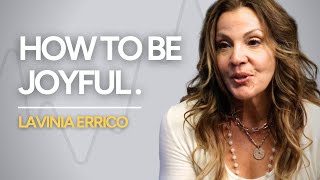
In this interview, Lavinia Errico shares how she designs a life centered on movement, emotional energy work, and authentic business practices. She explains the origins of MoveJoy—a short, accessible movement and breathwork system designed especially for women facing time constraints, health challenges, or life’s many demands. Lavinia describes daily rituals such as breathwork, cold plunges, infrared sauna, and spine‑focused movement that help transform negative emotions into usable life‑force energy. She emphasizes the importance of gratitude, community, and self‑love, guiding participants to honor all aspects of themselves. The conversation also delves into her entrepreneurial journey, from co‑founding Equinox to selling the business, confronting the “dark” side of business (lying, cheating, survival pressures), and choosing to mentor and consult rather than re‑enter high‑pressure ventures. Throughout, Lavinia stresses integrity, forgiveness, and aligning work with heart, offering listeners practical tools to start their day grounded and centered.
Chapters
My marriage started disintegrating and I didn't see that coming. So I was really feeling very heavy, very heartbroken over it. I couldn't, I mean, there were days I could barely get out of bed. Like I was just paralyzed.
Lavinia is the co founder of Equinox, the founder of Move Joy, and someone that holds personal emotional well being to such a high regard.
You have to realize our biggest competition in those days was happy hour. Instead of going to happy hour and drinking and mingling. And so now I had her say, no, you're going to come here and you're going to still have a vibe, it's still going to be sexy, it's still going to be hot, and you're going to be doing something really good for yourself.
All right, well, thank you guys so much. We have the amazing Lavinia Erico here joining us on the episode of the Billionaire Hour podcast. It's an absolute pleasure to have you on. Lavinia is the co founder of Equinox, the founder of MoveJoy, and someone that holds personal emotional wellbeing to such a high regard. So happy to have you on the podcast.
Yeah, thank you, Colin.
Happy, of course. Now I am very happy to admit that I'm the biggest person that prioritizes daily routine. So if I don't go to the gym in the morning, my day is not. Is essentially ruined. And I don't feel centered within myself. So I mean, you know, for, for someone like you, let's kind of just dive right in. I mean, what is. Do you have a very strict daily routine that you do every single day?
So when I hear the word strict, that makes that, that gets the like hair up on my back. So I want you to understand that for me, I have my rituals and that's how I view kind of my whole day is just these. And they're beautiful rituals. They're rituals that make me feel so good. I mean, my rituals actually start before I even get out of bed. And it does include movement for sure. And I also check in even though I have a plan on what it's gonna be the next day. I'm like, okay, I'm gonna, this is what my, my movement plan is gonna be. And I also connect to how I feel in the morning, you know, so if my body is feeling stiff or if my body, if I didn't get the best night's sleep. And my plan was to actually do a really rigorous exercise program, I'm gonna adapt to how I feel and I encourage people to do that because very often when we don't listen to our body and we're not like connected to our body and we're just following that rig of a plan, that's where people get injured and they get hurt and then they actually stop loving working out because it becomes a chore.
Yeah.
So I really encourage people. Like last week I had a plan that I was doing my weight training workout and my body, I got up and I was like, I need hot yoga. Your body talks. It talks to you. It's so beautiful.
Now how do you feel? I guess. How do you do this check in with your body every morning? And how do you know it?
Well, I mean, first of all, there's a lot of things. Like I wake up in the morning and before I even. I start tossing and turning and. Because I did a gratitude list and I just did that for years and years and years and now it's become a habit. You don't even have to write it anymore. And I just do that for about 10 minutes. Then I get up and I sit up and I literally start some very light breath work just to, you know, and I touch my body and I start saying, I mean, first of all, just thank you for waking up. You know, I thank my heart for beating all night. Because your heart never stops beating, right? You're sleeping, your heart still goes. So take a moment and I say, thank you, heart. You know, I look around and I really immerse myself in like how grateful I am, you know, because they always say that 150 people, 150,000 people didn't wake up in the morning. And something like 75,000 of them had no idea that they weren't going to wake up. So just waking up is a big
thing to be soaked.
Amazing. And so I kind of go through that. And then I notice when I walk, I get up, I go to the restroom, I'm like, that's when I start checking in with my body. I start noticing as I'm moving now, but I become aware. You have to be conscious. But most people do things so unconsciously. Like I walk to the restroom and I'm like, okay, how are my feet feeling? You know, how is my body feeling?
Kind of this, like daily check in with every single aspect, which makes sense because again, if you wake up, you're not feeling great. You know, going and doing a crazy workout in the morning is really hurting your body.
You know what? And sometimes I move things around. Like I might do a walk and yoga in the morning. And then by the 4 o' clock in the afternoon. I feel great. So I'm gonna get that harder workout in in the afternoon. It's not like I completely don't do it. I just kind of adapt to it, you know, but that's becoming aware. That's awareness.
I know that when we started, I mentioned that I have a very strict routine. I know that you said you have your ritual. So I guess, you know, having a strict routine, it sounds like you would obviously be against that and kind of checking with your body every single day.
Well, I mean, when I say strictly, people that know me say, my God, Livini, you're so disciplined. But I don't view it as. I don't. For some reason, I don't look at it. Maybe it's just also the way I word things, because when I hear the word strict and I hear the word discipline, it's like it feels rigid. It doesn't feel like I'm in a flow. Like you want life to be in a flow. It's so important to be and then to know. And I guess for sure there's discipline. And now for me, these have been things I've been doing since I'm your age. You know, I'm very lucky that, like you, I needed to work out. I started actually working out very young. I was a dancer, and as a dancer, and I was never thin enough. And I heard a young girl when I was in this professional group at about 12, say, well, too bad her body's more like a soccer player, not a dancer's body. So that began my fixation with having a better body, a perfect body, a perfect body, a dancer's body. And I didn't have that kind of dancer's body. I have broader shoulders. You know, I'm a more athletic body than that skinny rail. Especially in years ago, the dancers just all wanted to look like, you know, they were emaciated. Today, thankfully, dancers have more visible. So much more, you know, muscles are. Are very wanted right now.
It sounds like your, you know, your rituals you do every day are obviously, you know, kind of, as you just mentioned, attributed to your upbringing. I mean, where did you grow up? Did you grow up here in Los Angeles?
No, I grew up in New Jersey in Hackensack. Big Italian family. But my rituals, they weren't like family. I mean, I was very lucky that my mom was an amazing cook. Amazing.
I feel like that's a pretty common trend among Italians.
It is a pretty common trend.
That sounds amazing.
Growing up with Italian food, things did not come out of A things did not come out of a box, and she made beautiful meals every night. And so our food was. You know, my mom would read. I mean, going to the grocery store with her was the worst thing, because before she would even buy something, she would just sit there and read the cans. And I'd be like, mom, let's go. And it would be like, I grew up with that level of awareness, which is really important.
I mean, I guess, like, what kind of qualities would you get growing up in New Jersey with, you know, this kind of lifestyle that someone growing up in, like, New Mexico wouldn't get?
Qualities of, like, movement.
Like, in terms of your movement, I guess, your awareness.
I mean, listen, I don't think anybody thought about that in those days. I think my mom had five kids in two and a half years because she had two sets of twins. And we were very active. Like, we. I mean, I don't know, probably today we would have been called ADHD or add. I don't know. They didn't have those labels when I grew up. But we had a lot of energy. We just had so much energy. So the way she handled us was sports, movement. Like, you know, she didn't call it movement. She was like, go outside and play. You know, when she made sure that. I mean, we knew how to ride a bike at a young age, like, I don't know, it was just this thing to be more active. You know, they bought a big trampoline when nobody had trampolines in their backyard. Like, you couldn't go to, like, Costco and buy a trampoline. I don't even know. My father went to, like, a circus store and got a trampoline, so. So we could have a trampoline in our backyard because we got tired at the end of the night, and we would actually sleep.
Because you had a full day of movement.
Exactly. And so we grew up with it. And it wasn't like they were sitting around talking about wellness. They weren't. It was, like, a necessity. You know, we all. I started dancing at five. I was always dancing seven days a week. And, you know, and I always say, like, challenges very often open up the door to opportunity. And because I didn't have that dance body per se, I had to work out harder. So I was literally. I remember going to this one women's gym with my mom at a young age and taking the calisthenic classes, I think they called them then. And I loved it. You know, where most kids at, like, 10 or 12 would have loathed going There. And I couldn't wait. Come on, mom, let's go. Let's go to that.
So it sounds like from a young age, I mean, there was a lot of focus on movement, which obviously makes sense. Leading to move joy and these rituals. I mean, would you contribute, you know, growing up, always getting outside, being tired at the end of the day to a lot of the rituals that you have and kind of like your method, like your methodology now for sure.
Like, there's no doubt that. And again, some of them, I think were family rituals, though we didn't frame them that way. And then some of them were just more my own personal. My own personal. Through loving to dance and dancing and, and knowing that I had the kind of body that needed more than just dance class, that I had to work out more how to be more mindful of the food that I ate. My first year in college, I went to OU Ohio University, and I literally was jump roping for a half an hour down in the garage, sometimes an hour because that's all I could afford. And I would literally jump rope for a half hour. Then I'd have a deck of cards, and I take the deck of cards and when I would turn it over, if it was a king, I would do 10 push ups if it. And so at the end I would do something like 500 and I think was something like 585 push ups. And then I would do the same thing with sit ups.
Okay.
And sometimes I would do like two decks of sit ups, you know, like. But I was definitely a little obsessive for sure.
But it sounds like in a, in a very good way of, you know, kind of promoting movement. I mean, I guess it, you know, kind of like looking at your upbringing, I mean, it really sounds like this movement really encouraged you to always stay moving in all aspects. Right?
Honestly, Colin, when I look back, movement, it was so integrated into my life and it saved me in some ways, you know, like, I mean, my childhood was overall really good, but there were aspects of it that at times were hard and if I didn't have that, I don't know. Like, other kids got in, not my family, but other kids got into drugs or into alcohol. I never did. Like, this was how I dealt with anything challenging was through movement, you know, and I was lucky because at dance it wasn't just movement, but it was movement and community. So that's why I'm such a believer in both movement and community, because dance
is a very healthy balance of all of that.
It was, I mean, at times it can be, like I said, because you wanted your body to look a certain way. So, you know, I definitely, over the years, watched dancers, you know, starve themselves and clearly not get the nutrients that they needed, you know, Cause they were just eating lettuce and espresso coffee. So, yeah, there were definitely some negative. But overall, you know, you're moving. And like I always say, movement is life, and life is movement. Like, just keep moving, you know? And also because when you move your body, it also allows you to have a more adaptable mind. Because one thing I know for certain, when you're dead, you're not going to be moving.
So now's the time to move again.
And you want to move, but you want to move. You know, you want to flow, you want to move in the right way. You want to understand movement. Like, when you really start understanding, like, to even understand that every single organ in your body is connected to your spine.
Wow, I didn't know that.
Right? So the spine. You want to keep that spine healthy. You want to make sure you're moving your spine in a certain way. Because again, the cerebral fluid that is in that spine, when you move. And the spine moves six ways, it moves front and back, side and side, and twist and twist. So you want to be moving like that. You want that cerebral fluid. The cerebral fluid is what nourishes your desks. So when people are just laying down and lifting and doing those kind of workouts, they're not getting their spine moving, you know, so it's like, for me, it's about knowing how to really move your body in ways that it's nourishing it, really nourishing it. Now, once you've the nourish part of it, then you could go do the heavy lifting or some of that. But get in that really good work. Get in that, you know, cervical spine that you're moving it and getting. So it's like, for me, movement has so many things. And then, you know, I always say that, like, the neck, the cervical spine is the bridge between the heart and the mind. So if people have all these stiff necks and rigidity, they have all these lymph nodes here. This has to move, you know, if that is so tight, you know, your traps get so tight from lifting a certain way and you're moving your neck, the lymph isn't moving, you know, like, there's so many things, other aspects of it that need to be looked at other than just the traditional workouts.
And by starting every single day, I mean, energizing that movement and starting it. I mean, you're right. Like, waking up, doing the same weightlifting routine and stuff every single day is not really going to target a lot more of, like, the fuller body movements.
Exactly. Like, you know, the motion. I always say that motion is our lotion. But most people, when they go to the gym, you know, they do this, like, stretching, and it's not really doing much. So for me, it's like, I love breath work. I love breath work. And I've done breath work now for maybe over 10 years. But what would happen is you would go to these amazing breath workshops. And I was like, oh, my God, this is so good. And you leave. You're high, you're on a dopamine high, and you're like. But then you don't do the breath work till the next workshop. Yeah. So that's kind of what I. So what I started doing a couple of years ago was adding when I tell you when I start stretching in the morning, when I'm doing my oil pulling, right? And so even with that, I have the oil in my mouth and I'm doing breath work while I'm moving my body, right? And then once I get it out, I really move. I'm moving and I'm moving just with the breath work and to really release. And, you know, when you sleep, there's your unconscious is speaking, so the dreaming and stuff, that can even make the body tense. So you want to release all that energy, you know. So, you know, for me, when I listen to all these people with all their biohacking, I mean, it's all great. I've been doing infrared sauna since 2001. And the same thing with ice. I mean, we actually had a cold plunge in our Equinox on 63rd Street. And that was in, like, I don't know, 1998.
Wow. So you guys were the pioneers there of that.
I mean, here's the deal. Nobody used it, but we had it. I mean, we would have to literally bring people in there to get them to go from the hot to the cold. But, yeah, so we had that in our. The cold plunge then, you know. So, yeah, we were definitely ahead of our times and things like that.
Now I am very excited to get to the Equinox discussion and kind of dive deeper into move joy. But I think one thing that is a lot of, like, really prevalent along a lot of entrepreneurs is your child and your upbringing really completely catapults you into life. So for a moment, I want to dive deeper in your childhood. I Know, you said that you used movement as a way to kind of get out there, separate from some of the struggles that you were going through. Do you mind extrapolating on that a little bit?
Well, like I said, dance was definitely something that I started young. But you can imagine being in a family with my mom had five kids in two and a half years, and then she had another one. Like, that's a lot of kids. And so, like, the house was a bit crazy, a bit chaotic. You know, she was an amazing mom, and she also had a terrible temper. So, you know, how you would deal with that could be, you know, a bit challenging, especially as a young. And I was the eldest. I have a twin brother. So I always was trying to caretake everything. I was always trying to manage her temper in a kind of weird way. Like, I would even run home from school at lunchtime. My mom was working, and I would come home at lunchtime and clean the house, because if she came in and there were, you know, all of the cereal dishes on the table, it was like, that could stir her up. And I just wanted us to all come home from school and have peace. So I would literally. I remember putting the chairs on top of the table, vacuuming, you know, sweeping, and then mopping the floor so that when she came home, the house was clean. I mean, that's a lot for a fourth grader, definitely, you know, or a third grader, you know, And I didn't. I did it because I loved her. I did it from such a place of love. So that kind of energy and that kind of anxiety, so to speak, as a young girl, like, always waiting, like, is she gonna have another rage thing? Like, that was. It was. And as amazing my mom was, like, she was amazing. And I totally, like, just so you know, I love her and I forgive her, and there's not, like. And I also know I wouldn't be the woman I am today if I didn't go through those challenges. So I don't have any resentment for that, because I know I am so resilient. Like, there's. I have this strength that I know I have because of some of those challenges. So there's no resentment there at all
now with those, you know, like, you know, having, you know, that childhood. I mean, again, like, your childhood kind of crafts you into the person that you are. And I think that every single person has that moment where, you know, as they get older, they recognize their childhood had that impact. So I guess for you specifically, like, at what point did your view of the World change, where you kind of recognized the power that your childhood had to catapult you into this great life that you have.
Well, first of all, I also want to say that my dad owned Delis Delicatessens in New York City. And because we were so many kids, when we were off from school, you know, my mom couldn't have six of us home, so she would send the three big ones into the deli with my dad. The three little ones would stay home and play or whatever. They were younger. So I literally was working in my dad's deli at, I don't know, six or seven years old, going into work. And here was the thing. I loved it. I remember when he went. When he got his first cash register, and I loved playing. I would stand. Literally stand on a little stool and. And let me take the money. I want to take the money. And I loved it. Like, I loved the whole energy of it. And my dad's deli was in, like, Hell's Kitchen. So do you know Manhattan? Okay. So it was colorful. And in those days, it was, like, really colorful because the prostitutes were coming in. And, like, it was just a lot
of different people that you.
A lot of different people. And I loved it. Like, there was texture, and I just loved going in. I loved everything about it. I loved.
And how old were you at the time when you were.
I'm telling you, I was like 6, 7, 8, 9 years old. When we would go in and meeting
a lot of different people and having that kind of responsibility in your dad's business, I mean.
I mean, I didn't have a responsibility, but it was sort of like, you're going to work with your dad. So at first, because my dad worked very early, he would drop us off in my grandma's apartment, was upstairs, but I couldn't go back to sleep, so I was running back downstairs. I'm like, I'll make donuts in the back. So I'd make donuts or I'd butter the. And until I was old enough. And then I loved taking the money. I don't know, there was something about the energy of money. And I also loved to, like. I would, like, take a product and put it on the side of the cash register and see if somebody would buy it.
So there were some, like, saleswoman challenges.
I love that. I didn't know it at the time, but it would be like, oh, I noticed when I put the M and M's there, they buy. It's an impulse buy. So it was just like, I don't Know why? You don't know why that gets you excited? Like I was that kid that, that got me excited, right? You know, like I remember when the, the Drake's guy would walk in and, and somebody had to count everything to make sure he was delivering what he was supposed to. And I'd be like, dad, I got this. And I would grab the invoice and I would sit there and I would count it. I, I just loved that feeling.
What about that feeling? I guess you know, gave you that excitement. Was it the being in control? Was it having that responsibility?
I think there was just something very grown up about it that I liked, I liked doing at a young age. Grown up things. You know, when you master something, that's where your self esteem comes in. Like, you know a lot of people don't know how to build self esteem on kids and the truth of it is is when they learn how to do something that they didn't know how to do before and they're like, I know how to do this. So going to my dad's deli every day, I kept learning. Like even math, you know, it was like before you knew it. I knew I wouldn't even have to add it up on the cash register. I knew how much the coffee, the ham and cheese and the M&MS. And the apple were.
Probably a lot better than learning through your typical kind of a workbook.
Exactly. So like by the end of the day I was like, I felt, I mean the truth of it is what I learned was that was my self esteem. Like I was like, oh, I got mastery at something today. I wasn't just staying home playing with dolls. And by the way, I believe that's what keeps me so youthful today. I still have that same level of curiosity of love, learning something new. I don't care if I'm learning it on YouTube, I don't care if I'm learning it from myself.
Are you a big self teacher? Are you like youtubing a lot of kind of tutorials?
Yes and no. Because I'm also somebody that you know, I need to touch it and feel it. I'm a tactile learner, I'm a visual learner. So that's one way. But like I just got a starling.
Oh nice.
Yeah, yeah, I just got a starlink. So yesterday I'm like putting it together
and figuring out was there like a YouTube tutorial on how to set it up?
Yeah, well my son, I have a 30 year old son so he's really amazing at helping me with that. But I got really excited when I was reading about how you do it, where you do it. Like, I listened to him, but then I said, but let me figure a little bit more. So it's like, I love that kind of stuff. You know, I love learning something new, but no matter what it is, I don't care if it's wellness, beauty. I mean, of course it's the things that I'm interested in. And then sometimes not. Like, sometimes it's like when I have somebody at the house and it's something they're interested in, and I start learning more about artwork or. So it's like, I still have that same level of. Of curiosity and the excitement. Like, literally, like, there's an excite. You know, I love the word enthusiasm because enthusiasm, the root word, means with spirit, whereas passion means with suffering. So I never really connect to the word passion once I kind of understood that there's suffering in that, you know, so excitement and enthusiasm are things that keep you youthful and, like, keep the brain working and keep the dopamine going naturally. Right. So, like, that. I had that by nature. Like, I feel very blessed that my nature, because, you know, there's your nurture in your nature. So my nature was that I was that person. I was curious. I wanted to learn. I enjoyed the. I enjoyed accomplishment. Like, I really realized that I enjoyed almost to a fault that my whole identity became my accomplishments. And I actually had. After we sold Equinox, that actually became a real issue for me, really, because I didn't know who I was, because I was only. My whole identity was all my accomplishments.
I think a lot of entrepreneurs can kind of get, you know, like, tied to their business where, again, like, they're. I mean, I think being an entrepreneur is a very individualistic thing where, like, you were building this business, the business becomes you. So obviously, to have a big acquisition, it can feel, I'm assuming, like you're kind of losing that.
That.
That part of your.
But, you know, it's very common when your whole life was accomplishment, accomplishment. So for me, it was like, accomplishment as a dancer and. And these kind of accomplishments, you know, accomplishing something and feeling good, and then what's the next thing I can accomplish? And. And even if I didn't get. It wasn't about getting accolades or notoriety. It was inside of me.
Yeah.
You know, so it was like, I did that. I did that. I did that. Like, the accomplishments, like, you know, getting into the professional group at a young age and then doing this and then getting into good colleges. And then becoming a Rockette and. And then, you know, this and then just all these accomplishments you have, and then it was time to do Equinox, and then it was just that. And. But then you sell and you don't have to work. There's enough money that you don't have to work. But then it's like.
Like, finding the next step. Yeah.
Like, I didn't. Like, it's really interesting because I was so excited, I mean, like, that year that we were gonna be selling. But I thought every day was gonna feel like the Fourth of July. You know how, like, the Fourth of July, it's like, there's fireworks, there's excitement, there's the delicious watermelon that you're eating and the smell of barbecue. Like, I don't know, like, every day, like, there's a.
The energy on Fourth of July is very different when everyone's over, everyone's celebrating.
Exactly. And the smell just. Everything is Just smells. Everything tastes better, smells better, feels better. It's just. It' effervescent thing. Right. I just thought every day was gonna be like. And it was the polar opposite. I literally, like, we sold in December. We cleaned out our desk. We did all that. That was a little bit emotional because a lot of the people didn't know we were selling. They kind of thought we were maybe merging or getting a. I don't know what they thought, but we weren't really, because what we were selling was our whole team. And we didn't want people to leave and, you know, get afraid, oh, my God, new people are gonna come. I better go get. You know, I could go to drop off now to take my son to drop off, which was not something I could do, you know, because I was usually getting picked up at 7 o' clock to go and tour all the clubs. So now I go, and I'm walking out. I'm walking off the playground. He was in school in New York City. And I'm walking off the playground, and, you know, first I was chatting with the women a little bit. Everybody, we're back. And all of a sudden, as I'm walking out, it felt like somebody muffled my ears. And the whole playground just went like this. Wow. And I stood there for a second, and I'm like, what's happening? I'm like, I'm 41. Like, am I having a stroke? Like, I was in the best shape. Like, what's going on? Like, am I having a heart attack? And a couple people like, are you okay? I'm like, yeah, I'm Good. I'm good. I'm just a minute, you know, Queen of wellness. I can't look like I'm having a heart attack, right? So I'm just like. And I. I walk home and now I'm in this, like, big cloud. I can't even explain it. Like, everything feels muffled. Like, you know that feeling? And I climb in a bed and I call my mom, and I'm like, mom, like, I don't know what's happening. She's like, what's wrong, sweetheart? And I said, mom, I can't. I can't explain it. She goes, you know, it's been a month. Like, you've had a lot to process and, you know, just go to get into bed and rest a little bit. It's been a big month. It's been a big year. You know, you've just had a lot. I had Zach on a Monday, and I had an entire marketing meeting at my house the following Monday after a C section. So there was no, like, no time
to rest at all.
There was no, you know, six week maternity leave. Or now I think they take a six month maternity leave. None of that. And I didn't stop, like, it was just nonstop from before then through them.
You know, for you specifically, like, what gave you the courage and the determination to do that every single day?
I mean, first of all, I have to say, Equinox especially, it was the three of us, me and my two brothers. So. And what was great there is that each one of us had, like, a different lane, a different expertise. Even though things did cross over, of course, because there's so much to do. But, like, for instance, my one brother did the money and the real estate. I mean, we couldn't do that without him. I couldn't do that. I think I'm even good at buying a house with money. That's not my skill set. So when I look at that, like, getting the money, raising the money, getting the real estate, I couldn't do that without. Now, my other brother builds and still is a huge builder. Builds the most beautiful, you know, clubs and buildings and builds things. He's a builder and, you know, and then could go and all the equipment and, you know, so it really was like, I always look at it and say it was a magic. Not just magic, it was the magic. The expertise, the tenacity, the commitment, the resilience, like, all of that in there.
And that makes a great partnership. Now, I know you were just sharing about how having the enthusiasm to do that every day, would you say That's a driving factor for you, Daley.
I mean, look, there were days where it was hard, but, you know, I by nature believe all young people should be doing a deep dive in personal development. And I started young because I liked it, because I was interested. I was interested. Like, you know, I was so in love with the body part of it, but I realized the mind was just important before it was cool. So thusiasm and excitement, like, sometimes you have to train yourself to do it. It doesn't. Like, for some people, it doesn't come naturally. And there's even days now where, like, I have to go, leven, we're gonna put your big girl boots on today. And you're gonna put a smile on your face, and you're gonna fake it to make it, and you're gonna go through this. And you know what? Once you do it, and for me, I have this. I do this thing that I now call move joy. But I do that, and that gets the oxygenation in my brain. It gets me going, and I can now it, like, it clicks everything, and I'm like, yeah, I got this. It was a fight, like, every day we were fighting, like, every day it was. You know, we had to fight to get our numbers up. We had, like, every day you had to do that. And I guess I'm a good fighter. We were all good fighters. Like, we. We didn't grow up with a silver spoon in our mouth, you know, we grew up. You gotta go out there and make it happen. You gotta go out there and make that happen. And so we had that. We had that resilience, that determination to do it, you know, which I think is sometimes sad for some of these generations now, that they don't have that. You know, they don't have that belief, like, if I lost everything tomorrow, which I don't want to lose, so, God, please cancel that. But I'm using it as an example. I know I might not go back and make the amount of money that I made, but I have it in me. Nobody can ever take that from you. You know, I know the grit, who I am now. That doesn't mean. Without my brother Danny, that couldn't have happened. Without my brother Vito, it couldn't have happened. But I was still in it there. Do you know what I mean? Like, when you own that your hands have been the ones that got dirty, you've got those calluses on your hands. You know what it's like to not be able to cash a paycheck for weeks because there's no money. You know, I know what that's like. I know what it's like to eat at the juice bar or places that we had barters with because there was. I couldn't cash a check, you know, that doesn't scare me. You know what I mean? Even today, that doesn't. Like when you've been there and you've
had that experience in that and you
also know everything's gonna be okay. Like, you have that faith inside of you, it's gonna be okay, will get through this, you know, because what gives you that knowing it's all going to be okay is because you've overcome other challenges, you know, So I always say, don't take that away from kids. Don't take that away from young people. Let them own those challenges. Don't try to safety net them, you know, because that's what gives you the. Like, entrepreneurship is hard. I mean, I have been mentoring people for 15 years and let me tell you, I'm usually mentoring you out of going into being an entrepreneur, not into it, because I know what it takes and it isn't for everyone. And even though you're saying it, I watch your behaviors. I'm like, you're not an entrepreneur. You are not an entrepreneur. You're not.
And having to talk people out of that must be very challenging to talk them out of wanting to go down that path.
But I guess, well, you know what? I don't, I give them some things to do, okay, great, let's go do this. Let's do this. And they can't do it. And if you can't do it, you can't be an entrepreneur. Like, that's what it takes.
Now being an entrepreneur obviously is very, very hard. There's a lot of challenges now, I guess, you know, like for example, when I started at Amalfi, I was 19, right? And I think one of the hardest things that I struggled with was kind of that like imposter syndrome. Every single day of, you know, listen, the company's doing great. Like, this feels fake. Like I feel like I haven't earned this. And it was hard and it still is hard on a day to day bas as you grow a business. I mean, what are some things that you've personally struggled with that you've overcame that you recognized as you were building?
You have to also, this is my opinion, you have to have a business that you know is helping people or is impacting on some way their life. You know, like that's for me, like, I don't know if I could ever be successful in something if I didn't see that it was going to impact people's lives in some way for the better. But that's just my own personal thing. So when I do, I'm very driven by my number one core value of service. I didn't know that at the time, but I know that now for sure. Service is my number one core value. So when I have that in there, no matter how hard it is and I know I'm going to help people, that makes me unstoppable, you know? Now, that doesn't mean you have to look at doing things different. Like, sometimes you're like, okay, I got to. You know, I've got to. We used to say, cut the bleeding. You've got to stop the bleeding. Right? You've got to say, okay, this is bleeding us. We thought. We thought we were going to be getting more revenue through that situation, and we're not, so we gotta stop it. I mean, and it's hard because sometimes you've put a team in place for that, and it's hard.
It's like that sunk cost fallacy where you've spent so much on it that you wanted to work and you wanted
to work, but at one point it's just not working. And that takes courage to stop that. That's why I say it's not for everyone, you know, because sometimes I think I don't have them because I care too much about everybody. You have to be able to remove yourself from those things. And that's not easy to kind of like.
Because again, I think when you're building business, especially when you're building from the ground, you're close with all your employees and you're making decisions that affect them.
So having a vision, you felt like they were family. Yeah.
Now, I love what you said when you said that, you know, when you're building a business, passion's there, and I'm the big, like, the biggest proponent of. Every business needs to have a mission greater than themselves.
Oh, yeah, for sure. But that's service. That's. That really is the service part of it, Right. That is like, how are we. Like I saw with Equinox, and I always, like, feel like I'm, like, I'm a combination of artistry because I was a dancer and that, and community. People, like, everything for me is people, how do we help? How do we make. I remember my one brother saying to me about my front desk staff, lavinia, we're not running a halfway halfway. You have all these young people on here that are. And I'm like, well, this one just got out of rehab. 18. This one just got out of that. He's like, lavinia. But you can't keep hiring people like that. But that's what I wanted. I just wanted everybody to find something here. And I think there was something about that, that I was hiring people that were maybe struggling emotionally and, like, come here and we'll be your family. We're gonna make you safe. Sometimes it worked, sometimes it didn't. But that's. I probably hired more broken birds than anybody I know. Wow.
And building Equinox was like, kind of your passion there on the service aspect to build that community for people to feel comfortable going to.
And I don't even know, honestly, Colin, if I was aware of it at the time. I can't sit here and say to you I was. No, but I know that that's what was happening organically. The people that I was attracted to, like, even the woman that I. The first employee that we really hired, they were other women that had so much more qualifications. But I wanted her because there was a feeling that I even felt. The energy between us felt great. And I just felt it. I felt like, no, there's gonna be something special here where all these other women were coming and they ran squash clubs and they ran these clubs and they had all these big resumes. But I knew that we needed something different than that.
And I guess. Would you attribute that to being one of the biggest differentiators of Equinox?
I think so. Like, I really feel like in the beginning, for sure, that there was this collectiveness that you couldn't put your hand finger on. Now, first of all, you walked in, it looked different than anything else. Our first club was very industrial looking, you know, but cool. Like, really industrial cool. Nobody had nothing had looked like that. You know, you have to realize our biggest competition in those days was happy hour. We had to get people going at a happy hour. Instead of going to happy hour and drinking and mingling and meeting people from the opposite sex. Now I had her say, no, you're gonna come here and you're gonna still have a vibe. It's still gonna be sexy, it's still gonna be hot, and you're gonna be doing something really good for yourself.
I just think it's interesting that you're saying that because, like, you know, there's literally times after work where I'll go to the gym and maybe I'll win in the morning. But the community and the people you're meeting is irreplicable anywhere else. And I think that's really amazing. So we're gonna dive deep into moobjoy. So tell us about movejoy and your vision for this movement.
So first of all, I think I told you earlier that I believe very often things that come to be, come to fruition, seeds that maybe are planted, come from hardship or come from pain. So I want you to know, for whatever reason, the trajectory of a lot of my success in creating things comes from something negative happening. So it's the way it is and I embrace it.
And I think embracing those negatives and turning them into the positive sense.
Exactly. And say, what did I learn from this? If I'm going through this shit, other people are going through it too. So again, how can I impact? How can I be of service? Like, for whatever reason that just always is there, even when I'm not conscious of it, it's there. So. 2020 comments. Like the rest of the world, everything is in a crazy place. I start my little crazy journey and by nature I happen to have a lot of anxiety. I'm just somebody that from a young age, anxiety was part of part of my life. My marriage started disintegrating and I didn't see that coming. So I was really feeling very heavy, very heartbroken over it. I found out one of my, who I thought was my hero of my financial guy was making investments and things that was making him money and not me money. So that was like a little bit of a. And then I had another family situation that I, to this day, I really don't understand how it went from that to that. And the next thing I know, I'm being served with paper saying I'm going to be served. I'm going to have a potential $100 million loss. So those three things, I mean, Colin, when I tell you, took me out, like, took me. All those beautiful rituals that I had, I was still doing and I never felt so I couldn't. I mean, there were days I could barely get out of bed. Like I was just paralyzed. It was just really. I mean, I don't even. I can't even explain what my body, what my nervous system was going through. It was just something that was really horrible. And then that lawsuit, it was like, what? Like I was just like, how? How like, you know, and like I didn't want to put all this on my son. I have one son. And what it, you know, this is his mom who he loves so dearly. And so I was trying to act strong but in the meantime, I was just like. I mean, it was a lot, especially,
I mean, by yourself and not to have someone to bounce. I mean, did you kind of talk to your son about it and was he helpful or.
Yeah, I did, but. And of course, I have great friends, and I have. But, you know, everything was so sacred, you know, it was just like, I didn't. You know, I didn't want it to be public. I mean, not that I'm a super public person by any means, but I was also. I had a lot of shame around it. I had, like. You know, and the first thing I do, because I have done my work, I point a finger here. Like, how am I responsible? Where am I responsible for this? How in the past, I always would shrink. Like, I was the queen of being able to dim my light to make other people not feel inferior or like me. That's another podcast. Because a lot of times people like us have a light, and that light can make people feel. But at this stage in my life, damn, man, I did not see that happening, like, at all, you know? So I never really consider myself a very religious person. I consider myself more a spiritual person. And I literally found myself on my knees praying. I didn't trust myself after that. I didn't even trust myself to pick the right financial people. Like, everything just crumbled. Like, my belief systems, my trust. I was just like, how? And I had already been teaching an online class to more just being of service. It started more from my friends in New York that were in terrible lockdown and they weren't working out. And when we would do a zoom call, I'd watch their energy. I'm like, guys, come on. Like, you need to get it back. Like, unconditional love. Well, we can have unconditional joy. The world could be falling apart, and we could still have unconditional joy. Like, we can do that.
I love that.
So, you know, we may not be feeling happy, but we're gonna, like, we're gonna create some joy. So I was teaching, but more of, like, a regular exercise class. Just again, family and friends and friends would invite friends. It was all on zoom, and everybody was loving it, and they were getting happy because they were getting fit and. Well, anyway, so now I have this, like, cathartic moment where I'm, like, on my knees praying. Couple days later, I'm in bed, and I'm like, now I'm writing and I'm praying and I'm writing and I'm praying, and I'm, like, kind of falling asleep. And I literally feel this. Now, don't think I'm we, but I literally feel this thing go. Like. Like somebody came behind me and pushed me and said, move. So I like, move, move. Like, what does that mean? And I was, like, literally in that cloud. Like, almost like that cloud that I talked about after I sold Equinox, the same type of thing, but this was more like a depression. Like, I was depressed. A few days later, I'm outside. I'm sitting on my outdoor furniture. I have this big, beautiful kapok tree, which is an amazing tree because it's huge, but it has. Has silk and it has flowers, and it just keeps blooming. The most amazing things. And I'm sitting under this tree, and again, I'm, like, resting my eyes. I'm getting outside to get a little bit of vitamin D and in my long bones, and I'm falling asleep, and I get that same jolt. And it says, move. And I'm like. So I stand up and I start moving my body and I stroll, breathing. I start moving my spine, and I start moving and I start affirming, and I start saying, I am strong, whatever I'm saying. And I'm kind of almost like, praying. I'm moving, I'm praying, I'm visualizing. You know, I'm doing my Joe Dispenza, visualizing certain things, and I'm doing it. And I did this for about 20 minutes, and I opened my eyes and I was like, oh, I feel a little better. Came outside the next day and did the same thing. Moved. I prayed, I affirmed, I visualized. I moved a certain way, my spine. Prayed. Came back the next day. And about six weeks to a month, two months. I don't remember the time, but all of a sudden it was a Friday. And all of a sudden I'm like, oh, my God, I feel better. And then I started taking what I was creating, putting some. And now I started incorporating that into my class that I was teaching with these women online. And they loved it. They're like, oh, my God, I love all this new stuff. And by the way, a lot of the women that we have are not women that will go to. They're older. And that also made me start looking at things like, you know, 92% of all women over the age of 38 hate their bodies. 92% hate their bodies. So when they go to Equinox, Soul Cycle, Barry's Boot Camp Orange Theory, wherever they're going, they're going there. I gotta change my body. I gotta get fitter. I Gotta get rid of cellulite. I gotta get rid of back fat. They're never going to. I love my body. Oh my God, I love my body.
There's like that lack of self love. And I think that your classes give people that.
Right? And this is really about, we move, we celebrate. Like, we celebrate that we get to do this every day. Number one, that we live in a country that we have the freedom. Like, hello, there's other countries where you don't have the freedom to get up and I'm gonna move for an hour. Just come in and start moving your body and find like life is movement. Movement is life. Just feel the life in your body. Let's just connect to the life in our. Like, like I have a saying that goes, holy shit, I'm alive. Like I'm alive. Like, let's celebrate that today. I'm alive and let's just celebrate.
And they feel this sense of, of love and affirmations they're getting from their class. So they keep coming back. I mean it's literally kind of what you mentioned about Equinox. Like you're building this community where people want to go and they like the people that are around them. And again, it's not like a you have to do this every single day. You're coming here, you're moving and you're feeling that. Now are most of your classes in person or online?
No, all online. Right now we have a platform, we do it live. And then of course the app has people that can do it and we do. I even do like micro doses of it. So I believe get even. If you do your half an hour workout in the morning or 45 minute workout, you should move, you should do some other things too, you know. So at 4 o', clock, when most people want to grab for some kind of sweet snack because their sugar levels going, we do three minutes of this. So like for me, like this morning I didn't get my. I didn't get a full workout, But I did 15 minutes of this. Now I'll go back. I might even just go stand outside and wait for my ride and do 15 minutes right outside. Like I do it, I can do it anywhere because I want to just keep moving. I want to keep moving the energy in my body.
What are the main things that you know with movement that you want people to take away from movejoy?
Well, first of all, I want you to realize something thing. Do you remember the law of thermodynamics?
Yes.
Okay. That universal life force energy. It can't be created and it can't be destroyed, but it can be moved. We have life force energy in every one of our cells, right? Well, through the course of a day we have all these emotions. 80% of the emotions are negative. Those negative emotions effect, they move and they transform that life force energy. So we have to know how to get our life force energy back. Okay? So I want you to think of movejoy the same way you floss your teeth, the same way you use a water pick for your hygiene. You are using MoveJoy to change the life force energy in your body and
transform this negative energy into positive energy.
And it's not really even negative energy. There's a negative emotion and there's energy that comes with that and that lives on us. And when you just have all this wary fear, shame, betrayal, resentments, jealousies, all the not enoughs, not smart enough, not young enough, not beautiful enough, not skinny enough, all those things living on our body, it transforms our life force energy. So you want to change that energy. You want to change that energy. Like after you do it, just do 15 minutes of the move Joy. Then go to Equinox and workout. Do 15 minutes, go to Soul Cycle. Do 15 minutes, go to Barry's Buchanan. It's not in lieu of now I do have a movement part of it. Especially more for the women who, you know what, at a certain. First of all, if you don't have 15 minutes to get there or 20 minutes to get to the gym and get in and go to the locker room and do this and do that, what happens is, you know, people have said to me for years, Colin, Lavinia, design me the best workout. What's the best workout for me? And I'm like, the one you're gonna get in today, that's the best workout. And you know what? If the only reason way you're gonna work out is if you go to that gym and you're not gonna be able to go to that gym because life shows up. And especially as we get older, you know, you have your own children that you're dealing with, you have your spouse that you're dealing with. You have your problems, then you have your aging parents that you're dealing with. You have your own menopause or post menopause or pre menopause. All the feelings of an alien visiting your body and not feeling good. There's going to be a thousand reasons why you're not going to get to that gym. So if by not going to that gym you're not going to get movement in, then that's not a good plan. There has to be a plan that there's an alternative. What am I going to do if I don't have time to get to that gym today? Because the chances are they're not going to be able to. You're 23 and you're on your own, so you can pretty much get there. But when you start dealing with these other layers and layers, there's always a reason not to get to the gym. We need to be able to do things that we can move that beautiful body, move your spine, get that heart beating, get those lungs expanding, get those muscles working so that our metabolism stays strong. That's why I love movejoy. We make it fun. Like, it's fun. Like, it isn't. Like, ugh, I got like. Like these women. Like, I have women that have rheumatoid arthritis, that have lupus, that have all kinds of stuff, and they have to move their body every day. Even when they're in pain. They don't have a choice. But you know what? They're so excited to do it. You know, there's. It's community. We start with a gratefulness practice. You say, I am grateful for. I am grateful for. Like, we start with that. Then we start with this breath. Like, you know, we get the oxygenation in. Then we hold our breath. And then I say, I'm going to get you a little high on your own supply. Get them a little high. And some of them haven't felt that. And they go, wow. We do that again. Then we start moving in a way where we're releasing the energy we're releasing. And we say, I release. I let go. I let my spirit flow. I release. I let go. I let my spirit flow. We want your spirit to flow. We want your soul to flow. You know, when you're in your body and you have that, like, you feel strong in your body. Like, it's like, I feel strong in my body. When you feel strong in your body, it's like you feel strong in the world. You feel strong. When we go through these crazy fires and evacuations and everything that my body's strong. I'm going to be okay. You know you want it. That's an embodiment.
Now for our audience listening, how can they get involved with movejoy?
Come on. To movejoy Life. And I would love for them to come on. I'm happy to give them a couple weeks free to join us. I mean, through the course of the day, it's your thoughts, your words, your actions. Your attitude that create your life. Right. And this really does help with that. You know, you want to start your day in a good. In a foundation, you know, like, you start your day in a way where it's like, okay, I'm grounding myself. And you ground yourself. You learn how to, like, really ground yourself and get into your body, get into your mind, so you're not just constantly going everywhere else. And especially with this Instagram and all this social media, it's easy to get out of here and go everywhere else, you know, so have a tool that brings you back to you. Like, brings you back to center you, you know? And for me, it's this. I mean, I can literally do literally 90 seconds of movement with a certain breath work and come right back to me. And let me tell you, I use this a lot. During the fires, we evacuated almost six times over the last two months, you know, and I literally. With my anxiety and where I could go, but I didn't want my heart rate to go up to that. I wanted. I needed to. I wanted to keep my health in the right. I just had this n 90 minute do my breath work and I could just get myself back into that place.
So if our audience starts their day with movejoy, and obviously, I'm sure it's open to everyone.
Yeah, well, we really cater to women. Like our on live classes are women, but certainly all of our micro. The dosing and all the small ones. Yeah, that's for everyone. Even in between meetings. Like the other day, I got off of a tough meeting with the attorneys and with people like that, and I had to jump onto a marketing meeting and I just did.
Yeah, having a way to center yourself.
I had to change the energy because I could feel my jaw was tight and I was like, literally two minutes of that in between meetings, and now I get on there and they're like, oh, my God, Lavinia, you look great. You're glowing. And I'm like, yeah, it's good.
I want to end with what you said in the beginning, which still has really resonated with me on the importance of self love, because I think. I think that touches on a lot of the different things that we spoke that we kind of talked about. What role does self love have in your daily life when you're building a business or if you have a job in a career? And I guess how important is that?
I mean, I think it's so important because. But that is gonna mean doing the work. That is definitely gonna mean doing some of this internal work. So you know, when you are connected. So even if you're gonna say, I'm gonna do this. Cause I don't really want to do it, but I'm understanding. It's part of the job of where I need to go to get to the next place. You're doing it, and you're able to talk yourself through it. You know, there's an understanding to say, I don't really want to do this. But it's like, that is better than saying yes to something and not acknowledging inside of you that that's not really what you want to be doing. You know what I mean? Because you're saying, but I'm choosing to do it, not doing it from a place of victim, because there's another energy there. So I do think doing that internal work to love yourself and love. And here's another part. Love all of you. Like, we all have a dark side. We all have an ugly side. At the end of our class, we end with. We give ourselves this big hug and we say, I love you. And I say, say your name. Say, I love you. I love you, Lavinia. And I said, I want you to understand. I want you to love all of you. The gossipy side, the moody side, the nasty side, the mean side, the beautiful side, the genius side, the generous side. Because as human beings, we have all of those. We have all of that, and we have to learn how to love all of that. You know, like this encompassing of loving. Because we're human. We're never gonna be perfect. You know, we just. We're never gonna be perfect, right? So when you just say, I love you, girl, and you're doing the best you can, you're doing great, you're doing the best, and I. I love you. Just keep. Keep going. You know, when you do that and you. And you've done the work, though, like, you have to. And do the work. Like, you have to know the things in your life that aren't, you know, that don't. You know, for me, it's all about integrity. Like, I'm not gonna do anything that's out of my integrity. And trust me, I have. And that's why I think business is also hard. Because sometimes you gotta, like, almost, you know, lie, cheat and steal to get somewhere. Like, I hate that. And I hate that part of the business. And you know what? It's like, it's there. It really is there. And there's a part of me that's, like, today, I don't want to be part of that. Like, I'M just like. And maybe it's easier for me to say because I don't have to worry about putting food over. Food on the table for my kids. I don't have to worry about putting a roof over my head. But when you're first making that work, there's not a lot of boundaries that way. I mean, there's just not. It's fucking ugly. It's ugly. You know, when I go back, I'm like, oh God, forgiveness. I gotta forgive myself for that. I gotta forgive myself for that. I gotta forgive my. Gotta do a lot of forgiveness work. Just in business because you kind of had to screw people over. You had to schmooze them and lie to their face and say, yeah, like we're in this together, we're partners, we're this that we're not part of, you know, like, or whatever it was, you know, like when I look back now, I was like, oh, ooh. You know, I mean, but that's the real deal. Like, that is the real deal, which people don't always talk about, right?
And I think it's important to share that kind of authenticity of what it is like to do that. And that's kind of.
And that's probably why I haven't done anything again, because I didn't move to something. Well, move to something and it's aligned with my heart and it is, but I'm doing it from a different place. But like when I, I mean, look, the first time we sold. When I say the first time, I mean we've completely got out of that. Completely was. I think it was 2007. But I had so many opportunities. I mean, Everybody when my 5 year non compete was up, wanted me like celebrities that wanted me to help them make a chain and do this. And I thought no, because I know the bullshit part and I don't want that anymore in my life. Like, I want to just live a little bit more in the light. And I just felt there were too many things about business that is dark. And I just didn't, I didn't have to choose it, so I didn't want it. So I consulted more and I mentored more because I have to get up in the morning and participate. Like, I can't work out all day, shop, go to lunch and you know, whatever, do a little charity work. I mean that's great for some people, but I have like, I have a lot of energy. Like you could see I have a lot of energy. Like, and I want to use it. I want to impact. I want to help, but I knew it was like I couldn't do because the business, there's too many, too many things in the business that just are dark energy for me. And you have to do it when you're putting a roof on your head and you're building it out and you're in your survival. We were in our survival. I mean, Equinox was all. We didn't have any. Like we didn't have that was that or nothing. Like we didn't have a plan B, you know, like there was no plan B. We didn't have a rich father that was gonna bail us out of anything or a rich uncle or when the grandfather dies. Like this was it, you know, and we worked every day knowing that.
Yeah, I mean, I think that instills a very different level of commitment, grit
and commitment to the business, for sure. You know, and so. And I just knew that there was parts of the business that I didn't want that dark, I didn't want that. I wanted the light, I wanted the love. And I know that may sound woo woo.
No, I love you saying that. I think that's something I've never heard before, but I mean, it's true. And I think a lot of people don't really dive enough into at what cost things happen. And I think when you're building a big business, I mean, obviously there's a lot of things that people don't talk about. So I think that's really insightful to have that. But I mean, overall our discussion today, I'm leaving this, wanting to completely change my entire morning routine. And I genuinely mean that. And I think finding ways to center yourself and understand what's driving you is really important for a lot of the viewers in the audience and the people that have businesses. So I want to thank you for coming on. This has been amazing to hear your story and again, I could talk for hours about this and I look Forward to sharing MoveJoy with our audience and obviously staying in touch much. Thank you very much for being here.
Wonderful. Thank you.
More from Lavinia
Journey to Joy: Discovering the Magnificent You Masterclass with Lavina Errico / JoyLift

Today is the National Day of Joy, but around here, we believe joy is every day. 💜
Shake, Sweat & Smile With This 7 Min Movement Microdose | MoveJoy with Corey Coombs & Lavinia Errico
This is your reminder: you don’t have to feel like it to start, but once you, everything can shift ✨
“I just came out of the MoveJoy class with Lavinia and I feel like a whole new person.” 💫