It’s time to be honest | Answering your biggest questions
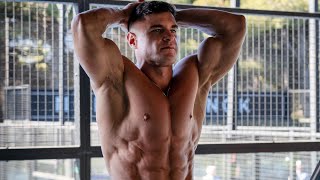
Rob Lipsett answers audience questions about his fitness routines, business approach, and lifestyle. He walks daily, journals, and does four-hour deep-work mornings fueled by caffeine. He chose Marbella for its beaches, elite gyms, and English-speaking entrepreneur community.
Chapters
So that's something to think about. The longest living populations in the world, the common denominator for the people that live the longest is community. This is the lifestyle I want, okay? I want beaches. I want elite level gyms and training facilities as that's kind of what my life and career revolves around. I want world-class restaurants, great food, year-round sun, and an entrepreneurial community and preferably English speaking, okay? AI might be the most important new computer technology ever. It's storming every industry and literally billions of dollars are being invested. So buckle up. The problem is that AI needs a lot of speed and processing power. So how do you compete without costs spiraling outta control? It's time to upgrade to the next generation of the cloud, Oracle Cloud Infrastructure, or OCI. OCI is a single platform for your infrastructure, database, application development, and AI needs. OCI has 4 to 8 times the bandwidth of other clouds, offers one consistent price instead of variable regional pricing, and of course, nobody does data better than Oracle. So now you can train your AI models at twice the speed and less than half the cost of other clouds. If you do want to do more and spend less, like Uber, 8x8, and Databricks Mosaic, take a free test drive of OCI at oracle.com/gameplan. That's oracle.com/gameplan. Www.youtube.com/gameplan. Go check it out, you won't be disappointed. What is going on, guys? Welcome back to The Game Plan. I'm your host, Rob Lipsett, and today we will be interviewing Rob Lipsett. So it is a solo podcast, which I'm actually really excited about. I haven't done one of these sit-down videos in a while where we just go into a bunch of topics, no time limit, no rush. We just sit back, relax, and have a chat. So I'm pumped for today. Let's get right into it. So the first question, what daily habits have had the largest impact on your self-improvement journey? So apart from the obvious ones like lifting weights, going to the gym, eating well, I would say daily walks are just a great way to clear your mind, get outside, get some sunlight in your face, and just refresh and reset. And also journaling. So what I find most beneficial about journaling is you're sitting down and you're articulating your thoughts I don't like write big like essays and poetry in my journal. I just usually write down kind of what I need to get done and what I'm grateful for as well. So they're the main things, usually in kind of bullet point form. Like if someone was to read my journal, it would like make no sense, just like random words. But just sitting down with a pen and paper and articulating my thoughts and how I feel and what I want to achieve has just been really relaxing for me and just a great habit that I've built up probably about 8 years ago. So apart from the obvious ones of, you know, just living a generally healthy life, is walking and journaling. How do you maintain motivation and consistency in your fitness routine after all these years? So kind of like the last point, that is all down to habit. It is just like brushing my teeth in the morning. When I don't go to the gym in a day, or if I don't go to the gym, you know, regularly throughout the week, I just feel off. I feel weird. I feel like aggravated. I feel angst. I feel like there's a a lot of pent-up energy inside me and pent-up frustration. And that if I don't channel it somewhere, I'm like, I take it out in the world around me. So for me, it's just a must. And once you feel that way of training regularly, you'll just never go back to it. And so whatever, you know, your discipline may be, CrossFit, combat sports, bodybuilding, whatever it is, I think you need something high intensity to channel your energy in, or you're just gonna put it in the wrong places. So for me, it's not about motivation. You just have to motivate me not to hit the gym. For me, it is just part of my life at this stage and it's just like brushing my teeth. Do you offer fitness business coaching? This was the most asked question, funnily enough, on my Instagram stories. This is where I'm getting these questions from. And I don't. I direct people in the right way. So if someone wants to, you know, I'll do the odd story. If someone's like, maybe doing like 5 to 10K per month under coaching and they want to scale it and automate it. I give people advice on that. But what I want to do is, and oh, you're going to hate on this, is make a course. And you know, I know everyone has a course nowadays, but personally, even just for me, I want to make something that I would like to give to my 20-year-old self starting out in the industry. So that's something I'm putting together at the moment. At the moment, I don't do any formal business coaching, but It's definitely something that I would like to go into in the future. And my audience now, at this stage, I've been doing this game a long time. My audience are very smart. They're very intelligent. A lot of the guys I meet who follow me are crazy jacked. They're all advanced lifters. They've seen me talk about macros. They've seen me talk about training. They've seen me talk about legs push-pull training, volume frequency, all that good stuff. And while I do still love talking about all that stuff, a lot of my audience, they are— they've grown with me and they're so into lifting that they're like advanced. And a lot of guys that follow me are even trainers. And so now they want to get pointed in the right direction. So it would— it's only right for me to go into some fitness business coaching at some stage. So look out for that in the next year. If you're interested in that, it's coming. If you're not, don't worry about it. Still going to be doing what I'm doing. Playing football 3 times a week, what is the best split to follow? If you're if you're doing any sport, whatever it may be, football, rugby, 3 times a week, I would just say do 3 full body strength training sessions per week. Have a great split on my website, bygameplan.com, 3-day full body split. A lot of people have had killer results with that. I would just do that. It is such a good split for people that wanna like look good, make gains, look lean, get strong, and also do other things as well. You really don't need to be hitting the gym 4, 5, 6 days a week. Like, so many people, like especially general population, could just lift 3 days a week and look absolutely sick, get killer results. Take creatine with a high body fat percentage? Yes, yes, yes. Creatine, the best time to take it is on a cut. When are you most likely to lose strength? When you're on a cut. When is creatine gonna help that? When you're on a cut. So it doesn't matter if you're high or low body fat percentage. Don't worry about the water weight thing. If you're lean, you're lean. You won't look watery. A lot of time people are like, oh, I'm holding water. And it's like, "No, bro, you just, this is fat, you know, call it what it is." So definitely the best time, in my opinion, to take creatine is when you're on a cut. It's also the best time to, you know, supplement with pre-workouts and caffeine and everything when you're in an energy deficit. Like, just say the words out loud, energy deficit. I need energy, so it's a good time to add in things like creatine pre-workout. What is your Nando's order? Well, when I'm being a good lad, it's always a butterfly chicken. There's a huge amount of protein in that and like a super spicy sauce. Extra hot. Then like, you know, you get like loads of veg. The broccoli is good. Even the rice, it ain't too bad. But after my show, when I was with Christian and all up in Derry, I think I went all out. I got like the chicken burger, the wrap, and everything. But I don't always do that. So usually it's a butterfly chicken. Can you still make a decent income off personal training? So like I said, a lot of these questions are fitness business questions, and the answer to that is absolutely. If you actually look at a chart I'll see if I can put it on the screen. The fitness industry since like the '90s just keeps going up, up, up. Either people are getting more interested in fitness or the world is unhealthier than ever. I'd say it's a combination of both, to be honest. But more people than ever need help and accountability getting in shape. So it keeps going up. And when you think about it, it's not going to go down. Okay. Just, it's just not. Okay. More, everyone is always going to go to the gym. So you can make a killing in fitness. It is one of the biggest industries in the world. What do you think about people moving to Houston/Athland to become a fitness influencer? So I think that was like, more people were doing that like maybe a year or two ago when it opened. But if you've ever been to Houston, you know, it's a great city. I love it. I go there like every single year. But like the main thing to do there is Athland. So if you do move there, you know, for that reason, which, you know, you don't even need to do that if you want to be sponsored by Alphalete. All that matters is, you know, building up your audience and providing value, you know, gaining trust, and then, you know, promoting the brand well, being a good ambassador. It doesn't matter where you are. I think there's actually like 3 or even 4 Irish Alphalete ambassadors. You don't need to be in Houston to be sponsored by Alphalete. So a lot of people do that, and, you know, the main thing to do in Houston is Alphaland. So, you know, be prepared for that as well. I know a few people that did that, and they were like, okay, maybe this was a bit of a mistake. If you're going there with the goal to be sponsored by Alphalete or be a fitness influencer, make fitness content, you gotta realize you don't need to do that. You can literally do it like anywhere. Obviously it helps to be around people who are making content and motivating you, helping each other out, but it is not necessary at all. Thoughts on Tulum. So me and Linda went to Tulum, even actually we were with like Louis, George, Ranbir, Andre, we had a really good crew. We went in January 2021 and there is no place like it. It is absolutely crazy. It is a party town for sure, but it's also absolutely beautiful. It's definitely crazier than Ibiza as well. So yeah, I haven't been back since. I haven't been right since that trip, but I definitely do want to go back at some stage. I was going to go, um, did like when in October, but I went to Miami instead. But absolutely sick place. Hard to get to if you're from Europe, but definitely worth the trip. Why Marbella? So we're going on to a few travel questions now. So I always get asked this on Twitter and on my stories, and when you actually break it down, okay, this is the lifestyle I want, okay? I want beaches, I want the best gyms in the world, like I want elite-level gyms and training facilities, as that's kind of what my life and career revolves around. I want world-class restaurants, great food, year-round sun and an entrepreneurial community and preferably English-speaking, okay? And I know you're saying, "Oh, we're based in Spain." Everyone here speaks English. It is an international community. The neighborhood I live in, Nueva Andalucía, 80% of the people in this neighborhood are, you know, from Ireland, England, Sweden, just international community. So everyone speaks perfect English. There's nowhere else like that in Europe, kind of the world. Like the only places that are similar to that, like the beaches and everything, are Miami and Dubai. I can't think of anywhere else. They're the 3 places, Marbella, Miami, Dubai, if you want this kind of lifestyle. So Marbella is like 2.5 hours from Dublin within the EU. For me, it's a no-brainer. And there's a lot of people from Ireland in the fitness industry who are moving over here as well. And everyone's just absolutely loving it. So they're the reasons that it just ticks all the boxes for what I want my life to look like. Best rep range for packing on size. So usually people, they'll look at, you know, 3 sets of 8, the classic one. And then when you look at 5 sets of 5, what's the difference between that? Okay, so the lower reps, you're gonna be lifting heavier weight. So you're gonna build your strength up as well. So the total amount of volume is very similar. You know, 3 by 8, 24, 5 by 5, 25, pretty much the same, okay, your volume. So you're gonna build muscle on each one, but just doing 5 by 5, lifting heavier is a lot harder than just, you know, pumping out 3 sets of 8. So if you want kind of a nice, quick, and easy routine and you just are focused on hypertrophy like me, then the classic 3 by 8 is, that's where it comes from. You know, it's just easy to do. It's enough volume and, you know, it's just, you're not killing yourself and taxing out your CNS. You know, try do 8 sets of 3. It's absolutely killer, okay? No one wants to be doing that. So look, the classic 3 by 8 is what you want to do and that's where it comes from. What's one piece of advice you'd give the younger generation? I like this question because it's not asking me what I would do. It's asking what I would say to the current younger generation, 'cause it's very different from when I was growing up. I would say to not get so sucked into social media, your phone. Like when I was growing up, you know, we didn't have phones the same way that we do now. Like they weren't like just constantly embedded in us and our life didn't revolve around social media and everything. So I would say to try and disconnect a little bit you know, go outside, touch grass, you know, relax a little bit. And also don't get too caught up in the hustle culture. Like nowadays everyone is a 19-year-old millionaire, you know. First of all, a lot of that is lies. And second of all, it's not the key to happiness. You know, you need to stop comparing yourself to the other person and thinking, okay, just 'cause this guy's doing it means I gotta do it as well. So there are two main things and they kind of go hand in hand that I would say to the younger generation. How do you enter a stage of total trust in a relationship? Just let each other go on each other's phones. Just say, hey, here's my passcode, and that's it. I'm just joking, but I'm not really. So you just get to a stage in your relationship where, you know, when you've been with each other a long time, you're like, hey, I've got none to hide, you've got none to hide. Be open and honest with each other and just be ready to commit. That is like a funny thing as well. Like, it's a big red flag if a girl, you know, if you're— or if a guy even— both of you are kind of hiding what's going on on your phone, you know. There shouldn't be any of that. So just be open and honest with each other and be like, okay, look, if you're hiding something, you need to go do your own thing for a while, you know, and just not be in a relationship right now. So if you're ready for a relationship, being open and honest and having good communication is just the main thing, it's the fundamental. Do you plan to stay in Marbella forever? I would say if I was to make a bet, I would probably finish up my life in Dublin. You know, I'll probably go back. The dream, I think I mentioned on the Linda podcast, is to have, you know, a place in Ireland and a place here, go in between. But just right now, for this period of my life, Marbella just makes sense. And I'm actually going back to Dublin in a few weeks. It's just so easy to get back and it doesn't even feel like I'm away. So I will say I would maybe, if I was to bet in 10 years' time, hopefully, hopefully I'll have a nice little life in Dublin as well. But right now, if you're Irish, you will know about the property market in Ireland. It is probably the most overpriced in the world, definitely in Europe. I would say the world perhaps. 'Cause like when you actually, I saw a statistic, okay, the top 3 most expensive cities for property in Europe is London, Paris, and Dublin. Okay, London, Paris, you know, pretty historic hubs of the world. And Dublin, I'm like, you know, really, I love Dublin, but is it up there with London, Paris? I don't know. So maybe when the property market cools down a little bit, I'll go back. But whenever I need to go back, just hop on a little direct €30 flight. What are the most common misconceptions about leading a healthy lifestyle? So I think people think it's like, it's gonna be hard forever. And I disagree with that. I think once you get into the habit of things, it just becomes second nature. You learn how to cook your go-to meals just so quickly. You go into the gym, you don't even have to motivate yourself to get up off the couch and go. It's all just become second nature. And I actually think it gets a lot easier as you go along. And something crazy as well, during my prep this year, so it was a 12, 14-week prep. And I found like after 6 weeks, even though my calories were lower, I was more fatigued, I was much leaner, so my energy stores were lower, and it was approaching the show, so, you know, technically stress should be higher as well, I actually found it easier just 'cause I was just got into a routine where I was like, just didn't even have to think about anything. So I find when you're doing like a 12-week cut or something, it actually gets easier towards the end, even though technically it should be harder. 'cause, you know, calories lower, training harder, all that. So building up these habits, it's gonna get a lot easier over time and will just become second nature. So that's the first thing that people think, it's just gonna be difficult forever. And you're like, oh, is this what my life is gonna be like? And then you learn to love it. And then another one is that pisses me off. And people think that eating healthy is expensive. I like, okay, maybe you're eating at like the worst, cheapest restaurants ever. Maybe then, that, you know, cooking is too expensive for you. I don't know, I just don't believe it, okay? If you're eating out, even at like a nice café or anything, for 2 people it's going to be like €45, you know, at least. And my grocery shop for the whole week is like just over €100, and that's like a whole week. So 1 meal versus like 3 meals, 4 meals a day for 7 days, like, I just can't comprehend how people say that cooking and eating healthy is more expensive. Like, things like oats are the cheapest thing you can get. Rice is the cheapest thing you can get. Eggs are the cheapest thing you can get. Frozen vegetables. It's all just so easy. Like, even buy frozen meat. I just don't understand. And I've lived in many different places. I've actually, I've done time in America for months on end. I've done groceries there. Ireland, Dublin. UK, London, the most expensive city in the UK. Spain, Marbella, in all those places cooking yourself is cheaper than eating out. So I think people are just lazy and making excuses, to be honest. So there are the two main misconceptions, that eating healthy is expensive and that you're gonna be miserable forever following your fitness routine. How has your approach to fitness and wellness evolved over the years? So when I first started out, you know, I really didn't have much knowledge and I didn't have much knowledge about like flexible dieting and almost flexible training as well. I taught you how to follow a bro split, taught you how to follow a meal plan. So thankfully I kind of figured it all out quite early on. I found good people to follow online that revealed the evidence-based truth behind training and nutrition. So in the last few years, it's been— that's 8 years— it's really been quite the same. Yeah, thankfully I figured it out early on, but compared the start until now, It's just being more flexible and more realistic and more sustainable, which is ultimately the goal that— that ultimately that's where you want to get to. So like one of my main like mottos, my main purposes that I try to preach is you got to make this whole lifestyle part of your routine. You got to cater it around your lifestyle, and that just takes a lot of figuring out as well, figuring out what works best for you. So to answer that question, Started off very rigid and strict, and now it's very flexible and adapted towards my lifestyle. Can you share a personal experience where setback led to significant growth? So definitely it is to do with events. And the first ever event I tried to do, a seminar, was in Dublin in Raw Gym Sandyford. Oh God, it must have been like maybe 2016 or something. And I did like a little banner Instagram post, and I was charging €50 for a ticket where I talk about all things training nutrition, social media, all that good stuff. And when I put it up, I don't know why, but so many, especially older guys, probably insecure because I was so young at the time, you know, very early 20s, a baby face on me. Older guys, all these old bodybuilders started ripping into it. Like, they started hating on me. Who the fuck do you think you are? Like, charging 50 quid to go see you? Even though like the value that I was prepared to give on that day, I even had other speakers, it was gonna be a great day. And I got so embarrassed and so frightened and so much anxiety that I canceled the whole event on that day. The day I launched it, I took people's comments so seriously that I just shut it all down. And in hindsight, and so in hindsight, if I kept it up and kept promoting it for like the weeks leading up to it, I probably would have sold out, but I got so afraid of what people thought that I just shut myself down and just said, okay, I'm not dealing with this. That was my first experience with, you know, dealing with haters, I guess you could say. And now fast forward many years later, doing a sellout event in Marbella, you know, Europe's most exclusive destination, people flying in and the tickets are 6 times that amount, if not more. And so that's something that I realize, if you're providing enough value, then, then you should be proud of what you're putting on. You should be proud of what you're promoting. So just when you compare those two things, I just— that's a lot of growth if you ask me. So the lesson that I learned there is stop caring about the opinion of people, spectators, people. You're in the arena. Stop caring what the spectators are shouting at you, okay? Don't, especially guys that have nothing going on that you wouldn't swap places with. So that's my experience there, and that's what I learned. What role do you think mental health plays in overall fitness? So this is another topic that I've shied away from and cowered away from in the past, and because it's so sensitive that when you say the words anxiety and depression, you'll get everyone jumping down your throat, "Hey, you're not allowed to say that. Hey, you're not a physician. You're not a doctor. You're not a psychologist." they're just two feelings. Like, you could say that, what, am I not allowed to talk about happiness? Am I not allowed to talk about joy? Am I not allowed to talk about being scared? There's just feelings, you know, depression and anxiety, there's feelings that we get. So now I don't really care, so I'll talk about them. And depression, anxiety, and fitness, they're so intertwined. I see very few people that are eating right, sleeping 8 hours a night, and getting in regular exercise and regular sunlight who have a lot of mental health issues. And I know it can still happen, but don't complain until you've tried these things first. Do you do much stretching? No. I think stretching is overrated a lot. So, right. I do a lot of lifting, okay? If you're using a full range of motion, okay? You're squatting properly. Look how deep my squat is. That is stretching out everything. That's stretching out my legs. I'm doing a nice, slow, controlled descent. I'm staying in the hole, staying in the bottom. You know, I'm exploding up. Even when I'm doing a bench press, I'm doing full range of motion. I'm doing chest flies back here. Lifting, and if you're doing a nice big stretch, nice big squeeze range of motion, that's like, you're getting a lot of the benefits from stretching as well. Mobility work, again, I see the point in that. Doing a warm-up before lifting, of course. But like, there's people doing like 30-minute stretching routines. That I think are just kind of a waste of time. How do you balance work, personal life, and fitness goals? I don't really. So even on weekends, I'm always thinking of, oh, you know, what's the next move gonna be? What content am I gonna do? Oh God, I gotta make it to the gym. It's like a 7-day-a-week thing for me. And that's one thing that I do envy of people that, you know, work a 9-to-5 or they work set hours. And I try to mimic and replicate that as much as I can. But that's one thing I do envy is that, you know, and people just have set times and they clock off and they forget about everything. Then on the weekends they just completely enjoy and relax. That is the big, a big con about being an entrepreneur or making a living online is that there's no off hours. So I don't balance it well. What's your approach to setting and achieving personal goals? And that kind of comes back to the first question about journaling. So I write everything down and I'll write down short, medium, and long-term things. I have my journal that is 365 days. I kind of map out maybe a power move every month, like a big thing that I want to achieve every month, like 12 things in a year. I'll write them all out in, you know, over the course of the 365 days. That's the long-term goals. And then short and medium, I'll just write down within the week. Short being like what I need to do on the day, and medium being what I need to do within the week. And I'll just, with the short, I'll just put them in order of preference. So So if there's 5 things I need to get done, I'll just write down the top 3 are 100% getting done and then the other 2, they'll roll on to the next day. So the short and medium, I just write shit down in order of preference that I need to do. And then long-term, I map out like one big power move that I need to do per month. Main benefit to working online. So I was hating on it a minute ago, but then Ned questions main benefit to it. Main benefit's freedom, okay? So if you don't wanna wake up and, you know, getting in traffic and going to the office. You don't have to do that, you know. And again, it's pros and cons, but it's all on you. But if you do not want to do something, then you have the choice, which is, you know, it's a gift and a curse at the same time. But to answer your question, freedom is— you do have a lot of freedom, you know. If you want to go travel to another country, you want to go away for the weekend, go to another city, go on holidays, you can do that. You bring your laptop with you. And I've actually— I've like gone on trips, it's one of the most satisfying feelings ever. And you stay productive and, and you know, you see your business just tick on as usual while you're on a holiday. So you, you don't get to enjoy the holiday fully because you're still working for a few hours every day, but business still carries on as usual and it just feels like a nice win. So that's the best, the best thing is freedom. What's the best piece of advice you've ever received about personal development? It's about executing, okay? There's so many nerds that will read all the self-development books, they'll watch all the YouTube videos, they'll buy the courses, and they'll do absolutely nothing. And then I saw a good one actually, it's on Twitter or something. They're like, the idiots, the idiots are the real, the real movers. Like, they're the people that get shit done. They don't overthink it. They'll get some good advice and be like, okay, well, let's do it. And they'll just act. And so the best piece of advice is to just execute and don't overthink it. You can just look at— you can learn everything and all these hacks and everything. It's all BS if you don't act on it. Like, you're better off actually not even reading any of that and not even focusing on any of that. And if you just go out and try, try new things, you'll learn so much more from that. So the best piece of advice about personal development, all that stuff, is that it's, it's A lot of it's just mental masturbation, that none of it matters unless you go out and execute on, on what you've learned. Did you know that bilinguals outperform monolinguals in tasks requiring working memory? That means Babbel isn't just a language learning app, it's a tool for sharpening your brain's ability to hold and process information. This fall, start speaking a new language in just 3 weeks with Babbel. Instead of paying hundreds of dollars for a private tutor, or fooling yourself with language apps that are little more than games on your phone, Babbel's quick 10-minute lessons are designed by over 150 language experts to help you start speaking a new language in as little as 3 weeks. Babbel is designed by real people for real conversations. All of Babbel's tips and tools for learning a new language are approachable, accessible, rooted in real-life situations, and delivered with conversation-based teaching. As some of you may know, I bought and renovated a property here in Marbella this year, and safe to say Babbel was hugely helpful, from talking to the city council to communicating with the building team. Even if you're just going on holiday, it makes it so easy to pick up on how to order food, ask for directions, and speak to locals. Studies from Yale, Michigan State University, and others continue to prove Babbel is better. For instance, one study found that using Babbel for 15 hours is equivalent to a full semester at college. With over 10 million subscriptions sold, Babbel is real language learning for real conversations. Here's a special limited deal for our listeners to get you started right now. Get 55% off your Babbel subscription, but only for our listeners at babbel.com/gameplan. Get 55% off at babbel.com/gameplan, spelled B-A-B-B-E-L www.gymplan.com/gameplan. Rules and restrictions may apply. How do you stay informed and educated about health and fitness? So there's a bunch of accounts that I follow. A lot of them are like researchers, doctors, and everything in the evidence-based community that I've been kind of like, I learned everything from, and I've been following them for over the years. Like Layne Norton, Alan Aragon, Brad Schoenfeld, like that crew. Menno Henselmann is another good one. That they're just always staying up to date with the latest training and nutrition research. And you know, they will put it out on their socials, or they also have research reviews that you can subscribe to. And that's how I stay up to date with things. I follow the right people who take an evidence-based approach so I can also do the same. So it's a great community. So it's also dangerous, right? Like, let's say you just start getting into health and fitness, training, nutrition. You can easily just like log on one day and you just happen to fall into like the Liver King carnivore camp, or you log on one day and you fall into like the vegan camp. And it's hard to know what's right and what's wrong. So my advice on differentiate— differentiate— so my advice on how to fall into the right camp is say, who is taking an evidence-based and open-minded approach? And often the answer lies in the middle. So if you hear someone saying, like, like a carnivore guy saying like, fruit and vegetables terrible for you, you should only eat meat and animal products, that's like far, far over here on the extreme, okay, far right on the extreme, and then you've like the vegans who are like, "You should eat only plant products." That's like far left extreme. The answer is probably in the middle. So if you're taking advice from someone online like me, if they're speaking within the middle ground, that's probably a safe bet. So that's where I get my health and fitness information about, oh, and education. I'm also a certified personal trainer as well. And I actually did in Dublin, ran a course, a community, a school, an academy, whatever you want to call it, to certify guys and girls to become trainers. So I am the one who knocks. So that's my education. And then there are the people I follow as well. Perfect question. Thoughts on Dana White's 86-hour fast? So Dana White just did this viral YouTube video where he spoke about his experience doing an 86-hour fast, and he put up a crazy transformation pic. It looked like, you know, weeks of progress in 86 hours. And again, just as I was talking about extremes, probably not a good idea to follow. I love Dana. I think he is an absolute boss. I just like him as a person as well. But I'm not sure this is the best— I'm not sure this isn't the best nutrition advice to take. The transformation is just from a huge drop in water weight and also probably some inflammation as well. And that's where the leanness comes from. When you resume your normal diet, you will just go back to the way you were. I'm sure you lost, you know, a couple pounds of fat from just being in a huge deficit, but it's the definition of unsustainable short-term results. So I am also someone who, like, I do intermittent fasting every day. Like, I like the whole fasting thing, how it breaks away from the camp of having to eat every 2.5 hours and I think it's a kind of a flexible way to live life when you actually think about it. People say, "Oh, it's strict eating window." No, it's actually kind of easier, you know, you don't have to carry around Tupperware and you're not a slave to the clock. So I'm very pro-fasting, but the 86-hour fast is not necessary and yeah, I'm not surprised that went viral. Looks great, but not something I'd recommend doing. If you had to choose one dietary camp that you belong to, which one is it? So I actually definitely, the one thing I have learned a lot about over the past couple of years and kind of matured and evolved from a little bit is from, I used to be very IIFYM camp. Like I thought only thing that mattered was macros. And for body composition, I still kind of agree. It's like gonna be 90 to 95% of your results is what macros you hit, however you like on a day-to-day basis. But ever since like getting into, you know, some Andrew Huberman stuff, Peter Attia is also amazing. I've definitely shifted a little more towards health and the benefits of certain foods. Well, I don't think there's any like magical foods. I think there are some great foods and having a nutrient-dense diet is gonna help you in the long run as well. So if I was in any camp, it would definitely be the flexible dieting, IIFYM camp, but I've kind of moved on from it in recent years to be a little bit more health-focused and understand that it's it's not just about macros and calories, that the foods you consume do matter. But at the same time, if you're hitting your macros properly, like let's say my macros are 200 grams of protein, 200 carb, and 60 fat, I'm not hitting that with pizza anyways. Your carb and fat intake will just skyrocket. So when you are following just macros like that, by default you're gonna eat lots of lean proteins and a lot of vegetables, or you're gonna be starving on the cut and you're not gonna hit your macros. So, I still definitely am in the IIFYM camp and I think, you know, that is 90% of it, but I've definitely found some of the new information that guys like Andrew Huberman and all are putting out. So, that's the camp I'm in. I'm still kind of in that camp. In what ways do you think technology is shaping our approach to fitness and health? So, the most recent mover and shaker in the industry, in the technology and health and fitness industry, is definitely fitness wearables like the Apple Watch and Whoop is just, it's gone viral. I've yet to try one. I really want to try one, but with me, I really like the results I have. I like the balance I have, and I think it'll kind of mess me up in the head if I'm always wearing one. And with the Apple Watch, the reason I don't wear that is because it's kind of like having— being attached to your phone. Like, I try to not spend much time on my phone as it is, so I think it's just an extension of that. And you got guys wearing like both of them. That would drive me insane. I also can never sleep sleep when I've got like a necklace on or a watch or jewelry. I just like, I don't like feeling that on my body. But they're being the biggest kind of trend recently that I've yet to use myself. I don't think they're necessary, but I think a lot of people do benefit from them. I think honestly the next step is gonna be to do it like, it sounds crazy, but Neuralink, you know, I think technology is getting closer and closer to our bodies. So think about your phone is always in your pocket, it's pretty much attached to your hip. If you're wearing a fitness wearable, it's literally bolted around your wrist. It's only a matter of time until it's, you know, implanted in your wrist, under your skin, or Neuralink, it's, it's in your brain. So I think it's a long time away, but I think fitness wearables are going to be inside us. Imagine like you're eating and you could see as you eat, like MyFitnessPal, you could see like a heads-up display. You could see like protein, carbs, fats, and calories. I think that would probably get me to wear the fitness wearables, you know. I would probably put the Neuralink in my brain if I could have that. But yeah, I think that's gonna be the next step, but I don't think that's for a long time. Another one that will probably be in more soon is AI, you know, helping people, you know, coach themselves and platforms like, you know, I have an app that I'm actually— I'm gonna say this, but yeah, my app developer, we're talking about some new AI features as well. So I think that's gonna be the short-term step. It's already kind of here, but the most significant step long-term, I think, is gonna be fitness wearables inside you. It's pretty crazy. How do you maintain a positive body image and self-esteem? So I have definitely a long history of that, and First of all, it comes with maturity. Just, you know, maturing a little bit, learn to love yourself, learn to be comfortable with yourself. More time spent in your body is gonna be the main answer here. So the first time I competed, afterwards, I rebounded so badly. I gained like 15, 20 pounds within the week after competing. And that messes you up so much. You're seeing yourself looking your best, your most peeled, and then it's all gone. You worked for it for weeks and weeks, months, and then it goes in a week. That can mess with your head and you're like, why is it doing this? You know, what's going on? And it sets people up for binge eating disorders. This is the main reason I advise most people don't compete and that most people should diet slowly. But so my history with that, I learned a lot from that time and it took me ages to get out of that binge eating post-competition disorder. Then the second time I competed a year later, I learned so much from that. After the show, I was like, that is not— is never worth feeling like that again. So I just slowly increased my calories and, you know, didn't go off the rails too much. And then this year when I competed, safe to say that was my best condition ever. Okay? Best condition to date. And then I maintained it nicely for 3 months. But recently, like after that America trip, I've not been feeling myself. And which is so bad to say because I know I still, you know, look good. I still look athletic and lean, but definitely it's something that has been like— it's not been getting to me on a daily basis, but I would take a picture and I'd be like, ah, that's not worth posting. So recently, the last month, I've definitely like felt it a little bit, but nothing compared to the first time I ever competed. But to answer the question, I think learning to love yourself, spend more time in your body, and just maturity is, is what helps with that, a positive body image and self-esteem. What in your opinion is the best way to build confidence? So there's just so many ways that you can build confidence, but for me, this is the best one. When you set yourself a goal, you make a promise to yourself that you're gonna achieve it, and then you actually do it. The way to ruin your confidence is if you keep telling yourself you're gonna do all these things and you just fall, you don't follow through with them every single time, that's gonna mess up your confidence. So don't set yourself these massive goals that you're gonna fail. Set yourself these like little goals and build up to big massive goals and just follow through them. Stick to your word because if you can't keep a promise to yourself, how would that feel? Like who are you gonna keep a promise to? Like think, that would knock your confidence so much. You would look yourself in the mirror and be like, you can't even keep your own word. So set yourself little small goals to achieve, follow through with them, don't let yourself down, and build up to big goals. And that's how you build up to big confidence as well. What's your advice for someone struggling to find motivation in life? I struggled to find motivation for most of my early 20s, and I was looking for it in the wrong places. I thought we had to do the usual college, apply for jobs, internship, you know, oh, it's all right, I'm working a job that I hate, oh, everyone does that. Doesn't have to be the case. If you find that thing that fires you up and that doesn't feel like work, that's where the magic is, and that's when you stop needing motivation, and you, you would have to motivate yourself to not do it. So I know it's very easier said than done, but you need to find that thing that gives you that magic feeling inside and that you don't mind turning up for every single day. What are your thoughts on the role of community and support in personal growth? So I was watching this Netflix documentary, it was called something about Blue Zones, and it was about the parts of the world that live the longest. And so they were looking at everything, the lifestyle, diet, everything, and they found the most common denominator for the people that live the longest is community. And that shocked me. I thought it was gonna be nutrition. I had that, I thought it was gonna be nutrition and what they ate and, you know, how much movement they do, but it was actually community. And that's what keeps people young. That's what keeps people happy. And so, So that's something I've never forgotten about, and that's kind of stressed the importance of it for me. And that's one thing that's tough when you're an entrepreneur or you're working for yourself is that some days it's kind of lonely. Like some days you're just here on your own. And so that's why it's so important to seek out other guys that are on the same mission as you. And so you can build that community. And even like, you know, the last couple of years, like with lockdown, we all became so isolated. I think it was a really bad time for humanity. So that's something to think about, the longest living, populations in the world, the common denominator for the people that live the longest is community. I, I thought that spoke volumes. How do you prioritize and manage your time effectively? So look, you're either a morning or an evening person. To be honest, I think most people are a morning person, they're just lying to themselves that when they become a morning person they'll be like, oh, I should have been doing this all along. But here's my productivity hack A lot of people are like, oh, what do you do all day? Your life looks so easy. Okay, I wake up at like 6 AM every day, sometimes 5 when I have loads to do. Okay, and I'll do 4— I'm not gonna lie, I will heavily caffeinate myself. I will heavily caffeinate myself. I'll hydrate. I will also not eat, as I just find myself sharper. The caffeine really hits you. And it's dark outside, I'll sit down my laptop, whatever. I will do everything that I need to do at that desk for the first 4 hours of the day. And honestly, 4 hours of deep work in the morning when no one else is up, I even am an hour ahead of everyone in Ireland, the UK. Deep work in the morning is, for those 4 hours, is gonna do far more for you than fucking around from 9 to 5. Tell me I'm wrong. This is my experience of what I've seen with other people as well. So that is like my main productivity hack. That's the main thing I do. And no one sees that, you know. I don't post a picture of my laptop with the timestamp on my story. Well, sometimes I do, but oftentimes I just wake up and, you know, I just, just clock in and just do what I need to do, whatever it is. And so that's my productivity hack. That's what helps me with time management. And then I've kind of got the rest of the day after that. I'll, you know, go to the gym, go get lunch or whatever, and do content. And then I have another 4-hour work block kind of like between 2 to 6, which is just kind of easy stuff because I've done the hard work. But the main thing, my main productivity hack and my main thing when it comes to time management is that 4 hours of deep work in the morning. I can't, I don't even set an alarm. Like, I doesn't matter if I like don't go to bed early enough, I will just, my body clock just wakes up at that time anyways and I just wolf in the caffeine and just get to it. I've also actually tried, what's that, what's that limitless drug, modafinil or something? When I was in Tulum actually, I got like, 10 of them, and holy fucking shit. You take one of them in the morning, you will just do any— you will work for— you will achieve a year's amount of work in that 4 hours in the morning. I'm kind of glad I only got 10 of them, and I don't know where else to get them apart from Tulum. You just buy them over the counter. I never said that before, but crazy stuff. But probably for the best I don't have access to them, as I'd probably take over the world or some shit like that. They're so strong. But for now, caffeine does the job for me. How do you approach risk-taking and stepping out of your comfort zone? So what got me comfortable taking more risks is, is this little, little switch that you make in your mind, especially if you're in your 20s. Okay, so what's the risk? Okay, you want to go after your dreams, you want to, you want to go live the life you want to live. If you don't do that, that's the biggest risk of them all. If you don't go after what you truly want in life, you're gonna run out of time. You're gonna be 40, 50, and you're gonna look back, you're gonna see a picture of yourself or something, you're gonna look back and say, "What the fuck didn't I just take that chance? Why didn't I just see what could have happened?" What's the worst that can happen? Let's say you quit your job and you go do a follow-up pursuit that you wanna do. You start that business you wanna start. Okay, it doesn't work, right? All right, just go ask for your job back or go get a new one. You have so much time. So that's the biggest risk ever, is wasting that time. So when you make that little mindset switch, big risks don't seem like big risks. What's your approach to overcoming anxieties? For me, anxiety is the feeling of knowing there's stuff to be done and I'm not doing it. And it's, it's kind of a catch-22 because that can be like crippling. You get it, you know you've loads to do, and then you don't do it because you get anxious and you just face plant onto the bed and just, you just don't do it. And so it's a, it's a tough one to get out of. Like, I think, you know, I've dealt with so much anxiety in my life, and my only advice— like, this sounds stupid and basic, I know, but I'm just being honest— my only advice is you just have to stand up and tackle it head on. And you just have to tell yourself, you know, the anxiety will disappear once you do what you know you have to do. It sounds so simple, and I'm sorry that I don't have like some hack, but you just gotta, you just gotta do the work. There's a great quote going around at the moment, everyone is saying it, and it's, "The magic you're looking for is in the work you are avoiding." That, that for me sums up anxiety and how to solve it. How do you measure success in your personal journey through life? This is a, this is a difficult one to answer, so Sounds so lame as well. Like, you, you would look at success when you're in my industry or doing what I do, you'll look at it as like building your audience and getting more money, which is so like soulless really. And the way everyone should measure their success is happiness. But that's such a vague answer, you know, what does that mean? I'm happy. So it's hard, it's a hard one to answer, but I guess the best, a better way to measure it is how much fulfilling work you're doing, which will often lead in my case to, you know, building up my finances and growing my audience and positively impacting more people. But I don't think the right answer is happiness, even though it should be. I think the right answer is finding fulfilling work. What role does gratitude play in your life? So I know we all like to say like gratitude and, you know, there's someone in Bali holding their chakras and their crystals I'm truly, and you can ask people about this, me, I'm truly the most grateful motherfucker there is. I feel that I've gotten so much farther than I should have. Like, I can't believe my life. I love my life so much. I'm so, I'm just in shock that everything worked out, or it's on its way to working out, I hope. But I'm truly just in disbelief sometimes, and I definitely have a lot of imposter syndrome, but that's led to me being so grateful, and I never ever take it for granted ever. Like, every day I wake up and I'm just like, thank you, God, that, that is another day. So I'm just truly the most grateful person there is because I think I've just gotten further than I should have, and I, I just— it's surreal. So that's, that's how I'm grateful. And the more grateful I am, the better my life gets. It's like you're putting— it's the ultimate display of positive emotion to be grateful. Everyone gravitates towards it. Like, everyone loves when someone is— they have the self-awareness to be grateful enough. So just, if you haven't been practicing gratitude, if you haven't been writing it down, if you haven't been just thinking about it, just write down 5 things you're grateful for, and it can be absolutely anything, and watch your day just improve immediately. Do it in the morning and watch yourself have a great day. What advice would you give your younger self about life and self-improvement? So I would tell— this is a different question to the generation one. So, you know, I'm 31 now, and 10 years ago I would tell my 21-year-old self, I would say to not worry about— don't be afraid to take the path less followed. I think that's like a fucking Yeats quote or something. Don't be afraid to take the road less traveled. I just thought— I thought that you have to just follow the conventional route and there's no other way. And this was kind of like before— it was definitely before TikTok. It was before like Instagram and fitness and all that. And so I, you know, I didn't know that was an option, but I would go back and tell myself that there's so much opportunity and different avenues that you can take. And nowadays there's so much more options, more opportunity than ever. Like, you can do anything, you know, and you can make success from it. So that's what I would tell myself. Just don't be afraid to take the non-conventional route. And there's a, there's a lot of options out there. How do you stay motivated in the face of adversity? How do you stay motivated when when shit just hits the fan, shit goes wrong, and I think the tool I use is humor. So when everything's going wrong, sometimes you just gotta laugh. You just gotta laugh it off, and that'll make yourself feel better. It will kind of put into perspective that maybe the thing you're worrying about isn't that big a deal, and it just lightens the mood. And I know it's hard to do when you're stressing out, but sometimes you just have have to take a step back and laugh. How do you maintain a healthy lifestyle while traveling or with a busy schedule? Go again. How do you maintain a healthy lifestyle while traveling? So the last 2 years I haven't actually traveled too much, mainly because I got the villa now and I've been building this, but I remember like 2018 and '19, I traveled so much nonstop and my biggest thing in terms of diet is to, when you're in airports, when you're in the lounge, or when you're in hotels, is to just eliminate snacking and just, you know, do 3 solid meals a day, intermittent fast whenever you can, and just get a workout in when possible. Just get a bit of movement in when possible. But the biggest thing for diet is just to not snacking and kind of avoid all the opportunities that arrive, the opportunities that present themselves when you're traveling. You know, you get like 4 meals on a long-haul flight. So try not to eat all of them, but so I would say just, you know, eating good options when I can and doing some fasting. Like let's say you're on an airplane for 6 hours, you can go 6 hours without eating, you know, it's all right. So that's what helps me the most. Just yeah, not snacking. Don't know what business to start, any advice? So I just did a tweet on this. Build a community first and then build a business around that community. So you can go back, go to these videos, click videos, click sort oldest to newest, right? You can see how long I've been in this game for. And I was making fitness content on Facebook even before that, okay? Since 2014. For years I didn't ask for people to sign up to my coaching. I didn't sell an ebook. I didn't take on any sponsors. I didn't launch my own product. I just focused on making content for years before ever putting my hand out. And everyone has it backwards nowadays. Everyone are like, oh, I'm gonna have a business first and like ask for people to buy it and like ask for money first. And it's like, what, why would you, why would people give you their money? Why would people give you the sale first when you haven't provided anything, especially for a service-based business? So flip the script, say, okay, how can I, first of all, what industry do I want to go into? Let's say it's fitness. How do I provide as much value in the fitness industry before I try to extract some money from it. So that is my biggest tip on that, is build the community first about something you're passionate in and then ask the people in that community, hey, what would you guys like from me? Or even ask your friends, be like, figure out what your friends like and say, what can you sell to your friends? So again, it's the community first, product later. What's one change you made in your routine recently that had an unexpected impact. So, you've probably heard it at this stage and it is morning sunlight. Shout out to the Hoobs for popularizing it. I have a lot of trouble sleeping. I've always been a very bad sleeper and getting the morning sunlight into my face and staring around the sun, even blinking and looking at it, one, it wakes you up so much. A lot of the time, like I thought I'd need caffeine straight away in the morning, which I still do obviously, but if you hydrate yourself and, you know, you look at the sun, it wakes you up so much as well. So sometimes we think we need caffeine, we actually don't. But I just started doing that in the last year because again, I heard it on online, on podcasts, and I found that it helps me sleep so much better later at night. I would usually never get tired in the evenings and I would just be staring at the ceiling all night till like usually about 1 or 2 AM. And nowadays I get like pretty tired at 10 PM and, you know, I go to bed. And I think the only difference that I have made in my routine is the morning sunlight thing. So that's one thing that helps a lot. Also tops up the tan well. And so that's just something that I learned in the last year. How to avoid burnout. So this is something that we see a lot in our industry, and especially with social media. And people hate on social media and influencers. Hate that word. People hate on content creators, social media and all that, and they think it's so easy. Every— oftentimes, do you think when someone becomes a big YouTuber or a big content creator, do you think they just slid into that first? Now, they've often worked jobs before that as well, so they can tell you that— I hate to say this, but it is very difficult to do. I know there's much harder jobs out there. Imagine being a soldier in war, you know. Imagine carrying heavy bricks on a building site. A lot more labor-intensive. But The effect that having an online job takes on your mind, because it's 24/7, can be a lot and it can lead to a lot of burnout. So I would say my advice for anyone who has like a 24/7 job, anyone in the entrepreneurial industry, is to try have set hours. Try in the evening— I have a thing on my phone like it stops all notifications coming through at 6 PM. So try in the evening to clock off as much as you can. Easier said than done, but it will serve you a lot. And if you're like struggling to make content, there's going to be times when you just feel that mental block and you can't think of ideas, you can't be creative. Don't be afraid to, you know, clock off for a week, disappear for a week. Just, you know, take a week to recharge, get outside, go, you know, eat some quality meals, go train hard, you know, do some activities outside and just just get away from screens and your phone and you'll come back more creative. So think of it as taking two steps, one step back and two steps forward. So it's very common to get burnout and it's nothing, it's something that you gotta always realize that's like right there on the horizon. Alright guys, so we're wrapping things up there. I hope you enjoyed this video. I hope you enjoyed spending some time with me as well. If you want me to do more videos like this, drop a comment down below. So now it is time for me to go off and prepare for Black Friday, Cyber Monday week. A lot going on with Fuel Case, Gameplan, Alfleet, Ghost, all that good stuff. So see you guys over there. Keep real. Thanks so much for watching. Peace. AI might be the most important new computer technology ever. It's storming every industry and literally billions of dollars are being invested. So buckle up. The problem is that AI needs a lot of speed and processing power. So how do you compete without costs spiraling out of control? Some upgrade to the next generation of the cloud, Oracle Cloud Infrastructure, or OCI. OCI is a single platform for your infrastructure, database, application development, and AI needs. OCI has 4 to 8 times the bandwidth of other clouds, offers one consistent price instead of variable regional pricing, and of course, nobody does data better than Oracle. So now you can train your AI models at twice the speed and less than half the cost of other clouds. If you do want to do more and spend less, like Uber, 8x8, and Databricks Mosaic, take a free test drive of OCI at oracle.com/gameplan. That's oracle.com/gameplan. Go check it out. You won't be disappointed.
More from Rob










"I Haven't Worked in 10 Years" - How Rob Lipsett Built a £1M Fitness Empire From Nothing
