My Bodybuilding Eating Disorder Story
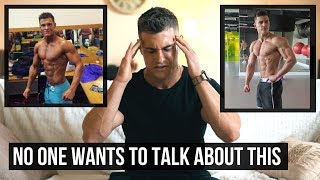
In this candid vlog, fitness creator Rob Lipsett opens up about his personal struggle with binge‑eating disorder that emerged after his first bodybuilding competition three years ago. He explains how the pressure of competition, a rigid “end‑date” diet mindset, and the stigma surrounding men’s mental‑health discussions contributed to a loss of control over food, leading to weeks of compulsive overeating. Rob describes the emotional fallout of a poor competition result, the subsequent binge‑eating binge, and how he eventually recognized the problem, sought information, and rebuilt a healthier relationship with food through flexible dieting, structured post‑competition planning, and, when needed, professional help. He reflects on the broader issue of men avoiding conversations about mental health, urges viewers to break the stigma, and offers practical tips—flexible dieting, avoiding extreme leanness unless necessary, planning for life after a diet, and not setting rigid end dates—to prevent or manage eating‑disorder behaviours. The video ends with a call for awareness, encouragement for viewers to discuss mental health, and a reminder that a balanced, sustainable approach to nutrition supports both physique and well‑being.
Chapters
Yo, what's up everyone? Welcome to today's video. Now, bit of a different video today. This is gonna be a sit-down video, and we're gonna be talking about something that I've honestly never spoken about before on this channel anywhere, okay? So the reason why I'm making this video is because around April and May it's like competing season, okay? There's a lot of, you know, bodybuilding shows on, especially in Ireland and the UK, and a lot of people down in Raw Gym, or just a lot of people that I know, have competed recently, okay? And I'm always like, asking people how they're getting on, you know, how you found it, and just this, uh, conversation. I think it needs to be talked about more, okay? And only after a while, when you really get talking to people, is then they kind of come out and say this. And this is kind of like the dark side of fitness, and it's something that people don't like to talk about. And that is the topic of eating disorders and fitness. I'm going to tell you my whole story about my eating disorder in this video, right? So sit back, relax, give it a thumbs up and let's get into it. So like I said, people don't like talking about this topic and in particular men do not like talking about it. Okay. I've noticed that men in general, which make up about 60 to 70% of my audience, they don't like talking about things that seem like they're out of their control. Okay. So stuff like eating disorders, mental health, depression, and anxiety. Okay. Because we don't like, to admit that, "Oh, look, I don't have this in control. There's something wrong with me." Or they may think it's feminine to talk about it openly, okay? And I think that stigma just really needs to go. You know, I think we all need to look after our mental health just as much as our physical health, okay? And so people think it's like, you know, they need to man up and just toughen up and not talk about it and keep it on the inside. And while I do agree to a certain extent that, you know, a lot of us do need to toughen up and life can be brutal, there's nothing wrong with just talking about it and being open. A real man says whatever he wants. So you should put your hand up and say, hey, yo, this is bothering me and I want to get it off my chest. So maybe the whole kind of mental health and talking about it thing is a topic for another day. Comment down below if you'd like to hear me talk about that and address all of that. But today we're going to be talking about my eating disorder story. So this goes back around this time 3 years ago. I was 23 years old. At the time, and it was my first time ever competing. If you go back to all my old videos, you can see me kind of prepping for the show. This was the early days of my YouTube channel, you know, and my physique has came along since then, but I was still just giving my first show a go. 3 years ago, I'd pretty much just gotten into YouTube, and it was very early on in my whole career online, okay? So I was not nearly as confident back then as I am now. Putting my whole life online has just made me a very confident person, okay. If there's people, you know, millions of people watching my life unfold online, then, you know, it kind of really puts things into perspective, okay. So back then it was early days, and, you know, I was competing and I was really nervous about it, you know. I'd been dieting, trying my best at the time, and, you know, I was going to be stepping on stage. There was going to be a lot of pressure on me as well. And yeah, like I said, I was pretty damn nervous about it. So I dieted down, and again, I was putting so much pressure on myself just for this single day, okay? And in my mind, I was just like, okay, this is the day, this is the day, afterwards the diet ends, okay? And that's a key aspect that we're going to talk about later. I got, you know, pretty lean, not that lean at all, and I wouldn't say I was like really conditioned or anything, but either way, I did the show anyways, and I did really bad, okay? I like didn't even place. You've been dieting for ages, you're placing so much focus on this, and then when you just don't get a result, you are pretty sad. Bad afterwards, okay. Like, again, I was being optimistic. I was like, oh, it's my first time competing, you know, I gave it a shot, it's a new experience, it's a new thing. But, you know, you are always left pretty disheartened afterwards. But then the weirdest thing happened, okay. I was placing such focus on my diet that afterwards, okay, that night, right, I literally— I drove, I was driving home, the competition was in Limerick, okay. I stopped in every single service station along the way, just getting ice cream, like M&M's, Skittles, you know, crisps, everything. I was like draining my sorrows in calories, okay? I was, I was so sad about the competition that I was like, yeah, whatever, at least I just get to eat whatever I want now. And then that night when I got home, when I finally arrived home because it's a long drive, I ordered a huge Domino's pizza, okay? Like the full family meal to myself. And then the next day I just woke up and I was like, "How did I have a six-pack yesterday? Like, seriously?" Then this is where the really weird things started to happen. And I've been warned about, you know, competing and eating disorders before, but I really didn't think it would happen to me. For the following 4 to 6 weeks, I could just not control myself. I had a full-blown binge eating disorder. And like, it feels So weird to even say that. And again, I didn't want to admit it to myself at the time that I had a binge eating disorder and I could literally not control what I ate. Like, I was literally, I'd walk down to the kitchen and, you know, I was living in that, you know, B&B thing at the time. OGs will remember that. And there'd just be like food around the kitchen and I would just like, I would just eat it. Like, I'd like eat other people's food. Like, if it looked good, it was crazy. I could be like completely full, okay? I could be stuffed, and I would still just keep throwing food in my mouth, okay? I could not control what I ate. And like, I would say to myself, I'd be like, Rob, you know, just go back to your normal diet, stop doing this, you know, you don't need to eat all that food. But it was really strange, I just couldn't control what I was eating. And that has really taught me, it's really helped me understand what people feel when they've got a binge eating disorder, okay? And so that again lasted quite a while, lasted a good few weeks. And then eventually it just kind of died out a little bit. I think I went on a holiday and I just kind of got it out of my system. And then I noticed I'd got really, really out of shape and I was like, okay, it's time to get my act together. And I, you know, I slowly got back on the wagon. So after going through that, I said, whoa, I never want to, you know, feel like that again, just feel like I have no control over myself. And so, you know, I started researching into eating disorders and, you know, into being more, you know, having a better relationship with food. And I can gladly say I'm saying now, like, for the past couple of years, I've had a really good relationship with food. I don't even think about food often at all. I really enjoy my diet. You guys notice how now I'd like stay in shape year round, and I honestly think that's because I have a good relationship with food. Okay, sometimes I track macros, sometimes I don't. Sometimes I'm more flexible with my diet, sometimes I'm more rigid. But like, it's chilled. I really enjoy my diet, and I rarely ever binge eat. And if I do, it's like, you know, I plan on it. It's like, I'm going out with friends tonight, and like, I'm gonna enjoy my dinner. I'm gonna enjoy my food. It's not like out of my control. So after that happened, I really spent the year kind of, you know, working on my relationship with food. And the year after, I competed, and again, I actually did really well. I came first in my class. Would you look at that? Here's the trophy right here. And so yeah, I did much better in that competition, and I didn't drown my sorrows in calories afterwards. So I think that's another thing to think of as well. But I was so much more prepared and so much more mindful of how bad I would feel if I really had a bad kind of rebound after my show. So that was the last show I did. That was 2 years ago. And as much as I enjoyed it, I really did, competing, I'm not sure if I'll do it again. You know, never say never, but I think, you know, there's a lot of cons to it. There is pros to it as well. If you really like it, then, you know, obviously keep doing it. But just, you know, be mindful of the kind of negatives to competing and setting so much pressure on yourself. But so anyways, here is kind of my advice for anyone who may be struggling with some form of eating disorder, in particular binge eating disorder. They feel they have no control over their diet. So this is what I've learned. First of all, if it is very serious, you should seek professional help. I am not a professional or an expert in any of this field, and eating disorders are very, very serious. You can also get much more extreme eating disorders. So seriously, you know, it is something to be taken seriously, and I'm not an expert. So it's helped me of becoming really a master of my own diet, um, which is such a big thing. Like, nutrition is such a huge part of our life, you know. We eat every day, like, we eat with friends It controls how we look. You know, having a good relationship with food and good, good, you know, nutrition is huge. You know, it'll impact how you look and how you feel and everything. Okay, so I think this is very important. So here are a few tips that really helped me. Okay, in no particular order. Number 1 is be flexible. Okay, you know, I follow flexible dieting. I eat something I love every single day. If you're going to stick to your diet long term, you're going to have to enjoy it. Do you think you're going to do something you hate for the rest of your life. Of course you're not. This one is extremely important, and I spoke about it earlier, and it is don't set an end date on your diet. Okay, I think that's so important. It's like, okay, let's say your competition's on the 1st of June, all right? You're like, oh, and you see people post like this. You're like, oh, on the 1st of June, I can't wait to just finish it and just eat whatever I like. Or you're like, oh, I'm going away on holidays on the 1st of June, and oh man, I'm gonna eat this, that, that, and everything. And like, you're already basically saying, I'm gonna fall off this diet, I'm not gonna stick with it, okay? So think about that, you know? Like, that's your— you're pretty much saying, "I can't sustain this, okay? This is not sustainable." So I think that one's hugely important. Next point is don't take it to the extremes. And this one isn't really for the competing people because if you are competing, you are gonna have to take it to the extremes. But if you're looking to just get in shape, like, there's no need to diet down to like 6% or 8% body fat. You know, you'll get abs and you'll look good at like 10 to 12% body fat. Like, you know, you'll be athletic, you can sustain it, you won't have to go super low calories or do so much cardio. You know, if you've got a sound and structured plan, then, you know, it shouldn't be that hard and it shouldn't be an extreme thing for you to achieve. So there's no need to go to those extremes unless you are competing. Have a plan for after. Okay, so like I said, if you are working towards a holiday, which is absolutely fine, or if you are, you know, competing and you're working towards that competition, just have a plan set in place for afterwards. So say like if you're going on holiday, hey, I'm going to work out like 3 times in the hotel gym, I'm going to go for like a walk every day, you know, I'm gonna like maybe, you know, get this for breakfast or have a salad for lunch. Okay, just put a structured plan in place for when, uh, you know, you're coming towards that goal that you've worked towards. And ultimately, just if you're following a plan and you're really dreading it, say, am I going to follow this 6 months down the line or a year down the line? And if not, maybe you should, uh, you know, kind of and look into things further and try get a more sustainable and balanced approach. So guys, that is my eating disorder story. Kind of a weird topic for me to talk about and just something that I never really wanted to talk about, but now I'm just like totally cool with it, you know. I think it is— I think it's a good topic to, you know, bring to the public and just bring awareness to. So I appreciate the feedback as always in the comments section. And again, you know, I love the support from you guys. This channel It's an amazing place and I'm really having fun making YouTube videos right now. So leave it a thumbs up and I'll see you in the next video. Keep it real, I'm outta here.
More from Rob










"I Haven't Worked in 10 Years" - How Rob Lipsett Built a £1M Fitness Empire From Nothing
