Living Proof TV with Carol Grant
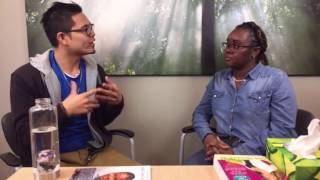
Carol Alfred spent a year at Living Proof Institute addressing high blood pressure, digestive issues, and hormonal imbalances from birth control and soy. Her sugar cravings vanished within 24 hours of gut treatment, and her blood sugar dropped from 14 to 10 after addressing bacterial overgrowth tied to stress from her son's cancer diagnosis.
Questions this video answers
February 25, 2017
Around 2009
19
30in30 program (30in30.org)
Within 24 hours
Chapters
Hey, how's it going, everyone? Welcome to Living Proof tv. We are on episode number eight, episode infinity, and we're super excited to have you guys on the show today. And I'm excited because we're talking about women's health, and I think it's a super important subject, and I know we have a lot of female viewers out there, so shout out to everyone who's watching right now. We appreciate you guys tuning in and supporting us through these first eight weeks of Living prooftv. It's been a fun journey. And of course, if you guys haven't tuned into Living ProofTV, you know, it's about people who are literally living proof, you know, who have gone through the struggles, gone through their own, you know, journey learning, you know, a whole bunch of different things in their life that can really help empower others. You know, I'm always inspired by people who've lived what they've done and come back to tell the tale, you know, because I think that's where true wisdom comes from, is from really from experience. So today I'm super excited because I have my homegirl, Carol Alfred, in the house. Yeah, we're excited to throw down and get to learn a little about you as well today, too. And, you know, as well, too, for anyone out there who has been tuning in or hasn't, if you guys enjoy the show, please give your comments, suggestions, and feedback. We would love to hear from you guys. We're gonna answer questions actually at the end of this interview, so let us know if there's any particular that you guys want to answer around women's health or if you have any questions for Carol and as well, too, feel free to share the feed as well for anyone you think that may benefit from it. You know, women's health, there's a lot of women out there that are struggling with a lot of different health challenges. And, you know, we're gonna speak in someone right now who's right dab in the middle of the journey. So, Carol, welcome to the show.
Thank you, Angelito. Yeah.
And, you know, if you guys don't know about Carol, Carol, she's a part of the Living Proof Institute, and she does a lot of things in holding a team in the back end. So, you know, you're only as solid as the people that are actually doing the work there. That's unrecognized. But we definitely recognize Carol. She's a mama bear inside the clinic over here. And, you know, she's always looking out for us and doing a lot of great work. And she's also an author as well too. This great book right here, More than a Conqueror. Maybe we'll speak about that a little bit later as well too. And what we're excited to learn about is your journey, you know. So, Carol, would you share with us, you know, how you found Living Proof and why you're sharing what you're doing today?
Sure, absolutely. It's my honor to be on the show today. So it's actually my one year anniversary of getting into the Living Proof family. I went to a workshop, it was the end of January last year, where I actually found it on Facebook. I saw this thing in my feed talking about women's hormones. And I was actually at that time doing a lot of research about hormones and their impact on females because I felt that I was going through a journey with my hormones and seeing the various impact that it was having on my health. So last year, at the end of January this time, I signed up for a workshop came out and a lot of the things that were being said really, really resonated with me. And so I said, yeah, let me start finding out more about myself and finding out how my hormones are impacting my health and the other aspects of myself I wasn't aware about.
That's amazing. And what was going on kind of in that time, like prior to you stepping into that workshop, like, what were you kind of feeling like within yourself that made you really want to get there?
So I guess my health had been, the majority of the time had been okay. I can't say that I had any major illnesses through my life, but as I got older, I noticed how much my hormones were, were impacting my health. Like one of the first lessons that I learned from my eldest sister Tafari was being aware of what's going on in your body. So from a very young age, I started listening to the things that my body was communicating to me. So as I got older, I noticed the things that were being communicating were changing. And I was wondering, well, what can I do naturally to positively impact my health? And so what brought me to the workshop was I was finding that my menstrual cycle was extremely heavy. I started having symptoms with it, which I didn't have before I started growing like that girl beard. So it's like, what's going on with that? And yeah, so I thought that, you know, I need to educate myself in regards to what's going on so that I could heal myself naturally.
And prior to coming to that workshop, was there anything in particular that you were Actually, like, diagnosed with. Was there anything that, like, the doctors mentioned that you. You were experiencing?
So around 2009, I was diagnosed with high blood pressure. And anyone who knows me knows that I hate taking medication. I've gone, like a lifetime trying to do things as naturally as possible, healing through food or natural supplements. And so when he diagnosed me with high blood pressure, and I think I fought about two or three years without taking the pills until it got to a point where I said, you know what? I need to be, you know, responsible and take the pills until I can manage this on my own. But one of the things he said was that I'd be on the pills for the rest of my life. And so that was absolutely unacceptable for me. Right. So there was high blood pressure, and because our bodies are a unit and everything flows and balances, you know, high blood pressure led into high cholesterol, led into diabetes. And so now he's wanting to prescribe multiple medications for me, and I'm still trying to manage getting off of one of them, so. So those are kind of the precursors to me trying to really seek and find natural ways to heal myself.
Yeah. And I definitely want to dive deeper into that as well, too, because I'm sure there's a lot of viewers out there, especially when it comes to women who are aging. You know, these are actually the common things that, you know, the general population, regardless if it's females or even men who have high cholesterol, high blood pressure, you know, who have sugar issues, who are taking multiple medications.
Right.
And they're. And they're relying on these things because it seems like it's something that they're going to have to take on for the rest of their life. So people are a little bit confused about that. So I'd love to dive a little bit deeper later on as well, too, and getting more specifics. But even in understanding, you know, as you finally kind of got into the living proof journey, what did you actually identify in your past which would actually lead you up to, you know, all these health challenges that you were going through?
Well, growing up, I come from a Trinidadian background, so born Canadian, but grew up in a hardcore Trini household. Didn't know I was Canadian until I was, like, 13. Things are so traditional in our house. So there was no eating outside of the house. Everything was home cooked. The diet was, however, a very high carb diet, a high sugar diet, and so grew up very thick in body structure and also got the palate and taste for high carbs, high sugar Things, and as we became a teenager, went into, well, now I can buy fast food. So my diet wasn't horrible, but it wasn't a clean diet. So that was the lifestyle piece that, you know, contributed to, you know, the diabetic diagnosis and high cholesterol and those sorts of things.
And I think a lot of people can definitely resonate with that as well, too. You know, culturally, just growing up, like, you know, in a sense, it's like you're. You're almost not in control of your food because obviously you're just trusting whatever your parents are giving you, and they mean well, but it's not always what we're actually. We actually need. So. So that was the first part of your journey. What happened to follow after that? Because obviously getting a high blood pressure and cholesterol and all these things, they're literally just a sum of total parts kind of coming together which lead up to that. So what else do you think were bigger contributing factors to actually lead up towards that?
So I think the major trigger was the journey with my son, who was diagnosed with cancer in 2007. And so, so now all my stress mechanisms kick in. And so I'm functioning and I'm operating, but there's a high level of stress that's happening internally to all my organs. And if you're the primary caregiver to somebody who's going through an illness, you're not necessarily taking care of yourself at that time. Right. So my diet completely went off the chain for about two years, and I basically was living on shakes, and there were high glycemic shakes. I was blending bananas and milk, and that's what I was using to sustain myself. But I totally jacked up my insulin levels because of so much sugar coming into the body. And so just even the trauma of going through that journey also had a major impact on my internal organs and my ability to regulate and have a healthy balance internally.
Yeah, totally understanding that. You know, obviously you're in stress. Everything else is exaggerated. And sometimes it really takes, like, that tipping point where people feel that stress and then some, like, sort of big, you know, event happens in their lives, and then things actually start getting worse. Right. So I think this is important subject to speak about as well, too, because, you know, one thing that I recognize, you know, especially working here at the Living Proof Institute, we definitely have a lot of female patients that are coming in, and a lot of these people are high stress, you know, and their mothers that are, you know, constantly serving, taking care of their family, and they actually Forget to nurture themselves. On top of that, have a traumatic event. And on top of that. And, you know, there are people struggling there, regardless if it's cancer or their child, maybe who has a disability. It's very stressful. Right. So let's talk about into what was actually happening in your life. Like, how do these stressors impact, like, your life even more directly? And also, what would you even say to someone who's watching out there, who's going through that? Because, you know, the thing is, it's hard to almost get to them that they need to take care of themselves. You know, it's almost like, well, you know, like, I can't. Like there's no time. And that's. That's what I always hear. Right. So I know, like, you're a perfect prime example because, you know, that was definitely a challenging time. And, you know, reading your book, like, I felt the emotions of, you know, what you're going through. And definitely I would recommend for anyone who's, you know, out there, maybe even supporting a child or even just looking to, you know, really build that confidence there and finding different action steps that you can do to help overcome some of these adversities in your life as well, too. So, yeah, please share a little bit more about that.
Well, I think one of the big things you spoke about was taking time for yourself as caregivers, as moms or dads or anyone taking care of anyone. The first person you have to take care of is yourself, right? So if you don't nurture and take care of yourself, then you have nothing to give from. And it was important for me to really squeak out time to start exercising. And exercise doesn't necessarily have to be. Sign up at a gym, do something structured. Exercising could be put on your favorite song and dance for an hour, go for a walk in your favorite neighborhood. Just do something where you're physically active. Get your adrenals going, get your muscles moving, get that blood flowing. Taking that one hour a day just to really focus on you. Unplug from all your other stressors and just really pour into yourself and restore and renew and do what your body calls to be done. Our bodies want to move. We're made to move. We're made to be active. In regards to nutrition, it doesn't have to be. You don't have to go through a whole big nutritional course to know that. Feed your body healthy things, healthy things go in and you have a healthy body to work with. And so was taking little steps that I could be consistent with that really caused a change and a positive impact for me. Taking time to just, you know, listen to music or write or go to church or read a book, doing things that filled me from an emotional standpoint where nobody was depending on me. There was no sort of stressors where I was just in my chill zone. And recently, introducing the muse, time to, you know, meditate and really unplug were huge factors to me on my road to healing.
And how does one, like, pull themselves out from being in that cycle, though, you know, because sometimes you're like, well, you know, I'm so stuck in this, and it's like there's nothing else that I can do. Like, I feel that obligation that I always need to be putting myself out. Like, you know, like, what do you. What do you do in that standpoint? You know, because sometimes it is that struggle, you've been in it for so long, and you feel if you remove yourself out of that situation, people, I feel that they feel a little bit selfish. You know, they're like, this is wrong. Like, I gotta be doing this. I need to be there, like, 24 7. Like, how do we. Like, what would you. What would you suggest in that instance?
In that instance, I would say if you don't stop, your body is gonna stop. Right? So it's almost like if we don't put gas in our cars, there's only hope so far that we'll be able to drive. So there has to be maintenance, there has to be refueling, and it has to be from a selfish standpoint, because you really need to take care of yourselves, otherwise you're not going to give any value to anybody else.
And I love to learn as well, too, because even just kind of going to that for people who are, you know, or helping people who may be potentially in some sort of disease or challenge, regardless if it's a child. I'd love to kind of extract some of those lessons that you've learned during that time, because I think it's definitely an important thing, you know, so I want to bear some light for some people there who feel stuck, you know, who feel like they're lost for hope and they just want to give up, you know, when they're trying to be strong for someone who's struggling, when they're feeling so much pain. Right.
I guess one of the lessons that I learned, especially with the journey with Khalil, is that, first of all, nothing happens by accident. So everything that we're in, it's on purpose, and it has a purpose, and it's Always a learning opportunity. The things we go through are lessons for ourselves and lessons for everybody around us. Right. So some of the big things that came out walking through this journey was Khalilah is like, totally being in the moment and don't take things for granted. So if you have somebody in your life that you love or appreciate, you need to express that. You need to be in their presence and do what you need to do to express your love and support them and really take advantage of that moment. Take that opportunity for laughter. Life is not that serious. Watch a comedy show, share jokes, whatever the case may be, but loosen up and have a good time. Like, you know, life is a gift. Every morning that we wake up, it's literally a gift, physical activity. So seeing him going from being an athlete to being completely paralyzed totally gives you an appreciation for the ability to, like, literally get up out of bed and walk into the bathroom and take a shower. So not taking our temples for granted and knowing that every morning that we wake up, it a gift, and we need to operate in that mindset and love on ourselves and love on our bodies and do what's necessary to do to be healthy. There were a lot of lessons that I got from him. And it's interesting that every situation that we're in, sometimes it seems like a negative situation to us when we're in it. But there are always lessons that we can learn and glean and improve ourselves and improve the people around us. We just have to step back and say, okay, I'm in this. I'm in here for a reason. What can I learn? What can I teach? What can I do to make it better the next time, if not for myself or somebody else?
How does one see that despite the challenges that they're going through?
Well, sometimes when you're on the floor, the only place you can look is up. Right. So it's not like you don't always have a philosophical moment where you're like, like, what's going on? No. Like, sometimes when your face is to the wall, the only thing you can do is look up. So it's. You know, people who are not in a crisis mode can take the advantage of, okay, you know what? Let me look for the positive in things. And those in crisis mode say, hey, this is an opportunity to learn and make the most out of it. Right. But every breath is an opportunity, so we might as well use it. Yeah.
Important lesson. Wow. Yeah. And, you know, I think it's just like. I think it's really important that we kind of Dive into this as well, because, you know, like I mentioned seeing the patients that are coming into the clinic, and the common thing, it's a lot of females actually, you know, not tapping into their feminine aspects.
Right.
And that's where almost you kind of see in relation to all these health issues, even relation to hormones, is neglecting your female components and start losing in touch with that. And it's kind of funny. It's like, yeah, maybe you're diagnosed with hormonal imbalances, but what parts of your female are you actually out of tune with with, Right. And you see, it reaches to a lot of underlying issues that we see from thyroid issues to like, things like cholesterol and all that other things. So I'd love to dive a little bit deeper in getting a better understanding of what you actually found, because I know we speak about functional medicine and a lot of these different tests, but I know you're willing and open to be transparent with what you discovered for yourself, because I want to put a little bit of context in there so people get an understanding of how you're actually able to use these things to measure and actually create an action plan through that. So what did you actually reveal from understanding? Well, yeah, I have a diagnosis, symptom, or disease that they've given me.
Right.
But it's like, what were actually the biggest contributing factors when you kind of started tying the links together.
So I think for myself, I was always a root cause person. So even if I went to the doctor and they said, well, you have X, Y and Z, my first question would be, why? Why? How did this happen? Just from an education standpoint, because as a mom, I have children. And so is there something that I did that now I can prevent for my children? So that was always my standpoint when, okay, you have diabetes. Okay, well, how did I get diabetes? What could I have done naturally, lifestyle wise, that can prevent that for my children? And unfortunately, the answers I got were not satisfying to me. It was like, you know what? You just have it and these are the pills you need to take, or this is the surgery you have to have. At 19, I lost my gallbladder. It was full of gallstones, and I was having gallstone attacks with like, severe chest pains pains radiating into my back. And I'm like, I'm 19. Like, how can I have a shredded gallbladder? And so my gallbladder was removed. And the first thing I asked at that point was, okay, well, now that you've taken out my gallbladder, is there anything that I need to do in regards to. To my body, because the gallbladder served a purpose. God put it in us for a reason. And the answer I got was like, no, your body doesn't need it anymore, and so you don't need to do anything about it. Fast forward 20, 25 years, I start my living proof journey, and I realized that, yeah, I do need to take a supplement to replace what my gallbladder did. And so I've gone, what, 25 years without properly digesting my food. Now my fats are not being digested properly. So what does that look like? What does that practically manifest as? High cholesterol? It manifests as extra weight around the midsection. And so these are the things that we go through as civilians thinking it's normal when it's not. It's not normal for you to take out an organ out of your body and not replace its function. It's not normal for you not to be able to process fat, not be able to digest your food properly, because that sends your whole digestive system into a turn slide, right? And so I'm eating and drinking, not necessarily the best, but even on a fundamental level, I can't digest my food. So I'm gaining weight. Weight's hard to lose. I'm gaining weight in my midsection. I'm working out five days a week, but not losing anything because I can't digest my food. Right. So these are the kind of things that happen when you find out and you do testing that, okay, I am missing these basic, basic fundamental enzymes and, and things that I need to digest. I only found that out by coming to the living proof and doing functional testing.
It's an important thing, too, because there's a lot of people, even a lot of females in particular, that one of the chief complaints is that I want to lose weight in my abdomen, I want to lose weight in the belly area. And they don't kind of see these underlying links because they're so fixed on the weight that they're thinking. People think weight and they're automatically just tying right into food right away.
Exactly.
But they're not thinking about weight, the processes and actually breaking that down and even speaking to the gallbladder as well, too. I'd love to kind of explain a little bit and, you know, explain what happens, because we understand, like the gallbladder, people see it as just like, okay, well, you can move it and you can operate fine. Because that's kind of the, you know, the usual thinking around the medical paradigm. But, like, what is its actual role. And when you don't have it, what is it actually causing in your body? Like what's actually happening over there?
So from a civilian's perspective, could you not have any sort of medical degree? But from a civilian's perspective, your gallbladder is a storage unit for your digestive enzymes. So your liver creates exams for you to digest your food. And so when you eat, a process starts where your gallbladder starts releasing this enzyme, bile, to digest your food. Without this chemical to digest your food, your food is basically passing through. And so you have minimal absorption. And now your food is passing through. So you're malnutrition. So you could be thick, so have a thick body type, but you're malnutritioned and you're not digesting the way you're supposed to. You're not getting all the nutrients that you need to out of the food. What does that cause? That causes your body to go into starvation mode. And all of a sudden your food goes from food to fat without even being processed properly, and then you're passing out the rest of it as excrement.
Yeah, and that's the important thing as well, too. Even in understanding where, I know for a lot of females, people are starting to shift it right now because there's more awareness towards how essential good fats are in your system. But of course, if you're not digesting these things properly and you're not eating the right ones, your fats are a big part of creating hormones in the body. So you can see some women who are technically eating healthy, but then they've neglected the fat because of what they've been taught, have actually started getting these hormonal imbalances as well, too, because they're not even putting the right stuff in their body. Exactly right. So, yeah, so aside from that going into talking back again of, like, how it was disrupting all the other aspects of yourself, kind of talk into how it led into all the other challenges as well, too.
Well, one of the things I noticed really young was my sensitivity to sugar. So we had a high. A high sugar, high carb diet growing up, but I always found that sugar made me lethargic, that sugar gave me yeast infections. But there was no. Every time I went to the doctor about it, you know, I was made to feel like I was crazy. Well, take this, try that. And I was like, well, I'm not taking or trying something without a proper, you know, well, why. Why do I have a sensitivity to sugar? Why does this cause a yeast infection? And So I would not. I naturally started trying to trim away the sugar out of my diet, but I also had a serious craving for sugar. And so every time I ate something, if I had a meal, I would have to have something sweet afterwards. Either a cookie, a slice of cake, something sweet to pass in my mouth. And one of the major things that was revealed when I came to the living proof and did functional testing was that I had bacterial overgrowth in my intestines. And one of the first things I did when I sat with my practitioner, he drew a diagram of my intestines and he drew what my intestines looked like. And he said, this is why you crave sugar. They crave sugar. And what he was pointing to was like a colony of bacteria in my intestines. So for me, I was totally grossed out because I thought I had bacteria in my intestines. That's disgusting. But even the concept that I wasn't craving it because to me it felt like an emotional tangible, have to have it craving something that I needed. And then when he just, he explained to me that, no, you're not craving sugar, they are, and put me on some supplementation to kill off that bacterial overgrowth. And literally within 24 hours of starting that medication, I didn't crave sugar anymore. And I was like, okay, holy crap. Because sugar was such an important part of my day to day routine, especially leading up to my cycle, my menstruation, like, I would be a feening for sugar. And as soon as I started taking this supplement, literally within 24 hours, when the environment, the first hit of that dosage hit my intestines, I lost a craving to sugar. And because of my personality type, I'm like, nah, I'm trying sugar. So I literally went out and bought something and ate it. And I was like, okay, so I'm no longer feeling that sugar high. I don't have that moment. I'm like, what's going on? And now, you know, I would pass things and I'm like, I don't want it, I don't crave it. And totally, totally transformed my relationship with sugar to the point where when I went back and did my blood work, my blood Sugar went from 14 to 10 and it continues to drop just because I totally changed what's going on in my intestines. Like something I learned with my journey with Khalil is one of the practitioners said, the mother of our immune system is our intestines. And it really didn't make any like, okay, what? Huh? Like, as far As I knew intestines were just used to, you know, bowel movements. But to think how powerful the role of our intestines plays in our health, like if our intestines are not in good health or have the right balance of good bacteria and good yeast, that everything in our psychology, everything in our physiology is off based on what's going on with our stomachs. So that's one of the primary things that happens at the Living Proof is that they speak to your intestinal health. Like what is going on in your intestine? In your intestines, right.
Yeah, yeah. That's the crazy thing as well. Like, I know there's a lot of people out there who have like these ravenous sugar cravings and they're feeling like they can't control themselves. And yes, you know, there is one part definitely stress related, where you can have those cravings because you're feeling that stress and you want that sugar hit to kind of like satisfy you, kind of bring you up. But also the other aspect where, like, it's actually almost. Almost even beyond you.
Yeah.
You know, but it's actually quite liberating.
I'm telling you. I was a woman possessed from a cupcake. Like, it was serious like that.
No, and I totally feel. Because I've had. I remember having that issue before as well too, because when I had those cravings, it's almost like it, like it took over me, you know, where it's like, oh. Like, even though you know you shouldn't be doing it, it's like I can't. Like, I feel like I'm like I'm out of control of it.
Right.
And it makes a lot of sense for a lot of people who had these struggles for a long time. Like you said, literally once you're able to treat the underlying issues and kill off these pathogens, you're able to find that balance again. The way I like explaining it is like it's like a kegger you're throwing, so you have your bad bacteria and these guys are having a party and they're like demanding, like extra shots. You know, someone do like a keg stand and every time you fill them up, they're full. And that's where they can be quiet again because you've given them their drink. Right. So if you stop it right to its roots, kill off those guys, you know, shut down the party. Right. So yeah, so that's definitely huge one as well too. And so let's dive in particular as well, because I think the importance of your main health Challenges are so relevant to so many people. So can we kind of explain and break down a little bit more of, like, some of these common causes and how it's relevant to your health as well, too?
Okay, sure. Absolutely. So one of the major things I just recently done was my hormone testing. So again, that's the reason I came into the the Living Proof in the first place, because I noticed how much my hormones were changing and how much it was impacting me. And some of the huge things that I was having was, you know, I grew up hairy. My family is a black and Indian mix, so being hairy was normal in our household. So I had hairy legs, hairy arms, and that was normal. But as I got older, I noticed I started, you know, growing that female beard. And it started with one here and then five here. And all of a sudden I'm shaving, and now I'm waxing every week and started growing hair where I'm not supposed to and also thinning hair in my scalp. And so, again, I believe that our bodies were created perfect. Like, God doesn't make garbage. And so if there starts to be malfunctions in our bodies that we need to pay attention to what our bodies are saying to us, right? So if I'm starting, if I'm female and growing hair where I'm not supposed to, it's not a normal sign. There's something going on in my body saying, hey, hello, Hi. Pay attention. A huge one that happened for me recently, which was quite disturbing, is I started experiencing urinary incontinence. And so it was before, it was just like a little trickle, a little trickle here, a little trickle there. And then all of a sudden it's like, okay, I have to wear a patsy liner at all times because of this urine incontinence. And my concern was, you know, I'm 44. Am I going to have to be wearing the pants? Right? And went to the doctor about it, and they were like, oh, we don't know what's going on. Hands up in the air. And started speaking to functional medicine doctors about it and was like, okay, well, we need to check your hormones, because one of the things that manifests from a hormone imbalance is that it stresses out your nervous system. And so your nervous system controls basically every aspect of your body, including your bladder. And so if you have a hormonal imbalance that's causing stress on your nervous system, then you're going to have potentially urinary leaking. I had twitching in my face, like twitching in my cheek, twitching in my eye, all of these things are indicators that my nervous system is under stress. And so over the last three weeks, I started taking supplements recommended to me via the Living Proof Institute. And I'm noticing a balancing of my hormonal system. And so this period that I had this month was actually the best grade I've had in years. Before that, I had severe nausea, severe cramping, extremely tired, extremely heavy menstrual flow. And these things are totally abnormal for me because my period used to come and go as nothing. But in the last two years, I realized that I'm going through pre, pre menopause and there's a major change in hormone, and it's not something that's wrong with me, but I need to do proactively things to correct that. So, yeah, there is natural supplementation out there that will help balance your hormones during this time of change. As women, like, we don't have to go on a heavy pharmaceutical drug to feel normal and feel healthy.
Yeah. In accordance, even with like a good, obviously nutrition and lifestyle regimen as well, too. For sure. And there's a lot of females as well, too out there who are actually, you know, taking things such as, like birth control. Right, yeah.
Where.
And we understand, like, that's been issued. Was that something that was relevant to you as well, too?
Well, in my recent reading, one of the books that got recommended to me by Deepa Patel was the Hormone Cure. And reading here, I'm like, oh, my God, did somebody just go into my closet? Because there was so much information in this book that helped describe what was going on with me. And yeah, no, definitely, there was tons of things hormonally that I wasn't aware of. And, and reading the book and educating myself and going through workshops, I realized, okay, yeah, these things happen and they can be naturally addressed.
What did you discover were some of the biggest red flags that you've noticed that were really affecting your hormones?
Well, one of the things I read in the book is the impact of birth control. So when you're 19 and active, you don't want to have a tribe of children. So I started taking birth control. So I had three children, actually, two of them I had at home with a midwife. And in between the children, I took birth control pills. And in the birth control packet, there's a little small sheet folded up in microscopic text. It talks about may cause, and may cause gallstones, kidney stones. Also, depending on how it's manipulating your hormones, it can either raise your testosterone level or lower your estrogen. And so one of the side effects, like when I did my hormonal testing, my testosterone is through the roof. And that's part and parcel to me manipulating it for over a decade with birth control pills. My estrogen is through the roof and that's from a lifestyle change where I'm lactose intolerant. So I drank soy milk for almost a decade, 15 years. And so that totally jacked up my estrogen levels. So, yeah, so some of the lifestyle things that we do to make life easy or comfortable or doing them without really educating ourselves on what are the long term effects of this can really impact what our health looks like.
And it's quite fascinating. You're saying, like your hormone test literally show that you had high testosterone and also high estrogen as well. And being able to actually then identify, you can look deeper and actually start making links of actually what's going on. And of course, soy is a big one, right. I'm sure there was that time maybe some people out there were consuming a lot of soy or may have previously there. Like, it definitely is a big factor in actually contributing to that. And I know Carol was mentioning as well too, with the hair growth, right, the hair growth under the chin area, sometimes it shows up through acne, depending on the individual. These are huge signs that there's a strong hormonal balance that's going on in your body. Right. So definitely seek some sort of help or some sort of care and knowing like there's something beyond, you know, this is just like, well, this natural occurrence that seems so out of the blue, right. Which isn't, you know, it's really body speaking to you. And I think the important fact you mentioned as well, which I think we should put a big emphasis on, is actually in and around like your menstrual cycles, you know, whether it be PMS or premenopausal, you know, and menopause, we see a lot of females struggle during this time where they feel so much stress. They feel, you know, they feel their cravings, they feel mood swings, they feel all these different things going on there. And it's actually a good sign of how imbalanced you are depending on the severity that the pain that you're feeling.
Right.
Because a body that's imbalanced, some people actually barely have PMS or even I've heard women who have actually gone through their menopause and actually have barely had those crazy effects that other women are feeling. So, you know, since you're already feeling stress, everything is just basically amplified during that time. Right. So speaking a little bit about that, PMS is real.
My children will attest to that. So literally, depending on how you feed yourself leading up to your period will determine what kind of PMS or any PMS that you have. But knowing where your hormone levels are. So, yes, your body is going through a transition to menstruate, but it doesn't have to be severe. It doesn't have to be, you know, cataclysmic. And you don't have to take out your family just because your period is coming. And so exactly what you said. If you notice as there, there's extreme shifts leading up to your period or extreme shifts with your emotions and energy level. And like, one of the things that I started manifesting that really freaked me out was my vision changed. So around my period, I would notice that my vision was a little more blurry, that I wasn't seeing clearly. These are all indicators that something extreme is happening with my hormones. And so it's really important to look at how we're. What we're eating and how we're eating and how much sleep we're getting. And do we have plastics in our home? Because one of the major contaminators are plastic. So get rid of all our plastic containers that touch our food. Right. Because we're poisoning ourselves and, you know, getting the testing done. So, you know, figure out what is your baseline, like, what are my hormonal levels look like. And the testing, unfortunately, is not something that we can get from our medical system. Like, we have to go outside of the box and get functional testing. Functional testing goes to a cellular level. It tells you what's happening on a cellular level. It tells you what's happening organ by organ. And so you can see what you look like. Literally a blueprint of yourself inside out. And so you can truly start addressing, okay, yeah, my serotonin is almost zero. And so that's one of the things that came out of my testing that my serotonin was low. And so everybody will say, well, oh, my gosh, you're so bubbly or so happy, but internally, I'm struggling to keep that to stay lifted. Right. And so, again, I didn't have to go on any pharmaceutical drug to raise my serotonin. There's natural remedies for that. And, you know, working with a great practitioner, I was able to raise my serotonin level. You know, people wake up like a monster in the morning. You don't necessarily need to wake up like that. That means something is going on with your cortisol. Levels. So there's so much that we can learn about ourselves if we just do the right testing and get the right information so that we can heal ourselves naturally. Because the body, we were created to live and be healthy. And so for outside of that, then we need to start asking the right questions and getting the truth and not poisoning ourselves, not the process. Right. Yeah.
And I think it's an important thing, too, when you see care from, you know, an expert or someone who's really in the field, they can see it from that different perspective. Because when you're so heavily in it, you know, when you're in your. Literally your.
Yeah.
And you. There's like, there's nothing that you can do about it. Like, you're used to feeling that way. You forget what it feels to be vibrant. You kind of forget, you know, what it feels to wake up and actually have energy, you know, to actually go to sleep and be like, okay, like, really well rested. We forget about that. So it becomes something we just. Sometimes you accept and it's like, oh, yeah. And then that's when we get that old excuse of like, yeah, you know, it's age. Right. When I get older, you know, that's. That's what we do. We go through that and then we just start, you know, using these scapegoats to act instead of dealing with what we're going through.
Exactly.
And just before I go into some further strategies, because I want to dive into actually getting some more, you know, preventative but also measurable things that we can do, I just want to welcome anyone who's tuning to the show Right now. We're speaking towards Women's Health today with Carol Alfred. And, you know, if you guys missed the interview, you know, you can always watch the replay as well, too, when it's over. And there's a lot of great gold nuggets. And maybe you can kind of relate because I can hear, you know, a lot of the things that you're going through, your experience that some other females would be really resonating with. And so if you guys have been enjoying the show, please, you know, share comment Let us know if you have any specific questions. We're happy to answer that after the show. Give us some likes, give us some hearts and. Yeah. And ask Carol some strategies we can actually extract. Right. So, you know, aside from that, we see that, you know, diabetes, cholesterol, high sugar. Right. Hormonal imbalances, these are diagnoses, and we find something that there's something going on. Right. So if Someone is with regardless if they're going through. You know, a younger woman who is going through like PMS or someone who's going through premenopausal. What are the clear action steps we can actually take from preventing it or actually start shifting and changing things if we're already kind of in the dirt.
I think the first things we need to do, which most people are in denial about, is change what we put in our mouths, right? Our bodies, we literally are what we eat. And so when you change what you eat, you change how your body manifests, period. Right? So you can't eat garbage and expect to be a Ferrari. Like if you eat garbage, you're going to feel like garbage. So we need to seriously look at what we're eating, how we're eating. One of the great things I learned from you all the time is our relationship with our food. One of the great tools we have at the living proof is 30 and 30 program. And it basically takes you through a 30 day, very practical lifestyle tweaks that you can do that really impact your overall well being. And you know, part of one of the things is. And so if you want to go to that pro is 30 in 30 org.
Yeah, we'll put a link down for you guys, you can check it out.
And you basically sign in and once a day you get an email giving you some quick tips on how to improve your life and a little short video. But one of the things it speaks to is our relationship with food. And I know for myself, one of the master things I did was eat on the run, right? So I'd be drinking my breakfast or literally eating a sandwich. And because, you know, you're a mom, you're working, you're dropping off your kids, and so your relationship with food is not really a romantic one. It's like, okay, I gotta eat, I gotta eat now before I pass out. And so you're totally mindless when you're eating. You're just literally like shoving food into your mouth. But when you really think about, well, you know, how is this food impacting me and what kind of energy am I bringing to my food? Did I even, you know, thank God for having food to eat and you know, be thankful for the relationship of nutrition. And most of us don't take the time to do that, right? So totally slowing down how we eat and looking at what we eat is a huge component to healing. Staying out of canned goods and going as fresh and organic as you possibly can, right? Preparing most of your foods at home versus buying Things on the street. Because when you buy something, you have no control over how it was prepared. A huge thing was changing my cooking oil. So changing from vegetable oil or any of those other mystery oils. Mystery oils. Mystery oils. Now we cook with avocado oil or coconut oil. Like one of the treasures I brought from Trinidad on my last trip was freshly made coconut oil. Which is not only is it amazing for your health, but the flavor it adds to your food is huge.
Even coming to coconut oil is just one thing I think of. It's like they have those little red health check Canada signs where it's like, you should eat this, it's super healthy for you. If you see those, usually what I tell people is run away. And it's like, this is what's being approved by the government. And it's on things like, you know, margarine, canola oil. And they're saying, yeah, you know, it's super healthy. They're just like, yeah, definitely, like run away from that.
Yeah, just keep it as basic as possible, right? Yeah. So if it's something natural, something you can go and pick it somewhere, then it's probably your safer option versus the mystery oil. Another huge practical thing is you gotta move. You know, I mentioned it before, but physical activity is huge for our wellness. Like our body. We need to sweat at least once a day because that's part of how we detox. And so, you know, a lot of people have a very sedentary lifestyle and it's because I'm too busy. But when we get sick, sickness doesn't say, hey, when is it convenient to get sick? Like you just get sick so preventively, let's start moving, you know, do what's. Do what you can do. Everybody can put on a song and, you know, dance for 15 to 20 minutes. That's an easy do. Go for a walk, get outside, get some sunshine. These are things that are, you know, there's minimal cost to them and they have such a huge impact on your day to day life.
This is important, basic again, always going back to it. It doesn't matter who I've, you know, come and brought into the show. It's going down to the basics, but it's, it's the practice of doing it day in, day out.
Yeah, it's simplify, then amplify.
Right, Simplify, then amplify. Hashtag Carol Alfred quote. I like that. And I think important thing as well too is understanding the. Even coming into the emotional components. What are some other strategies you would say are best to, you know, Work through those situations when you are feeling these times of heightened stress because of, you know, the. The reactions and things that the physical body is telling.
I think it's important that we get in tune with ourselves so everybody has their, you know, what they enjoy doing. So for me personally, I like writing, I love listening to music, I like being outdoors. So taking the time to unplug from your stressors, your day to day, and do the things that you enjoy doing. So if it's spending time with family, going for a walk, you know, dancing, I enjoy that sweat, that burn from working out. But you got to do something to, you know, release that energy. Energy doesn't die, right? So once energy is in motion, you're either going to encapsulate it or release it. So if you're in a stressful situation, you're charged up, you're charged up, you're working, you take care of the family. You know, there needs to be a time in that day where you release that energy, right? You release that energy. You take a deep breath, you exhale, you know, really release and do what you enjoy doing. Find that thing. Be honest with yourself. What do I enjoy doing? You know, some people enjoy cooking, so it could be, you know, you cooking for your family, whatever it may be, but something that, where, you know, you're in your sweet spot and enjoying what you're doing, and everything just feels, you know, balanced.
And I didn't forget about the brothers as well too, because I think this show is just as important for any of the guys that are tuning in, because, you know what, let's face it, we have female presence in our life that we need to support. So, you know, I think a big thing is us really understanding what women are going through. And I find that's where the big disconnect is because it does create a lot of conflict because, you know, the guys are sometimes, like, if we knew better that, you know, women were going through these particular times and phases of the month, we can understand how to best support, you know, energetically, you know, understanding when, you know, we can. How to act in specific ways, you know, so that we can really nurture, you know, regardless if it's a mother, a sister, you know, symphony, other. So what I want to go down to is actually, how can a brother support. Support the ladies? You know, because, you know, sometimes. Sometimes these guys are stuck and we're like, yo, like, what do we do, man? Like, you know, like they're all. They're all kind of thing right now, and it's like, okay, well, you know.
It'S a great question, Angelito, because we are, you know, all surrounded by moms, sisters, aunties, whatever the case may be. And I think if you're male or female, being present is huge, right? So a lot of the times we go through life distracted and so we're about our own agendas, our own stuff, what we want, what we need, and we're completely unconscious to what's going on with the people around us. So, you know, waking up and being a little more sensitive to, okay, you know, the energy of your co worker, your mom, your sister, whatever the case may be. And when you're present, you start noticing trending, right? So a woman's cycle has a huge impact on her emotional and psychological and how she presents herself on a day to day basis. And if women are honest with themselves from day one to 31, you're not necessarily the exact same person. So sometimes in the month you're more emotional, you're more sensitive. Sometimes I call it, I feel like a superhero. So there's one week in the month where everything is just like, yeah, game on, I can do things, I'm exercising every day. Everything's just like, your energy's high and then you go through another time where you're feeling a little bit tired. And so as our hormonals change during the course of the month, so do our presence and how we present ourselves. And so as a man in that relationship, if you're, you know, your eyes are wide open, you can say, okay, yeah, I notice that, you know, the BAE isn't so friendly then, you know, you adjust what you do. So, you know, maybe it's not the best time to discuss finances or major changes 24 hours before her period comes. And so the big piece is pay attention to your partner, learn her pattern and adjust accordingly. Right. And men also have their cycle. So if you pay attention, if you're present to your partner, you can also learn. Okay, yeah, you know, this is not the best time to discuss this, discuss that. And being loving and supporting works 31 days a month, right. So, and ask questions, you know, what can I do? What do you need?
Is there any, is there any particular tools or any sort of methods that you use so you could better understand and be in tune with your cycles that you think that would benefit? Because I know, first of all, to actually be able to articulate some of these things to your partner, the best part is having that awareness within yourself and then be able to communicate that to the other. Right.
Listening to My body is actually an art I learned very, very young. So I have an older sister who named Tafarai, was into a natural lifestyle from the beginning. So watching how she lived, like, she was, like, vegetarian. She had locks, you know, didn't use anything with chemicals. And so sort of using her as my mentor, I learned how to listen to my body. And so if you get quiet and a lot of us are in noise, right, if we get quiet with ourselves and stop ignoring what our body communicates, you'll hear when your body says, yeah, I'm tired, and then you start to correlate. Okay. And so, you know, I'm very analytical. So. So when I'm tired, I make a note on my calendar, feeling tired. And so when I go back a month later, I'm like, okay, I was tired at the same time of the month. And so that must mean that there's a change going on. But you have to pay attention to your body. You have to listen. Because our bodies are constantly talking to us, but unfortunately, a lot of us are not listening. And so when you start making notes of, okay, I'm tired, or I'm feeling energetic or, like, I know when I ovulate because I literally feel like a little small cramping, you know, in my pelvis area. One month it'll be on the left, next month it's going to be on my right. But the only way that I was able to say, oh, that's ovulation, is I made notes of it. Okay, cramping on my left, cramping on my right. And then when I started looking at the trend and doing some research, like, yeah, you feel a little mild cramp when the eggs release from your. From the sac. Right? So that's ovulation. Or, okay, I'm feeling lethargic. Okay, that must mean that, you know, the cycle is about to start. Or. Or I used to have migraine headaches. That's that major hormonal spike just before the menstrual flow. So it's really paying attention because the body is not silent. We're living beings and we're not rocks. And so there's everything that happens within us, biologically and chemically. There's some sort of communication that's taking place. And if we're quiet, we can hear it.
Yeah, I think that's such an important note, and I think. I hope anyone who's watching out there is really paying attention to this. This is that you need to pay attention to yourself ultimately. Right. Because, you know, in understanding that knowing where your mood is, where your energetic level is, where you're at, you have to be able to adapt and adjust, see what life's bringing you. Right? And I think that's where we found the big disconnect is because what do we see here coming into the clinic? A lot of females, you know, they're still in a sense, kind of in a strong masculine, because they're working a lot and they're getting things done. You know, they can be having high position roles where, you know, they're taking care of a lot of people and yet there's an intrinsic part within themselves. It's like, I shouldn't be stepping into that, you know, so, you know, in a big thing, knowing, okay, well, maybe I should schedule certain things during certain time of the month. If I'm working through this, if I know that I'm usually in a time of a little bit less energy, I need to be doing more restorative things that are also going to allow me to, you know, heal a lot better and support that time as well.
Right. And.
Kind of speaking to this as well too. How do, how does, you know what's the best way for, like, you know, sometimes guys were blind to this, right? You know, not, not everyone here is studying female health and stuff. It's funny because I think I know more about female health than probably like the closest females to me in my life. Right. But it's like, for the guys that are like, okay, well, they don't understand and they're blind to this, you know, like, what can a woman do? So we can actually have this better communication because if that's really brought to the forefront, you know, we can be more compassionate, we can be more gentle. So what would you suggest there, like in the woman kind of articulating this to their significant others or even their partners?
Well, there's a great tool called the love languages. So learning what your partner or doesn't really have to be a romantic relationship, but I think everyone should Google the five love languages and learn what your love language is and also learn what the people that you work with or live with, what their love language is. Because people want to be loved the way they want to be loved, right? So you could be buying me gifts and saying, girl, you're the bomb. If that stuff doesn't appeal to me, then you're not really touching me where I want to be touched. Like, my love language is acts of service. So when Garth does the dishes or, you know, helps folding the laundry or, you know, picks up Anaya from school. That's him. That. I interpret that as him loving on me. He likes quality time. So, you know, he wants to cuddle, he wants to talk, and, you know, those are the things that really speak to him. And so to support your partner, a huge thing is to learn how they want to be loved. A huge thing for people to do is also to be honest. Right? So we're all grown. So if you're in a loving and trusting relationship, speak your truth. Right? So I like that. I don't like that. Or, you know, can you do this? Can you do that? Ask for what you need. Because if you don't ask, how are you gonna get it? Right? Cool.
Yeah, yeah. It's a good one. Like that. Rewind on this. Take some notes. Right? And I want to get into as well, getting a better understanding of you as well. So, you know, I know you have such a positive light within yourself. And, you know, I enjoy being in your presence all the time, and I kind of want to learn a little bit more from, you know, what kind of some of the things that inspire you. So, you know, maybe starting with some books or maybe mentors, some things that you kind of turn to that give you a lot of your strength. Where do you pull that from?
Big question, Angelito. I don't really put people in places of mentor. I think we all come from a great creator. So if I had to pick a mentor, it would be God. God is perfect. God is love. God is free. And so I think of myself as an extension of him. And so if God is love, then everybody in my presence should feel love. Right. If God is free and God is, you know, this unlimited amount of energy, then when I come into the room, I need to improve the energy. So if I had a mentor, it would be him.
Love it.
Any.
Any books as of recent or any ones that have been made a big impact on you that you've. That you've read as recently?
There's so many. There's so many great books. You know what? I'm actually gonna put. I'll post my list underneath the video.
Okay.
But there are huge. There are a lot of books that I've read.
Only, like, one or two right now. You can just kind of throw off. I know it's so hard because everyone's.
Like, oh, so many books.
They're all impactful.
There's so many books. It's hard to say. It's hard to say. But I will post a link to the books. You know, reading is something that I love doing. And recently, working at the Living Proof, Sachin Patel has done an amazing job of giving us a book a week to read or listen to. And so there's an amazing set of books that we listen to in the last five or six weeks that have been really powerful change agents. So I'll definitely share that list. And thank you again, Sachin Patel, for being an amazing leader, because you don't only have the title, but you walk the walk and you push your team to take it to the next level. So thank you.
Definitely. It's been. This is definitely a cool journey, sharing that. It literally, it's like a book club. Book club. If they choose to read it, then they can. But yeah, every week we've. We basically, as a. As a team, as a collective, we all read the same book, and then we come in and we actually share our perspectives and some of, like, the greatest gold nuggets that we've extracted based on that experience. And it's. It's so insightful because hearing how, you know, it represents different parts to some other people inspire you to also want to step into that as well. And also just with anything, like the synergy in itself, right, of being with people that you're with on a regular basis, it definitely builds you up together, and everyone's kind of on that same frequency on that same mindset, and you do grow together. So definitely powerful thing to do, for sure. And one question I always like asking as well, too, is if you were kind of like, go back to your younger self, right. And, you know, during that time of challenge and struggle, you know, where. That moment where you felt like you really needed if, like, you wish you had someone that just stepped in and would give you that. That word of, like, you know, I want to share this with you. What would you share to your younger self?
To the younger self, I would say, stop eating fries and gravy during high school. You know, as I said before, I was listening to my body for a long time, but I was ignoring it. So I think one of the things I'd say to my younger self is, you know, be courageous enough to action what you hear. I think a lot of us hear instructions coming from our physical body, but we also get spiritual instruction that we ignore. Right? So I would tell. I would tell the younger self, you know, be courageous enough to action what you hear. If you're passionate about something, if you get a word in your spirit, if you feel an instruction, sometimes it's simple, like, don't do that or do that or don't eat that or eat that. And some of us, we think, oh, you know, we just goes over our head. But sometimes when our body says, I really need avocado today, that's your body telling you that there's a deficiency in fat or whatever else avocado's got. We just need to listen to that. Right. So I think the big thing I'll tell my younger self is when you hear that inner voice. Because that inner voice is God. When you hear that inner voice. Action. Wait, you hear courageously. Action. What you hear.
Yeah. Building that muscle to actually being able to follow through in your intuition. Because we've always had that.
Yep.
We've always been to it. But then we lose that touch because we ignored it for too long. Right. It seems like it's just like a little from the many voices that we hear in our minds. Right.
Cool.
Awesome. Great advice and I appreciate you being on the show. I had such a great time.
Thank you.
And, you know, we want to thank you guys. We really appreciate all the love and the support, the comments, suggestions, feedback. You know, you guys, without people watching, without your suggestions, without you guys tuning in, you know, we wouldn't be doing this. So let us know if you guys have any specific questions. We'll be happy to answer it later on when you put a comment below. Another thing as well, too is there's. I'm sure there's a lot of females out there that may have resonated with Carol's message today, speaking into some with regards to female health. And maybe you've been stuck with hormone issues. Maybe you just haven't been feeling your best self or anyone out there who has been challenged with anything, please reach out to us. We're happy to do a free phone consultation to get to better understand what you're experiencing right now and see if we could be of service to you. So we'll put a link below. Me or Emily, even Sash would be happy to chat with you guys to get to better understanding what you're experiencing. Maybe potential of some functional lab testing that could unravel some of the things that you were seeking if you've been challenged for a long time as well, too. And also a great thing too, is we actually have a bunch of workshops. So for anyone who's actually locally in the GTA area, whether it be Missaga or anywhere in Toronto, come through. If you actually go on our website on becomeproof.com, there's actually events link. I'll probably. Probably put a post as well, too. You can check the Upcoming workshops and please register. Dr. Patel is going to be throwing some great talks on autoimmunity. There's one on female hormones. Right. We have another one coming up as well too on diet and digestion which Carol kept going to reference point as well too. So we invite you, bring your friends, bring your family. Like we know the people who are with you on the journey can better support you. So we always invite everyone to bring their loved ones as well too.
Yeah, I highly recommend going to the workshops because as I said, it was my entry point into this journey. And the information that you receive is life changing information. It's not, you know, it's scientific. You can look it up, you can research it and it'll totally change how you treat your body. And once you start treating your body well, it totally impacts your community, it impacts your family, it impacts everyone who's close to you, your circle of influence, you, its impact when you up the ante with what you know. One of the great books doctor not books speakers Satchin Patel introduced us to was James Chestnut. And I just finished listening to his two part CD and one of the things he said that really resonated with me was eat well, think well, move well. Health is a balance. And so if there's anything that I'd like to impart to people watching today is that we need to eat well, think well and move well. Yeah.
Awesome. So thank you guys again for tuning in. Thank you again Carol for rocking it out with me today. And we look forward to seeing you guys again next week for another great Living proof story. And there's more to come, so keep being your beautiful selves. We love you guys. From our heart to yours to team proof. Keep shining bright. Take care.
More from Living







Is exercising at the gym the best way to recover after a bad night's sleep? #shorts


Most people focus on supplements, diets, routines…but ignore the most important thing — their be