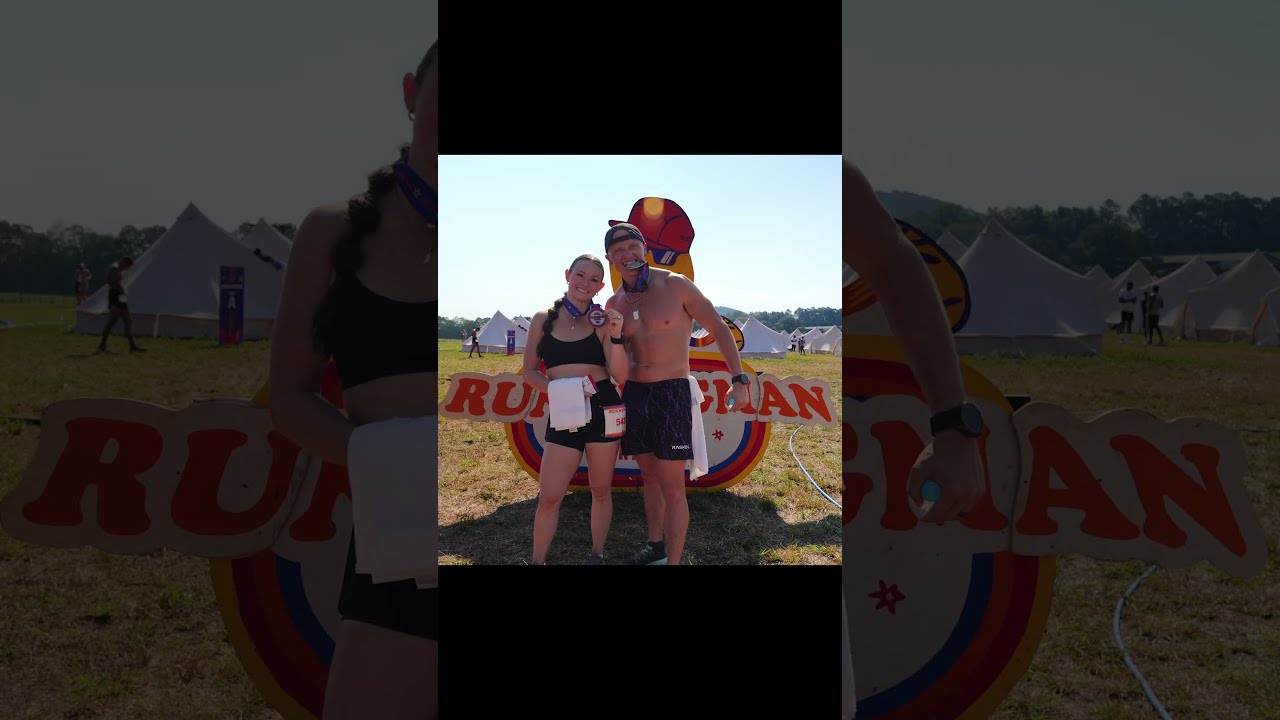
Ricky Martinez (No Soliciting Bruh) X Maser Sales Training: Challenging D2D Industry Traditions

In this conversational episode of the No Soliciting Experience, hosts Ricky Martinez and Austin Maser discuss the challenges and strategies of door‑to‑door (D2D) sales, especially in the pest‑control industry. They explore how focusing on controllable factors—using a "Serenity Prayer" mindset—can reduce anxiety and increase perceived power. The duo critiques social‑media comparison, noting that reps only see highlights and should rely on their own performance data. They highlight seasonal trends, emphasizing September and the start of football season as prime selling periods. Referral tactics are shared, with anecdotes about leveraging happy customers for multiple accounts. Personal well‑being is a recurring theme: maintaining energy, managing family responsibilities, and avoiding burnout are linked to sales success. They stress the importance of systematic training, role‑play, and staying in the "systems" even when life gets chaotic. Authenticity and trust are presented as key to customer conversion, with stories about long‑term relationships and personal connections. The episode concludes with parting advice to focus on inputs rather than outcomes, to stay calm and confident, and to keep training momentum, encouraging listeners to purchase the associated sales course.
Chapters
do real quick. One second. Almost there. Share, copy.
And this also makes for like a great portable charger.
Reset. I got plenty of water. What's the 33? Oh, that— we're going.
Yep, that's the 36 seconds.
Beautiful. You're probably good. And do you want to do the intro on this?
Yeah, I'll do it. Okay, I got it, I got it. All right, we are good. That means we're gonna move over here a smidge. All right. Oh, do you mean solid? So you see the red button right here? Yeah, hit it.
Just hit the red button.
Yep. Let me see the other side.
Green.
Yep, you're good. Okay, basically it's just going to return and, uh, record internally. So then later, and you'll take the two files and put them together. Yep.
Will mine pick up yours and yours pick up mine?
It shouldn't, no.
Cool.
All right, so clap. Let me put on the hat. I feel like I look like a freaking goob.
I have to keep my head bald. Yeah, my buddy was like, you start— he's like, you stop wearing a hat. For me personally, it's just hat and chain.
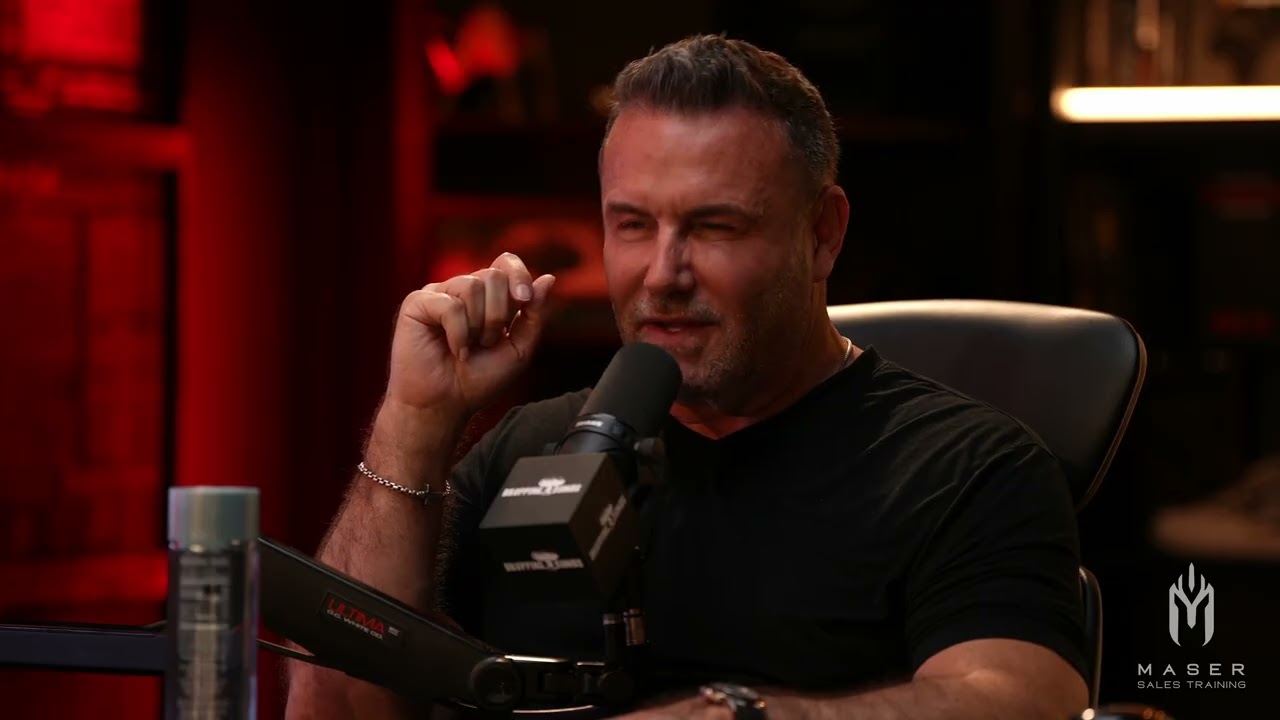
I gotta, I gotta represent. The collective somehow. Okay, lighting looks good. All right, welcome back guys to the No Soliciting Experience. We're here with one of my good friends, Mr. Austin Maser. We are out in South Bend, Indiana doing a training for a pest control company out here. Shout out to Fox for letting Austin come out. While you're doing content.
Yeah, so we've got a ton of live cells that I'm adding to my training course, and Ricky's got the, you know, DJI camera. This is like some of the craziest film I've ever gotten. It is hilarious. Like, these people up here in this area just are like easygoing but really quirky, and it's made for some really fun— Oh yeah, somebody taught me how to do an Irish jig today. And somebody was doing Michael Jackson moves for us.
Yup.
And they even added in a hee hee.
Yup.
It was crazy.
Yup.
So yeah, getting a ton of content out here and then just pouring into this company that has been using me for— this company has had a complete, like completely massive year because they've applied the training. Yeah.
Yeah. Would you say that it's a company or the team?
So there's 4 individuals that use me for one-on-one coaching. A lot of that's like really highly technical and then a lot of it ends up being like life coaching, dude. Like, okay, how are we hitting your goals? How's your marriage? Like it's more than just like technical sales training. It's more of like, okay, cool, how do we live in alignment with what really matters to you? Right? So like I love coaching. That's been really cool. So 4 of the individuals on that team work with me one-on-one. And then a lot of the team is subscribed to my sales training course. So it's like, hey, it just made sense to drive the Cybertruck up here. Uh, we surprised them, but they had no idea I was coming out. Ethan Snyzek is the owner of this branch, and he was the only one that I told that we were going to be coming up. But it's kind of cool how this kind of all came together because I post on my Instagram story, I was like, hey, I need somebody to film for me. I'm going to be doing this trip, location, you know, not disclosed. And you just, yeah, I'll do it with you. So that's how we're here. And I think the cool thing that we need to mention too is that we got connected. We actually, we knew of each other for a long time because you helped out my buddy to get connected with that solar company years ago.
Oh yeah, yeah, yeah.
Changed his life because you connected him with somebody that was, that had a big impact on his life back when you were doing the solar stuff. And back, you know, back when I, I was still in pest control and people were doing solar, and I just sent them your way and you connected them. But, um, we connected just because, like, the collective stuff. You were in the collective CG2, I was in CG1, and then we just talked on the phone one day and we're like, oh cool, we can be homies.
Yep.
So shout out to Corey.
Thank you, bro.
Yeah, Corey, you're the man.
So, so Yeah, dude, that's crazy. So I feel like we're kind of getting into the present of like who you are.
Yeah.
For people who don't know you, don't follow you, like haven't been a part of your journey, can you kind of give us like a brief intro of like, yeah, who you are, what you've done, and what you're currently doing?
Yep. So my name is Austin Maser. I live out in Georgia with my wife and my two daughters. My, uh, I, I love my family. Um, that's— as we talk tonight, you'll notice that's a big theme in my life, right? But I sold pest control for a company called Anthem Pest Control for 5 years. I started out, uh, my door-to-door story is really unique. I started out in door-to-door solar. I got absolutely demolished. I quit, came home to my wife and said that door-to-door was not for me. And it took COVID-19 pandemic and not being able to get a job anywhere while we were living in Georgia for me, and I was getting denied at Cracker Barrel, Costco, Home Depot. It took that desperation of like, I don't have a job, to get back into door-to-door. So I hit up a friend of mine from BYU who owned part of Anthem, and I was like, dude, I just need a job. And I showed up to Anthem Pest Control while I was still working part-time at a cheerleading gym to have, you know, some money, and I just started selling pest accounts. And I remember telling my wife I was going to get back into door-to-door and she's like, okay, you can do it. Just don't come home crying this time. Like, my wife's always seen that greatness in me. Okay, so I started August 10th, 2020. By August 16th, 2022, I had sold over 1,000 accounts in one season. It was wild, dude. But what I learned is that if I like really dive into the psychology of the sales process and just getting a ton of reps. I mean, I sold through December my first year just to try to get better. I called myself the Winter Soldier, right? But if I, if I just really study the psychology of selling and I invested in mentors and coaches, that I could take off. And I did. I went from being pretty average to, you know, doing 7 accounts a day. When I found out I was having a daughter even more pressure to kind of level up. And then within 2 years had a Golden Door. Since then, my focus has shifted from being the guy that sells all the accounts to now helping other reps have similar hockey stick years like I had.
Yeah.
And that's why I do what I do now, Maser Sales Training. I provide the best pest control training in the entire industry without a doubt. And so I sell that on my course right now. So if you're not on the course yet, go check it out. On my Instagram page. My Instagram handle is @masersellstraining.
Dope. So started solar, didn't work out. Dude, the pandemic kind of— it made or broke a lot of people.
Yeah.
I mean, it made me like— solar selling in 6 markets in one summer. That was insane. But it taught me to be resilient and it taught me everything that I needed to do to be where I'm at, you know. It sounds like it's the same thing for you.
Yeah, it, uh, that was also like a really special time in my, my wife and I's life. Like, we moved to Georgia on a whim. Like, hey, my wife was a— my wife was training to be an Olympic weightlifter, and when we were dating at the time, my first— the hardest sale I ever closed was my wife, right? I was talking about this tonight. I'm like, Yeah, like when my wife and I were dating, like we were friends. I really liked her and I'm like, "Hey, come on. Just date me. If you don't like me, you can dump me." So it's called the puppy dog clause. Take the puppy home, see how you like it. If you don't like it, you can return it. And now we've got 2 kids, but I'm bald now. So I got married her with hair. If you're a young dude right now, marry them while you still got hair and then you can shave it off later. But that being said, we were walking one day and she's like, "I wanna marry— whoever's gonna marry me has gotta be willing to move to Georgia." I'm like, "Done. Let's do it." So that's, uh, we ended up moving to Georgia for her weightlifting career because she was training for her weightlifting in the BYU weightlifting room with the football players.
Yeah.
When you start outlifting the male, like, wide receivers and you're starting to, like, squat more than some of the big dudes, like the linebackers and stuff, it's like, oh, we probably should go train with, like, the Olympians. And so that's why we moved to Georgia. There was all, like, the, all the Olympic athletes were here. And, uh, we're over there, and that's what helped her level up. But our priorities then shifted again. Yeah, she's not— she didn't make the Olympics. Um, we decided to have our first daughter, Georgia Grace, and since then our life has just been amazing.
That's dope.
Like, priorities were a certain way, and then we realized, like, there's nothing in the world that we would trade for our daughter. And now we have another daughter too. She was just born a year ago. So that's dope. Yeah, I have a fun story. Like, door-to-door has completely changed my life as I've gotten good at it. Like, it took a lot of work in the very beginning, but now, I mean, you saw this with the guys that we were training with today. We can go out, knock a couple doors, sell a deal.
Yep. Yep.
Sometimes it took a while.
Yeah, sometimes it takes a while. Sometimes it's very quick.
But yeah, so, but like, it's like in sales, like getting good is like an airplane. It takes a ton of energy to get off the ground. But once it's off the ground, it doesn't require as much. True. So I think training is so important to get dialed in on like the process and everything. I think, but dude, we had that call the other day. That's like what inspired us to do this episode of, is just the call we had the other day about like, we're in such a cool career, but I don't think kids are actually like living life.
No, they're not. We haven't lived life in the same career we're in right now.
Yeah, I've started to figure things out.
Yeah.
But like, we don't got everything figured out, but like, I think there's that phrase like, you live, you work, sorry, you don't work, so you don't live to work, you work to live.
Yeah.
And Years ago, like, I realized like there was sales is just an amazing vehicle to be able to live an incredible life. And I don't know, for me, and I'll just kind of dive into that, like my family, I did that big Golden Door year and I was telling you, I just haven't been able to like reproduce that yet. Cause like that Golden Door year like took so much work. I kind of like left a part of my soul into that, and it's fine. Turned me into who I am today. But since then, I'm like, I can still sell at a high level, not need the accolades, and be a really, really present husband and father.
Yep.
And so I lost my dad when I was serving my mission in Chile. He passed away from leukemia. And I think it was a blessing that it didn't necessarily click I lost my dad for years, but like, I don't think I truly understood what it meant to lose my dad until I brought— this is after my Golden Door— until I brought my daughter to his tombstone for the first time ever.
Yeah.
And I'm like, oh shoot, like, life ends. And then that, that fundamentally changed me to where like If you give me an opportunity, if you're like, hey Austin, you can go knock doors for 6 days, or you can go on this trip with your wife and your daughters for 3 days and then go sell for another 3 days, the other 3 days, I'll like, why don't I sell for 3 days, go make a ton of money, and then go on this trip with my family.
Yeah.
So just making sure the main thing stays the main thing. We talked about that. Yeah, dude, like, start living your life by design. Start calling your own shots. Start doing what you want to do. Instead of having other people call the shots for you all the time. Yeah. So I think you've had like a really— yeah, tell me about like some of the stuff you've had recently and like how that phone call affected you.
I think this happens to a lot of us where we just need not validation, almost like permission to be able to do what we want to do. I feel like so many of us have this loyalty to an idea, to people. And sometimes it's not— sometimes we lose the loyalty to ourselves along the way. It's kind of like not having the main thing continue to be the main thing, you know. So yeah, dude, that first call, it it'll put a lot of things into perspective. And realistically, bro, it was really nice to hear somebody not necessarily validate what I was feeling or what I was thinking, but more of like— it was more of like a confirmation of like, dude, I'm doing it. I don't know what I'm— like you said, like when I heard you say it, it almost felt like you're doing it You're still lost, but it's— life is so much better now because of it.
Yeah.
You know, and for me, it's like I've lived in structure. I've had so much structure my whole life being in door-to-door, the structure that I've created for myself, the structure that I've— that my leaders have put upon me, chasing these goals, like, to then now creating that for myself. And since then, dude, it's just been, it's been fun. Like I moved from Texas to Utah. Like I just took a new job. Um, life is exciting again.
Yeah. One of the things, it's cool to be excited.
Yeah.
Excitement also comes with some fear.
Oh yeah.
I think if you're not scared a little bit, you're not living. And so my jump, a couple of things. One of the things that we mentioned in our phone call too, was like this fear of just doing things that make you feel normal during the summer. Like a lot of kids feel awful if they like miss a morning meeting and they go to like, like, and for me, like I'll go to the temple, like Anthem, I started calling my shots. I'm like, dude, I'm gonna go to the temple today and then I'm gonna go knock. So I go to the temple down in Atlanta, Georgia, and then I go knock doors. I get lunch with my technician, we go sling.
Yeah.
Okay, but a lot of kids, they feel like that's like a sin to go do something else, or like heaven forbid you take your wife on a date for a lunch. Now we're in a season right now like where my wife and I like we've had to put our heads down to like build this training business, but like we've still done things for our family along the way, and like we've made sure that we're doing dates. Yeah. We shoot for have a date night every week. Week. Does it always happen that way? No. But like, it was like, okay, we missed our date week. Let's, let's do another one. So right now I'm knocking. I, when I was still knocking in Atlanta, I was knocking like 4 days a week, 4 or 5 days a week. And then I do one date night with my wife and then coaching calls the rest of the other days. And where I was going to go with that. Oh yeah. Like, like it's okay to work a knocking schedule and do things that you love. Along the way. Like, I had a coaching call with a kid today, and he's like, he was super burnt out, and I'm like, dude, you just need to go fishing. Mm-hmm. Okay, he loves to fish. Yep. You need to go fishing before you knock doors.
Yeah.
And the guy's not hitting his first door until like 3 or 4 o'clock, and I'm like, bro, if you can go fishing and you knock your first door at 1 or 2 o'clock, we're winning. Yeah, because now you're happy, right? This is an extreme case of burnout that we're working with. And I just got to get him happy again. Yeah, that's just an example of like, yeah, you can live and work. Because what I see with sales reps is they like forget that they're allowed to be human. And the reason I sell so well, and the reason I've loved selling as long as I have, is because you make it human. I'm just, I'm just me, bro. Yeah, I'm the bald guy. Like, I take my hat off. You saw it, dude, all the time. Like, I have fun with it. But, uh, if you're not scared in life at all, you're not doing life right. Yeah, like when I left Anthem, I was their head trainer for I think 3 or 4 years, okay? So I built out all their manuals, I built out all these videos, and I had this system in place for all the sales reps there. I would live a pretty comfortable life. They paid me a salary to train all their reps. It was very comfortable during the offseason. Kids didn't— like during October, November, December, kids didn't train as much. So I got to watch like Georgia football. All offseason during like Halloween and Christmas. And like, it was way fun, super comfortable. January comes around, I'm taking more phone calls. And then, uh, it was just a comfortable setup and I'm really grateful for it because it taught me how to build libraries, how to train reps. I got really, really good at training, but it was time for me. I knew that it was time for me to jump. Yeah. And part of being in the Collective was just giving me the courage to be able to take those next steps. Steps in my life. Are we recording? 15:26?
Yep.
Okay, just want to make sure.
Cool.
We're just learning how to do— I've never done this stuff. So part of being in the collective was just helping me understand that I can make those next jumps in my life and have faith. When I left Anthem, I did not know I was going to do Mazer Sales Training. We didn't even have a name for this. We're just like, I want to do something else. I don't know what it is, But I went to the temple and I'm like, please help me feel comfortable staying at Anthem.
Is there a red light on your side?
Yeah, yeah, I got a red light. We're rolling. Please help me feel comfortable staying at Anthem. I'm like praying to God. I'm like, please help me. Like, let this be the decision so that I don't have to jump into the unknown, please. And I wrote out these things. If they paid me XYZ, I'd feel happy. And I came up with these like came up with this feeling. I'm like, there's literally no number in the world that these guys could pay me and for me to feel at peace with the decision. So it wasn't money motivated, bro. It was like, hey, I have a mission to go help other people.
Yeah.
And I didn't even know what the mission was at first, and it's kind of gotten pieced together a little by little, and we're still figuring stuff out, dude. Me and you out here to just try to like put together content to build my business, to show people, hey, this is what you get when you hire me. Yeah, you know, so, um, but yeah, scared, dude. Uh, had, had like a full-blown panic attack in November because I was scared out of my mind. I was waiting for my back end to hit, living off savings. Like, life gets scary. Yeah, when you jump into the unknown. But it's beautiful if you just can sit in the unknown for a bit.
Is your mic You show green on yours?
Yeah, I got green.
My other one's red. I just want to make sure that—
are we frozen on our screen?
Yeah, we're frozen on that screen. Hit the red button on your mic.
The square?
No, on your mic.
Uh-oh.
Uh, nope, hit it one more time.
Did that not pick up anything?
No, it did. It's just not returning. It's not recording internally. Let me see them.
Is that good or bad? That's either or. Oh, now it's— now something's happening on the screen.
Now it's— let me see this.
There you go. All right, now is the thing messed up or no?
No, we're good.
We're good. We're good.
Yeah, we're good.
Yeah, so Yeah, but that was like the biggest thing that we talked about.
Yeah.
It's just like, yeah, it's going to be really, really scary to make jumps in your life, but that's when you feel most alive. Yeah. Right? Like, you just freaking drove from Utah to Texas— from Texas to Utah. Like, you have quite the story from driving up there, dude.
Yeah.
U-Haul, like had to change U-Hauls. Like, that was nuts. Mhm. You showed up to Utah, got on a plane, showed up here.
Yep.
Like, you've got, you've got a fun adventure ahead of you.
That's true.
So you mentioned when we were driving today, like, just the feeling of like unsurety sometimes too.
Yep.
Like, I think that's a bit— that plays a big factor when we make leaps.
Yeah, I would say so. Well, part of it, yeah. I actually want to touch on this a little bit more because as the day went on, I was thinking about it, and maybe that unsurety has been a sense of peace. Yeah, because in the past, like, like you literally just said, the excitement also brings fear, right? Like I'm excited, right? But it also comes with its own matched sense of fear, which is natural, right?
Yeah.
But even with that excitement, like those emotions don't really control or dictate how I feel as much, which happens when you just become better at regulating your emotions. But then there's still— if you regulate it. So for me, to regulate emotions is understand what I'm feeling, why I'm feeling it, what could have caused me to feel this way, what can I do moving forward with these feelings, right?
Yeah.
So I process it, and then I'm still left after, like, okay, like, whatever happens happens. Like, I know what to expect, and I know what could happen. And even after that, I just still feel Um, unsure, but I'm at peace with it because I know that there— I know there are things that I still don't know yet. Yeah, but I'm confident that I can figure it out.
Yeah, I think, uh, does that make sense? Yeah, yeah, yeah. But you're not— you're not— there's not anxiety tied up with that. It's like, oh yeah, unsure of what's coming next. But I know I'm in the right spot.
Yep.
That's always, uh, that's something that I've started to feel more of recently. But like initially when I made my first jump, my first leap of faith, scared shitless. Like there's no other way to put it. Like it was awful. Like, like, like that's what I told you. I have never had an anxiety attack in my— a panic attack in my entire life. And I was out in Arizona. It was after I'd been traveling all over the world. Like, I was doing blitzes with some marketing company trying to make some extra cash. Um, I had been swayed by a lot of opinions from other people, like people who probably had my best interests at heart, but like they also— they wanted to help me by like helping me be a part of their organization, but like they didn't they wanted to grow their thing, right? Like they didn't really have like— I was just trying to figure out life.
They were giving me a break.
I was so scared at the time. Just like, okay, what am I gonna do? And I think that that came like I wasn't trusting God because I know like God had given me an answer like, hey, you need to move on. And I think I just didn't trust, or like, and that's what came with all the anxiety and everything. But yeah, like having a panic attack blows. Like, heart rate went up. I was down in Arizona. My heart rate skyrocketed from like 70 to 140. I was sitting down, and I looked at my watch, and my heart rate was 140. My left side was going like tingling. I'm like, oh, I'm having a stroke.
Yep.
So I showed— I knocked on the door like at my in-law's house, and I was like, "Kaya, we gotta go to the hospital now. Like I'm dying. We need to go now." And I'm like fully moving around, but I'm so tired, and my wife's like freaking out like, "You're fine. You're okay." And I'm like, "No, we need to go to the hospital now." So I thought I was dead. It was probably a lot of things too. Like I was thinking about how I lost my dad a lot. That— I think that had a big thing to do with it because I was just talking to my— when the panic attack happened, I was talking to my buddy about losing my dad. So I think that came up. But, uh, the funny thing with that story is I like told my daughter, I'm like, hey, I'm going to the hospital, I love you, give me a hug. And my daughter was like, no. She just walked upstairs. Like, all right, this is how I go. See you, Georgia. Um, but yeah, when I went to the hospital, they're like, yeah, he You're good. Nothing going on. Your heart's fine.
Yep.
Like, there's no way. They're like, yeah, you just need a chill pill, bro. And then, uh, I realized that there was a lot more— a lot of inner turmoil going on. And, uh, she's— the right people came in the right time in my life to really help shape what I'm building right now. And I think that's true of like everybody. Like, when they— when they take a leap, just trust that things will work out. The right people will come into your life. Like, dude, you came into my life for this thing right here. I just threw out a thing on Instagram. I'm like, hey, who can help me out? You hit me up. So it's like, people are going to be in your path to help you, whether— whatever your goal you're trying to hit, whether it's like some personal production goal, if you're starting a business, like, the people will come as long as you're just being authentic. I think authenticity has helped out a lot with me.
Yep, I think that's what— yeah, 100%. I think earlier we were talking about people's fear of missing meetings. I think the industry is not conducive to be authentic.
Yeah, the industry is not conducive.
I don't think so, because everyone's forced into a box. Yeah, look at If you look at every company, you know what type of personality they have.
Yeah.
How many times have you walked into a room and it's just so diverse? Very rarely, because everyone is fitting the mold of one thing, and that's the company's culture. How many times have you— like, for me, for example, right? Like, I don't like to like shit on Aptiv at all. I had great leaders. Like everyone's bad experience about Aptiv, like I didn't have because I had great leaders, you know, like I had Kyle Nielsen, Jake Bennington, and they were like truly some of the most authentic people who I've ever met, right?
Yeah.
And they, you know, they're like, dude, you're you. Like you don't have to do— you don't have to be like the Provo bro. Just be you, bro.
Yeah.
But I look at so many people that are having these like burnouts or experiencing burnout, and it's because one, they're not being themselves.
Yeah.
And they're working overtime to try and be somebody who they're not. And then that person that they're trying to be is a person that thinks that they think is going to make all the sales. When in reality they just got to be themselves and themselves will make all the sales.
Yeah, people buy you in door-to-door.
And if you're pretending to be somebody else, you know, it's like Robert Downey Jr. in Tropic Thunder. I'm a dude playing a dude disguised as another dude. He's just lost, you know. Yeah, that's these reps on the door. They're just lost.
I'm a dude disguised as a dude playing another dude.
Yep.
I think, uh, Yes, the biggest advice I've given my coaching clients is just be yourself, bro. Like, just do something that makes you happy in the morning. You cannot fill from an empty bucket. So this is, uh, you cannot pour from an empty bucket. Yeah, you need to fill your bucket so that you can pour into others, and you cannot pour from an empty bucket.
Nope.
And so people will feel your energy on the doors, and people will know if you're like a happy person or not. And so yeah, biggest advice to reps right now, it's By the time we get this thing out, it'll be like end of August. There's gonna be reps knock, you know, like August, there's gonna be reps knocking in September, October, postseason, maybe to hit their goals. It's like, dude, lock in, still work a ton of hours, but also like remember to be you. And I think too, like it's, there are groups that will do like a company trip, like the these guys out in Fox, they did like a company temple trip last week. That's awesome, they all hit the doors afterwards. That's great, but who's to say that if you're a married rep, you can't go to correlation in the morning and then go take your wife out on a little breakfast date and then go knock doors?
Like, yeah, you know what I mean?
Like, yeah, but there's a lot of people that are like, oh, like, my manager is gonna know if I don't knock my first door. It's like, well, as long as you're selling lights out, it's fine. Like if you're not, if you're bageling every day, okay, maybe you should like get a little bit.
Yeah, 100%. If you've earned it, if you've, yeah. If you focus on the inputs and you focus so much on the inputs, like the sales will come.
Yeah.
Like there's no way around that. That's like one of, okay, so there's this, how would I even put this, dude? It's like, I've had reps where they don't knock all the hours, but they still sell.
Yeah.
At a decent to high level. I don't worry about them. I don't micromanage them.
Well, some people don't want to have—
No, and it's like, dude, just go do you. And it's, and it's a sense of like, almost verbatim, I say like, look, dude, I don't care what you do. Just do what you need to do, handle what you need to handle, go knock.
Yeah.
I'm not going to tell you when to knock unless there's a competition or like something that, you know, that I know you can do. I'm never going to push you to knock. I'm never going to tell you, bro, you got to be on the doors from this to this, right? If you tell me that you want to hit X, Y, or Z goal and those goals require you to knock from this point to this point and you come up with that yourself, I'm gonna hold you accountable to that. Yeah, because you set that out, not me. But besides that, dude, like, I don't care what you do. Just go do what you need to do and handle business when you need to handle it, and go knock when you go knock. Yeah, just don't hit me up for money when you don't have money.
Yeah, yeah. With the guys that I coach, because sometimes I think accountability cures a lot of things. With the guys that I coach, I'm like, okay, if your goal is to finish up the summer with like your $300K goal or your, you know, 400 account goal or anything, there's got to be some extreme form of accountability where it's like, on the doors, these are the deals I sold, off the doors.
Yeah.
So all of the guys I coach with one-on-one, they— I just got a ton of bug emojis in my phone because every time they sell, they send me a bug emoji. But yeah, I think for a lot of young guys, there's— they're Me and you were talking about this the other day like with like LDS missions. Like there used to be like way more structure, and way more rules, and everything, and I think those were like the good old days of like missionary work. There's like when there were more— I think— I personally think back when they knocked doors, that was like the best. That's the golden age. I got to get the very end of it, right? But like the Nokia brick phones. Like that's all you had, and I'm like, what's going on? But I think structure is really, really good for young guys. Now they're like trying to help like missionaries in particular have more freedom. Like great. That's fine, but I am like, dude, there's something cool about that raw— like this is your schedule, hard rules, and like door-knocking. Okay, so I think a lot of young guys like they do well with structure, but within that structure you should have some stuff to help yourself feel happy. Now going home, I personally Like when I work with kids, I'm like, I don't think you should go home and play video games for 4 hours. I think that's going to burn you out. I think it's going to mess with you mentally. I think you should do things that are like actually productive for your health, for your like mental health, spiritual health, physical health. Like go on a walk, go on a hike. Yeah, maybe watch a show, but like you don't need to binge watch for 5 hours. Yep. Um, but like if you're a rep bringing your Xbox to market I don't know how you feel about it, but I'm like, dude, you didn't come here to play video games. You came here to grow as a person. I just think there's other things that you can do, like to be productive and like— not to be productive, I don't know, just have some free time too. I don't know what are your thoughts on that?
Sparingly. I mean, dude, when I first got to Waco, dude, we would— there were so many nights where we all just mob to the office, bro, as a team.
Is there video games there?
Yeah, bro, we just play Call of Duty in like private lobbies. It would be more of like a, like a team bonding thing, you know?
Yeah, there's a different purpose there though.
We're like ordering pizza, we're drinking kava.
Uh, dude, I've never had kava in my life.
We're mixing, um, some of us are drinking, we're eating, and it's just like, dude, it's so much fun.
I've heard kava's cool, dude.
I love mixing kava.
If there's anybody I could do kava with, it'd be you.
Yeah, all the Polys, dude, invite me to go mix with them.
Kava is like that Hawaiian drink that just chills you out.
Yeah, so it's, it's a Polynesian root. It's like, if you ever had like, what's that Hispanic one?
Mate.
Similar. You yuca. Have you ever heard of yuca?
No.
Okay, so it's like an actual root, like a tree root, you know.
Okay.
They grind it up and it's like a muscle relaxer, right? Um, but it's like a cultural thing, it's a ceremonial thing. And, um, dude, we just like to have fun, you know. Like, we, we do stuff like that. Like, on the weekends, uh, we'd pull out the poker table, be mixing, listening to music, playing gambling, and then just having a good time, you know.
Yeah.
But the over—
the excessiveness of like, if you're solo gaming, yeah, you're like, you're on the couch for 4 hours. Yeah, yeah, yeah. I mean, but some— for some guys, they really like that. So I guess, uh, I guess I'm just like part of like the— yeah, none of that, you know? Like, that's just like— because I, I grew up, I grew up playing a lot of video games, and my dad came downstairs one day, like Call of Duty, all that stuff. I'm like, Dad, 'You want to play with me?' And he like looked at the screen, he's like, 'No, dude, like I lived that.' I was like, 'Oh, okay, this is like real life.' Like my dad flew C-5 Galaxies out to Afghanistan, had friends that died in war. Like, like, yeah, he knew people that died. Like, like, so, so like it wasn't like necessarily like a game for him. So like I quit playing like shooter games like that. But yeah, that's just my video game stuff. If you like video games, great, good for you. It's awesome. I don't like them. That's okay. No, you ain't got to— ain't nobody gotta like what I like. Not everybody's gonna like what I like.
Yeah. And the thing is, like, you can't— for me, I am not against it if it helps you reset.
Uh-huh.
The thing about it is I think you just gotta be responsible about it. Yeah, that's it.
Mental reset.
Yeah, mental reset. Like sometimes I just go and I play like 2 games like in a lobby and I know that I suck. Like I'm decent, but I know that I suck.
Maybe the reason I don't like video games is because I get destroyed.
Yep. But it's like I do it just to— so I can say that I did it and it's like, okay, well, I guess I wasn't bored. Guess I didn't want to play video games cuz if I did, I'd still be playing.
Yeah.
So then it's just like, okay, I got it done. It's like an itch, scratch it, be done with it. But dude, I think what it comes down to is just being responsible. Yeah, that's it. Just treating reps and treating your people as adults with common sense, bro. It's like, okay, you're going to go to me, you're going to go home. If you're going to take your wife on a date, do it. I get it. If partially the way that I see it, like, if she's always complaining about you always working and you're not doing anything about it, that's your own damn fault.
Yeah.
So if going to meeting, going home, taking her out for something simple, right, is going to get her to be off of your case a little bit, and you are investing in your relationship and in your marriage, right, and that puts you in a better mood, and if you're in a better mood, you sell better, and And if you sell better, you sell more, which means that you make more. And that just— not to say that money is like it's happiness, right? But it alleviates stress.
Yeah. Yeah. Somebody said, uh, whoever said money doesn't buy happiness didn't know how to use it very well. That's true. Um, right. Or didn't, didn't give enough of it away.
Yep.
Right.
Um, Or never bought himself a jet ski.
Those guys love jet skis out here. I think for me it's always been like— and my mentor told me this— it's like the list of priorities is: how's my relationship with God? How's my relationship with myself? Then my wife. Then my kids. Then my community, and then dead last is how's my relationship with work, and work's just kind of an easy one, dude, but a lot of the reasons why we have like problems with work is because there's something within this higher order of priorities that's off. So I was having a hard time selling at one point. I reached out to my mentor, Jeremy Davis, at the time, and he's still one of my best friends. He does sales training. Davis Sales Trainings is his page. He does sales trainings for realtors and takes some door knocking. Super cool. But I had to tell him, like, dude, my sales game is off. And he goes,, "How's your relationship with your wife?" Like, "How's your relationship with God?" I'm like, "Oh, I need to work on that." And so I still like this year, dude, this has been a year where it's like full of traveling and full of risks, and you know, there's still times where I'm like, dude, when I get home on Friday, I'm like I'm trying to figure out how I can get home as soon as possible so that I can Saturday night take my wife out. And do something with her before I go to Utah because I'm flying to Utah again next week, but yeah, I think if you can put your wife first— like God, wife, and then you know kids, and community— then work kind of is just something that we do, and I think work's tied up in like our identity a little bit. Like as men, like we want to do something with our jobs. Like we like working. But we were talking last night, like, work can consume you to a point where you forget about all the other stuff. Yep.
Yep.
It's not fun.
Nope.
We see it a lot of times. I was talking the other day, like, like divorce and door-to-door is like, I think in entrepreneurship is high.
Yep.
And that's not fun. Nope. To remember to keep the main thing the main thing when you're doing a business. I still think that I, like, I have to be, like, I say that right now, I'm not perfect at that. At all. Like, there's times where I'm like, man, like, Kaya's due for a date because I'm like, how did we go 3 weeks without that, you know? So most recently I did with Kaya was like a— or like an EDM style, like, uh, party at my— at Ben Morgan's house. He's like the owner of Anthem. And we went there and like, yeah, drove in the Cybertruck together. That was fun. And went to a little party. It's a good time. So I think, uh, for any rep watching this, it's like, okay, cool, how can you become— how can you be more you? Like, how can you just be more whoever, whatever, whoever you are? Like, how can you lean into who you are? Because people are gonna buy from you if you're happy, and people feel your energy big time. But it's just like, dude, you're, you're— you've had some really cool moves recently in life. It's like You're calling your own shots. You're doing things that you want to do. And it's scary at first, but then you have the peace knowing that like, hey, this is what I need to do. Mm-hmm. And sure, it is not a bad thing. I think this is what we talked about, like, I'm sure, like, peace, like, oh yeah, I'm unsure what's next. That's okay. I'm sure. I'm sure what's going to look like long-term. That's fine.
Mm-hmm.
Yeah. Or I think I had a ton of fear when I was like freaking out and thinking, oh, what's the worst case scenario? Well, how could this go wrong? It's like, well, what you look for is what you find. Mm-hmm. So make sure, you know, the very end of the summer, like if you're, if you're like burned out, you feel burned out, do things that make you happy. Like go on outdoors, like set yourself a schedule that you can run for this last little bit, but do something beforehand that makes you happy. And then, and then just be, uh, just remember you don't need to be able to last forever in this, uh, in this job. You seem to go like 4 or 5 months at a time.
Yep.
And then the payoff, the offseason is a lot more fun when your bank account is fun.
True facts. Dude, you actually touched on something about burnout. I have a very controversial take on burnout.
Let's hear it.
I don't believe in it. So here's kind of my reasoning why, right? When people say I'm feeling burnt out, right? Like, what is it? Again, emotional regulation. What am I feeling? Why am I feeling it? What can I do to get out of feeling this? What are the next steps, right? More often than not, people associate the feelings of burnout as to— it's tied to results.
Uh-huh.
So why do people feel burnout in sales? Because they're not making sales. They're not making the same number of sales at the end of the summer as they were in the beginning of the summer. All right. So that's why they're feeling burned out. Like 90% of people feel burned out for that reason. So if they're not making the same number of sales right now as they were in the beginning of the summer, why are they not making the same number of sales? Why were they making more sales in the beginning of the summer than they are now?
I think it's because in the beginning of summer you learned your objection handlers and you believe they worked.
Yep.
And then through maybe conditioning, you hear the objection at the end of the summer and you don't even try. I had that conversation with one of the reps just the other day.
Yep.
He's like, yeah, I used to sell like at least 3 a day and now I'm only getting 1. I'm like, okay, well, when you go for your objection handler, do you actually believe that you can sell them? He's like, start— he's like, yeah, you're right. I need to actually like believe that I can get people through and rack them and actually go and close.
Yep.
And that's his adjustment that he's making.
Yep.
So that's one thing. I think that, and then I also think people just like, people stop training too. Like, I'm a sales trainer. I'm like, dude, you need to train. The correlation doesn't turn in— correlation is no longer training. It turns into, all right guys, what did we do yesterday? What are you running into? Like, that's not correlation. Correlation is, hey, let's get training. Let's do role play. Let's watch a sales video. Instead of just talking about the day.
Yep, exactly. So that's what it is. People are getting— are feeling burnt out because they're doing the same thing over and over and over again expecting a different result. The same level of training that they did in the beginning of the summer.
Oh, you gotta ramp it up.
Yeah, you have to ramp it up.
Yeah.
So if you're not— so here's, here's really what it comes down to for me is being excited about something.
Yeah, right.
You're training, you're coming up with new ways to overcome objections, you're coming up with new ways of, um, managing your area, like area of research before you go out and knock the door. You know what door you're gonna knock first, that way you don't show up, drive into your neighborhood, and you're like, where do I start? And then you spend 5 to 10 minutes driving around the neighborhood. Scoping for good looks. Yeah, that should be done the night before, right? You don't have to think about things anymore. The fact that you're overwhelming yourself with decisions to make when you're not mentally sharp, it's emotionally draining. Yeah, and you're getting decision fatigue, which means that, that, that, that emotional bandwidth and that decision-making bandwidth is taken away from your emotional battery for the rest of the day. Yeah, you're burning it out without recharging it all the way, and you're burning it out on stuff that doesn't matter. So overcoming objections during different times of the year, you're not training, you're not coming up with new things, and you're not excited to go out and apply it, and you're not excited to go out and after you apply it, making adjustments and perfecting it. Yeah, you're just doing the same thing, coasting, coasting off of the confidence from 3 months ago, expecting a different result.
Yeah, well, I'm working with a rookie right now that like started and has had his best week of the summer his first week. It's because he was training harder, he was studying the script, he was role-playing, and then he had another solid week, and then he just kind of stopped doing the training, stopped working out in the morning, stopped doing his morning routine. I think structure has— I know this, I know that structure has a huge role to play in that. If you're waking up on a consistent basis at the same time every day, you're working out, you're doing something for your soul, your spirit, your mental side, and then you show up to these meetings, and you know, you're going to be a happier person. So you cannot perform in a bad state, and so if you're not in a good state of mind, then it's really tough to perform. Perform. Now I've had some really like gloomy days where I still decide to show up and they're massive days for sales. But learning how to show up to sell regardless of the result and like disconnecting from the result is a big— if you can figure that out, yeah, you're gonna do well. I always tell kids, I'm like, dude, if you base your happiness off of sales, like you're— it's just a really sad way to live your life.
Yep.
There's, there's so much more to— I said this today on one of my calls with my reps, my coaching clients. I'm like, dude, there's so much more to who you are as a human being than how many freaking pest control accounts you can sell.
100%.
In fact, that doesn't even matter. That's just a byproduct of who you're becoming.
Yep.
And the focus needs to be shifted inward. That's why I do a lot of coaching on just life and helping people, helping people realize what truly matters to them and what goals they have long term. Because pest control and all this other stuff, it's just the illusion. We're here to actually grow and learn as human beings. Pest control sales is just the illusion.
Yep.
It's just what I sell. I sell, I sell I really just sell, hey, the betterment of who you are as a human. Yeah, I sell positivity.
And as you become better, things— yeah, get better. Yeah, money gets better, life gets better, relationships get better. Everything gets better as you become better.
Yep, yep. Money is just a byproduct of who you're becoming. And I've realized now, like, money is one of the easiest things to come by if you just provide value to a lot of people. So yeah, brother, that's crazy.
Yeah, so in a nutshell, I don't believe in burnout. Yeah, I believe that people lose structure, people lose habits, and people really are just feeling insane because they're not— they're attaching so much to results instead of I think I firmly believe everything should be shifted to inputs.
Yeah.
But then again, that's the, that's kind of the clash between what my, my belief and what every manager and every leader, every owner will say. And I get it. I understand why, you know.
Well, if it's like scary for a manager to give up like the, oh my gosh, we need to focus on the, we need to focus on the It just for them might be scary to just trust that the results will come if you focus on inputs. With one of the guys I was coaching today, I was like, dude, you don't like— just forget about the whole morning routine. I just need you to go fishing and I need you to knock your first door before 1 o'clock. That's it. Because he likes fishing. Like, go fishing and then knock your first door before 1 o'clock tomorrow. That's the only thing you need to do. That was like an input for him. Or I worked with— I've worked with other guys who are married, and I'm like, do these 3 things for your wife, and it'll make a very big difference in your marriage. And the phrase is happy wife, happy life. Unhappy wife, hell. Okay, it ain't fun. So making sure that your wife is happy throughout the summer, super important. Now, is it always possible to make sure other people are always happy? No, but like making sure that you're in good standings with your wife You're helping out around the house. Like, that's super important. The biggest arguments I get with my wife is like when I'm not helping enough around the home. Like when she's like not happy with me. It's like, okay, cool. I gotta remind myself to do stuff too. So yeah, dude, I think the biggest takeaways for me in our phone call is just like living life by design. Like you call your own shots when it comes to your summer, especially as we're in postseason too and other guys come home.
Yep.
Go home. Try to figure out a way to go do something that you love in the morning and go knock doors.
Yep.
And I think, you know, get your system, keep your systems in place, your training. If you're not on my training platform yet and you sell pest control, what are you doing? Hop on there. There's tons of these videos that Ricky and I are filming this week that are gonna be on there and I show you how to do everything. So yeah, if you need pest control training, get on there. Keep some structure, do things that make you happy and, uh, lock in. You don't have much more time until this whole season's over.
True. So yeah, just, yeah, call your shot. I think, I think that's, uh, how would we do that though? Like, I'm, I'm thinking about ways, like, in my mind it makes sense. Like, funny enough, today during your— about the guy fishing, I remember talking to this to— I have a lot of people call me.
Yeah.
Tell me that all their problems. And one of them, uh, what's actually his— I dug about what, what his favorite thing was. He's like, oh dude, I haven't gone, I haven't gone fishing since like I was like 14. I was like, bro, here's what I need you to do. I need you to knock X number of doors every single day. You do this, I will buy you a fishing pole.
Yeah.
So So you can go out on Saturday. You can go take your speaker, take my cooler, right? Fill it up with drinks, whatever you want, bro. And go fishing.
Yeah.
And do not call me.
Yeah.
Go fishing. Do not call me. Do not call anybody. Go fishing. If I hear you complain about one more thing, it's because I know that you didn't go fishing. So help me help you. Yeah, we ended up doing it.
He did it.
He was so happy the next week, bro.
Really?
So happy. And I was like, dude, you know what, I don't need you to come to the meeting, just go fishing in the morning.
Ah, for real?
Yeah, yeah, just go fishing. And, um, yeah, it was so much easier to deal with them after the fact.
Yeah, these little solutions.
Easy little solutions. All these problems. The crazy thing is that, okay, the more, the older I get in the industry, the older I get in life, the more I realize that the simple things are the things that make you the happiest.
Yep.
Like, you are just a person who sells XYZ product or service. It doesn't change who you are, right? Yeah. So stop letting it consume you and just be you. You just happen to sell this product or service, which then in turn makes you more money, which then amplifies you to be able to do what you do. Like, the amount of LEGO Star Wars sets that I have, bro, is insane. The amount of freaking lightsabers that I have is insane. The amount of like weird memorabilia from like Marvel, Star Wars, like Jurassic Park— it's like I have so much of it because I'm able to buy that shit because I make sales. You know, like the amount of cool stuff that I have that like makes me happy, bro. It's because I focus on what I need to focus on when I need to focus on it, you know? Then I'm able to buy it and like no one knows about it. Yeah, except for now. But you know, we gotta see it. Yeah, dude, like it's, it's in storage. Um, all those boxes are in storage. But yeah, dude, I would literally lock myself in the house and just build LEGO sets and I'd be the happiest person in the world.
That's good.
But I only did that after I rewarded myself for doing the things that I promised myself That's what we do.
Incentives are really powerful. So if you need to set an incentive for yourself to push yourself, hey, when I do X amount of accounts, then I get this reward. And sometimes that's like an item that you purchase. For a lot of guys, like, oh, when I hit this amount for the summer, I'm gonna buy myself a Rolex, whatever. Like, a lot of kids do that. But creating personal incentives help a ton. Yep.
So I, I have, I have one that's like my favorite. So I like whiskey. Yeah, bourbon, like Scotch, like really nice stuff, right? So one of the things that, that I've done is I reward myself. You know who Andy Frisella is?
Mhm.
So he has this concept in the 75 Hard program, or in, in the Live Hard program what's called like the power list, right? 5 things you gotta accomplish that day. They're actionable items. Like if you're looking at it in like a door-to-door aspect of like 5 things you can do today, 5 things that you can control. What time you knock your first door, how many doors you actually knock, right?
Last door.
Last door, right? These are 3 things.
How many times do I rack with somebody?
How many times do I rack before I give up?
Uh-huh.
What time do I hit the gym?
Yeah.
Right? How many follow-ups do I do, right, in that day? These are all things that you can control. So the concept of it is writing down your 5 things that you do, because if you do more than 5, it becomes like almost like an unbearable task, you know?
Yeah.
Reason you do it, you hit the 5 at the end of the day. If you hit the 5, you write a W. If you don't hit the 5, you write an L. I take it one step further and I go to one of those calendars, you know, the ones that flip up for every single month.
Yeah.
And I put a W or an L on that day. If I have a good day, like a good day for me is the 5 inputs, like the 5 tasks. And if I do that, then I reward myself with an ounce of scotch.
Yeah. An ounce.
Mm-hmm.
Thanks.
Yep, tiny. It's nothing crazy, you know, nothing crazy. But it's like one of those things that I do to decompress and like de-stress, you know. Yeah, like I either sit on the couch with the TV off and I just sit there and I reflect, or sometimes I'm outside in the backyard or in the front yard. I just sit there, reflect on the day, sipping my whiskey. And I'm just like, hmm. For me, it's like a mental conditioning to let me know that I did every— I controlled everything that I could control. Yeah, right. So many times we get mad about the things we can't control, even though we're not controlling things we can. Yeah. Oh, my customer canceled. You can't control that. Yeah, but you're not controlling how many doors you knock. You're not controlling how long you take your lunches. You're not controlling if you pack your lunch. You're not controlling—
packed lunches are huge for kids.
Yep. You're not controlling the urgency you have to get out the area. You're not controlling the fact that you're pushing yourself to knock later and you're the last person to get picked up and you request to be the last person to be picked up and your car group is waiting for you as you, as you keep knocking. Like, these are things you can control, but you're not doing those. But you're getting upset that when you finally make a sale, it cancels. And you're distraught about it.
Yeah, there's the Serenity Prayer. It basically mentions, you know, says, God grant me the— God grant me the wisdom to know the difference between the things I can and cannot change, and basically like the courage to act on the things that I can change, right? Like, I butchered it. Like, go look at it. Yeah, Serenity Prayer. But yeah, I think as, as you finish up a season, just really focus on what you can control.
Mm-hmm.
And you'll be shocked if you just focus on the things you can control, you finally feel like you have some power. If you focus on things you can't control, you feel completely completely powerless.
Yep. But dude, don't control— no, no, sorry, don't compare yourself. Oh yeah, at this point of the summer. Yeah, everybody has this sense of anxiety, this self-inflicted feeling, feelings of inadequacy because they compare themselves to other people. And they feel like they're not doing as much as they should be, and then they just inadvertently, like unknowingly, just call it anxiety and they feel anxious.
Yeah, it's like, okay, well, and you only see like the— when people compare themselves to other reps all the time on Instagram, it's like very few people post if they had a bagel day. Like, like nobody really like flaunts that. Like very few people, you know, ABC rep, zero accounts, total revenue, $0. Like we don't see that on social media. Nope. We only see the highlights. And so just remember, like everybody has slow days, like post-Golden Door, not too long ago, I bagel 3 days in a row. It's like, what the hell is going on? It was complete fluke. I laughed at the end of every day. I'm like, what is going on? I don't know what happened. That's okay. We'll figure it out. Obviously, it was like, I've got years and years of data to show that that's just a fluke. And I think as reps, like, you have enough data to show that you can sell. And so just rely on that data and know that you're at the best point of the summer to sell because people start to go home anyways. September is a great month to an ock. I love it.
I've had my best months in September.
Yep. Yep. People are just mellow. Football season started, everyone's happy.
Yep.
Yep. Fall's coming around the corner. So, yep.
I remember, uh, I was in Nashville, September into October. I was running around, riding around the Segway, dude. The amount of times that I— we just— I just talked football.
Yeah.
Got in the house, sold them there.
SEC football, man.
Yeah. And then I would— so dude, I was notorious for selling multiple pest control accounts in one account. I mean, in one house. I just pulled—
oh, referrals.
I would pull referrals and knock down initial.
Yeah.
I would knock the initial down for every referral they sent me.
Yeah.
And they would call their friends right then and there, and half the time I was drinking with them.
Yeah.
So I'd be freaking wobbly on that Segway leaving that house, but I left with 3 or 4 accounts.
Yeah. This is Nashville.
Yeah.
Sounds fun.
Yeah.
Right up the road. I'm driving down through there on the way home.
It's a great time, but I just had fun with it, you know?
Yeah.
I had so much fun with it. Like, I'd leave sometimes, dude. There would be some of my favorite, favorite times in the summer was having to be picked up because I was drunk with a customer.
Oh boy, you just hit up your, uh, your buddy like, I can't get home today.
I'm like, hey, uh, I'm in the garage with the husband, and they're like, okay, we'll pick you up last.
Yeah, I've seen some buddies— they— my videographer that did all my stuff for like my page and everything, there's been a couple times just cracked, cracked one with, uh, with customers, and I get selfies with them and everything. Mhm.
But, uh, it's just enjoyable, man. It is so enjoyable. And for me, it's so cool because a lot of those people are people who I can crash at if I ever go back to that market.
Oh really?
100%. Still keep in touch with them. They're on my Christmas card list.
For real? Yeah. That's wild. I used to send— when I started Indoor Door, I used to send thank you cards to every customer. I'm like, there's too many of these now. I just send a text now with a selfie. That's all you get. But like, uh, that's wild.
Damn.
Crash on the couch. You just like— people, people, people just trust you, man. Like, you're connect— we talked earlier, you're a connector. You've connected a lot of people. You connect to my buddy earlier on and uh, years ago, uh, you didn't even realize it, but you connect people. You're— you— people feel safe around you. I feel like that's dope that you can do that. I can get some people to do some crazy stuff on the doors.
100%. I've seen that. I've seen that.
But yeah, dude, I'm exhausted, so I think—
yeah, any, any parting words to the people?
Mainly just echo what you said. Just get back into your systems. Get back into training. Do role play. The worst thing you can do right now is dial back on that stuff, so ramp up on your training, and do things that make you happy. But if you're gonna miss the 12 to 1 window so that you can go to a date with your wife, or you can go do something that makes you happy, don't freak out. Do that. And then you have that urgency once you start hitting doors. Yep. There's been days where like I've had everything hit the fan at my house and I knock my first door at like 3:45 and I finished the day with 7 deals. It's because like I did the things that I needed to get done. If I would have left a wife with a poopy diaper and the house a disaster, it wouldn't have gone over well. But I like made thing— made sure that I kept those things first. And turns out I sold really well that day. I wonder why. Well, it's because I was in a good state, and when I'm in a good state, people buy from me because people buy— people feel your energy big time. And if you have frustration and anxiety, no one wants to buy from a pest control rep or any sort of rep that's just anxious. We talked about this earlier today, that's tweaking, you know. Um, people want to buy pesky— people want to buy anything from someone who is calm, confident, and sure of themselves. So if you're unsure of yourself and you can't even rely on yourself to get out of bed in the morning, why should someone trust you to help them? Yep, right. So yeah, ramp up on the training. I think you should buy the course. Obviously I tell everybody that. Try to close kids on the course today, like get them to pull out their phone and buy it in front of me. That was fun.
Mm-hmm.
But that's my parting words of advice for you to finish strong. How about you? Mm-hmm.
Parting words. Something that I felt over the last few weeks is as long as you're doing everything that you can do and within your power to control, everything's gonna be alright. Yeah, everything happens for a reason. Focus on the inputs and everything's gonna be alright. Yep.
Forget about the result a little bit. Mm-hmm.
Forget about the result, 100%. Yeah, focus on things you can control, and at the end, whatever happens, happens. As long as you do your part, things will be good. And if it doesn't, it is what it is. We'll see y'all next time.
Dude, that was fun.
Yeah, I think that's going to help out a lot of kids. Yeah, I think so.
Just a talk. That was fun. I don't know, I was like really worried that it wasn't filming it.
Is the light still red on your side? No, on, on, on the camera. Nope, it's still recording.
Oh my gosh.
Oh goodness.
Part of me doesn't even want to look at what time it is.
Yeah, me either.
Oh, it's not as bad as I thought.