How to Choose the Right Person in Love
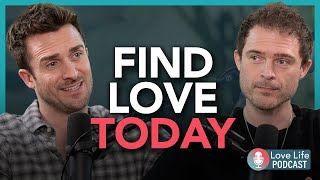
In this April 2024 episode of the Love Life podcast, host Stephen Hussey sits down with relationship coach and author Matthew Hussey to discuss his new book, Love Life. The conversation weaves through Matthew’s personal journey toward greater vulnerability, the dramatic shift in dating over the past decade, and the psychological forces that make modern romance feel like a dopamine‑driven addiction. Matthew outlines a four‑stage hierarchy of importance—Admiration, Mutual Attraction, Commitment, and Compatibility—explaining why people overvalue the first two and undervalue the latter two. He shares concrete strategies for "rewiring" the brain, choosing values intentionally, and embracing singlehood as a healthy, purposeful state. Throughout, he illustrates his points with personal anecdotes about his relationship with Audrey, therapy, and the challenges of online dating, while also promoting the book launch, a live virtual event, and a retreat giveaway. The tone is conversational, candid, and supportive, with an undercurrent of enthusiasm for personal growth and intentional love.
Questions this video answers
May 4th (the live virtual event "Find Your Person").
Get the Guy (referred to as coming out 10 years earlier).
Chapters
So in this book, I think it's fair to say this is the most open I think I've ever seen you been personally about yourself on any platform.
Were you surprised when you first read those parts?
I was surprised how confessional you were willing to be.
What's up, everybody? Welcome back to the love life podcast with me, Matthew Hussey. And today, Stephen Hussy who had an idea. He was like, you're doing all of these other podcasts to talk about the new book. And there is some amazing stuff that is coming out of you doing all of those podcasts, but you haven't actually done an interview about the new book on our podcast.
That's right. And I wondered, has anyone really cracked the nugget that is Matthew Hussy's juicy brain?
So you're like, In the mountain of podcasts I've done, no one's got it yet. Like, no one's really had the scoop. Right.
Many have come close.
Right.
But I think this is the one.
Okay. I like it. Well, it makes me slightly concerned now about what you're going to ask. Is somehow the most dangerous podcast... Imagine if the most controversial podcast I did was the one that we did ourselves.
Yeah, I think I do. Yeah, that is my concern.
Or your aim.
Or my goal.
Yeah. Well, this is what we're gonna do today. I have no idea what Stephen is gonna ask, but I feel like some great stuff is gonna come out of it. I have a good feeling about this. So let's get started. Guess what, everybody? The time is finally here. Love Life, the new book, is no longer available to pre-order because you can actually order the bloody thing. It's available. The book is out. So, when you order it now, it will actually ship to you immediately. I am so excited about this. Been waiting for this for months and months, and you finally get to read it. Remember, every single person who gets a copy of this book also gets a complimentary ticket to a live virtual event I am doing on the fourth called Find youd Person, where we're going to be taking all of the ideas from the book and helping you apply them in a real way in your life to find your person this year. Not only that, but every single person who gets a copy of the book is also getting entered into a prize giveaway where we're giving away tickets to my live retreat, six days live with me in Florida this year by the beach. We're giving away a one-on-one session with me. We're giving away Love Life sweatshirts and all sorts of other goodies. You can get all of this stuff by going to love life book.com and entering the from your receipt on that page. Enjoy it. Let me know what you think of the book and thank you for supporting me. Let's get on with the episode.
Well, Matthew, my boy, I want to bring you here to talk about some of the ideas in the book, some of the motivation behind writing it, and kind of like how you've changed throughout the process. You've now been doing this a long time. this is your second book that came out 10 years ago.
10 years ago, Get the Guy came out.
Yeah, and so I was thinking like the dating world has changed a lot then. We've changed a lot. A lot's happened. That's a formidable length between books. So in this book, I think it's fair to say this is the most open I think I've ever seen you been personally about yourself on any platform.
Were you surprised when you first read those parts.
I was surprised how confessional you were willing to be and how much you were willing to, as they say, bleed on the page. But I think it makes for an extremely compelling read. And I think it was an important step, you know, because you. Let's just, for argument's sake, call you a YouTuber. As a YouTuber.
Is that what I am? Is this what I am to you, Stephen?
It's one of your roles as a YouTuber. You are, you are a very private person. many people go on YouTube and spill everything about themselves, but you're actually quite private in a lot of ways. So I think a lot of people will be surprised by this. So I just want to ask why you made that decision with this book. Why now?
I think the way that I am in this book in many ways, or the level of, like, vulnerability and openness in this book actually mirrors the greater level of vulnerability that I have had in my personal life over the years of writing it. Like, I don't think that this hasn't just been like a public shift in the form of a book, although a book does give you this kind of, it's kind of like if you are going to make, if you're going to put that many hours into something, you really do want it to be a statement of who you are today. But that's how I felt about it anyway. But it's not just that. It's that I think in the last five to seven years of my life, I've been on a path of opening up more in general. You know, I don't think I realized in my 20s the extent to which I wasn't good at really being vulnerable. I think I was good at sort of telling stories that looked like they were vulnerable. I don't mean even with our audience. I mean even in my private life, in my love life. I think I was good at telling stories that were like sort of hero's journey stories, where you talk about something that somewhere you were and it was a difficult place and now where you are now, but it was always like very past tense. It wasn't me talking about what I was struggling with during that time.
Yeah.
And certainly not things that I was worried would make me unlovable if I expressed them.
Yeah, well here, you know, in this book you talk about chronic pain, it's therapy, if it's relationship mistakes you feel you made, I think that is all stuff you would have not gone near.
Definitely not. Definitely not.
No.
In my professional life, I worried that it would be received as, like, almost a lack of credibility, I suppose, because I was insecure on that level and I wanted to, you know, come across like I. I had it, you know, figured out. and the areas where I felt like I was struggling or didn't have it figured out, I was sort of like, let me figure that out in private, and then I'll come and talk about it once I've got it figured out, which I now realize wasn't ever really necessary that our audience would have loved and accepted me for being on that journey. But I couldn't. I wasn't capable. I wasn't. I wasn't involved enough or accepting enough of myself at that time to realize that. Yeah. And that's true in my, that was true in my private life too. I don't think that I, if I really shared, you know, what I was struggling with or the ways that I might have felt insecure or the ways that I was still trying to figure things out, I felt like on some level, again, I wouldn't have said it consciously at the time, but I now look back and I realize so much of that was me hiding what I thought were the unlovable parts of myself, the parts of myself that I was ashamed of or felt weren't good enough for.
Yeah.
So a lot's changed in the last ten years in dating as a whole, the landscape. I think when the first book came out, the publishers wanted us to write a chapter on online dating. And I think we were a bit, you know, oh, okay, we'll throw in a chapter on online dating. I guess some people do this, but it's like it wasn't a mainstream thing. A lot's changed in a decade, right? Most people who are single are on dating apps and the dating apps exploded and all the issues with them. Do you think dating has gotten harder or easier since the first book?
It's funny because you're like online dating now is just this very ubiquitous thing that so many people do and we didn't touch it in this book. I didn't like, I was like, I don't care about this. I really don't care.
But I think this book has a very different area it's approaching about relationships.
Yeah. Because I don't think this, this isn't a book about dating. It's a book about love. You know, it's a book about what is getting in the way of us finding the love that we want.
Yes.
And I think in some ways, one of the things that's getting in the way of us finding the love that we want is the sort of dopamine agenic cycle that so many of us are on in our lives that online dating makes worse. And I'm not someone, I'm not like anti online dating. I think, you know, how many people I know met because they were on a dating app, you know, I can't, you can't deny that there are so many people who meet through the apps.
But, yeah, I've been on, I've been to several weddings that are like from dating apps, close friends. So it's like, I can't say they don't offer some value for people.
As there should be a few weddings from it, right? Because the part of the thing we have to do in our love lives is we just have to collide with other people and dating apps provide a way for people to collide from home, which is sort of an introvert's dream to not have to leave the house but to still meet people. to get out of any conversation with ease, to only reply when you want to reply. Like there is so much about that that is attractive because it is by definition the path of least resistance. It's why apps work so well is because they play to human nature. We want whatever is the easiest path and dating apps funnel you down what feels like the easiest possible path, the lowest activation energy for meeting other people. I open my phone, I can swipe and send a message and meet people with the most minimal effort. And the way I think so much has shifted is that we are, I don't know that it's the only problem, but I think it's a real problem of our time that we are dopamine junkies. And I'm clearly not the first person to have said this. This has been well researched by people who have made documentaries about social media and the effects of it on us. But what we forget, I think sometimes, is that dating apps are a part of that. And they put us on a similar dopamine cycle where we can get these hits that stimulate these initial positive emotions, these highs, but they don't give us the real thing. They're not giving us real connection unless we're actually meeting up with people. But the meeting up with people is the part where all the activation energy comes back again, where you actually now have to get out of your house and go and meet a person for coffee, go and meet a person for a drink or a walk or whatever you do. And I think we're so used to these short hits of attention, feeling of validation, a quick feeling of progress that we get from matching with someone. that it's, it can be hard to then do the real thing of going out and actually meeting a person.
Yeah, well, it's like junk food interaction or shallow interaction versus deep interaction. And, you know, I'm new in La, and I've been saying yes to a lot of social things now in person. And that is where I'm like, oh, this is really narrow. Even though it's intimidating every time and you're going to some party, you don't know anyone. I feel like I'm doing the rich, nourishing interaction there because I'm really in the field. I'm actually, I'm not meeting 10 new people on a dating app. I'm actually there having to make conversation, having to be interested, use all my tools.
Yeah.
And connect in person. And you really notice the difference between the, the dopamine interactions 100 and it.
Makes me like, what I think about is how can people almost like live in a more analog way and a less digital way where they're still using those tools, but you can still go on the apps, but you're limiting the way that you use them and heavily moderating the way that you use them so that, or monitoring, I should say, the way that you'll use them so that you don't get stuck in, it's not, doesn't become this compulsive thing that you just keep going back to all the time. It becomes this intentional thing. that you do, even when you're messaging with someone, where are you being intentional about that leading to a date? Or are you just endlessly shooting the ship with someone?
Yeah.
Where it doesn't, nothing happens. And we are kind of getting stuck in this culture. We may not like that nothing's happening, but we're also not steering the ship. We're like waiting for someone else to steer the ship. And, you know, we've talked about this before, that Mitch Albom quote, if you don't like the culture, you have to be brave enough to create your own. And that means what are you doing to create your own culture in your dating life? Because the dating culture sucks. A lot of it really sucks. It's frivolous and it's, A lot of it is superficial, and it's people who aren't being intentional, it's people who waste your time. How much are you taking ownership of the experience by helping steer the ship towards the things that you want, which are intentional, conscious interactions with people that actually go somewhere? And how good are you at discarding the things that don't clearly aren't that? How good are you, how ruthless are you in being able to let go of the things quickly?
Well, that's the other thing.
Are the opposite.
That's the other thing. One of the, you know, one of the big points in the whole book is about how do you choose the right things and all the reasons that people choose the wrong things and get stuck in situationships, flakes, toxic relationships, all these kind of myriad traps and dating apps can be this way where that starts sometimes, where someone presents themselves as a shiny object and we're just drawn like a moth to the shiny light. Even if you actually soberly could look at that person and be like, I don't think I'd actually connect with this person in real life, but they've done very well at presenting a glamorous profile and it has things that might look show offy and cool, but it's almost like from the very beginning sometimes without that sobriety and intentionality, we're just already choosing the wrong things from the start. Like, this will make me look good. People will be impressed if I attract this person. I will feel validated. But you're not even asking if you find that person interesting or their personality what they have to offer.
The same is true in business. You know, you. You have to decide what's important to you and what's valuable to you, because otherwise. you'll do anything. You'll say yes just because something feels exciting, regardless of whether it's off brand for your company or whether you've got the time for it, whether it fits into your top three priorities for the year. Something comes along and it just feels sexy, it feels shiny. But when you really step back from it, you go, this doesn't this doesn't fit with our company's values or this isn't in line with our goals. This is going to be a distraction. You know, the dating equivalent to that could be someone who wants children and they're 38 years old and they end up flirting at a party with a 23 year old, and they hit it off and there's this chemistry and it feels fun and it feels exciting and at no point, you know, it's now month two and you're still seeing this person. And at no point are you really acknowledging the fact that you've got a window if you want to have children biologically. and that that's really important to you. Maybe you haven't even admitted how important it is to yourself because you're so wrapped up in the feelings you have and the chemistry you have with this person and how exciting it is. And you're not acknowledging that this person is absolutely not on the same trajectory as you, that this isn't in their sights. for another five or 10 years. And even if they're telling you, it's a, well, I, you know, I'm not sure what I want yet. You can't be with someone if you're, if that's really important to you and it, your time is starting to slip away. You can't be with someone that isn't sure that what they want in that department yet. because you're making too big of a bet. And I feel like I almost want to rewind and say, I shouldn't be saying you can't. That's not for me to say. But I get passionate about this because I'm almost speaking on behalf of that person themselves and being an advocate for what I know they really want, because they're not being an advocate for it themselves. Right now, they have sort of silenced the part of themselves that five years from now is going to be going, why?
Yeah, there's like a misranking of priorities going on.
Yeah, because when we feel something, when we find mutual attraction, it feels like the most important thing in the world. And we talk in the book about the four levels of importance, you know, in any situation, Admiration being the first one, that's when you just think someone's hot, sexy, impressive, charismatic, or they have great qualities, or you think they're super eligible. But admiration is level one of importance, which is to say it's not very important at all. Because in admiration, that person doesn't like you back. They may not even know you exist. You could feel that way about someone who works in your building, who doesn't know who you are. So, the second level is more important, which is level two. That's mutual attraction. That's where you have chemistry, some connection. There's something drawing the two of you to each other. And that feels really important. It actually feels way more important than it is because most people, especially as they get older and they start to feel like, They, you know, maybe their social life isn't as expansive as it once was. It feels a little harder to meet people. When we meet someone we're attracted to and then they like us back, it feels like the holy grail. It feels like the most important thing in the world. But it's still only level two because level three is commitment. If you want a relationship, then and you're willing to say yes to a relationship, is that person willing to say yes to a relationship? Are you saying yes? It's a wildly underrated phase of important level of importance. It's amazing how many people have made someone the most important thing in the world to them, even though that person is not saying yes to a relationship.
Yes.
They're saying they're not ready. They're confused. They don't know what they want. They want to travel the world. They don't want to you know, whatever reason they give for why they can't go all in. What it amounts to is that person doesn't want a relationship with you, even though you want one with them. So there are a lot of people who are overvaluing level two, mutual attraction, and wildly undervaluing level three, commitment. And level four is compatibility. Commitment itself isn't enough to have a long-term happy relationship. You have to have two people who actually work Together, where they are a compatible team. Their values are synergistic. The way they see life is synergistic. Their futures align. What they want from their futures fit together. It works. The way they want to live their life today works. And if something is off in the compatibility, on a fatal level because you want such different things that the relationship doesn't work, or you have such different values that the relationship doesn't work. Then it doesn't matter that you're both saying yes, you're going to make each other miserable.
Yeah.
So you need all four. Admiration, Mutual Attraction, commitment and compatibility. The problems occur when we overvalue.
Something.
That is just admiration or just mutual attraction, and we're not valuing commitment and true compatibility.
Well, there's, dare I say, quite a startling phrase about yourself on this topic where you say, but I was ready to enjoy being in love. And this, I would later learn, is not the same thing as being ready. for a relationship. That's pretty honest and startling. So do you think love is its own kind of like drug or trap? Because like no one is going to say they don't want love, right? No one's going to say they don't want love. Everyone does. But how do you then distinguish between the two? Like you want love, some might want love, but they don't want a relationship.
There's the feeling of infatuation that feels like love, right? But then we have love as something more pure than that, which is wanting the best for someone, right? Love is almost love as a verb. Like, I want to how what's the best way to love you? And I think you can you can love a person and realize you can't give them what they want. I think you can love a person and realize you want very different things. And there are times where loving a person is saying, I have to let you go because I'm going to continue to hurt you if I keep holding on to you so that I can experience the feelings of love. and I think that's what happens a lot, is that people hold on and hurt people because they, they want to keep experiencing the feelings of love.
Yeah.
But holding on to that person is not an expression of love. Yeah. It's actually an expression of selfishness.
Yeah.
And to me, a relationship is a structure that the two of you are willing to express that love in creating. You're both saying we love each other.
And.
We want to be together and build something together. Create, like make this relationship, this vessel for this love, where we both, it's not just something we experience, it's something that we create, nurture, build together. And that is where the decision comes in. We might fall for a person, but that's not falling for someone isn't a decision, right? The decision is what we do as a result of falling for someone or as a result of developing feelings for someone. What do we do with that momentum? Like, for me, when I proposed to Audrey, I remember very clearly thinking, a friend asked me, like, why are you proposing? And he meant it in the most loving way. He was like, it was almost like-.
Yeah, I meant that, like, you know, just as a curious question, not as a- Not you. All right. Okay.
But a mutual friend we have said, Stephen, why the hell are you doing this?
Sit me down and explain this to me.
A mutual friend of ours said to me, why are you proposing? And it was his way of almost stress testing why I was making that decision. A very happily married man, he was, is. And I said, because I'm ready to build something in my life, in my love life. And I can't imagine a better builder than Audrey. And that, to me, that was the decision part. I'd obviously, over the course of our dating and relationship, developed really, like, profound feelings for Audrey. But there are plenty of people who claim to have profound feelings and then obliterate your heart.
And they're just not ready to build.
Like, I don't know. Or they don't have, they don't have the tools to build. They're like, they're incompetent builders or they're selfish or they, and I don't mean that in a derogatory way. I mean, they are just, they have no interest in actually putting work into something. They have no interest in investing in something is why I say attention is not intention. Attention is like feelings, right? I'm giving you attention because I feel something for you and because I want to feel something from you. But that's not intention. Intention is where you want it to go. And intention isn't real investment until it shows up. You can have great intentions. but until investment shows up, you're not building anything. So it's for me, it was like, I am ready to build. That's what I felt in my core. I was like, I am. I am done hitting the reset button on my love life. I want to build something lasting, and I can't imagine someone better to do it with than Audrey. And so.
So when did you become Builder?
I think I would describe me and Audrey's early relationship as me sort of learning to build the train while it was already in motion. Right.
Like in a cartoon where they're building the train.
Exactly.
As it goes. Wily Coyote.
Yeah, exactly. And doing it partially incompetently, but knowing I felt like I. It was like I was realizing on the job, this is. I would be a fool not to. Not to build something with this person. Like, that would be foolish. I knew. I I knew that because I. I also had the sense in my single life before that, that that wasn't working. Like, I I really had this sense that, oh, me. like jumping from one short-term relationship to the next or dating different people. This is not. This is not working. Like, this is not where peace and long-term happiness lies for me. I, like, liked Audrey. I fancied Audrey. I thought, you know, we had amazing chemistry, but that wasn't going to be enough for me. on its own. Like, I, I saw qualities in Audrey that made me realize this is like, what a person to do life with. Like, this is a, an incredible, this is going to be an incredible Builder. This is going to be an incredible teammate.
I think it is, as an observer, what I saw as well as your brother is that you had healthier, and this is probably largely thanks to Audrey, but. healthier communication than any relationship I've seen you in where you were able, maybe she was able to bring discussions or problems or issues to you and it didn't cause a massive blow up or it didn't, you know, threaten the integrity of the relationship and it was able, things were able to actually be solved as problems together. That's what I've seen from observing you two.
Yeah.
Rather than, you know, like they're whatever they've said something and now it's creating a massive issue and we can't like get over it or whatever it is.
Yeah. Why I remember I remember having the distinct feeling early on in some some kind of fight we were having, but I remember the way that she handled it meant it became really clear to me in this particular conversation that I was the problem. You know, when you like, I hate that bit. When you do something and someone you, because of the way you've reacted, which probably wasn't good, they then react in a way that also isn't good. And it just sort of, it gives you justification for thinking that they're in the wrong or that they're the one who is creating the problem. And there was a way that Audrey communicated with me, and I talk about the specifics of some of these ways in the book, that meant that I could. I had nowhere to hide because I realized, oh, this is me. Like, I'm. I'm the problem here.
Yeah.
I can't blame this on somebody else. Like, I'm. There's something I'm reacting to, or there's something I'm triggered by, and she's handling.
This.
Compassionately, but she's also being quite clear. Like, I remember there was a time at the very beginning of our relationship where we. I can't remember. I think we were just dating at the time. Were we in. I can't remember. I was. But it was early on and I got jealous about something and it, like, really inflamed me. And it was like, almost like an old me came out and it made me feel really. exposed. And I was like passive aggressive and, you know, didn't like just a side of me that I don't like came out of just being insecure, but being too afraid to communicate that something had made me feel unsafe. Like feeling like that would make me appear weak or not attractive. So just instead going cold and being difficult and being judgy. And I just remember, I think we fought for a bit, and then somewhere along the way, she started to be very compassionate that like, I was upset or that something had affected me. while at the same time saying, like, you can't bring this to me in this way because it's really unfair. And if it were the other way around, I wouldn't bring this to you in this way. Like, it. It was this combination of compassion, but also a standard that, you know, you have to do better. And it would have. It was a moment where it would have been really hard for me to walk away and go, she's the worst. Instead, it was like it shone a light on me and that, oh, there's something has come out for me here that if I don't figure this out with her, I'm gonna have to figure it out with somebody. Like, it's not, it's gonna follow me into another relationship. And I think those moments are really powerful because if you go, oh, if I don't think, like, this is going to follow me. I have to figure this out somewhere. And when I realized, well, who better to figure it out with than someone who's as kind and as compassionate as this, who's as empathetic and as accepting as this? That's a really not, of course, not every person is going to appreciate that. like I was able to appreciate it because in my core, I'm kind and I'm compassionate and I'm empathetic and that all that crap that was coming out in that moment was just my fear. But in that moment, I recognized the qualities that I really value in somebody else. And I saw someone who would actually accept me.
Yeah.
Because I remember after I. I remember that time when I got. When I started, when I actually opened up. about how I felt and I started to let my guard down. I then, and I don't know if this has happened to you, Steve, but I got like a vulnerability hangover where I felt like I'd said too much. So like there was a second wave of me being cold because once I felt like I'd said more than I'd said in the past to other people, I was like, I shouldn't have done that.
I've gone too far now, beyond the point of no return.
Yeah, because she's never gonna look at me the same now. Now I'm not gonna be strong, sexy guy who she was dating up until tonight. Now I'm insecure, needy, frail guy who gets hurt easily and is oversensitive. and is threatened. And that's how that's gonna be the new truth of how she sees me.
It's like, just time to write this relationship off and try again next time.
Yeah, we'll get it right next time. Well, there's that great, you know, do you remember in Goodwill Hunting, there's that great moment where Matt Damon is with Robin Williams, and he's making his case to Robin Williams about why not to get closer to this woman. and he says, you know, Robin Williams says, well, he says something like, well, why don't you see her again? And why don't you, you know, give her a real chance or whatever? And he says, why? So I can get, you know, so I can learn that she's not perfect after all. And I can.
Yeah.
And Robin Williams says to him, well, maybe you're afraid that you won't be perfect.
Yeah.
You know, I, I remember relating a lot to that scene at one point because I think when I was like a younger man dating, I was very addicted to like the first, I loved the first three months of a relationship.
Yeah, yeah.
When you both think each other are perfect.
It's a very heroic time.
And you're like, I can't see anything wrong with this person and they don't think anything is wrong with me. And then when that first bit where they don't think you're perfect or they criticize you, I'd be like, oh no, like that bit, you know what I mean? It's all be like, I like that bit when we were both angels.
Yeah, yeah.
You know, everything was wonderful. We just couldn't get enough of each other. And then that first, like, critique or first bit where you're exposed and you're not the perfect person, you're like, oh, I don't like that.
I think a lot of people spend their whole lives sort of heroically dating and enjoying heroically dating, being seen heroically. Exactly. Being the hero. in the process and getting to be that very shiny person who comes along and is very dazzling. And, you know, it's the most vulnerability you really have to express in those stages is crying in a movie. You know, like you watch a movie together and you shed a tear and it's like a very safe first test. Well, it's a very safe. No, but it's not even like it's very safe, isn't it? 'Cause it's like you get points for being sensitive.
Right.
And you don't actually have to reveal anything. It's just like something's touched you.
And you seem really in touch with your emotions.
Exactly. But it's not the same as me sitting on a bed with Audrey saying these things that make me feel like I'm throwing up my actual fears. And then afterwards wanting to hide under the sheets. Because I'm like, I've blown. Now you see the real me. Well, fuck you. You know what I mean? Like, screw you for pulling that out of me. And now I feel weak as a result, you know? And, and one of the most beautiful things that Audrey both said, but also did for me through her actions. Like it proved itself in her actions was she communicated that when I shared.
Something.
That made me worry I was unattractive or shameful or weak or insecure, all of the things that I might fear would drive someone away. she made it quite clear to me that that was not the truth of how she now saw me. That in fact, what it did was it made her feel closer to me because she had this kind of context for all these different parts of me and that those parts didn't negate the heroic parts of me. They didn't negate the strong, powerful parts of me. It was a different form of power. And it was also, it allowed her to view me contextually, to understand me. But it didn't become the truth. It didn't stop her finding me really sexy an hour later. It just became Wow, I feel closer to you. And I learned over time, it was like a form of safety I had to actually learn. It wasn't something someone could have just said to me for it to land. It was demonstrated to me because a day later, I'd feel powerful again. in some of those other ways, or she'd find me deeply sexy, or whatever it may be. It didn't become the truth of how she saw me. And that made me realize, oh, I am safe. And I'm not going to be suddenly judged or shamed for these parts of me. And I'm allowed to be all of these parts of me. which for anyone who's done, you know, kind of that deep work, whether through therapy on their own of sort of integrating these different aspects of themselves instead of shaming them and burying some and only bringing out to visit the public, others, when you integrate all these parts of yourself, you fully accept all these different aspects of yourself. And I know that that was a I was already on this process of trying to accept different parts of me that hadn't seen the light of day very much or that, you know, I was afraid to talk about. But her showing that level of compassion and acceptance and still. And celebrating all of me instead of just going, oh, no, that now I know who you are, really, that. that was like a part of an integration exercise for me that was really powerful.
So it might take some patience, right, to find someone as great as that for a relationship or someone who's gonna really be accepting of all of you. So, and one of the subtitles of your book is How to Be Happily Single no Matter what. So what do you think of this as one interpretation of your work? your perceived goal by outside is to get people in a relationship. But in a way, you're like someone helping to give us medicine and help rehab us out of a compulsive junk food relationship addiction. And in a way, you're encouraging people to hold space and hold out for the right thing and to stop getting this junk food sugar high on like the quarter thing, the half thing, the this is okay but not quite what I want, this person doesn't really accept me but they have great sex. And in a way you're kind of like rehabbing people to say being single isn't so terrible, you'll be okay being more patient and actually being more slow and intentional about how you meet people. So in a way you're not the guy getting, you know, your job is not getting everyone in relationships and that success. In a way, your part success for you might be people staying single a bit longer and being more cautious about getting into things.
Well, I would add to that that love needs space. And unless we're creating that space, it's always going to be occupied by someone who is someone that's just like, you know, you have this feeling with or this chaos with or this or someone you're micro dosing on, as I like to think about it, because, you know, you were with them a while back and you've just never really been able to let them go. So you still text them or you still hook up or, you know, you can't really seem to shed them. But what we don't realize is the hidden costs. of all of that, that when we keep people in our lives who are wrong for us or who we know will never give us what we want or we know we're not that into, we are, they still take up psychological space in our minds. They take up physical space. They take up Friday nights. They keep our head down and looking at our phone when we could be looking up in that coffee shop we're in. Like we are taking ourselves out of the world and reducing the opportunities for possibility to enter. Love needs space and the only way to create space, as I talk about in the book, is to be happy enough with where you are now. Happy enough is not like blissfully happy. It's just happy enough that I can hold. It's a very powerful place to be. But to give myself a little credit, I had to. I had to realize a good thing when I saw it. I had to notice this is the right stuff. And also before Audrey, I had to notice what was the wrong stuff. You know, like I had to know who and what to say no to, what not to give space to, because it wasn't right for me.
Yeah. So.
Even though it might look like I got sort of, you know, like, got lucky and swept into this good thing, that's not the case at all. I was becoming much more conscious about what it was I valued and the same qualities that when people listen to Audrey in a podcast or watch her on stage at the retreat or the friends of hers, the same qualities that make people feel like, oh, Audrey's awesome. She's kind, she's empathetic, she's compassionate, she's, like, present. She's. Those were the qualities I had to.
Value.
In order to decide to keep going. And we have to take ownership of what we're deciding to Value. Because there's a lot of people out there that talk about how they, you know, like it will be, oh, good for you. You met someone who, you know, helped you to feel safe or helped you to open up or helped you to. But it's not, I didn't get, I don't believe I just got lucky. I believe that when I almost let Audrey go because I was not sure where I was like, you know, am I, do I want to do this long distance thing? Am I really ready? Like, I had all those thoughts and it would have been the easiest thing to just let it go. But I was being conscious at that time about the things that I was choosing to value. And I believe that we all have to do that. what am I going to value going forward? What qualities in a person am I going to value? Forget how sexy someone is or how alluring they are, how eligible they may seem or how impressive they'll seem to my friends or whatever it is. What are the qualities that if I don't get those, Nothing else matters. You have to know that going in. Otherwise, how do you know what to say no to? Because plenty of shiny people will come along in your life and many of them will ruin your life. You need to have a way of knowing what to say no to and what to pay attention to. Even if sometimes, by the way, it feels unfamiliar. Because for many people, and I write about this in the book, there's a whole chapter on how to rewire your brain when you keep going for bad people and you want to start attracting healthy love. The situations that are really that will create long-term happiness or peace for you can often feel strange. They can feel unfamiliar. They can feel sort of disconcerting. For some people, they can even feel boring. Yeah, when you talk about that woman.
In the book who says, I think her name's Lucy, but she goes home, I think, to her mum and says, It's weird he's so nice to me.
Yeah.
Like, is it, it's a novel.
And her mum says, that's how it's supposed to be. And she says, that's how it's supposed to be. And I do think it is a novel experience when someone's like, They don't bring drama.
They don't, they don't complain when I.
Did this thing I wanted to do.
They didn't make it.
A huge blow up.
Yeah, and it would be very, like, jarring. Lucy didn't register that what she was feeling in that situation was peaceful. She didn't go home and say, Mom, I feel so peaceful. She said, Mama, it's. It's so weird. He's so nice to me. It first just felt weird. What she would go on to realize is what she actually felt was peace. she felt safe. But for her, safety in the beginning felt weird. And when we're used to a different kind of energy that makes us.
Feel.
Anxious, makes us have to chase someone or earn their love, makes us feel like we have to fight for them, comes in, you know, these massive fights that make us feel like crap, but then make up sex that feels euphoric and amazing because you feel safe again and you feel connected again. Like that coming off the back of something like that into something that's healthy may feel very jarring for a lot of people. It won't even show up on their radar. Well, it'll be invisible.
Well, what a lot of people will what a critic will say to this or someone who can't get there, they'll go, I am not attracted to that kind of behavior. I've had women out retreat or whoever might even be, they're not 20s, they might be 50s and say, I'm attracted to the bad boy.
Because it never ends so long as you keep feeding the addiction.
So how do you choose?
You have to make a choice to rewire yourself. And that means you have to spend time away from the old thing. You'll never rewire yourself if you're still in the same cycle with the same people and you keep texting them back and you keep hooking up with them. And the next time one comes through the door and he's, oh, he's charismatic and he's got that thing. I don't know what it is. He's just got that thing that I always like. If you keep feeding that, it's like sugar. It's like you. You'll never stop craving sugar so long as you keep having sugar.
Right?
That's more sugar creates cravings for sugar. And at a certain point we go, oh God, this makes me feel awful in the mornings. I get headaches. I feel irritable. I don't like the way I look. And at a certain point we, many people experience enough pain with sugar that they go, I have to cut out sugar. But at first, other things you eat don't taste good. Yeah. Because your palate is trained for this thing that's poison. And I'm not saying this from any righteous place. You know me, Steve. I love a bar of chocolate.
Oh, get Matt in the biscuit tin.
And it's game over.
He'll go for it like a wild dog.
Yeah, so I'm not, this isn't me preaching about food, but the same thing applies. It's that other things other things. Your palate is not able to appreciate them because you're still in the addiction cycle with something that's harming you. And I, a lot of those people who say, I'm just not attracted to the other thing, they've never gone through the teething process of, of getting out of that cycle with those people and. putting weight behind their intentions by giving time and energy to different kinds of people and by actually experiencing them for long enough that they start to appreciate what is fucking amazing about those people. And I and a lot of people who are like, oh, I just like the this kind of I don't like these kinds of people. They're to this, they're to that. It's so it's so reductive. about the people they're talking about, you know, oh, God, they're too nice for me, or they're just not enough. This, not enough that. It's highly, highly reductive.
Well, it's selective. You're choosing to see one thing about someone, and you're saying the other person is sexy and exciting, but you're also missing out all the terrible things. You're. You're.
Yeah.
And you're choosing to ignore 95 of what may be interesting about this other person. the more subtle ways that they're strong or fascinating or what they've overcome in their life or how interesting their character, the way they show up for you, all of these things that you can only appreciate by getting away from the stuff you used to think was the most important.
Yeah.
And starting to value something new and putting weight behind it. by saying I'm going to spend more time. You could do it with friendships too as an experiment. If you keep hanging around shitty friends or people who are mean or people who are put you down or people who just don't bring good energy to your life. If you start distancing yourself from those people and start saying I'm going to value kindness in my friendships. I'm going to value people who are supportive. I'm gonna value people who don't shame me or judge me. If you put weight behind that by actually spending time with those kinds of people, your life will, you'll start to have that energy in your life. And you'll start showing you, it's like you're teaching yourself, this is what's important to me now. And it becomes kind of self-fulfilling. The more you teach yourself to value that, the more you do actually value it. But you have to put weight behind those intentions.
What I love about what you're talking about and what you do in this book is you actually show people the process practically of how to choose these right things. Because I think for a lot of people it can sound very nebulous and hard to do. This is who I am. But you actually show how you can have a whole healthier decision making process when you approach love.
Yeah, there's two of the. Two of my favorite chapters in the book. One is called Never Satisfied, which is about why we keep choosing the wrong things. And the other one is called How to Rewire youe Brain, which takes that knowledge of why we keep choosing the wrong things, but then shows us how to rewire our behaviors, our values, and put ourselves on a different path. so that we actually start moving towards the kind of love that is going to make us profoundly happy and at peace. So I, you know, I, I can't wait. I can't wait for people to read it. And, and I appreciate this conversation. This was fun.
Thank you for doing it. Good sir.
This was great. Great questions.
Your 151st podcast interview, perhaps. But this is, and who's to say if it's the best?
Certainly. I'm never gonna have more chemistry than with my brother.
You heard it from the horse's mouth. So should we, should we wrap up there?
Thank you for watching, everyone. I hope you enjoyed the episode. Grab a copy of the book before you go. Head on over to lovelifebook.com. and don't forget to use the order number from your receipt. on that page to get your free ticket to the May 4th event and to be entered into the prize draw for all of those really cool prizes. Thank you so much for supporting me. I appreciate every single one of you who has gotten a copy of the book already and to all of you who get a copy as a result of watching this video. Thank you, thank you, thank you. I can't wait to hear your feedback. I'll speak to you soon.









