“When a Relationship’s Right, It’s Easy” . . . WRONG!
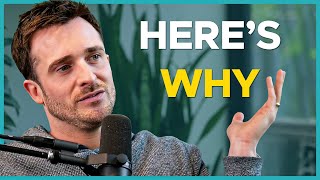
Rob Dial and Matthew AI discuss why the idea that relationships should be easy is wrong. They explore vulnerability, communication, and emotional healing, arguing that meaningful relationships require teamwork and self-acceptance rather than effortless connection.
Chapters
One of the things you said earlier was when you're around somebody, you can feel like, oh, you're more peaceful. And I was over at Lewis's house. Lewis, how's the other day? And a few years ago, we were, we were together and he was on my podcast. And then after we were talking about relationships, and I could tell, like, there's some, some chaos and stuff, right? Like, he was just, he was saying it to me, but there's an underlying energy. And then when I just saw him this, this past time a couple days ago, I said, man, like, you feel different. Like, your energy feels different. Not like there's anything wrong. Before, you weren't saying anything wrong, but, like, you just feel more peaceful in general. And he's like, yeah, man, I just feel more peaceful. Like, there's not, you know, it's not like everything in business was great, but then there's chaos in relationships. And I think that's a really big point that, that's interesting for me of, like, I always hear that relationships have to be hard. And we had this conversation, Louis and I, and I'm curious your thoughts on it. Do you feel like a good relationship has to be hard? Because anytime I hear someone's been together for 40, 50 years, like, oh, yeah, it was so hard. It was so much work. Not saying that it wasn't. It doesn't require effort. But do you think that a great relationship has to be hard? Like, that's a prerequisite?
Firstly, it's so funny you say that about Louis, because he, I, I, when I was talking about that idea of going home for Christmas, and, you know, people around you notice you're more peaceful. I was had Lewis in my mind, really, because he. We went to a Mastermind last year, and there was just a very similar vibe of people just really admiring the peace that, the energy that he brought. So he's so funny. You had the same experience that's immediately.
Popped into my head. He said peaceful. Like, he's way more peaceful now, 100%.
And by the way, when you see that, the first thing you ask Lewis is, what did you do?
What have you been doing?
Yeah, yeah. So I'm not a lover of the phrase. When it's right, it's easy because I think can get applied in the wrong way. It can make us feel like there's something wrong. If we're having an argument, there's something wrong. If we're really butting heads over something, there's something wrong. If we're, you know, like, we're struggling through something together. And there are, you know, some of the best relationships I've ever known have those people have struggled through some really difficult things together and not just facing a challenge outwardly together, but facing a challenge towards, you know, within them.
Right.
The relationship, I suppose it depends on what kind of hard exists. Right. The. If you. Goes back to the teamwork point. If you have two people who are a team and they're like, wow, we really don't agree on this, but I love you and let's figure this out. I'm really struggling with you right now, but I love you and let's figure this out. What can we do? And we both really are seeking to solve this problem together. That's one thing. But when you're in a relationship. I was with Dr. Ramani last night, the world leading expert on narcissism who just wrote a book called it's not you. And I was moderating her book event here in Los Angeles and one of the things she was talking about was this idea of love as sacrifice, compromise and accommodation. You know, the belief that love is giving your all is something that takes a very dark turn in narcissistic relationships. Because if you're, if your relentless propensity to give and to accommodate and to compromise for someone and to sacrifice for someone meets a force that endlessly takes, then in a relationship like that, it's not, one day I'll give enough that they'll finally see my value. One day I'll compromise enough that they'll finally compromise to that they'll finally reciprocate. It's just a vacuum and it will devour you. Is a, it's like, who's the. There's a woman who wrote the book on the opioid crisis. I wish I could remember her name, but she said, you know, the, with, with opioids, people think there's a, like the typical thing with drug addiction is that there's a rock bottom. When you hit that rock bottom, you ricochet back up. But with opioids, there is no rock bottom. There's. You find out that rock bottom has a trapdoor and that trapdoor has a basement and it just keeps going. And, and that, that is the same in these kinds of relationships.
Yeah.
There is no, there is no rock bottom. This person will destroy your life. So some beautiful relationships are very hard at times because life is very hard. And there we all come and get up against situations where life offers challenges to our relationship. You two really love each other and you want to be Together, but you know, you've got a while that you have to do long distance before you can be in the same place. You know, me and my wife Audrey, we were long distance for a good two years. Her being in London and me being in Los Angeles. Nothing about that was easy. It was hard, but it was a hard that we were willing to do together. So if we'd have told ourselves if, if it's, you know, you know, if it's the right thing, it should be easy, we would have missed out on the love of our lives. But what's the hard? And do you. Whether the hard is out there or in here and between each other, how do you approach the hard? Do you approach it as a team? Do you approach it with a growth mindset? Because if you do, I think that hard becomes it because it actually ends up becoming the thing that you look at as a representation of how strong the relationship is. Without that hard, you, you often never really know for as long as it's just plain sailing.
Yeah.
If you're anything like me, your brain is not one that is naturally just calm. You get triggered. Life, if you're not careful, can turn into a bit of an emotional rollercoaster. And then we become reactive. We make mistakes, we do things we wish we hadn't done. Not to mention we just find that life is a lot less enjoyable. We feel tortured, we feel unable to enjoy our day or be present. I've had that feeling so many times in my life where I'm not able to really enjoy the moment in what I'm doing because I'm just spiraling emotionally. It's because of this that I created a concept I call emotional buttons. And this is more than a concept, it's a set of tools that I use in my life every single day. I couldn't be more passionate about this particular subject because it's one of the tools that I found most useful in my life for controlling my emotions and for being able to put an end to negative emotions when I feel them and bring about really positive, beautiful states. I'm saying this because over the last 17 years I. I have been teaching a session on my retreat program all about emotional buttons as a tool and how to use it. And so many of you have DM'd me over the years saying that you struggle with anxiety, many struggle with depression, many struggle with self doubt and don't know how to get out of those states. So I wanted to do something for a limited amount of time where I took my session from the retreat on emotional buttons and shared part of it with you free of charge so that you can just experience this tool for yourself. Whether or not you get to a retreat. I want you to be able to experience this tool. Of course. My hope is that you come and join me on the retreat because it's truly a life changing program and this is one of many tools I give you. People fly from all over the world to experience it and you can experience part of that literally right now by going to insidetheretreat.com which is where I have put this session temporarily for you to go and experience it. So maybe you're in an emotion like that right now and you want to change it then. Perfect. The timing is amazing. Or maybe you just know you have a pattern of being on these emotional cycles in your life and you know you're going to need it again an hour from now and tomorrow and the next day, in which case you can watch it multiple times before it disappears. No matter what, go watch it while it's there. It's inside the retreat.com and you'll see what I mean when I say that this tool has changed the lives of thousands of people who have been to a retreat who are now out there using it in their daily lives.
It's good because it doesn't have to be easy, it doesn't have to be hard. But the main thing I keep hearing behind everything that you're saying is there needs to be somebody who's on your team. It needs to be a joint venture and you've both got to be willing to, to put in the effort when the effort is needed. And yeah, I think what's really important about that is, you know, I think one of the things that holds a lot of people back in relationships is, is communication and vulnerability. I think that a lot of relationships that I had in the past that I, I was a part of a ruining was me not being able to open up because of, you know, childhood trauma that I had. You know, I had, I kind of had this subconscious feeling of like if someone loves you, they're probably going to leave you just because of patterns with my dad. And so that was something that I had to really work on with, with my wife and, and being like, she's not leaving. This is crazy. Like this is. But she, she loves me, she's still here. And, and it was like a, like you're saying it was like a repatterning of me actually more than anything else, repatterning my nervous system to be like feeling safe in Non chaotic situations, which doesn't seem like you would need it, but I think a lot of people do need it. And, and I'm really curious your perspective on it with, with people who are out there. And I'm thinking specifically about someone that I know who is going through a relationship problems. You know, the husband emotionally cheated on her with somebody else and they want to work on it, but they're still not opening up and communicating. And it's really interesting because they are, they're married, but they're not getting themselves to a place where they can communicate and they're not communicating at the level that they could communicate. And I think a lot of people are really afraid of being vulnerable even with someone they've been with for like 10 or 15 years, like thinking themselves. But if they really knew me, like, they'd probably want to leave me. Do you find that pretty often with people, even if people have been in relationships for a while of like, I, if they only really truly knew me, they probably leave me. And so there's, there's like, you kind of know me 90 of the way, but you don't know that 10%. And I found that me communicating that 10% took a lot, like a lot to get out of me. But we think someone's going to leave and when they don't, you go, oh, holy shit, I am safe. Do you find that, that a lot of people are holding back in their, their closest relationships and do you find if somebody really does allow themselves to go the 100% that it, it makes them. I don't want to say the phrase lock in or last because whoever knows what's going to happen, but do you feel like it makes that, that bond tighter?
Well, I want to commend you on saying what you just said, firstly, Rob, because it's really, that's really, really powerful for you to be able to experience this tool. Of course. My hope is that you come and join me. It's just articulated and your audience is very lucky to have you in that respect because that's a very healing thing, what you just said. And it's so, it's so honest and it's so vulnerable and it's so human and it's that there aren't enough, especially men out there, let alone women, who are willing to say those things. Not, not least in front of a giant audience, hundreds of thousands of people. Yeah, genuinely, I'm really, that's really just impressive. Thank you. I had the same thing. Yeah.
Your wife's giggling in the background. That's the best part.
She knows this all too well. No, I, I, the truth is, Rob, I always thought I was a vulnerable guy. I never, I never associated with not being vulnerable. You know, I guess I would hear Brene Brown's stuff and I'd be like, yeah, awesome. Yeah, it's great. I don't. I think that it's taken me a long, long time to truly be vulnerable, both publicly and privately. You know, I think I spent my 20s trying to feel like I knew it all or at least trying to portray that image of knowing it all.
Yeah.
And it wasn't that I was. Know what I was doing. I was, I was very aware that what I was doing was helping a lot of people, but I just also knew that there were parts of me that I was worried the audience wouldn't like me or love me anymore if they knew those things, if I showed those weaknesses and those flaws. And I, I also didn't realize the extent to which I was doing that in my personal life. I think that what I. I was always telling stories about myself and thought I was opening up when I did that. But we can all tell stories that make us look great.
Of course. Yeah.
You know, like, it's sort of the funny. It's kind of the funny thing about a lot of self development. Right. Is that our stories just. They're all a hero's journey story. They're not a story of I've got this deep, dark thing that I think makes me weak or pathetic or hideous. And if I tell you, I don't know if you're gonn still be here. It's not that. It's always like, you know, I was struggling, and now I'm doing great.
Yeah. Here's how I developed the habits that I made me a millionaire.
Exactly. Here's how. How bad I was back then. It's always back then.
Right.
So that, that, that's not real. That's not vulnerability. Right. That's. I'm awesome. Look what I've done. Vulnerability is so much, you know, vulnerability, because it's scary when you do it. You don't know how it's gonna go. You hope it's gonna go the way you want, but you don't know. You're just. You're just allowing yourself to be seen. And that took me time. I remember it early on in our relationship, we, you know, I remember getting, like, at the very beginning of our relationship, getting jealous about something and picking a fight over it. There was, I can tell you right now, Rob, there was no vulnerability in the way I had this fight.
Yeah.
It was just my worst side coming out. Right. It was me being judgmental and a little controlling and a little. And just hot headed. And. And I just. I look back on it and I'm just like. If I look back on that guy in that moment, it's just a scared person. Right. Or it's a person that feels like in that moment they're not enough or they're threatened. Their safety is threatened. And God forbid you know any of that about me, because if you knew that, you'd think I was pathetic.
Yeah.
And weak and ugly and you know, and yuck. You know. And I don't want that. And by the way, I'd even had that in the past. I'd revealed something vulnerable in a situation just like that. And the irony is I had tried being a little more vulnerable and it backfired. I. Someone literally looked at me and told me that it made me unattractive.
Really. So it's even worse.
And it really. For a minute there, it really messed up my. It. It took the most scared part of me and it rewarded its belief that if you let this stuff out, this is gonna go horribly for you. People say they want vulnerability. No, they want great. They want strong. They want. I'm a warrior who cries in sad movies sometimes. And I am never doing that again.
Yeah.
That is the last time. You know, And. And so it. That. That unfortunately kind of re. Wounded me in that area. And it. I had to learn that with my wife in. When we were dating that I could be more honest about something that had hurt me or scared me. And that she wouldn't. Not just. She wouldn't run away, but she wouldn't stay. And now think that I was unattractive because that was in some ways just a big. Just as big a fear. Right. You'll. You'll still be with me, but now you'll be looking at everyone else as more exciting than me.
Yeah. You'll lose respect for me in some way.
And now the outside world. Other men will remain mysterious and attractive and strong from a distance. And I'm the weakling that you know. You know, like that's the. The core of this thing. And. And if I'm that, then it confirms everything I think about not being good enough. And you won't think I'm enough. And you'll eventually have contempt for me and you'll leave me or you'll cheat on me or you'll flirt with other people or whatever. There's a Whole thousand teenage feelings. Yeah, of course, in there. And. And I. I had to, bit by bit, learn to allow myself to actually be seen and to understand that by being seen for those, I want to say, darker parts of me, but not just darker in the negative sense, but just those. Those more raw and vulnerable parts of me, I had to learn that she wouldn't just stay, but that it wouldn't erase all of the other things she saw me as. It wouldn't erase all of the times I had actually been very sure of myself or confident or, you know, playful or sexy or, you know, bold. It wouldn't suddenly make her go, no, none of those things are true now that I've seen this. Yeah. It would just be a way of her fully holistically seeing me and integrating all of that. Is it, you know, it's work that. That there are psychologists out there doing with people is that, you know, shadow work that helps them integrate their darker parts into themselves. Right. So that when I look back on that thing that I did that I feel shame for or regret for, instead of detaching my. From that and fracturing myself, I can view that holistically and I can view it as part of me and integrate it. I can see what was going on behind that that led to the action that I now regret or despise or don't, you know, can't stand to associate with. But I see the me behind that and what was really going on, and I can integrate that part of me and still find a way to love and have compassion for that part of me. Well, what if you applied that to your partner, too? What if you gave them the opportunity to helps them integrate their darker parts into themselves? Right. So that when I look back on that thing that I did that I feel fully integrate all of you into their vision of you and the relationship and who they see you as shame for or regret for. Instead of detaching myself from that and fracturing myself to truly view you holistically, what I learned was that rather than I can view that holistically, make me rather than this one thing, I can view it as part of me and integrate it. I can see what was going on behind that that led to the action that I now think that came out in that moment becoming the truth of who I am. Like, oh, she found out.
Yeah.
Instead it was, oh, no, I saw. It's like I have this, you know, object, and I turned it and it shined differently on this side, and if I turn it again, it shines there. And oh, this is all of you. It didn't erase the other parts. It just allows me to see you for the whole that you are and. And love you even more. And when she extended compassion even to the parts of me that I was regret or despise or don't, you know, at the time, unable to extend compassion to myself or can't stand to associate with, but I see the me behind that and what was really going on. And I can integrate that part of me and still find that, for me, was an extremely healing thing. And it makes me sad to think of the way to love and have compassion for that part of me. Well, what if you applied that to your partner, too? What if you gave them the opportunity to version of me that never experienced that? You know, if there was a world where I never came across the person, the learnings, the tools to do that, and went through life thinking that I was having these kind of open, vulnerable relationships, but never really getting to the good stuff, never feeling totally seen, never feeling totally accepted. It makes me fully integrate all of you into their vision of you and the relationship and who they see you as and to truly view you holistically. What I learned was that rather than make me, rather than this one thing that came out in that moment, so sad for that version of me and. And I feel sad for that in other people who are in marriages who feel like, God, if you. If you only knew, you would hate me or you would despise me or you, I wouldn't be good enough for you anymore. If we can start to encourage people to, you know, becoming the truth of who I am, like, oh, she found out.
Yep.
Instead, it was first try to make peace with those parts of themselves so that they can begin to view themselves. Oh, no, I saw. It's like I have this, you know, object and I turned it ballistically. Instead of allowing this thing to be the one truth of who they are and even to have come. And it shined differently on this side. And if I turn it again, it shines there. And, oh, this is all of you. It didn't erase the other parts. It just allows me to see you for the whole that you are and passion for the thing that was behind that action and where that came from. If we could do that for ourselves first, and for many people, they're able to do that through therapy, then it also allows them to bring that to their partner in a way that your partner's still. Some of that they're going to have a reaction to. And let's Face it, some of us, some. Some of us have done things in relationships that. That would hurt our partner to and. And love you even more. And when she extended compassion even to the parts of me that I was at the time unable to extend compassion to myself for or it would, you know, it's like even more difficult when it's like the thing that I am judging myself for is something that could damage our relationship. That for me was an extremely healing thing. And it makes me sad to think of the. Or will damage our relationship. But the danger is that we spend our version of me that never experienced that. You know, if there is a world where I never whole lives having fractured ourselves and our. And never giving our partner the chance to see who we really are. And the irony. We could do a whole other episode on this, but came across the person, the learnings, the tool. The irony is that when someone. When we're able to truly be vulnerable, not just I did this or this is something in my past, but was to do that and went through life thinking that I was having these kind of open. This is all of me that was behind that. And this is, you know, where I believe it comes from for me. And this is what I'm scared of. And this is what I'm still scared of today. And this is then honorable relationships, but never really getting to the good stuff. Never feeling totally seen, never feeling totally accepted. It makes me feel. It allows our partner to actually start to contextualize some of the things that we have done in our life that we have maybe hated ourselves for or regretted or felt shame over for a very long time. But with greater context, someone else can help us also to offer some compassion or so sad for that version of me and, and I feel sad for that in other people who are in marriages who feel like, God, if you. If you only knew, you would hate me or you would despise me or you. I wouldn't be good enough to ourselves.
Yeah, that's so good. Just like. Because. Because when you actually sit and think about it, it's like what we're all looking for is love. And what we're really looking for you anymore if we can for most of the time is just love from ourself. And I think a part of that is just acceptance of all parts. But sometimes we need someone to mirror to be our mirror. And I think that maybe one of the highest, maybe one of the most important parts of being in a real.
Deep start to encourage people to, you know, first try to make peace with.
Those parts of relationship that nobody actually ever talks about is that if you.
Can give themselves so that they can begin to view themselves holistically instead of allowing this thing to be the one truth of who they are and even.
To have get yourself to the point where you can speak vulnerably fully 100. The parts that you don't love and accept, if you can see that person love and accept that part of you, it allows you to get the healing that you are never able to get to yourself.
Yeah.
Yeah. We do have to do a whole other episode.
You're exactly right. Passion for the thing that was behind that action and where that came from. That's. That's exactly right. And really all that person is doing is mirroring the kind of. If we could do that for ourself first and for many people they're able to do that through therapy then corrective relationship that has to happen within yourself. But it also allows them to bring that to their partner in a way that your partner's still some of that they're going to have a reaction to and become a kind of representation of that. And it's, you know, it's a bit of a chicken egg thing. Right. Because we. We don't always have the luxury of having someone like that in front of us at this moment. Which is where I think, you know, therapy or coaching can be really valuable because that can. That can kind of be an interim before having found a relationship with someone that beautiful. Let's face it, some of us, some. Some of us have done things in relationships that. That would hurt our partner to know or it would. You know, it's like even more difficult when it's like the thing in spirit that I am judging myself for is something that could damage our relationship. But it can come. I think it's one of those things that can come from either direction. You can start from the inside out. You can offer yourself or will damage our relationship. But, but the pro. The. The danger is that we spend out a possibility of it happening from the outside in. But you. You can't give yourself that opportunity unless you're prepared to be brave in the first place.
Yeah. We're gonna have to do another episode, everybody.
Thank you so much for listening everybody. And don't forget if you are struggling with the things that we have talked about in this episode. The session that I'm sharing with you on Emotional Buttons is one of the great master keys to over whole lives having fractured ourselves and our. And never giving our partner the chance to see who we really Are. And the irony. We could do a whole other episode on this. But coming that the tool that I give you in this session is something that I use every single. The irony is that when someone. When we're able to truly be day of my life. I cannot stress that enough. And it has helped so many people that I've taught it to. You can get it by going to insidetheretreat.com which is where I'm sharing this session. Be vulnerable. Not just I did this or this is something in my past, but so make sure to go and get it now while it's there. Inside the retreat is the link. Thank you and we'll see you next time. This is all of me that was behind that. And this is, you know, where I believe it comes from for me. And this is what I'm scared of. And this is what I'm still scared of today. And this is. Then it allows our partner to actually start to contextualize some of the things that we have done in our life that we have maybe hated ourselves for or regretted or felt shame over for a very long time. But with greater context, someone else can help us also to offer some compassion to ourselves.
Yeah, that's so fucking good. Just like. Cause. Cause when you actually sit and think about it, it's like what we're all looking for is love. And what we're really looking for most of the time is just love from ourself. And I think a part of that is just acceptance of all parts. But sometimes we need someone to mirror, to be our mirror. And I think that maybe one of the highest, maybe one of the most important parts of being in a real deep, intimate relationship that nobody actually ever talks about is that if you can get yourself to the point where you can speak vulnerably, fully, 100%, the parts that you don't love and accept, if you can see that person love and accept that part of you, it allows you to get the healing that you are never able to get to yourself. Yeah, yeah. We do have to do a whole other episode.
You're exactly right. That's. That's exactly right. And really all that person is doing is. Is mirroring the kind of corrective relationship that has to happen within. Right yourself. But they become a kind of representation of that. And, and, and it's, you know, it's a bit of a chicken egg thing. Right. Because we, we don't always have the luxury of having someone like that in front of us at this moment, which is where I think, you know, Therapy or coaching can be really valuable because that can. That can kind of be an interim before having found a relationship with someone that beautiful in spirit. But it can come. I think it's one of those things that can come from either direction. You can start from the inside out. You can offer yourself the possibility of it happening from the outside in, but you. You can't give yourself that opportunity unless you're prepared to be brave in the first place.
Yeah. We're gonna have to do another episode, everybody.
Thank you so much for listening, everybody. And don't forget, if you are struggling with the things that we have talked about in this episode, the session that I'm sharing with you on Emotional Buttons is one of the great master keys to overcoming that. The tool that I give you in this session is something that I use every single day of my life. I cannot stress that enough, and it has helped so many people that I've taught it to. You can get it by going to insidetheretreat.com which is where I'm sharing this session. So make sure to go and get it now while it's there. InsideTheRetreat.com is the link. Thank you, and we will see you next time.









