#18 Megan Lightcap & Yoni Rechtman — Investing In Creators, Small Business, & The American Dream
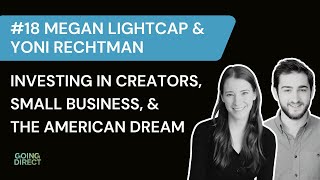
In this hour‑long interview, host (Speaker A) talks with Megan Lightcap, partner and head of the Creator Fund at Slow Ventures, and Yoni Rechtman, principal overseeing the SMB thesis. Slow Ventures is a San‑Francisco‑based early‑stage VC that has deployed over $800 M. The conversation covers: (1) how Slow defines and invests in creators – focusing on individuals with a dedicated, niche community, treating the creator as a founder and investing at the holding‑company level; (2) the long‑tail nature of the creator economy, the emergence of niche‑specific events and franchise‑like models that let creators coordinate distribution and monetize beyond platform revenue; (3) the SMB thesis – “long‑tail real‑world entrepreneurship” – which backs vertically integrated operating companies, software marketplaces, business‑in‑a‑box platforms, and tech‑enabled buyout vehicles that bring technology to traditional service and product businesses; (4) concerns about private‑equity‑driven consolidation eroding owner‑operator wealth creation and the importance of captive, owned audiences; (5) the structural differences between the Creator Fund and traditional VC funds, including deal size ($1‑$3 M for ~10% of a creator’s holding company) and the need for new legal/IP frameworks; (6) personal motivations of Megan and Yoni, their belief in entrepreneurship as a democratic engine, and the cultural shift toward creator‑driven influence. The interview ends with rapid‑fire recommendations and contact information.
Chapters
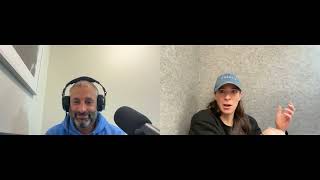
Today I'm sitting down with Megan Lightcap and Yoni Rechman from Slow Ventures. Slow is an early-stage generalist venture capital fund based in San Francisco that was founded in 2011 and has deployed more than $800 million in capital. Megan is a partner at the firm and runs their newly formed Creator Fund, where they invest directly into creators at the holding company level. Megan is trying to create an entirely new investment category through her work.
Our, our job first and foremost at Slow is to match early-stage capital with entrepreneurs. So if you're a YouTuber, come talk to our creator fund.
Now, Yoni is a principal at the firm, and he's, he's investing across their SMB thesis, which is really focused on enabling more real-world long-tail entrepreneurship.
We can combine business model innovation, technological innovation, and, and go-to-market innovation to build new kinds of companies.
Now, Megan and Yoni's work is right at the intersection of what we're doing at Going Direct, which is about decentralizing the real economy. And we get into that in detail over the next hour. Slow Ventures takes a very unique approach to investing where they use their writing and content they put out to create a market signal to have entrepreneurs actually approach them versus doing any outbound. And it seems to be working. Megan and Yoni are extremely thoughtful. We had a great discussion and I hope you enjoy and remember to go direct. Hey Megan, hey Yoni, how are you all?
Good, good to see you.
Yeah.
Um, great. So I, I first came across Slow Ventures cuz I'm an LP in Kantos and, um, there's some, you've had some similar co-investments together. And after kind of looking further into your all's work, um, I really appreciated the, the level of clarity and intentionality within your writing. And I know Megan, you're really focused on the creator side and, and Yoni more on the SMB your SMB thesis. So we'll get into that. But the reason why I thought it made sense to have a conversation was everything that we're doing here at Going Direct is really around helping to build a community of entrepreneurs, um, scientists, engineers that are actually decentralizing the real economy. And I think there's some real kind of core underlying themes with what, with what your team is investing in and looking at. So I thought it'd be a, it'd be a fun conversation.
Cool.
All right, so let's start. Uh, Megan, I'm going to start on the creator side with you. I'm going to read, I'm going to read something that I, that I pulled from, uh, from when you're, when one of your, the writing to prompt you here. So it says creators are the next entrepreneurs. They're building meaningful businesses on top of unprecedented distribution and deeply committed communities, inverting the pattern of traditional business building. So how do you define a creator?
Yeah. Um, age-old question. I think, you know, we have, we have like a slightly broader aperture on the definition of a creator than I, than, you know, you might, if you ask someone at CAA or, you know, one of the, one of the management companies, um, our version of it is, you know, someone who has an embedded community, kind of in that community having shared psychographics around something, right? And there's like very clear reason for attachment between the community and the creator. So this could be a really well-known scientist, right, who's like studying a very specific niche, and those people are attaching to that person for that niche. So Um, you know, in our, in our view, it doesn't have to be someone with massive broad-based celebrity or influence. Um, you know, it's someone who has community within their, you know, specific sphere.
What don't most people understand about the creator economy or what a creator is? Because I actually happen to agree with the wider aperture, but just kind of, um, curious to hear what you think most people miss about what's actually happening in, in within the creator economy or what I guess is called the economy now, but—
I think it depends who you ask. Like, you know, so some of my friends who don't really like know what I'm doing think I just scroll TikTok all day. I still think there's this perception of the word, you know, creator and creator economy meaning what everyone saw during COVID of like Hype Houses and TikTok dances and things like that. And I think Sure. One thing I've been super encouraged by is kind of the speed of convergence between serious business builders, right? Who 5 years ago may have considered being creator cringe and this like kind of creator playbook of, to your point, like going direct, owning your community. And so I think, you know, I just like that convergence and the speed at which that's happening would surprise people. Because I think people kind of know it's happening if you're like deep in this world, but otherwise, you know, you may miss it.
So obviously, you know, the amount of content that's being created, uh, today is just like mind-boggling. Everyone with a mic and a decent, um, decent camera is creating content now. So, you know, kind of what I've seen is kind of the maturation of, of, of the market. And so obviously typically when that happens, quality comes to the top. Um, you know, typically in media and entertainment, but specifically media because this is media as it relates to the content, um, it's really a winner-take-all type of market where typically most of the value accrues to a very small group. And so I'm really intrigued to get your perspective on this kind of longer tail of the creator economy. And if you kind of, if you guys at Sloane, what you see in the market, do you feel it's going to be more of this kind of winner-take-all, or you think there's actually something interesting brewing on the long tail side?
I mean, I think we're really, really excited about the long tail, which is, it's just simply just a property of like the internet, right? Which is you're able as an individual to find your tribe of people no matter what your interest set is. And I think that like, sure, you know, the, the winner rises to the top, but there's a bunch of, of small ponds, right? Where those people can be winners. It's not as though. Everyone's only ever going to watch MrBeast and not care about anyone else because people have more diverse interests than, you know, a gorilla versus 100 men or whatever. And so, you know, I think that's, that's one of the things that got us really excited about this thesis, which is like, okay, if I'm really into Asian skincare, right? Like, I can go find my people with tremendous ease. And I, I myself could even like start creating content and kind of become the the leader there, right? So, um, we think that there's this really, really long tail and that, that property of like, you know, the best creator is going to rise to the top is happening, but just within a smaller container, if that makes sense.
Sure. Yeah. One of the things that intrigues me is, you know, it's really, it's the largest distribution channel to ever existed. If you think about just an aggregate, the number of eyeballs and attention that, that like, that the creators have. And so it's just so interesting. So what I, what I love about it is it's inherently decentralized, but then I'm always thinking about how do you think about coordination in a way as it, as being a distribution channel where they can still remain independent and remain, you know, with their independent communities. But like, how do you start coordinating it a way to kind of, I don't know, aggregate, aggregate influence and aggregate— power is not the right word, but I don't know if you're trying to see what I'm trying to get at. It's like, you know, if you're, if people end up selling a product, they typically kind of max out and they have to go to traditional retail. They have to go through traditional wholesale distribution. I don't know, have you thought about how to kind of think about coordinating this long tail in a way to kind of create a larger distribution channel?
Yeah, I mean, I think that you're seeing, like when TikTok went down, right, in whatever it was, January or earlier this year, you know, we saw a massive rise in, uh, creators moving to Substack, right? Like there, there was this, oh shit moment of, oh man, these platforms actually own my distribution and my audience. I need to figure out ways to one, diversify, and then two, get on platforms where I actually have ownership of the asset. So I don't know if that's like directly answering your question. I'm not sure I 100% follow, but yeah, I mean, I think people are like completely waking up to the fact that they need to diversify kind of where their audience is and ownership of it. And then, yeah, I think, look, like the reality is kind of like all roads lead— like it's always reversion to the mean, right? Like all of like the The DTC darlings ended up in retail and vice versa. So it's kind of like, you know, I think at some point there's an inevitability there. But anyway, I'm not sure I 100% answered your question.
No, I know, but it is, I wasn't very direct in the question. It was more of just like how I think about this is there's like, they're all kind of creators that have their own distribution, right? And so I'm gonna use an obscure example 'cause it's something I'm involved in right now, but let's take this, example of lubricants like WD-40 and bar and chain oils and all these things, right? And so that's across like DIY and home improvements and, um, outdoor power equipment, right? So then you have this like all these creators, but they all have kind of their niche communities where that's kind of relevant for them potentially. And it's like, so my, I'm always thinking about how do you coordinate it in a way if they love the product, but coordinated in a way where they can actually become a really strong distribution channel in aggregate. Versus just each of them kind of living independently, if that makes sense from a distribution and audience standpoint?
You mean if you're the brand?
Yeah.
Yeah. I mean, look, I think—
or if they own— or if they own— or they own a portion of the brand, they want to bring other creators in to have actual ownership in that brand or in that product. Yeah.
I mean, one thing, again, not sure this is going to directly answer your question, but one thing I am seeing is like the rise of these category or industry-specific events. So, you know, 10 years ago you had like VidCon as like the marquee event in the creator economy, right? It's in Anaheim. It was kind of a fan, fan experience. It then like really transformed into like fan. You have the industry track, you have the creator track, so on and so forth. But now it's kind of like, you know, to where we started this conversation of the definition of creator is so broad. It's kind of like, well, do you go to VidCon? Do you not? If you're Andrew Huberman or if you're Mr. You know what I mean? So it's a little confusing, but now what we're seeing is Okay, forget VidCon, right? I'm the leading creator in construction. I'm actually going to own my own construction event and invite other creators, other brands. And it's actually becoming this like central place to organize a lot of this stuff where it's, it's bringing together both the brand side with marketing dollars, the creator side with distribution power and the, the end consumer, whether that's, you know, a contractor or a, or a fan of construction. Kind of, you know, there's one central news space. So we're seeing this kind of across the board, these more like trade association type industry events, um, kind of coordinated by creators, which is pretty interesting.
Interesting. And are you seeing that? Is that pretty pervasive now or is it just kind of popping up here and there?
Um, becoming more and more like I've seen it in construction. I've seen it in engineering. I've seen it in beauty. I've seen it in licensing. I mean, there's a lot of these types of things. Obviously a varying scale.
Sure.
But, you know, it's— and, and by the way, like, another, another reason for it is, again, like, owning your audience. It's just another touchpoint where, you know, they could have full direct access.
Cool.
All right, great. Let's, uh, Yoni, I'm gonna rope you in here.
And I think the reason that we wanted to do this podcast together is— and, and Megan, you, you jump in and tell me if I'm getting this wrong here— but like, my, my take is that we're actually here to talk about the same thing, which is that my kind of big take from that 30,000 feet is there's really two important things happening. So the first is that, um, the entire economy is becoming more bimodal, and that has been sort of the big trend over the last definitely 10 years, probably even 30 years, where we are seeing more entrepreneurship, more small business formation, more of a move towards independence and self-sovereignty on one end. Um, and then bigger and big— the big are getting bigger and bigger on the other, uh, with a continued sort of hollowing out of the middle market. Um, and that is sort of the one trend. And the second is that— and again, this is a long-term thing that has now more recently accelerated— which is that like every single go-to-market channel is getting worse over time. Um, and the last generation of direct-to-consumer companies saw that. The, you know, the current and last generation of enterprise, you know, software companies saw that. Um, finding customers is becoming harder and harder. And so like one of the big unifying ideas at Slow is this idea of like an age without outbound, where owned audience, owned distribution really matters. And if you play these two ideas simultaneously, that the, the economy is becoming more bimodal, uh, there's more opportunities for, for sort of little guys, little guys can do more with less, and that traditional models of go-to-market basically stop working, you come away with a lot of different ideas of types of businesses to build and, you know, the capital structure and business model that makes sense in that world and in that combined world looks really different. So like, you know, creator, it's, I've become like religious about this. I don't really work on the creator fund very much. I just talk about it. I just try and promote it and hype up Megan all the time. It just feels so obviously right.
Sure.
Um, that like cap— that like captive customer owned audience is the only way. And there's a lot of different ways you can make that happen. Creator is one of those ways, and it's a different enough capital structure that it requires its own fund and real deep specialization to underwrite. But it's not actually a different idea to me than saying we need to go and buy our customers and we need to just own them. Or saying we need to, as a venture fund, as Slow itself, we are 100% focused on generating inbound instead of orchestrating outbound. Everything that we do is about having people come to us. It's those three are all the same idea. That's all the same idea as saying, you know, some of the SMB platforms that we've backed that have been focused on not being software companies on, on. Using things like service and brand to differentiate software. All of these to me are the same idea around captive customers, owned audience, and needing to go to market with something beyond a single product, which is what the last sort of generation of venture-backed companies has done. That was a long rant and ramble, but I, I, I do kind of think it's all one idea.
I, I, I would even go further. I actually think there's like a real strong intersection with, with both of what you're doing, actually. I think actually, well, yeah, we'll get into it, but I think content creators, um, really what that just is, is authority and trust, right? And a lot of these SMB platforms that you're backing, um, what people want, especially in the services space, is people that have authority and people that they can trust. So I actually think they, they build on top of one another, at least from, from a high level, from what I understand. Um, all right, so Yoni, I'm gonna, I'm gonna read a little bit of this, this thesis, and we're gonna dig in a few questions here with you because I think it's, um, I do have some confirmation bias because I see the world very similarly, so I'll try not to do that.
But yeah, on podcasts where people just tell me I'm right and we can all say you're right and you're smart, and I already know that I'm writing smart, so that's, that's great.
All right, so, um, all right, SMB thesis. I just pulled a little, a little, um, blurb. Okay, so companies building software and systems for SMBs that can replicate benefits of scale and consolidation without sacrificing independence— it's the key part— profits, competition, and growth in a more decentralized economy. So I really like this term, actually. Um, I, I've, I've definitely, um, stolen it a little bit, uh, is— but this idea of long-tail real-world entrepreneurship, what is that? Can you explain that?
Yeah, yeah, yeah, I guess we can, we can break it out into its discrete parts. So long tail here being in opposition to the fat head, the long tail is the, you know, the lower end of the market, the smaller independent or relatively more independent operators. I think that covers really all of, all of SMB going from sole props into sort of approaching kind of more professionalized middle market. So long tail was it long tail real world. Long tail, real world being, you know, I think businesses that don't purely exist in code. People like to talk about the idea of like bits versus atoms. I think that's an incomplete taxonomy and something of a false choice where the really cool companies are bits and atoms and brand and service and knowledge. Like it's, it's, it's an and, it's not an or, but so real world here being people who, who are actually providing a service or selling a good or not merely existing, you know, as code running on a server. Um, and then the last word here, entrepreneurship. Um, I, I got, I get into an argument with people about this all the time where they talk about founders, founders, founders. And my question to them is like, well, what's the difference? Who's more or less of an entrepreneur? The venture-backed, you know, founder with half a million in their bank account and, you know, or like the guy opening a Dunkin' Donuts in Long Island. Like they're different businesses going for different outcomes, but they're both entrepreneurs. Who's more of an entrepreneur? The person doing either of those two things or like the person, you know, making YouTube videos or the person starting a site. Like, all of these people are entrepreneurs. They may be building different kinds of businesses. Those businesses may all have different risk profiles to them, but it's all fundamentally entrepreneurial endeavors. I like, I think that entrepreneurship is so, so much a pillar of— I'm gonna, I might shed a tear here, so bear with me. I think it is such an important pillar, not just of our not just our economy, but our democracy and society. It's one of the most uniquely— the drive for entrepreneurship is one of the most uniquely American things. It requires you to have a worldview premised on agency and optimism and like determination and grit and cultivating those, you know, cultivating those values and virtues in people, I think is so fundamental to like And, you know, what has historically made our country great and what like can make our country great and dynamic and, you know, like wealthy and prosperous. And we have to be able to, you know, and to be clear, this isn't charity. I don't want to go and give out grants to people who want to start a, you know, a lemonade stand. I think that there is unbelievable untapped potential energy. Stored within Americans. And like, if we can unleash that, sure, we can really fundamentally change the shape of our economy. And like, I personally can become very, very wealthy. So like, you know, like, like, lest we forget what matters at the end of this is like my kids going to private school.
Yeah, in third homes, man.
Yeah, yeah, yeah, yeah, exactly.
Uh, it's actually a really good lead into, um, I The next thing I wanted to ask you about, but before I do that, I wanted to ask Megan something. So based upon what Yoni just described to me, isn't that kind of what the bet is on the Creator Fund side, this long-tail real-world entrepreneurship?
100%. And like, you know, I think people think that the different funds at SLO are massively different things. And at the end of the day, like we actually think about it super simply, which is our job first and foremost at SLO is to match early-stage capital with entrepreneurs. It just— we have different tools and different products depending on how you show up in the world and how you perceive entrepreneurship and the way you— the way in which you go about it. And so if you're a YouTuber, come talk to our Creator Fund. If you're, you know, a small business person, go talk to Yoni, right? So, sure. You know, I think the, the more you can just like simplify what you're doing and kind of keep that as the North Star, Um, yeah, I mean, I, you know, we're kind of doing the same thing.
Cool.
Um, so Yoni, back to, back over to you. You just mentioned about America. I, yeah, I could shed a tear with you on it as well. And part of this is, so my wife, my wife is French. Um, I spent a fair amount of, a fair amount of time in France. And so I think once you step out of the American culture and just being, being inside of it all the time, nonstop, when you get out of it, you realize how truly special it is, man, because And there's plenty of beautiful things about Europe and France specifically, but I'll tell you, as far as agency goes and that entrepreneurial spirit, you couldn't pick two more, more different places in the world, to be honest. It's, it's pretty, pretty interesting.
I am happy. I'm happy to talk for an almost unlimited amount of time about why I think that entrepreneurial capitalism and democracy are like fundamentally linked. And those are our two great exports, maybe that and like Disney movies. Those are three great exports from America. Um, I, I don't know if that's the direction you want to go in, but I am very happy to go in that direction. I believe it very firmly. That's kind of religion for me.
Okay. So then we're going to, that's the, that'll be, that's going to be a, we'll dedicate a separate conversation totally to that. Cause it'd be an actually an interesting conversation. All right. So let's get back to it. So there's something that you hit on, which I was like very aligned with. And I think you only just touched on it, but this idea that private equity is killing the American dream.
Yes.
And I use the term cutting off talent from wealth creation. Talk a little bit about that.
Yeah, look, this is a phenomenon that we have seen, um, which is like, I, I, I don't think there's anything inherently evil or wrong about private equity. I think private equity is actually really good at two things. It's really good at turnarounds and marriage decline. Both of those things have social and economic value and like have their place in the economy. The problem is that as our economy overly private equiti— private equitizes, what winds up happening is some of the same playbooks that get put into turnaround and managed decline then are applied either to critical industries or growing industries. And so one of the things that happens is that when the ownership and the shareholder base moves from being owner-operated to being, you know, to having a financial owner. Um, there's— labor goes from being partners to a cost center, and, uh, there's no path for upward mobility. You can't become a, uh, you can't become an owner, you can't become a shareholder in the business. And so what we have seen happen is, um, and I do want to give a shout out here, actually KKR is one firm in particular that has done some really cool work contrary to what I'm just saying. And so I don't want to get chirped by someone who, who on that side, actually they're doing some really cool stuff around employee ownership in some of their portfolio companies. But broadly overall, especially in like the middle market, you know, the playbook is really simple. Cut staff, uh, you know, cut salaries, work harder. And so what we have seen happen is that the people who have options bleed out post-acquisition by private equity. Um, and that is, it's, it, you know, you get squeezed hard enough and either you collapse or explode. Um, and a lot of people collapse, and sometimes the most entrepreneurial among them explode, and they explode out of the, you know, the tube, such as it is, and they go off and they build new businesses on their own. We've definitely seen this happen in healthcare in particular. I mean, this is the story of a lot of the new, um, the last 5 or 10 years there's been a number of new sort of like business formation platforms in healthcare, and all of them have basically the same story, which is like, hey, all the med spas are getting rolled up by private equity, and that really sucks nurses and they're like, totally, I can just go and do this on my own and I want to do this on my own and I don't want to deal with your bullshit anymore. It's— and that story has played out in a bunch of areas in healthcare. I think it's about to start playing out in a bunch of areas of services elsewhere as they get, you know, heavily consolidated. Man, like, yeah, the owner of the painting company might have a non-compete with the acquirer, but the employees don't. Um, sure. And you push them and you squeeze them, and you know, the, the most talented, ambitious people there, they're just gonna leave.
Yeah, it's an interesting one. I've, um, so, but so, so do you see this happening? Because obviously a lot of PE shops are, you know, they're coming in at the franchisor level. Would you say this is kind of what you're— that's more of like that's what you're seeing most of the time.
So, so the franchisor business is an interesting one. It's kind of this hybrid thing, or even if the— yeah, franchises are an interesting hybrid business here where they actually have an opportunity to be an engine for independent wealth creation. I mean, so we— I spent a bunch of time with Chick-fil-A team. They're a really interesting company in that they have no institutional owners. I think that you can't even own more than 3 Chick-fil-A's. So like they care very, very much about being an engine of local wealth creation in all of their markets.
Mm-hmm.
And they're really getting people often who come up through another Chick-fil-A franchise and are part of the system already. So Chick-fil-A is one example of a business that I think does this really well and is an engine for decentralization. You know, there's sort of this hybrid model where it's obviously Chick-fil-A is itself a big company, but there are, there are avenues and ladders for wealth creation for regular people through that system. And there's opportunities for ownership. Obviously there are franchise systems that are heavily institutionally owned. So you might have, you know, there are even franchises where the franchisees are themselves publicly traded. They're so big. That there— I think Burger King, for instance, works this way. I think Domino's works this way, where some of the franchises, some of the franchisees own, you know, 500 units and trade independently as public companies. So, but even still, those are an avenue, even if much of it winds up going to institutional owners. I think there's a lot we can learn from franchises and build sort of these franchise-inspired companies. I call them, I call them business-in-a-box companies or system companies. One of the things that I am like super excited about, Megan Lightcap and I have been kind of looking for opportunities to do together, has actually been finding the intersection of like these, these franchisors and creators. And like, could you take someone who is a YouTuber that has real audience around a thing and say, rather than selling goods, can they sell demand to sort of their downstream? And whether or not it's literally a franchise doesn't matter. There's an opportunity to learn from that business and, and sort of bring it forward into a new context.
Uh, one last question, then I'll hop— I'm going back over to, to Megan. You had a comment in your thesis around this last generation of entrepreneurial gig work. With some of the monopolistic tech companies. So talk to me about what's like fundamentally wrong with kind of that when it comes to entrepreneurship, independence, wealth creation.
So Jordan, that's a really good question. We all, we all use Uber, we use DoorDash, we probably use, you know, Handy or whatever, like, like the platforms work. The problem is that they were marketed under false premise, which wasn't do a side gig. It wasn't pick up extra work. It wasn't make a little extra money. It was be your own boss. And that's a lie. And I think like the world has come far enough that like we can just acknowledge that's a lie. You may not be an employee of Uber, but Uber sets the rate, Uber effectively sets the schedule, Uber tells you which jobs to take. Like, I don't want to get into a worker classification argument. It's not important. It's not germane to this point, but like, it's a lie. It's a rug pull. And the idea that like there's an alternate universe where we're sitting here, what Uber does is, is they allow local market operators to go and build competing cab companies that, you know, maybe they all even work through the same app. Like that's a world that really could exist. Uber works a little bit like that actually in Japan. Um, but that's not the world that we live in. Instead, the way that Uber works is you have a, a boss that you can't talk to, uh, a pay scale that you can't negotiate, a schedule you can't set, no benefits. Like, that is not being your own boss. And even, and even in the most generous terms, it's not, it's not, uh, entrepreneurial. It's, it's just sort of crushing hourly work. So I think it's really important to avoid doing that again. And like consumers obviously love things on demand. We all use it, so it's not going away. So finding out how you can like deliver those kinds of benefits while respecting the work of the people doing it, especially when you're getting into higher skill wage value labor pools. I think really matters and focusing on the supply side of those markets matters.
Okay, cool. All right, Megan, I'm going to kind of move a little bit over actually to tactical at Slow and what you actually do. So on the creator fund side, can you just kind of give a little bit more detail around kind of the approach of investing at the holding company and what you're really looking for?
Yeah. So what we look for is pretty simple. I mean, we look for really entrepreneurial creators who are like founder-oriented, right? If you think about a spectrum of— you think of yourself like a celebrity or talent to actually, no, I'm a founder. I just, again, happen to be going about building a business in a slightly different way. We really try and look for like the people who think of themselves like founders, um, as far as kind of where they operate, right? Like we, we, again, on the spectrum, I think of things on like vector detectors. It's like, okay, you can be highly general, more think like comedy, entertainment, lifestyle, like broadly applicable to everyone, you know, bonded by something, something broad versus again, bonded by like a specific. Orientation, value set, interest group, psychographic, right? Like looking for something super niche where there's like deep loyalty and community and that niche should be like pretty high value. So this is a, this is a funny thing we always kind of come across is like how niche is too niche. So you kind of have to like make that determination and then look, they need to be like actively building businesses that sit alongside their content and media. They can't just be building more media. So, you know, and, and then Everett, we always get the question of like, is there a minimum follower count or subscriber count or whatever? And, um, the reality is like we're, we're now in a world where it just matters less and less. And so, right, what we're kind of seeing is our target investments are usually doing, you know, north of half a million in revenue, sometimes 1, 2, 3. Or beyond. And that could be from advertising revenue. So platform revenue like AdSense on YouTube or brand deals or sponsorships, or it could be from selling product or selling a service.
Okay.
That's kind of like the strike zone for us. And then as we think about the structure of it, the reason why the holdco matters or like that topco matters is especially when you're investing at the seed stage, you don't as the investor want to be in the position of having to cherry-pick and choose the projects or businesses that you think will be successful when in reality all of the brand equity and value sits with the person, right? Sits with the creator actually off balance sheet of the company. So Emma Chamberlain, right? Like when she was starting out, she had Chamberlain Coffee and then a week later she was on the COVID of AD doing some like home thing and she was like, interior design is my passion. And you're like, If you're an investor in Chamberlain, you're like, shit, like, do like an interior, you know what I mean? Like you're kind of, it's just this double risk, right? Where you're, you have to assume they're going to continue to be a creator and then you have to assume they're going to continue to focus on the project you're in. So we're like, look, we just want to be in business with the person. The way to do that is to be kind of in that parent company. Now there's a whole bunch of like thoughtful structuring around it that we've spent a ridiculous amount of time and money and brain damage trying to figure out. But yeah, that's the, that's kind of the basic setup. So, and then we'll invest, you know, $1 to $3 million in exchange for somewhere north or south of 10%, um, of that holding company.
Okay, great. And, um, one of the things I've, I've seen, I guess, I, if we want to broadly call it the creator economy, is, you know, the percentage of creators that will first have this, um, ambition or desire to build something broader than just content. That's the first thing. But second, it's actually folks that have really enough authority and trust buildup in their category. It, it actually seems like there's actually not that many of them. I mean, I don't spend my everyday looking at this, so I wanted to get your perspective on kind of, are you inundated with really interesting opportunities or is it actually, um, uh, pretty limited that fit your— the model that you're looking for as it stands today?
Um, We say no a lot.
Okay.
A lot. I think that's a function of us kind of being the only game in town, right? And so anything that even smells or kind of looks like a creator deal, we see. And so even if it's not a perfect fit, we just have, we have to say no. But the thing I am constantly surprised by is like every time I have this fear of Oh, I, you know, it's been a week and I haven't seen something interesting that kind of fits our model. Even if we don't end up doing the deal or whatever, I'm like, there's a whole other wave of really interesting people and niches that I would've never considered before. Mm-hmm. That I just, I, you probably couldn't like vein analysis your way into.
Sure.
So I like, you know, just to give you the most re— most recent example of like, I mean, maybe I would've come to this, but I'm not quite sure. You know, I met this creator, she's wonderful. And I don't, you know, I don't know that there's gonna be a deal to do for other reasons, but you know, she sits at the intersection of Roblox gaming and like high-end fashion, right? And so it's like, you may have gotten to the fashion piece by yourself or Roblox by herself, just given category tailwinds and trends and whatever, but like, the intersection of that actually produces a really interesting type of person with like a very strong kind of cult factor. So I just like, you know, I'm just constantly surprised by other people.
I mean, you made this comment, you're kind of the only game in town. There's kind of a dedicated vehicle for this structure. And so when you think about kind of building the ecosystem and dragging other capital providers along in this space, is there some kind of— if you were to like say, hey, we need more X, Y, and Z from a— on the capital side to really build this, continue to build this ecosystem, do you have something in mind that's needed? Or is it just similar to what you're doing, just more folks willing to kind of take that risk?
Or—
yeah, look, I mean, I think like we'd love for other people to get— to get into the game, maybe like a couple of years from now, maybe not like right this second, but like I just— I think it would be very validating. And look, I think there's a reason why we raised a $64 million fund and not a $200 million fund, right? This is still early. It's still a nascent market. Um, we, we're, we think it's going to grow, right? Like, that's our whole, our whole bet here. Um, but I think like the other capital that we're seeing right now interested in this, who's actually deploying, is like more high net worth. Now, there's no lack of intellectual interest in what we're doing. You know, I get a call probably every other week from other venture investors being like, hey, Can you just like walk me through your deal structure? Or, you know, I may, I want to do this personal, you know, I found so-and-so on Instagram and I kind of want to do a personal deal in the structure that you guys are doing, but like my fund won't let me, you know what I mean? So I think there's, there's deep curiosity from, from other like institutional capital around it, but I don't know that people are quite there from an execution standpoint. But we kind of like hang our hat on that at Slow of like, you know, we do the weird things first.
Sure.
But that's also like, like this kind of capital formation and like high transaction costs are a feature, not a bug. And like seed investing was really hard until people like invented the SAFE and startup investing was really hard until people figured out, um, like preferred and common stock, like all of these things had to be invented. And as they have gone from like the 1970s until today, over the course of 50 years, like they have become increasingly templatised. And we like, we all know who the lawyers are, you know what the deal terms are. And there's like, we've all seen the same things 100 times. And so the transaction costs have become really, really low. But like, the same thing had to happen in in crypto companies, the same thing had to happen in private equity companies. Like, that is— it will not be this hard in 10 years, and it will not be this hard in 50 years. But like, someone had to— these things have to come from somewhere. And like, Megan is doing the real work here of like, from first principles, deriving how to, how to capitalize an asset class. Like, that is kind of no small thing. And I think it's like, I look at it as like today that's core IP for Slo. If we're really successful, people won't even remember that we came up with it. Yeah.
I mean, you have to, you have to like unstick the thing, you know, I like it's people know again, intellectually that there's, you know, to Yoni's most recent essay, like a lot of value creation. It's just, there had to be a new model for how to capture it. Right. And it's like, that is, that is the thing I think we were very proud of is, is kind of at least attempting to unstick it.
Cool.
All right, Yoni, I'm gonna come over to you, uh, on the SMB side a little bit. So, um, so, and we spoke a little bit about it, but it's a little bit broader, I would say, than the Creator Fund. Um, so can you just tell a little bit more about like what you're actually actively investing in?
Yeah, so, so I think there's a couple of different ideas. Again, that they all sort of come from a similar place, but we are backing people people building vertically integrated operating companies. So for instance, we did TLM, which is a lumber mill. Their bet is that they can substantially shrink the footprint and CapEx to produce lumber. We did Kraftwerk, which is a home services company, vertically integrated. They own all the operations. We are doing businesses that are sort of software and marketplaces for small businesses. So We've backed a number of companies that are trying to like be sort of catalysts for, and sometimes orchestration for a whole bunch of different small companies to let them operate together like they're a big company. So those are software and marketplaces and fintech companies. We are backing business in a box companies, uh, that are their, their real value add is company formation. And finally, we are backing tech-enabled buyout platforms. So not all of these are strictly speaking small business opportunities, but they all fall under the same idea of like bringing software, bringing technology, bringing innovation into the real world and out of the sort of sterile, sanitized, siloed and small world of software engineers sitting behind a desk on the belief that we can combine business model innovation, technological innovation and, and go-to-market innovation to build new kinds of companies.
When you say tech-enabled buyout, what do you mean by that? Can you give an example?
Sure. So the two sort of most notable examples that we've done, very, very different. One is a business called Metropolis. Metropolis started off as software for parking lots, and what they found is they built a really awesome product in a really bad business, just impossible to sell. for some like deep structural reasons, not, not possible to build a good software company doing that. They went and bought an operating company, a parking lot operator. So not, not a real estate owner, but an operating company and said, we're just going to implement our software and own all of the upside from that working. It worked super, super well. They then went and bought the biggest, biggest public company in their, in their category, SP Plus, for about $1.5 billion. Private, they're going to repeat the same thing. So it's not a private equity fund. It is this hybrid business. It is a tech-enabled buyout platform. They are not innovating on how to buy companies. They're innovating on the value creation once they do. Very, very different type of business is one that we've done called TeamShares, where TeamShares is an employee ownership platform. So what they do is basically buy small businesses and then sell them back to the employees over a period of years and install some software along They have bought now about 100+ companies. And for them, the real core innovation is in the act of buying the company itself. Not so much what they do with it. They do some interesting stuff, but really, we are going to take all of the soft costs of source, diligence, close, negotiate, finance, integrate, and we're going to build a lot of product for that so that we can scale the transaction cost really meaningfully. It's a transaction count. Without scaling the transaction cost. Um, so I would look at both of those as tech-enabled buyout platforms. There's real core IP within them. They are technology companies first, but they are going to market and they're building businesses for themselves very, very differently than a pure software company would.
Got it. And are you finding, kind of, because you're operating across a few different models, um, I, I, a lot of, is this space underfunded or are you finding plenty of other co-investors or like, is it, is it generally competitive on the capital side?
It's a mix. Um, I think that the idea of buying companies has very much come into vogue. I'm proud to say that, you know, Slow has been doing this for a long time, long before either Megan Lightcap or, and I joined. Slow's been doing this for a long time. It has now really started to come into vogue. There are big funds that are raising permanent capital vehicles to buy companies themselves. There are big funds with very large strategies geared toward this. I think for a certain segment of the market, they look at buyouts as a way to solve the problem of capital deployment. Because if you're buying a company, you can just equitize the shit out of it. And if you have $5 billion to deploy this year and you can go from spending $100 million instead of $20 million at a time, that solves a real problem for you. Um, I— our belief, and Megan touched on this before, uh, she made a comment about sort of value creation and value capture, is like, it doesn't matter what kind of business we're looking at, the steps are basically always the same, which is you have to create a unit of value that like does something new and important for the world. And then we can have a separate conversation around the capital structure and business model and go-to-market wrappers that turn that value creation into a business worth owning. Um, so we want to have a really open mind to saying, what is the right answer for this company at this moment? What's the right answer for this story? What's the most compelling version of this story? Not, hey, I want to go and find some companies to buy, or I want to go and find some— which I think is wrong for all the same reasons. It's saying I'm gonna go find some software to do.
Sure.
Like, is wrong. Um, if we only had one thing in our tool belt, it would be the wrong answer. Instead, we have like 10 different answers, and sometimes those answers require being in their own fund, and sometimes they don't. But it's all the same playbook of let's go and find something valuable and figure out how to turn it into a business, or let's go and find something that we think can be valuable, figure out how to make it valuable, and then figure out how to turn it into a business.
Mm-hmm. Yeah.
Kind of the same underlying principle is applied in a variety of different ways. How, uh, and just kind of quickly, size and general size and stage, just to give the audience a little bit of a sense for that on, on your end, Yoni.
We're a seed fund. Um, we usually write checks between half a million and $3 million to start. I think nominal rounds, you know, seed, pre-seed, Series A, whatever, don't really matter. I think there's basically two kinds of companies and two kinds of deals. There's risk and there's scale. So if the question that you're asking is highly uncertain, really important, and binary, um, call us. If the question that you're asking is Will this work if I 10x my marketing budget? You don't, don't worry about it. You don't need to call us. Um, that is just to us true early stage venture risk. We're really excited about backing those companies across industries, business models, company types. Um, but it's really about the fundamental question of doing something important, testable, binary. In a way that, you know, can work.
Cool. Thanks for that. Megan, why are you doing this work? Why is it important to you?
Great question. I, you know, when I— so I did some investing, some, you know, growth investing, then went to the operating side, you know, wanted to get back into the investing world, but like, didn't really want to do anything that was No offense, Yoni, like, like something where basically I came in and I was just doing a repeatable, like there was something really interesting to me about working on something completely novel. Maybe that's a function of like having been on the startup side before and being close to like the founder journey. And I don't know, I just like, you know, from that, from like a personal perspective, I just got really excited about that. And I also think. I think people have like the wrong view on like risk reward on some of this stuff. Um, and so I just think I had like a very different, different view of like the balance of those two things. And then from a, from a category perspective, I mean, I got into this like by way of consumer. And so it just felt so obvious to me that like, this is where at least a significant portion of that world was going, you know, before I took the job, I literally did an audit of like the last. 10 or 15 things I bought and said, okay, why did I buy this thing?
Sure.
And it was— I mean, this was like whatever coming out of COVID So maybe that's also part of it. But it was, you know, either a friend influenced me to buy it or like I heard about it in my group chat or like my favorite creator or influencer, right, had, had, had convinced me to buy the thing. Like, gone were the days of buying Tide because that's a brand I know and my mom bought or whatever, you know, I mean, it was I was kind of charting my own purchasing journey across all of these things, but underpinned by the principle of like, people follow people. And so I was just like, this is so obvious, you know? And then the other softer things of like, the team was great and really smart and whatever. But yeah, it was just like this right combination of working on a really interesting problem that was so relevant to the space that I care about and have worked in. And then two, working on something that like could really like change the— I mean, it sounds like so weird, but like change the path of how you invest and just sound like a lot of fun.
Cool. No, I— there's something deep. There's something really deep to this because what I come back to and I think when I just think of kind of use the term creator, creator economy is it's really just this, you know, it's really the breakdown of traditional institutions, whether that institution is a corporation, university, you know, exactly what you're saying. I mean, this is the predominant way people are being educated, how they're being entertained, how the products are being recommended. I did— it's funny you mentioned that. I did the same thing like 4 years ago. I was just like taking inventory. I was like, hmm, literally every single new product I introduced into my life was all based on something I discovered through podcast or a guest, through content I was consuming.
Or new idea. You know, I didn't find a new space I want to go dive into or study or whatever. It was all influenced by, yeah, like a creator of sorts.
Totally.
For better or for worse, right? And I'm not one of these people that's like institutions, they're never going to come back. And like, I actually, I think they play a very important role in our life.
Sure.
But I don't think you can understate the impact of individuals, right? And kind of across all aspects. Across all aspects of our life.
Sure. One thing I wanted to dig in just real quick, just make sure I was clear. You mentioned— you said something, but I didn't really understand it, about most people have the risk-reward thing not figured out. In what context were you talking about?
More of a, like, from a career perspective, right?
Career.
Got it. Okay, I got it. Like, my two paths were, you know, go stay in private equity on the safe thing and, um, sure, you know, maybe trade off a little agency and, and but gain in, gain in stability or go do this like venture, venture capital model that is, uh, very risky and could definitely not work out. Um, but I think like you just have to ask yourself what the downside case is. And if you're, if you're pretty darn comfortable with that, I think, um, it's probably a good trade.
Cool. Arjuni, over to you. I know you talked a little bit about shedding a tear, but, uh, why are you doing this work?
Oh man.
Um, look, this is, this is, I, I, I don't know Yoni that well at all. It's the first time we've had a conversation, but I know this is gonna be a good answer.
So look, the short answer is I have no practical skills whatsoever. I've been doing this for way too long to do anything else. Um, how long have you been doing it? Uh, almost a decade. So when I came into venture, I knew so little about how anything worked. All I knew is that I wanted to work in or around startups or tech companies. And in my head, there were 3 jobs. I said, okay, I could be founder. Well, I can't be a founder because I don't have a business I want to start. I can be an engineer. Well, I can't be an engineer because I'm not an engineer. All right, I guess I have to be an investor. And what I found over time is two things. Number one, like, it is a craft unto itself, and it's distinct. It's not to me a way to like, oh, I get to like help build companies. No, no, it's not. The founders build the companies, the teams build the companies. We give them money. And if you want to be happy because you're working with startups or you're like, I get to have fingers in a lot of pies, like you're going to be really unhappy. You have, you have your whole fist in one pie and that is your own career as a venture capitalist. I get to spend almost all of my time, really all of my time. I can spend all my time. With really, really smart, passionate people talking about the single thing in the entire world that they are most knowledgeable and most passionate about. If that does not get you energized and excited to get out of bed and get in the seat every day, like, I cannot help you. Um, I, I think it is a position of like tremendous privilege. I feel extremely grateful for the founders that I get to work with. Getting to work with them is just spend time with them. and that I get to do it from a position of like relative safety. Um, like, look, company goes out of business, it's a bad day for me. It, it's a loss of identity for the founder. I take really, really seriously the need to tell people the truth, to tell our founders the truth, and, you know, try and be a voice of reason and sanity and push them in the right direction. But at the end of the day, like we can only help people ask better questions. We can't help them come up with the answers and we certainly can't help them execute the plans. So it is, it's the most energizing, exciting work of my, of my career. And I look forward to doing it for as long as I'm— as long as someone will let me. That's great.
That's great to hear. I always tell people it's, it bums me out that it doesn't matter what it is that one does. It's just to hear that energy and that in the voice of just people that really enjoy what they do every day. It bums me out because I wish I had more interactions on a daily basis like, you know, like that. And I heard a great quote. I don't remember who it was from, but the quote was not too long ago. It was like, authenticity beats competition. And I thought that was just like so poignant.
I don't know what it means, but I'm going to say yes and start using it.
Sounds good.
No, I mean, it's like, if you just feel so wholeheartedly, like, there's just who you are and like that energized about what it is that you're doing. Um, you can't fake that. And people know that over time. So anyways, um, all right. So just, uh, we're gonna, we're gonna wrap up here. Just have a kind of quick rapid fire. I'll go back and forth, uh, Megan to you and Yoni. Again, can you kind of give, give the, give the audience one, one name of someone that's really influenced either way, your work or in your personal life that, um, you think other people should either listen to or watch or discover or read?
Like a really silly one?
Yeah, of course.
Well, I don't know if you're into like skincare. Glow by Ava is amazing. She's like my go-to Asian skincare girl. She's fabulous.
Yoni?
I was watching her this morning.
That's why.
He's going to tell me about like some HVAC service company that he really likes.
Read or like a thing to do?
One person, one, a name, a person, like a person that just inspires or like really, I don't know, it could be any aspect of your life.
Oh man, shit. I'm like, I'm going into a panic right now. I'm looking around my office. What books do I have? Okay, you know what, I'm gonna say Megan Lightcap. Yeah, because, and here's the thing, I'm gonna, not to just keep gassing you up here, but When Megan and I came into Slow at the same time, it was like, hey, look, if this shit doesn't work out for me, I'll get another job at another venture fund. When she came in, the creator fund wasn't raised. There was no real sense of how to do these deals. There was no real sense of people even wanting to do them. I am inspired every day to like keep pushing harder because Megan, who had like, who had good options, chose, chose, chose and chooses to be here. She moved to San Francisco for this.
That's right.
You know, that hellhole of a city.
I'm crying.
Yeah. Yeah. No, there's a lot of— there's— we miss you. Come back to New York. Yeah. I love, I love, I love the team here at Slope. I love the founders. They're the best. Cool.
Last podcast you listened to, Megan?
I got to look at my phone. I know, Yoni, you go first.
All right.
I have a good one and I have proof of this. I was last night listening to House of Arr, which was a 3-hour deep dive podcast on the first 3 episodes of Andor, which is just phenomenal. Star Wars for adults.
Okay.
Shout out my nerds.
Okay. It was The Art of Accomplishment, which is— I learned about from my friend Eric Thornberg, who's like really into it, and I'm trying to get into it. But I'm like, I'm giving it, I'm giving it a try.
What is it about?
That's such a profound mismatch in seriousness.
Well, the other one, to be clear, was the Foster Sisters podcast.
Okay.
The first, the world's first podcast. Um, no, but it's like this guy, Joe Hudson, who I think is an executive coach for a lot of like big, I think like OpenAI and some other big companies. And he just like breaks down really simple concepts and just kind of helps you. It's like more like self-helpy stuff. So I'm trying to get into it. I'm giving it a whirl on behalf of my friend Eric, but not there yet.
It's funny. I am. So I'm— tell Eric I say hello.
Oh, nice.
Yeah. So I met Eric. That's very funny. So I'm from Detroit originally. And so I met him. He was living in Detroit right after school. He did like an Adventure for America program. And I was developing my first property in Detroit, real estate stuff. And he, uh, he rented an apartment from me. Um, and I got to know him pretty well. So, um, special guy. So it's been fun to watch, watch what he's doing.
Yeah, totally.
Um, all right. Last couple of questions real quick. Um, who else should I have a conversation with here at Going Direct? Who comes to mind based upon what you know, limited what you know?
You should interview a creator who is quite literally going direct.
Anyone specific?
You should talk to, there's a creator that we adore, uh, who's in the construction space and he's the one who actually has the events business. He's working on a software company. He has his own podcast. Um, he's on like every single platform. I can introduce you.
Sure. What's his name?
Aaron Witt.
Okay, cool. Aaron Witt. All right. Yoni.
Um, yeah, one of the, one of our fans comes to mind, uh, Alex Barrett, who's the the, the founder and CEO of a company called Maroka, which is, uh, basically trying to help doctors become entrepreneurs, um, and has some really, really kind of wacky, out-there ideas around the, the sort of financial engineering that can make that so. It's, it's probably the most complex business I've ever been involved in.
Interesting.
Okay, it's a really, really cool story.
Cool. Uh, how can people, how can people reach you?
Twitter.
Yeah. Twitter, Substack. Uh, honestly, just go to slow.co, go to the about page and just follow us across all platforms and mediums. I'm on Twitter at YRechtman, which is Y dump. Nope. That's what's, how do I spell my last name? Y-R-E-C-H-T-M-A-N. There's no W there. Um, or on Substack, uh, 99d.
@substack.com.
Great.
And Megan, what's your handle?
Um, @mm_lightcap.
Okay, great. Cool.
Well, uh, well, yeah, I don't know if I always start the extra M and yeah, anyway.
Well, uh, we'll, we'll put up, we'll put 'em in the show notes as well. Well, hey, listen, Megan, Yoni, thank you again for, um, for, for hopping on and I'm excited to, to, to keep in touch and for future conversations. I think there's a lot to continue to, to talk about. As we move forward.
Yeah, man, thanks for having us.
Yeah, cool. Fun.
Thanks.
Peace.
More from Megan
Why This VC Is Investing $60M Into Creator Entrepreneurs | Megan Lightcap, Slow Ventures
Where Slow Ventures Is Looking To Invest in the Creator Economy with Megan Lightcap
Investing $60M to Find the Next Mr Beast—The Future of Influencers, Creators, VC with Megan Lightcap