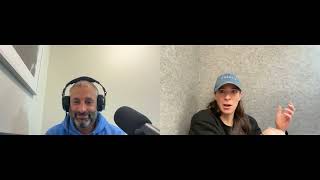
Investing $60M to Find the Next Mr Beast—The Future of Influencers, Creators, VC with Megan Lightcap
In this interview, Megan Lightcap, a partner at Slow Ventures, discusses the firm’s newly launched $60 million creator fund—the first institutional seed‑stage fund dedicated to investing directly in individual creators. She explains her recent move from New York to San Francisco, Slow Ventures’ background, and the fund’s thesis that trust is shifting from brands to people, making creators the new “entrepreneurs.” The fund writes $1‑3 million equity checks into creator holding companies (typically for 5‑15% ownership) and evaluates deals using a seed‑investor playbook focused on the creator’s community, obsessive passion, and real revenue streams (brand deals, product sales, services). Lightcap differentiates creators from influencers and talent, emphasizing deep expertise and a loyal “super‑fan” base. She shares case studies (Emily Mariko, Paige Lorenz, MrBeast) to illustrate valuation and growth dynamics, and offers practical advice for creators on when to raise capital, how to pitch, and what to use the money for. The conversation also touches on mental‑health pressures for creators, Slow Ventures’ culture and hiring philosophy, platform preferences (YouTube as the primary long‑term monetization engine), and the broader institutional appetite for creator‑focused assets. Additional discussion covers Substack writers as niche, cult‑like communities; the dual impact of AI—boosting creator efficiency while underscoring the premium on authentic human storytelling; the critical role of live, in‑person events for deepening fan connections; informal personal moments like Lightcap’s birthday reveal and astrology banter that humanize the interview; and a closing emphasis on empowering women’s voices in the creator economy.
Chapters
In case you missed it, you're allowed to be hot, smart, and rich. So let's get into it. I feel like we're gonna be giggling the whole time, which is good. This is not the Giggle Squad. This is it— Giggly Squad or Giggle Squad?
Giggly Squad. I think they're hysterical.
Uh, I need to start listening.
Oh, they're so funny.
But Megan Lightcap, are you ready to get hot, smart, rich? I'm so excited that you're here amidst the technical difficulties. Yeah, thank you for flying down.
Yeah, of course, I'm excited to be here.
Do you want to tell everybody where you flew from today?
Sure, I came down from San Francisco to LA. To LA.
And you recently just moved to San Francisco?
Yes, about 2 months ago, um, moved from New York.
How has that been?
It's good. I was spending so much time out there last year, right, this past 2 years, that it like— I kind of knew what I was getting into. It's just so different from New York.
There's a lot of girls that listen to this or that are part of HSR that live in San Francisco, and they always like talk about the culture shock that it was moving to SF. What can you talk a little bit about that?
Yeah, the biggest thing— well, a couple things. I've like actually like done a lot of thinking on this.
Okay.
So New York is just such a convenient city where like you walk out your door, you have Sweetgreen, you have workout classes, like you can see a friend at, you know, a minute's notice. It's just— I don't know what it's like in LA, but you just have to plan a lot more in SF. And like no one really does things during the week. It's more of a commuter city, so people are coming home later.
Um, and do people prioritize like the workout scene and like the eating healthy scene as much there?
Like the girls girls I think so, but it's different. Like, you don't have the same, like, commercial culture around it as you do in New York or LA, where you have like Erewhon or whatever. It's like, you cook, you know, and like, you hike. It's just— it's a lot— wholesome's not the right word, but like, just different. It's different.
Do you think that you're gonna miss New York at some point?
I'm gonna go back.
Okay, you're gonna move back?
Well, my whole plan was like, move to San Francisco while we get this fund off the ground, and like be in person with the team closer to LA for a couple years and then hopefully go back to New York at some point.
I'm so excited to have you on today because I feel like you're the perfect person to talk about both like creator economy, startups, venture capital. I would love just to paint the scene of your background and what you're doing right now. Then we're gonna actually flip and go into a little bit of rapid fire to loosen you up a little bit, and then we're gonna do the hard-hitting stuff towards the end. Does that sound like a plan?
Love it.
Okay, perfect. So why don't you just give people a little bit of an overview of you and what you're doing now?
I work at a called Slow Ventures, which is a seed stage venture fund. We've been around for like 10 years, started by some early Facebook employees actually doing personal investing. And then we're now on our fifth fund and we just raised a creator fund.
The first ever in the world.
First ever institutional creator fund backing seed, like early stage creators. And yeah, so I've been there for about 3 years and prior to that was doing a lot of consumer stuff. Worked at a fund called Elkadrotin on their growth team, and then went to the startup side for a couple years, and then really joined Slo to like figure out this creator strategy. And at the time, Sam, who hired me, was like, come draw in the dirt and like figure this out. They had made a few investments.
Into creators already?
Into creators, yeah. Okay. And so basically for the past couple years, I've just been working on this strategy, and then we just raised a fund around it, so.
So you guys are the first people to ever have an institution that is investing directly into people?
So technically not the— so like the Churning Group does this.
Okay.
Does something similar, albeit at like a much later stage. Right. So they're writing like $30, $40, $50 million checks into really like content creators. So like they wrote the first check into Barstool Sports.
Yeah.
And MeatEater and Epic Gardening. But we are doing it at a much earlier stage. Okay. So writing like $1 to $3 million checks. Um, so the first ever like seed fund, like dedicated just to this.
Yeah.
And yeah, with some like real institutional money behind it, which is super cool.
Oh my God, which we're gonna get into. But I wanted to paint the scene before I ask you some fun rapid fire because I always like— for me, I want this to be a place where people feel so comfortable. And I think a lot of what we're going to talk about could come across as like really daunting. There's probably a lot of terms that even people won't know, like seed, you know. So I think For us, it's just to have this be light and fun and try to get people familiar with you before we get into the hard-hitting stuff. If you can only have one for the rest of your life, coffee, tea, or cocktail?
Coffee, easy.
Yeah, me too. What's your order?
So normally it's just a drip coffee, but I recently have been obsessed with cortados. Okay.
I love that you were about to die on the hill for a drip coffee versus a cocktail, by the way.
No, I know. Well, it's just like a requirement. Like I cannot get through my day. We're like, I can get through my day without a coffee.
How many coffees do you have a day?
Probably 2. 2 or 3.
What does your typical day look like?
Wake up. And I have— like, I'm very committed to my morning ritual, which is like colostrum, AG1, like all the stuff.
The wellness girlies in San Francisco.
I was doing that back in New York. And then I like to make coffee at home. It's kind of like my me moment. And then in New York, I used to work out in the morning. But now I like wake up being like, I'm so behind on everything because I'm West Coast.
I hate the Pacific time zone.
It is such an adjustment.
Yeah.
Even like silly stuff like my friends' group texts and whatever. I'm like, you guys are going at like 6 AM Eastern.
My anxiety is out of control when I am in LA because I feel so behind all day. It's horrible.
And like, is it— do you ever get used to it?
Never. It's honestly been 7 years and my happiest time is when I'm in Europe all summer and I'm like so far ahead and I'm like, peace out guys. Like I'm done. Yeah. Okay, so keep going.
So now I basically just get right to work and we'll work out in the afternoon.
And do you work at home?
Uh, no. So we have an office, um, in San Francisco. So I usually am in the office unless there's like some reason for me to be working from home.
Okay. Do you usually dress up for work every day or you just go cash?
Um, it depends. If I don't feel like packing a gym bag, I'll wear my gym clothes.
Oh, that's amazing that you can do that.
Slow is very casual. Okay, we are like extremely— and the office is not like some days everyone's there and it's bustling, and then other days it's only a handful of people.
Yeah.
Um, but I try and I'll wear like something like this.
Yeah.
Yeah.
So you could like dress it up, dress it down, like just put on some jewelry and it's fancy, and then not, like you just wear sneakers.
Well, and that's the other thing about San Francisco is no one dresses up. And so I'm trying to like— well, I'm just trying to keep up my more like New York vibes. Yeah.
Yeah. So speaking of, I really wanted to talk about consumption habits. So what's the last thing that you spent money on, and what's the most expensive last thing that you spent money on? I'll go first if you want me to.
Yeah, you go first.
The most expensive last thing I spent money on was my breast augmentation procedure that I got last week. Um, and the last thing I spent money on was Air One for you, which I always love to buy for people out of town because it's such a treat.
It's such a treat. Um, an Amazon order last night of just like, like supplements and all that stuff. And then I'm furnishing an apartment. So all of the furniture I'm buying.
Since we're going to spend a lot of today talking about creator economy, I wanted to ask who your personal favorite creator is, like not affiliated with Slow Ventures. Like, who do you just love consuming?
It depends like what I'm focused on at the moment. Like right now I'm trying to get back into cooking because I'm living in San Francisco. So like Emily Mariko. Okay, do you know her? No. She just is her Megan Lightcap's content's funny because she doesn't speak in it and she just like films herself like cooking and around the house and whatever. And she just has like great recipes, a lot of like farmers market inspired stuff.
Do you find that you connect deeply with a creator that doesn't speak to camera?
She's great. Like, she's someone where like, because she's kind of like our age and she lives in the Bay Area and like, you know, she's like in a stage of life that I think we can relate to. So like, even though she doesn't— her on her YouTube channel she speaks, okay, but her Instagram it's like all silent videos, okay.
Um, which actually works really well. Something that I learned for different platforms is that Instagram people don't have the sound on for, so you actually don't want to have talking to camera videos. TikTok, talk to camera, and YouTube, obviously talk to camera.
You know, it's so bad though now. I, I was on Instagram on the way here and I was watching a reel and I didn't have the sound on. Yeah. And I've gotten to the place where I can actually start like reading lips. I'm like this, it's like, hey guys, like I just like blah blah blah. And I'm like, Megan, this is such a problem.
Oh my God. Do you spend a lot of your time on social media?
For my job. I don't have to.
Okay, this is a great next question then. Who is the creator to watch that we might not know about yet?
Oh, this is gonna be a weird one. Okay, so have you listened to the Telepathy Tapes?
No.
So I'm like, might lose your— lose your watches. So there's this amazing journalist, Kai Dickens, and she uncovered the story of this like Harvard professor studying nonspeaker autistic kids who actually have telepathic abilities. But it goes like way beyond that, where they have like shared consciousness abilities, mind reading. They actually like can connect with each other, obviously like nonverbally. It's—
they connect with other children, with other—
like, okay, and you can read the minds of like their caretakers. It's insane.
Wait, I don't think you've lost the audience at all. Please send that to me.
And the— so she made this podcast like documenting this whole thing and it did so well it like unseated Joe Rogan.
No way! Okay, well that's the goal of Megan Lightcap's episode today, so keep watching. Um, what is like— this is all personal still, so what is your personal favorite creator brand?
Creator brand? Yes, that's a good one. Oh, that's so hard.
I know.
What's yours? I need to think about mine.
You know what, actually, this is not my favorite by any means, but I have respect for now. Yeah, so I always thought like Feastables, MrBeast, like what the hell is the connection. Like, why is he doing this? Like, I didn't get it at all. I've never bought a Feastable bar. It's so funny because as somebody that's kind of obsessed with the creator economy, like, I don't actually really buy into the creator economy as much as I thought I did. Like, when I look at brands I've bought from, I'm not buying from like Dairy Boy and Park and like Feastables. And like, yes, I buy Skims, but I feel like that's surpassed what a creator brand is now. Yeah, I listened to MrBeast on Diary of a CEO last night, and actually listening to him and his passion and how intricately he knows his business and like how he leads his people, I have respect for Feastables now, which I've never had before. And in general, I've never seen a MrBeast video. I really don't relate to him at all. And in my head, sometimes I'm kind of like, why are we overglamorizing this content that's like entertainment only? And then I remember like, that's what the entertainment industry is built off of.
Yeah.
So I wouldn't say it's my favorite creator brand, but it's a brand I've recently changed my mind on that I now actually want to go to a Walmart to purchase and try.
He is an amazing entrepreneur.
Yeah.
Like, just full stop.
Yeah.
And I think that that's actually what sets him apart.
Yeah.
And it's like, yes, it's the videos and like the algorithm and all that, and just like the shock value of it all, but he is relentless.
Oh yeah.
And like, I know some of the— like, some of his team, and like, they're the same way. They're the, like, some of the most impressive business people, like, beyond just creative. Like, they're just amazing business people. Yeah.
That's what I feel like we can kind of just jump into because I think you guys have started the first ever creator fund that is investing $60 million into creators, which I think 90% of young people nowadays want to be a creator. I find it so fascinating, like figuring out how you can identify the people that are going to be the next MrBeast.
Yeah.
And even you guys going on record and saying things like we would never have invested in MrBeast. Yeah. So taking a step back, like, can you just kind of walk through where you guys are at with this. Like, what is your thesis and why are you guys so convicted by this?
Yep. So this has been something I think we've been observing for a couple years now, which is like the, the actual like macro picture I think is this shift in trust away from like corporations and brands and institutions to individuals.
Yeah.
And whether that's a creator, whether that's an influencer, whether that's your friend or whatever, I think people are placing way higher value on people than they are brands. And that's largely a function of just access, right? The internet has allowed anyone to connect with anyone and anyone to have a voice and a platform, for better or for worse, right? And it's like we're in this moment in time where we're seeing it across all industries. And so now it's allowing these highly creative, highly entrepreneurial people to say, Hey, I'm going to pick this specific category or vertical, become like the god or goddess of that thing, and then kind of like build businesses on the heels of their community. Like, I mean, kind of not too dissimilar from what you're doing.
I watched one of the first creators that you guys invested into talk about how her— you guys had valued her creativity at like $32 million. How do you think about investing in creativity from an entrepreneur like Steve Jobs or creator like Maggie Sellers?
Yes. So I think they're actually one in the same. Like the people that we try and look to back are entrepreneurs, and they just happen to be going about building their business publicly and with storytelling and with a community. And like, you know, you ask like what we look for, it's like, it's the same type of person that we would back out of our seed fund. They just happen to be going about building a business a very different way. Yeah. And it's like, you know, they have a lot of the same traits. I mean, think about like the best entrepreneurs, whether it's Mark Zuckerberg or Evan Spiegel or whatever, like they tell a story.
Yeah.
They're there to get buy-in from their stakeholders, whether it's investors or their customers or their employees, and just like build the vision. And like creators aren't that different, you know?
Do you think that you can now build a business the opposite way where you don't build in public and you don't build up distribution in a community? Like, do you think it's possible to build a business now, not as a creator?
Of course. I mean, of course. And one of the things I try and be careful of is not overstating this inversion of business building where everything now must be building in public and you're a public-facing founder. Of course, there's going to be amazing businesses that are built the traditional way. But I do think you have such an advantage when you have— you're able to bring people along for your journey.
Yeah. I want to see if you resonate with this because I've said this on a lot of podcasts. And it's truly one of the books that changed my life when I was building startups, which was like, your why, like having a why. And I think this is why we see so many creators that are kind of floundering or like don't really like know what they're doing long term, because they just wanted to like build up an audience and like get the money and like the fame and notoriety, but they don't actually have a why. Like they don't have that passion. And I feel like now they're struggling because they're like, I actually don't have a reason to push past like the barriers that they face, right? Do you feel like the creators that are the most interesting to invest in have an underlying purpose and why, similar to an entrepreneur?
100%.
I feel like there is a ton of creators that are focused on, like, let's say, the beauty and, like, the lifestyle verticals. Yeah, you've kind of publicly said at Slow Ventures those are not the people at all that you're interested in investing in. So let's back up and let's try to define, like, even, like, what is the difference between an influencer and a creator as you guys defined it? And talent even.
Influencer is, like, somewhere in the middle. It's almost like talent versus a creator entrepreneur. And I think for us it just comes down to, like, really being an expert and highly credible and a real authority in your vertical. So whether that's construction or overlanding or mountain biking or trail running or finance, right? Like breaking down like macroeconomics, like you could pick whatever it is and just being so good at delivering content and community and information. That is what is interesting, not the—
Lifestyle, you know, so you would not invest in somebody that is just doing lifestyle content.
I think it's very hard. Yeah, but then you look at someone like Paige Lorenz who's like, yeah, doing really well.
Yeah, um, I mean, I ran some numbers just based on what she had publicly disclosed was, um, what was visits to her site on a drop, and I think it was like based on a 2% conversion rate on the number of visitors to her website, each drop was doing like $600,000 worth of product, and that's just using like rough math, I'm sure her conversion rate is even higher.
Yeah.
Um, but that's on one drop that she's doing. I don't know how many drops she does a month. Like, that's a pretty healthy business that she's building.
Yeah. And I think like one of the tricky things to do is like not dismiss people. Like, you just— you need to learn more. Like, someone like Paige Lorenz, you could be like, oh, she's just like a lifestyle girl influencer or whatever. And then you maybe you get into it and you're like, her community is actually women who love entrepreneurship, right? Like, there's always layers to it.
Yes.
That I think you don't always know on a surface level.
Let's use another example, like a Remy Bader, right? Like, she's like a body positivity creator. Like, is she somebody that you guys would look at and go immediately no, or would she be somebody that you're like, we can find a way to make this work?
I think you guys have to understand our community.
Yeah, you know, that's what it really comes down to, is like, who is the community and how valuable is that community? So is that— so when you guys give somebody, a creator, money, how are you valuing what their business is worth, like based on the community, let's say?
So usually they're making money. So like there's actually like numbers you can do real diligence on.
Like brand partnerships mostly?
Brand partnerships, sometimes they're selling product already or like making money from service or like sales of something. So usually there's like real revenue and real cash flow. But look, it's very much like seat where it's like, there's only so many levers you can pull, which is like, we're investing $1 to $3 million, usually in exchange for somewhere north or south of 10%. And so you can look at like how big and how quickly they're growing and how big the vertical is and how value it is. And you kind of come up with a number that like feels really good for both parties.
Yeah.
And I think from the creator's perspective, the math is like, will this capital increase my chances of success in excess of whatever I'm giving up, 5, 10% if it is.
But I think a lot of people don't even understand what it means when you say you're giving up 5 or 10%.
Yeah.
So like just to back up for everybody, like when you take $1 to $3 million from Slow Ventures as a creator, and it's not even like take, it's really a process of like, I'm sure you guys are looking for creators, you're also going outbound, and then there's also creators coming inbound and pitching. Once like diligence gets done, and let's talk about that in a second. Yeah. Once there's a deal to be made and you're like, okay, we're going into business together, you guys are investing $1 to $3 million for 10% ownership of their business. For how long? Like, can you answer like just some of those basic questions?
Yep. So we invest $1 to $3 million into a holding company.
Yeah.
Um, they may have it already.
Yeah. If not, like I have— we actually on our first episode talked about holding companies. So if you haven't listened to that episode, go back and there's a whole like 5-minute section on holding companies.
Um, yeah, so oftentimes creators will have them.
Yeah.
Um, and so we invest— it's basically just like an equity position in the holding company. Now what's different about it is that because a creator's— creator businesses are so different, where like the brand equity actually sits with the person. Yeah. So much of the value is what they focus on.
Yeah.
And so we want to be in a position where we say, okay, Maggie, like, you should feel free to go pursue the highest ROI thing, whether that's your podcast, whether that's product, whether that's writing a book, whatever it is.
Yeah.
And we don't ever want to be in a situation where, because we're just invested in one specific project or thing, there's like a conflict of interest being like, no, no, no, like, go work on this, go work on this, this is what we agreed to.
Um, which by the way happens in venture capital all the time. Like, when my boyfriend hears that he's invested in a founder and they've started a new thing, he's like, what?
Yeah, I mean, it's— yes. And I think like the difference in venture versus here is that you're investing in like the product or the idea in venture, even though the founder is very, very important, especially in the seed stage. But here it's like you have all the— the creator has all the leverage. And like, so if you look at MrBeast, you know, there were no outside shareholders to my knowledge in Beast Burger. Are you familiar with Beast Burger?
Yeah, because it's no longer around, right?
It's no longer around. And so, but imagine if there were, right? And he woke up one day and was like, eh, like, the quality is not there. Like, I don't really know if I should be spending my time on this. I'm going to focus on Feastables and these other things. You're like, that just went down the drain. Yeah, you know, because again, the success is so predetermined by their focus on it.
Yeah.
And so our structure is we just want to be holistically aligned with the creator across whatever they do for their community.
Yeah, over a period of a quite a long period of time.
Yeah, so we're flexible on the timeline. Okay. Um, but the general idea is like As long as you're a creator, that's how long we want to be in business with you.
Which is like— and I love your language, like, in business with you. And but it really is like you do own a piece of what they do for the future, which I think that's what's so important to really understand if you're a creator. Because I'm sure every creator listening to this is like, I want to take money from Slow Ventures, right? Because it's like you don't have to rely on the traditional sources of income, which is like affiliate or brand partnership or merch or events. If you're at that level where you can be selling tickets. But I think it's so important. One of the questions I wanted to ask you is what are all the reasons that creators listening to this should never want to take Slow Ventures money?
So this like makes me so bad at my job, but I say this to creators and founders because like some of my friends are now starting companies and whatever. Like you should never— I think I said this to you. Yeah. Like you should never, ever, ever raise money unless you know exactly what you're going to do with it.
Yeah.
Like it just is bad for everyone.
Yeah.
You know, sets the wrong expectations. The creator's unsure. It just like, you're in this partnership that like kind of makes no sense.
Yeah.
So the way to think about raising venture or raising money generally is like, you should have a plan. You should know what hypothesis you're testing. You should know what cards you're flipping over. You should know like exactly what you're hoping to get out of it on the other side. Um, and by the way, I think for a lot of creators, like they have the benefit of cash flow. So like, you can choose to bootstrap. Totally. Which is oftentimes like an amazing way to grow a business. Yeah. You know? And so I think it's one thing I like to emphasize is like, venture is not for everyone.
Yeah.
In fact, it's like for a very limited group of people in limited circumstances. And so you just should be like 100% certain that you want to, you would want to raise money.
Yeah. So for a creator listening that does maybe want to raise venture capital, what are some of the things that they should want to put the money towards? Because if they're doing merch already, they're being able to sell at events, they're doing brand partnerships, like, what are they putting money towards?
Yep. So most often, the creators that we like to partner with and make sense for them to take money, they're using the capital to make progress on a specific company or idea or like set of ideas, not just for more traditional like advertising-based stuff or merch or whatnot. So So just to give you an example, we're talking to a creator. I won't name names, but she has an amazing community. She is probably doing like a million or just shy of a million in advertising revenue. And because she's so deep in this vertical, she's like, there's a huge problem here that I'm hearing from both the supply and the demand of this vertical. And like, I want to go build a company around it. And like, I kind of have like the starts of an idea of that company and like what it could be, but like, I want to just test. And so for her, it would be going to like build a team both for content and this company and just like really making a go at this idea.
The scariest thing for Slow Ventures is that I feel like you guys are investing in a lot of first-time founders, which traditionally Silicon Valley has liked to stay away from because second-time founders just have a better shot at the opportunity. You don't know your unknowns, right? So how do you guys think about first-time founders or first-time creator entrepreneurs and like your involvement in mentorship and guidance?
Yeah, well, so we do seed investing for, you know what I mean? Like, we've done seed investing.
Can you define seed investing for people that don't know what that is?
Yeah, so it's really, really early stage investing, usually your first round of raising outside capital.
But you're making money as a business?
Not necessarily. Okay, we've funded so many entrepreneurs where it's basically a person and an idea.
Okay.
We want to be usually the first money in, or like very early.
Yeah.
Um, oftentimes they're first-time founders.
Yeah.
Right. And I think like What we've gotten really, really good at is identifying some of these same properties or dynamics and people where you're like, okay, they have it, you know, whether that's a creator, whether it's a founder, or whether they're a creator entrepreneur or whatever. Like, that's what we do.
You said something like, they have it, and that was one of the questions from the community when I told people you were coming on, is that they were like, how does she define if they have the it factor?
So We— there's— to sum it up like super succinctly, it's like, it's almost like, do they have the charisma of one of these like visionary CEOs or creators? Kind of we were talking about earlier of like, can you bring people along for the journey? Can you get them bought in? Whether that's like watching your content, telling the story, like communicating like a narrative, right? Like it's kind of this like charisma level. And then I think the second piece is like are you so irrationally obsessed with whatever you're doing? Yeah. And like, it's kind of like defies logic a little bit.
Yeah.
It's just like very positive delusion.
Yeah.
In like the best way possible.
I think you just described me to a T. Like, I was like, you literally transformed your living room. I'm like, yeah, it's like, like even like my like latest Bottega bag that you can't get rid of, like I put HSR on it. I was like, I am HSR. Like, I will get a tattoo at this point. Yes. Yes, but it's hard to describe this. And again, I think that goes back to the why, right? It's like those people that are delusionally obsessed with what they do because they have something bigger than themselves.
Yeah.
And I often find like people coming to me being like, I don't— I want to create content, but like I'm not really sure. And I'm just like, what are you obsessed with? Like, what are you obsessed with solving problems around? And I think that is for anybody who's listening that wants to be an entrepreneur or a creator, it's like you actually have to find a problem. And I can open up my book, and I love doing this with HSR, but my problem that I felt my whole life was like I could not be authentically myself at work. Like I was having to hide the consumer self of like wanting to be beautiful, wanting to post bikini selfies, wanting to talk about my relationship. The thing that makes me a good consumer is, in my opinion, actually what makes me a great investor, what makes me great at my job.
Yeah.
And I always felt this sense of judgment and this sense of like, I won't be taken seriously because of the sound of my voice, or if I wear this outfit, or I won't be taken seriously if I date this person, or talk about this on my social media. And so, you know, getting a breast augmentation and like talking about that online, and then the next video talking about angel investing, I think is shocking for people. But really it's like, it's so much bigger than me. It's truly for the woman who like, I can name so many women I've worked with that have said to me like, I couldn't find my voice before you worked with me because I was so afraid of like speaking up in meetings or like being perceived the wrong way. and now I feel like I can try to be myself. And so for me, it's like HSR can live on without me because it's not about me. Yeah. It's not me trying to be famous. It's me trying to empower women to like be able to talk about surgery or their relationship or their siblings or whatever it is that they're going through in their actual life.
Whatever it is. Yeah. Whether it's like, you know, what you just described or a hobbyist category, like it could be anything. Yeah. There's just this level, yeah, of obsession is like kind of what we look for.
When you find a creator that you're obsessed with, walk us through, and for people that don't know, diligence. Diligence is what you do when you find something that you're interested in, you wanna invest in it, whether it's a person or a company. On the creator side, I can assume that diligence looks very different when you're investing into somebody. So when you find somebody that you're obsessed with, what type of diligence are you doing to get to a deal where you invest capital into their holding company?
Surprisingly, it's not so dissimilar from seed investing. Okay. Where like, in seed, the things that matter are the person and the market, right? Like, is this interesting? What are the competitive dynamics? How are they as a founder? Their why, right? Like, what makes them so uniquely— like, what is their like unique insight to go do this thing? So all of that also exists in creator investing, where it's like, it's obviously about the person. You can do some category analysis. The thing that's different is the community.
Yeah.
And so we actually spend a lot of time understanding who are the super fans, why are they super fans, like how does this person show up in their life, right? Like what role does this person play? Yeah. And you can just, you can learn a lot by like talking to the customers.
Let's talk about a specific situation that actually happened to me when I was on the brand side. So I'm so interested in your take on this. So, I was helping a brand of mine bring in a creator that was going to be doing like a licensing deal plus like an event and a few social posts. And they were gonna get equity in exchange for that plus like a $25,000 fee to show up at an event.
Okay.
This creator had like 4 million followers and looked online like she had great engagement. There aren't like the creator tools that exist today 4 years ago when I did this. But it was wild to me that 4 people showed up at a pop-up for a 4 million follower. For an Instagram influencer with 4 million followers. Like, that is the stuff that is either just like the anomaly or is just so incredibly hard to value community on. Like, how do you guys think about numbers?
That is crazy.
I can tell you another situation. This is serious tea, but I worked for a celebrity, more of like a traditional music artist. We did a deal with an activewear brand and she she sold 7 pairs of leggings. The activewear brand literally wanted to kill me. She didn't sell any of the sports bras, 7 pairs of leggings.
Yeah, well, look, I think we have the benefit of data, right? Like, you can actually see— and I don't know if you did this back, you know, 4 years or not, but like, you can see what they've sold, right? Like, you can see where they've converted. A lot of these creators too are now throwing events. You can literally see who's showing up in person and how many people and what they're paying to do so. Like, I went to a conference, um, which is honestly now like an industry event for a very specific creator, and he had like 1,200 people there.
Oh my God.
But for like $3,000 a pop.
Like, is this Brian Johnson?
No, but love Brian Johnson. Okay. Um, no, like, and it's funny enough, like, no one would ever have heard of this person. Like, no one in our world would like know who this person is.
Okay.
And we like, you know, we're on the phone with him, we're in— I was like, you know, great event, blah blah, thanks for having me. And he's like, good news, like I pre-sold the same amount for next year. I'm like, holy shit.
Sometimes I feel like being on the creator side now too, it's like you don't even believe it really for yourself. Because there was actually somebody that messaged me yesterday and was like, oh my God, I'm such a fan of yours, and like I watch all your videos like every single day for the last like 3 years, and it's, it's just like interesting to hear it sometimes because you're like, why? Like, I don't get it. Like, it's so amazing.
Have you ever like asked them?
Like, I think, yeah, it's a very similar answer to like why I'm doing it. It's like, I feel like I can be myself and like I can actually be a girl's girl in a corporate environment and in a startup world that will make me succeed.
Yeah.
And I can be myself.
Yeah.
And I think that is like, do you find that working with all men, like it's hard to be yourself sometimes?
I mean, Slow is a quirky place, but like in other, other environments for sure. But it's so funny that you bring this up because I was thinking about this the other day of like, there's— I'm just like formulating different like whys, like why people attach. And one of them for sure is like, I see myself in the person. So like, think about like Martha Stewart. Like she gave all of these women like basically validation to be like, being a housewife is like freaking rad. And like, it is super important and it's very real. And like, you should— it should be taken seriously. And like gave credence to this community of women. And I think that like a lot of what we hear from fans of creators are just like, I see myself in this person. And like they in return like almost see me in a way. And it's like really interesting. So it just— it's very, very powerful.
It's so interesting that you say that because to be super vulnerable, like I think for so long, like, I was on the girl boss train of like, I want to be this like independent— I think I had grown up in a situation where I knew like financial independence was always very important to me as a female. And then, you know, until I met Courtney, I was like so focused on my career and like there was never a person that I really would consider having to sacrifice for in terms of like those kind of duties of being like a housewife or whatever. And so one of the things that I think every creator goes through as they evolve is like that iteration with their audience. And I think for me now, you know, it's funny, I joke like being Courtney's girlfriend is like a full-time job, which it is. And like, I think for me, one of the, the key messages that I want to have for women is I think there's like those leaders in society that are like the girl boss, like this is like you being independent. And like, my worst nightmare I talked about on the last podcast episode is like waking up at 40 alone and being like, I prioritize my entire career for everything else that I want in my life, which is like a family and a relationship and a partnership. And I think where I want HSR to evolve to is like, you can still be a boss and still be independent and creative and, you know, very intelligent, and also be a great partner and like also have a home life. And not to keep bringing up MrBeast, but I listened to his podcast with Diary of a CEO yesterday, and he talked about his you know, partner. And, um, Stephen said, how do you make it work with traveling 200 days a year, being obsessed with your life, being obsessed with your job? And he says very simply, you know, I've— it's very hard to find an independent, intelligent woman that sacrifices and like works around my schedule.
Yeah.
And I think old Maggie would have been like so adverse to that. Like, that is the anti-female empowerment. And now I actually feel like that is kind of my life in a way. And it was like very scary to go through that change of like even introducing Courtney on my channels and like showing people like I have a whole other job, which is like to be his girlfriend and wife and like a VC wag of sorts, if you will. Have you seen other creators like struggle with that evolution of like they start somewhere and then they are like evolving their life as they would because they're people, right? We don't stay the same.
I think it's actually a great thing for creators because what, what happens is you kind of weed out the tourists, right? Like, in a way, when you evolve— which, by the way, is like, also just to be like commercial about it, like, gives you so much more opportunity to like do cool shit for sure, and like, you know, tap into other parts of your life and whatever. Um, and that's also the beauty of creators, is like your surface area of opportunity is just so much greater. Yeah, because you're a dynamic person with lots of interests. But it does, like, you know, if someone follows you for one very specific thing and you evolve away from that and kind of, you know, you're going to end up with the people who just care about you, right? Like the true super fans. So I actually think it's like an amazing moment to be like, this is my, like, you know, core circle of people. And that's like who you want anyway.
Yeah. You know, it's so funny that you say that because when I first started creating content, and my biggest piece of advice for anybody that wants to be a creator is I wanted to feel like you were at dinner with me. So like if you and I were at dinner, like we just did at lunch, like it's like we're talking about relationships We're talking about surgery, we're talking about business, we're talking about moving. Like, it is a dynamic conversation. The blessing to that is that you get your true fans, which I feel like I now have. I wouldn't even call them fans, I'd say it's like true relationships with the community.
Totally.
But the negative is like, you don't grow quickly. But you guys are only invest— investing into creators that actually are not these mass audiences, right? They're more niche.
100%. And I think like, again, it gives you— we would so much rather invest behind someone that has like deep, deep, like deep well of relationships with their community versus someone who's like super mass and it's all about numbers and scale and growth and blah, blah, blah. Like it's just not, I think, where like the most interesting stuff is coming anymore. Um, and so we would so much rather, you know, have a creator where their fans love everything that they do and like engage with every touchpoint they put out versus someone who's just like headline number, I'm growing at this rate, and like just focus on growth.
Well, and I think that's actually like, you guys are really solving a problem because that's something I struggled with. I would say like more than a year ago, it was this really big struggle of brands coming to me and being like, here's our budget, and it's like a value of how many followers I have. And I was like, I can convert. I'll give you an example with a technology that we actually use in our own company. I was a creator for them off of one video, they had $250,000 of software sales. And let's just say that the deal for that video was gonna be like 5 grand, and it's like you just made $250,000 of ARR off of a $5,000 investment into a media property. And so one of the biggest struggles that we had was like, we knew our value because we had that niche audience, and like we were never able to get the brand deal to be at a place where it was like, valuing us to where we were providing value. And I think that's where you guys come in, is like to those creators that are like that niche focus, that like have that conversion because the audience trusts them.
Well, it's just, it's all about incentives, right? Like brands have a very short-term incentive, right? And it's like a measured ROI that, you know, that marketer or that CMO is gonna get, you know, in their performance review in 3 weeks, like we'll be judged on that. Yeah. And I think we take a very longer term point of view. I mean, like, our fund structure is 10+ years. Like, yeah, this is a long-term, like, you go slow to go fast type of thing.
Yeah.
And I think, like, we just have a very different incentive structure.
Yeah. So a creator wants to pitch you after listening to this episode. They're like, I have a niche audience, I have 30,000 followers, I want to take on a million dollars to do X, Y, and Z projects. How are they positioning themselves? What information do they need to provide you? Like, what are they doing to get your attention and to actually get a conversation going with you?
I would focus on the vertical, why you're like uniquely suited for that specific vertical, why you're the authority of high credibility in it. And then talk about your community being like, I've done X, Y, and Z, and this is why people love me. And like, I own this little niche in this corner of the world. And like, oh, by the way, guys, it's actually huge.
Yeah.
And here's the opportunity I see. And like, these are the types of businesses I want to go build.
And are they putting like, to be super tactical, are they doing like a pitch deck like they were a company?
We do get pitch decks. Okay. Which is very different from like 2 years ago where like the idea of a creator having a pitch deck and like some of these I'm like, these are amazing. Yeah.
Like, where'd you guys get these? AI.
Like, is there like a consultant out there? Is this like a killer pitch deck? Some have pitch decks, some don't. Okay. And then we also do this thing where like like, you know, we'll meet amazing creators and like sometimes they just need a like whiteboard session and like, yeah, you know, and just be like, who are you? Like, what do you care about? What are you really good at? And like, what do you want to bring to the world? And like, well, we can sometimes sit down with creators and, and do that sort of thing. Um, and almost like not co-create a business plan, but just like help them think through some of the opportunity set. Um, especially for creators where we know they are like first-rate in whatever they do, in whatever vertical, and like have such an amazing opportunity ahead of them. They just need, they like need some of the language, you know, like talk about it.
And they also need just like the bandwidth and support. I think that's one of the hardest things about when you're raising money, whether it's a startup or whether it's a creator. It's like, it's such a distraction from the core business.
Yeah.
And one of the things that's uniquely hard about being a creator is like, you are the bottleneck, right? Like you are the face. So specifically when it relates to content, like you can't hire a fill-in for that. Right. So I think for the time that it takes for people to get to that point where like they're even getting an investment, like what is the time frame that you get pitched that you're like, okay, now we're ready to make an investment so it's not such a distraction for the creator?
It totally depends. It's like all over the map. I mean, we've, we've had relationships with creators for years before we've invested, which like sometimes is the best because for sure to like know them on a personal level, like see what they're about versus like going super fast. But look, I think like If a creator comes to us with like a super tight pitch, like we can move really fast. Um, it's just a question of like how ready they are and how convicted we are. And you know, the circumstances are right.
When you're ready to go through, I guess like investment committee, which essentially like a meeting where all of the partners that have a vote can essentially say whether they want the investment to go through or not. You guys raised from some pretty reputable names in the US basically. Do you have to go to them on approvals or can you just walk people through the relationship with them or what even raising from them was like?
From a bunch of institutions, but just to name some names. So MIT, University of Michigan, they're amazing partners and they're partners in other slow funds too. And so just folks like that. And basically, like, we pitched them the idea and some of the LPs we pitched were like, there's no way I can convince my, like, old white-haired committee of, like, what this is and what you're talking about. And other people were like, look, like, I see this happening at home or like, like, you know, I follow accounts or have certain interests where like, you know, they get it. And then I think others were interested more on like, this is maybe a little bit technical, but more of like an asset allocation level of like, okay, we have a lot of, you know, Seed technology exposure and this is something that's totally different. And so for them, it's more like a diversification play. But basically they are like our long-term capital partners. And so we don't have to get approval from them.
Per deal? Per creator?
No. We keep, like, we send quarterly letters and we have our annual meeting with them and kind of keep them, keep them in the loop. I actually emailed all of them last week and just to say thank you and all that stuff. And I was like, everyone, please send me your favorite creators. Cuz you get the like really interesting leads.
Wait, can you share any of the ones that came through?
Some, there was a really funny one around like maritime, like captains on boats. Like just really funny.
Wow.
Yeah. Or like actually a big one. There's a lot of like. Dungeons and Dragons fans, like tabletop role-playing, like Magic: The Gathering and like those types of things, which is very nerdy.
That is such a different world than HSR, but I love it.
I'm trying to think of some of the other really funny ones. A lot of like, like hobby, like, you know, mountain biking or like, you know, I'm really into macroeconomics or I follow these podcasters or these people.
It's so funny because people don't know that where VCs or investors get their money from is like these they're mostly men that are deploying capital. And it's so interesting because through the grapevine I heard that obviously Kim Kardashian just stepped down from her private equity fund as a general partner, and I think she's moved into an advisor role. She still has some involvement, but like Kris was totally wiped off of the website. And I heard through the grapevine that it's because they were really struggling to raise a large-size private equity fund, which is a lot more capital than like a venture capital fund. Because the endowments and institutions, LPs, were not actually okay with Kim being like a day-to-day general partner of the fund.
Yeah.
Do you feel like there is still that pushback as like a majority theme from those institutions or LPs that like creators are just still not the future?
I think that probably has to do with more with focus, right? Like she has a million different things going on. And so I think as a as an allocator, right? As an LP, you're like, how much time are you actually spending on this fund versus Skims versus everything else you have going on? Which again, which is like why we believe so deeply in this holding company model. Because you erase that question. You're like, just go do—
Like, imagine you could just invest in Kim Kardashian.
100%, right? And it's like, it's really empowering for the creator. And so I think more than not believing in the creator economy, I think it was just a focus question would be my guess.
Do you have thoughts on Kim Kardashian's new announcement with Skims? Crazy, right?
Yeah, I know. Like, it's really— one, I think it's really cool. Like, and I think obviously she's transcended beyond a creator, right? She's like a full celebrity and she's a huge name. But like, it's an amazing moment. I think it's a big, big deal.
I think so too. I think it's like I mentioned earlier, I don't think Skims has like a— is truly a creator brand, which is false in a way because of course it started as a creator brand, it will always be a creator brand, but I think it's just reached such scale that like you don't think about like to know it as being a creator brand, but that was actually started by an influencer who noticed her own pain problem and built a billion-dollar business being able to build affiliates. Like, that is I think what everyone sitting in these chairs wants, whether I'm on the creator or the investor side. It's like you invest into an idea and a person with the hope that that transcends them.
Yep.
It is a lot harder to do, I feel like, as a creator brand. Do you feel like like there are certain times where it's like this is the time to distance yourself from your founder, or do you still feel like, again, like Feastables is so tied to MrBeast and like Kim is still so tied to Skims?
I think it comes down to just make a good product. Like, it's just— it's— it sounds so simple, but I think like that is the ultimate way you transcend. And by the way, it's the way like founders transcend their business. Like, that is I think the ultimate way to do it versus about being, oh, we reached a certain scale, or like, now is the right time. It's like, if you just make a killer business, whatever it is, like, people should— maybe in the beginning they're buying it and they're trying it because of you, but like, the repeat purchases and the marginal next customer will come because it's just an amazing product.
It's so funny that you say that because I can remember, so January of 2024— we're in 2025, right? Yeah. Um, my sister had come on to the business 5 months prior. She was formerly the CFO of Mejuri, so built like a pretty large business and was very used to like recurring revenue and models and was like so not used to the startup world. And honestly, like at the beginning of 2024, like nothing was really booked yet. Like there was a few things where like advertising revenue was gonna come in and a little bit of affiliate. And my sister was like freaking out, like we are doomed. Like we're, how are we gonna have like cash flow? And everyone knows cash is king, businesses go to die. And HSR is a business. Like, that is what I think sometimes people forget. And it was so funny because I remember like every single meeting for 2 months I said, I'm not gonna freak out, let me focus on content. Like, let me do what I can do and it will come. And we grew our revenue by like over 200% last year because I was like, I know if I put out great content, everything else will fall into place. But I think that's so hard when you're not used— like, you have to have this ability if you want to be an entrepreneur or a creator to just like stupidly believe in yourself.
This is back to the delusion point. Yeah, it's like you have to have this like suspended reality, right, of like what you can go do. It's, it's unbelievable.
But you surround yourself with people who think that all the time. Like, what does that do to your psyche?
I should probably unpack this in a therapy session. It's just inspiring. Like, I think it's, it's one of these things where you can kind of just like do stuff and like see what happens. And there's this— Sam in particular. So Sam is, um, one of the GPs at Sloane and who I'm working with, uh, on the Creator Fund. And honestly was like really his brainchild, but like one of his like guiding principles is just like, can I curse on this? Yeah. Just like fuck around and find out.
Like he just like tries stuff.
And like sometimes it works, sometimes it doesn't. And I think like you just like don't be so precious. You know what I mean? Like there are certain things that you can just glean from some of these entrepreneurs where you're just like, okay, like let's just try it and see what happens.
You know, fuck around and find out.
Fuck around and find out.
Is that Slow Ventures' official slogan?
It's his official slogan. I don't know if that's—
Say it one more time.
Fuck around and find out.
So do you work mostly with men then?
Yes, we have a bunch of women on our team. Okay. But mostly with men.
What is the structure of Slow Ventures? Like how many people?
And yeah, oh my gosh, we probably have like— we've been on a hiring spree. Okay, so we now have maybe like 14 people. Okay. Um, but we have 3 funds. So we have our core seed fund, um, it's like $800 million. So it's our most recent fund, Fund 5, and Op 2, our opportunity fund 2, is $325. Okay, basically like 60/40 between the two. Okay. Um, and so our seed fund, but but in total we manage like almost a billion. Okay. Um, so those are from like prior funds too.
So you said you're on a hiring spree and you're the first female venture capitalist investor that I've had on the show. And I get so many questions of like, how do I get a job in VC? I want to be you when I'm 5 years down in my career. How does somebody that's applying for a job at Slo as like on the venture capital side, how do they stand out and get a role to to work underneath you or somebody at Slo?
Um, it's so timely, we're opening up a job application for my fund. I'm so excited, we're gonna hire an associate.
Amazing. Wait, you heard it here first. If you want to be one of the first people to invest in creators, you should put it in like your show notes.
Yeah, we'll put the link. Yeah, we— I actually just put together the application with my team, but like, we just like out-of-the-box thinkers. Like, the application is very odd. Like we ask some weird questions.
Like, what's an example? Give HSR a head start.
I'm trying to recall, like, one of the weirder questions, but it's a lot of like, like, here's like the, the last question on it. It's like, give me the most compelling argument. Actually, last two questions is give me the most compelling argument why the next billion-dollar creator business will be founded in Los Angeles. And then the next one is give me the most compelling reason why it will not be founded in Los Angeles. And I think there's like a very specific, like, thought pattern that should go into it that we're looking for. Um, I'm trying to think of another one. Oh, we're like, what do you think of Mark Zuckerberg?
Wow.
I want your thoughts on Mark Zuckerberg.
Or like, but do you think that people are gonna get super political with that?
They could. Yeah, they totally could. I mean, I think it's like, we just, we just want to hear how people think and like if they're critical thinkers.
But do you want— I love that, like, because we just need more of that in today's world. Like, do you want people around the table that all think the same way at Slo, or like even if somebody had a completely different political opinion, that wouldn't impact you bringing them on or not.
No, we just want people who can like work really hard, think critically, try stuff, challenge each other, challenge each other. And for honestly, for creator investing too, it's kind of like consumer investing where like the interest set in Graph is so wide where like it's amaz— so I work with this guy Billy Parks who came over from the Chernin Group. He's awesome. He is a totally different interest set than I do. Like he knows about sports and camping and outdoor stuff and but he wouldn't know the first thing about skin, you know what I mean, that we care about. So it's actually really good to have a diverse, like, group of people around the table, um, just because you can be, like, really smart and have, like, high coverage.
Wait, uh, your episode's gonna come out next week, so it's pretty close to, like, the day that we're filming. Um, can we do something, like, on the application? If someone listened to it on HSR, can we say something? Okay, so if you're listening and you're going to apply to the associate role at Slow Ventures Creator Fund, which you would be the first investor to invest out of like an institution-backed $60 million creator fund.
Yes.
Put down that you came from HSR.
You can put in the first question because it's like, tell us about yourself, you know? And I think it's a video recording. Oh, love that. Yeah. It's this cool platform. Sam, Sam actually built it. It's called like Standard Aptitude. And it's basically his whole thing is like, we need a better way to just screen for amazing talent.
Yeah, I really think it's great with that.
Yeah.
So when I worked at the second startup that I worked at, so Salesforce, Freshii, and then Docis. Docis had like a crazy hiring process. They used Force Brand to first screen you. Then it was like they wanted you to come from like an Apple, a Tesla. Like my first boss I reported to was the former president of North America Tesla. My second boss was the CMO of Burton Snowboards. That's how I learned everything that I know. However, I came from like somewhat of an unknown named company, Freshii. It's like a Canadian company, so nobody in the US had heard of it. Didn't go to an Ivy League school, like didn't have any of the credentials. And I remember they gave me a question towards the end of my interview process that was like, make us $50 million in our first year of sales and launching Canada's federal market. And I spent like all weekend putting together this deck. Once I got hired, they were like, now go do it. And I remember like maybe a year into working there, I was at Art Basel with the CEO at the time. And he looks at me and he's like, I was gonna pass on you because you didn't go to Tesla, you didn't come from Tesla, you didn't come from Apple, you didn't come, like we hired like head of customer experience at Apple. Like, she actually left Dosis, went back to Apple because like she just missed it so much. But like, that was the— the— what's the word I'm looking for? That was like the—
the pedigree.
The pedigree of the person that we were hiring, and I didn't have that. And I always felt like they had missed out on such creative thinkers because they weren't going after this like out-of-the-box, creative, scrappy, like get shit done. And you miss those people that are like— they don't fit the mold.
Totally.
It's so hard to screen for that.
And it's really like, this is something we think about a lot at Slo, whether it's founders we invest in, creators we invest in, or people we bring on. Like, I just think the most interesting people are on the fringe, like, yes, doing weird stuff that like no one else is really talking about. Like, part of the whole thesis on creators is like, we hear about the same 10 creators over and over and over again, but it's like there is this huge long tail of people. Like this guy I was describing that like no one would ever know but has like, you know, a conference of 1,200 people. Like, I am just trying to find those types of people. Like, who are the weirdos who are just like crushing it in their little universe and are just like, but like brilliant and super talented? And like, how do we find more of those people? Yeah, in all dimensions.
When you are one of those people, the thing that took me a long time. And as somebody who like has worked really hard and always done like the best for everyone else that I could, when I finally started being myself and like got those breakthroughs of like identifying a niche, I realized like you can't be liked by everybody. And that was really hard for me. I think like mental health in the creator economy is going to be extremely important moving forward because I'll just admit it right now, like I got sent a Reddit of me even 3 days ago and it's like somebody saying like, I've listened to her podcast, she's such a know-it-all, she's like, cuts people off. And like, and it's like, okay, I'm trying to do something to like empower women in a way where like I'm having to be like, what is seed investing? What is this? Because like it's not talked about for our community, right? It's like, I want the girlies that are listening this to walk away with like, I learned about Megan's skincare routine as much as like I learned about how to become her in 5 years and like deploy capital and understand what like semantic means. I don't even know how to say it still, but like, do you know what I'm saying? Like, that is like who I'm doing it for. But trying to be liked as you're doing that is impossible.
It's never good. Yeah.
What do you think about the mental health of creators?
I think, I think you're spot on in terms of like it just being a very— it's a fragile, very fragile thing. But again, I think it's like not too dissimilar from founders.
It's not, right? We're like, think about like Emily Weiss's like shit that she was put through in the media.
Totally.
Yeah.
I mean, you just have— there's Oftentimes it's the first time you're doing it, right? Like you're responsible for people's livelihoods that work for you.
Yeah.
It's a tremendous amount of pressure. The highs are incredibly high. I mean, you know, as the highs are so high, the lows are so low. So I think like just surrounding yourself with people who—
do I have my next business idea as mental health for creators?
It's not crazy. It's really not crazy.
Okay, I have a few more questions. These are going to be a little bit more rapid fire, but you can take as long as you want to answer them. Let's just start with your skincare routine.
Okay. So I use a lot of Asian skincare. Interestingly, there's this company called Hada Labo. It's basically Japan's like Neutrogena. Oh, so it's really potent hyaluronic acid. Okay. And so I've become obsessed with it over the past couple years.
So that's the only thing that you use on your skin?
Well, like CeraVe.
Okay.
I like did the whole Biologique thing, but it's so strong I like don't— okay, anymore.
Do you do any lasers or anything like that?
Okay, but I'm curious about it.
Okay, I'll do a whole podcast on that in addition to my breast augmentation. Um, okay. These are some of the questions around like just for creators listening. What is the best tips and tricks that you have for team structure? Like first hires or like ways to structure your team?
I think it's just like find people that fill your gaps.
Yeah.
And I think it's like very different for, for different people.
Platforms, Mothership, you guys, where are you guys spending time? What platforms do you think are the next things, things to stay away from?
We like YouTube. Yeah. I mean, I think it's the type of thing where like most roads lead back to YouTube, where if you get your start on TikTok or Instagram, like generally serious creators who want to like build a real business out of it end up on YouTube just because the monetization is great.
Yeah.
But like podcasting is really interesting.
Yeah.
There's some interesting pockets on Twitter and like Substack.
Interesting.
And then I think depending—
yeah, what do you think about Substack writers?
It's very culty, like, which I think is a great signal where some Substack writers are like, have like like diehard fans. And generally it's a way smaller community and super tight-knit, and I think it's harder to potentially like go into other realms. But if you can crack it, it's great. And then the other thing I'd say is it really depends on the category. Like a lot of the, um, most successful parenting creators are on Instagram, because if you think about like busy moms are not really watching like 10-minute YouTube videos.
Yeah, actually one of my questions was like AI, like where do you think that the future of creators is going with AI? People are freaked Um, I—
there's kind of like two things happening at once. One is that I think it's really, really, really empowering for creators. Like, I think we're gonna see you can just do so much more with so fewer resources.
Yeah.
And this is true for like small businesses or businesses generally. Um, so that's great. And then the other thing, honestly, in a world where like if you like really fast forward and you're just like inundated with content, like what really matters is as storytelling and like human connection. I think creators are like uniquely positioned there. Um, so I think like they're actually positioned decently well in the future of just like endless content.
You don't think that AI robots and human-generated creators will replace like the creator connection?
We'll see. I, I don't know. I think like people just crave human interaction and like maybe in-person events become more, more important and like it's kind of a way to like validate like you're real and a true fan and the whole thing, but I just think people want that.
Yeah, like I can tell you from my experience, like for a lot of— like last year was a really big figuring it out year for us. And when I think we ended the year with like these two massive events and I got to see the community in real life, like just the power of that connection I had with people. It was like people— I recognize their names, I recognize their usernames, I recognize their profile pictures. They're like coming up and telling me like Like, one example is a huge, huge company that everybody would know. I'm not gonna like say who it is, but the chief people officer was at the event and she comes up to me and she gives me a necklace and she's like, I've been following you for years. I'm giving you this necklace because I also called off my engagement and it said worthy on it. And she was like, I literally bought this for you because I just want you to know, like, I'm married, I'm having my first baby, like, it will happen for you. And I was like, neither— like, nobody knows, like, I actually have like a boyfriend who's here. But it was like just this connection that I felt like you can't buy. You can't fake a community. And in real life events for me was like, oh, this is real. Like, this is a thing that people want and crave. And that's why I just am very bullish on like, humans will always crave that, and I don't think AI will be able to replace that.
And by the way, I think in a world where there's so much synthetic content, like fast forward, people are going to want it more.
Yeah.
And like, they're gonna put a huge premium on it.
Yeah.
So I think like, yeah, I creators are actually decently well positioned.
What's your birthday?
Uh, November 29th.
So you're Sagittarius? That's why I love you.
Why? I don't know about astrological signs.
Oh my God, okay, move to LA and you'll know about them in a week. But like Sags, they're just adventurous, they're fun, they like adventure, they're spontaneous, they're very loyal. Like, I love a Sag because I am a planner, okay? But like, I really enjoy spontaneity, and I also just enjoy enthusiasm and people that like are down for a good time. Yeah, which we've been talking for a long time.
I'm like not the most adventurous, but I do like enthusiasm.
That is gonna be one of the clips. I am not the most adventurous, but I do like enthusiasm. Um, Megan Lightcap, I could literally talk to you all day.
Keep going.
We have talked— we just— so everyone knows, we've talked for an hour and a half before the podcast and we Lunch. And we had lunch. Um, I think we're definitely gonna have to have you back on once you've made a few more investments. But, um, thank you so much for coming on. This was so much fun. Everyone that's listening, thank you for being a part of HSR. It's like being able to put women in this seat to talk about what you're doing is like the most empowering thing for me. And just giving women a voice and a seat at the table, like, is just exactly what HSR's world is supposed to be created around. So thank you for sharing your story. And if you're listening and you want to rate, review, and subscribe— I am the worst self-promoter, but please do it, it really helps the show. And I can't wait to see you guys next week. Love you.
Thanks, Maggie.
More from Megan
Why This VC Is Investing $60M Into Creator Entrepreneurs | Megan Lightcap, Slow Ventures
Where Slow Ventures Is Looking To Invest in the Creator Economy with Megan Lightcap
#18 Megan Lightcap & Yoni Rechtman — Investing In Creators, Small Business, & The American Dream