Where Slow Ventures Is Looking To Invest in the Creator Economy with Megan Lightcap
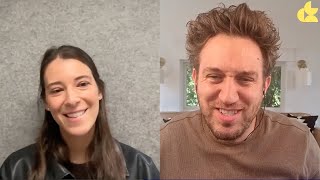
Megan Lightcap of Slow Ventures explains how they find and fund creators as venture-scale businesses. They look for founder traits like charisma and obsessive passion, not just engagement metrics. Creators who build independent communities rather than chase mainstream deals are more attractive to investors.
Chapters
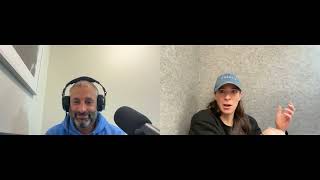
So what are we looking to invest in and where in the creator economy? Megan Lightcap from Soul Ventures digs into all that and more with me right now. Megan, thank you so much for joining. Where I want to start, and I think where everybody else would like to listen, is your process, both in kind of how you, you know, qualify leads, where you're looking, kind of just generally how you view this space.
Yeah. Yeah. Would it be helpful to kind of go like soup to nuts of, of how we get the message out there, how people find us? And yeah, amazing.
We got, we got time. We got all the time.
Okay. Excellent. Excellent. Well, thanks for having me, Jeff. Yeah. So, so, you know, obviously what we're doing is a little like new and novel. You know, I always, I always like to look at my counterparts in our seed fund, which is a very developed and mature ecosystem where they're just getting pitches all day and we're kind of like, selling and talking about something so weird and different. But as a result, you know, I think, you know, when we think about kind of generating top of funnel and generating qualified leads, it really comes down to like going outbound to drum up inbound. Yeah. And for— and the reason being is, you know, we're looking for a very narrow archetype of creator where we can get into, into kind of our criteria, what we look for. But, um, those folks almost are in like weird corners of the world. I always like the, the mental model I have in my head of like, they're like, they're in weird corners of the country sitting under rocks just doing their thing. And my job is to go like uncover all of those rocks and go find them. Um, and so you basically have to put your message out and say, here's what we're looking for, here's what we do, right? Like, here's our product. And if this sounds interesting to you, have them almost self-select into the experience and kind of come, come inbound to us versus it's incredibly hard to sit there and basically try and like, I work with a bunch of guys and they always use like hunting and fishing analogies. It's like hunting people versus, or hunting versus net fishing where like you have a target and you go after that target like pretty specifically. It's just hard to know if someone is interested in building a business, is entrepreneurial, if capital's even, you know, on their mind. And so, we like to just put out a lot of— put out a wide cast, a wide net, kind of put out the message in certain channels and have people come inbound to us. And that's why I do podcasts like this and I write, you know, weekly or every other week. And, you know, we constantly are just thinking about, you know, outbound to drive inbound. Go ahead.
No, I was going to say, I think you do a really good job. That's why we're chatting, because, you know, Being out there and kind of framing this, right? And putting that out there to see like, okay, we're gonna put it out there. If that sounds of interest, great, let's have this conversation. I think it's required. It's interesting for like, for you and I who work in this every day, we're like, yeah, no, this exists. Like, what else do we need to do? But there is like, there is a learning curve to all this. And I think there's this nuance too of understanding the space too. 'Cause sometimes somebody will, Like, by the way, it's funny, we lose monoculture, right? So like everybody's— you, you can ask like 10 people who their favorite creator are, you're probably going to get 12 different answers, which I— the math, not math, right? But that's—
but I love it. I love it. Yeah. Yeah.
So it, it's— I think what I love about what you're doing and where we're heading is we're heading to a sophistication of the space which is not just like, oh cool, do you have a lot of views and followers and engagement, to Okay, but how does that, how does that scale? Or, you know, in some cases, how does that sell soap? Or how do you know, how do people, you know, find that to be, you know, resonant commercially 5, 10 years from now? And I think that's when you're trying to make these investments, that's what you have to think about. It's not just like, cool, this is hot right now. Or like, oh my gosh, look at you, you built this giant thing out of Legos, like that's sustainable. But it's like more so like where can it go next and where can you see the, the 3.0, the 4.0 of the creator economy?
100%. 100%. It's funny you bring up monoculture. You know, one of our, our litmus tests for— because we, we meet niche creators all the time, and it's almost better if we haven't heard of them because they're like, that's kind of the point, right? Like, if we're not into, you know, power boats, Right? Like we should not know who the powerboat creator is, right? Or like, you know, what are, what are topics or things that you, Jeff, are like dying to talk about at your Thanksgiving dinner table? And everyone's like, please, like, not again. You know, it's like these, these niche hobbies and, and, and areas that mean so much to people. But probably not, you know, don't, don't, it doesn't mean a lot to their, their immediate circle, but like they have connected and, and built belonging on the internet with, with others. And so those are places we like to, we like to fish.
Yeah. Well, also, again, the very easy thing is to think top down from this and just to go like, oh, who's doing well? Let's, let's chat with them. And I think the really interesting thing is, now we could, I don't want to go through like an entire timeline of like media and comms for people right now, because I'm going to bore them to death. But essentially, If everything is kind of flat and there are no gatekeepers, then the people really driving things aren't obviously what, you know, would have been conventionally like a news outlet here or a thing there. And I've had multiple creators on here that are like, why would I want something on the Wall Street Journal? That seems insane, right? Tell that to somebody in the C-suite, right? Or me who does it for a living. But I look at like, it's the people who have niche fandom that can drive something from the bottom up that is going to be incredibly rooted.
Yes, yes. And taking it one step further too, which kind of complicates a little bit of our sourcing process, is like one of the things I've been thinking about a lot recently is like this, this concept of like self-identification, right? Like how people classify who they are. And I think in many ways the people that we are most excited about don't actually lead with creator, right? They think of themselves as a creator, as a founder, as much as they do a creator. Or like my favorite example is, you know, Jonathan Katz Moses, who we backed a couple of months ago. He's like, screw all of it. I am— what is he? He calls himself Chief Sawdust, Chief Sawdust Maker. Yeah, right. He's in the woodworking space. It's like that so perfectly encapsulates like He's not a YouTuber. He doesn't think of himself like a— like, he's like, I just like own woodworking and like that is— and I teach it and I sell products and I build this ecosystem around it and I built a personal brand. And so when you have this dynamic where there's no single like category identifier, right, it makes for this like extremely fragmented sourcing market, which is both like a challenge, but our, our opportunity, obviously.
Yeah.
And so it's, it's this funny, it's this funny motion of, you know, kind of hyperfragmentation, both in terms of category and niche, but also in terms of like, you know, where these people show up, who they connect with, kind of how they self-identify. It's— it makes for a very interesting sourcing conversation at work.
I would have asked this question eventually, right? You got to it, which is like, how do the people that you look for identify? Right? Because to me, a lot of it is like, I'm here for the channel and that's just the distribution that works now, right? 20 years ago, I would have done this completely differently, right? But I think, yes, if you're investing, there has to be, you know, a business mind behind it that's thinking beyond, you know, and look, let's be honest, I'll talk to a lot of creators who are like, well, I had an idea, I didn't know it was gonna go there, right? So you, so, you know, you're building that and you're growing that and you're building that parasocial relationship. But do, do you think there are general tried and true principles that you can look at and go, here are the, here are the ways in which if I see these factors, I know you can scale? Or is it just kind of, you know, because like we, we have a lot of data. That's the really interesting thing about everyone. It's like there's a huge amount of data that shows the trend of your engagement and who follows you and all that stuff. And this is why I'm always so bullish on this compared to anything else in media. I'm like, but there's this thing and it's right there and it will tell you what's working, what's not working constantly. But at some point there has to be something that's kind of more of an internal formula that's not necessarily a gut feel, but it's, you know, built on, on, you know, a lot of experience of knowing like what a good and bad investment is.
Yeah. And look, I think that's where like we have the benefit of a decade-plus experience as seed investors where quite literally we invest when it's like a person and an idea, right? Like, we joke internally that we never know what our companies are named because when we invest, they're always like, you know, Brad Smith New Co. And so, you know, it's actually before they've actually picked their, picked their, their brand or their name. Um, And so we actually never know what we invested in. Like, we'll get texts where it's like, hey, I saw you invested in, you know, whatever. And we're like, what's that company? And we're like, oh yeah, it was just called something, something new co. So, right. You know, I bring that up because I think, you know, a lot of the same principles to your point and kind of pattern recognition that we've developed in seed investing extends really, really naturally to creator investing, right? Where yes, you have a lot of the, customer data in terms of like, you know, engagement and watch time and views and likes and comments and who's showing up to what event. But I think when you're evaluating, you know, can this scale or can this actually become way more durable than just kind of a media property, it really comes down to like the team and the theme, right? Which is this like a kind of a phrase we use internally of like, does this person actually like have this it factor? Of really like being able to push through. Like, are they resilient? Are they doing this full time? Do they have— have they demonstrated ability to hire competently, fire competently, like, you know, allocate capital, use their time well, right? Like, do they dream big but are also like execution focused, right? There's a lot that you can kind of look to. Another potentially like, you know, not politically correct phrase is like, do they have Riz and Tiz, right? Which is like, yes, they have this level of like— and we actually, we totally stole that from our friend over at Long Journey Ventures, Ariel Zuckerberg. She's, she's a, she's a fabulous kind of co-investor of ours. But, you know, it really kind of gets at the heart of like what has to be true as a founder, which is do you have this level of charisma to bring investors, employees, customers along for a journey where you're probably going to fail, right? But you have to have a certain level of like We're going to do this right and like marshal the troops. And then on the, on the dis part, I mean, we say it kind of, but it's like there has to be a certain level of innate obsession with what you're doing that is like almost irrational to an outside investor, to an outsider. You know, it was funny when, when I first met Jonathan, we, we ended up talking for like 2 or 3 hours in our first meeting. And it was so apparent that he was so obsessed, not only with the craft of woodworking, but also the craft of building a business. And he can just run circles around people talking about unit economics or this new patented thing he's figuring out. His level of passion and obsession with a thing was so apparent. And so that has to be true. And then on the theme, right, categorically, the thing has to be growing, high value, there needs to be whitespace opportunity. Like there's, there's pretty basic what we call like Bain-style analysis that you can apply to the niche or category that they're, that they're focused on. And so, you know, there's— this is all to say like there's just a lot that we can borrow from seed investing as we think about, okay, who's a creator that can really go the distance, who can build a venture-scale business? That we're excited to back.
Yeah, it's the other thing too, is like, take all those things and then in reverse, you know, it's, it's not to say that everything is zeros and ones, but I've had multiple, you know, creators on here. They're like, well, if you followed the pattern and you knew all these things, you pretty much could duplicate these things. Like if you just understood the algorithm and you put in the time and you had the obsession until you get to the risk part. Because that is the part that you cannot manufacture.
You can't. You just, you either have it or you don't. And, and the other thing, you know, we talk a lot about internally, both on the Creator Fund, but also the Seed Fund is like, people have to have joy. Like they have to have, like a question that we truly ask ourselves is like, are they having fun doing this? Right? Like, you know, you meet a creator, you meet a founder that's working on some idea and you're like, is this really how you want to spend the next 10 years of your life, right? Or 15 years, whatever it is. And it's like there has to be this innate level of joy. And that is another thing that like to the, to your point about Riz, which is like it's not ones and zeros, right? It's totally like inherent in the person and their, their personality and their DNA. And yeah, so.
No, I mean it in the best possible way, but like if your joy, ego, obsession are all tied into one thing, right, then obviously you're not a flight risk. Like this is the thing you're going to want to do. It's, you know, you're competitive. You're trying to do all these things to continue to build and grow and scale that. And the lifecycle kind of where we're at in the creator economy, I still think most people say we're early. I would disagree. It's been around too long. But I would say that like, I think we're in a very good time right now where people are even the casuals are understanding like where you can take the scale of a lot of these, you know, creators in these efforts.
Yeah. And look, I get asked all the time, you know, what are you most surprised? What surprised you the most over the past year or two years or whatever? And my answer consistently has been, you know, 5 years ago, if you went to any serious business person and you were like, Would you ever be a YouTuber? Would you ever be a creator? They'd be like, no, that's like so cringy. Like, yeah, cats on the internet, like weird. And now look at it, right? Like, you know, I'm making content. The best, most serious, like investors in Silicon Valley are going all in on content, right? Like, I don't know if you've been following the rise of TBPN. Mm-mm. Okay, so these are like these two guys, They host a 5 days a week, 3-hour livestream.
Oh, oh yeah, yeah, yeah, yeah, yeah.
And this morning, right, in response to this news that broke this morning about, you know, OpenAI and Microsoft's new partnership, they have Satya Nadella, the CEO of Microsoft, on their show instead of him going on CNBC. And it's like one of these things where you're like, oh, it makes complete sense. This convergence is between like serious business builders and founders, right? And creators are converging at a rapid speed, to me just signals that like, oh my God, there's so much more to come. Like there is so much more to come.
Correct me if I'm wrong. I think one of the people behind the scenes from TBPN used to be over at HQ Trivia and is doing a—
I wouldn't be surprised.
And doing a killer job of, you know, like we were too early here, but we're not here.
Yeah.
Yeah.
Yeah, yeah.
Sometimes like there's a lot of those, right? Like, you know, that could have been Cheddar. Different pathways, right? Oh, like Cheddar.
Horrible.
Places like Cheddar or Mashable that had the zeitgeist for a second, right? But, um, that's the interesting thing again. Okay. So not that I want to make this whole episode about Riz, but you've, you've sent me down a path is that, um, you know, at the end of the day, right, we're all on borrowed platforms, right? Or things like, uh, to some extent. So it really all comes down to Do you convince somebody to want to go? Like in that example, like, are you the preferred place for that person to go? Right? And then once you have, once you have culture and once you have, you know, that preferred status, then, you know, all the other things can kind of build from there. The hardest thing to do is to be top of mind and part of culture. And once you get there, like, I think you have to have this kind of understanding, this belief, you're like, well, we can scale that. That could, that could work.
Yeah. And, and what I'd say, kind of bring it back to where we started this conversation is I would say once you're able to drive culture, but in the niche in which you matter, right? Like, I think it's a, it's a losing battle to try and like broadly drive culture because what does that even mean, right? Versus take again back to TBPN, right? They're like, we know our audience segment. So well, and we're just gonna double, triple down on that and not, we don't care about anything else, right? Our in the inside jokes, everything down to the merch, to the props placed on the table, to the what, like it is all in service of this one customer and what they care about. And we are going to be like the cultural zeitgeist for that, for that niche. And so I think, you know, it's just super clarifying, right? And how you make and what content you make and what decisions you make and what businesses you build and who, who you have on your podcast, right? And so I think, yeah. All of this is to say, like, there's just like extreme power in these niches and like deeply understanding your customer psychographic of like, why are they showing up every day? Why do they care? Like, that is the biggest question I think creators need to answer.
Absolutely. Megan, I want to test a new segment, which is I give you a quote or I'll paraphrase a quote from a few episodes back that clearly, like, I don't expect you to have heard or know, but I think you kind of will know the general sentiment. So a few episodes back, I'm talking to Jordan Badder on here. And one of the things we're talking about is the meetings that Jordan has at like Hulu or Netflix or a lot of these places. And I've had Select on here talking about Secret Lives of Mormon Wives. And I've had a lot of the creators, like, because I think there are certain people who would look at the space and be like, oh great, won't it be awesome when you get to do what MrBeast does and you get to have an Amazon show and Isn't the pinnacle this? And Jordan was basically saying, he's like, well, we would have to stop making revenue for 3 months, make a thing, and that thing would have to be bigger than Stranger Things in order for us to break even on what we already do. So I'm always open, but why would I do it? Totally. And that to me is the biggest signal for growth in what you're doing, is that people don't want to jump to another thing. This isn't a stepping stone to, you know, where they ultimately want to be. They are already where they want to be.
100%. And I think that sentiment is actually like a, a, a telltale sign for us of like, oh, they get it, right? Like, I think a— not a red flag is maybe too strong of a word, but like, I think we always have a little consternation if we hear someone be like, the goal is to get on Netflix, or like, the goal is to, to go the trip. And we're like, what? But why? Right? Like, you, you have this, this amazing thing right in front of you, like, double down on it, knowing how powerful that is vis-à-vis just like the allure of, you know, gatekeepers or Hollywood or whatever. Right? And so I think, I mean, Jordan, he's exactly right. And I think it like, it totally captures the spirit of the folks we're trying to partner with.
Yeah, like a good example, like Steven was on TV. That's not the path, right?
Well, that and like, you know, he's turned down like massive, massive deals from traditional platforms and in favor of like just remaining independent. And like that was really important, you know, and obviously we just announced the investment, but like That was a really important part of our conversation and very much our philosophy when we back these creators, which is like, yeah, you are the thing. Like, you make decisions, like you are driving the ship, like this is your baby. We want to be basically this like independent consigliere, obviously with capital and advice, whatever. But like, you know, you— it's important that these, that these folks retain full control. And I think, you know, he is the perfect example of this, which he's like, fuck the traditional path. I don't know if you can curse on the show.
Oh yes, you can. It's actually appreciated. Fuck it. Let's go.
Okay. Like, yeah, yeah. Like, forget the traditional, like, you know, I want to, I want to, I have, I have what I need right in front of me and it's just about doubling down. Yeah.
I, I mean, and the other thing too is this is incredibly wise on your end on the rambling side, which is that, you know, these creators need to know that like, you're not there to meddle. You're there to help amplify. You're there to help grow. You're there to, you know, get them to the next level that they're wanting to go to. It's a partnership, right? Right? It's not a, you know, it's not a micromanagement. Um, that said, like, when you— as, as this builds, right, do you feel like, you know, the portfolio then creates economy of scale in who you're partnering with? And, and, you know, in cross, cross-platform, does that, does that help? Or is it, you know, you kind of view things as one-on-one?
You know, it's a good question, and I think it's like very intellectually tempting to go down that path of like, yes, there's a lot of like shared experience and shared knowledge and, and like, which is all true. And you know, we, we even asked the question of, could you basically like do all their backend for them? And we're like, no, because I think part of this is actually getting away from this idea that this creator class is like homogenous, where I think it actually looks more like startups, um, where everyone is kind of building their own thing. They have their own systems, they have their own customer, and, and kind of technology stack and whatever. Like, they are just building different, different companies. And I think the same thing is true here. Um, that said, what I would love to do, and I've, and I've floated this to a couple of our creators, is, um, next year or sometime in the future, like, it would be amazing to get them all in a room, right? And like, there are a ton of things that they can learn from one another. Um, even like simple things, or, you know, how to hire. Like, there's, there's just like very basic kind of business building principles that I think would be super fun to just you know, get everyone in a room and knowledge share and, you know, have a burger and hang out. And so, and I don't think that is anything like unique to creator. I think that's just like the experience of building something.
No, I like the forest, like the not forest but natural version, right? Like if you're in the same room, like some, some natural things will happen. Oh my God, are they totally different? Like they are so different in how you're building and you have to have this maniacal focus on like, this is our system. And, you know, of any kind of business, they are going to be the ones that are least likely to deviate from the system because everything has reinforced that the system works, right? So, you know, I think I like the natural opportunities for just, you know, collaboration because you just bump into each other rather than like on a very special episode of Boy Meets World, a crossover for TGIF.
Yeah, exactly.
Yeah.
We're not in the business of that.
No, because that's the thing. It's like, again, if you're like the purveyor of cool and, and rizz, then, you know, you know how quickly that could go if you're like, okay, well, we're going to, you know, and then you're going to sell coffee in here and then we're going to— while you're woodworking, while you're doing this, like it just— I think I didn't want to lead you down that path. I— you answered it the way I thought you would answer it. But it's, it's one. But again, it's one of those things where it's like you have to live this industry to know what will and won't work and have that gut feel for it, right? And that's one— it's almost like, um, people who talk about eras of bands and they're like, oh no, no, no, no, sold out, sold out, can't do that, can't do that, right? Like, if you know the culture, you're gonna try and do as much as you can to make sure the audience is with you rather than against you.
Totally. Totally. I like that analogy. Oh, oh, oh, oh, oh, I like that. That's like, well, it's R-E-S, so it's like res, you know?
Yeah. Resilience. This, but anyway, thanks for doing this.
Wow. Time flew.
That's what happens.
That's what happens. Good stuff.
More from Megan
Why This VC Is Investing $60M Into Creator Entrepreneurs | Megan Lightcap, Slow Ventures
#18 Megan Lightcap & Yoni Rechtman — Investing In Creators, Small Business, & The American Dream
Investing $60M to Find the Next Mr Beast—The Future of Influencers, Creators, VC with Megan Lightcap