Does Jane Eyre lose her attitude when she marries Mr. Rochester?
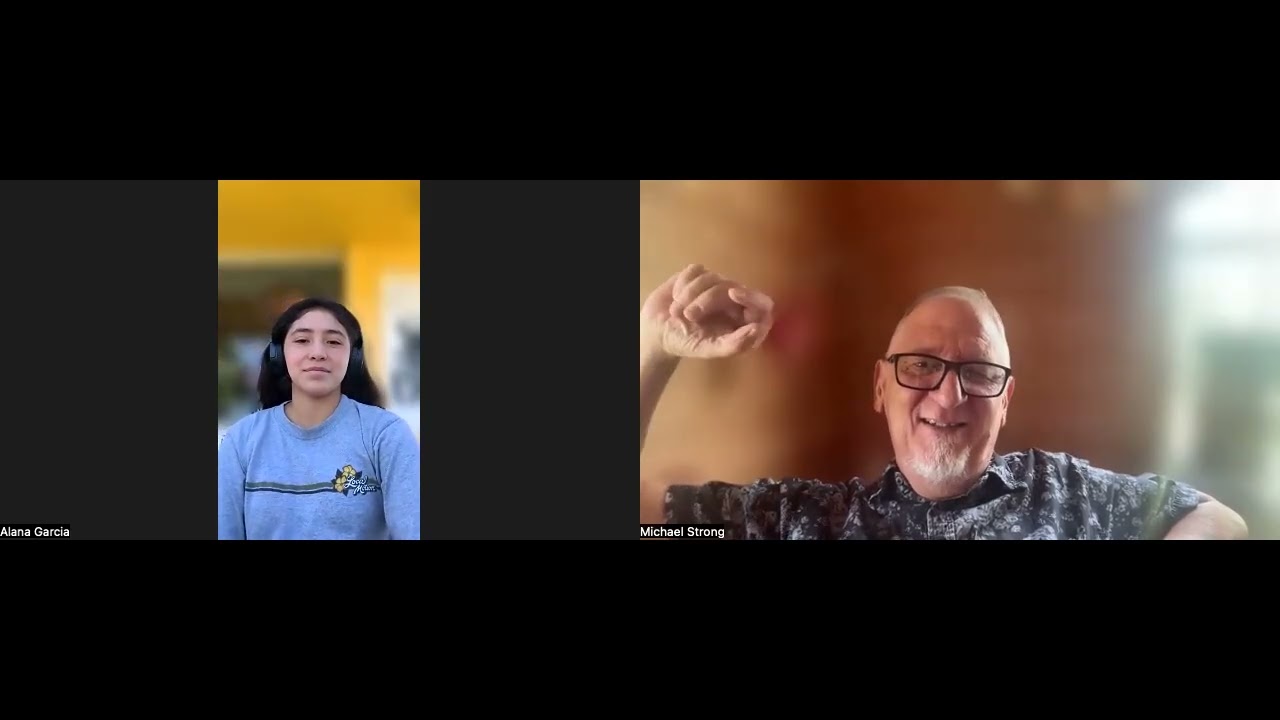
Two readers debate whether Jane Eyre's marriage to Rochester softens her sharp, sarcastic edge. They trace her defiance against Mrs. Reed and her conflict with Rochester, comparing her bluntness to Elizabeth Bennet's, and question whether a sudden inheritance and a disabled husband feel like a real ending or a cop-out.
Chapters
Um, so yeah, first, how did you do at your tournament yesterday?
Uh, I did really well. Um, yesterday I got first in my division. Um, and it was my— thank you. And it was my first time winning, um, that specific competition. It was the Freestyle State Tournament for California. So I'm very happy.
Very big congrats. And was it under 14 or something like that?
Yes, um, I did under 14.
Your weight class? Congrats, terrific. Well, in which case, on to Jane Eyre. So what do you think about Jane Eyre?
Uh, I— there was a lot of plot twists and some things made me think a little hard, but— and I'm a little confused with some of her decisions in the end, but I thought it was a nice ending overall.
Really interesting. So, um, yeah, what, what would you say you found confusing, and what do you make of her decision at the end? Are you— you think she made the wrong decision?
Uh, I'm just not sure it would have been what I would have chosen, but, you know, I've never been in love before, so you never know.
Do you think it's consistent with her previous character, or did it seem out of character at the end?
Um, it seemed— I, I think that's hard to say because her character changed a lot throughout the book. I think I feel like as a kid I remember we were talking about how she was like very strong-willed and like sarcastic, even like being brought up with Mrs. Reed, it was.
Mm-hmm.
Um, and then more towards the end she is more driven by love and like Passion, and— but she also wants to be independent and hold up her morals. So it's a little different, but I think overall it was character for her.
So if you think her character changed, at what point in the book do you think her character changed?
When she met Mr. Rochester and fell in love, I think.
Okay. Although she was going— I mean, there's the first time with Mr. Rochester and then the second time. The first time she was still, I would say, Kind of mouthy. Would you agree?
Yes, I agree.
Um, how about when she was with, uh, was it Diana and Mary and, um, St. John?
I think she was scarred by the entire ordeal with Martha and Mr. Rochester, and she was happy to have a real family. But as it turns out, it wasn't a real family, it was just family by blood. Um, and I feel like she was so consumed by, like, the desire to have a family that she almost let it take her all the way to India.
Got it. Well, a couple of questions about that. So first, when you say not a real family but a family by blood, what do you mean by that?
Um, I, I guess I'm just, uh, I was thinking of St. John because they were her first cousins, so they are family, but his intentions for her were not out of familial love, it was out of self-improvement, sort of, I think. Not quite family.
Yeah, it was a little bit strange. But with respect to her attitude, so she had a lot of attitude with Mrs. Reed. She had attitude in the first, you know, in time engagement with Rochester. Even though she was in love with him, would you say she had attitude when she was with Diana and Mary and St. John, or no attitude there? Had it been beaten out of her, so to speak?
I would say less. I don't think none, because she's still got her personality, but less. And I think that's fair to say also, because you see, it went down with Mrs. Reed to the school, to Mr. Rochester, and now down to Got it.
And so on the assumption that she was— do you mind if I use the expression beaten down, or is that not a good way to describe it?
I think it's a pretty good way to describe it. Maybe not like beaten down, just under the circumstances, I guess.
Okay. So, and I agree, but I'm looking for language. So with that in mind, would you say that It was necessary for her to go through the hardship in order for her to accept the situation with Mr. Rochester at the end? Or do you think that she might have done so anyway?
Do you mean the situation of Martha and her fleeing or her stay with her cousin?
Well, I would say first, of course, there's almost starving to death as she gets to her cousin's, and then You know, I agree. It does seem like she has less attitude there, and I think part of that is— it's funny, I don't, I don't think of her inner voice changing that much, but she doesn't seem to be kind of have as much mouthy attitude towards them as she did with— you're right, I forgot the school, but Mrs. Reed and the school and Mr. Rochester 1.0, a lot of attitude. But I, I'm— I don't think I remember anything that was kind of You know, well, actually, actually, actually, not quite attitude, but one of the reasons, one of the things that surprised me with St. John was how blunt she was with him about the girl he was in love with. Do you remember her name?
Oh no, I don't.
But you remember kind of like out of the blue, she just kind of dives in and starts asking him about her.
Yeah, I thought maybe she did that because she was like reminiscing about her in Rochester, but I'm not too sure why.
Well, maybe, but I'm just in terms of, I mean, you know, going back to Jane Austen, my sense is that Elizabeth was relatively bold, but in general, people would be very, very careful about what they said to each other in Jane Austen. And although it doesn't seem as if Jane Eyre has as much perhaps attitude, it does seem as if she's strikingly blunt with St. John. So this seems certainly compared to Jane Austen kind of outside the bounds of what would have been. And maybe Elizabeth, I don't know. Do you think Elizabeth was as blunt as Jane was?
With certain people, maybe. Um, like with Mr. Darcy, but on a whole, I feel like they were a bit more preserved. And maybe that's because of their social status and how much their image meant. And maybe Jane doesn't— I mean, um, yeah, Jane, it doesn't matter to her as much. Um, especially because she had been, um, you know, starving and had that experience with Rochester and Martha, so maybe that's the difference.
But another read would be if you're not of a high social status, you should be desperate to please, because if you don't please, you lose your opportunities. So if, if it's— why isn't she kind of desperate to please?
Maybe she, uh, honestly, I don't know. Maybe she felt like some sort of different connection with St. John because she was like, oh, this is family and I can be more blunt. But I don't know if that was actually the case. Um, or I mean, I'm not sure if that's how he viewed her.
Well, I don't think, um, that she knew they were actual family when she was blunt with him about the girlfriend— or not the girlfriend, but, uh, I think that was before they— I'm pretty sure that was before they discovered they were actual family. So, yeah, well, let's, let's, let's then go to the end. And would you say that all of her kind of bluntness and attitude are completely gone at the end?
And, and when she met up with Mr. Rochester again, or the end of her time with them?
No, the second time. Yeah, when she met up with Mr. Rochester again, do you think she's She's like so in love, no attitude, no bluntness left?
I don't think realistically that would happen, and I don't think it did happen. I feel like it wouldn't just leave her because that's part of her personality. Um, she was very glad and excited to see Mr. Rochester again, which is maybe why part of that didn't show. But realistically, I don't think it would have left.
Well, there's one point where it maybe kind of shows a little bit is, you remember when she deliberately makes Mr. Rochester jealous of St. John?
Yes. Yeah, that was funny.
I would say that's less than kind of perfectly kind of pleasing. That is, if she's trying to make him jealous. So I'd say there's at least a little bit of attitude left in there. Fair enough?
For sure.
Yeah, for sure. And what do you make of, you know, it does, you know, there are people, there are modern readers who are very critical of this book because, you know, kind of she, she kind of is left with this old broken guy, you know.
Yeah.
And do you think that that is kind of unrealistic, or do you think it's because Yeah, do you think— why do you think— let's go back to the author. Why would, um, Charlotte Brontë have done that? Um, why would she end the book like that?
I mean, maybe she was trying to feel the true love or show that, uh, Jane's character changed after she left or something, but I thought it was a little Or I was a little critical because I guess if I was in Jane's position— again, I'm not in love, so I don't know. I'm not sure if it would have been very pleasing. Um, but, you know, true love, I guess.
So is it plausible? You think the true love— we'll call it the true love hypothesis. Is it plausible that true love could actually get her to do that?
Um, I think, I think so, especially in a book. I haven't seen anybody go through that in real life, so I'm not too sure, but based off of books I've read, yes.
Okay, well, I was going to ask next, do you think maybe this is something that could have only happened in the 19th century and it would no longer happen today? Or do you think— that is, do you have a sense that the 19th century Britain was just such a different world Or do you think that human fundamentals haven't changed and it's just as possible now as it was back then?
Um, I think, I mean, obviously times change. Like, I don't know if it's still acceptable to marry your first cousin. So, um, but in terms of like, oh, Jane is gonna marry this guy who's blind and lost his left arm or something, that's not necessarily a bad thing. And I don't think Like, even today, people would— I mean, maybe people would like make fun, but I wouldn't. Um, I don't know, it's— I mean, it'd be a little messy, I feel like, in the real world today because of like social media and standards and stuff like that. But me, I wouldn't judge. I don't know.
Got it. No, I was actually thinking the real world, right? Social media and Everybody's, you know, oh, this is my blind crippled husband. Yeah, but clearly— what were you gonna say?
Sorry. Oh, it's okay. I was just gonna add, um, who tried to trick me into marrying him legally even though he was married. I don't know.
Yeah, well, exactly right. You could throw him under the bus on that point as well. Um, yeah, just kind of going back, did you find the book generally enjoyable and engaging, or was it too kind of Frustrating and annoying?
I thought it was pretty enjoyable and easier than previous books. Um, yeah, overall, yes.
Okay. And what would you say is your harshest criticism of the book?
Um, harshest criticism? Do you mean in terms of like story or—
Any aspect. Any aspect.
Um, I don't, I don't really know. Um, oh, I guess one thing I noticed is that again there's the, oh, your dead uncle left you all this money, and I thought that was kind of a, uh, crazy, unexpected, maybe unnecessary, not realistic plot twist, but I, I know in books like that stuff happens. Oliver Twist. So, you know, exactly.
For some reason they like those plot twists. I agree. Yeah, totally. Well, not only— yeah, crazy plot twists. But if that's your worst criticism, that's not so bad.
Yeah.
I actually, I really enjoyed the book. I read it when a teenager, when I was a teenager, and about all I remember of it was crazy woman in the attic and it being very intense. Um, yeah, would you say it was fairly intense for you?
Yes, I think so. There was a lot of different plot angles.
Got it. Um, in which case, what I was going to suggest next is, you know, Wuthering Heights by her sister Emily Brontë. So, um, are you open to reading her sister's book next?
Yes, for sure. And is that the one that was turned into a movie, or—
Yeah, it's a recent movie. So, You can wait, not watch. Have you watched the movie or not yet?
No, not yet.
So always ready. Yeah, better to read the book first. Um, and I've heard people say it was poorly done as a movie. Um, but let's, let's read the book first. Uh, okay, I will pick a reading. And, um, anything else for today?
Uh, no, that's all I have.
All right, see you next week. Bye-bye.







