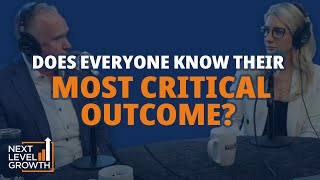
The Storytelling Trap: Why You’re Paralyzed About Your People Problems
11 Feb 2024 · 1 min

1:06
A short talk by Michael Erath about the emotional challenges organizations face when addressing people-performance issues and how reliance on narratives (the “storytelling trap”) can paralyze decision-making. He argues that adding objective data—specifically Culture Index assessments—helps clarify whether poor performance stems from role fit versus capability, enabling fairer, more effective actions for individuals and organizations.
Chapters
More from Michael

youtu.be
Ep 191: Building a High-Performance Culture with Clear Expectations - Insights from Michael Erath
9mo ago

youtu.be
Take Your Business Growth Next Level with Michael Erath #entrepreneurship #businessgrowth
9mo ago








See all content