The Man Behind the World's Wildest Books
Josh O'Neill runs Beehive Books, an independent publisher making wildly experimental editions like a Dracula evidence file and a Pinocchio annotated by Mike Mignola and Lemony Snicket. He funds these expensive, tactile projects through Kickstarter and navigates the chaos of unusual production and supply-chain problems.
Chapters
What if I told you that there's a publisher out there that's raised over $2 million on Kickstarter, making the most insane books imaginable? And when I say insane, wild out there, I mean in the best possible way. And that publisher is Beehive Books. They build paper worlds, and literally we're talking world. We'll talk about projects that span from blankets to newspapers to a interactive story format of Dracula with illuminated editions, classic novels. They go beyond the book and create incredible works of art, working with illustrators, designers, and artists all over the world. Today, we have on Dragon, Josh o', Neill, the editor in chief of Beehive Books, who's going to share with us how he built Beehive, how he's run over 20 kickstarters successfully, how he manages the chaos, stays creative and honestly creates projects that have pushed the boundaries in publishing and push the boundaries of what's possible with storytelling and art. I'm super, super excited for this episode and really grateful to have had Josh on now. Want to give a little book recommendation? Josh has background in comics. He used to own a comic book store and ran a comic book festival, which is amazing. And this is an amazing book on the history of comics. It's called American Comics History, and it's all about comics in America and really the rise of comics. It's a great book. I'm currently reading it. I'm like, halfway through right now, so I still have a bit to go, so I can't make my final judgment yet, but I've been reading it. I really enjoyed it. I think it's definitely worth a read if you're looking to break into comics. I'm a big history nerd, and I think it's really important to understand the context, what you're trying to do. Now we're going to get way more into the context of Beehive, and hopefully you can learn how you can do some wild things to create great projects for your readers. All right, let's dive in. First of all, Josh, so grateful to have you on beyond the Books podcast. I don't think there's any publisher, any group of folks who are doing better at going beyond the book than Beehive Book. Seriously, it's just beautiful what you've done so upfront. Obviously, like, I'm just going to call out everyone. Like, you should check out the website. There's the new Kickstarter going on that you should just see. You don't have to support it. It would be great if you did. You just look at it because it's gorgeous and it'll be a good click. But what is Beehive books? Because you're not the traditional publisher, even small press, you are very innovative. So how would you describe Beehive books to someone who has no idea what it is?
Well, thanks, Michael. That was very generous what you said. I really appreciate it. And yeah, I sometimes. There's various ways I describe Beehive. One of the things I sometimes think of us as is a bit of a quixotic publisher. We publish things that they seem a little bit unlikely. They don't necessarily have the most obvious path to a usual publishing success and normal place in bookstores and a thriving marketplace. But we've built this wonderful audience of readers who will sort of follow us down these unusual pathways and support projects that are strangely shaped or based on some rare and obscure concepts or artists people have never heard of before, or books that have been long out of print. So we're a graphic arts publisher mainly. All of our books are related to art or design in some way. We do a sort of eclectic mix of different things. We do some graphic novels, we do a lot of illustrated fiction, we do a lot of monographs about different artists, sort of big art books covering the entire careers of certain historical artists. We have a wonderful tarot deck that's one of our most popular products by Kevin J. Stanton. It's just beautiful. It's a botanical tarot deck. And then we do some of these sort of strange found object, unusual reading experiences. I guess you could call them ergodic texts, I guess maybe if you want to get a little bit academic with it. But they're a little bit harder to explain. Like we have this edition of Dracula that, that we're still working on and is long, long, long delayed. And some of our pre order customers are a little bit frustrated because it's years past its deadline, but it's almost done. And it's an edition of Dracula in which we present Stoker's original text as. As it is described in Dracula as all these found objects. So in Dracula, you're reading the text of newspaper clippings and journal entries and letters and telegrams. And in our edition, it's the actual handwritten letters, it's an actual clipped out newspaper clipping. There's a playable vinyl record that's supposed to be the recording of Dr. Seward's notes, which is how it's described in Dracula. So it's called the evidence. It's the actual material of Dracula. We love stuff like that. We love playing along the boundaries of what books are and what you can do in material printed formats. So yeah, we just do weird stuff. We try to sort of build little worlds inside of books.
Yeah, the we build paper Will Arts is a great slogan. It reminds me a lot of Dracula Evidence particularly. You have so many different projects. Obviously tarot cards in and of itself are such an interesting medium, but reminds me a lot of the epistolary kind of genre of storytelling. And I know that's like its own thing, but we've had folks in this podcast talking about epistolary storytelling and yeah, they're very interesting medium. So before you actually founded Beehive, I know this was not your first arc or at least first journey in the publishing world. You have tremendous experience in comics. So walk me through, like how did what brought you to the world of comics and then how did you get to the world of comics to Beehive? Because I can see like how all the skills come together, like totally makes sense. But yeah, going from like running a comics festival to then basically saying, I'm not necessarily making comics anymore, I'm just like innovating on what storytelling is entirely, is like quite the journey. I love the journey. But walk me through what happened.
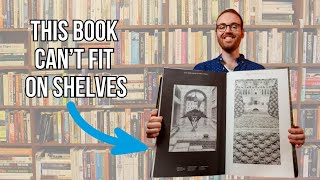
To answer how I got into comics, I'm not really sure. I can't remember a time when I didn't love comics like very profoundly. From when I was a little kid. Reading just newspaper comics originally was probably how I got into it and superhero comics, things like that. But I've always loved art and drawings and illustrations and comics. I'm not an artist myself, but I'm just like a massive appreciator of those things as media. And so in 2009, I guess it was, I opened a comic book store with sort of a collective of partners that I had been working with. We started this store which was called Locust Moon. It was based in Philly, and it was a very community minded place. It was really an outgrowth of a whole group of artists and readers and writers and filmmakers and animators, all these people who would hang around this local comic shop. And we decided to create our own thing. And as an outgrowth of that shop, which was around from 2009 to 2016, that's how I got into publishing initially. At the time, I had a lot of ambitions as a writer, as a comic book writer and writer of other things. And so I was working with artists. I was publishing a webcomic at the time and I was putting some things in anthologies and we Started publishing our own comics anthologies. And that was a big part of what Locust Moon was as a space. It was kind of this community space for creative people and for people who love creativity and storytelling. And it was great. I really miss it. I mean, it was just a lovely little miniature society unto itself. We started publishing just because we had all these talented people who were sort of all around us. And it's a hard industry. Comics and publishing and all creative industries are very hard and only getting harder as far as I can tell. But especially when you don't have, you know, we were all young, trying to establish ourselves. So I think the best thing you can do for yourself is just like create your own things. We started doing quarterly comics magazine that we did a handful of issues of and we did this big anthology of. We took classic fairy tales and did sci fi retellings of them all by different artists and writers. And I really fell in love with publishing itself. I got into it not really out of any interest in publishing. I was just interested in the material, you know, I was interested in. In the comics and then the art and stories. Through the process of working with all these artists and designers and figuring out the material aspects of each project, I really fell in love with that as a process and getting to collaborate with all these really talented people and sort of laying the book out and seeing the thing come together. It was such a thrill for me. And we did a lot of different projects, but it was really a small sideline of what we were doing, which was mainly running this comic shop and also running an annual comics firm festival. Ended up coming up with this project which was a tribute to little Nemo in Slumberland. I don't know if you know what Little Nemo Slumberland is, but for your listeners who might not, it's. It's one of the great comics of all time. It's one of the first great comics of all time. It's from 1905. It's by Windsor McKay, who was an American cartoonist and he did a weekly Sunday newspaper strip that ran for decades. And each strip was a full page broadsheet, gigantic format story of a kid named Nemo. And in every strip, he has a dream. Each strip is a different dream that he has. And at the end of the strip he wakes up back in bed, often falling out of bed. They're so surreal and they're so ahead of their time and they break the fourth wall all the time. And they're so beautifully illustrated and they have kind of this proto art Nouveau, proto psychedelic thing going on. I love Little Nemo. I'm kind of obsessed with Little Nemo. And I had an idea to do an anthology of tributes to Little Nemo. And I wanted to do them in the huge size of the original strip. 21 inches tall, you know, the size of a person's head and torso. So we did this book and I started inviting. I made a list with my partners of all of our favorite comic artists in the world. We just aimed high and we started inviting people. And because Windsor McKay and little Nemo are such a inspiration to so many people, the chance to pay tribute to that was really exciting to people. So all of a sudden we had this book on our hands where there were all these really famous artists in it, really well known people who I had grown up reading, often who were a bit older. So it was this crazy thing and we put the book out, we did a Kickstarter. It did really well. The book won a ton of awards. It was like this amazing experience. We actually made a lot of money off the book even, which was so unexpected because it was the ultimate quixotic publishing project. It was a book that, like, too big for any bookshelf. And we were very green at the time. You know, we did not have a lot of experience in publishing. We were really just these kind of outsiders trying to figure things out. And it was this big success for us. And anyway, this is a very long rambling version of this story. By 2016, our store, which had always been struggling, was never really a financial success. We hung in there for quite a few years. We were kind of deciding to wrap up the store as a project. Little Nemo kind of formed the idea for what I hoped could be a new publishing imprint, which is where everything is kind of a crazy idea. Because part of the fun of Little Nemo is so many people told us we were insane when we were working on it. They were like, do it as a normal sized book. This is going to be a disaster. And then it works. So when we launched Beehive, the whole idea was like, can the fact that we are somewhat insane be like, built into the marketing pitch of this publishing company?
That's great.
These people are nuts. They'll do anything. They'll do the craziest shit. So that was kind of the idea of Beehive. And we've done a lot of projects since then and we've built this very small but very committed readership. We're very passionate about supporting a lot of these outsider art projects. We're very lucky we get to do this kind of really offbeat, really interesting, really exciting stuff and we get to work with all these great people and it's all supported because a small but very loyal handful of readers are willing to put their money behind it, which means the world to us.
So cool. That's just the best come up story. I'll link to the article. I think it was in the Inquirer of you holding just.
That was our first book.
Yeah, massive book. It strikes me as very interesting you have this insight with Quixotic Publishing. That's like. I mean you said it like we're just going to do all of our. We're just going to do crazy things. But for my time at Beast, I learned one thing about going viral online, which they're a very particular type of viral. But there's one emotion that causes virality more than anything, which is awe. And to create awe. Spectacle. And I think you are like basically making books and storytelling into a spectacle really makes people want to be a part of it. And that comes to now how you launch this and the community you built around it, which I understand you've done A. Is every one of your new projects launched on Kickstarter? Like how does every project.
But the vast majority of our projects are funded on Kickstarter. And that's the only way, you know, that's the only way we can afford to do these. To do these crazy things, take the risk because they're incredibly expensive. That's what's part of what's crazy about them. But because of this crowdfunded model, our concept would absolutely not work without crowdfunding funding. Or I guess it could work if you had a lot of seed capital or something which we never had. Even if you did have capital, you would be taking these crazy gambles all the time. You'd be putting all this money behind things, hoping that somebody will buy them. And one of these projects failing would bankrupt the publishing company. We've been lucky. We've never had a Kickstarter fail though some have really staggered to the finish line. But we've had some that have been really big successes. And so it allows us to really. We can come up with exactly the thing that we want to do, the thing that we think readers might be interested in and might want to read. And we can pick the materials that we want and we can figure out the format that we want and figure out exactly what the right way to do this thing is. And then we can see if we can raise enough money to do it. And so you sort of get to work backwards from your ideal version of something into whether there's an audience for it. And so that's kind of our model, and that's why it's been working for us. So.
Fascinating. Okay. Yeah. I mean, it makes sense. And I have some questions about how you've built this community, because I know you've done so much on social media as well. But I also first just want to ask about some of the more unexpected projects that have done well. Like one in particular that caught my eyes. And I'm like, what? And then I saw it definitely smash. The year fundraising goal was the Illuminated Tapestries project, which I'm going to share my screens. The folks who are actually watching on YouTube, you can see it live, but if not, you can. I'll link to this specific project in the description. This caught my eyes for a few reasons. One is I'm from South Carolina, so I was like, oh, really? Yeah. Crafted by artisans in my state. Like, how cool. But, like, talk about crazy idea. Just to illustrate, how did you even come up with this?
This was a weird one. And it was. The answer is going to sound almost a little mercantile, because I love these blankets so much. But to be totally honest, the initial impetus for this was that the global supply chain collapsed our capacity to publish books for almost two years during COVID everything was just a mess. It was so expensive to get paper, it was so expensive to ship anything. We really almost had to shut down our manufacturing. And so we were like, what can we do in the meantime? Because the books that we do, you cannot manufacture them in America. I know, because I really tried, especially during COVID like, we were trying to figure out if there's a way to do it. But the machines don't exist here. The expertise does not exist here. We do. We print in a number of different places. But for the really big, oversized art books, we print them virtually all in China now, which has its own problems with the tariffs and everything. We could not print or ship books from our usual printer or really from almost anywhere international. So we tried to come up with a project that would be fun and exciting, and we brainstormed all these different things. We probably came up with 50 different ideas. Me and my partner Maelle, who's our art director and does all the design. We have lots of designers, but she's sort of in charge of the design and production side of the company. We brainstormed forever. And one of the things we came up with was like, what if we did Cool blankets by all these different artists. We found this wonderful manufacturer in South Carolina who are this family business who have been doing this for 50 years, and they can take an art file and turn it into a blanket. They really work with you on exactly how to get the. How to turn a digital file into a woven blanket in a way that looks the best, how to get the best color reproduction.
And political situations aside and that chaos, we have a lot of change this year of working with so many different artists, people and suppliers, but then trying to innovate and like you're kind of trying not necessarily to stay ahead, but to. To cut through the noise in a way that's unique. How are you navigating this period of change? And I'm sure you've already been. I mean, with COVID already been through a lot of changes. How do you get through these periods where I personally find it's harder to be creative in chaos, but maybe you have some secrets for us. And then two, how you're able to just. Just pivot, adapt. Because going from Dracula special edition to blankets is not obvious. It's awesome, but not obvious. So how do you do the not obvious thing?
Yeah, I don't know that I have a good answer for that other than just like, you have to stay on your toes in this business because it's such a hard business and nothing keeps working. You know, when you start off in a creative industry, it's so hard to get a foothold in anything at all. The beginning phases are so hard and nothing is working. And so if you're lucky enough to have some things that do start to work, there's a temptation to feel like I'm really figuring this out. You know, I'm figuring out how to make this work and I can make it work now know. But soon you learn like whatever you figured out and how to make it work, that's not going to work forever. Like there's something that's going to disrupt whatever the new thing you figured out how to do is that you think there's a path between day. I wish you didn't. I w. Like, I. I wish I could just be totally driven by the. I mean, I got into this for the creativity and the. The fun of inventing these projects and working with the artists. That's what I really care about. That's really where all my interest lies. But you wind up having to be this kind of. You could run a project like our little Nemo book or not even one of our. And just put it up on Kickstarter and an audience could find it, and suddenly it raised $200,000. Bring your own audience to it now. It's not. It doesn't really work as a community where people are just discovering things and it's on there and you just try to share things with people. The audience will find you. And that doesn't seem true anymore. That seems like something you have to pay for now. And so I don't have a good answer for any of it, except you just gotta keep figuring out what's next. And I don't even really know what's next right now. You know, we have plans for projects the next few years, but things are getting harder. Like, finding new customers is harder now than it was when we were much smaller and had much less capacity and much less experienced, which seems like the opposite of what it would be. And think it would get easier, but the landscape's always changing and you just gotta keep. Keep trying to find new things and see what sticks.
No, that's so relatable. I was talking with Kevin J. Anderson on this podcast as well. Not, like, probably not. Not keeping a secret from everyone, you know. Oh, that sort of callway conversation. And he had the same exact point. Like, it's always evolving and you don't know what's going to be next. And you sometimes have to try things. Which kind of then brings me to. You, obviously do try a lot of things. You're trying a new campaign right now that you're running on Kickstarter, which at the time this is published, will be the wonder book of Nathaniel Fauthorn's Greek Myths. And I'm sure there's creative inspiration behind this. Of course, everything you do has incredible creative inspiration. But there also, I'm sure, is a business case behind. You're trying to see what creation is going to resonate with. And I'm sure you have a bazillion ideas you can only do, really, one at a time, only so many at a time. How do you choose what to work on? And why did you choose this as your next project?
That's a really hard question. Because we do have a million projects that we love and are planning to work on or at least would love to work on. One of the biggest frustrations of Beehive for me is just how slow we are. And I've been working on it for years. Like, I've been saying to myself, I think since 2021, like, the goal is like, get faster, get bigger. Like, do seven or eight books a year, which would still Be quite small for a publishing company, but somehow we never speed up. I don't know why, but so it is a struggle. You're just like, okay, we only have room for like maybe four books a year in our current capacity. And so what's. So how do you pick? And I don't know exactly. I just follow my heart. The Wonder book, which I'm so excited about, was a specifically weird one because it is a project that was pitched to me by Guillermo del Toro. He wrote an introduction for us for an edition of the island of Dr. Moreau, which was just so wonderful. And it's such a privilege to work with Guillermo. And then I hadn't talked to him in years, and out of nowhere I got an email from him. I think the subject line was, you should do this, or something like that. He's a huge fan of Das Pastoras, the Spanish artist who I am also a huge fan of, and he collects his work. And Das Pastoras had been working on this portfolio of paintings of Greek myths. Das Pastoris also works with Jose Villarrubia, who is, among other things, his agent, but is also a wonderful artist and a good friend of mine as well. We've worked with him a number of times. So we ended up working with Jose and Guillermo wrote this beautiful intro for it. It just was a perfect project at the perfect time. And when you see the artwork, if you follow the link or if you go to beehivebooks.com wonder you'll see why we said yes to this. I mean, it's beautiful. The paintings are unreal. They're absolutely beautiful. And it was something that the artist was already working on. It was just like it was a match made in heaven. And we have this. You know, one of our flagship project in some ways is this continuing series we have called Illuminated Editions, in which we take classic works of fiction and commission new illustrations for them. And. And we republish them in these big art book formats that are these beautiful slipcase editions. And so this is kind of an ongoing imprint of ours where we take classic fiction and match it up with a great illustrator who's the perfect person to illustrate it. And we really try to focus on illustrators who are really passionate about the work. We often start with the illustrator instead of starting with the book. We reach out to them and we say, do you have any books that you really love that you would love to work on? And then there's often kind of a back and forth. But yeah, this is a case where Zaspas Torus was Already working on Wonder Book, so it was a great one. I love Greek mythology. I've loved Greek mythology ever since I was a kid. A Wonder Book is actually the book that presented Greek myths for young readers for the first time. Greek myths were a subject of scholarship. You know, they were kind of publicly known, but they weren't like fairy tales like they are now. They're just something you learn when you're young. And they're sort of universe. They're part of our cultural heritage now. Which was not true in the 19th century until Hawthorne published a wonder book. That was his kind of innovation. What if we take these stories and write them in a way that's digestible for young people and for teens? And they're so beautifully written. And the illustrations, these. He did 15 gorgeous full page paintings and then dozens upon dozens of spot illustrations. The book is just absolutely beautiful. And I'm so excited to have it out there.
Oh yeah. I mean, it's like a gallery. It's not even a work of art. It's a gallery of art at that point. That's just incredible. I really like Dante's Inferno, your limited edition of that. I was like, oh, like, this is just another one. That's gorgeous. That Very, very interesting. Like, I see it like, as a publisher, you have like these product lines, in a sense, it's like, like that. And. And then you have like these other like, really interesting Dracula type projects. But one of your product lines that I was like, fascinated by, especially because, like, I don't imagine these are easy to produce from a paper standpoint. Just the correct paper is a newspaper and your label. Every year. Walk me through that process. Cause like, that's. What a fascinating thing.
So that was really masterminded by one of our most regular collaborators and one of my closest friends, who's an artist named Ronald Wimberley, who is a cartoonist and writer and illustrator and sort of polymathic brilliant guy. This newspaper was his brainchild, I think, in the very early days of Beehive, maybe even just before we had officially launched it, we reached out to a short list of our absolute favorite authors. I wrote a standard email that said something like, do you have any ideas too insane for other publishers? Like, all right, do you have any. Any concepts that you think no publisher would touch? Ronald emailed us back and he said, I've always wanted to do this. This newspaper magazine. It's kind of like a radical, anarchist, Marxist, experimental art magazine. We've done three issues. The fourth issue is now printed and on its way to our warehouse right now. So that should come out very, very shortly. And they take us a long time because we have a lot of different contributors. Each issue will have maybe 15 to 20 different writers, artists, illustrators, designers, different people. It's just a chance to like. Each issue has a different theme and you sort of build this whole world around the theme. We work with these wonderful designers. Chef Shields design is what they're called. It's two people and they do so much work sort of creating the world of Lab, which has this playful broken newspaper concept. There's one issue, it's like this post apocalyptic newspaper from the end of the world. They have so much fun playing with the conventions of newspaper publishing. That's one of my favorite things to work on. It's one of the things I love the most. It's a real privilege working on that. We're trying to figure out what comes next for it because we always envisioned the initial project as four issues and now maybe we'll do some kind of collection. Though it's hard because it's so large and you can't really shrink those pages down, but because the type would then be kind of unreadable. So we're trying to figure out a solution to how you can collect them in a way that's readable.
Box set equivalent of newspapers.
Yes. So we're trying to figure out a solution to that problem. We work with Ronald a lot. We did a graphic novel of his called Gratuitous Ninja. That's another sort of in the category of these Dracula strange art tool projects. It comes in a little black box. It's a 400 foot long accordion scroll. So it's like one continuous story that doesn't have panels, it just flows. If you look at the lower images on there, like you'll see like click over. That's our special edition. But click over to the right, the yellow one. This is just a little section of it. Yeah, there's 400ft of that. And then it also includes all this crazy ephemera from the world of Grat and like a giant wall sized subway map of the city of New York. The graphic novel is about a ninja clan hiding out in Brooklyn. So we have a subway map of all the secret ninja tunnels and ghost trains that run on the renegade ninja lines. We have trading cards of the characters, a metro card, like a ninja Metro card, membership card in the ninja union. All this really fun stuff. Ronald is just a brain and it's a pleasure to try to make his insane ideas into reality. A Giant wall sized subway map of the city of New York. The graphic novel is about a ninja clan hiding out in Brooklyn. So we have a subway map of all the secret ninja tunnels and ghost trains that run on the renegade ninja lines. We have trading cards of the characters, a Metro card, like a ninja Metro card, membership card in the ninja union. All this really fun stuff. Ronald.
Yeah, no, I mean this is one of a kind. It's, that's incredible. So wild when you're sharing a project like this which it feels like every as you know, most publishers it's like okay, we have, we have our book, we have a process for marketing.
It's just a brain and it's a pleasure to try to make his insane ideas into reality.
Yeah, no, I mean this is, it's one of a kind. It's, that's incredible. So wild when you're sharing with project like this which it feels like every as you know, most publishers it's like, okay, we have, we have our book, we have a process for marketing this book. You know, we've worked with this author before. We kind of get the vibe of it. This is kind of our plan and the plan will maybe change with each launch. Iterate a bit. It feels like everything you do is brand new. So how do you approach like building out Kickstarter campaigns and actually launching it? This book, you know, we've worked with this often before. We kind of get the vibe of it. This is kind of our plan and the plan will maybe change with each launch. Iterate a bit. It feels like everything you do is brand new. So how do you approach like building up Kickstarter campaigns and actually launching it? When like do you have like set principles? You've learned that you're like okay, these are things we do every time. When like do you have like set principles? You've learned that you're like oh, okay, these are things we do every time to share it with folks or is like each time you're re approaching it and trying to figure out okay this is a brand new thing, how do we communicate this?
Well, the hardest thing like for something really new like Ratnik, you have to figure out the story. I mean not the story of the book which is already figured out, but.
To share it with folks or is like each time you're re approaching it and trying to figure out okay, this is a brand new thing, how do we communicate this?
Well, the hardest thing like for something really new like Ratnick, you have to figure out the story. I mean not the story of the Book which is already figured out, but.
The story of the story.
Yeah, exactly. What is it that's going to make people interested in this? And how do you communicate the story? Yeah, exactly. What is it that's going to make people interested in this? And how do you communicate that really concisely and compellingly, especially for something that's as rare. Really concisely and compellingly, especially for something that's. As the upside is you have all of this amazing artwork to share with people and that does a lot of the work for you. And we work really hard on making a really good Kickstarter video. Like that's where a lot of the work goes. We always try to make a video that really pulls people in and tells the story of the project in an interesting way. And then the marketing is hard. You just try to reach out lot. You try to send it to everybody who you think might be interested in it. And sometimes it's frustrating. Sometimes you just strike out endlessly and you spend a whole day sending emails to people. Nobody gets back to you. But you just got to keep at it. I mean, we have done this a lot. So we do have certain formal structures for how we do it, how we build a press release or what the steps are of creating a video and stuff like that. For something like Illuminated Editions that is kind of formally similar, we do it over and over again. That is pretty systematized in how we approach things. Though the creative process of the project itself can vary pretty wildly. Like the process of how to do the marketing for it kind of have it down to somewhat of a system. But yeah, for something like Gratin or some other things we're working on now, it's a big mountain to climb. You got to figure it out from scratch. But that's also part of the fun sometimes I kind of like coming up with ways to communicate these things totally.
Once you nail down the story and how you're communicating it, then you're like, okay, I'm going to build. This is kind of the format of our page, which you can check out all the awesome Pixar pages you have. You definitely have a really good formatting for it. And then it's like, okay, we're going to share these types of visuals now. This is when we're going to announce pre launch. This is. Then we do all the email. Definitely. The lot though, like, it's exhausting. Have you found a way? Because you've done 20 campaigns. I've talked to a lot of creatives who are like just kind of Exhausted after one, it's like you're really excited to do the thing, but it takes a lot out of you. Crowdfunding in specific, have you found a way to, like, make it not mentally draining or is just each one mentally draining?
Honestly, I don't love it. I love the fact that it allows us to exist and that we get to do these amazing projects. But it is really the main reason why we're so slow is that the Kickstarters are so time consuming and they are very draining. They are less draining probably than they used to be because we're more used to doing them and we understand the steps of it a little bit more. So you're not as panicked often, but they just take a lot of time. And there's a lot of assets you have to generate, there's a lot of writing that you have to do, and there's a lot of communicating with customers that you have to do. And to be honest, it's probably my least favorite part of the job is actually doing the Kickstarter campaigns. You know, I have. It's not always me. It's not like I'm the one doing them necessarily. We have great team, but it's a small team. And a lot of the person power that we have does get devoted to the marketing on the Kickstarters. It's the lifeblood of everything. Without that, we would not have a company. So I'm very grateful for it. Ultimately, I wish I could say, yeah, I figured out a way to make it not exhausting, but I am always a little exhausted at the end of a campaign. And I think everybody on our team is.
Yeah, that makes sense. It's hard, but it also is good to hear in terms of, like, I think so much as creators, we try and force ourselves to move faster, to do more. And it's like hearing from you that it's like, yeah, you feel the pressure too, but it's like, it's hard to figure that part of it out. And you don't necessarily need to do that. Like, more is helpful and more projects is a good thing, but it's like you can only take on what you can take on. I think a lot of us are in that same boat. And I'm actually curious, out of all the different projects you've launched, do you have either a favorite or. Or a few that have surprised you? A lot of us are in that same boat. And I'm actually curious, out of all the different projects you've launched, do you have either a favorite or a few? That have surprised you? Maybe in a way that's good or bad. It could be either the launch of it itself or maybe the production side. What have been some of the surprises you've had? Because I can only imagine you launch something, you get the Kickstarter up, you do it, and then there's a lot about you, maybe in a way that's good or bad. It could be either the launch of it itself or maybe the production side. What have been some of the surprises you've had? Because I can only imagine you launch something, you get the Kickstarter, you do it, and then there's a lot of uncertainty still in terms of the creation. A lot of it's just uncertain. So how do you. What have been uncertainty still in terms of the creation, A lot of it's just uncertain. So how do you. What have been some of your favorite processes or maybe surprises?
I can't pick a favorite. It's like picking your favorite of your children. But one project comes to mind in how much it kept surprising me that we got to do this thing and how much it kept evolving, which was the addition of Pinocchio that we did.
Some of your favorite processes or maybe surprises.
I can't pick a favorite. It's like it is one of my favorite things that we've ever published. It was in the height of COVID We were working on it. It was a pretty dark time. We got to work with Mike Mignola, who's one of my absolute favorite artists. He's the creator of Hellboy. It's been a bucket list thing for me to get to work with him forever. And so it was such a privilege that we were getting to work with this brilliant, amazing creator. He was such a pleasure to work with. And then for each of these projects, we always try to have some prominent person write an introduction, and that usually involves a lot of cold emailing. And you'd be surprised how many people will say yes when you know they never heard of you before, but they get a nice friendly email saying your favorite of your children. But one project comes to mind in how much it kept surprising me that we got to do this thing and how much it kept evolving, which was the edition of Pinocchio that we did. If you want to write an introduction to this book that you love, I reached out to Lemony Snicket, who is it is one of my favorite things that we've ever published. It was in the height of COVID We were working on it. It was a pretty dark time. We got to Work with Mike Mignola, who's one of my absolute favorite artists. He's the creator of Hellboy, one of my absolute favorite writers on Earth. I was a little too old to be, like, in the. In the age group of. Of people who were reading the Series of Unfortunate Events when it was coming out, but I read them as a 21 year old or something, and I was like, these are the coolest books ever. And I've read his adult novels. I love his writing so much. I think he's, like, in the pantheon of great American authors. And we reached out to him to do an introduction. He emailed back and said, I don't want to do an introduction. What I would be interested in doing is annotating the entire novel in character as Lemony Snicket. And I was like, okay, it's been a bucket list thing for me to get to work with him forever. And so it was such a privilege that we were getting to work with this brilliant, amazing creator. He was such a pleasure.
Yes, please, that works too.
So he did this crazy metafictional annotation of the novel, which is premised on the character of Lemony Snicket encountering Pinocchio for the first time. And work with. And then for each of these projects, we always try to have some prominent person write an introduction, and that usually involves a lot of cold emailing. And you'd be surprised being slowly driven mad by it, as though it's this Lovecraftian text that the human mind cannot fully encompass without completely losing your marbles. So he turned in these annotations, which were so utterly bizarre and unique and so creative and so funny and so weird. And we were originally just planning to run them as annotations in the book, but we were like, what if? Like, just to highlight just the. How many people will say yes when you know they've never heard of you before, but they get a nice friendly email saying, do you want to write an introduction to this book that you love? I reached out to Lemony Snicket, who is the madness of all this. Like, what if we formatted them? As one of my absolute favorite writers on Earth, I was a little too old to be like, in the actual typewritten notes by Lemony Snicket, as though he's sitting there with a. In the age group of. Of people who were reading this to Series of Unfortunate Events when it was Typewriter writing up his little crazed annotations about each chapter and shoving a note into each chapter. So it turned out my partner, Mike Got her typewriter out and typed up all the notes. And there's this third dimensional aspect where as Lemony Snicket is losing his mind, the typing is becoming more and more erratic. There's ink spills and coffee stains on the pages. There's 37 different notes slitting out. But I read them as a 21 year old or something, and I was like, these are the coolest books ever. And I've read his adult novels. I love his writing so much. I think he's like in the pantheon of great American authors. And we reached out to him to do an introduction. He emailed back and said, I don't want to do an introduction. What I would be interested in doing is annotating the entire novel in character as Lemony Snicket. And I was like, okay, yes, please, that works too. So he did this crazy metafictional annotation of the novel, which is premised on the character of Lemony Snicket encountering Pinocchio for the first time and being slowly driven mad by it, as though it's this Lovecraftian text that the human mind cannot fully encompass without completely losing your marbles. So he turned in these annotations, which were so utterly bizarre and unique, and slipped into this book. So when you open this copy of Dracula, little leaflets all start falling out and spilling out with their chapters. And it's this completely bizarre, deranged book with two of my favorite creative geniuses of all time collaborating on what's got to be the weirdest edition of Pinocchio that has ever been published, I think. And so that. That was one. You just said surprise. And that one was just like 1:1. People always ask, like, how did you come up with this crazy idea? And it's like, we didn't really come up with it. It was just sort of one thing led to the next thing and you just follow the logic and eventually you wind up with this crazy book.
Yeah, well, that's such an important insight because it's like as one creative person alone, you can do a lot of. But when you bring the right people in the room together and sometimes it just takes reaching out over cold email, you don't know what they're going to come up with because, yeah, I mean, clearly your idea of how Lebanese Ticket could be evolved in the project was, no offense, not as cool as Lebanese Nick.
Oh, I asked him to do something like, namely normal and basic and then.
He'S just like, nah, like, this is actually going to be how we do this. It's like, oh, yeah, I'm definitely not saying no. All this is so incredible. I am. I'm so inspired after chatting with you and would love for you to share with the listeners everywhere that we can find you. Where we can find Beehive Books so that everyone can check it out and maybe pick up one of their favorite projects.
So you can find all of our books@beehivebooks.com a great way to follow us is to sign up for our mailing list there. We send emails about all of our new projects and everything else that's going on. It's so creative and so funny and so weird. And we were originally just planning to beehive. If you go to beehivebooks.com wonder, you can go to the new Kickstarter campaign, which should be live right now. We're super excited about that one. You can also follow us on social media. We're Beehive Book. We run them as annotations in the book. But we were like, what if, like, just to highlight just the books on Instagram, I think we're also books on BlueSky and @BeeHiveBks on Twitter. You can also just send us an email@infohivebooks.com we love to hear from readers.
Love it. Your Instagram especially is like, feeds immaculate. That's like a gorgeous.
The madness of all this. Like, what if we formatted them as this gorgeous feed? Thank you. Thank you. I appreciate that we don't post as much as we used to because the actual typewritten notes by Lemony Snicket as though he's sitting there with a typewriter, writing up his little crazed annotations about each chapter and shoving a note into each chapter. I feel like the algorithm. Nobody sees our posts anymore. Yeah, Instagram was a lot. We found a lot of customers on there. But it's not what it used to be.
My dog just broke in. Sky. She, like, knows to open the door.
Oh, my God. Cute.
Sky also loves Beehive books. She appreciates something, especially if it has a smell to it. She's awesome.
My cat loves to sit on her books. I consider that a form of appreciation.
Yeah, I'm sure the blanket, too, is a hit. The blankets are a hit.
She loves to puke on the blankets.
Not that any other blanket.
That is how I learned that they're very machine washable. You just drop them in the laundry machine and they're. They're fine.
That makes. That makes it even better. That's. That's a plus one there, Josh. This was Incredible. Thank.
So it turned out my partner Maya got her typewriter out and typed up all the notes. And there's this third dimensional aspect where as Lemony Snicket is losing his mind, the typing is becoming more you.
So much for your time today. And that was it for this podcast episode. Thank you all so much for listening.
More and more erratic. There's ink spills and coffee stains on the pages. There's 37 different notes slipped into this book. So when you open this copy of Dracula, little leaflets all start falling out.
And means a lot to you here at beyond the Book. If you have more interesting guests you want to recommend Our Way would love to chat with anyone who's going beyond the book in a way that's wild. Thank you again for Josh for coming. So just grateful that you are doing wild things. We need more people than we're all doing it.
Oh, Michael, it's been such a privilege to be here with you. Thank you so much for inviting me.
Of course. No, thank you to Orianna from Kickstarter. She made the connection. So thank you.
All right, thanks, Michael.
And that was it for this podcast episode. Thank you all so much for listening. Means a lot to you here Beyond.
Them filling out with their chapters. And it's this completely bizarre, deranged book with two of my favorite creative geniuses of all time book.
If you have more interesting guests you want to recommend Our Way would love to chat with anyone who's going beyond the book in a way that's wild. Thank you again for Josh for coming on. And if you want to share this podcast with author friends, it'd mean a lot. We're building movement here to help authors go beyond the book and turn your stories into an empire.
Collaborating on what's got to be the weirdest edition of Pinocchio that has ever been published, I think. And so that was one. You just said surprise, and that one was just like, I hope that you continue.
Stick along with us. Again, very, very grateful for your time. You have an amazing rest of your day. And as always, don't forget, together we are battles.
11 people always ask, like, how did you come up with this crazy idea? And it's like, we didn't really come up with it. It was just sort of one thing led to the next thing, and you just follow the logic and eventually you'll end up with this crazy book.
Yeah, well, that's such an important insight because it's like, as one creative person alone, you can do a lot, but when you bring the Right. People in the room together and sometimes it just takes reaching out over cold email. You don't know what they're going to come up with because. Yeah, I mean, clearly your idea of how Levanese think it could be evolved. The project was, no offense, not as cool as Lebanese tickets.
Oh, I asked him to do something extremely normal and basic and then he's.
Just like, nah, like, this is actually going to be how we do this. It's like, oh, yeah. I'm definitely not saying no. All this is so incredible. I am. I'm so inspired after chatting with you and would love for you to share with the listeners everywhere that we can find you. Where we can find Beehive books so that everyone can check it out and maybe pick up one of their favorite projects.
So you can find all of our books@beehivebooks.com a great way to follow us is to sign up for our mailing list there. We send emails about all of our new projects and everything else that's going on at Beehive. If you go to beehivebooks.com wonder you can go to the new Kickstarter campaign, which should be live right now. We're super excited about that one. You can also follow us on social media. We're at Beehive Books on Instagram, I think we're also at Beehive Books on BlueSky and @BeehiveBks on Twitter. You can also just send us an email. Infoehivebooks.com we love to hear from readers.
Love it. Your Instagram especially is like feeds immaculate. That's like a gorgeous, gorgeous feed.
Thank you. Thank you. I appreciate that we don't post as much as we used to because I feel like the algorithm. Nobody sees our posts anymore. Yeah, Instagram was a lot. We found a lot of customers on there. But it's, it's not what it used to be.
My dog just broke in. Sky, she like knows to open the door.
Oh, my God, dude.
Sky also loves Beehive books. She appreciates something, especially if it has a smell to it. She's always.
My cat loves to sit on our. I consider that a form of appreciation.
Yeah, I'm sure the blanket too is a hit. The blankets are.
She loves to puke on the blankets.
Not that any other blanket.
That is how I learned that they are very machine washable. You just drop them in the laundry machine and they're. They're fine.
That makes. That makes it even better. That's. That's a plus one there. Josh. This was incredible. Thank you so much for your time today. And that was it for this podcast episode. Thank y' all so much for listening. Means a lot to you here at beyond the Book. If you have more interesting guests you want to recommend, Our Way would love to chat with anyone who's going to be on the book in a way that's wild. Thank you again for Josh for coming. So just grateful that you are doing wild things. We need more people in the world doing it.
Oh, Michael, it's been such a privilege to be here with you. Thank you so much for inviting me.
Of course. No, thank you to Orianna from Kickstarter. She made the connection. So thank you. Thank you.
All right. Thanks, Michael.
And that was it for this podcast episode. Thank you all so much for listening. It means a lot to you here at beyond the Book. If you have more interesting guests you want to recommend, Our Way would love to chat with anyone who's going beyond the book in a way that's wild. Thank you again for Josh for coming on. And if you want to share this podcast with author friends, it mean a lot. We're building movement here to help authors go beyond the book and turn your stories into an empire. I hope that you continue. Stick along with us. Again, very, very grateful for your time. Hope you have an amazing rest of your day. And as always, don't forget, together we are battles.